
I’ve made coil pots on and off for a few years and they tend to be the pieces I actually reach for in the kitchen or on a shelf.
They hold up well for daily use while still giving room to add some texture or a simple shape.
I put together this list after trying out a handful of styles myself and noticing which ones felt worth keeping around.
Some focus more on function like planters or bowls while others add a little pattern that still works in a regular space.
These 21 ideas are the ones that struck a good balance without needing special tools or skills.
Stacked Coil Vase with Streaky Blue Glaze

A tall vase formed from stacked coils creates clear horizontal ridges that run around the entire piece. The blue glaze is brushed or poured loosely over the cream clay so it settles into the grooves and leaves streaky coverage on the raised areas. This method keeps the construction simple while the ridges and glaze variation give the surface enough detail to stand on its own. The finished shape works as a vase for branches or dried stems.
The shape does a lot of the work here because the coils already supply texture and rhythm. You can adapt the same stacking approach for a shorter planter or a pair of candle holders by changing the height and rim width. In a living room or entryway the blue streaks show up well against neutral walls or wood shelves. For a gift version, reduce the scale and keep the glaze to one color so the project stays manageable in a single session.
Stacked Coil Planter with Wavy Rim

A planter built from stacked coils of clay forms a rounded shape with visible horizontal ridges that give it texture and presence. The upper coils receive a green glaze that pools in the grooves while the lower section stays unglazed to reveal the terracotta clay. The rim is pinched into a gentle wave that softens the overall form. This method produces a functional planter suited to small succulents or herbs without requiring a pottery wheel.
What makes this idea useful is that the coil technique lets you control the exact height and width as you build. You can change the look by varying coil thickness or by glazing only the top half for contrast. The shape works well on a table or shelf where the ridged surface catches light and the wide opening fits a small plant comfortably. The same stacked-coil approach can be adapted into a slightly taller version for a bathroom or scaled down for a desk holder.
Spiral Glazed Serving Bowl

A wide, shallow ceramic bowl with a concentric spiral glaze pattern works well as a serving piece because the rings create movement across the surface without added decoration. The glossy finish over the ridges emphasizes the handmade form while the earthy yellow and brown tones stay neutral enough for daily use. This type of kitchen bowl fits the category of functional tableware that still shows clear maker marks through the glaze application.
The shape does a lot of the work here since the broad rim and low profile handle everything from salad to bread or fruit without taking up much table space. You could repeat the spiral glaze on a set of smaller bowls or dinner plates to create a matching collection. In a kitchen, this kind of piece sits comfortably on open shelves or a wooden table and pairs easily with simple linens or wooden utensils. The same spiral idea scales down well for a ring dish or spoon rest if you want a quicker project.
Coiled Mug with Painted Dot Pattern

A mug formed from stacked coils creates even horizontal ridges that give the surface clear texture and structure. The soft pink glaze is broken up by scattered white dots that sit along the coils, turning the ridges into a built-in guide for the pattern. A thin drip at the base softens the overall look without hiding the coil lines. This combination keeps the mug functional while making the construction method visible.
The small size works well for daily coffee or tea and fits easily on a desk or shelf. You can change the dot color or spacing to match different dishes or room colors, or skip the dots and let the coils stand alone. The same coil-and-dot idea could be used for a small pitcher or a set of matching cups. On Pinterest the clear ridges and simple contrast make the piece easy to spot in a feed.
Coil Pot Utensil Holder with Herb Imprints

A coil-built ceramic cylinder works well as a kitchen utensil holder when the coils are left slightly visible to create horizontal texture. Impressed leaf and branch motifs spaced around the surface add detail without requiring painting or multiple glazes. The matte tan finish keeps the piece simple and lets the form and surface marks stand out. This turns a basic storage shape into something that stays useful on a countertop while showing the construction method.
What makes this idea useful is how the impressed designs can be made with leaves gathered from the yard or garden. The same coil structure and band layout could be scaled down for a small herb planter or widened into a utensil caddy for a different counter spot. A neutral glaze like this one helps the piece fit into most kitchens without competing with other colors. The repeating motifs give it enough pattern to photograph clearly for project boards while remaining straightforward to repeat on future pieces.
Star Cutout Ceramic Candle Holder

A low, footed ceramic bowl works as a candle holder when star shapes are cut through the walls before firing. The openings let the flame cast small points of light onto the surface below while the horizontal ridges and matte glaze keep the form simple. This turns a basic coiled or pinched bowl into a light-diffusing object that stays useful even after the candle burns out. The three short feet raise the piece just enough to protect the table and add a bit of separation from the surface.
The small scale fits easily on a nightstand or desk where a larger lamp would feel too big. You could swap the stars for other simple cutouts like circles or crescents to match different rooms or seasons without changing the overall shape. The same footed form could become a small ring dish or trinket bowl by skipping the cutouts and smoothing the inside. Projects like this photograph well because the light pattern adds interest that plain holders lack, making them useful to pin as reference for future pieces.
Coil-Built Yarn Bowl with Spiral Feed

A coil-built yarn bowl takes the basic round form and adds a sculpted spiral opening in the rim that lets yarn unwind smoothly from the ball inside. The wide interior holds a full skein while the notch keeps the strand from catching or rolling off the table. Visible coil ridges on the interior and a mottled blue-green glaze give the piece enough texture to stay visually interesting without competing with the yarn.
What makes this idea useful is how the spiral cutout solves a real knitting problem without adding separate parts or hardware. You could simplify the rim to a single notch for quicker builds or repeat the same spiral on a smaller scale for thread or embroidery floss. In a craft room or living space this shape keeps supplies tidy and ready while working better than a plain bowl because the yarn stays contained and the piece doubles as a stable surface for needles or patterns.
Coiled Wall Planter with Horizontal Ridges
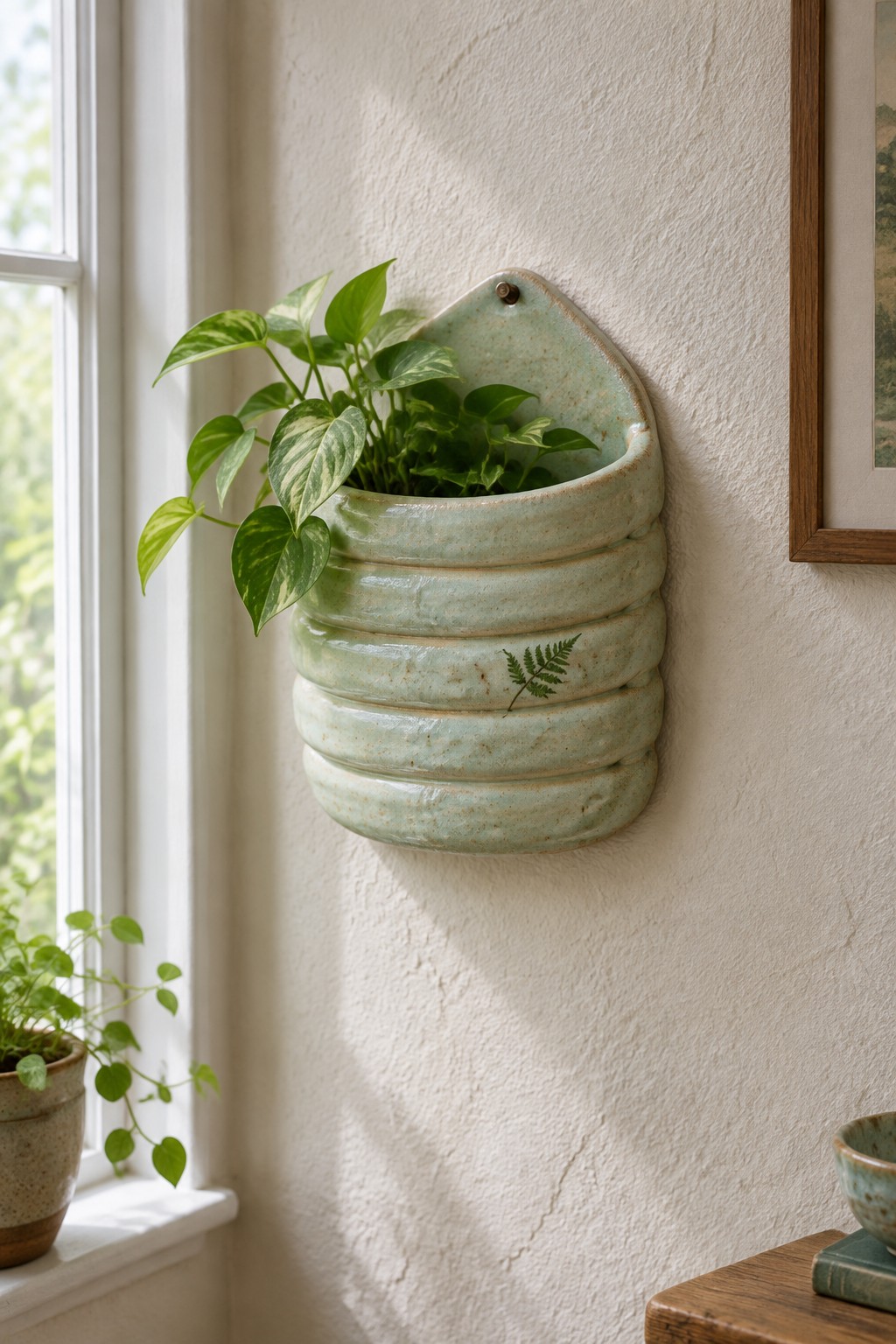
A wall-mounted planter formed from stacked coils creates a compact pocket shape that holds trailing plants without taking up shelf space. The repeated horizontal bands give the surface a clear ridged texture while the soft green glaze keeps the overall look simple and light. A small fern motif stamped on one of the middle coils adds a single natural detail without crowding the form. This fits the category of functional wall planters that combine coil construction with everyday plant display.
The shape does a lot of the work here by fitting neatly into corners or beside windows where larger pots would crowd the area. You could adapt the same coil stacking to make a taller version or shorten it for a smaller plant like a succulent. For a gift this style stands out because the ridges show the hand-built process while still looking clean enough for most rooms. The idea also works if you skip the stamp and let the glaze and texture carry the design instead.
Coiled Soap Dish with Drainage Ridges

A rectangular soap dish built from coils gives you a simple way to keep bar soap raised and dry. The interior ridges formed during construction let water run off while adding grip so the soap stays in place. An organic rim and layered green glaze over a brown clay body create a finished look that works on a sink edge or shower ledge without extra hardware.
What makes this idea useful is how the ridges handle both drainage and texture in one step. You could scale the same coil layout down for a small sponge rest or up for a kitchen sink caddy by changing the depth and foot height. In a bathroom, the compact size fits crowded counters and reduces the need for separate drain mats. The straightforward coil method also lets you swap the glaze color or rim shape to match other handmade pieces you already have.
Coiled Spoon Rest with Side Handle Channel

A coiled ceramic spoon rest gives you a dedicated spot to park cooking spoons right on the counter or stovetop. The maker built the form with spiraling coils that create a shallow basin in the center, then added a flared side extension with ridges to keep the spoon handle from sliding off. Multiple layers of blue glaze settle into the grooves and emphasize the ridges, so the piece reads as both functional and visually active without extra decoration.
What makes this idea useful is that the built-in channel keeps the spoon stable while the basin catches any drips. You could adapt the same coil layout to a longer version that holds two or three utensils at once, or shrink the basin to make a smaller rest for a single tasting spoon. In a kitchen, this kind of piece stays within reach during cooking and takes up less space than a plate or paper towels. The same basic shape also works as a small brush rest for a pottery studio if you leave off the handle channel.
Scalloped Flower Ring Dish with Pink Glaze

A small clay dish with a scalloped flower outline works well as a ring dish or jewelry tray. The rounded petal edges give the form a gentle shape while the glossy pink interior glaze creates a smooth surface that contrasts with the speckled natural clay rim. This type of piece stays low and open so rings and small necklaces stay visible and easy to pick up.
The compact scale lets it sit on a nightstand or dresser without crowding other items. You can rework the same idea by changing the glaze color to match a bathroom palette or by making a slightly deeper version for earrings and bracelets. For gifts this shape is simple to repeat in batches and quick to personalize with a stamped initial on the back.
Coil Built Double Toothbrush Holder

A coil built ceramic holder with two separate openings serves as a practical toothbrush caddy. The stacked coils create even horizontal ridges that give the surface texture and help control how the glaze runs and pools. Speckled clay shows through a light semi-transparent glaze, adding subtle contrast without extra surface decoration. This shape keeps brushes separated and upright while fitting the bathroom item category.
What makes this idea useful is how the double openings match a common daily routine and the coil ridges do most of the visual work. You could build the same form with one opening for a single brush or widen it slightly for makeup brushes or small tools. The neutral palette works in most bathrooms and the clean side profile would stand out in a grid of similar pins. For a gift, this kind of piece gives both function and a clear handmade quality.
Coil Built Salt Cellar with Resting Spoon
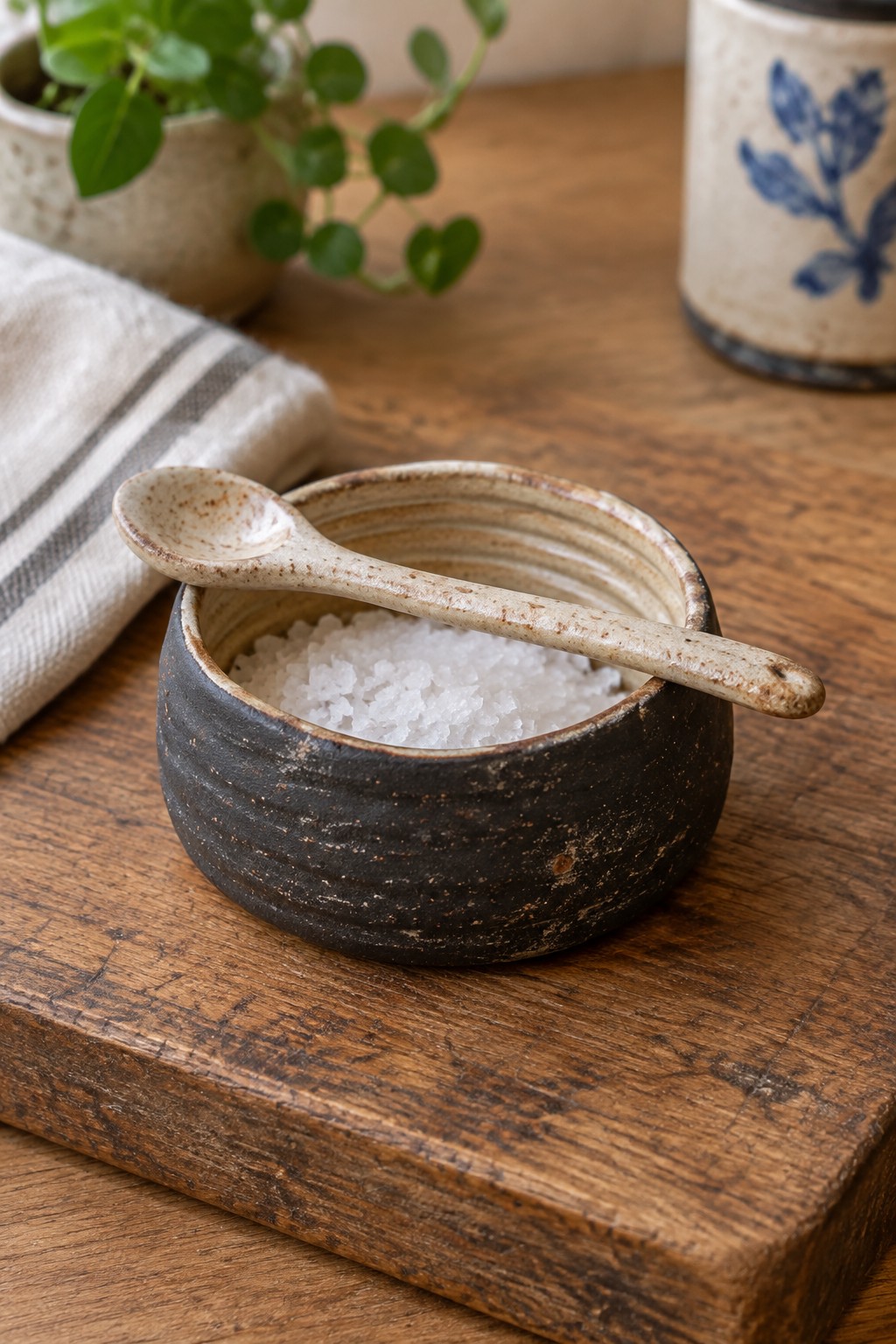
A small coil-built salt cellar uses a low, wide bowl shape paired with a matching spoon that rests across the rim. The dark textured exterior and lighter speckled spoon keep the focus on simple function while the horizontal ridges from the coils add subtle surface interest. This setup works as a kitchen item for holding salt or small amounts of spices right where you cook.
What makes this idea useful is how the spoon turns a plain bowl into a ready-to-use set without extra parts. You could adapt the same low profile for a sugar bowl or a small herb dish by changing the clay color or skipping the dark finish. The compact size makes it quick to throw together for gifts or to keep near the stove, and the built-in spoon detail helps it show up clearly in a Pinterest search for functional pottery.
Coil-Built Oil Lamp with Ridged Spout

This coil-built lamp uses a low, wide bowl that tapers into a short spout to hold a wick in place. Horizontal ridges run around the body, giving the surface both texture and a place for the clay to catch light. The natural terracotta finish keeps the form simple and lets the handmade coils stay visible. It functions as a small lighting piece that works on tables or ledges where you want an open flame without a tall candle.
What makes this idea useful is how the spout shape solves a practical problem while the ridges add detail without extra tools. You could rework the same coils into a taller version for a patio or shorten the spout to make a basic pinch-pot candle holder. The compact size fits well on crowded tables and would translate easily to a small ring dish or salt cellar if you close off the opening. The earthy color and visible coils also photograph clearly for sharing, which helps the design stand out when people search for functional clay lighting ideas.
Floral Cream Pitcher with Twisted Handle

A small ceramic pitcher with a thick twisted handle serves as a practical milk or cream pourer when paired with a matching cereal bowl. The blue floral motifs repeat across both pieces on a light speckled glaze, creating a simple coordinated set for the table. The handle shape adds grip and visual weight while the open bowl form keeps the focus on everyday use.
What makes this idea useful is how the pitcher size works for small-batch serving without taking up much space. The same blue floral layout could be repeated on a sugar bowl or creamer set to build a full breakfast collection. In a kitchen this shape gives you a functional pour spout and stable base that holds up to regular handling. For a gift the matching pair feels complete without needing extra pieces.
Coil-Built Hanging Planter with Glaze Drip

A coil-built hanging planter gives you a sturdy container that shows the construction method through its horizontal ridges. The form is built from thick coils stacked into a rounded shape, then coated with a blue-green glaze that runs down the upper half and leaves the lower section in raw terracotta. The three-rope hanger threads through holes near the rim, keeping the pot balanced for trailing plants. This approach works well when you want a planter that feels substantial without needing a wheel.
What makes this idea useful is the way the hanging setup keeps floor space clear while the coil ridges catch light and shadow. You could scale the same shape down for a wall-mounted version or switch to a matte glaze for a drier look in drier rooms. The size suits medium trailing plants that need room to spill over the sides. For Pinterest, the visible coils and partial glaze give it enough detail to stand out from plain terracotta pots.
Narrow Boat Incense Tray with Ridges

This coil-built ceramic tray takes the shape of a long, narrow boat with a ridged interior that echoes wood grain or woven texture. A small spiral coil at one end keeps an incense stick upright while the rest of the tray collects ash. The speckled earthy glaze and handmade form make it read as a simple, functional piece rather than a decorative sculpture. It fits the category of tabletop incense holder or scent tray.
The long, slim shape works well on a nightstand or desk where space is tight and you still need something that catches ash cleanly. You could easily rework the same boat form into a catch-all tray for rings or matches by leaving off the coil. The ridged surface adds detail without extra carving, so the tray stays useful even when not holding incense. A piece like this shows up well on Pinterest because the shape is recognizable and the function is obvious at a glance.
Coil-Built Sponge Holder with Drainage Holes

A coil-built ceramic holder keeps a dish sponge contained and off the sink bottom while letting water drain through punched holes in the sides. The horizontal coils add structure and texture, and the interior green glaze contrasts with the unglazed, ridged exterior for a straightforward kitchen look. This type of project works as a dedicated holder that stays put near the faucet without sliding around.
What makes this idea useful is the built-in drainage that prevents the sponge from staying wet and developing odors. The round, low profile fits in tight sink corners or beside the drain without crowding the workspace. You could scale the same coil construction and hole pattern up for scrub pads or down for bar soap, and switching the glaze color lets it match other kitchen pottery you already use. For a gift, this shape gives you a simple, functional piece that solves a daily annoyance without extra parts.
Speckled Coil Egg Cups
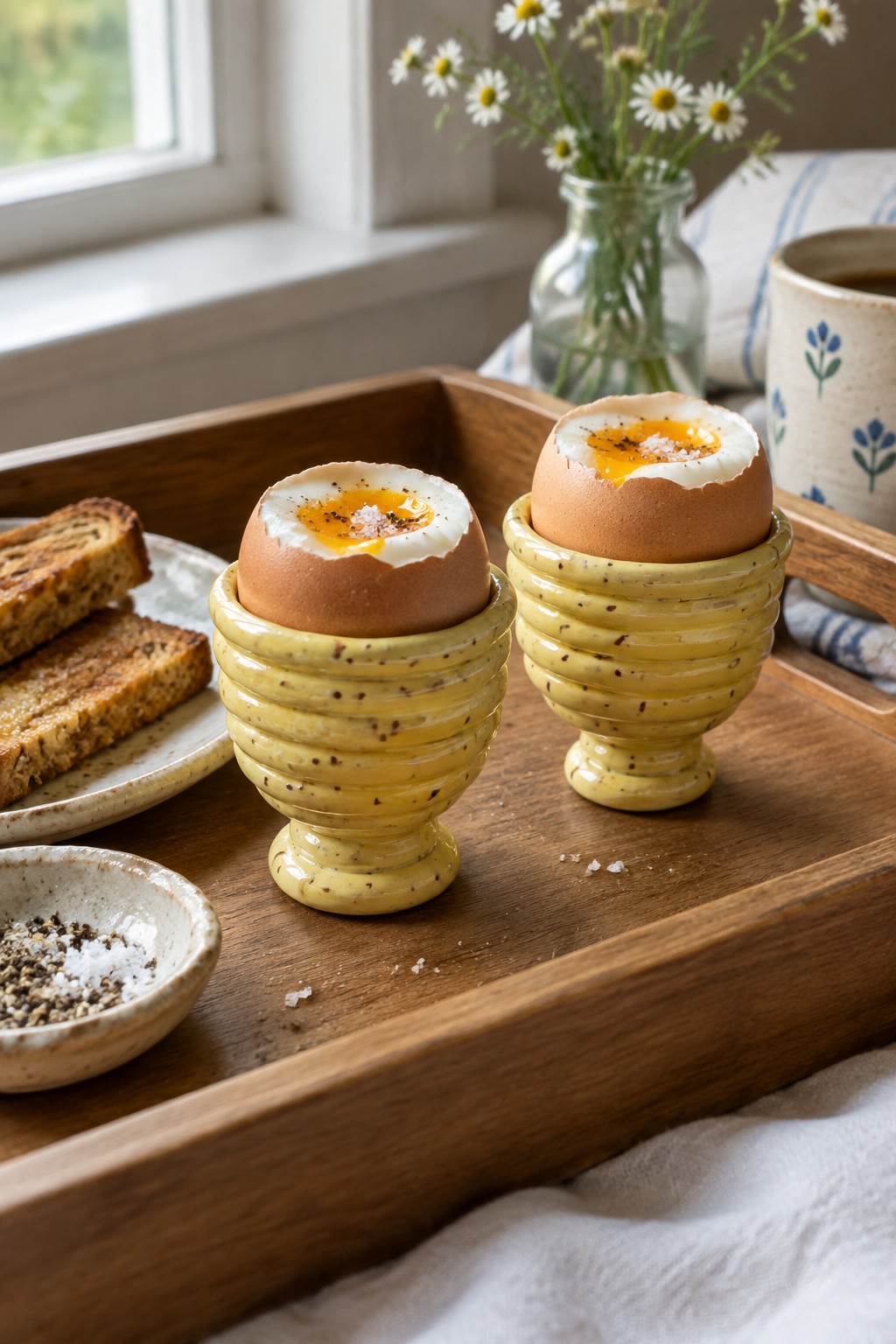
Coil-built egg cups rely on stacked rings of clay to form a compact holder that cradles a single egg. The repeated coils create a ridged surface that catches light and gives the piece a clear handmade texture. A yellow glaze with dark speckles keeps the form simple while making the coil lines easy to see. This shape works as a straightforward kitchen item that stays functional on a breakfast table.
What makes this idea useful is the way the stacked coils give both structure and a ready-made pattern without carving or extra tools. You could adapt the same coil method to make matching salt dishes or small spoon rests using the same glaze. In a kitchen these cups sit neatly on a tray next to toast and eggs because their size and color stand out against wood and linen. The compact form also translates easily to other small holders like tea-light cups or desk organizers if you keep the same coil spacing.
Coiled Butter Dish with Domed Lid

A lidded butter dish built from coils creates a simple kitchen piece that keeps a stick of butter covered on the table. The domed lid sits on a shallow base and includes a small knob for easy lifting, while the earthy glaze and visible coil ridges give the surface texture without extra decoration. This shape works as a dedicated kitchen item that protects butter from dust while staying compact enough for daily use.
What makes this idea useful is the covered form that keeps butter soft but clean during meals. The same coil construction and lid shape could be scaled down for a small cheese dome or reworked into a sugar bowl by changing the knob to a handle. In a kitchen, the neutral tones blend with wooden tables and everyday dishes without standing out too much. For Pinterest, the practical function combined with the handmade ridges gives it a clear, searchable look that differs from plain store-bought versions.
Coiled Pig Planter with Painted Face Details

A coil built pig planter works as a small holder for succulents or herbs. The body comes from stacked coils that form the rounded shape and visible ridges, while separate pieces are added for the ears, snout, and short legs. Pink painted details on the ears, cheeks, and snout contrast with the light speckled surface. This keeps the project in the planter category while turning a simple coil form into a recognizable animal shape.
The small scale makes it easy to fit on a desk, windowsill, or narrow shelf. You could change the ears and snout to make other animals without changing the coil body construction. The painted face details give a quick way to add color that shows up well in project photos. The same shape could also hold small bathroom items like cotton balls or a sponge instead of a plant.
Frequently Asked Questions
What materials work best for creating durable coil pots that can handle daily use?
For coil pots intended for practical purposes like holding plants or serving as containers, stoneware clay is an excellent choice because it fires to a strong, nonporous finish. Start with clay that has some grog mixed in to improve strength during the coiling process. Always wedge the clay thoroughly to remove air pockets before rolling out your coils, and apply even pressure when joining them to avoid weak spots that could lead to leaks or breakage over time.
How can beginners adapt the artistic coil designs for their first projects without feeling overwhelmed?
Beginners should focus on simple coil building techniques first, such as starting with a flat base and gradually stacking uniform coils while scoring and slipping each layer for secure bonds. Choose designs that incorporate basic patterns like gentle spirals or subtle textures rather than complex carvings. Practice on small-scale pots to build confidence, and remember to keep the walls thick enough for stability while smoothing the interior for functionality.
What steps help maintain the balance between artistic details and the pot’s everyday usability?
To preserve usability, apply artistic elements like impressed patterns or added coils only to the exterior surfaces and avoid creating sharp ridges inside that could trap debris. After building, allow the pot to dry slowly under plastic to prevent warping, then bisque fire it before applying food-safe glazes if needed. Test the finished piece by filling it with water to confirm it holds liquid without issues, ensuring the decorative features do not compromise the structure.
Which tools are essential for replicating stylish coil pot designs at home?
A basic set includes a rolling pin or slab roller for even coil thickness, a scoring tool or fork for joining surfaces, a rib tool for smoothing, and a needle tool for cutting excess clay. For adding artistic flair, consider texture stamps or carving tools to create patterns without weakening the walls. Keep a spray bottle handy to maintain moisture in the clay during longer building sessions.
How should coil pots be cared for after firing to ensure they last through regular use?
Once fired and glazed if desired, clean coil pots with mild soap and water rather than harsh abrasives that could damage decorative surfaces. Store them away from extreme temperature changes to avoid cracking, and for plant holders, use a drainage tray to prevent moisture buildup at the base. Regular inspection for small chips allows for timely repairs with epoxy designed for ceramics, extending the life of both the functional and artistic aspects.

Pottery Path is my cozy corner of the internet where I share clay ideas, pottery inspiration, and simple projects you can recreate at home. I love exploring everything from air dry clay to handbuilt pottery to cute minis that brighten your day. My goal is to make clay crafting feel easy, fun, and welcoming for anyone who wants to try it.
You will find beginner friendly tutorials, creative pottery painting ideas, and lots of warm inspiration for slow and happy crafting. If you enjoy hands on creativity, this space will feel like home.