
I’ve been working with coil pottery for a while and I like how it lets me shape things at my own pace.
Lately I’ve been making pieces with softer organic forms that don’t need to be perfectly even.
Texture on the outside adds something I enjoy without needing extra tools or steps.
These are some ideas I’ve tried or sketched out based on what works in my own space.
They might be useful if you’re looking for straightforward ways to try something new.
Horizontal Ridge Coil Mug
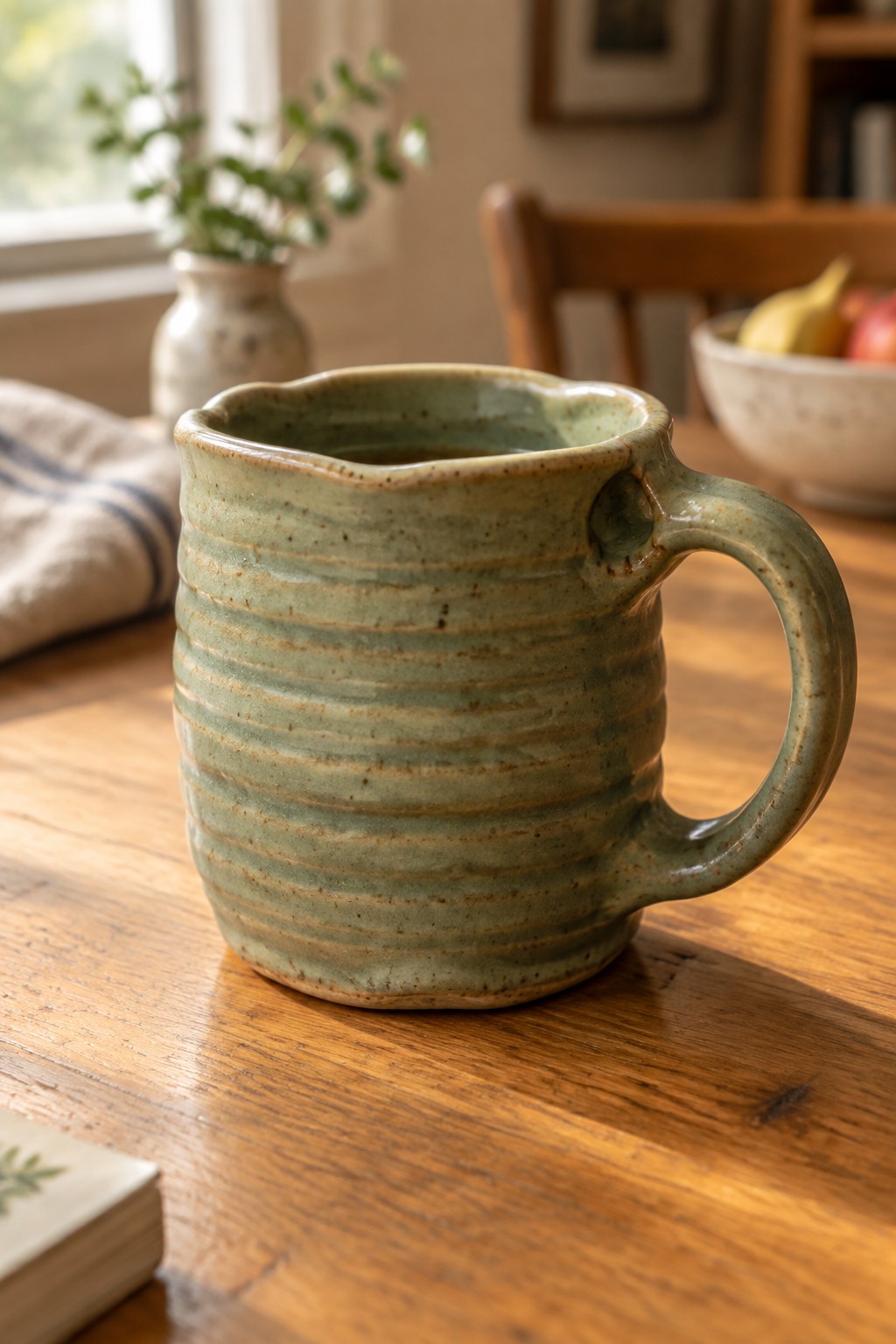
A coil-built mug uses stacked horizontal coils to form the body and create a repeating ridged texture that runs from base to rim. The slightly uneven top edge and speckled green glaze keep the shape organic while the simple pulled handle stays functional. This approach fits the modern coil pottery category of textured drinkware that works for everyday use.
What makes this idea useful is how the ridges give the surface instant depth without extra tools or stamps. You could scale the same coil method down for an espresso cup or widen the base for a small creamer by changing the coil diameter and rim flare. In a kitchen, the textured finish helps the mug catch light on open shelves and pairs easily with other handmade pieces. The straightforward construction also makes it simple to try in different glaze colors or clay tones.
Coil-Built Oval Planter with Horizontal Ridges
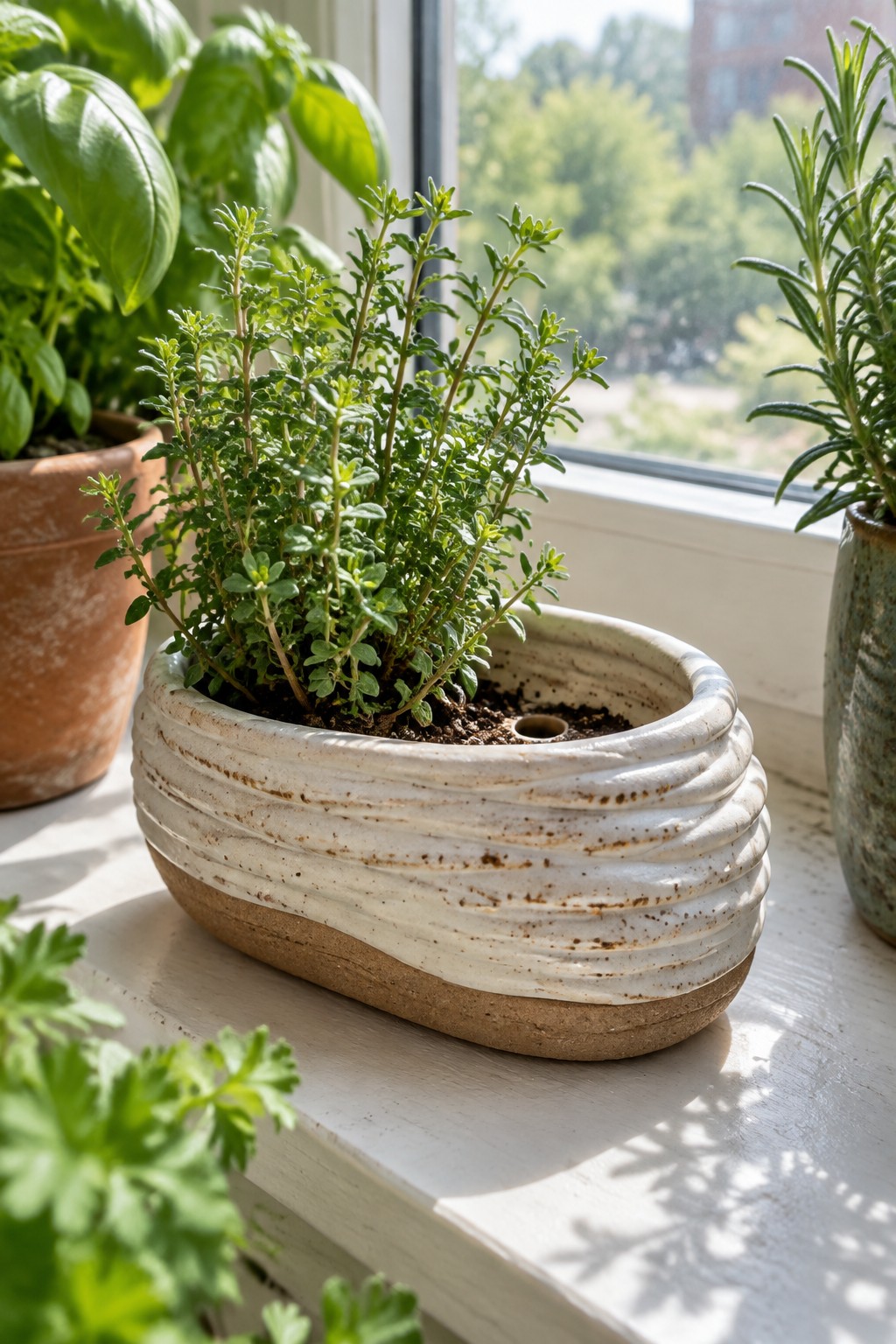
A low oval planter formed from stacked coils gives a wide, shallow planting area that works well for compact herbs. The repeated horizontal ridges create a clear surface pattern while adding grip for handling. A simple two-tone finish leaves the base section in raw clay color and covers the coils in a matte off-white that shows the handmade texture.
What makes this idea useful is how the elongated shape fits tight windowsill spots where round pots take up too much room. The same coil ridges can be adapted into a longer trough for a kitchen counter or shortened into a small desktop tray for succulents. Because the texture comes from the building method itself, the surface stays interesting even if the coils are slightly uneven.
Spiraled Coil Vase with Visible Texture
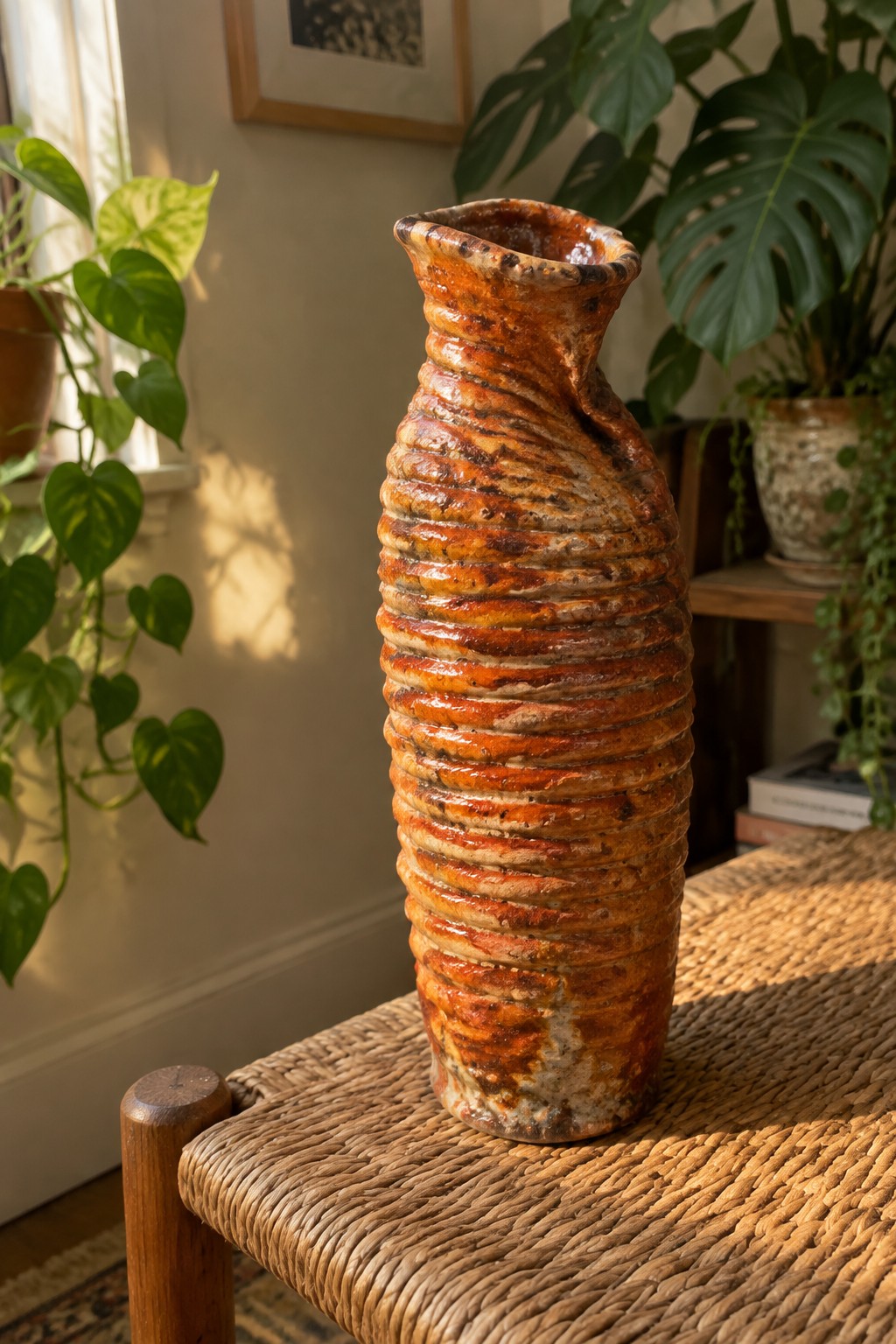
A tall vase built entirely from stacked coils creates the foundation here. The coils remain prominent and slightly uneven, forming deep horizontal grooves that run the full height of the piece. The form narrows and shifts off-center near the top, producing an asymmetrical silhouette. Rust and ochre glazes settle into the ridges while lighter clay shows through on the raised edges, emphasizing the handmade surface.
What makes this idea useful is how the coil ridges carry the visual interest without extra tools or carving. The tall proportion works well as a floor piece or on a console with dried branches. You could apply the same stacking method to a shorter, wider planter or reduce the scale for a set of matching bud vases. The glaze pooling effect is simple to repeat with any standard dipping glaze and a light wash over the coils.
Scalloped Rim Bowl with Visible Spiral Texture

A shallow ceramic bowl with a freeform scalloped edge makes a strong kitchen or table piece. The uneven rim adds movement while the crackle glaze sits over concentric rings that show the forming process. This approach fits the organic shape category and uses glaze variation to highlight the surface instead of added decoration.
What makes this idea useful is how the wavy edge gives a plain bowl more presence without extra steps. You could repeat the same rim shape on smaller plates or try different glaze layers that break at the curves. In a kitchen this form works for holding produce or bread and still reads as intentional when stored on open shelves. The scale stays manageable for most home kilns if you want to test the edge treatment first.
Coil Built Tealight Holder with Layered Petal Forms

A coil-built candle holder uses stacked, overlapping petal shapes to form a low, wide base around a central cup that holds a standard tealight. Each lobe carries a simple carved sunburst pattern that adds surface texture while keeping the overall shape compact and balanced. The speckled blue-green glaze with brown edges highlights the handmade coils without overpowering the carved details. This style fits the candle piece category and works especially well when the goal is to showcase coil construction in a small decorative object.
What makes this idea useful is how the layered petal shape can be built in different heights or widths depending on the size of candle you want to use. The sunburst carving repeats easily with a basic loop tool, so the same motif can be applied to ring dishes or small trays without much extra planning. You could simplify it to three or four coils for a quicker version or stretch the same overlapping forms into a shallow planter saucer. The small scale also makes it practical for testing new glazes or clay bodies before committing to larger pieces.
Sculpted Leaf Relief Wall Hanging

A flat rectangular slab serves as the base for this project, with several large leaves built up in relief across the surface. The leaves feature clear vein lines that create strong shadows, while the edges use repeated horizontal ridges to frame the organic forms. Two holes at the top hold a simple cord for hanging, keeping the whole piece straightforward and focused on the leaf details.
The shape does a lot of the work here since the rectangular format lets the leaves take center stage without needing extra color or glaze layers. This kind of piece works especially well as a single accent on a plain wall or above a workspace where you want texture but not clutter. You could rework the same leaf relief method into a set of smaller tiles or apply the vein pattern to the side of a planter for a matching look. The grooved borders give it enough structure to stand out in photos without extra finishing steps.
Coiled Spiral Spoon Rest

This coil-built spoon rest uses a tight spiral at one end that opens into a long, narrow trough. The teal glaze settles into the carved ridges to emphasize the wave-like texture while the terracotta rim stays unglazed. The shape works well as a kitchen item that holds utensils without taking up much counter space.
What makes this idea useful is how the extended trough keeps drips contained during cooking. You could shorten the form to make a smaller version for a desk or bathroom, or repeat the spiral at both ends for a two-sided tray. The carved ridges are easy to adapt with different tools if you want a subtler texture on your next piece.
Speckled Coil Ring Dish with Scalloped Rim

A small coiled pottery ring dish works well when you build it from stacked coils that stay visible after firing. The scalloped rim comes from pinching the top coil into soft waves, and the speckled pink glaze sits thin enough to let the clay texture show through. This keeps the piece simple while giving it enough surface detail to catch light on a dresser or nightstand. It fits the ring dish category because the low sides and shallow center hold jewelry without taking up much space.
What makes this idea useful is how the coil construction doubles as both structure and texture, so you skip extra carving steps. The small scale means you can finish and fire several in one kiln load for gifts or market stock. You could rework the same rim shape on a slightly wider base to hold keys or loose change, or switch the speckled glaze for a matte white to match different room colors. The organic edge also photographs cleanly for Pinterest without needing props.
Ridge-Textured Creamer with Drip Glaze Transition

A small wheel-thrown pitcher makes a practical creamer or milk server for the table. Horizontal ridges wrap the body from neck to base, giving the surface a clear linear texture that catches light and glaze. The upper half stays in a matte beige while a glossy brown glaze covers the lower section and drips upward in a few places, creating a simple two-tone effect without extra decoration.
What makes this idea useful is the compact size that works on a breakfast table or beside a coffee setup without crowding other items. You could repeat the ridge pattern and partial drip glaze on a taller jug or a short tumbler set using the same clay body. The spout and rounded belly also translate directly to a small syrup pitcher or a desk vase for a few stems if you adjust the opening. This kind of form stands out in a feed because the texture and glaze break are easy to spot even in a thumbnail.
Coiled Utensil Holder with Leaf Imprints

A coil-built utensil holder uses stacked coils to create a tall cylinder that keeps kitchen tools upright and easy to grab. Horizontal ridges formed by the coils give the surface built-in texture, while small leaf stamps pressed into the clay add scattered natural detail without extra carving. The green glaze pools in the grooves and around the leaves to emphasize the form rather than hide it. This approach turns a basic kitchen item into a functional piece that still shows the handmade construction.
What makes this idea useful is how the coil ridges do most of the visual work so you do not need complex surface decoration. You could scale the same method down for a small spoon rest or up for a larger tool crock by adjusting coil thickness and height. The leaf stamps work in any neutral glaze, so the holder can match different kitchen colors without changing the build. For a gift or everyday use, the shape stays practical because the wide opening fits both wooden and metal tools without tipping.
Oval Coil Soap Dish with Drainage Ridges

A coil built soap dish gives you a shallow oval form with raised ridges running across the interior to keep the bar elevated. The textured exterior comes from the coil construction while the inside uses a simple glaze that handles water without issue. This approach turns a basic bathroom need into a functional piece that fits the modern coil pottery style through its organic shape and visible handbuilt surface.
What makes this idea useful is how the ridges solve the problem of soap sitting in water without any added hardware. The compact size works well on sink edges or counter corners where larger trays would crowd the space. You could adapt the same coil method into a small jewelry tray by removing the ridges and smoothing the base or stretch it longer for a sponge holder in the kitchen.
Organic Trinket Tray with Textured Rim

A small ceramic tray built in an irregular, freeform shape works well as a jewelry holder or catch-all. The design combines a blended pink and ochre glaze with a series of raised circular impressions pressed along the rim to create subtle texture. The shallow, wavy edges keep small items contained while the handmade surface gives the piece a distinct look without extra decoration.
The compact size makes this easy to place on a nightstand or desk for rings and necklaces. You could rework the same shape and rim texture into a soap dish or small key tray by adjusting the depth slightly during construction. The textured edge adds detail that reads clearly in photos, which helps the idea perform well when shared online.
Ridge-Textured Divided Toothbrush Holder

This divided holder is formed from coils into a low cylinder with three separate compartments that keep toothbrushes upright and separated. The exterior carries vertical ridges that trap the speckled blue-gray glaze in the grooves while leaving the raised areas lighter, giving the surface a clear linear pattern. The slightly uneven rim and organic shape make it read as a handmade bathroom piece rather than a uniform factory item.
What makes this idea useful is how the compartments turn a basic cylinder into a working bathroom organizer that fits on a narrow ledge or windowsill. The same vertical texture and divided layout could be scaled down for a desk pen holder or widened for kitchen utensils by adjusting the number of sections. A single glaze change to a warmer tone would let the same form work in a different room without altering the construction. The small overall size keeps the project quick to build and easy to repeat for gifts.
Twisted Spiral Coil Vase

A small bud vase built from coils that twist upward in a continuous spiral gives the piece its shape and surface at the same time. The form works well for holding one or two stems, keeping the focus on the flower while the vase itself stays sculptural. A soft green glaze with slight color shifts adds shine without covering the coiled texture underneath.
What makes this idea useful is how the spiral build creates both height and visual movement without needing extra carving or handles. You could scale the same twisting pattern to make a taller version for larger stems or widen the base coils to turn it into a small planter. The compact size fits easily on a desk or narrow shelf where bigger pieces would crowd the space. For a gift, this shape pairs cleanly with a single bloom or a bundle of dried stems.
Ridge-Textured Yarn Bowl with Rim Notch

A yarn bowl formed from coiled clay takes a simple rounded shape with deep horizontal ridges pressed into the exterior walls. The rim includes a single notch sized to let yarn pass through without catching while the ball stays contained inside the bowl. This design works well because the ridges add grip and visual weight without extra decoration, and the notch keeps the yarn moving steadily during knitting or crocheting. The matte dark clay finish helps the piece read as a functional tool rather than fragile decor.
What makes this idea useful is how the notch solves a common problem for anyone who knits or crochets regularly. The bowl sits comfortably on a lap or side table without rolling, and the same coiled ridges and notch can be scaled down for smaller projects like embroidery thread or even adapted into a small desk catch-all. For a gift, something like this appeals directly to fiber artists who already have plenty of plain bowls. The textured surface also photographs cleanly for Pinterest, where functional craft tools tend to get saved more than purely decorative ones.
Double Chamber Salt Cellar with Textured Finish

A double-chambered ceramic cellar gives you two connected compartments for salt and pepper in one compact form. The shape uses two rounded sections joined at the center, with a simple lid that covers only one side. The surface carries a dense pattern of small raised dots under a speckled glaze that creates a rough, organic texture without any added color or pattern. This approach works as a kitchen item because the form stays practical while the texture and irregular outline place it in the modern coil pottery category.
What makes this idea useful is that the connected chambers keep two seasonings within reach on a countertop or table without needing separate dishes. You can adapt the same joined shape for other pairs like coarse salt and dried herbs or even small spice blends. The heavy texture helps hide small surface flaws from handbuilding, so the piece still looks finished even if the coils are not perfectly uniform. In a kitchen, this kind of object stands out on Pinterest because most coil projects focus on single bowls or vases rather than everyday paired storage.
Hedgehog Planter Built from Overlapping Clay Coils

A hedgehog planter uses coiled clay strips layered across the body to form a raised, scale-like texture that mimics spines. The head stays smoother with only small pinched or added details for the face and nose. This keeps the overall form compact and rounded so it functions as a small succulent holder. The contrast between the textured back and plain face makes the shape read clearly as a simple animal without extra color or carving.
The small scale works well on a windowsill or shelf where a full-size pot would feel too big. You could rework the same overlapping coil method into other rounded animals by adjusting the head and texture direction. The built-in surface pattern also gives the piece enough visual weight to stand out next to plain ceramic pots or trailing plants. For a quick variation, try the same body shape as a small trinket holder instead of a planter.
Oval Tray with Concentric Ridges and Wavy Rim

A long oval ceramic tray with an undulating rim offers a practical shape for serving or display. The interior holds several concentric oval ridges that create gentle depth and catch light across the surface. A mottled glaze in soft blues, browns, and cream tones covers the form and emphasizes the ridges without adding extra decoration. This approach works well for a tray that stays functional while showing clear handmade texture.
The elongated proportions give you room to arrange food, small objects, or plants without feeling crowded. You can adapt the ridge idea by using a rib tool or your fingers to press similar lines into wet clay before trimming the edges. A single matte glaze on the same shape would still read as intentional if the rim stays irregular. This style of tray translates easily to different sizes and stands out in photos because the form and surface pattern do most of the work.
Frequently Asked Questions
What clay is best suited for achieving organic shapes and textured finishes in coil pottery? Stoneware or porcelain clays with grog added provide excellent strength and workability for building larger organic forms without slumping. These clays also hold textures well when impressed or carved before drying. Start with a medium grog content to balance smoothness for coiling with enough tooth for surface details. How can I keep organic coil pottery shapes stable while building them? Work in sections and let lower coils firm up slightly before adding weight above them to prevent distortion. Use supports like foam or newspaper inside curves during construction and score and slip joints thoroughly for strong bonds. Keep the clay consistently moist but not wet to maintain flexibility without weakening the structure. What everyday tools create interesting textured finishes on modern coil pieces? Household items such as lace fabric, leaves, or wire brushes pressed into the surface produce varied organic patterns that complement curved forms. Experiment with rubber stamps or carved wooden tools for repeated motifs and always apply textures while the clay is leather hard for clean impressions. Seal the piece lightly with a damp sponge afterward to soften any overly sharp edges. How do I avoid cracks when drying and firing textured coil pottery? Dry pieces slowly under plastic for several days to allow even moisture loss especially around textured areas that hold water longer. Once bone dry bisque fire at a gradual ramp to prevent steam buildup in grooves and consider a lower temperature glaze firing if the textures are delicate. Always test small samples first with your specific clay and kiln setup. Where can I source more ideas beyond the 18 featured organic coil designs? Visit local galleries or online communities focused on contemporary ceramics to see how artists adapt coiling techniques for new forms. Sketch natural elements like river stones or seed pods directly and combine them with different texture layers for fresh variations. Keep a notebook of process notes from each project to build your own collection of adaptable ideas over time.

Pottery Path is my cozy corner of the internet where I share clay ideas, pottery inspiration, and simple projects you can recreate at home. I love exploring everything from air dry clay to handbuilt pottery to cute minis that brighten your day. My goal is to make clay crafting feel easy, fun, and welcoming for anyone who wants to try it.
You will find beginner friendly tutorials, creative pottery painting ideas, and lots of warm inspiration for slow and happy crafting. If you enjoy hands on creativity, this space will feel like home.