I’ve been making coil bowls at home for a while because the process feels straightforward and doesn’t require a lot of special tools.
They hold up well for everyday things like holding fruit or catching keys by the door.
I tend to keep the shapes simple so they actually get used instead of sitting on a shelf.
Some of my versions are smooth and plain while others have a bit of texture from the coils themselves.
These are 24 ideas I’ve tried or tweaked over time that seem practical for most people.
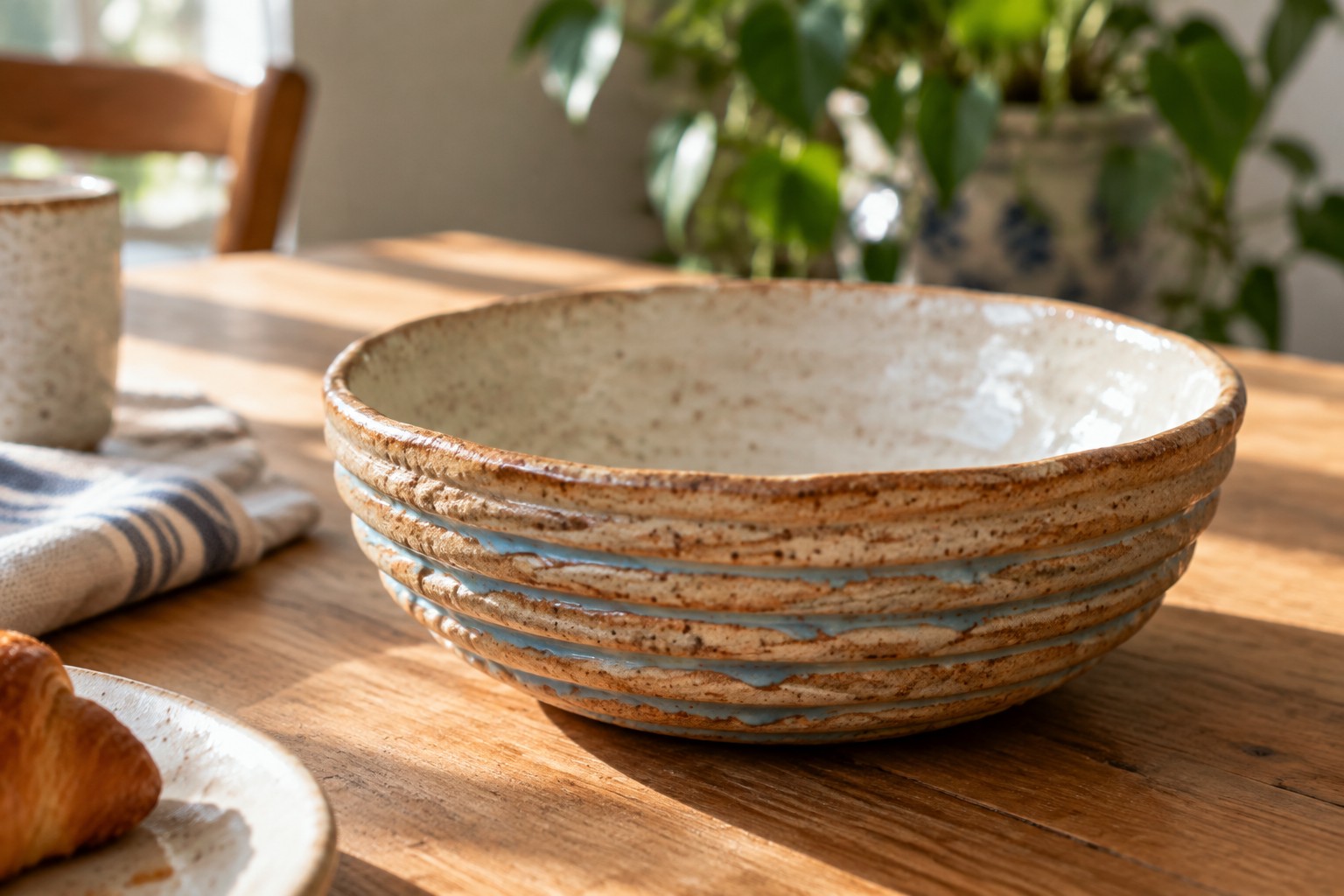
Striped Coil Bowl with Blue Slip Lines

A coil-built bowl uses stacked clay rings to form the walls, and this example leaves the coils visible as a design feature. Blue slip or underglaze is applied between each ring against a speckled brown clay body, creating clear horizontal stripes that follow the bowl’s shape. The wide, shallow form works as a serving or mixing bowl and keeps the focus on the coil pattern rather than added surface decoration.
What makes this idea useful is how the building method itself supplies the decoration, so you avoid extra carving or painting steps. You could change the slip color between coils to match different tableware sets or scale the same coil spacing down for smaller prep bowls. In a kitchen this shape holds up well for daily use because the ridges add grip without making the surface hard to clean. The same stacking approach could be reworked into a taller planter by simply adjusting the coil diameter as you build upward.
Coil Built Nesting Bowls in Three Glaze Colors

These bowls are made by coiling and then glazed in a simple progression of colors, with the largest in yellow, the middle in pink, and the smallest in green. The interior of the smallest bowl shows the spiral ridges left from building, which gives it texture without extra decoration. Nesting sets like this are a straightforward way to practice coil construction while ending up with pieces that stack for easy storage.
What makes this idea useful is that the graduated sizes fit inside one another, so they take up little shelf space and can be used for different tasks like prep, serving, or holding small items. You can adapt the same approach by making only two bowls or shifting the glaze colors to whatever you already have on the shelf. In a kitchen, the color contrast helps you grab the right size quickly, and the same stacking idea works just as well for small plant pots or desk organizers.
Coiled Yarn Bowl with Threading Hole

A coil-built yarn bowl holds a ball of yarn in place while you knit or crochet. The form features a wide rim notch and a small hole near the base so the working strand pulls through cleanly without tangling or rolling off the table. Horizontal ridges give the outside texture and help the bowl sit steady during use. This type of holder belongs in the craft supply category and keeps supplies organized in one spot.
What makes this idea useful is how the hole and notch together control yarn feed without extra tools. You can adapt the same shape for thicker or thinner yarns by changing the hole size or adding a second notch. A piece like this works especially well on a side table or in a knitting basket as a gift for crafters. The small scale makes this easy to turn into a double version that holds two colors at once.
Scalloped Rim Speckled Coil Bowl

A small coil bowl with a lobed rim gives the piece a soft flower shape without added pieces. The pink glaze with brown speckles covers the surface evenly and shows the slight ridges left from building the walls. This style works as a compact catch-all dish for jewelry, loose change, or a few pieces of fruit on a table.
The small scale lets you place it on a desk or shelf without taking much space. You can adjust the rim by making fewer or deeper lobes to change the look, or switch the glaze color to fit kitchen or bathroom tones. The same basic coil form could become a set of three nesting dishes or a shallow tray for soap.
Ridge-Textured Blue Coil Bowl
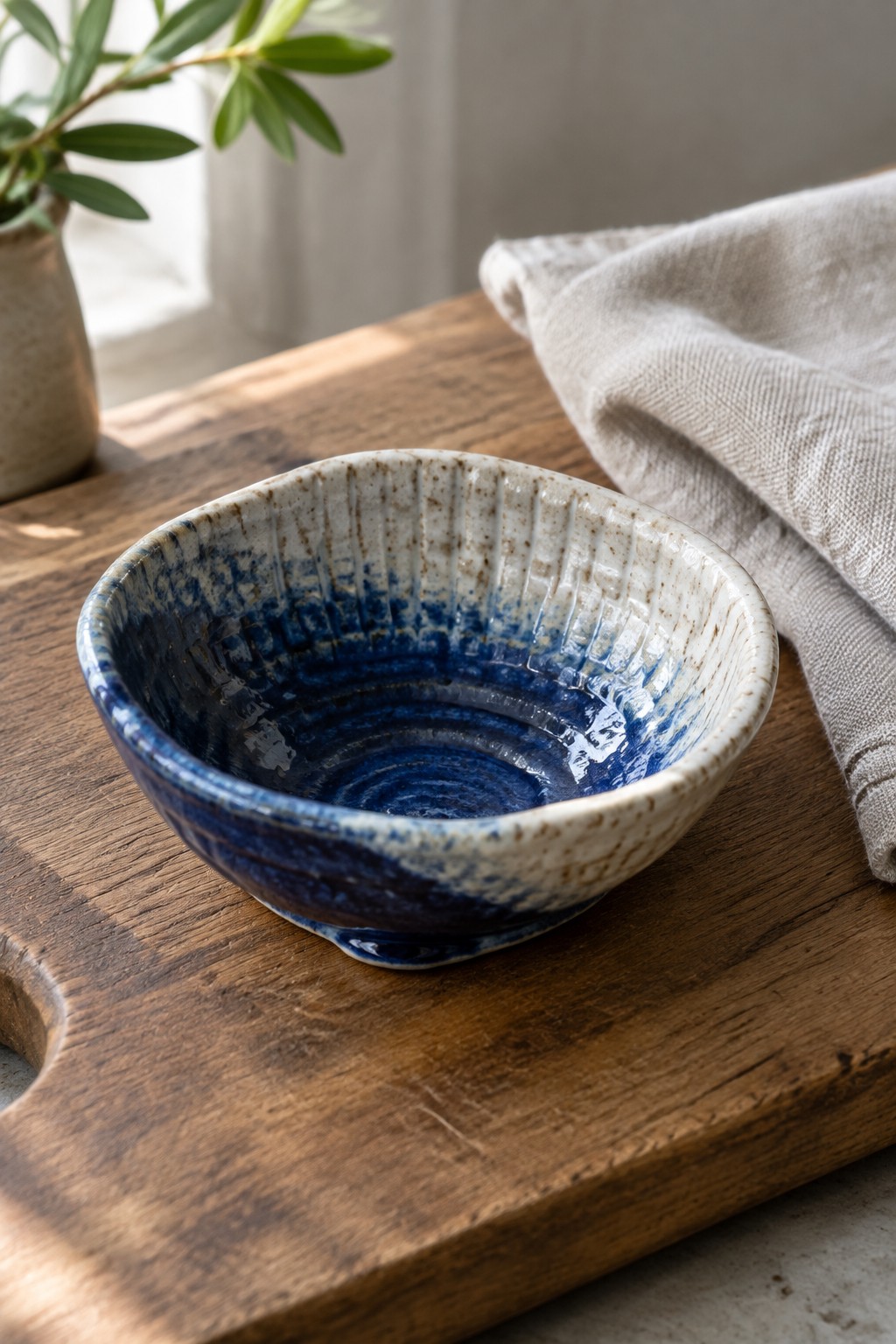
A coil-built bowl like this uses vertical coils pressed into the interior walls to create ridges that hold glaze in place. The blue glaze pools heavily in the base and thins toward the top, leaving the speckled clay rim mostly exposed. This approach turns a basic small bowl into a kitchen piece that works for dips, snacks, or small sides while the texture does the visual work.
What makes this idea useful is how the ridges control where the glaze settles, so simple dipping or pouring still produces strong contrast. You could scale the same coil pattern up for a larger salad bowl or repeat it on a set of four small prep bowls. In a kitchen the compact size fits easily on a counter or table without taking much space, and the blue-and-white finish pairs with most everyday dishes. The same ridge technique adapts quickly to a ring dish or spoon rest if you want to test the method on something even smaller.
Coiled Serving Bowl with Streaky Amber Glaze
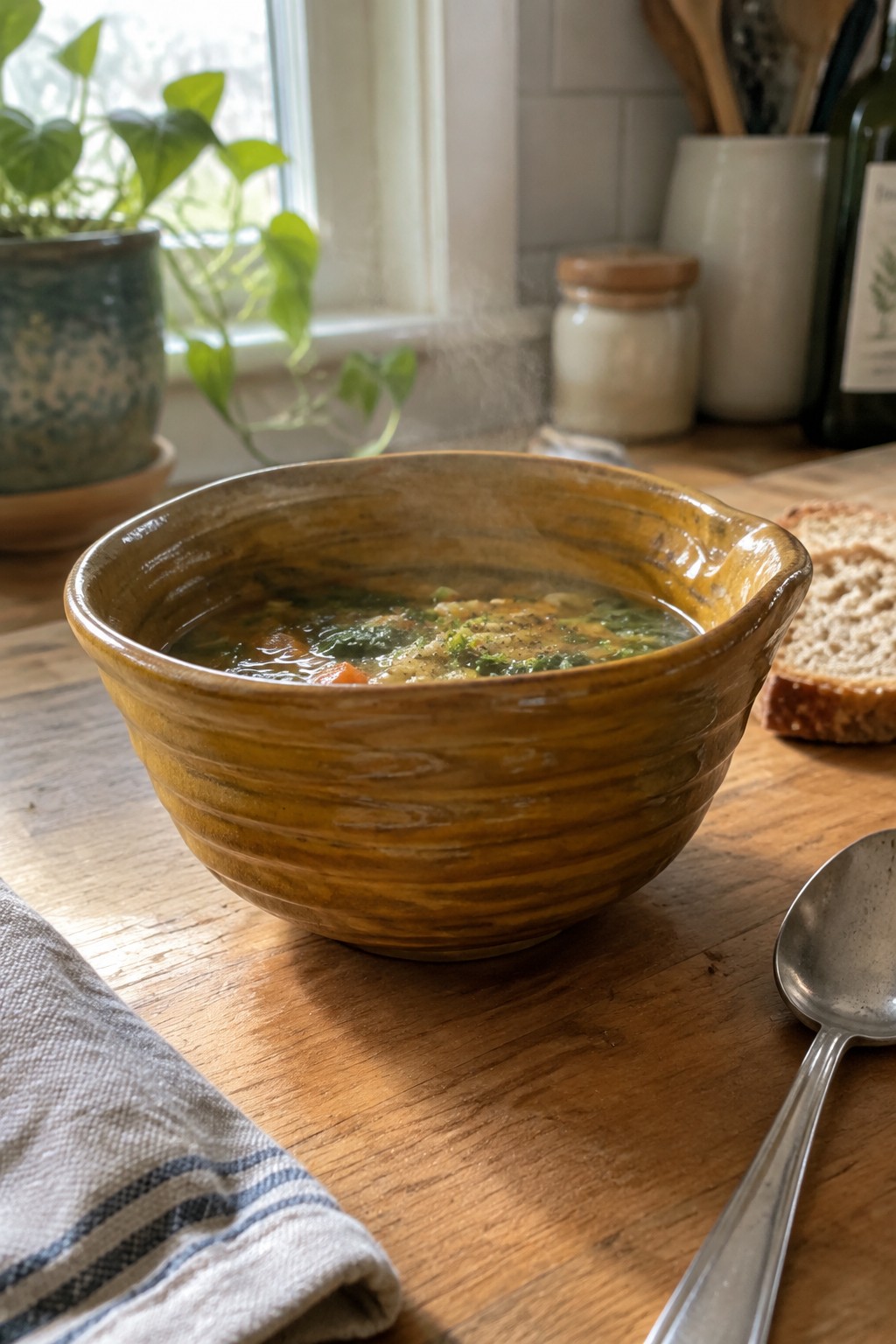
A wide coil bowl suits soup or stew service because the thick walls retain heat and the open shape gives plenty of room for broth and vegetables. The streaky amber glaze highlights the coil ridges on the exterior while keeping the interior smooth for easy cleaning. This approach keeps the form simple and functional without extra trimming or handles.
The shape does a lot of the work here since the wide rim makes scooping straightforward and the stable base prevents tipping. You could adapt the same coil method to a slightly taller profile for cereal or change to a matte green glaze for a different kitchen palette. In everyday use this size works on open shelves or as a shared serving piece at the table, and the visible coils give it enough texture to stand out in photos without extra decoration.
Coil Bowl with Exposed Clay Ridges

A coil-built bowl like this uses stacked ropes of clay to create the walls, leaving clear horizontal ridges on the outside. The maker left the exterior unglazed to highlight the terracotta clay and the coil construction, while coating the inside with a turquoise glaze for a smooth, functional surface. This keeps the focus on the building process while still producing a usable bowl that can hold water or small items.
The shape does a lot of the work here because the ridges give the bowl visual weight without any added carving or stamps. A piece like this works especially well as a desk catch-all or a small bathroom dish for jewelry or soap. You could simplify the same idea by using a single glaze color inside or scale it up slightly for a larger fruit bowl. The contrast between the rough exterior and bright interior also photographs cleanly for sharing.
Leaf Impressed Coil Bowl

A coil built bowl with a large leaf shape formed directly into the interior surface creates a functional serving piece. The leaf veins are raised enough to interact with the glaze, which settles into the lines and gives the bottom a subtle pattern without any added paint. An earthy green glaze covers the whole form and lets the texture show through in a simple way. This keeps the bowl practical for food while adding a built-in detail that does not require extra steps after the clay stage.
The wide shape works well for salads or sides because the open form makes tossing easy and the leaf sits at the bottom where it stays mostly covered during use. You could adapt the idea by pressing real leaves into smaller coil bowls or trays to get the same vein effect with less carving. Changing the glaze to a matte brown or soft blue would let the same leaf design fit different table styles without changing the construction. The scale stays easy to manage for someone already comfortable with coils.
Speckled Coil Bowl for Spice Blends
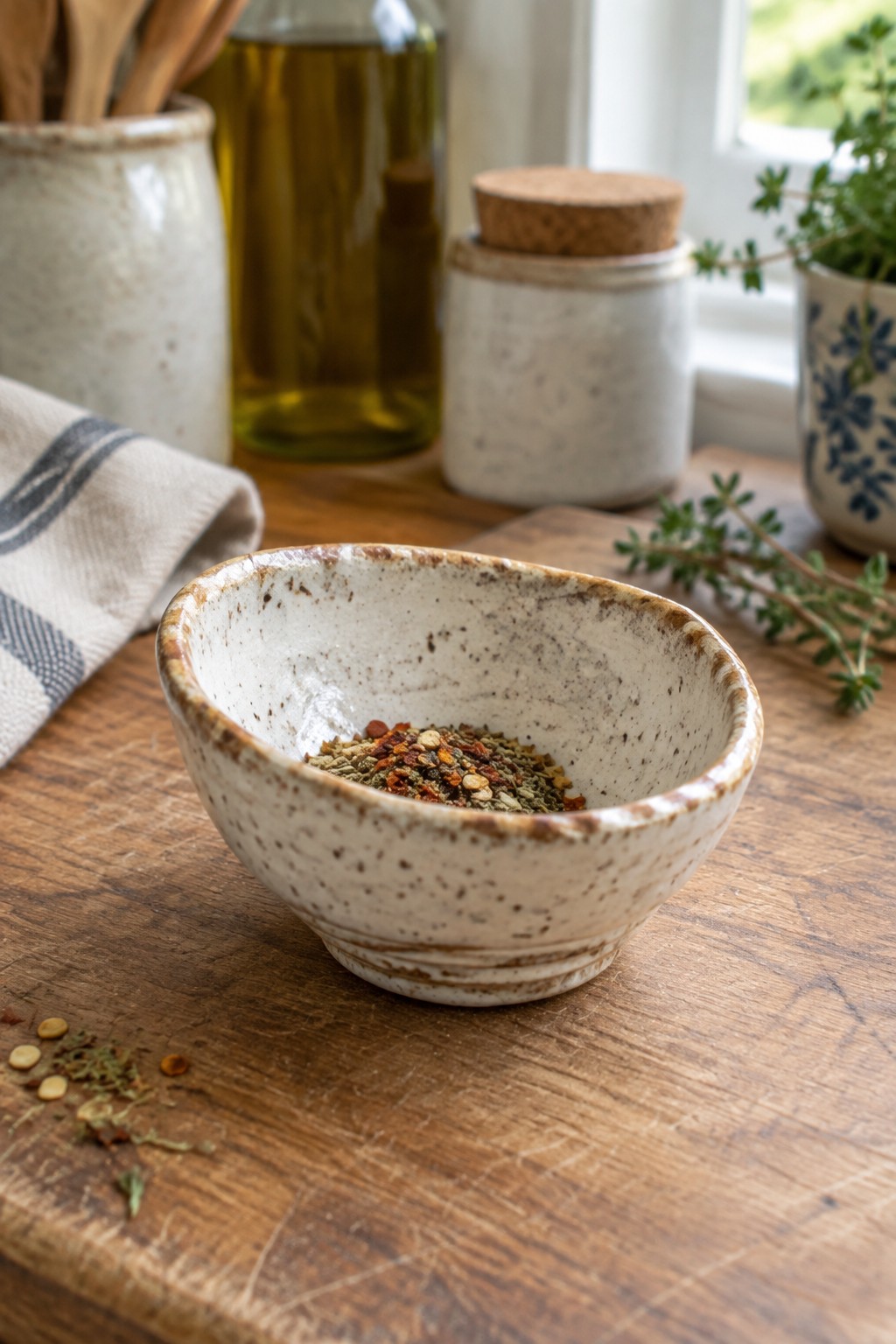
A small coil-built bowl makes an effective kitchen piece when shaped with a slightly irregular rim and finished in a speckled off-white glaze. The earthy flecks in the glaze help the bowl blend with wooden surfaces and natural ingredients rather than standing out as a separate accent. This size works best for holding a few tablespoons of dried herb mixes or seasoning blends where the contents stay visible and accessible.
What makes this idea useful is how the compact form keeps the focus on the ingredients inside while still reading as intentional pottery. You could repeat the same shape in a slightly deeper version for loose tea or finishing salts, or swap the speckled glaze for a matte brown if you want it to recede more on a busy counter. The neutral surface also photographs cleanly for recipe posts or Pinterest boards without competing with the food.
Coil Bowl with Painted Citrus Rim
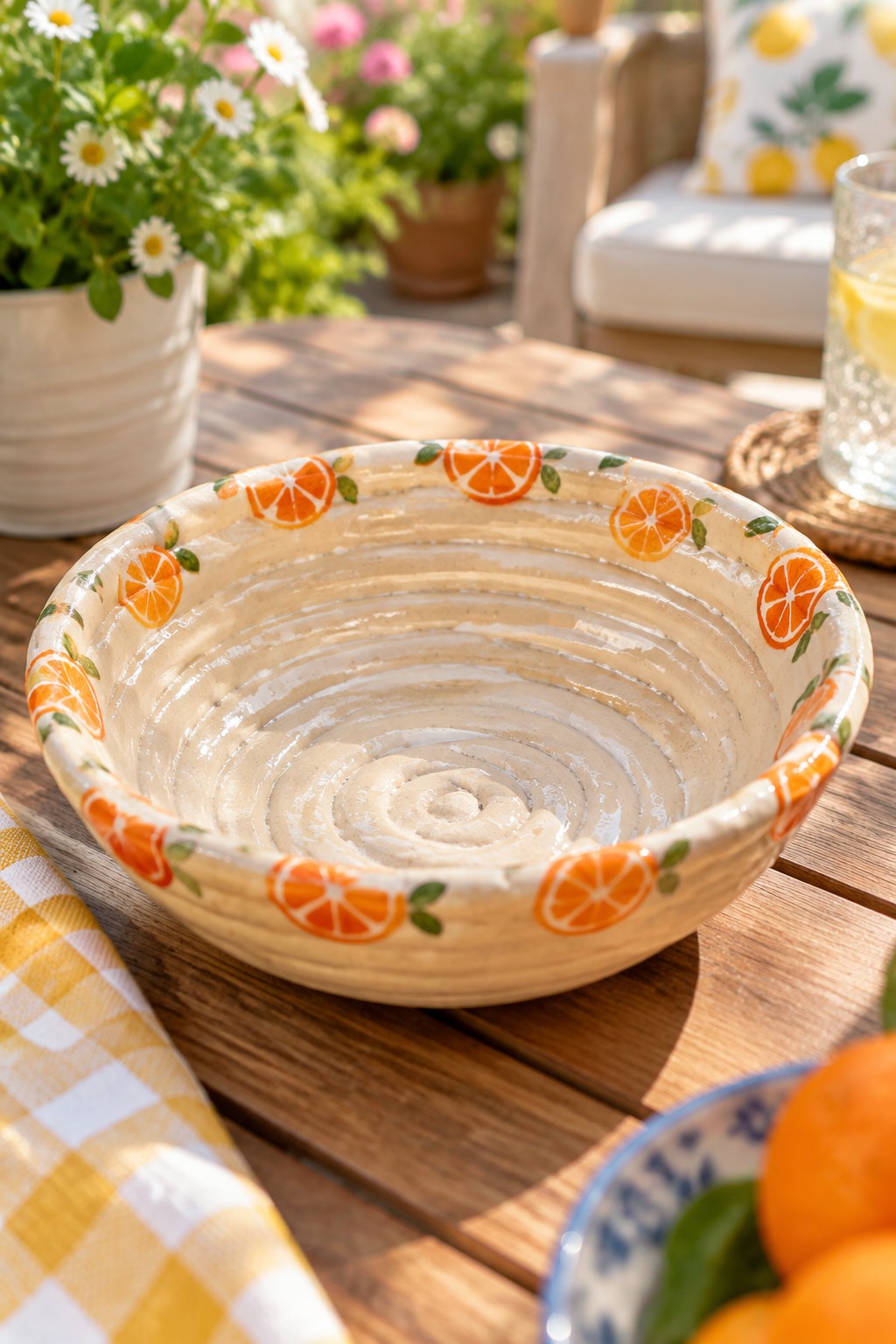
A coil-built bowl uses simple fruit slices and leaves painted around the upper edge to create a clear kitchen theme. The oranges sit evenly spaced on the rim in bright orange with small green accents, while the interior keeps the natural spiral ridges from the coils. This approach works as a functional serving bowl that still shows the handmade construction. The design stays in the painted motif category rather than relying on added sculptural details.
What makes this idea useful is how the rim painting gives a plain coil shape an immediate seasonal look without changing the form. You could swap the oranges for lemons or berries using the same spacing to match different table settings. In a kitchen, this kind of piece holds fruit or bread well and still looks intentional on open shelving. The small painted elements make it simple to adapt the same motif to plates or smaller prep bowls.
Scraped Coil Bowl with Blue Speckled Interior

A coil-built bowl gains visual interest when the exterior keeps the horizontal ridges from construction and gets scraped back to reveal layers of earthy clay and slip. The interior receives a deep blue speckled glaze that pools slightly in the texture for contrast. This combination turns a basic open bowl shape into a functional kitchen piece that still shows the building process.
The wide rim and generous size make it practical for serving noodles, salads, or rice dishes. You could repeat the scraped exterior on smaller bowls for a matching set or swap the interior glaze for other colors while keeping the same form. The contrast between the rough outside and glossy inside helps the piece photograph clearly for sharing online.
Heart-Shaped Coil Bowl

A heart-shaped bowl built from coils creates a small dish with visible ridges on the outside and a smooth pink glaze on the inside. The stacked coils give the form structure while the interior glaze makes it easy to wipe clean. This works as a ring dish, key holder, or tiny catch-all for a bedside table or desk.
The small scale keeps the project quick to finish and simple to adapt. Change the glaze color or stretch the heart shape slightly to make a shallow soap dish for the bathroom. The same coil method scales up to a larger shallow bowl for snacks or jewelry if you want a different size.
Banded Stripe Coil Bowl for Kitchen Use

A coil bowl formed from thick horizontal coils gives this piece a wide, stable shape that works well as a breakfast or salad bowl. The surface shows layered glazes in warm yellow and cream tones that settle into distinct bands during firing, emphasizing the coil lines without extra decoration. This simple glazing method turns the construction process into the main visual feature while keeping the bowl fully functional for food use.
The wide rim and shallow depth make it easy to portion meals or serve shared dishes on a table. You could repeat the banded glaze on a taller cylinder form or a smaller dip bowl by applying the same two glazes in thin layers. In a kitchen, the earthy stripes help the piece blend with other stoneware while still standing out on open shelves or in photos for inspiration boards.
Speckled Coil Bowl with Looped Handles
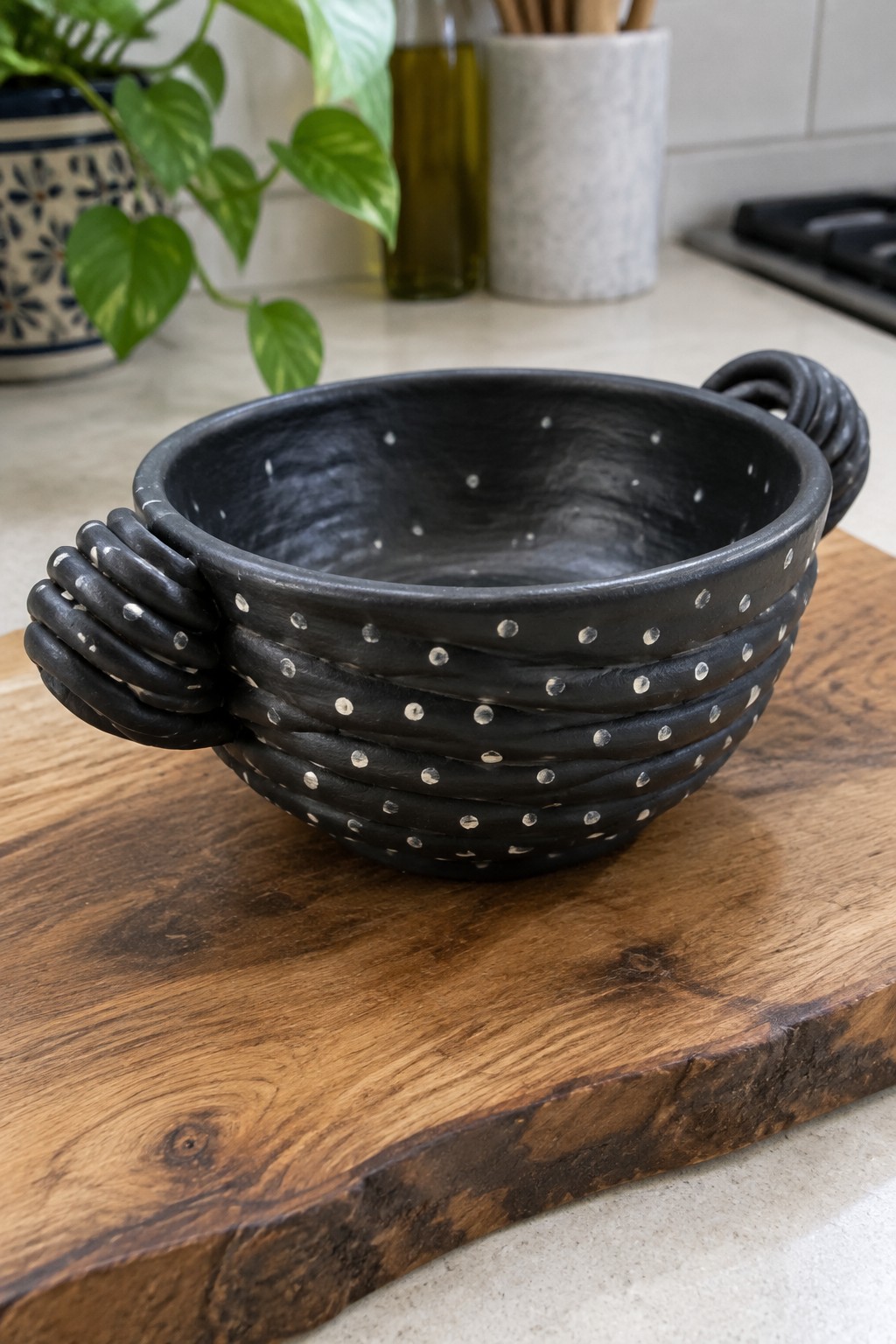
This coil-built bowl stacks thick coils to form both the body and the two looped handles on opposite sides. The black clay surface is finished with a scatter of white dots that follow the coil lines without covering them completely. The result is a sturdy, medium-sized bowl that works for serving or as a catchall on a counter.
The shape does a lot of the work here since the coils already create built-in texture and grip points. You could repeat the same dot pattern on smaller nesting bowls or skip the handles to make a simpler version for the table. In a kitchen this style stands out on open shelves and gives you a functional piece that still looks handmade. For a gift the handle loops are easy to adjust in size or color to match what the recipient needs.
Coiled Bowl Planter with Drainage Hole
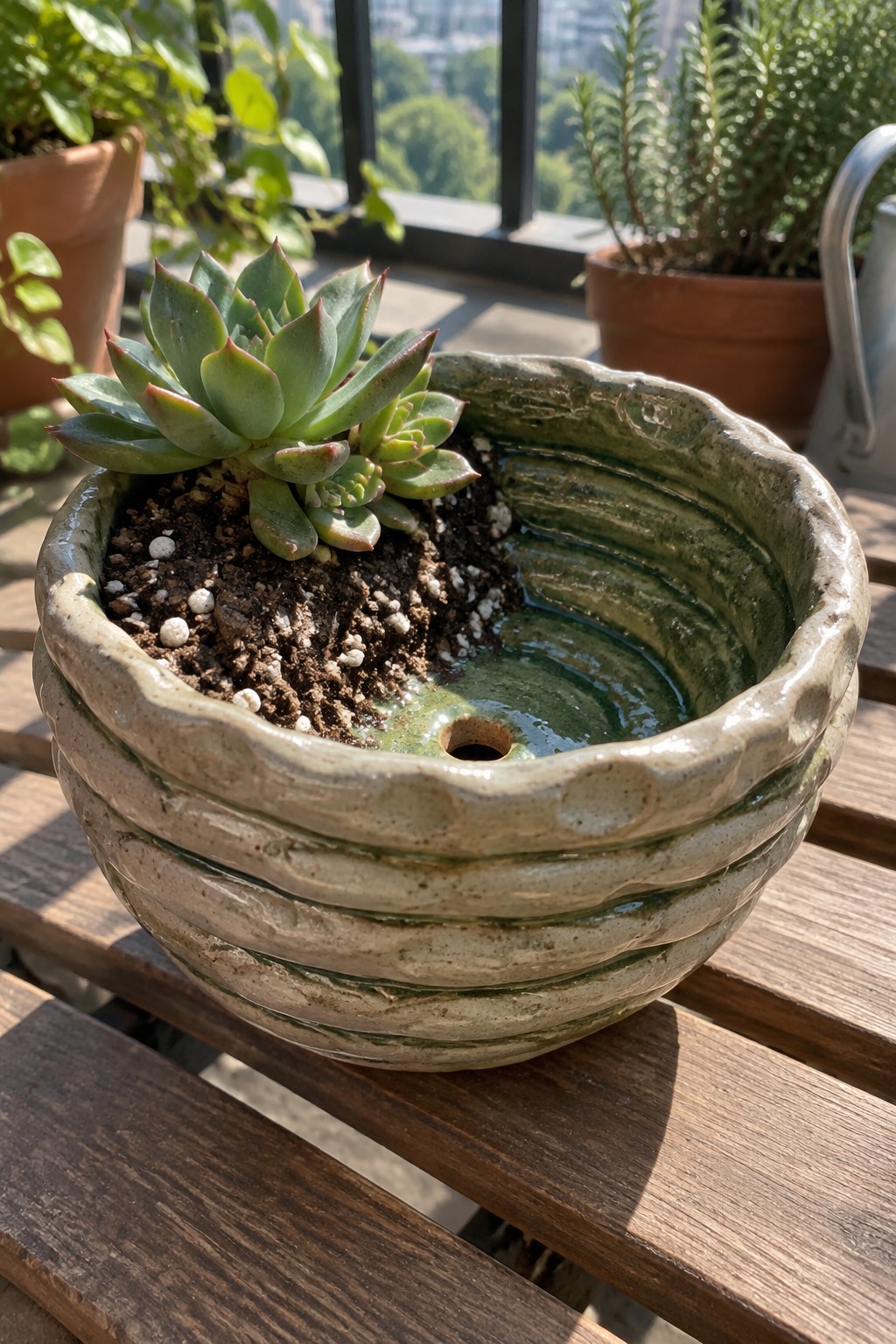
A coil built bowl makes a practical planter when you leave a drainage hole in the base during construction. The stacked coils form a wide, stable shape that holds soil and small plants like succulents without tipping. An interior glaze helps manage moisture while the exterior keeps the rough coil texture visible.
What makes this idea useful is how the drainage hole turns a standard coil bowl into something that actually supports plant health. You can scale the same coil method up or down to create a matching set of pots for different plants. The wide rim gives roots room to spread, and the form works just as well for herbs or small flowers on a windowsill.
Ridged Coil Bowl for Kitchen Mixing

A coil-built bowl starts with ropes of clay stacked and smoothed into a wide, deep shape that works well for mixing dough or tossing salads. The horizontal ridges from the coils create a textured interior that gives some grip during use while keeping the form simple. A flowing glaze in earthy gray with brown and blue streaks settles into the grooves, emphasizing the construction without hiding it. This keeps the bowl firmly in the functional kitchen category rather than purely decorative.
What makes this idea useful is how the ridges do double duty as both a visual pattern and a practical surface for handling sticky ingredients. You could repeat the same coil-and-ridge method at a smaller scale for prep bowls or stretch it into a shallower platter shape. The glaze’s natural variation means batches made from the same clay still look distinct. In a kitchen setting this kind of piece photographs cleanly next to flour sacks or wooden tools, which helps it stand out in project roundups.
Spotted Coil Bowl for Breakfast

A coil-built bowl with a wavy rim and textured surface works well as a functional cereal or snack bowl. The base glaze has a soft speckled finish that lets the irregular yellow and teal painted dots stand out without competing. The dots are spaced loosely across the exterior, creating a simple repeating pattern that still feels handmade rather than precise.
What makes this idea useful is the clear contrast between the neutral glaze and the bright dots, which photographs well for sharing. You can adapt the same dot layout to different color pairs or scale the bowl up for salad or down for side dishes. The shape stays practical for stacking and daily use while the painted detail keeps it from looking plain. In a kitchen this kind of piece works especially well for kids’ breakfasts or casual serving.
Speckled Blue Catch-All Bowl with Rim Notch

A shallow coil-built bowl works well here as a dedicated spot for keys, fobs, and rings on an entry table or desk. The wide, low shape keeps items visible and easy to grab, while the blue speckled glaze contrasts nicely against wood surfaces without competing with other objects nearby. The subtle notch cut into the rim adds a small functional detail that can help separate one item or simply break up the round edge. This approach fits the simple catch-all category, where the form stays basic but the glaze and one small detail make it feel finished.
What makes this idea useful is how quickly it solves daily clutter without needing extra compartments or lids. The same shape can be scaled down for a bathroom soap dish or widened for a jewelry tray, and swapping the blue for a matte white or earthy brown glaze changes the look with almost no extra effort. For a gift, you can add a second notch or stamp a name on the bottom so it feels personal without complicating the build. This style shows up well in photos because the bright glaze pops against wood and the contents stay clearly visible, which helps it perform on Pinterest for entryway organization searches.
Nested Terracotta and Green Coil Bowls

Coil-built bowls work well as a set when one is sized to nest inside the other. The larger bowl uses a reddish clay body with a white rim glaze that drips down the exterior, while the smaller bowl has a muted green glaze over the same ridged surface. The shared coil texture ties the two pieces together even though the colors differ. This approach keeps the project simple since the coils create the form and the surface pattern at the same time.
What makes this idea useful is that the nesting shape gives you two functional bowls that store in the space of one. You can swap the glaze colors or change the sizes to fit what you need in the kitchen or on a table. The drip rim adds visual interest without requiring extra tools or stamps. The same nesting concept works for mixing bowls or small serving dishes if you adjust the scale.
Horizontal Coil Bowl in Matte Gray Stoneware

A coil-built bowl like this uses stacked clay ropes to form both the walls and the surface pattern at the same time. The even horizontal bands create a simple rhythm that makes the bowl look finished without any added carving or slip decoration. The matte gray tone keeps the focus on the texture and gives the piece a quiet, neutral presence that works in most settings.
What makes this idea useful is how the coil lines do the decorative work while the shape stays wide and practical for serving or mixing. You could make a smaller version for side dishes or stretch the same method into a deeper mixing bowl by adding more coils. The neutral finish also means you can change the look fast by switching clay bodies or adding a light wash instead of a full glaze.
Striped Coil Bowl with Horizontal Color Bands

A coil-built bowl finished with wide horizontal stripes in coral, teal, and off-white glaze creates a straightforward kitchen piece. The bands wrap around the exterior and rim, using simple color blocking to add visual rhythm without extra carving or surface texture. This approach keeps the form functional for daily meals while making the bowl easy to spot on open shelving or a table setting.
What makes this idea useful is how the stripe pattern can be adjusted by changing colors or band widths to match existing dishes. In a kitchen, this kind of piece works well for cereal, soup, or snacks because the bold colors stand out against wood or neutral surfaces. The same coil construction and glazing bands could be scaled down for smaller prep bowls or repeated on a mug form for a matching set.
Coil Bowl with Textured Dark Exterior and Green Glaze

A small coil-built bowl like this works as a dipping dish or sauce server when the exterior is left rough and dark while the interior receives a simple wash of green glaze. The contrast between the heavily textured clay and the lighter speckled surface helps the bowl read clearly on the table without added decoration. Keeping the form compact and slightly irregular makes it practical for everyday use rather than display only.
What makes this idea useful is how the small scale fits into table settings for soy sauce, dressings, or condiments. The same coil construction can be widened slightly for a side dish or kept narrow for spice portions. Swapping the interior glaze color lets the piece match different kitchen palettes while the dark textured exterior stays consistent.
Carved Geometric Coil Bowl

A wide shallow coil bowl finished in mustard glaze uses a carved band of triangles and angular lines to create contrast around the upper interior. The patterns are cut through the glaze to reveal a lighter layer underneath, while the center keeps the visible spiral ridges from the handbuilding process. This keeps the form simple and functional while the graphic band gives the bowl a clear decorative focus.
What makes this idea useful is how the carved band turns a basic serving shape into something that stands out on a table without extra color or attachments. You could adapt the same rim treatment on smaller dip bowls or change the spacing of the triangles for a quicker version. In a kitchen or on a coffee table the earthy tone works with wood and linen, and the design photographs cleanly for project shares.
Scalloped Rim Coil Bowl
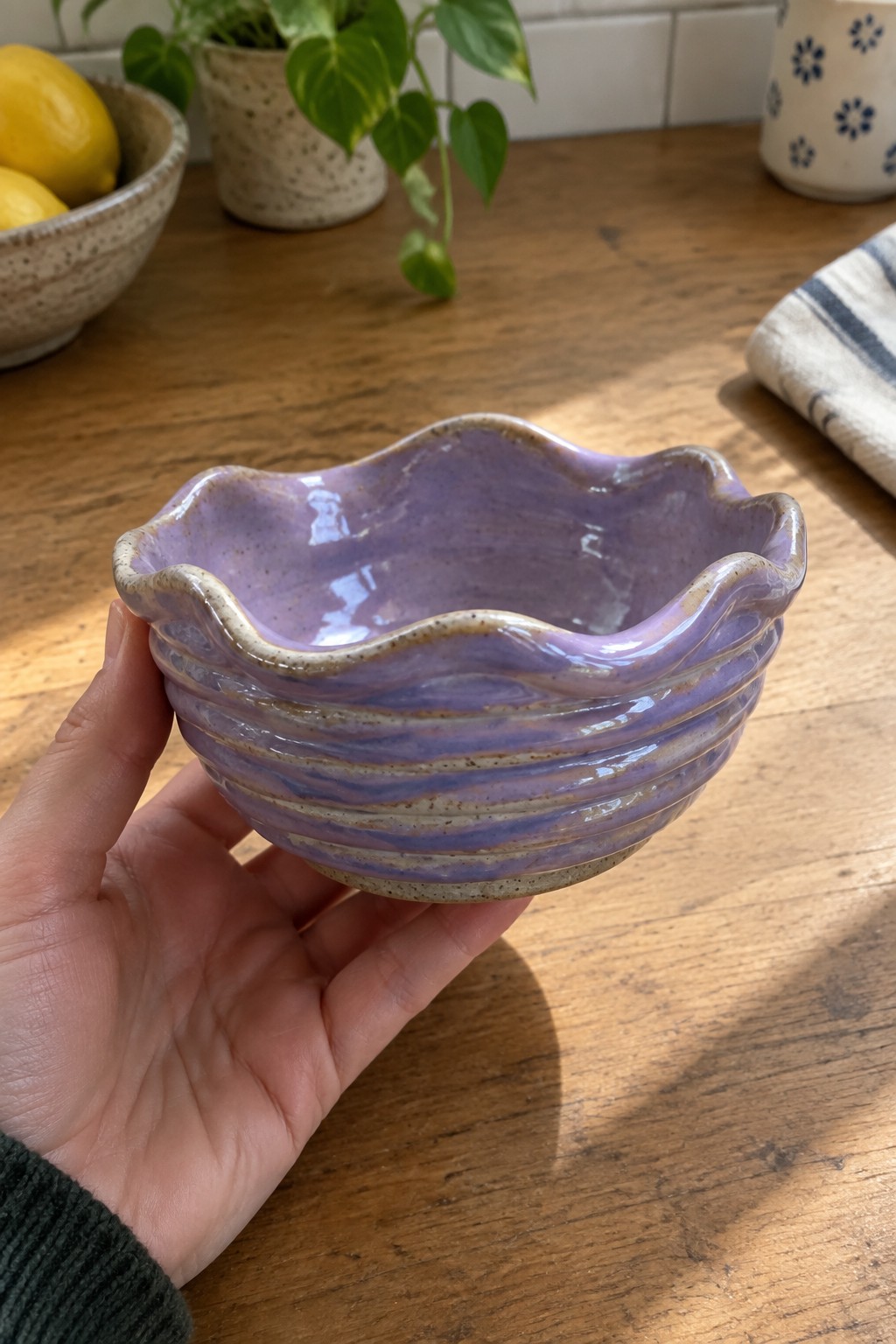
A coil built bowl with a scalloped rim uses stacked coils to create both structure and visible texture. The horizontal ridges catch glaze in the grooves, giving the surface depth without added carving. The wavy top edge adds a finished look while keeping the form simple to shape by hand.
This bowl works well as a small dip dish, jewelry holder, or side bowl on a table. You can change the rim curve or scale the size up for a larger serving piece while keeping the same coil method. The glaze color and ridge texture make it easy to adapt for a matching set or different clay tones.
Frequently Asked Questions
What tools are essential for starting coil bowl projects?
Basic handbuilding tools include a rolling pin or slab roller for bases, wooden ribs for smoothing coils, a needle tool for scoring, slip for joining, and a banding wheel for even building. Start with these before investing in extras like wire cutters or sponges. These allow you to create the 24 simple designs without frustration and help achieve consistent walls for functional use.
How thick should coils be to ensure bowls are sturdy and practical?
Aim for coils about as thick as your pinky finger, roughly half an inch, and keep wall thickness even throughout. This prevents weak spots that could crack in use or firing. Compress each coil firmly into the one below while building, and smooth the interior as you go to create strong, balanced bowls suitable for daily tasks like serving or mixing.
Which clays work best for functional coil bowls that will hold up over time?
Stoneware clays offer good plasticity and strength for coiling, making them ideal for beginners tackling these ideas. They fire to a durable, nonporous state when glazed properly. Earthenware can work for lower temperature projects but may need extra care to avoid chipping. Test small samples first to match your kiln and intended use.
How do I make sure the finished bowls are safe for food or liquids?
Use food-safe glazes rated for your firing temperature and apply them evenly after bisque firing. Avoid cracks or pinholes by firing slowly and to the correct cone. For extra assurance, choose lead-free glazes and test a finished piece by soaking it in water overnight to check for leaks before regular use.
What steps help prevent warping or cracking in coil-built bowls during drying and firing?
Dry pieces slowly under plastic sheeting for several days to allow even moisture loss, then move to open air. Keep bases flat and walls uniform in thickness. Once leather hard, refine shapes gently. Fire with a slow ramp schedule to bisque temperature first, which reduces stress and supports the simple, functional designs in the article.

Pottery Path is my cozy corner of the internet where I share clay ideas, pottery inspiration, and simple projects you can recreate at home. I love exploring everything from air dry clay to handbuilt pottery to cute minis that brighten your day. My goal is to make clay crafting feel easy, fun, and welcoming for anyone who wants to try it.
You will find beginner friendly tutorials, creative pottery painting ideas, and lots of warm inspiration for slow and happy crafting. If you enjoy hands on creativity, this space will feel like home.