I’ve been making slab projects with stoneware for a while now and it has been a steady way to practice handbuilding without needing a lot of fancy equipment.
Stoneware holds its shape well during the process and fires to a solid finish that lasts.
I gathered 21 ideas that focus on everyday forms like trays and boxes to give some options for different skill levels.
These are the kinds of things I return to when I want to work on my technique or just fill some time in the studio.
They might give you a starting point if you are looking for new things to try with slabs.
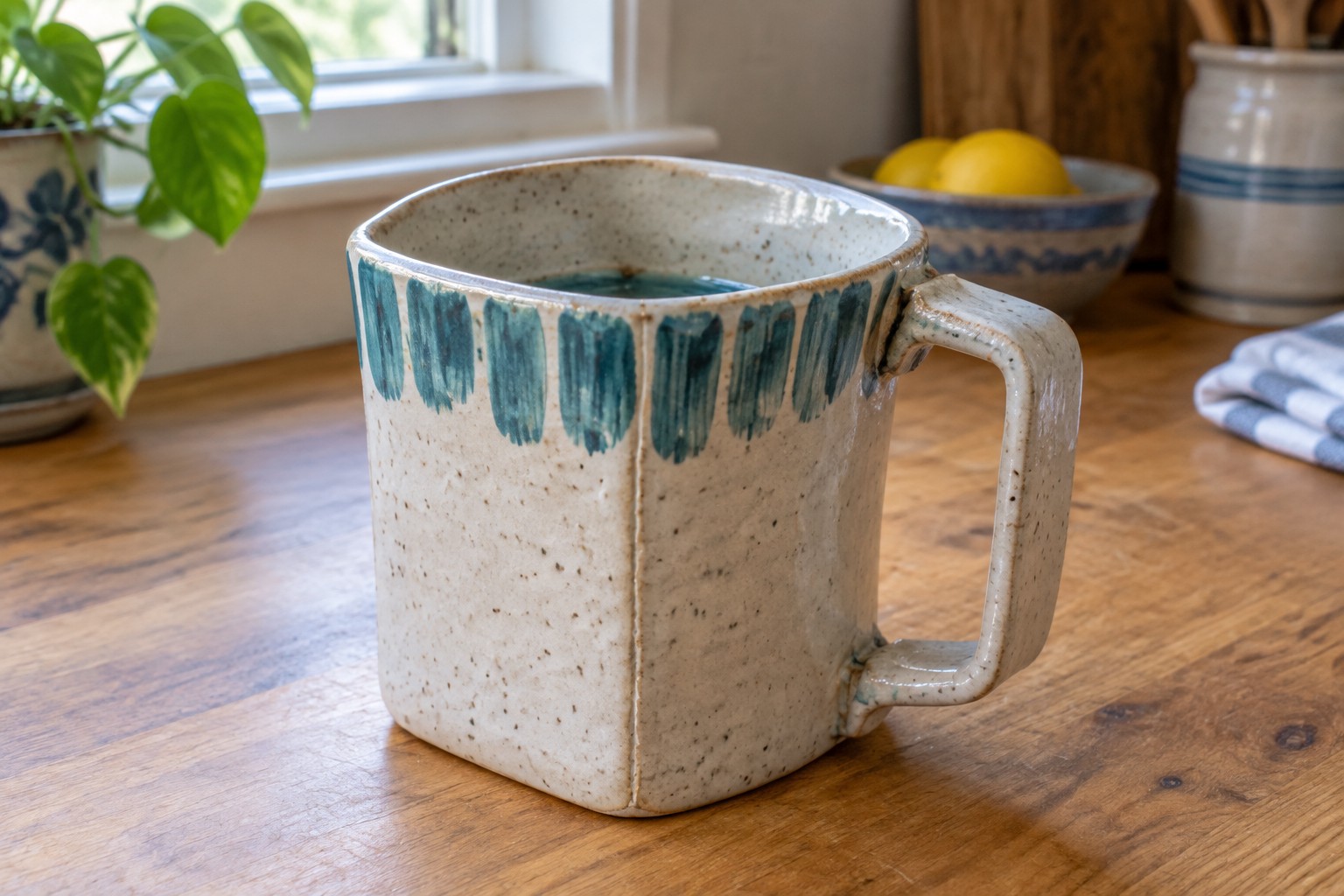
Speckled Stoneware Mug with Teal Brushstroke Band

A slab-built mug gives you a fast handbuilding project that stays practical for daily use. The wide cylindrical form comes from a single rolled slab joined at the seam, while the speckled clay body provides texture without extra surface work. A row of overlapping teal brushstrokes along the upper edge adds color and breaks up the plain form in a simple way that still reads as intentional.
The shape does a lot of the work here because the straight walls make it easy to tape off or eyeball a straight band before glazing. This kind of mug works especially well for kitchen use or as a small gift since the size fits comfortably in the hand and the motif can be swapped for other colors or repeated on matching bowls. You could simplify the brushstroke further into fewer marks or extend the same band idea down the handle for a quick variation.
Leaf-Impressed Wall Pocket Planter
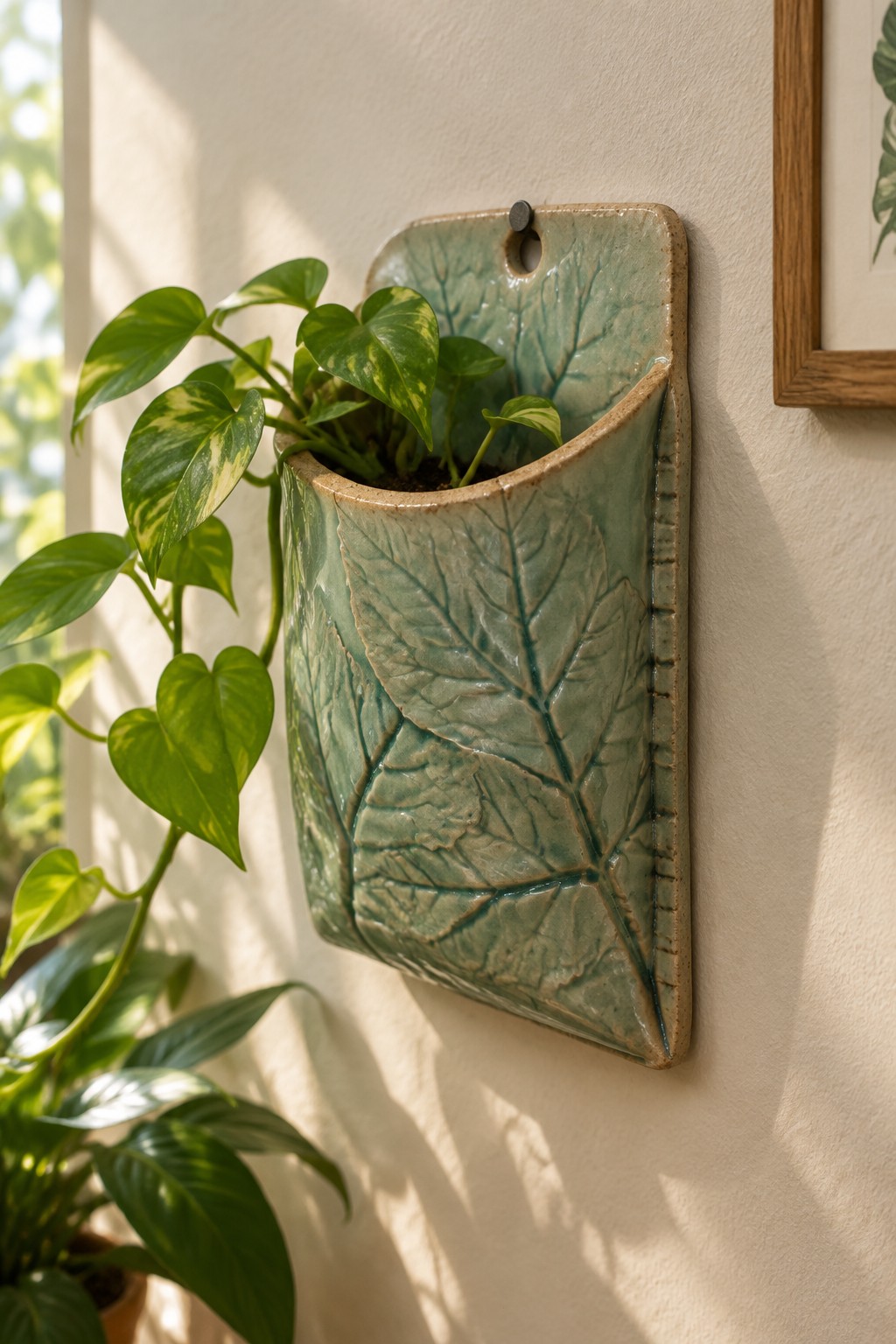
A slab of clay is folded into a shallow pocket form and mounted flat to the wall with a simple hanging hole. Deep leaf impressions cover the front surface, catching the glaze and creating contrast between the raised veins and recessed areas. The finished piece holds small trailing plants without taking up shelf or floor space.
The vertical pocket shape makes it easy to group several together for a living wall display. You can change the leaf size or switch to other pressed textures like ferns or fabric patterns to match different rooms. This same slab method scales down quickly for a bathroom version that holds air plants or a single small succulent.
Leaf-Shaped Slab Soap Dish
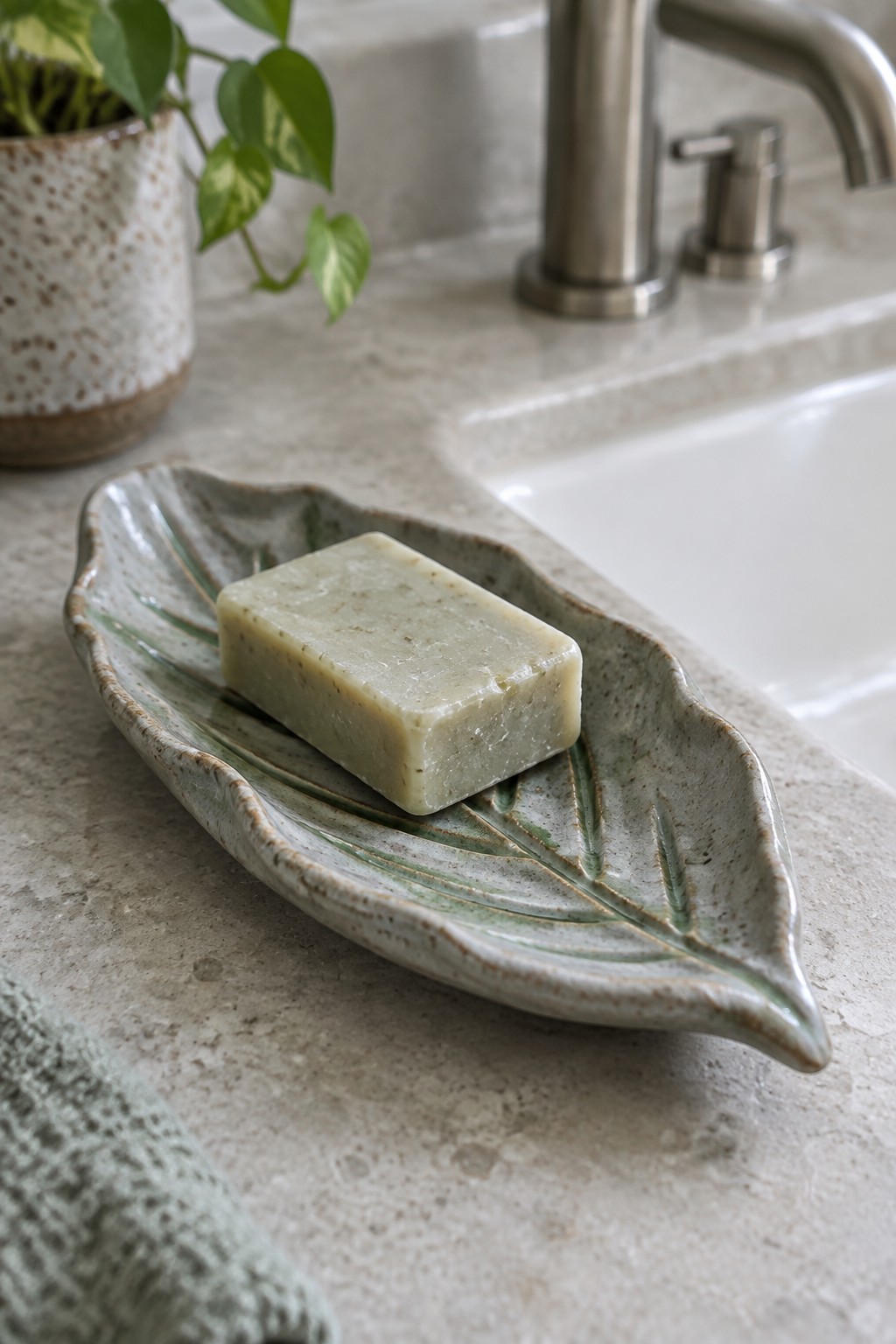
A slab-built leaf soap dish starts with a flat piece of clay rolled to an even thickness, then cut into a long pointed leaf outline. Vein lines are pressed in with a tool to add surface detail before the edges are gently lifted to create a shallow well. The finished piece gets a mottled green-gray glaze that highlights the texture and keeps the form looking natural. This approach stays firmly in the slab handbuilding category and produces a small bathroom tray ready for daily use.
The leaf outline does most of the work by guiding water toward the center and stopping the soap from sliding off. You can scale the same shape down for a ring dish or widen it slightly for a sponge holder without changing the basic construction steps. Different glaze colors let you match existing bathroom fixtures or try a matte finish for more grip. The simple organic form photographs cleanly, which helps it perform well when shared as a quick handbuilding reference.
Rectangular Slab Tray with Handles
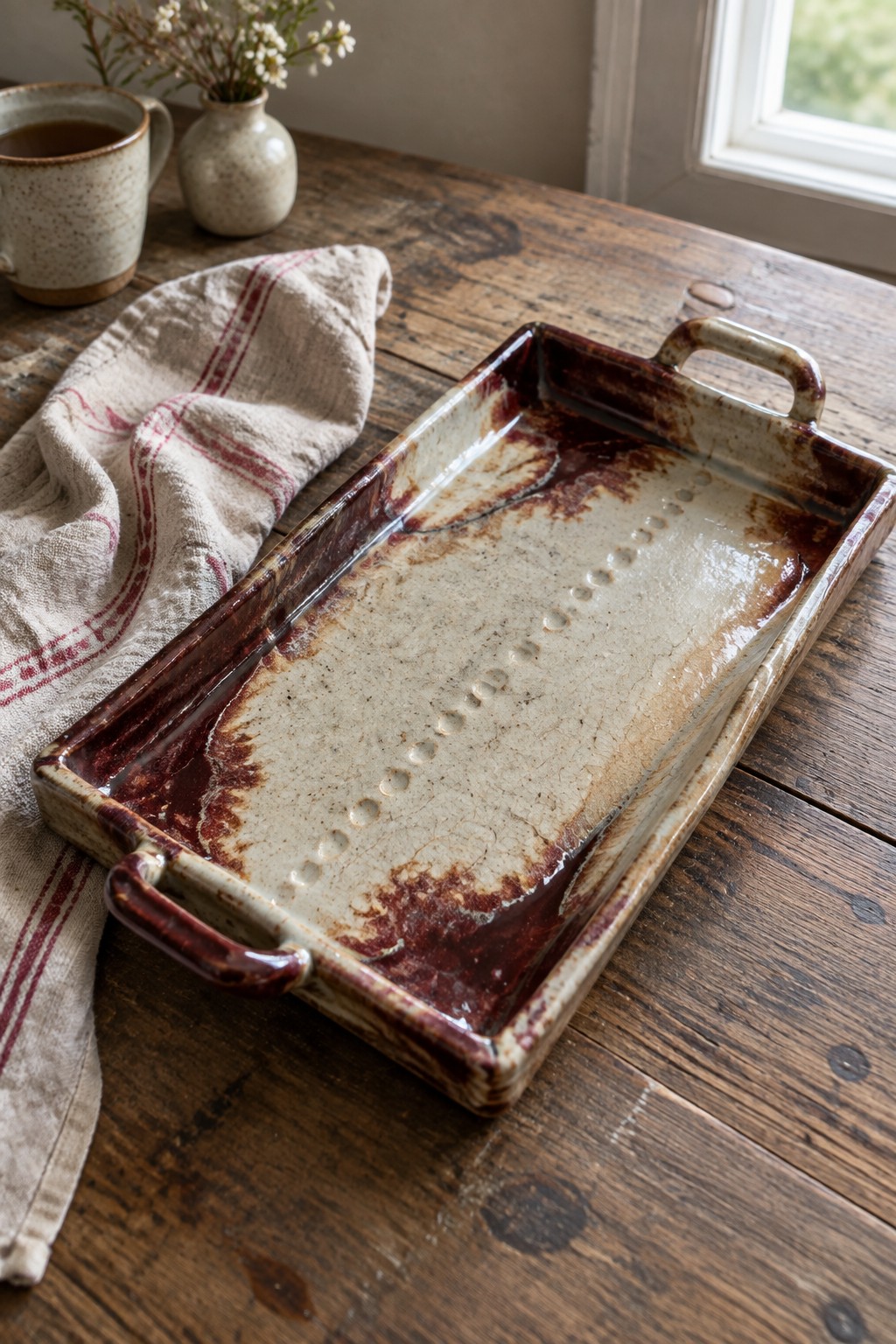
A rectangular tray built from stoneware slabs gives you a flat, stable surface with handles formed directly from the clay at each end. The design uses a reactive glaze that blends deep red-brown with cream tones, letting the colors run and pool naturally across the surface. A single row of small impressed dots down the center adds a quiet linear detail without overpowering the form.
What makes this idea useful is how the slab method lets you change length or width quickly for different uses. You could shorten the same shape into a desk tray for mail or keys, or widen it slightly for a cheese board that still fits on a shelf. The impressed dots require almost no extra tools yet give the surface enough texture to hold small items in place. Switching to a matte glaze would make the same tray read more modern while keeping the handles and proportions intact.
Square Slab Planter with Carved Face
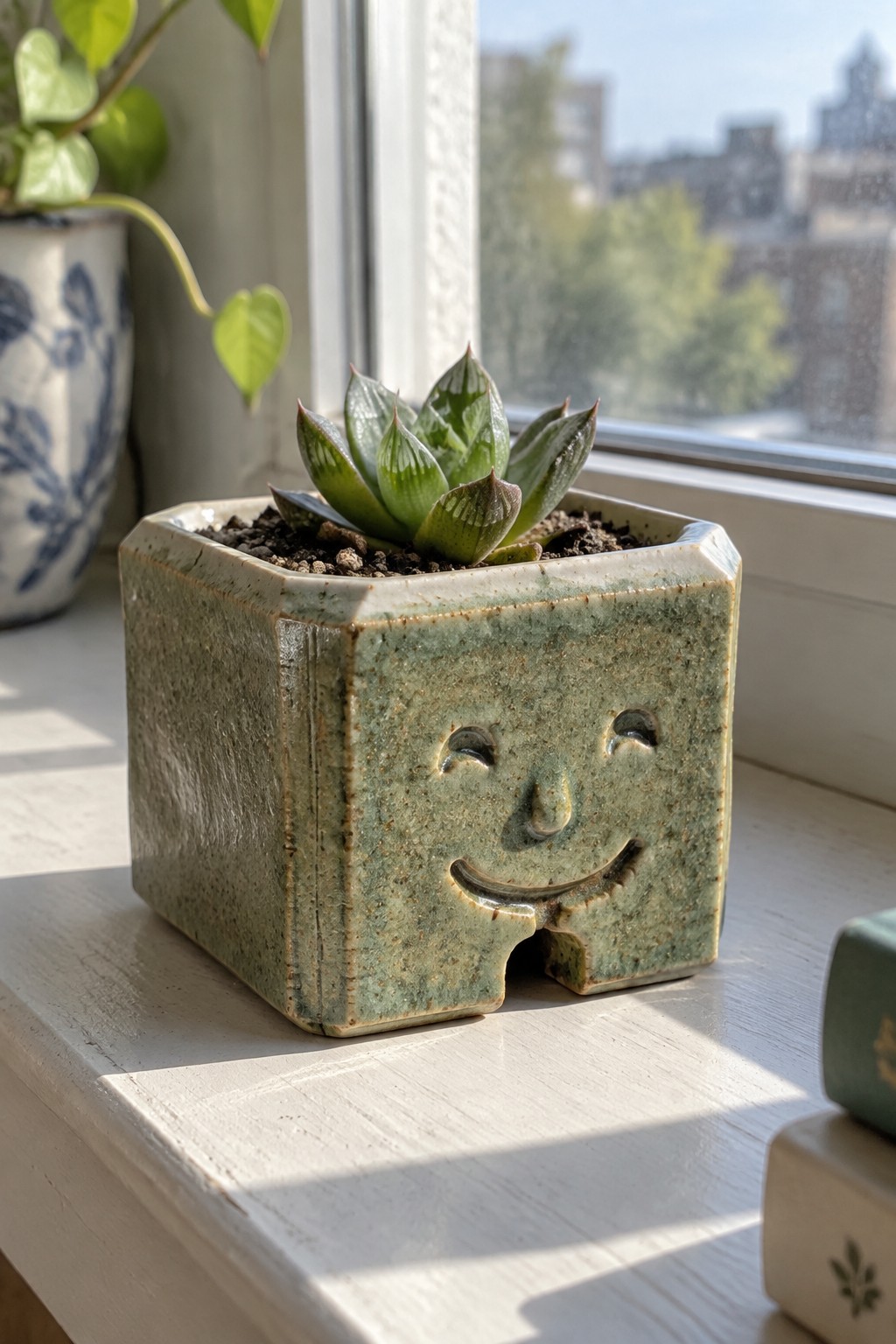
A square planter formed from slabs creates flat surfaces that make it easy to carve a simple face directly into the clay before firing. The design turns a basic container into a small decorative object while still functioning as a home for succulents or small plants. A speckled green glaze highlights the carved features without overpowering them and gives the surface a slight texture that shows the handmade construction. This fits the category of decorative planters that combine handbuilding practice with a bit of sculptural detail.
What makes this idea useful is how the flat slab sides give you a clear area for carving without needing advanced sculpting skills. You could swap the smiling expression for other simple shapes or repeat the same face across a set of different sizes. The compact scale works well on a windowsill, desk, or shelf where a round pot might feel less stable. For gifts or seasonal displays, the carved detail makes the piece easy to personalize by changing the mouth or eye shapes on future versions.
Wavy Edged Ring Dish
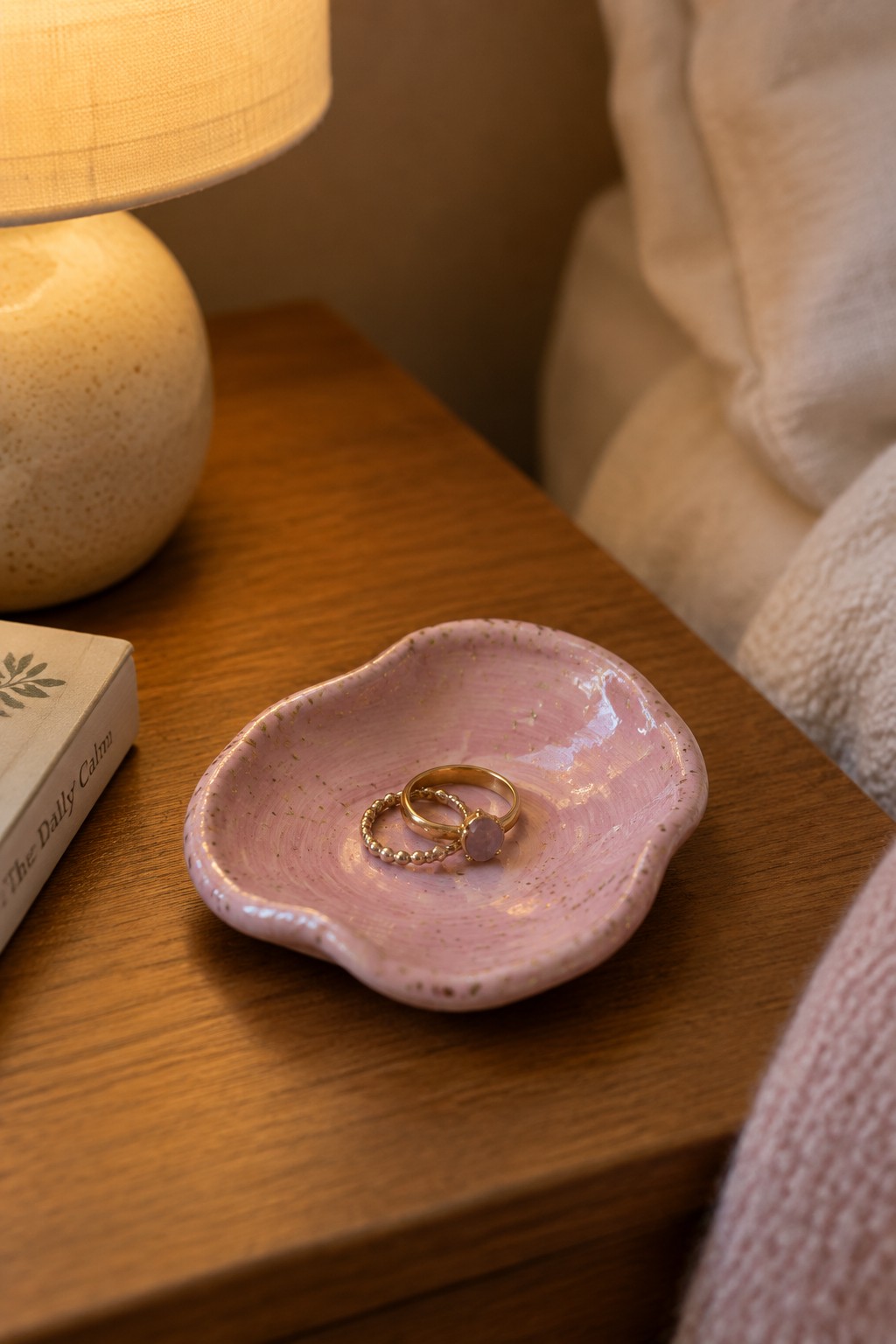
A small ring dish built from a clay slab gives you a simple way to keep jewelry off the nightstand surface. The freeform wavy rim creates an organic shape that avoids the stiffness of a perfectly round tray. A glossy pink glaze dotted with gold flecks reflects light softly while the low, open form makes rings easy to grab in the morning. This project stays within basic slab techniques since it needs only a rolled sheet, a template cut, and gentle edge shaping.
What makes this idea useful is how the compact size turns a small amount of clay into a daily-use piece that fits on a dresser or bedside table. You can adapt the rim by pinching it higher for more drama or flattening it for a subtler look depending on the tools you have. The speckled glaze catches attention without needing extra decoration, so the dish works as a quick project when you want something finished fast. For a different version, repeat the same shape in a solid matte color and use it as a small soap rest in a bathroom.
Slab-Built Tea Light Holder with Triangular Cutouts
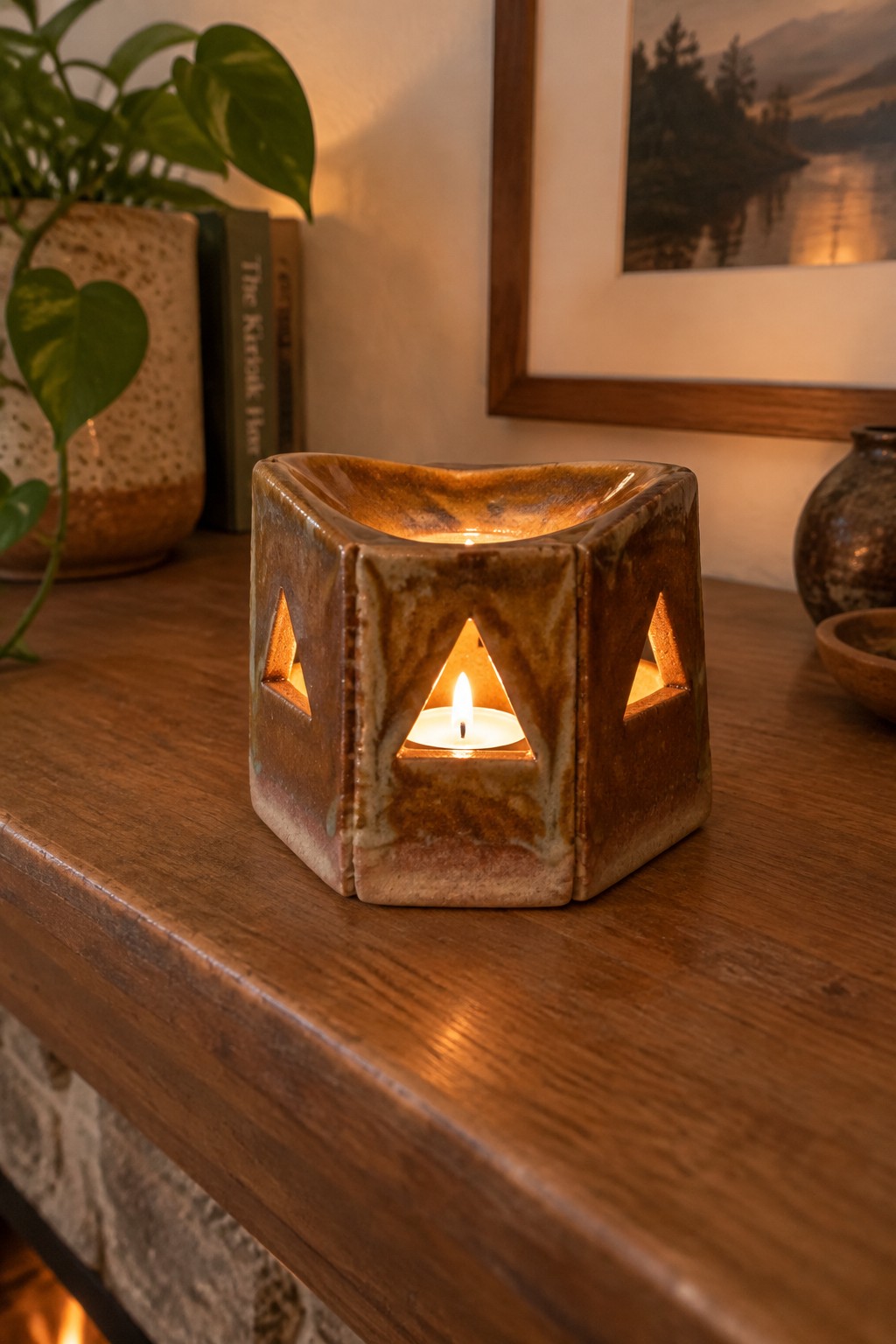
A slab-built candle holder like this starts with flat clay pieces joined into a compact cube form. Triangular cutouts on each side and the top create openings that let light escape while shielding the tea light inside. The earthy brown glaze with natural variation adds surface interest without overpowering the simple geometry. This approach works well as a candle piece project because the cutouts serve both decorative and practical purposes.
The shape does a lot of the work here since the angled openings create visual interest from every view. You could swap the triangles for circles or rectangles to change the light pattern while keeping the same slab construction. A piece like this works especially well as a small tabletop accent or a quick gift that does not require complex glazing. The compact size also makes it easy to try different clay colors or add a base for stability on the next version.
Double Compartment Salt Dish
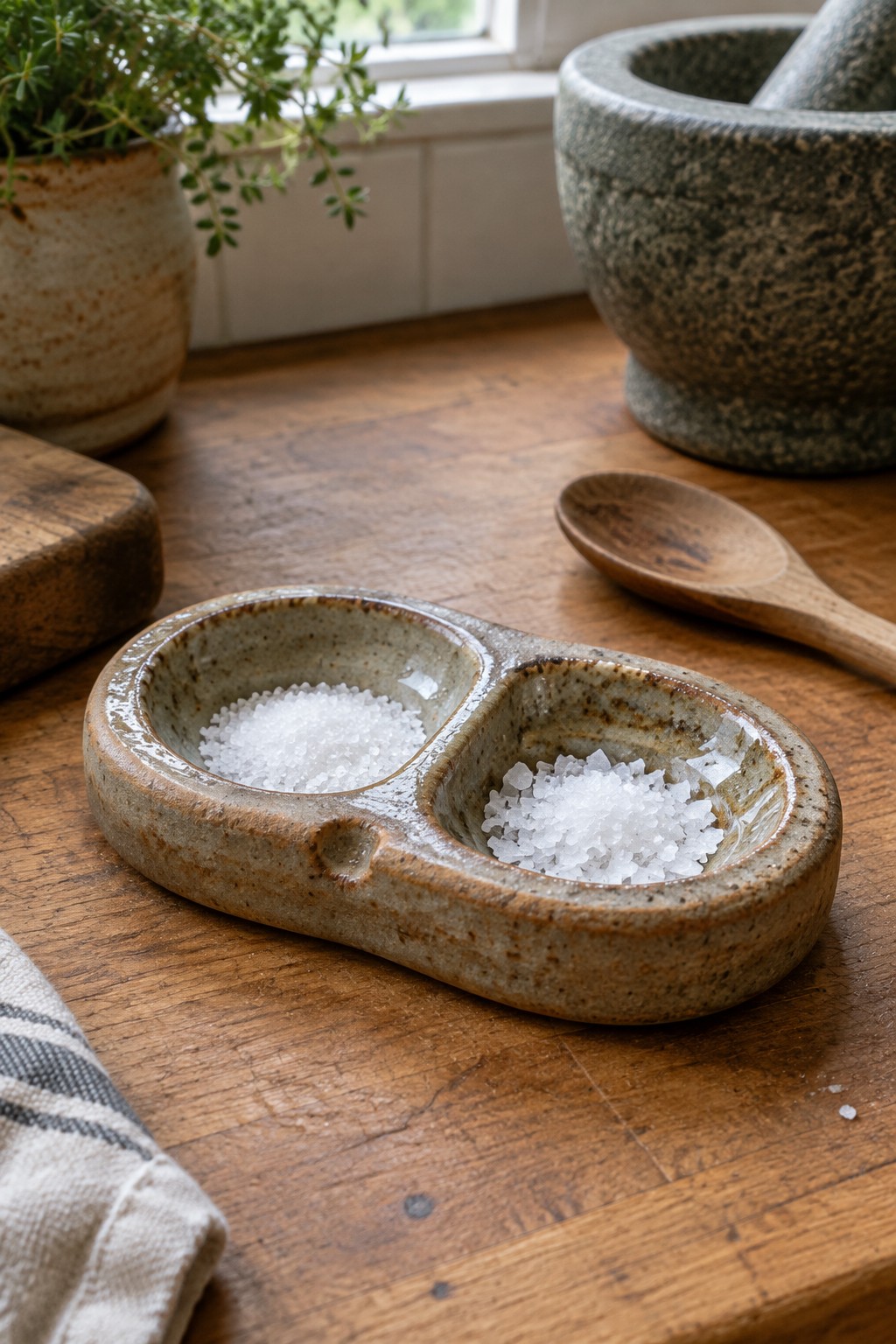
A divided dish with two connected oval compartments serves as a simple salt and seasoning holder for the table. The shape comes from joining two shallow bowls into one slab-built form, which keeps the piece compact while giving each side its own space. The earthy speckled glaze and slightly uneven rim keep the look casual and functional for everyday kitchen use.
What makes this idea useful is how the same layout can be adjusted for different contents like coarse salt and pepper, or even small dips. The small overall size makes it a good handbuilding practice piece that still produces something usable on the table. You could rework the proportions to fit soy sauce and chili oil, or add a center divider with a handle for easier passing.
Impressed Leaf Slab Utensil Holder
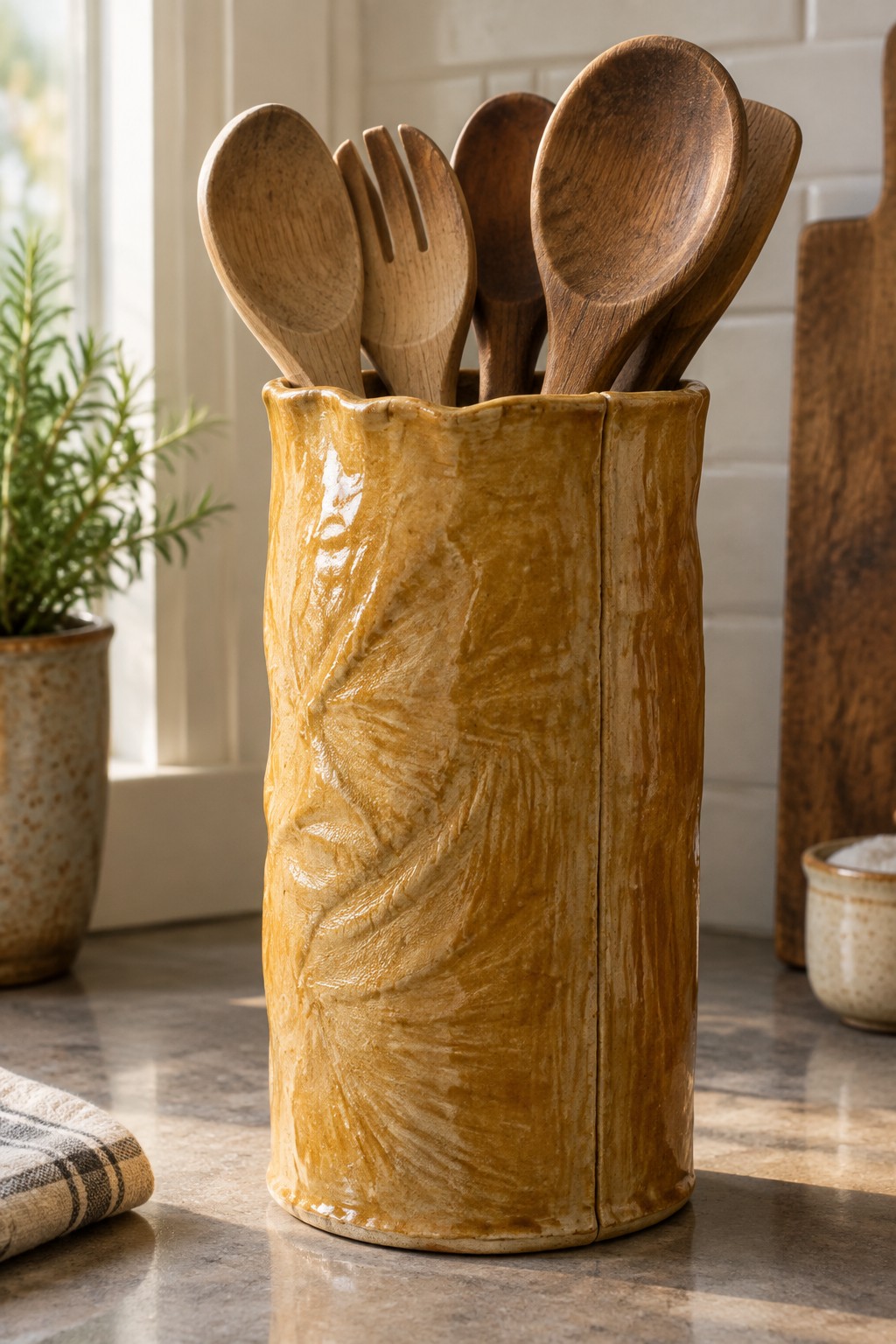
A simple slab cylinder works well as a kitchen utensil holder when the sides are textured before joining. The large leaf impression adds surface detail that shows up clearly under the glossy amber glaze. This keeps the form straightforward while giving the finished piece enough pattern to stand out on a counter.
The shape does a lot of the work here because the tall proportions hold several tools upright without much footprint. You could repeat the same slab and texture method to make a shorter version for desk items or a wider one for larger spatulas. In a kitchen this kind of holder keeps everyday tools organized while the impressed design gives it more visual weight than a plain cylinder.
Slab Built Toothbrush Holder with Painted Faces
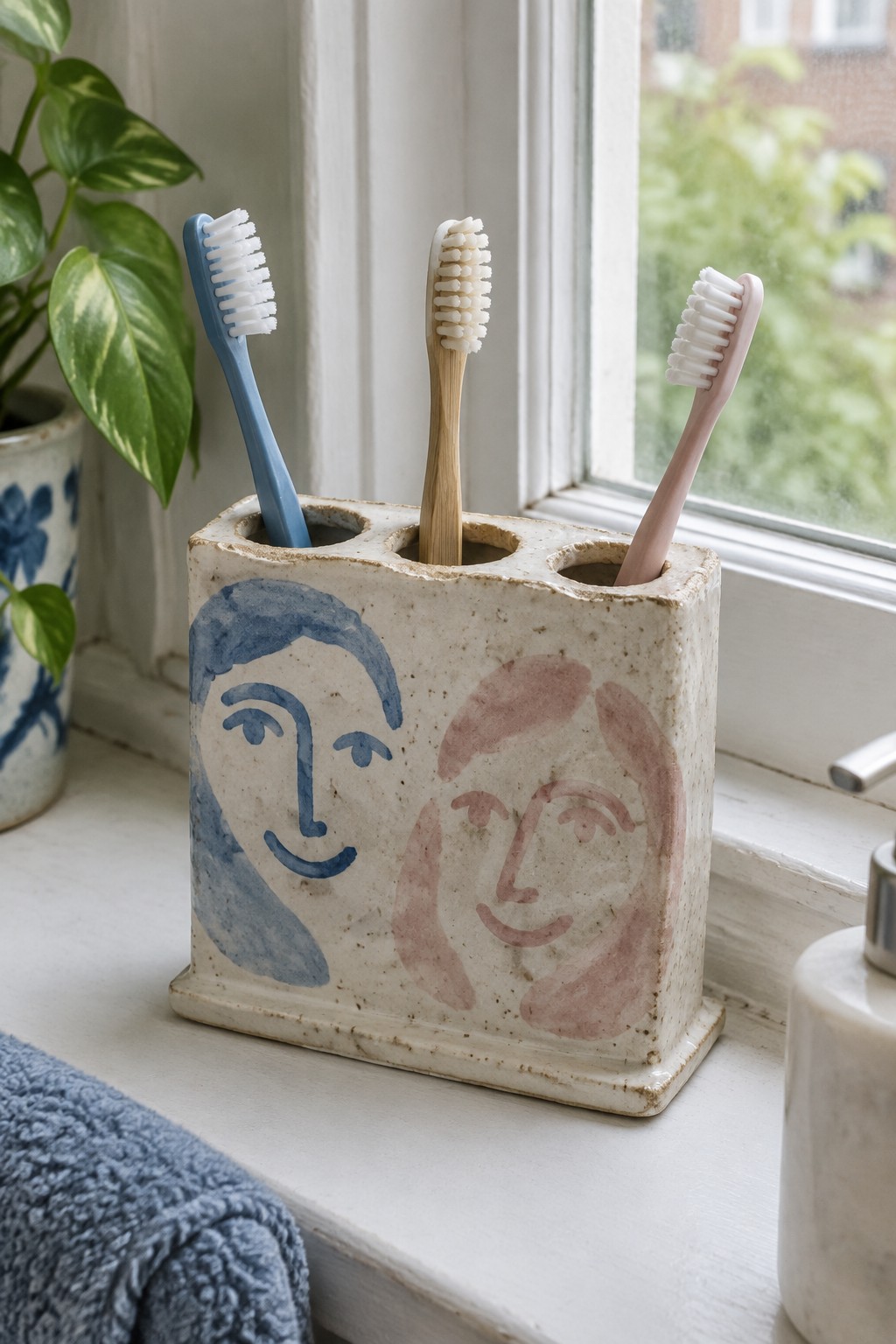
A rectangular slab built ceramic holder with three drilled holes keeps toothbrushes upright and separated on a bathroom counter. The flat front panels give a clear surface for painting simple line drawn faces, one in blue and one in a warm pinkish tone, using underglaze or slip before firing. This approach turns a basic bathroom storage piece into something more personal while staying easy to form from a single slab of clay.
What makes this idea useful is how the same basic shape can be made taller for more brushes or narrower for a single user. The painted faces can be swapped for names, patterns, or just plain glaze if you want a faster version. In a shared bathroom the three compartments keep brushes from touching, and the small footprint fits on most sink ledges without taking up much space. You could also scale the form down into a small desk cup by adjusting the hole sizes and skipping the faces.
Stoneware Spoon Rest with Leaf Relief
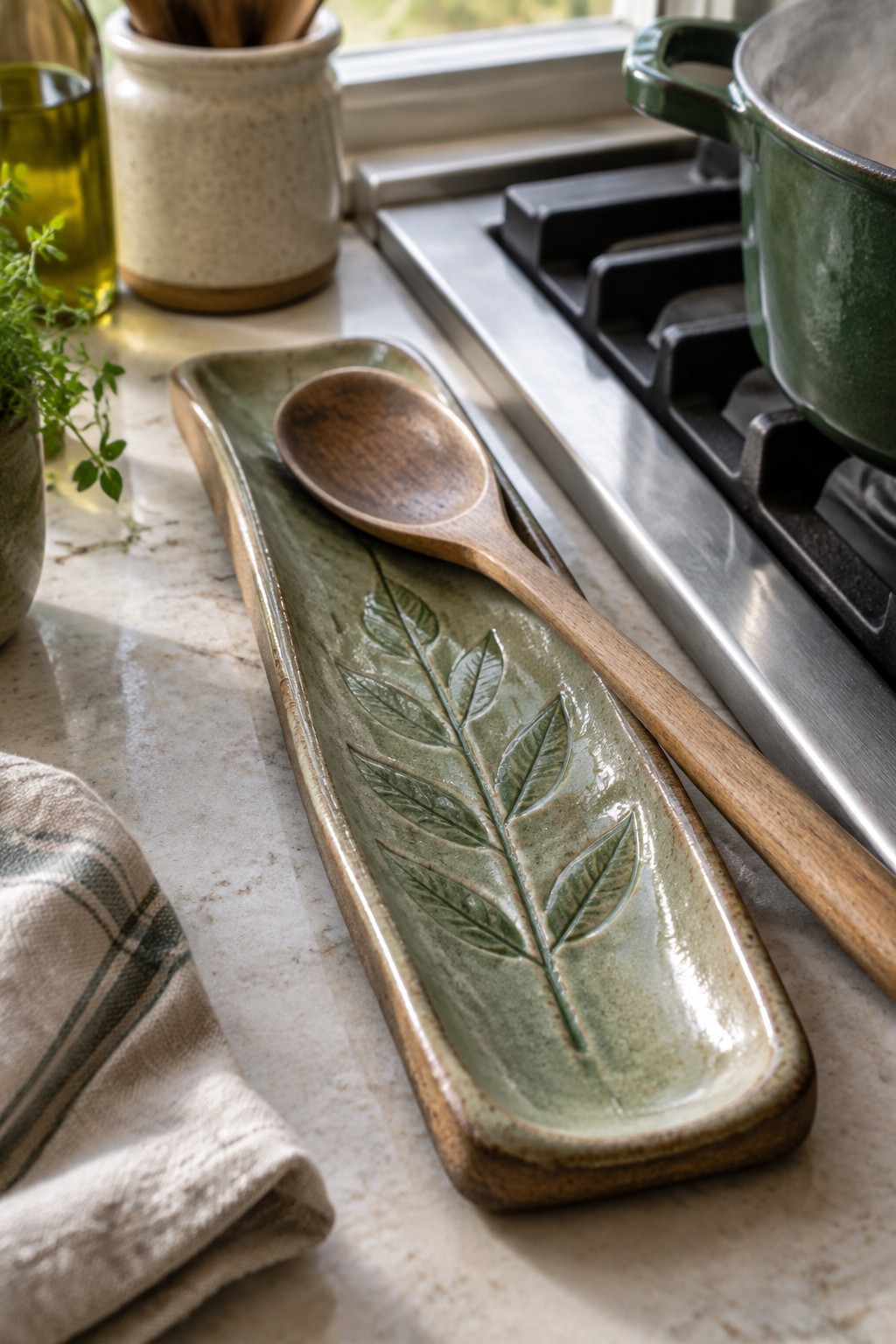
A long, narrow slab tray makes an effective spoon rest for the stove area. The piece uses a simple rectangular form with a central leaf motif pressed or carved into the surface before glazing. The green glaze settles into the recessed veins and edges to make the botanical pattern stand out against the lighter clay body, while the brown rim gives the piece a finished look without extra decoration. This kitchen item keeps cooking utensils from touching the counter while staying compact enough to sit beside burners.
The slim shape works well in tight spaces next to a range or on a prep counter. You can adapt the same slab and leaf impression method to create shorter rests for a single utensil or wider versions that hold several spoons at once. Changing the plant cutting gives you an easy way to make a matching set with different leaf types. A piece like this also fits nicely into a gift set with wooden tools or a small oil bottle.
Stoneware Slab Coasters with Painted Designs
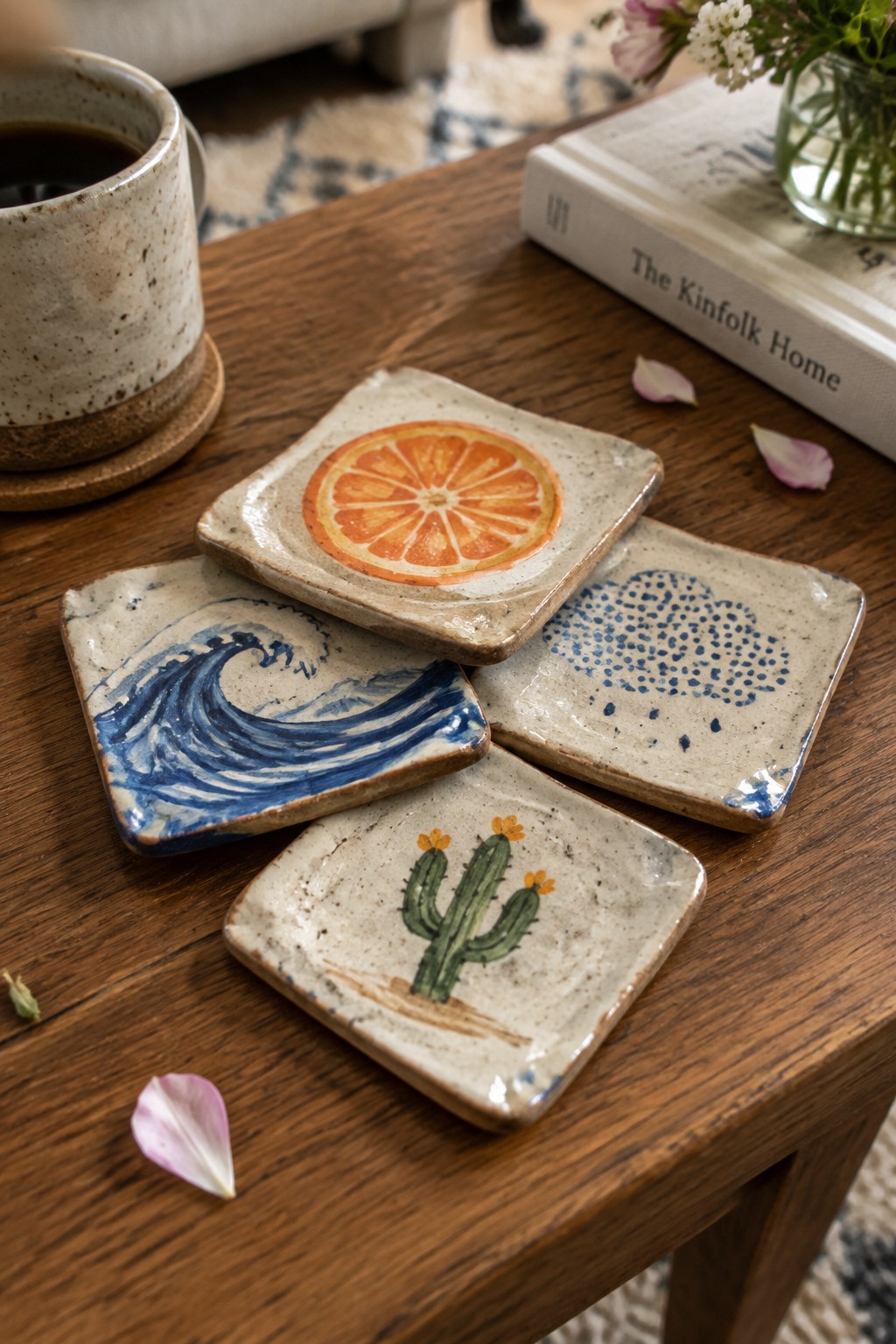
Square slab coasters made from stoneware give you a flat, durable surface that protects tables from drink rings. Each piece is cut to a similar size with slightly uneven edges, then decorated using underglaze or slip to create a central motif like a citrus slice, rolling wave, dotted pattern, or pair of cacti. A clear glaze seals the surface and brings out the clay speckles underneath. This project falls into the kitchen item category, where the simple shape and painted detail turn basic handbuilding into something functional.
What makes this idea useful is how the square format stacks neatly and fits most cup sizes without taking up much space. You can swap the motifs for other line drawings or repeat one design across a full set to match a color scheme. In a kitchen or on a desk, these coasters handle daily use while showing off the handmade surface better than plain cork or bought versions. The same slab method works for small trays or soap dishes if you want to try a different scale later.
Scalloped Stoneware Planter with Matching Saucer
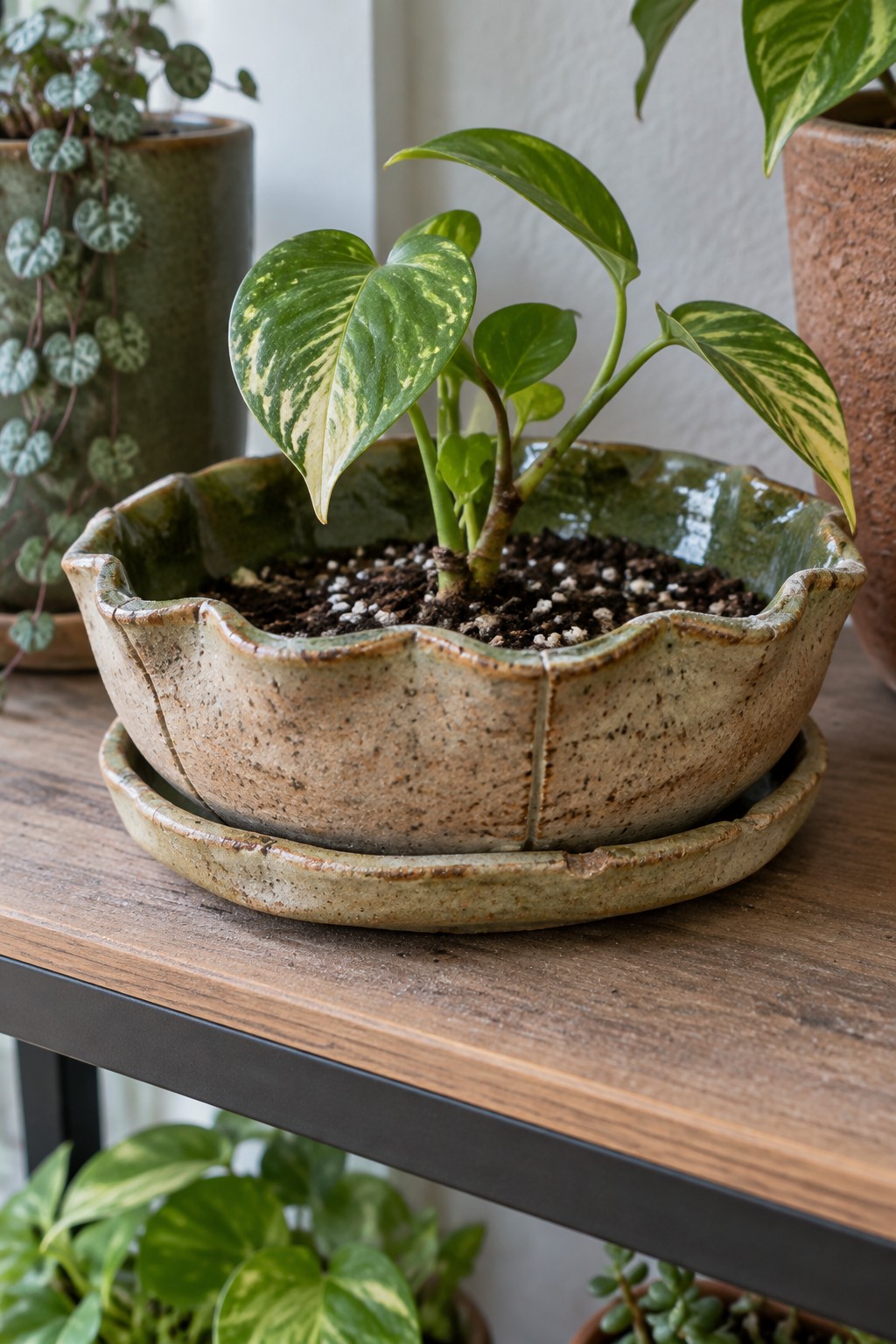
This project is a shallow, wide stoneware bowl with a scalloped rim built from slabs and paired with a simple round saucer that sits underneath as a drainage tray. The form stays low and open so the plant sits right at the rim level instead of sinking into a deep pot. The inside carries a soft green glaze while the outside stays unglazed to show the speckled clay, and the rim is pinched and folded to create the wavy edge without extra tools.
What makes this idea useful is that the separate saucer solves the common problem of water spilling onto furniture while still keeping the whole piece looking intentional. The scalloped rim gives the planter a finished look that works with both modern and natural room styles, and the low profile suits trailing plants that need room to spill over. You could easily change the rim shape to a plain round edge or make the bowl slightly deeper for upright plants. The same slab method also works for making a matching set of three different sizes for a windowsill grouping.
Handbuilt Two Tone Cat Figurine
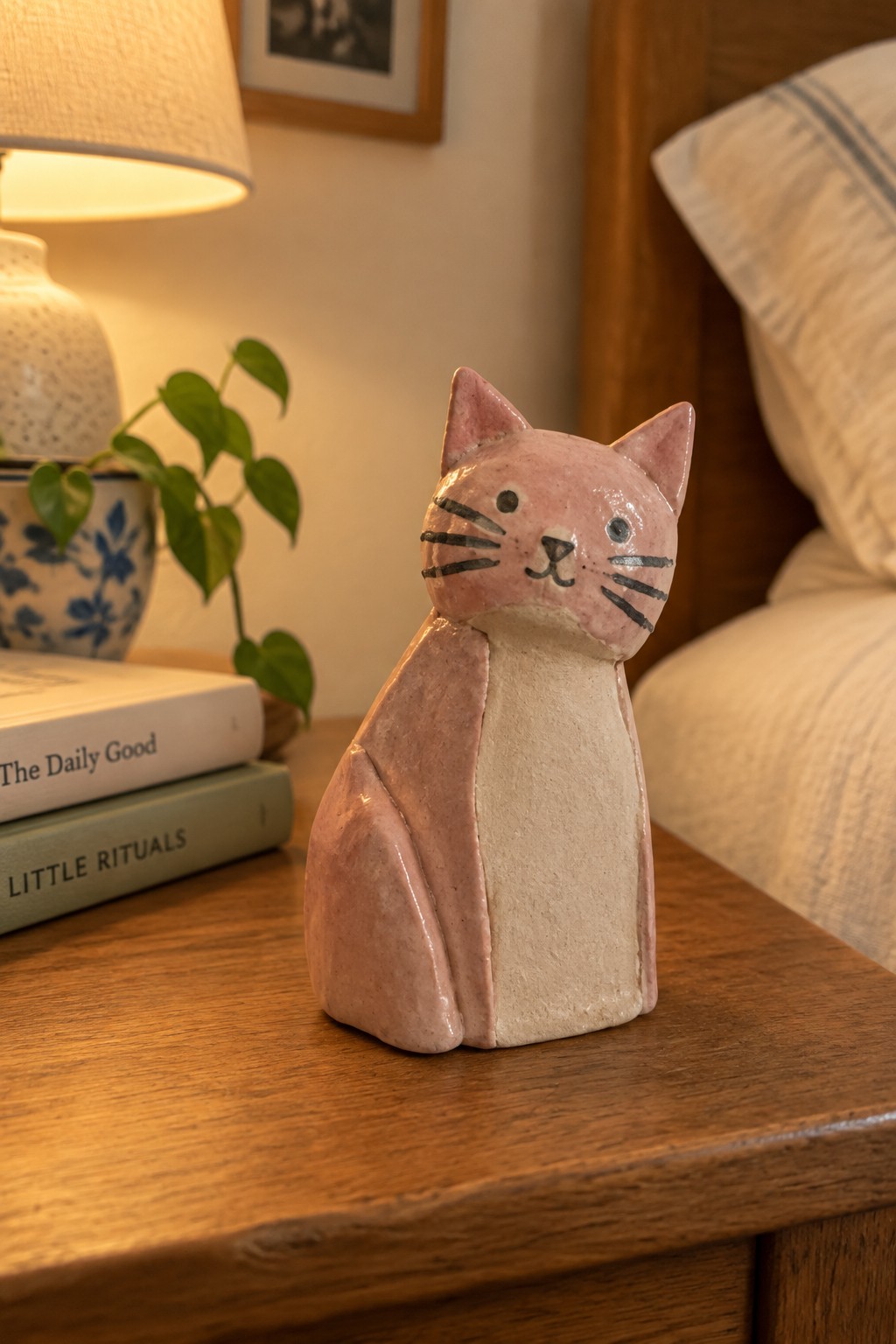
A seated cat figurine built from slabs works well for practicing basic handbuilding. The head and ears are formed separately then joined to a simple rectangular body, with the pink glaze kept to the upper half and the lower section left in the natural clay tone. Black underglaze lines define the eyes, whiskers, and mouth without adding much complexity.
The small scale makes this easy to adapt for gifts or shelf accents. You can change the glaze split or swap the face markings for different expressions, and the same slab method works for other animal shapes. For a planter version, leave the base open before attaching the head.
Shallow Stoneware Serving Bowl
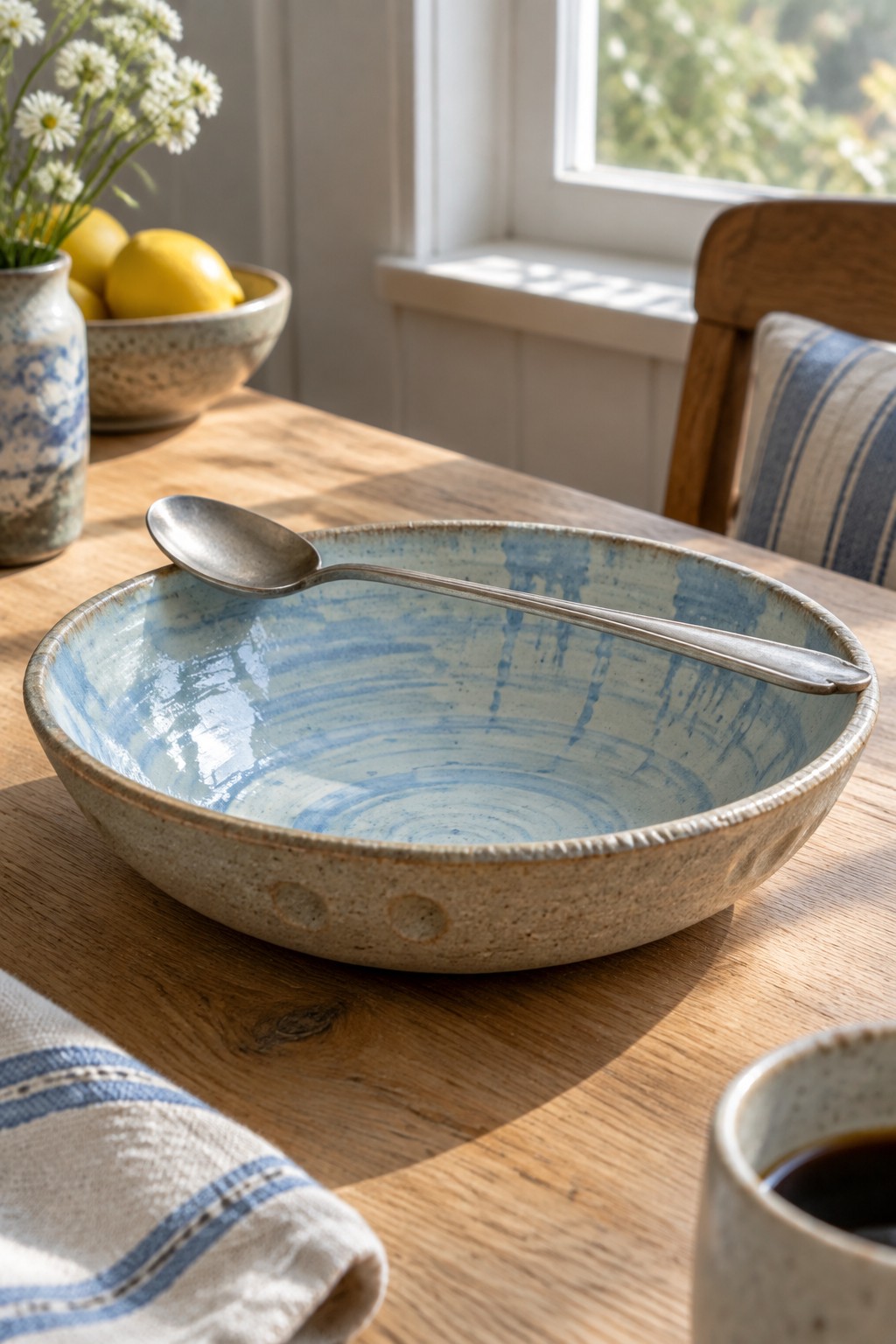
A shallow stoneware bowl like this works as a practical serving piece for salads, pasta, or shared sides. The wide, low profile comes from a flat slab base with short side walls joined and smoothed together. Blue brush marks applied over a speckled clay surface add visual interest while keeping the overall look simple and kitchen-ready.
What makes this idea useful is that the basic slab construction stays straightforward even when you change the diameter or depth. You can adapt the same shape into a smaller fruit bowl or a larger salad server by adjusting the base size and wall height. The loose glaze strokes are easy to copy with any brush and work well in different color combinations. In a kitchen, this kind of bowl holds up to daily use while still looking good enough to leave on the table.
Slab-Built Incense Holder Tray
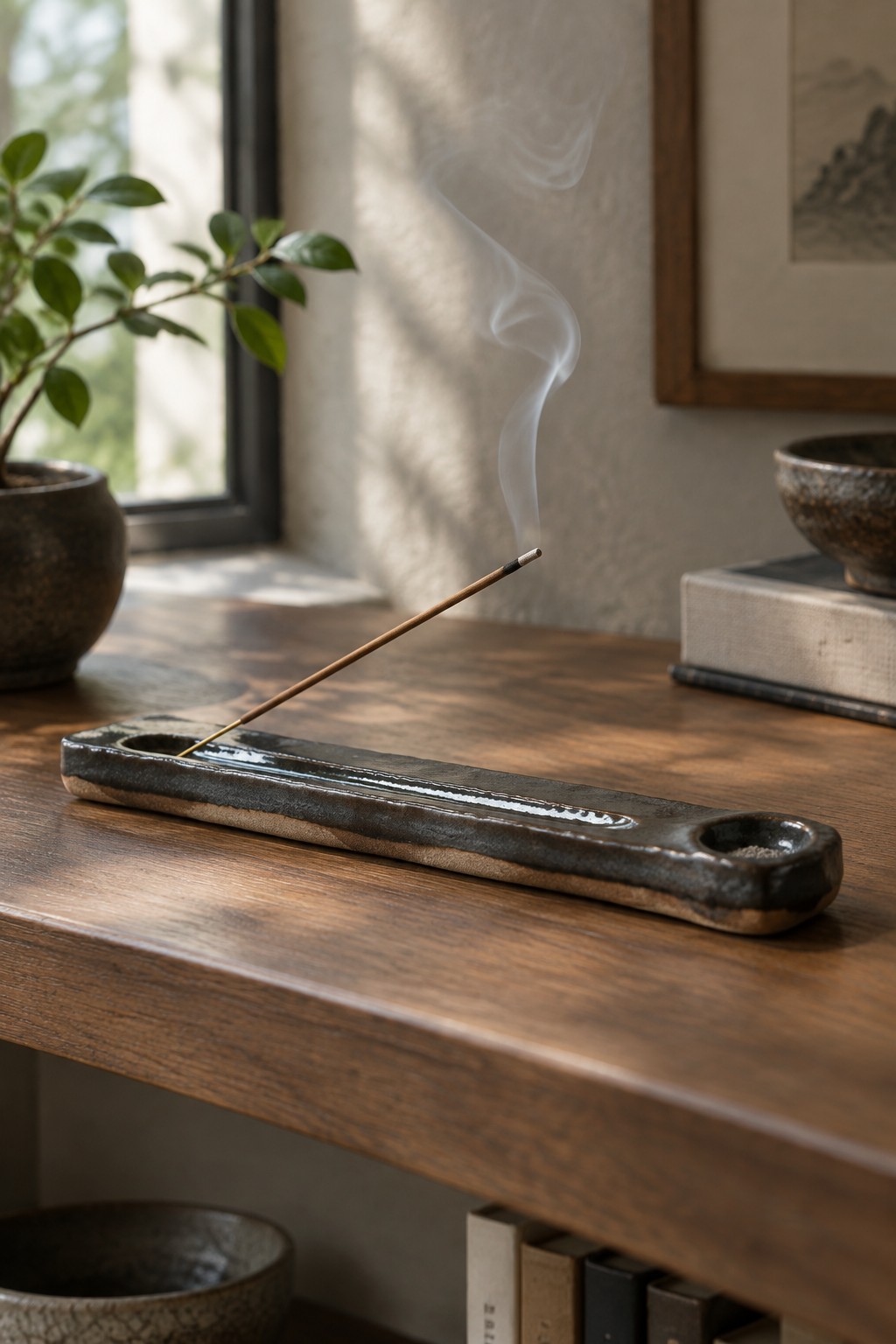
A long rectangular slab forms the base of this incense holder, with a narrow channel running down the center and a small round depression at one end to catch ash. The dark glossy glaze emphasizes the slab edges and gives the piece a clean, functional surface that works on a desk or shelf. This project turns basic handbuilding into a dedicated holder that keeps incense steady and ash contained without extra parts.
What makes this idea useful is how the channel and end depression can be resized to match different incense lengths or ash amounts. You could shorten the slab into a smaller desk version or widen it slightly for a double-stick holder. In a bathroom or meditation space, the simple shape keeps the focus on the function rather than decoration. The same slab layout could be adapted into a narrow tray for keys or a shallow dish for small jewelry if you skip the channel.
Divided Slab Tray for Small Items
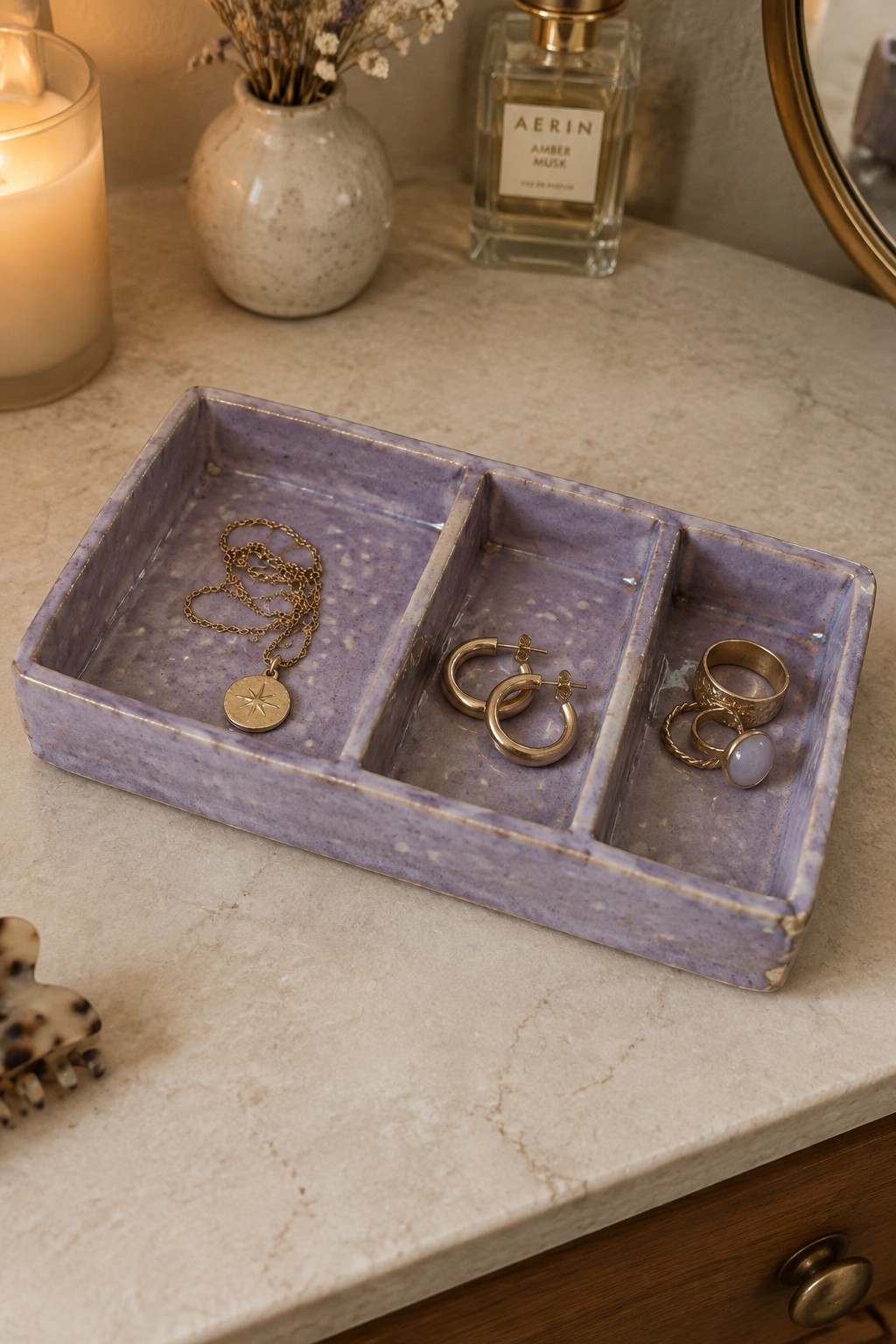
A rectangular stoneware tray built with two internal slab dividers creates three separate compartments in one piece. The sections vary in width to hold different sizes of items, with the largest area suited for chains or longer pieces and the narrower ones keeping rings and small pairs together. The mottled purple glaze with white specks gives the surface a subtle texture that contrasts with metal objects stored inside.
What makes this idea useful is how the fixed dividers stop items from sliding into each other during daily use. You can change the number or placement of the walls to create wider or narrower sections depending on what you want to store, or scale the whole tray down for a nightstand or up for a bathroom counter. The same slab layout works just as well for holding desk supplies, tea accessories, or craft tools instead of jewelry.
Handbuilt Stoneware Creamer with Blue Rim

A small handbuilt pitcher like this works as a creamer or milk server for daily table use. The form comes from a basic cylinder with a pinched spout and attached handle, using a speckled clay body and a single blue glaze line along the rim. This approach keeps the piece simple while the color contrast makes the spout area stand out.
What makes this idea useful is how the same cylinder base can be resized or left open to become a small syrup pitcher or flower frog. The rim treatment carries over easily to mugs or small bowls without extra steps. In a kitchen this shape keeps cream or milk accessible and pairs well with other everyday dishes.
Slab-Built Three-Section Condiment Tray
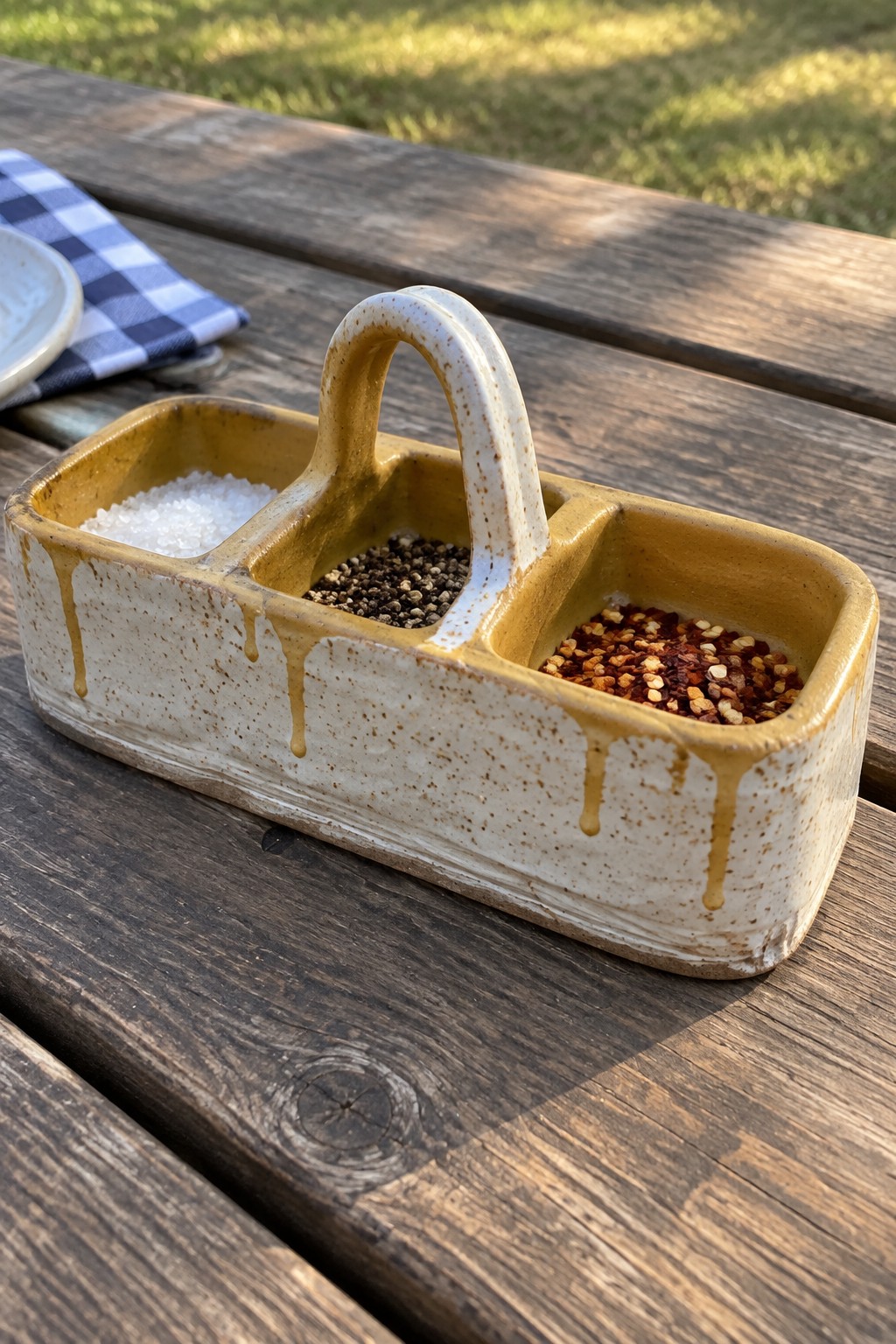
A three-compartment tray built from slabs creates a compact server for salt, pepper, and crushed spices. The central arched handle connects the sections while keeping the piece easy to carry from counter to table. Rectangular divisions keep the contents separate, and the speckled glaze in earthy tones gives the surface a practical finish that suits daily kitchen use.
What makes this idea useful is the way the handle and divided layout turn basic slab construction into a functional table piece. The same shape works for holding sugar packets and tea bags at breakfast or for small snacks like olives and nuts during meals. You can scale the compartments wider for larger servings or simplify the handle into a flat tab if you want a quicker build. This kind of tray stands out on Pinterest because it shows a clear use rather than just another decorative form.
Wall-Mounted Key Dish
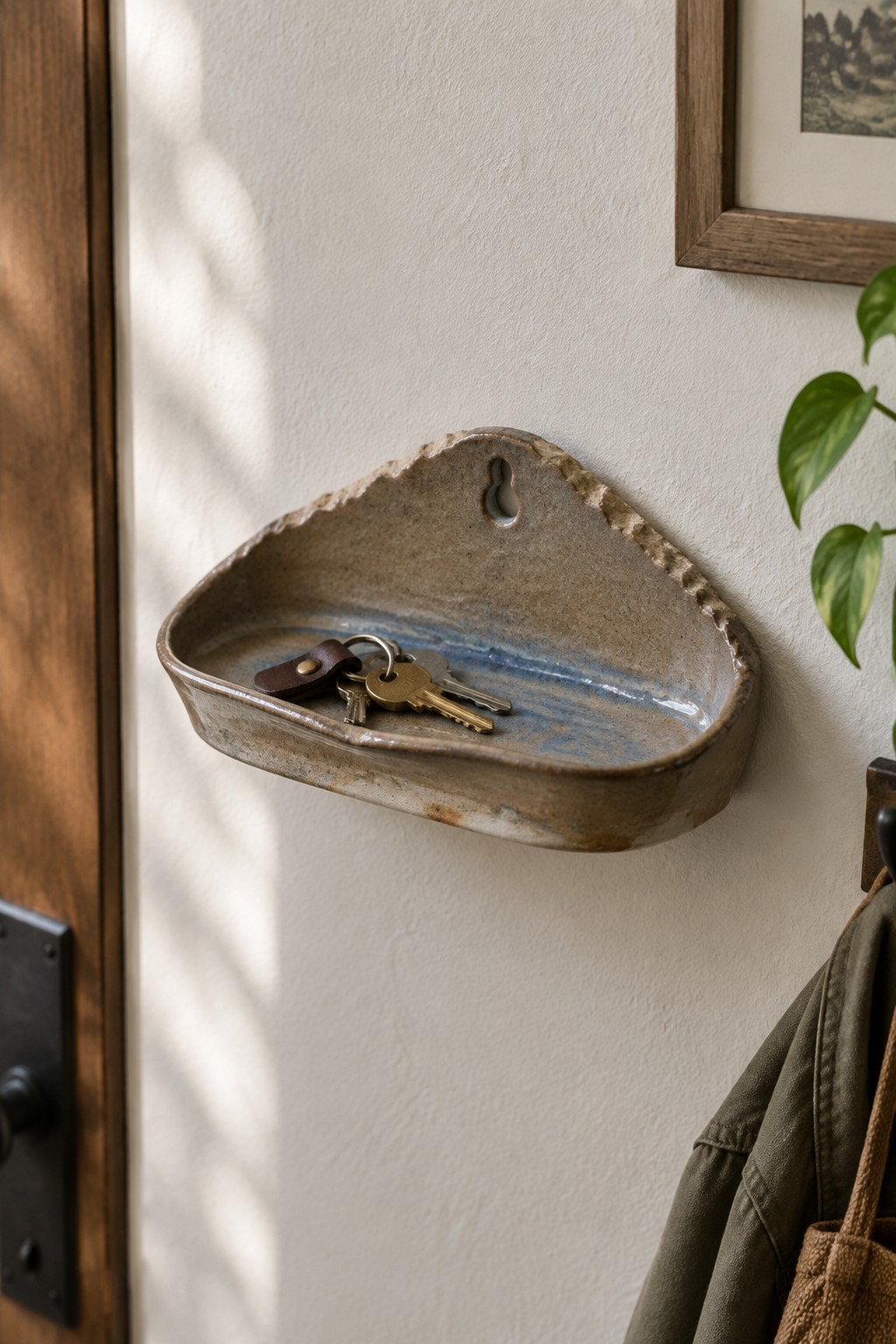
A wall-mounted key dish built from a stoneware slab gives you a simple place to drop keys and small items right by the door. The irregular organic shape with a cutout hanging hole lets the piece sit flat while the shallow basin keeps things from sliding off. A mottled earthy glaze with blue streaks adds visual interest and helps the surface hide minor wear from daily use.
What makes this idea useful is how easily it fits into an entryway without taking up shelf space. You could scale the same slab shape down for a ring dish or stretch it into a longer tray for mail and sunglasses. The hanging hole means installation needs only a single nail, and the design works in any glaze color that matches your wall or hardware.
Notched Yarn Bowl for Knitting and Crochet

A yarn bowl formed from stoneware uses a deep, rounded shape with one section of the rim cut away to create a notch. The opening lets a single strand pull out cleanly while the rest of the ball stays inside the bowl. The brown speckled glaze and matte texture keep the surface simple so the notch remains the main working feature.
What makes this idea useful is how the notch solves a common problem without adding extra parts. You could scale the same form down for smaller yarn cakes or widen the notch slightly for thicker fibers. In a craft space this piece keeps yarn off the floor and within reach, and the same basic shape could be reworked into a cord holder for headphones or charging cables by adjusting the notch width.
Frequently Asked Questions
What is the best way to prepare stoneware clay for making slabs? Start by wedging your stoneware clay thoroughly to remove air pockets and achieve even consistency. Roll it out between two wooden guides set to your desired thickness usually about a quarter inch for most handbuilding projects. Use a canvas or cloth surface to prevent sticking and roll in multiple directions for uniform slabs. Let the slabs rest briefly under plastic to relax before cutting shapes for your projects.
How do I prevent my slab projects from cracking during drying? Dry slabs slowly and evenly by covering them loosely with plastic for the first day or two then gradually exposing them to air. Place projects on a porous surface like drywall or newspaper to allow moisture to escape from the bottom. Avoid direct heat or drafts and turn pieces periodically. For larger items score and slip all joins carefully then compress seams with a rib tool to strengthen bonds and reduce stress points.
Which of the 21 projects are suitable for absolute beginners? Focus on simple flat forms like coasters trays or basic tiles first as they require minimal joins and let you practice rolling and cutting. Move next to small boxes or planters with straight sides before attempting curved or multi piece structures. These build core skills in measuring scoring and assembling without overwhelming complexity.
What glazing techniques work well on stoneware slab pottery? Apply underglazes or slips for surface decoration before bisque firing then use stoneware glazes that mature at cone 6 or higher for durability. Brush on multiple thin layers for even coverage and consider dipping for larger flat areas. Test glazes on sample tiles since stoneware can interact differently with iron rich clays and always leave unglazed feet to prevent sticking during firing.
How can I practice handbuilding skills effectively using these projects? Repeat basic techniques across several projects such as consistent slab thickness and precise scoring to build muscle memory. Document your process with notes on what works for each form and experiment with texture tools on slabs before assembly. Progress by adding elements like lids or handles to earlier projects once fundamentals feel comfortable.

Pottery Path is my cozy corner of the internet where I share clay ideas, pottery inspiration, and simple projects you can recreate at home. I love exploring everything from air dry clay to handbuilt pottery to cute minis that brighten your day. My goal is to make clay crafting feel easy, fun, and welcoming for anyone who wants to try it.
You will find beginner friendly tutorials, creative pottery painting ideas, and lots of warm inspiration for slow and happy crafting. If you enjoy hands on creativity, this space will feel like home.