I started working with slab pottery because the flat pieces felt easier to handle than centering clay on a wheel.
Simple forms like rectangles or cylinders gave me room to experiment without getting frustrated by wobbly shapes.
I tried out different combinations at home using basic rolling pins and templates I already had.
Some of these turned into useful trays or planters that still sit around my workspace.
They might be a good way to begin if you want to make a few things without a big setup.
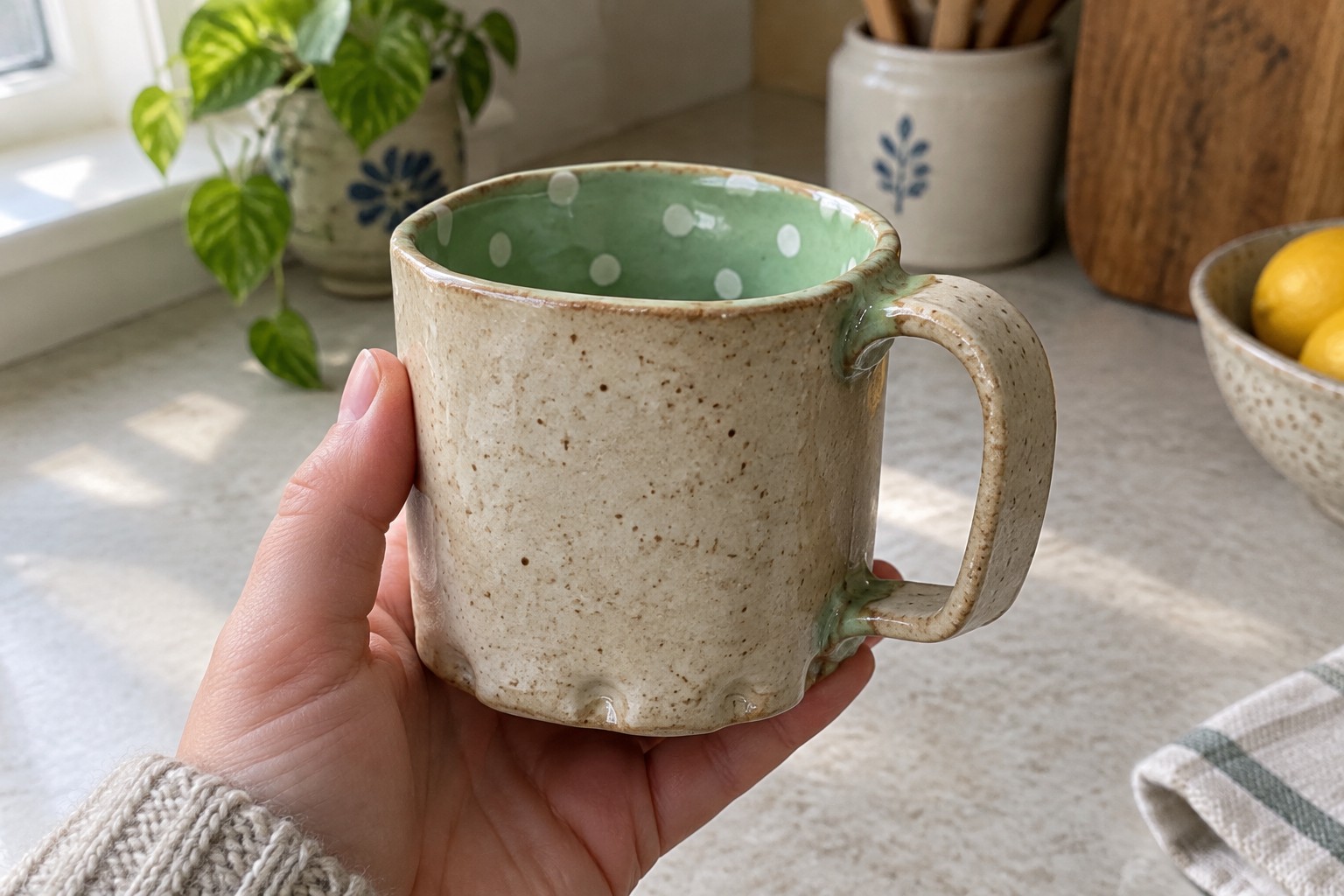
Slab Mug with Speckled Exterior and Dotted Interior

A basic slab mug starts with a simple rolled cylinder and a pulled or attached handle. The exterior keeps the raw speckled clay visible for a matte, earthy surface while the interior receives a solid green glaze dotted with white circles. This contrast turns the drinking experience into the focal point without extra carving or sculpting.
What makes this idea useful is how the interior pattern can be swapped for any color or motif to match dishes or a gift theme. The compact size and sturdy handle suit everyday kitchen use or desk coffee without crowding storage. The same cylinder shape can be shortened into a small creamer or lengthened into a travel tumbler by adjusting the slab height before assembly.
Wavy Rim Shallow Bowl with Marbled Glaze

A shallow bowl formed from a basic slab of clay uses a simple pinched or cut edge to create a wavy rim that avoids straight lines. The interior gets coated with overlapping coral and pink glazes that blend into soft swirls during firing, leaving the outside mostly bare to highlight the clay body. This idea fits the slab pottery category because the form starts flat and gets shaped by hand rather than on a wheel.
What makes this idea useful is how the wavy rim adds shape without extra tools or templates. A piece like this works especially well as a salad or fruit bowl on a countertop where the marbled interior shows from above. The same slab method can be scaled down to make matching side plates or turned into a wider tray by flattening the curve before the edges are shaped. For a gift, something like this stands out on a table because the glaze pattern changes slightly with each firing.
Citrus Slice Slab Tray
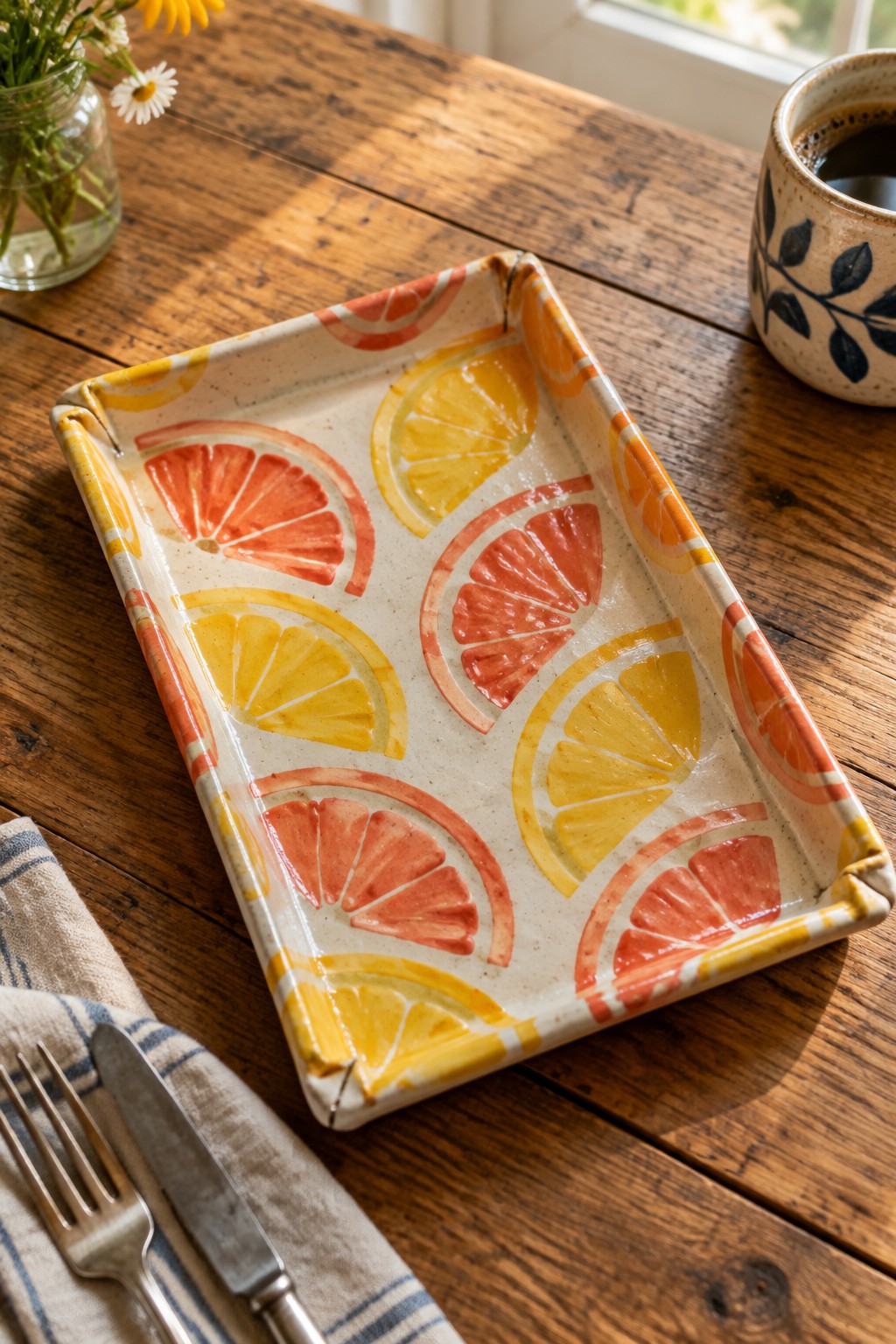
A rectangular slab tray decorated with overlapping painted citrus slices creates a simple kitchen serving piece. The design uses basic half-circle shapes in yellow, orange, and coral to cover the surface in a loose repeating pattern. This approach keeps the focus on the flat form while adding color through underglaze or slip painting before a final clear glaze. The result fits the category of a functional tray that can hold small items or food.
What makes this idea useful is how the citrus motif scales easily to other slab projects. You could shrink the same pattern for coasters or a spoon rest, or stretch it across a larger platter for snacks. The flat surface gives plenty of room to practice brushwork without worrying about curves or joins. In a kitchen this kind of tray stands out on open shelving because the bright slices read clearly from a distance.
Leaf Shaped Slab Tray
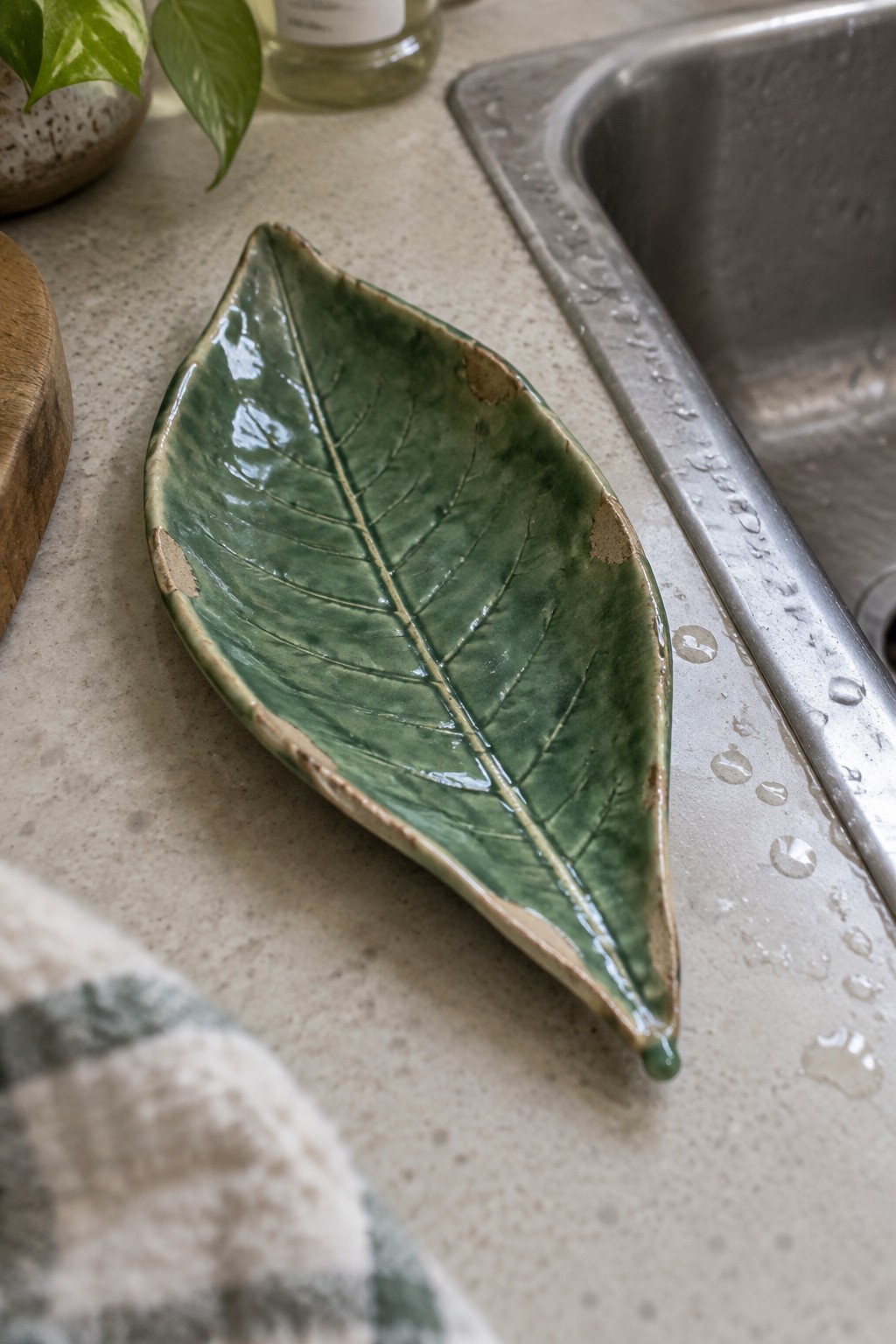
A thin slab of clay cut into a pointed leaf outline and pressed with vein lines forms this shallow tray. The edges are gently lifted to create a low rim, and a green glaze with some variation in tone highlights the texture while leaving the rim partly unglazed. This method produces a functional dish that works as a spoon rest, soap holder, or small catch-all.
The shape does a lot of the work here because the pointed tip and natural curve make it easy to place near a sink or stove without taking up much space. You can adapt the same slab approach by swapping leaf templates or adjusting the size to make longer versions for serving or smaller ones for jewelry. In a kitchen this kind of piece stands out on Pinterest when the glaze is kept simple and the vein details stay visible.
Slab-Built Rectangular Planter
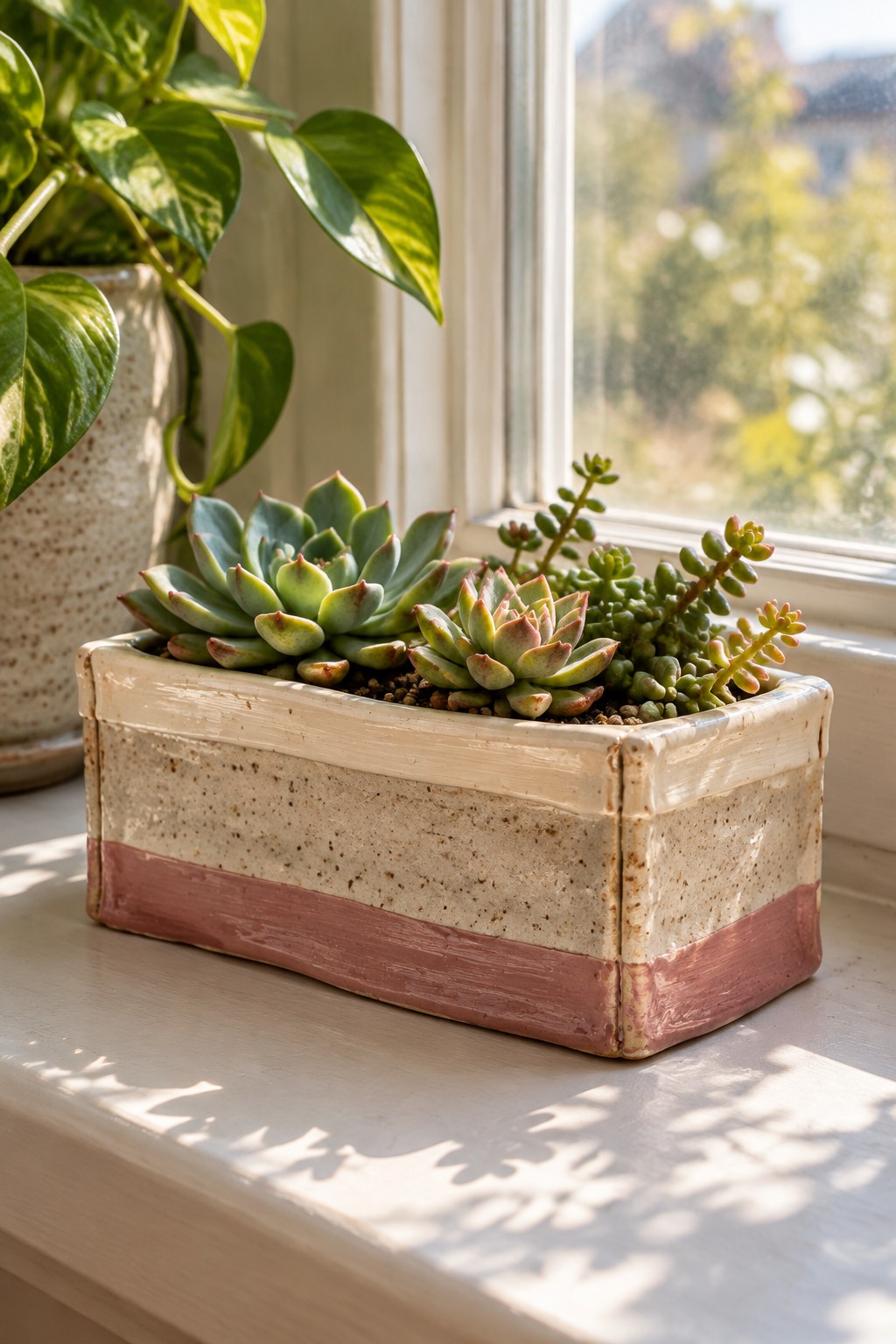
A rectangular slab planter gives you a straightforward way to group small succulents or herbs without needing a wheel. Flat clay slabs are joined at the seams to create the box form, then the piece is glazed in two horizontal bands so the upper section stays light while the lower band adds a grounded color. The visible clay texture under the glaze keeps the surface from looking too smooth, and the simple shape stays stable on a flat surface.
What makes this idea useful is that the rectangle can be scaled up or down to match a windowsill, shelf, or table edge. You can change the glaze split to a single color, add a thin line of slip between the bands, or leave the clay bare for a more natural look. The same slab construction works for a shallow tray if you lower the sides, or you can add small feet to lift it slightly for better drainage.
Flower Petal Ring Dish
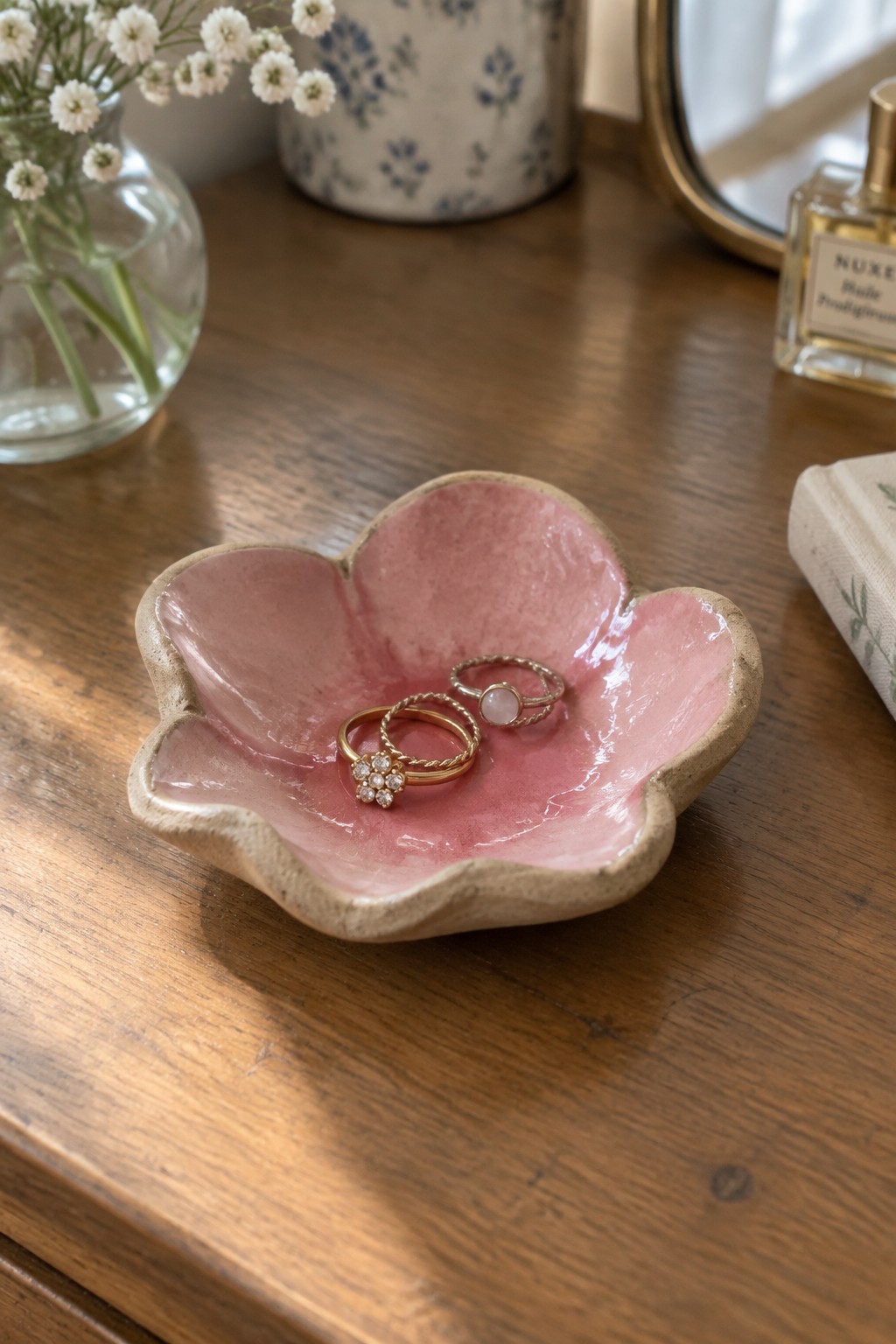
A flower shaped ring dish gives you a small, shallow tray that keeps rings and small jewelry in one spot. Cut a simple five or six petal outline from a rolled slab, then drape or press it into a curved form so the edges lift into gentle petals. The glossy pink glaze on the interior makes the metal rings stand out while the raw clay rim keeps the piece looking handmade and simple.
What makes this idea useful is how the petal edges do the work of containing small items without needing extra walls or compartments. The same shape works on a dresser, bathroom counter, or desk and scales easily if you want a slightly larger version for earrings or a single bar of soap. You can swap the pink glaze for any color or leave more of the clay exposed on the rim to change the look with almost no extra steps.
Hanging Geometric Slab Tiles
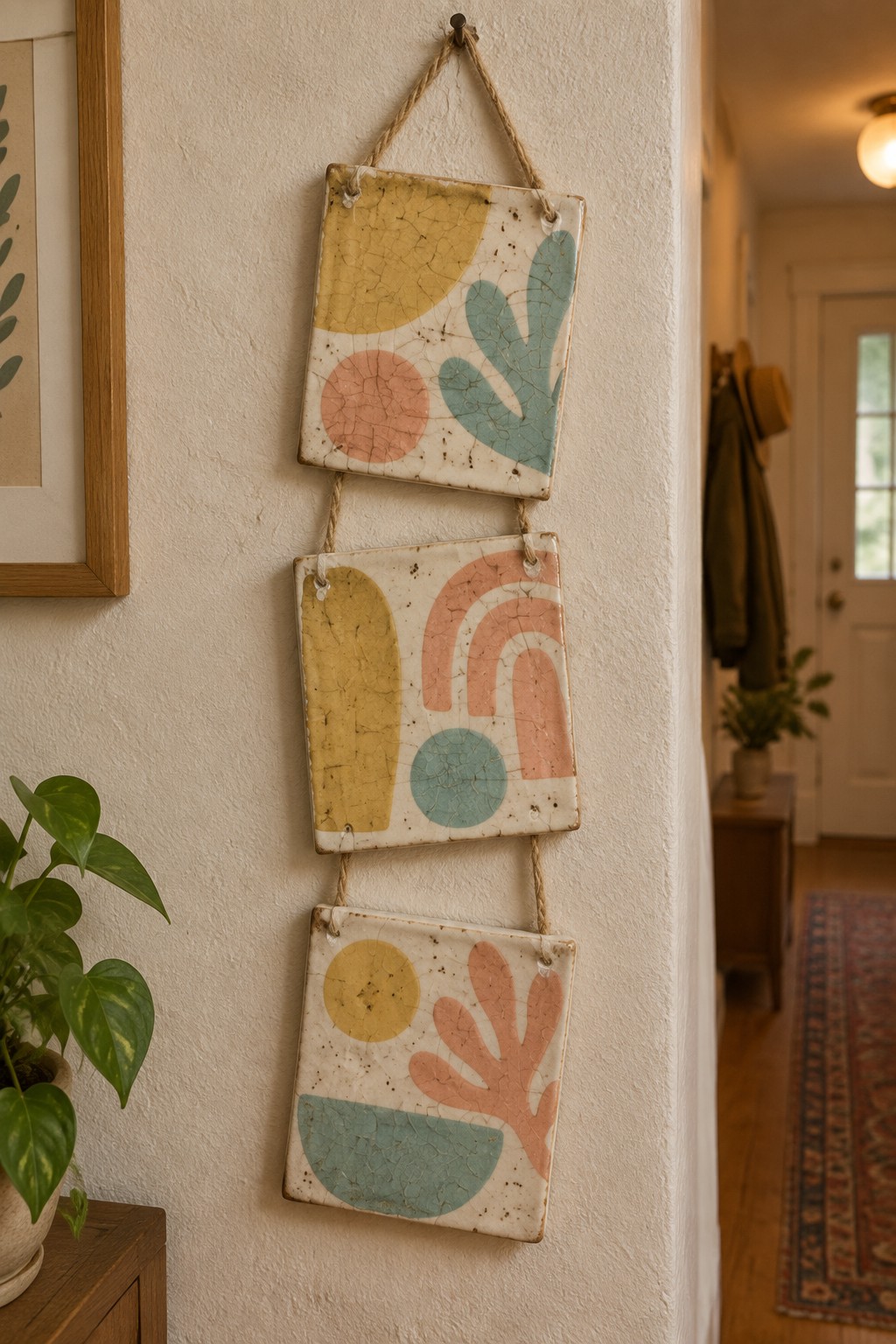
Three square tiles cut from a basic slab are connected with rope to form a vertical wall hanging. Each tile uses a few simple cut or torn shapes in yellow, coral, and teal on a white crackled base. The limited palette and flat application keep the focus on form and color rather than complicated techniques. This approach gives beginners a straightforward way to practice rolling even slabs and adding surface decoration before firing.
What makes this idea useful is that the same tiles can be made as a single piece or a longer chain depending on the wall space. The shapes are easy to trace from paper templates and rearrange for different color stories. A set like this works especially well in narrow hallways or above a small table where a slim vertical accent is needed. You could rework the same method into matching coasters or a shallow tray by changing the overall size and skipping the hanging holes.
Slab Tray with Multiple Tea Light Wells
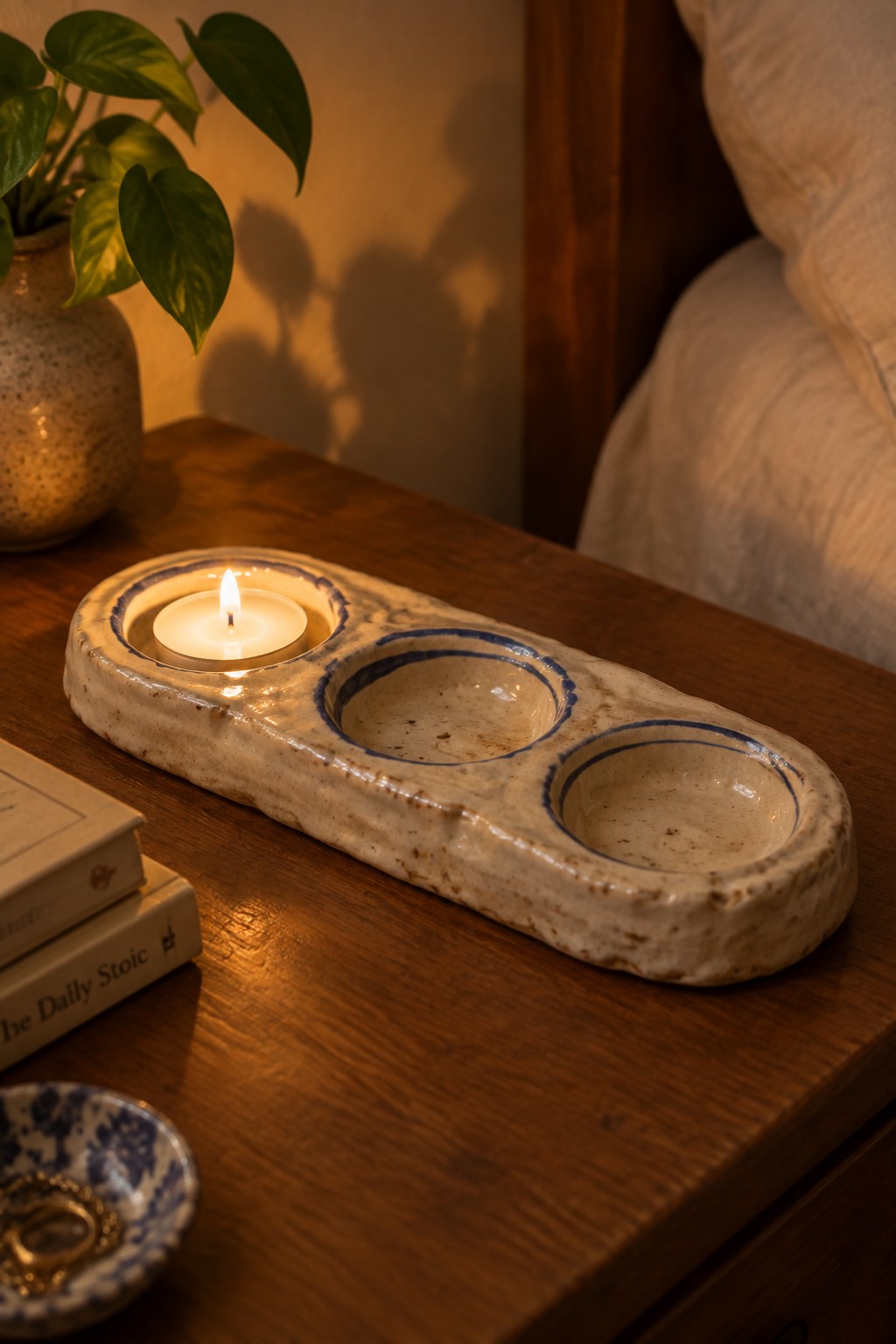
A simple slab of clay rolled flat and shaped into a long oval creates a practical multi-well tray for tea lights. Three circular depressions pressed into the surface hold standard candles, with blue slip used to highlight just the rims while the rest stays in a speckled matte glaze. This keeps the form basic but gives the piece clear function as a low-profile candle holder that works on tables or shelves.
The narrow shape makes it easy to place on a nightstand or desk without crowding other items. You can adapt the same slab layout by shortening it to two wells or lengthening it for more, and the rim color is simple to swap for other shades or skip entirely. For a different use, the same form works as a small jewelry tray or catch-all by adjusting well depth and skipping the candle focus.
Divided Slab Dish for Kitchen Seasonings

A rectangular divided dish formed from two simple slabs creates two separate compartments in one compact piece. The central divider keeps coarse salt or spices from mixing while the low walls make scooping easy. An earthy green glaze with natural speckling gives the surface enough texture to grip without feeling rough. This approach falls squarely into the category of small slab-built kitchen tools that stay practical on a counter or table.
The small scale keeps it from crowding a workspace yet still holds enough for regular use. You could rework the same slab layout into a two-part holder for oil and vinegar or even desk supplies like paper clips and rubber bands. For a gift, shorten the length slightly and pair it with a small wooden scoop. The clean divided form photographs clearly on Pinterest and gives beginners a quick win with basic cutting and joining steps.
Rectangular Slab Soap Dish with Drainage Slots
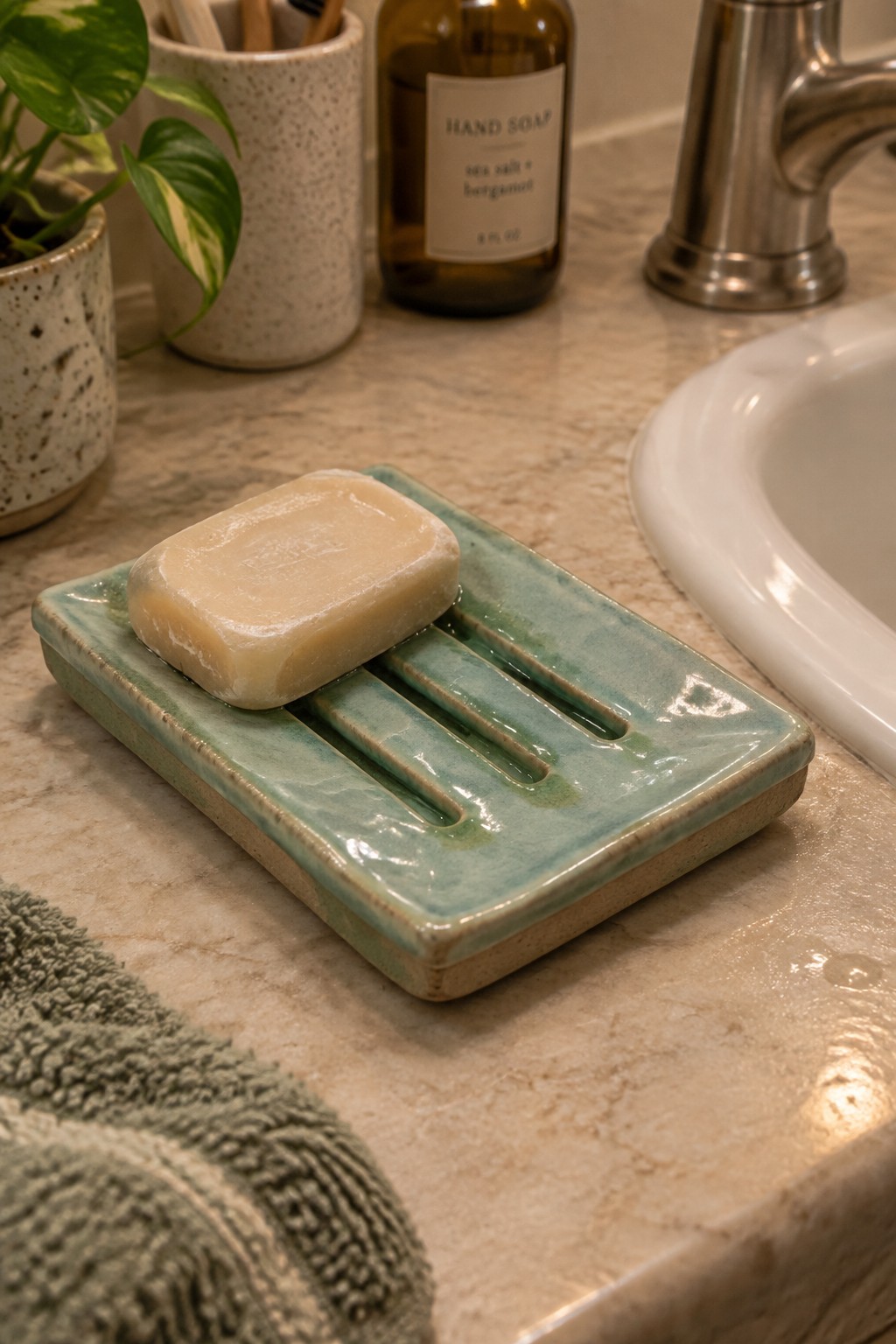
A slab-rolled ceramic soap dish gives you a flat rectangular tray with several parallel slots cut through the base to let water drain away from the bar. The low profile and wide surface keep the soap stable while the handmade glaze creates a soft, watery green surface that resists moisture. This project fits the bathroom item category and solves the common problem of soggy soap using only a few basic cuts and a simple form.
What makes this idea useful is how the slot layout can be changed to fit different soap sizes or even turned into a sponge holder for the kitchen sink. You can keep the same slab thickness and just adjust the overall rectangle to sit beside a faucet or on a shower ledge. The drainage feature makes the dish more functional than a plain tray, and the same shape works for holding small jewelry or keys if you skip the slots.
Speckled Ceramic Toothbrush Holder
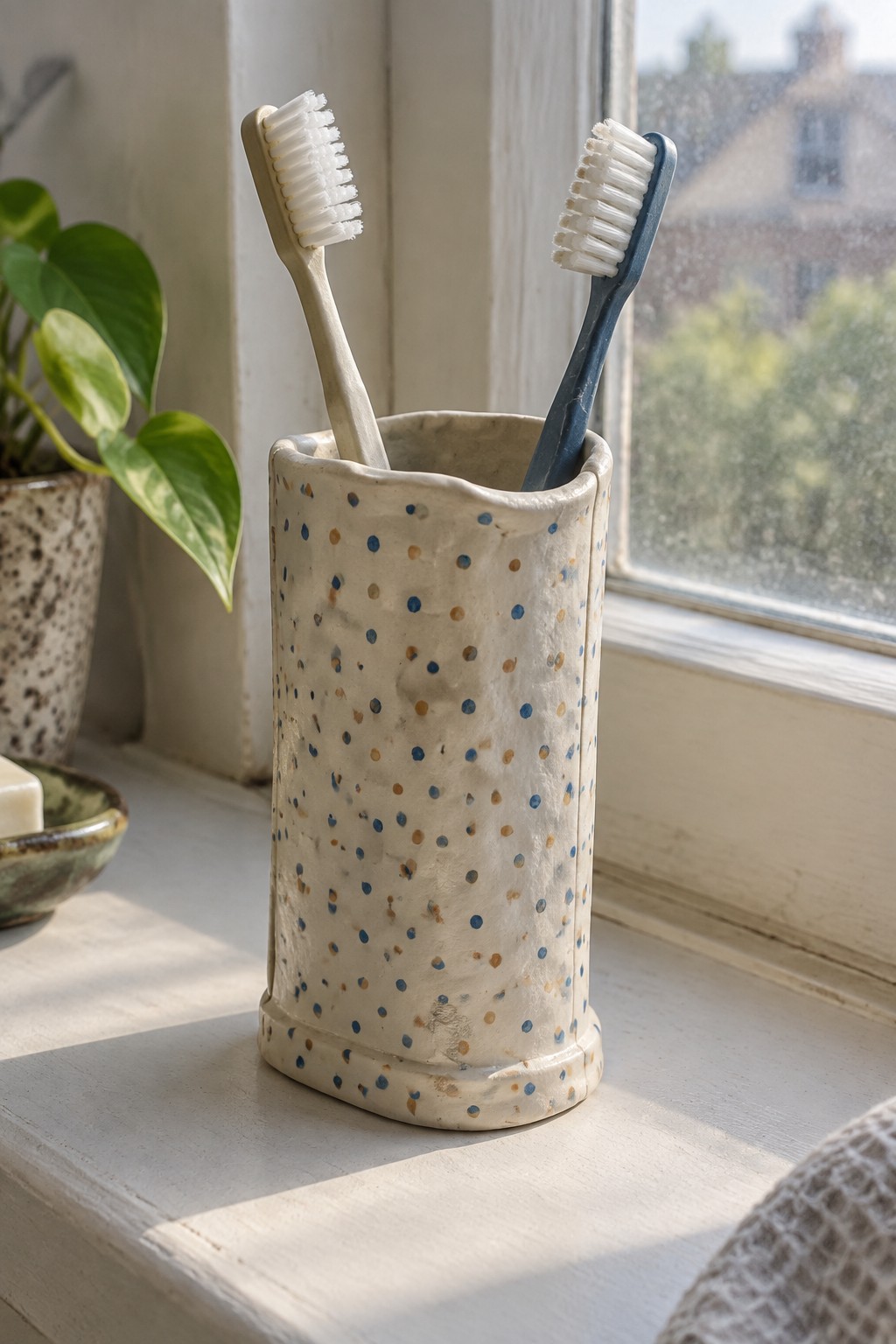
A basic cylinder formed from a rolled slab makes a practical toothbrush holder when you add scattered dots of colored slip in blue and brown across the surface. The slightly irregular rim and textured finish keep the piece casual and functional for daily bathroom use. This approach works well because the simple shape holds brushes upright while the dot pattern adds visual interest without needing complex carving or glazing techniques.
What makes this idea useful is how the same cylinder can shift into a pencil cup or small kitchen utensil holder by changing the height or rim style. The dot pattern is easy to adapt with different colors to match tile or towels, and the compact size fits narrow ledges or windowsills without crowding other items. For a gift, something like this stands out on Pinterest because the handmade surface reads as intentional rather than mass-produced.
Cat Face Slab Planter
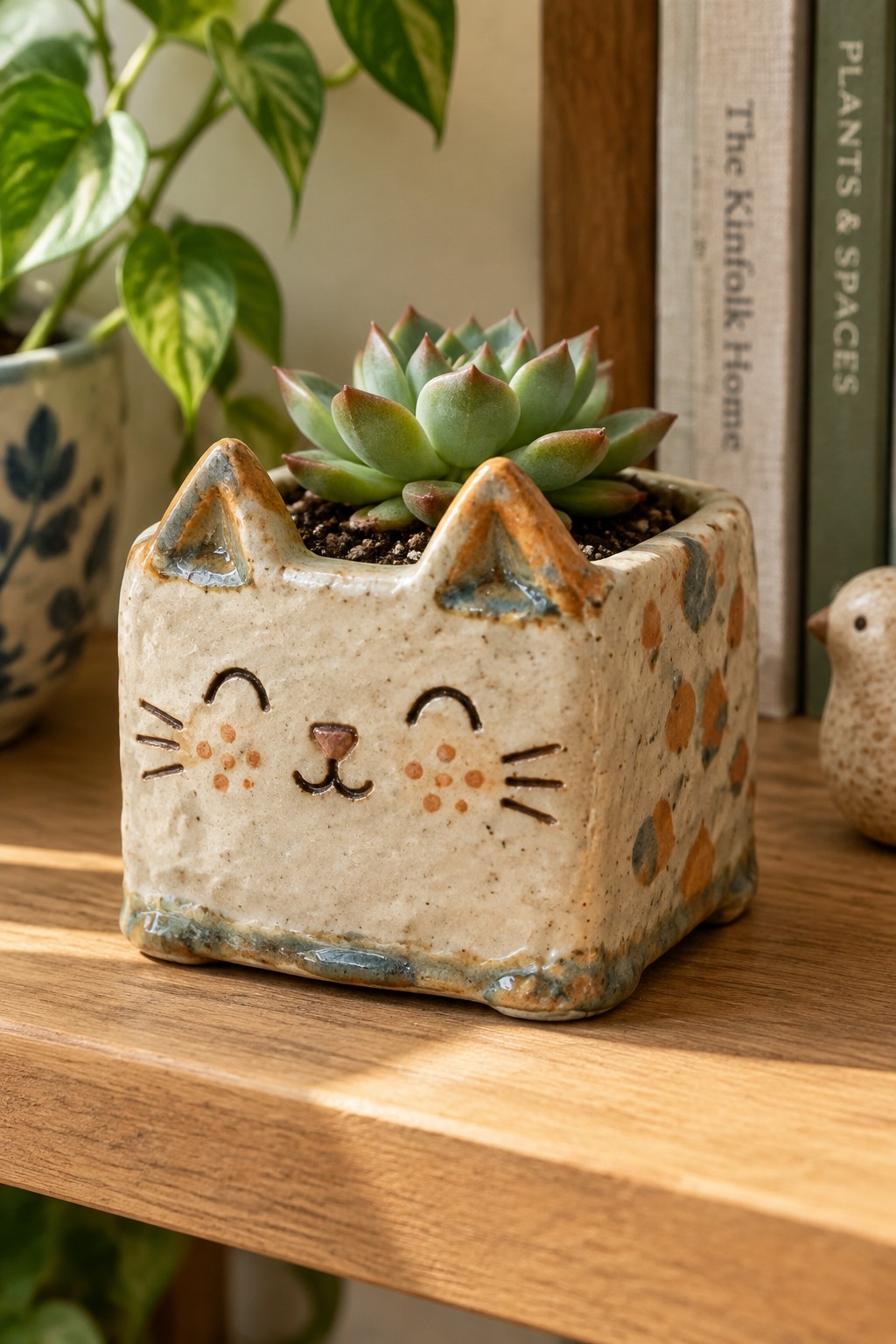
A square slab planter shaped like a cat face makes a compact holder for small succulents or herbs. Cut four flat slabs for the sides and base, then add two triangular ears along the top rim before assembly. Simple incised lines form the eyes, nose, and whiskers, with dots of underglaze added for contrast against the speckled clay surface.
What makes this idea useful is how the flat sides keep construction straightforward while the cat details give the finished piece clear character. You could swap the face for another animal or repeat the same square form with different incised motifs to hold desk supplies or bathroom items. The small scale works well on a shelf or windowsill where a plain pot would disappear.
Stacked Slab Trays for Jewelry Storage
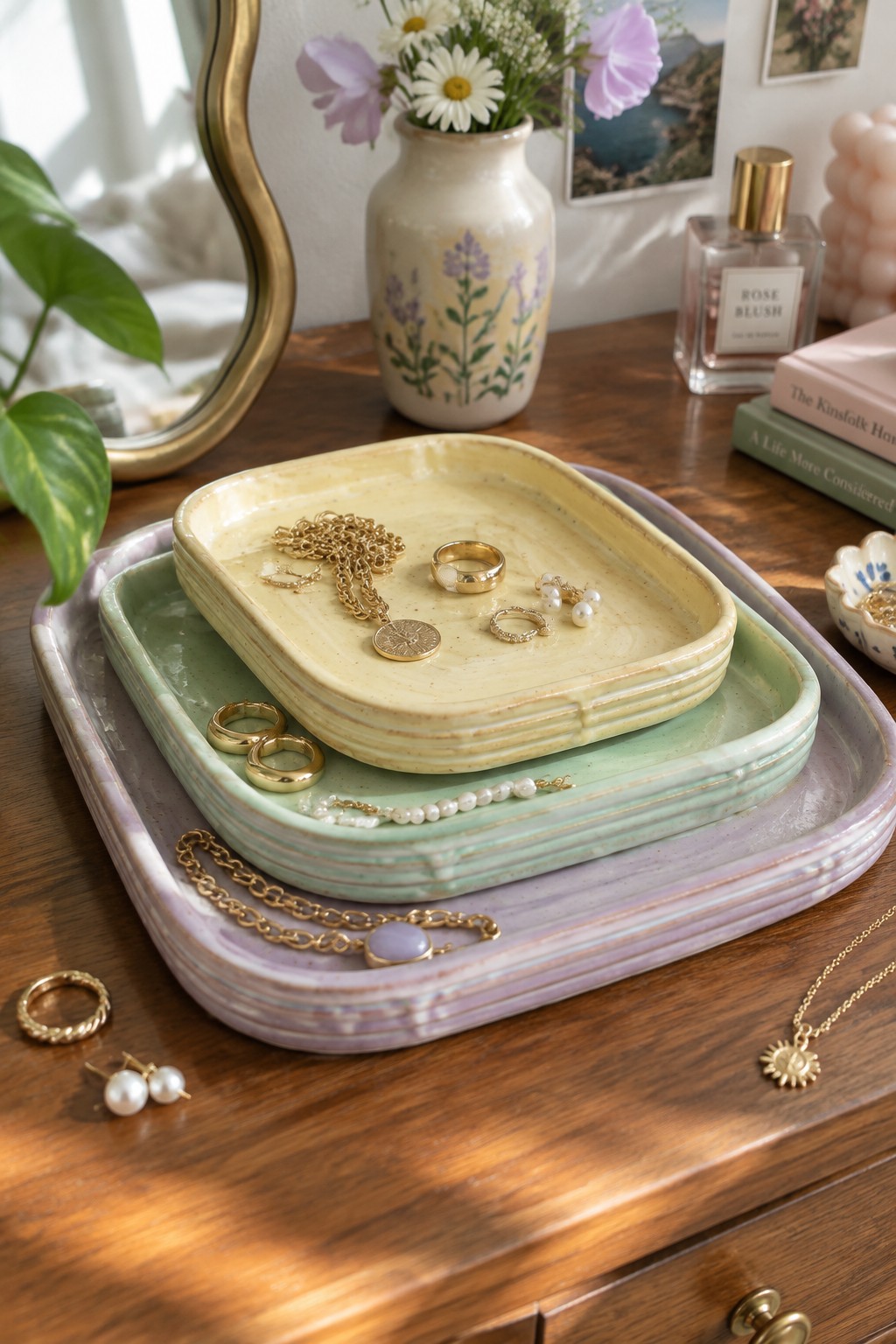
Rectangular slab trays built in graduated sizes create a simple jewelry organizer when stacked together. The flat bases and low sides keep rings, chains, and earrings contained while the soft pastel glazes in lavender, mint, and pale yellow add quiet color variation. These forms need only basic rolling and trimming, with no handles or feet required.
What makes this idea useful is how the trays stay functional whether stacked or spread out across a surface. You can scale the sizes up for larger items like scarves or down for tiny studs by adjusting the slab dimensions before assembly. The same approach adapts easily into desk trays or bathroom catch-alls by swapping the glaze colors or adding a single drainage hole. A set like this photographs cleanly for sharing because the stacked colors create a clear focal point without extra styling.
Rectangular Slab Incense Holder
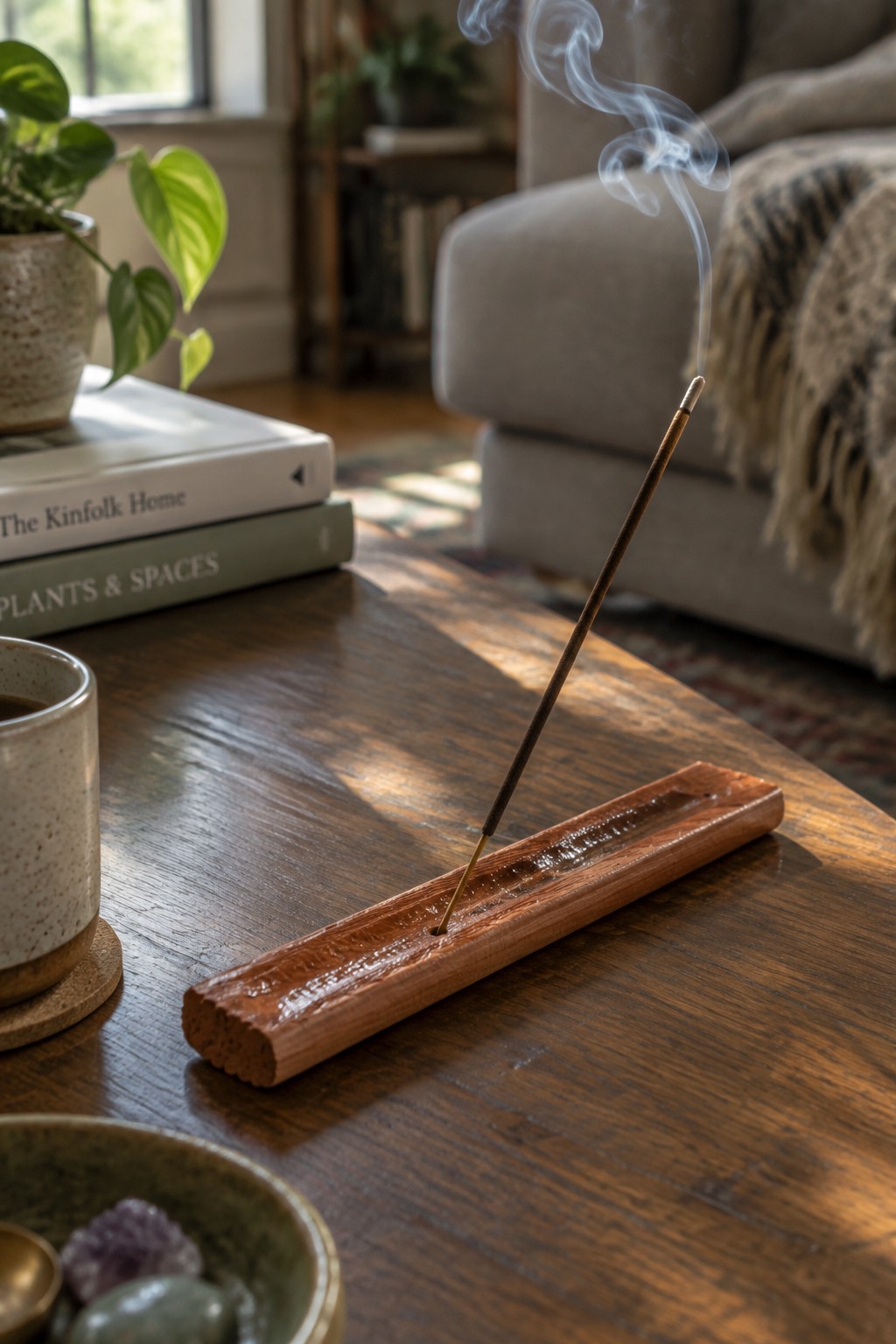
A long rectangular incense holder built from a single slab of clay creates a simple tray that catches ash and holds a stick upright. Cut the slab to size, press in a narrow channel down the center, and add a small hole at one end for the stick. The flat form and minimal details keep the piece easy to make while giving it a clear function on a table or shelf.
What makes this idea useful is how little space it takes while still serving a daily purpose. You can adjust the length to fit different incense sizes or press a light texture into the surface before firing for extra grip. The same slab shape works just as well turned into a small tray for rings or a holder for matches.
Small Slab-Built Cream Pitcher
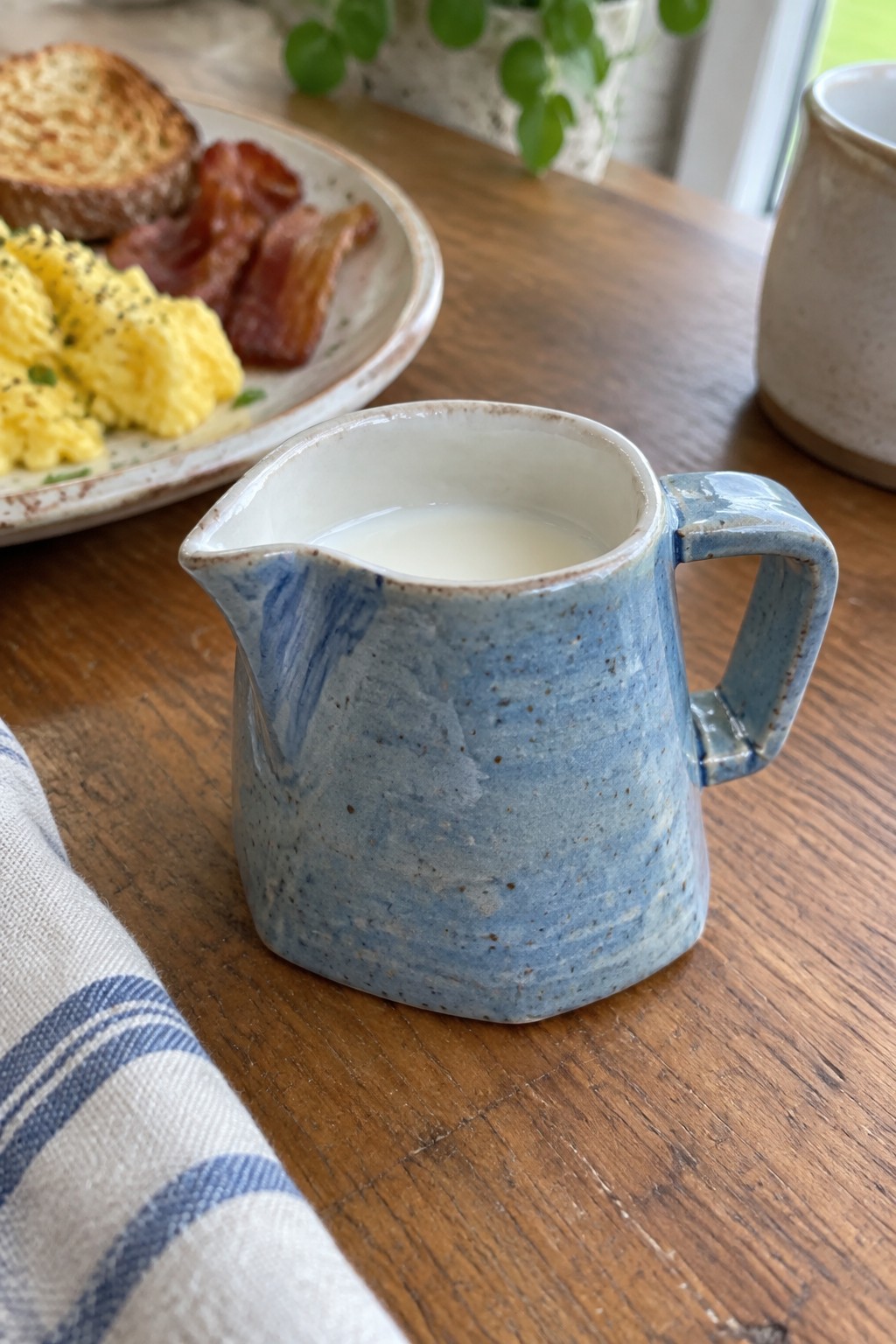
A small slab pitcher makes a practical cream or milk server for daily table use. Flat clay slabs are cut and joined to form angled sides that create a stable base and a simple pouring spout, with a handle added after assembly. The blue speckled glaze covers the exterior while the interior stays light, giving enough contrast to highlight the form without extra surface work. This shape stays compact enough to sit beside plates or bowls without crowding the table.
What makes this idea useful is how the straight slab sides simplify measuring and cutting for consistent results across multiple pieces. The same pattern can be adjusted for a taller syrup server or shortened into a small sauce jug by changing only the height of the slabs. A single stamp or roller texture pressed into the clay before joining adds variation if the plain surface feels too plain. In a kitchen this size works for everyday breakfast items and stores easily on open shelves.
Notched Yarn Bowl for Knitting Projects

A yarn bowl is a shallow ceramic dish designed to hold a ball of yarn while you knit or crochet. This version uses a simple round form with a notch cut into the rim so the yarn strand pulls out cleanly without rolling away. The blue spiral painted on the interior adds a single decorative element that coordinates with the yarn color and keeps the surface from looking plain.
What makes this idea useful is how the notch turns a basic bowl into a functional tool that sits easily on your lap or a table. You can adapt the same shape by making the notch wider for thicker yarns or adding a second notch for colorwork projects. The spiral motif could be replaced with lines, dots, or nothing at all, and the finished piece works well as a gift for knitters or as a small holder for embroidery floss and string.
Cloud Shaped Slab Coasters with Stamped Motifs
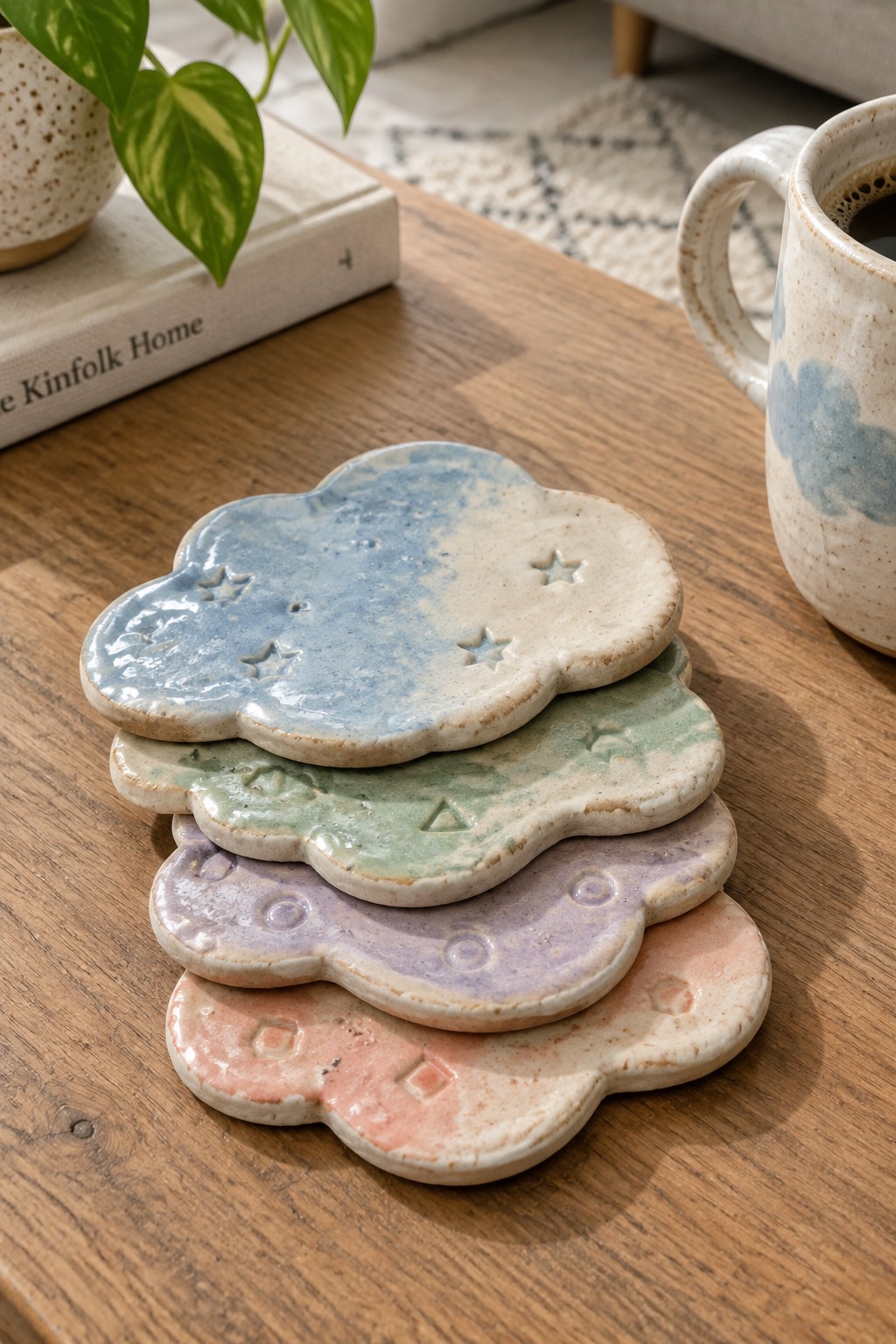
Cloud shaped coasters made from rolled clay slabs give you a quick way to create functional drink rests with a playful outline. Cut the form freehand or with a template, then press small geometric stamps like stars, triangles, circles, or squares into the surface before the clay firms up. Different glazes applied across the set let the impressed shapes stand out while the soft edges keep the overall look relaxed.
What makes this idea useful is how little extra work the shape and stamps require once the slab is ready. You can make a full set in one afternoon and vary the colors or motifs to match different tables or seasons. The same cloud template works for small jewelry dishes or soap rests if you want to expand the project later. For gifts, a mixed set of four or six feels complete without needing advanced finishing steps.
Sun Motif Hanging Wall Pocket

A slab-built wall pocket gives you a flat back panel that hangs flush against the wall while the front curves outward to form a pouch for plants. The sun design is created by painting simple radiating lines around a central face using underglaze colors before the final firing. This keeps the construction straightforward with one main slab for the back and a second piece shaped for the pocket front. The cord runs through a small hole at the top so the piece can be hung at any height without needing extra hardware.
The flat back makes this shape practical for tight spaces where a round pot would not sit well. You could easily change the painted motif to moons, stars, or simple geometric patterns depending on the room. The same slab layout works for a smaller version that holds air plants or a taller one for trailing herbs in a kitchen. Because the construction relies on basic forming and painting rather than complex joins, it adapts quickly if you want to make several at once for gifts.
Frequently Asked Questions
What basic supplies do beginners need to try slab pottery projects at home? Start with a block of clay that suits your firing method, a rolling pin or slab roller for even thickness, a sharp knife or clay cutter, templates made from cardboard or paper, and simple forms like boxes or cylinders from household items. Keep a sponge, water spray bottle, and scoring tool nearby for joining pieces. These items let you follow most of the 18 ideas without extra purchases.
How can I stop slab pieces from cracking while they dry? Roll slabs to a consistent thickness of about a quarter inch and cover them loosely with plastic for the first day or two so moisture leaves slowly. Score and slip all joins well, then support the form with crumpled paper or foam inside while it firms up. Once leather hard, remove supports and let the piece dry completely in a draft-free spot before bisque firing.
Which of the 18 ideas work best if I only have basic kitchen tools and no special molds? The simpler box shapes, tray forms, and cylinder vases adapt easily using cereal boxes or cans as temporary supports. Cut your slabs with a ruler and butter knife, then drape or wrap them around the form. These projects need only a flat surface for rolling and a bowl of water for smoothing edges.
What are some easy ways to add decoration to finished slab pieces before firing? Press textures into the clay while it is still soft using lace, leaves, or rubber stamps. Carve shallow lines with a toothpick once the piece is leather hard, or apply underglaze with a small brush for color. Keep designs simple so they do not weaken the slab, and test any technique on a scrap piece first.
How long should slab pottery dry before it goes into the kiln? Allow at least one to two weeks for thorough drying depending on room humidity and slab thickness. The piece should feel room temperature and show no cool spots when touched to your cheek. If in doubt, wait an extra few days to avoid steam cracks during the first firing.

Pottery Path is my cozy corner of the internet where I share clay ideas, pottery inspiration, and simple projects you can recreate at home. I love exploring everything from air dry clay to handbuilt pottery to cute minis that brighten your day. My goal is to make clay crafting feel easy, fun, and welcoming for anyone who wants to try it.
You will find beginner friendly tutorials, creative pottery painting ideas, and lots of warm inspiration for slow and happy crafting. If you enjoy hands on creativity, this space will feel like home.