
I started trying coil pottery a couple of years ago because it seemed like something I could do at home without much equipment.
It turned out to be a steady way to make small pieces that feel thoughtful as gifts.
I have come up with a few shapes and finishes that worked well for birthdays and holidays.
Here are the ones I kept going back to when I needed something handmade.
They are simple enough that anyone can give them a try with basic clay.
Ribbed Handbuilt Mug
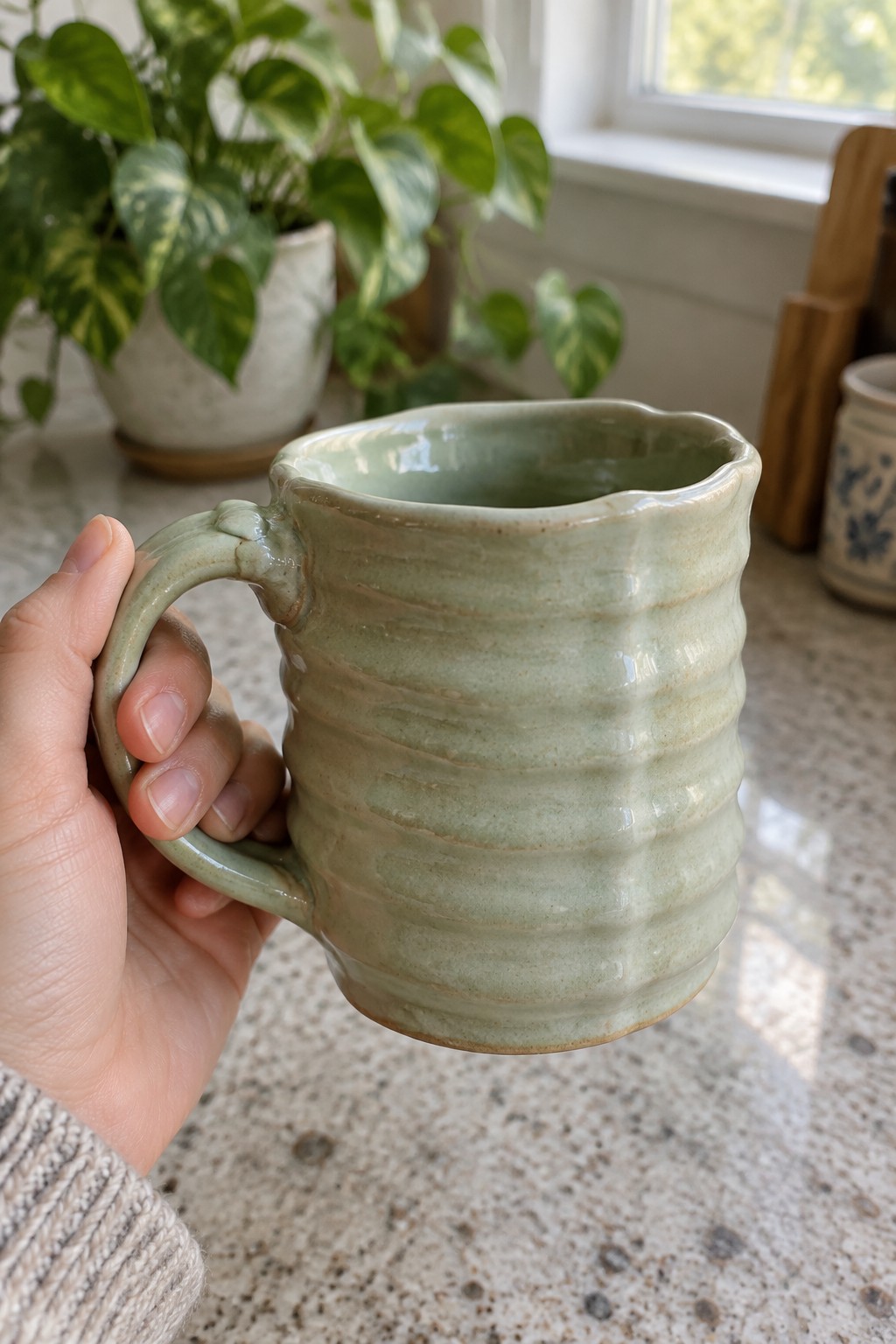
A handbuilt mug formed with coils or slabs shows horizontal ridges wrapped around the body for a clear linear texture. The soft green glaze settles into the grooves to emphasize the surface without extra decoration. A gently scalloped rim and simple pulled handle keep the shape functional while the overall scale fits comfortably in one hand. This approach fits the mug category of coil pottery projects meant for everyday kitchen use.
What makes this idea useful is the way the ridges create grip and visual interest at the same time. You could repeat the same texture on a taller pitcher or a set of smaller tumblers for a matching group. The muted glaze color works in both modern kitchens and more neutral dining spaces without competing with other items. For gifts, shrink the form into an espresso cup or add a simple lid to convert the shape into a small jar.
Coiled Planter for Succulents
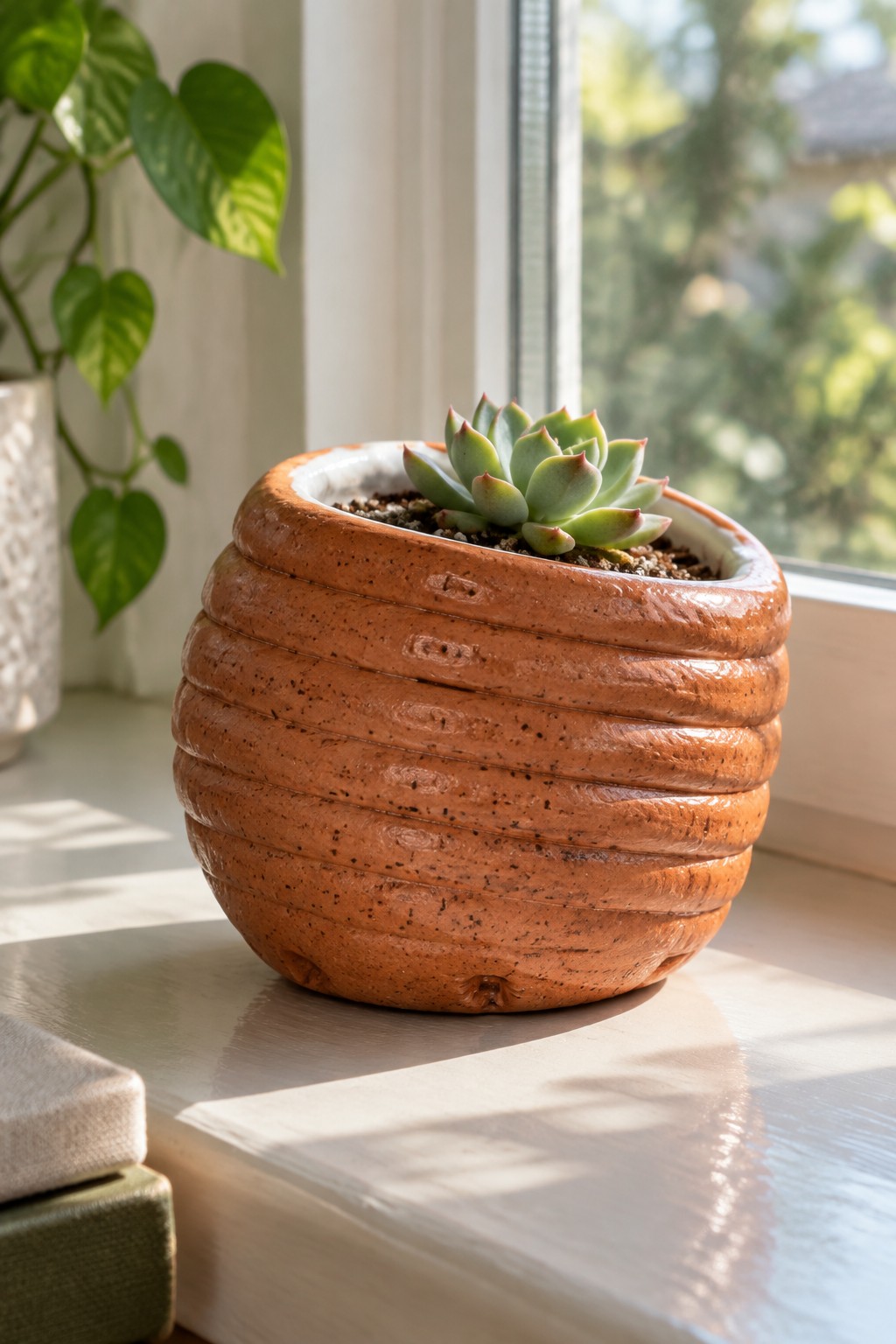
A coil-built planter uses stacked ropes of clay to form a rounded, low bowl shape that works especially well for small succulents. The visible horizontal ridges create texture while the wide opening and stable base keep the plant secure. Leaving the clay mostly unglazed keeps the earthy color and speckled surface intact, which helps the form read as handmade rather than mass-produced.
What makes this idea useful is how the coil method lets you build the shape without special tools or a wheel. You can adapt the same low, rounded profile into a slightly wider tray for multiple small plants or shorten the coils for a desktop version. The textured surface also means you can skip glaze on the outside and still end up with a finished piece that photographs well for sharing.
Spiral Glazed Coil Bowl

A large coiled bowl finished with a swirling teal and blue glaze pattern creates an eye-catching serving piece or table centerpiece. The concentric spiral forms through the way the glazes move and pool during firing, giving the interior a sense of motion without any added carving or texture. This keeps the focus on the bowl’s generous open shape and the contrast between the dark center and lighter rim.
What makes this idea useful is how the spiral glaze effect can be scaled down for smaller nesting bowls or repeated on a set of plates. The deep color works especially well for holding bread, fruit, or salad on a wooden table. You could rework the same glaze layering on a simpler pinched bowl if you want to skip coiling, or use a single glaze color for a subtler version that still reads as handmade.
Vertical Ridge Coil Vase

A tall vase formed from coils shows clear vertical ridges that run the full length of the body and neck. The brown glaze pools in the grooves and streaks across the raised areas to create contrast without extra decoration. This approach turns the coil construction into the main visual feature rather than smoothing it away.
What makes this idea useful is how the ridge pattern adds interest while still letting the shape stay simple. The tall narrow form fits well on shelves or windowsills where space is limited and works for single stems or small dried arrangements. You could repeat the same vertical ridges on a shorter pitcher or a set of mugs by adjusting the coil spacing and height. The glaze effect also translates easily to other earthy color combinations if you want to match existing decor.
Coiled Cup Candle Holder with Matching Saucer

A coil-built candle holder shaped like a handled cup uses stacked coils to form even horizontal ridges that add texture and help the glaze catch light. The cup sits on a wide matching saucer that catches drips and gives the piece a complete look. This project turns a simple cup form into a functional candle piece that still reads as pottery rather than a plain container.
What makes this idea useful is that the handle lets you move the holder safely once the candle burns down. You could repeat the same coil ridges on a smaller scale to make tea light holders or skip the handle and turn the shape into a small planter. The soft pink tone works in a bedroom or living room without clashing with wood furniture or neutral linens. For gifts, the matching saucer makes the set feel more complete than a single cup alone.
Scalloped Ceramic Ring Dish

A small, shallow clay dish with a lobed, flower-like rim makes a simple ring holder or trinket bowl. The soft green speckled glaze and slightly irregular handmade edges give it a clean, organic look that works well for holding jewelry without competing with the items inside. This type of piece fits the small-scale decor category and stays functional because the wide, open shape keeps rings visible and easy to grab.
What makes this idea useful is how the compact size fits on a dresser, nightstand, or bathroom shelf without taking up space. You could adapt the lobed rim by changing the number of curves or try a matte glaze in a different color to match existing decor. For a gift, something like this works especially well because you can place a few rings inside before wrapping it. The same basic form could be scaled down further into a tiny spoon rest or adapted into a small soap dish by adjusting the depth.
Ceramic Spoon Rest with Scalloped Edge

A spoon rest shaped from clay gives cooks a dedicated spot to set utensils without making a mess on the counter. This piece uses a long, tapered form with a wide end that has a wavy rim, creating a shallow well for the spoon head. The cream glaze with uneven dark brush marks adds simple contrast and follows the curve of the clay. It works as a kitchen item because the extended handle keeps the spoon elevated and stable.
What makes this idea useful is how the long shape handles both large cooking spoons and smaller tools without taking up much space. In a kitchen, this kind of piece keeps wooden spoons from rolling or dripping onto surfaces during cooking. You could shorten the handle to make a version for teaspoons or switch the glaze colors to match your dishes. For a gift, something like this works well because it is functional and easy to personalize with different rim shapes or glaze patterns.
Concentric Ring Ceramic Wall Hanging
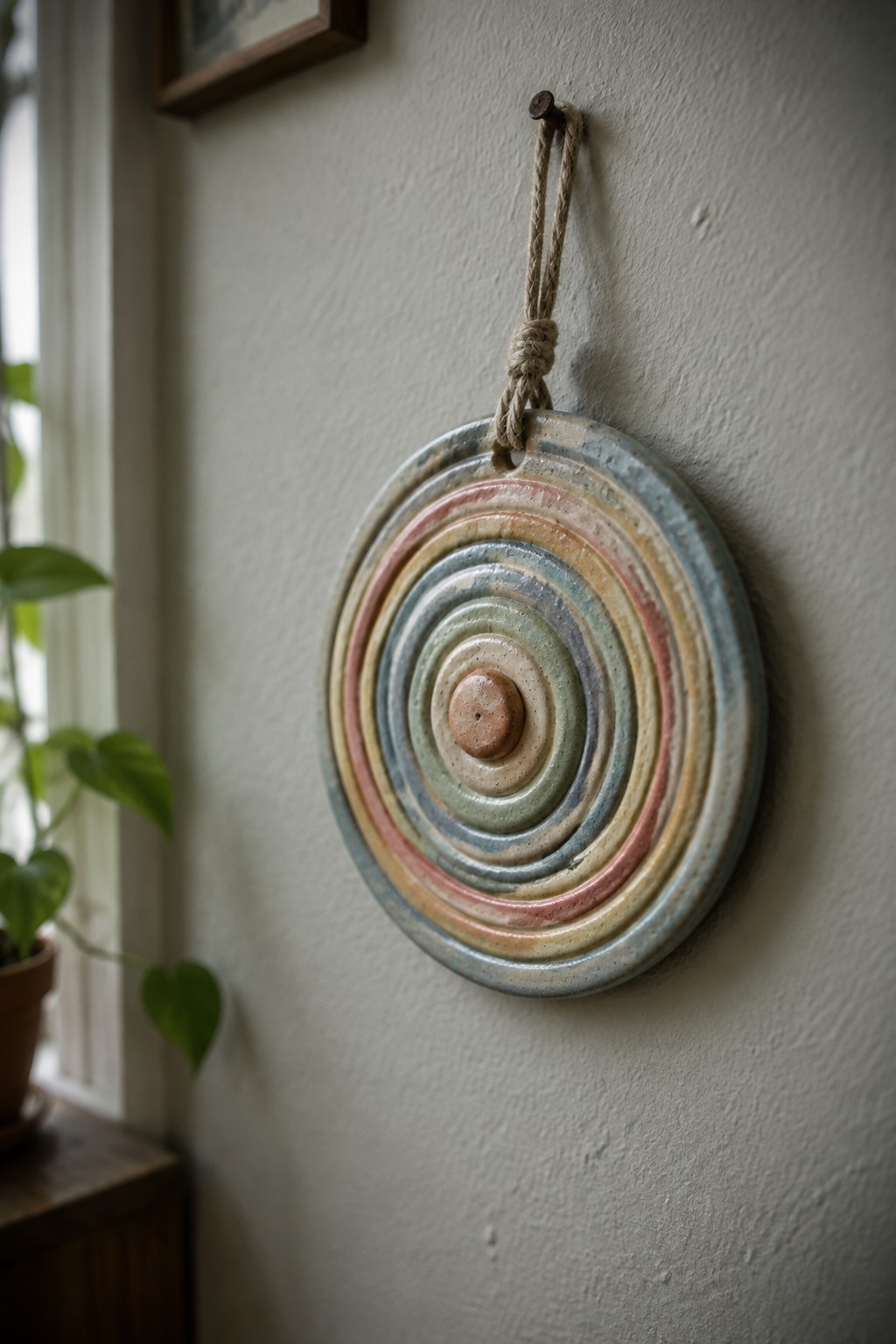
A flat circular ceramic form built with raised concentric rings makes an effective wall decor piece. The rings are finished in alternating soft pastel glazes of blue, pink, green, and yellow that radiate outward from a small central knob. Natural twine threaded through a hole at the top turns the piece into a simple hanging that needs only a nail or hook. This approach fits the decor object category and keeps the focus on pattern rather than function.
What makes this idea useful is how the ring layout can be scaled up or down without changing the basic construction. The same pattern works as a small accent on a gallery wall or repeated in different glaze colors for a set. You could adapt the shape into a trivet by making it thicker and omitting the hanging hole, or turn the center into a shallow dish by pressing down the middle ring before firing. The compact size and clear repeating design also photograph cleanly for sharing.
Coil Built Cat Figurine

A coil pottery cat figurine builds the body from stacked rings of clay that stay visible after assembly. The rings form the rounded torso and head while the tail and ears are added as separate pinched pieces. White painted marks on the face create eyes, whiskers, and a nose without covering the clay surface.
The small scale makes this easy to adapt for a desk or shelf where a larger piece would not fit. You can change the painted face details to match other animals or skip the paint for a plain coil texture. The same coil method works for simple birds or abstract shapes if you want to practice building without molds.
Rectangular Coil-Built Catch-All Tray
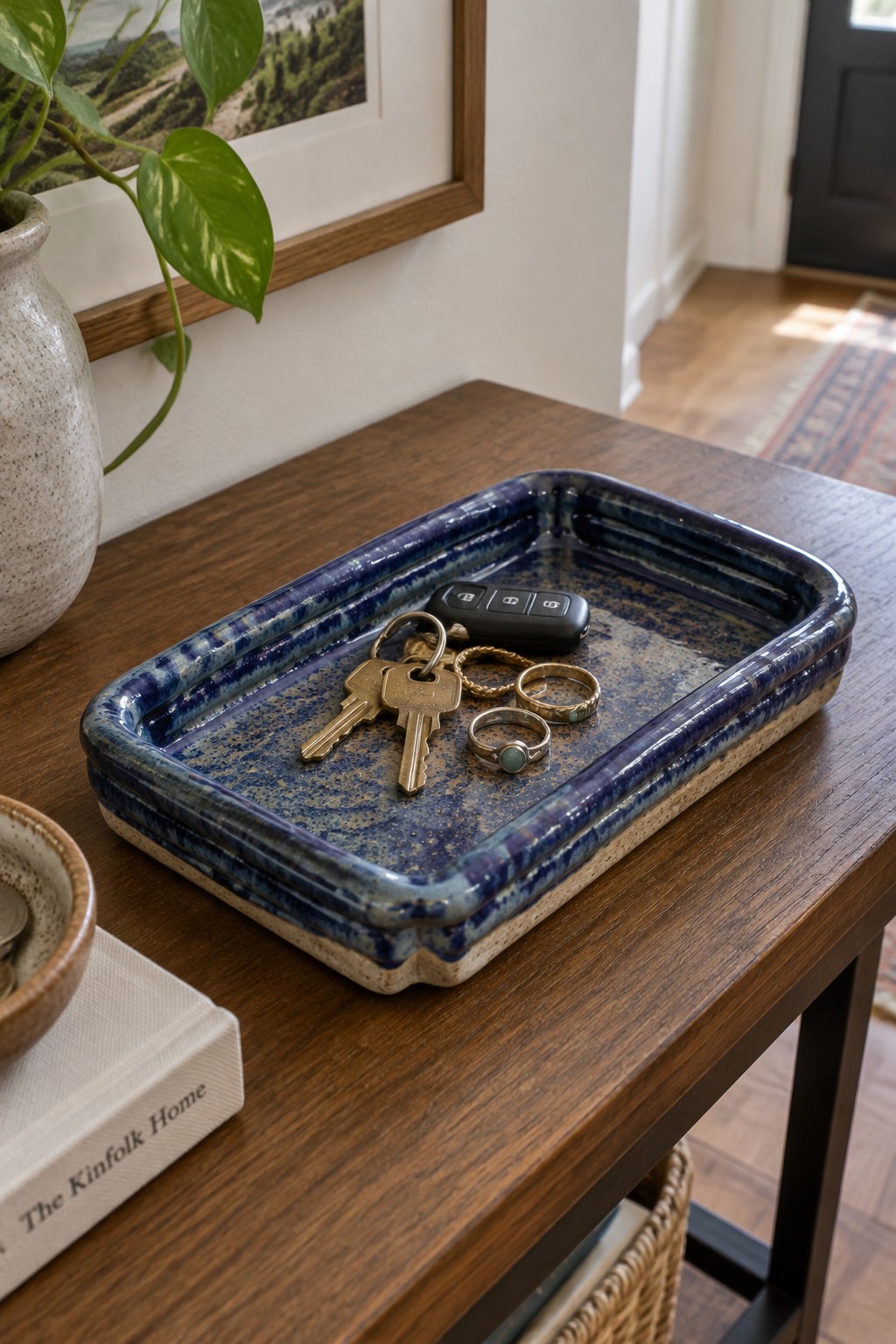
A rectangular coil-built tray gives you a sturdy, contained surface for holding keys, rings, and other small items that pile up near the door. The thick walls and slightly raised rim keep everything in place, while the wide, flat interior makes the objects easy to grab. A mottled blue glaze over a speckled clay body adds depth without competing with whatever you set inside it. This type of tray fits the everyday catch-all category and works as both a functional kitchen or entryway piece and a simple gift project.
What makes this idea useful is how easily the shape adapts to different spots in the house. You can build a smaller version for a bathroom counter or stretch it longer to hold mail and sunglasses. Swapping the glaze for matte neutrals or adding a stamped border changes the look without changing the construction. In a gift exchange, a tray like this stands out because it solves a real clutter problem while still looking intentional on a table.
Three-Section Ribbed Toothbrush Holder

A divided ceramic cylinder with vertical ridges makes a practical toothbrush caddy for a bathroom counter. The three compartments keep brushes separated and upright, while the rounded shape and textured surface give it enough grip to stay put without sliding. The soft green glaze with slight drips along the top edge adds visual interest without complicating the form. This kind of holder fits the bathroom item category and works as a simple coil or slab project that stays functional once fired.
What makes this idea useful is the built-in division, which suits a shared sink or a couple without needing extra cups. The compact size takes up little space and could be adapted into a two-slot version for a smaller bathroom or left undivided for a single user. A similar shape works well in other glaze colors to match towels or tiles, or the ridges could be skipped for a smoother finish if you want something quicker to build. For a gift, this style stands out on Pinterest because it solves a daily need while looking intentionally handmade rather than mass-produced.
Coiled Lidded Jar with Spoon Notch

This small coil-built jar works as a kitchen container for sugar, salt, or spices. The builder stacked coils to form the body, leaving a notch in the rim so a wooden spoon can rest without sliding off. The lid sits snugly on top with a simple pinched knob for easy lifting. A speckled crackle glaze covers the surface and highlights the ridges from the coils.
What makes this idea useful is how the notch turns a basic lidded pot into something more functional for daily use. You could make the same shape taller for loose tea or smaller for a salt cellar on the stove. The coil texture hides minor unevenness, so the form stays forgiving while still looking intentional. Pairing it with a wooden spoon also makes it ready to give as a gift without extra wrapping.
Yarn Bowl with Spiral Side Notch

A yarn bowl is a functional pottery piece built to hold a ball of yarn while you knit or crochet. This version uses a wide, rounded form with a spiral cutout on the side that guides the strand out smoothly and stops it from rolling away. The exterior ridges give the surface texture and help the bowl stay stable on fabric or wood.
What makes this idea useful is how the notch turns a basic bowl into a working tool that solves a real problem for fiber artists. You could adapt the same cutout on a taller or narrower shape to hold different yarn weights, or add a second notch for holding two colors at once. For a gift, this kind of piece stands out because it is practical rather than purely decorative. The small scale also makes it easy to try as a first project if you want to practice even walls and clean rim work.
Coil Built Tea Light Holders

These small coil pottery pieces are built by stacking clay coils into short cylinders that hold standard tea light candles. The ridges left from the coils create a simple repeating texture across the surface, and the matte glazes in muted pink and gray let the handmade marks show through. The compact size keeps the focus on the form and texture rather than on elaborate shaping or decoration. This style fits the candle holder category and works as both a functional object and a small decorative accent.
What makes this idea useful is how straightforward the construction stays even when you change the height or diameter. You can adapt the same coil method to make a set of three or four in different glaze colors for a mantel or dining table. The small scale also means you can turn the basic shape into matchstick holders or tiny plant pots without much extra effort. For gifts, these pieces stand out on Pinterest because the texture reads clearly in photos and the form stays simple enough to finish in a few sessions.
Coiled Pitcher with Horizontal Ridges for Kitchen Use
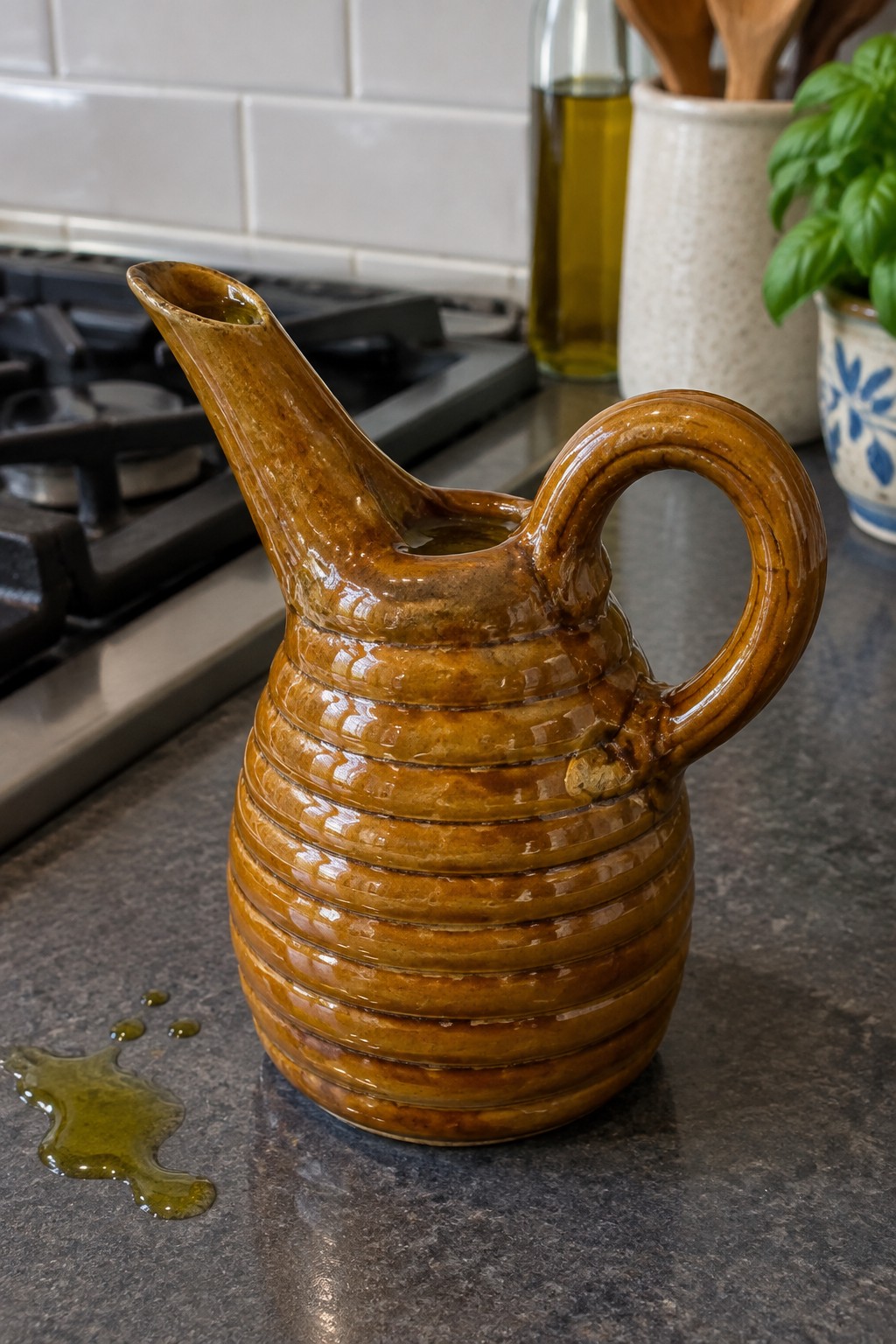
A coil-built pitcher makes a practical kitchen item for storing and pouring oils or dressings. The stacked coils form even horizontal ridges that create texture and help the glaze settle into visible layers. Adding a spout and a simple looped handle turns the basic cylinder into a functional pouring vessel without extra parts.
The shape does a lot of the work here because the narrow neck and spout control flow while the wide body holds a useful amount. You could scale the same coil ridges down for a smaller creamer or adapt them to a lidded jar. In a kitchen this kind of piece fits well on open shelves or near the stove where the texture catches light and shows the construction. For a gift it works cleanly with a bottle of oil or vinegar.
Coil-Built Egg Cups with Fluted Bases

Egg cups built from stacked coils create compact holders that keep soft-boiled eggs steady on the breakfast table. The form uses repeated rings of clay to build the cup section, then flares into a wider foot shaped with vertical ridges for stability. Soft blended glazes in blue-green and pink-yellow tones highlight the coil lines without covering them completely, giving each piece a distinct surface pattern. This style works as a straightforward kitchen item that turns a basic need into a repeatable project.
What makes this idea useful is how the coil construction lets you adjust the cup depth quickly for different egg sizes or even small candles. The fluted base can be recreated with a simple rib or stamp and applied to other small holders like salt dishes or bud vases. In a kitchen these pieces sit neatly on a tray or beside toast without taking much space, and the same stacked method scales down easily for a set of four or five matching cups. The visible coil texture also helps the finished work read as handmade rather than store-bought when gifted.
Tiered Coil Ring Holder
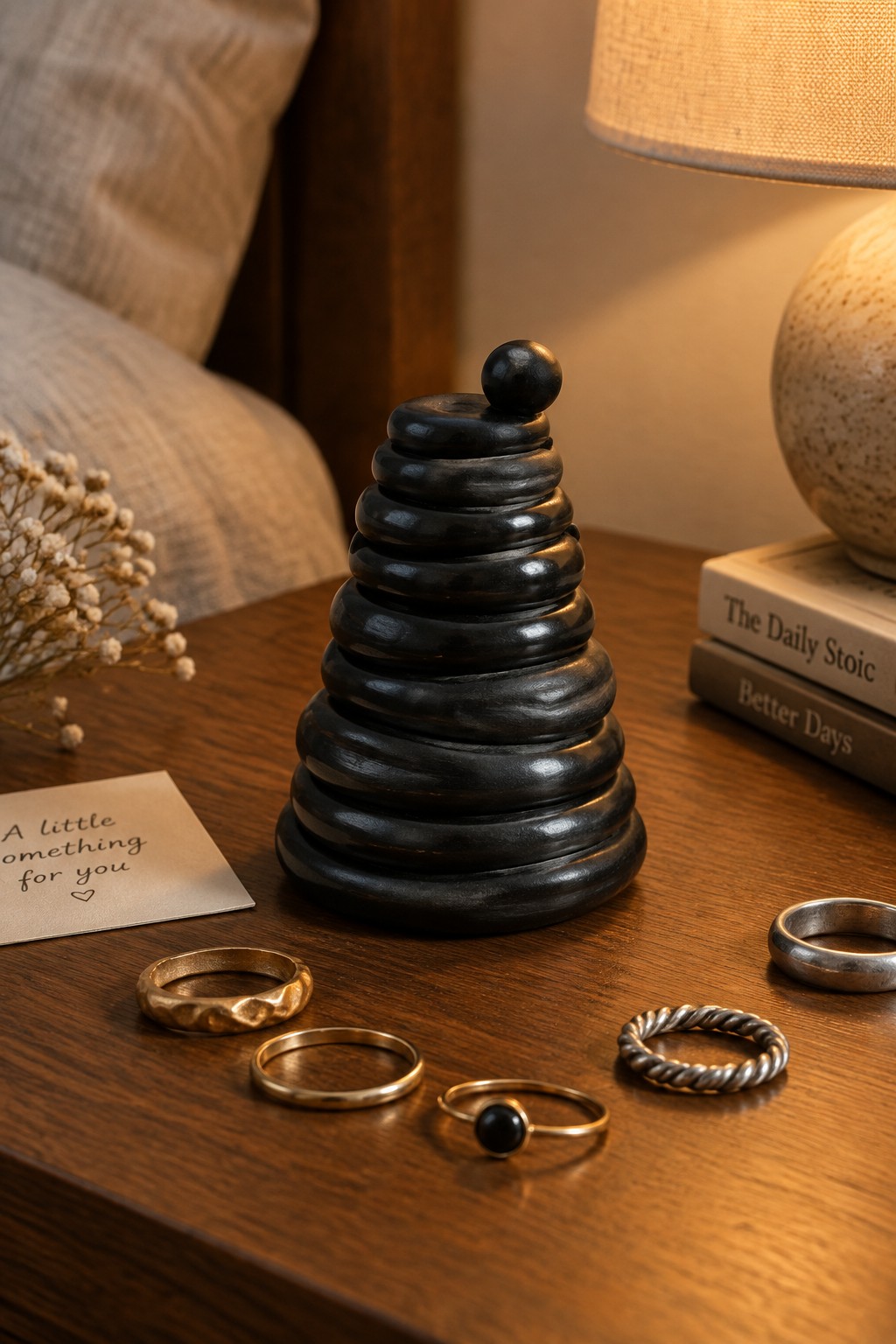
A coil-built ring holder shaped like a stepped cone keeps multiple rings organized on separate levels. Each ring stacks directly onto the form so pieces stay visible and easy to grab. The dark finish and rounded top give the piece a clean silhouette that works in any jewelry spot.
What makes this idea useful is how the graduated tiers handle different ring sizes without crowding. You can shorten the stack for a smaller vanity or widen the base coils if you want more storage space. For a gift, make two in different heights and pair them with a simple tray. The compact size also pins well on Pinterest boards for desk or bedside setups.
Striped Sectional Planter for Windowsill Herbs

A coil-built rectangular planter divided into three sections lets you grow different herbs in one container without their roots mixing. The visible coil ridges create horizontal texture across the form while the layered orange and green glaze produces a simple striped finish. This shape stays compact enough for a windowsill yet gives each plant its own space.
What makes this idea useful is the divided layout that keeps basil, thyme, and rosemary separate while sharing the same pot. You could build the same coil structure longer for more sections or scale it down to two compartments for a smaller sill. The glaze layering works with basic application and still gives the piece visual interest. In a kitchen, this kind of planter keeps fresh herbs within reach and makes a practical gift for anyone who cooks.
Coiled Match Holder with Striker Texture

A coil-built jar with a fitted lid works well as a match holder. The visible coil lines create horizontal ridges around the body, and a large section of rough sandy texture on one side provides a built-in striker surface. The lid keeps matches contained and dry while adding a finished top. This form stays simple enough to make in one or two sessions yet turns basic storage into something more specific.
The shape does a lot of the work here because the height and opening size fit standard match bundles without extra measuring. You can adapt the gritty patch by using different grog sizes or leaving it unglazed on just one side. For a gift this size travels easily and pairs naturally with candles or a fireplace setup. The same coil method and lid style could shift into a small canister for kitchen twine or a holder for incense sticks if you change the texture area.
Coiled Napkin Rings

These napkin rings are formed by stacking short coils of clay into a thick circular band with a small pinched detail on one side. The glossy glaze sits in the grooves between coils and creates a smooth, reflective surface that contrasts with the textured build. The result is a compact, functional table accessory that fits the coil pottery category while staying simple enough to repeat for a set.
The small scale lets you make a full set quickly without needing much clay or kiln space. You can change the glaze colors to match different linens or try taller stacks for a bolder look. In a kitchen or dining area, these rings keep napkins tidy and add a handmade detail that works for both casual meals and gifts. The same coil method could be shortened into individual beads or lengthened into curtain tie rings.
Fluted Ceramic Utensil Crock

A tall cylindrical crock built with vertical ridges makes a practical kitchen utensil holder. The fluted texture helps keep wooden spoons and spatulas from sliding around while the wide opening fits a full set of tools. The off-white crackle glaze and slightly irregular rim give the piece a handmade quality that still reads as finished and durable for daily use.
The shape does a lot of the work here because the ridges create grip and visual structure at the same time. You could adapt the same profile into a shorter brush holder for a bathroom or stretch it taller for a small umbrella stand by the door. The neutral glaze also makes it simple to match existing kitchenware or give as a housewarming gift that actually gets used.
Narrow Ceramic Incense Tray with Upright Holder
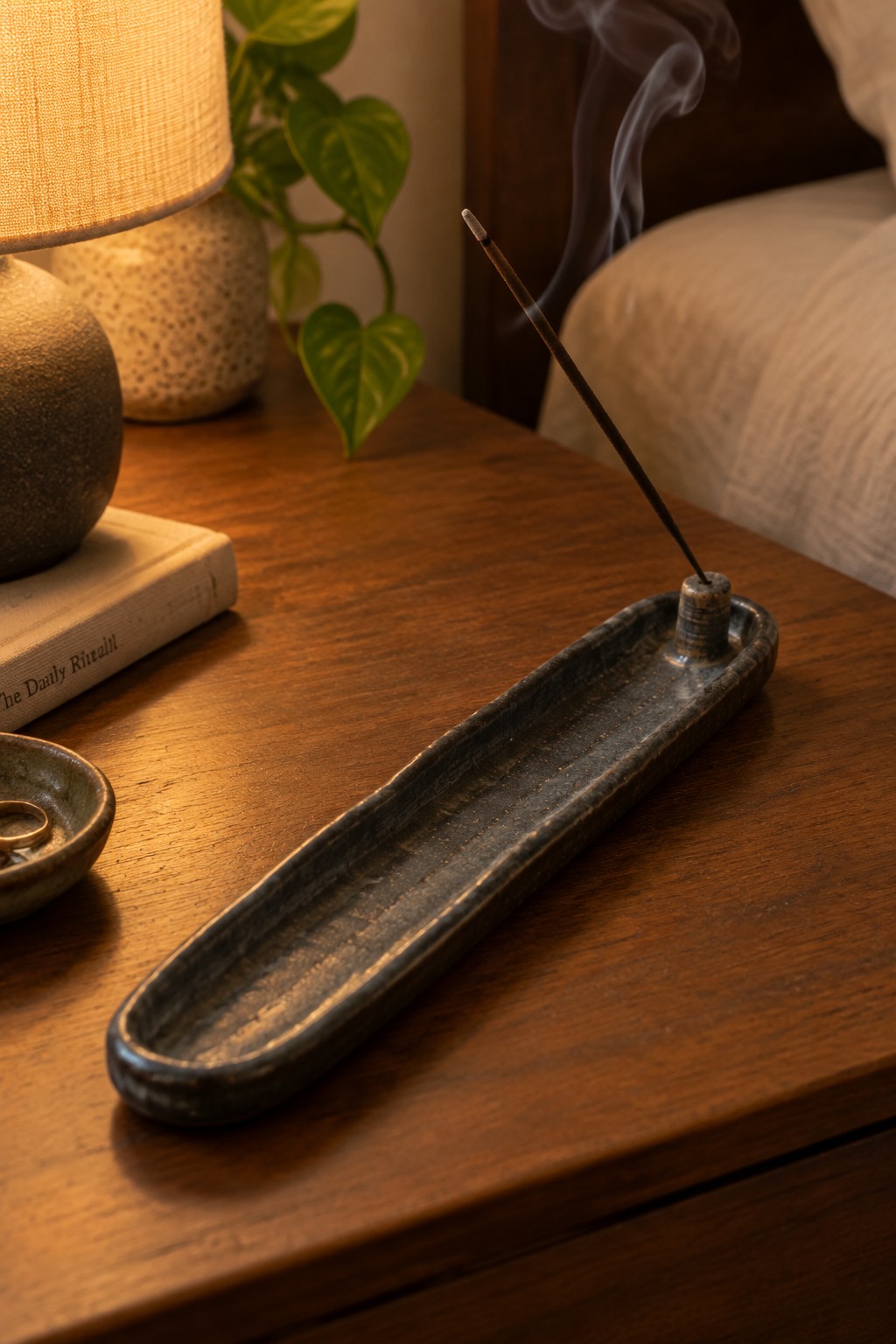
A long rectangular ceramic tray with a short raised post at one end holds incense sticks upright while the flat surface catches ash. The dark, slightly textured glaze and simple slab form keep the piece understated so it blends into a nightstand or desk without drawing attention. This type of holder works as both a functional burner and a low-profile decor object.
What makes this idea useful is how the elongated shape handles a full stick burn without ash scattering across the surface. You could shorten the tray for a smaller desk version or widen the post slightly to fit cone incense instead. For gifts, this shape pairs easily with a few scent options and stays practical in tight spaces where a round dish would not fit.
Frequently Asked Questions
What materials do I need to start making coil pottery? You will need clay suitable for hand building such as earthenware or stoneware, basic tools including a wire cutter, scoring tool, rib, and wooden modeling tools, plus slip made from the same clay. Access to a kiln is essential for firing finished pieces, though some air-dry clays can work for non-functional decorative gifts if firing is unavailable.
How do I prevent coil pots from collapsing while I build them? Work in stages by adding only a few coils at a time and letting each layer firm up before continuing. Always score and slip the joints thoroughly, then smooth the inside and outside seams with a rib tool. Keep the clay at a consistent softness and use temporary supports like crumpled newspaper inside larger forms until they can stand on their own.
Can these coil pottery ideas be completed without a pottery wheel? Yes. Coil building is a wheel-free hand-building method, so every idea from simple coiled bowls to more sculptural vases or trays can be made using only your hands and basic tools. Focus on even coil thickness and careful joining to achieve clean, professional results that work well as gifts.
What finishing options turn coil pottery into appealing handmade gifts? After the first firing, apply food-safe glazes in complementary colors or experiment with underglazes for detailed patterns. Add texture before firing by pressing in stamps, leaves, or fabric for unique surfaces. Personal touches such as a small engraved initial or a matching set of items make the pieces feel more thoughtful and ready to give.
How long should I dry coil pieces before firing them? Allow pieces to dry slowly over five to seven days by covering them loosely with plastic sheeting and gradually removing the cover. Check that the clay reaches a light, chalky color with no cool or dark spots indicating moisture. Slow drying reduces the risk of cracks and ensures the work survives the bisque firing stage safely.

Pottery Path is my cozy corner of the internet where I share clay ideas, pottery inspiration, and simple projects you can recreate at home. I love exploring everything from air dry clay to handbuilt pottery to cute minis that brighten your day. My goal is to make clay crafting feel easy, fun, and welcoming for anyone who wants to try it.
You will find beginner friendly tutorials, creative pottery painting ideas, and lots of warm inspiration for slow and happy crafting. If you enjoy hands on creativity, this space will feel like home.