Ever wondered how to make your gardening tasks smoother and more efficient? Have you found yourself struggling with pruning tools that just don’t seem to cut it? Picture this: you’re in your garden, ready to trim those overgrown branches, but your lopper is not up to the task. Enter the bypass blade – the unsung hero of your gardening arsenal.
You might be asking, “What exactly is this bypass blade, and how can it revolutionize my pruning routine?” Well, buckle up, because in this article, we’ll unravel the mystery behind the bypass blade on the lopper. From its unique design to the unparalleled precision it offers, you’re about to discover how this simple yet powerful feature can transform the way you approach pruning. Get ready to elevate your gardening game and achieve cleaner cuts with ease.
Understanding the Bypass Blade
When looking at a lopper, you’ll notice that the bypass blade design differs from other pruning tools like anvil pruners. In a bypass blade system, the cutting blade slides past the lower jaw, resembling a pair of scissors. This design is crucial as it offers cleaner cuts and increased precision compared to anvil pruners.
Using a bypass blade lopper ensures that as you make a cut, the blade bypasses the lower jaw, slicing cleanly through the branch. This mechanism is effective for live wood and perfect for delicate pruning tasks where accuracy is paramount.
Benefits of a Bypass Blade:
- Clean Cuts: The bypass action creates a flush and smooth finish on the branch.
- Precision: Ideal for targeted cuts that require finesse.
- Healthier Plants: Minimizes damage, promoting faster healing.
Remember, when selecting a lopper for your gardening needs, consider opting for one equipped with a bypass blade for optimal results in your pruning tasks.
Benefits of Using a Bypass Blade Lopper
When it comes to pruning, the bypass blade lopper stands out due to its unique design and remarkable benefits. Let’s delve into why opting for a bypass blade lopper can significantly enhance your gardening experience:
- Cleaner Cuts: The bypass blade on the lopper allows for precise and clean cuts by sliding past the lower jaw, similar to scissors, ensuring a smooth and flush cut each time.
- Increased Precision: With a bypass blade lopper, you can make targeted cuts with finesse, enhancing your ability to prune specific branches or stems accurately.
- Faster Healing for Plants: By utilizing a bypass blade lopper, you promote faster healing for plants after pruning, reducing the risk of infections and supporting overall plant health.
Incorporating a bypass blade lopper into your gardening routine can revolutionize the way you approach pruning tasks, enabling you to achieve professional-level results with ease.
Recommended Products

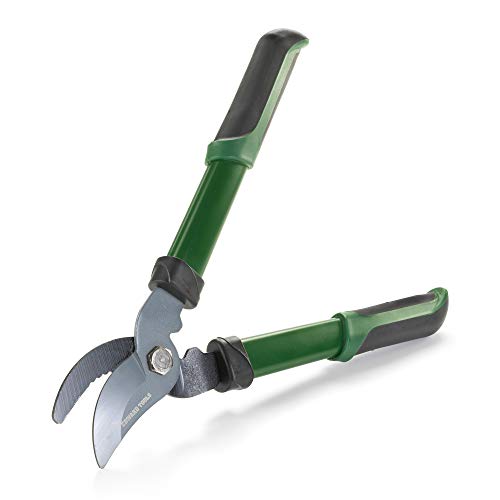
IDEAL BRANCH TRIMMER: 28" Steel blade garden bypass lopper that glides through up to 1.5" thick branches for easy cuts; Works well for trimming tree branches to maintain your yard and garden, and to encourage overall plant health and appearance

EFFORTLESS CUTS ON THICK BRANCHES: Long 30” handles provide increased leverage for cutting thick branches, up to 2" diameter, during tree pruning and yard maintenance; helping gardeners make controlled cuts with less strain during demanding trimming tasks
Proper Pruning Techniques with the Bypass Blade
Pruning with a bypass blade lopper requires a delicate touch and precision. Here are some tips to help you master this technique:
- Angle Matters: Position the lopper at a 45-degree angle before making your cut.
- Mind the Branch Collar: Cut just outside the branch collar to promote quick healing.
- Clean Cuts Only: Always aim for clean cuts to minimize damage and disease risk.
By following these tips, you can ensure that your plants stay healthy and look their best.
Maintenance and Care Tips for the Bypass Blade
Caring for your bypass blade lopper is essential to ensure its longevity and optimal performance. Here are some maintenance and care tips for your bypass blade:
- Regular Cleaning:
- Clean the blade after each use with a damp cloth to remove sap and debris.
- Apply a light coat of oil to prevent rust and keep the blade moving smoothly.
- Sharpening:
- Keep the bypass blade sharp for clean cuts by using a sharpening tool or professional sharpening service.
- Inspecting:
- Regularly check the blade for any nicks, chips, or signs of wear. Replace or repair as needed to maintain cutting efficiency.
- Storage:
- Store your lopper in a dry place to prevent rust and corrosion.
- Consider covering the blade or keeping it in a protective case when not in use.
- Adjustments:
- Check the tension and alignment of the blade regularly. Adjust if necessary to ensure precise cutting.
By following these maintenance and care tips, you can extend the lifespan of your bypass blade lopper and continue to enjoy its benefits for your gardening needs.
Recommended Products

Tungsten Carbide Blade for Fast, Effective Sharpening – Features a durable tungsten carbide sharpening edge that restores a sharp, clean blade in just a few strokes, helping pruners, loppers, shears, and knives cut smoothly with less resistance.

IDEAL BRANCH TRIMMER: Fiskars 28-Inch Power-Lever Bypass Garden Lopper glides through branches up to 1.75" thick for easy cuts; Works well for trimming tree branches to maintain your yard and garden and encourage overall plant health and appearance

Outstanding performance:Replacement blades for lopper simplify your work. They are designed with a non-stick coating that ensures smooth cutting operations. This coating also protects against rust and corrosion for longer life.Please note that mounting screws are not included.
Choosing the Right Bypass Blade Lopper for Your Needs
When it comes to selecting the perfect bypass blade lopper for your gardening tasks, there are a few key factors to consider. Here are some essential tips to help you make the right choice:
- Cutting Capacity: Assess the maximum branch size you’ll be trimming to ensure the lopper you choose can handle it.
- Material: Opt for durable materials like hardened steel for longevity and strength.
- Grip Comfort: Look for loppers with ergonomic handles to reduce hand fatigue during extended use.
- Weight: Consider the weight of the lopper, keeping in mind that lighter models may be easier to maneuver.
- Cutting Mechanism: Decide between gear-assisted, compound action, or ratcheting loppers based on your cutting needs.
By keeping these factors in mind, you can select a bypass blade lopper that suits your requirements and enhances your gardening experience.
Recommended Products

Ideal Branch Trimmer: 27-inch steel blade garden bypass lopper engineered to effortlessly slice through branches up to 1.6-inch thick. Ideal for tending to your yard and garden, promoting plant vitality and aesthetics
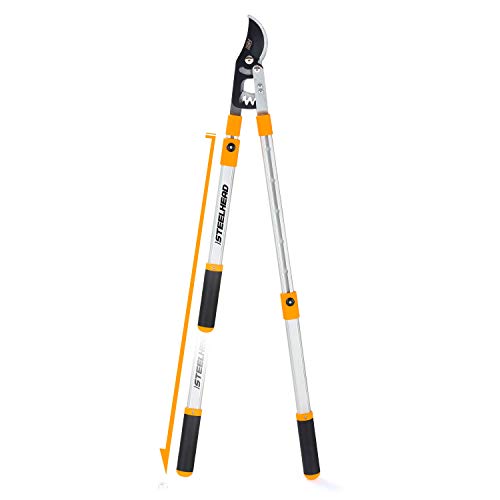
[COMPOUND-RATCHETING GEAR-BYPASS JAW] – Ideal for cutting back large, hard and stubborn shrubs & tress. Get up to 3x the cutting force with the ratcheting gear-bypass fulcrum. Reduces cutting effort, fatigue and shock to hands, wrists, shoulders & arms.
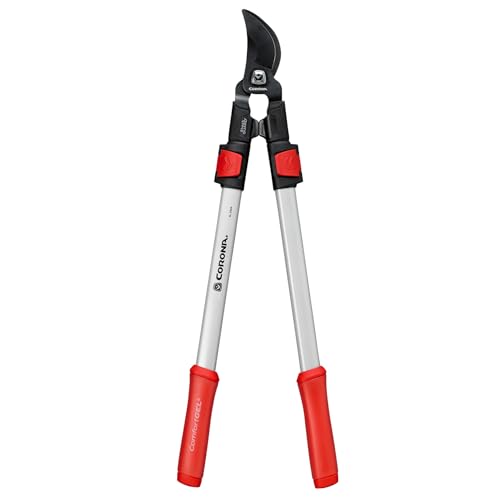
Extendable handle lopper with specially coated nonstick blade
Conclusion
You’ve learned about the bypass blade lopper and its advantages in gardening, from cleaner cuts to precision. Remember, regular maintenance is key to ensuring your lopper remains efficient. By following simple care tips like cleaning, oiling, and sharpening, you can extend its lifespan. Choosing the right lopper tailored to your needs is crucial for a seamless gardening experience. Consider factors like cutting capacity, material, and comfort to make the best choice. With proper maintenance and selection, your bypass blade lopper will be a valuable tool for your gardening tasks. Happy gardening!
Frequently Asked Questions
Q: Why should I use a bypass blade lopper in gardening?
A: Using a bypass blade lopper ensures cleaner cuts and precise trimming of branches, promoting plant health and growth.
Q: How should I maintain my bypass blade lopper?
A: Maintain your bypass blade lopper by regularly cleaning it after each use, applying oil to prevent rust, sharpening the blade for clean cuts, inspecting for wear and tear, storing in a dry place, and making necessary adjustments for precise cutting.
Q: What factors should I consider when choosing a bypass blade lopper?
A: When choosing a bypass blade lopper, consider factors such as cutting capacity, material, grip comfort, weight, and cutting mechanism to ensure it meets your gardening needs and enhances your overall experience.

I’ve always been drawn to trees.As a kid, I spent most of my free time outside, climbing, exploring, and trying to figure out the names of the trees around me.That early curiosity eventually led me to study arboriculture and horticulture at Michigan State.Later, I completed a degree in forestry at the University of Michigan.
I’ve been working in tree care and education ever since.These days, I enjoy helping people learn more about the trees in their own backyards.How they grow, how to care for them, and why they matter.You don’t need to be an expert to appreciate trees.A little curiosity goes a long way.