I’ve been working with slab pottery for a few years now because it suits the kind of functional pieces I like to make for my kitchen.
It’s a straightforward way to create flat forms that turn into trays or dishes without needing much equipment.
Over time I’ve tested out different designs that hold up well to daily use like serving or storing food.
Some of these ideas came from just trying to replace things I already had with handmade versions.
I wanted to share the ones that actually work well in practice.
Lemon Slab Serving Tray
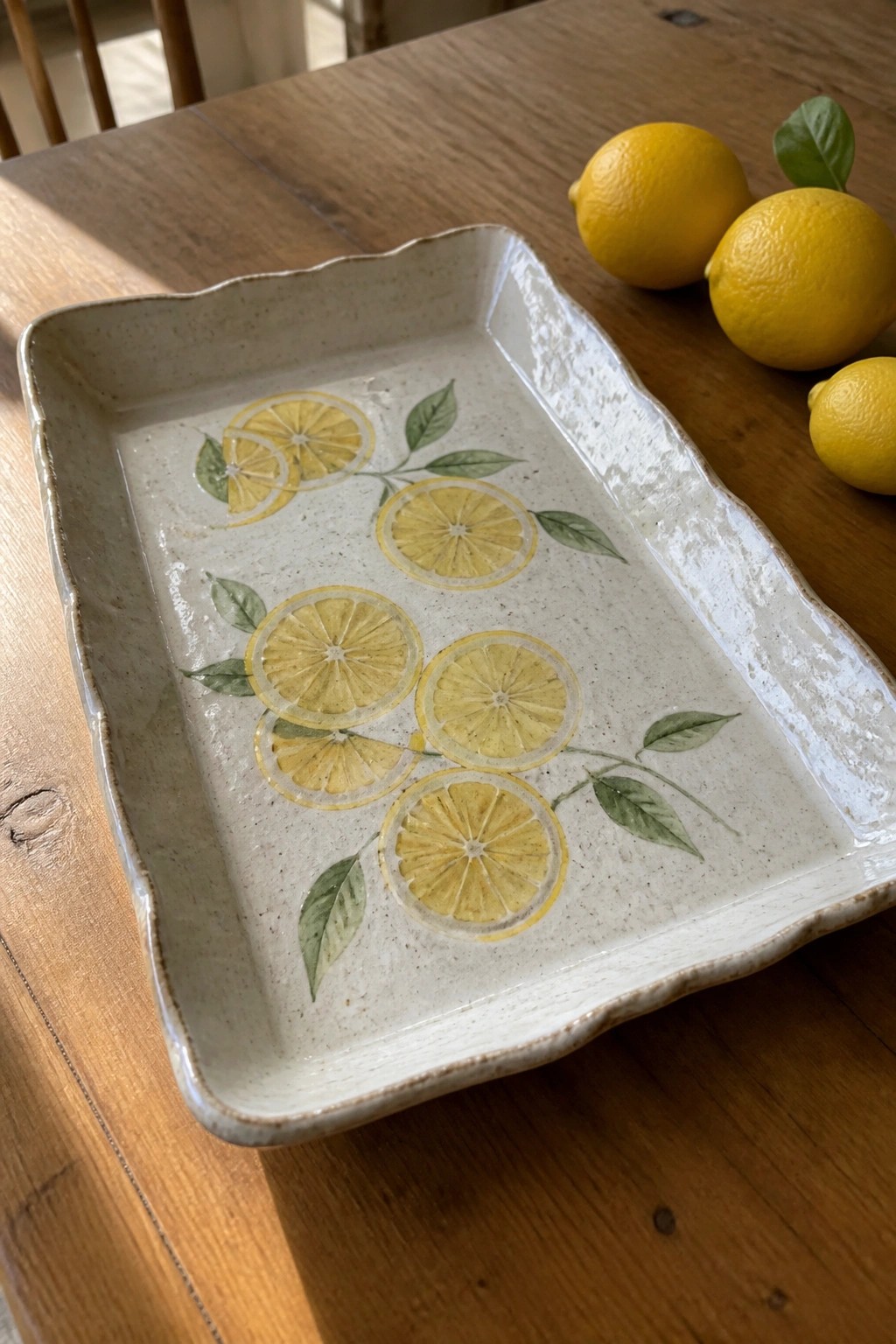
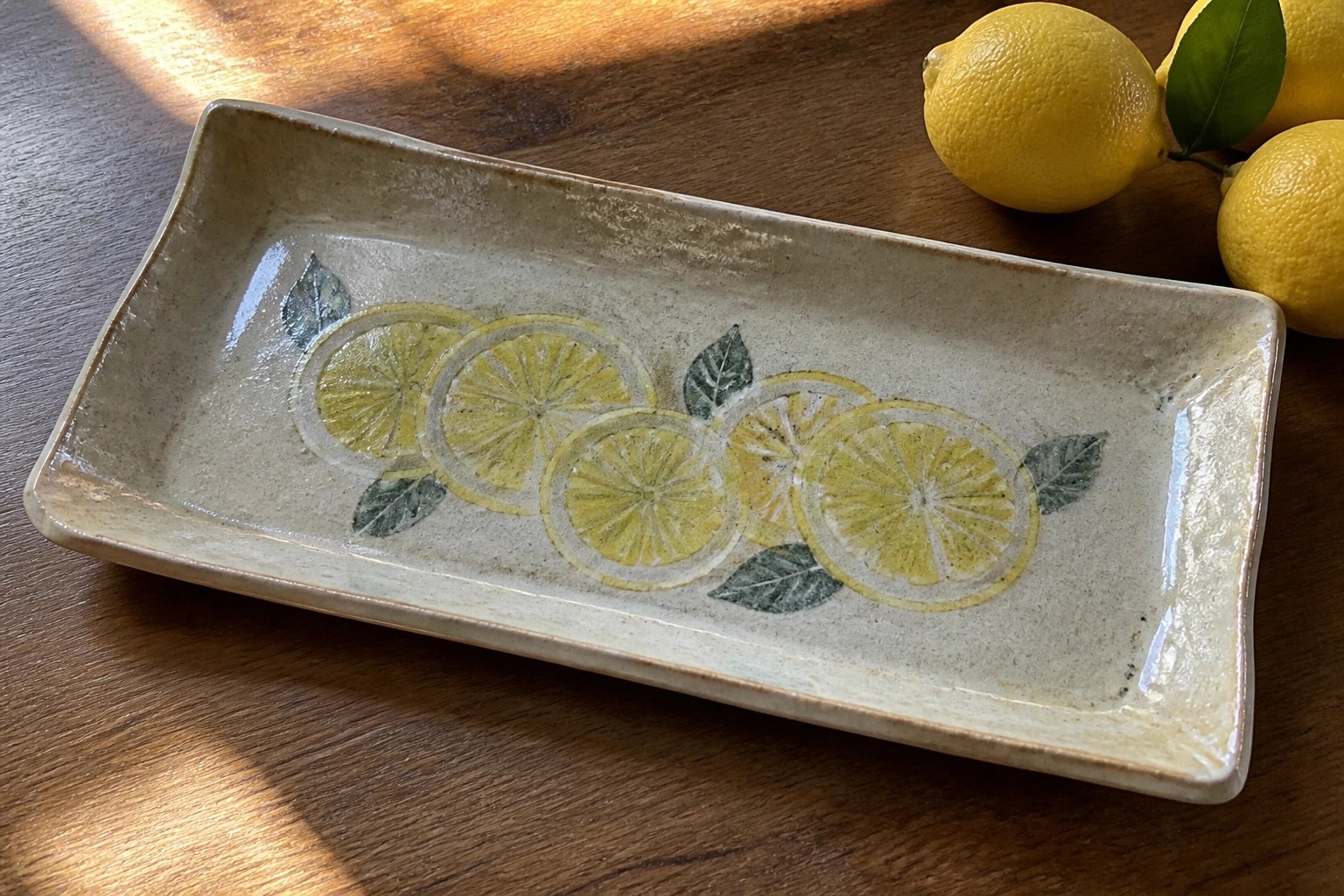
A rectangular tray built from a single slab of clay gives you a flat, stable surface for serving or holding kitchen items. Hand-painted lemon slices with green leaves sit on a light speckled glaze, creating a simple repeating motif that stays visible without covering the whole surface. The wavy, uneven rim comes from the slab edges and adds an informal look that still keeps the piece practical for daily use. This approach fits the functional tray category in slab pottery projects.
What makes this idea useful is how the painted lemons can be rearranged or reduced to fit smaller slab pieces like coasters or a butter dish. In a kitchen the tray works for holding fruit, cheese, or bread because the flat base and low sides keep items from sliding. You could swap the lemon design for other simple fruit or herb motifs or stretch the same slab shape into a longer bread tray. The light background and small painted details also make the piece easy to photograph for sharing project ideas.
Square Slab Mug
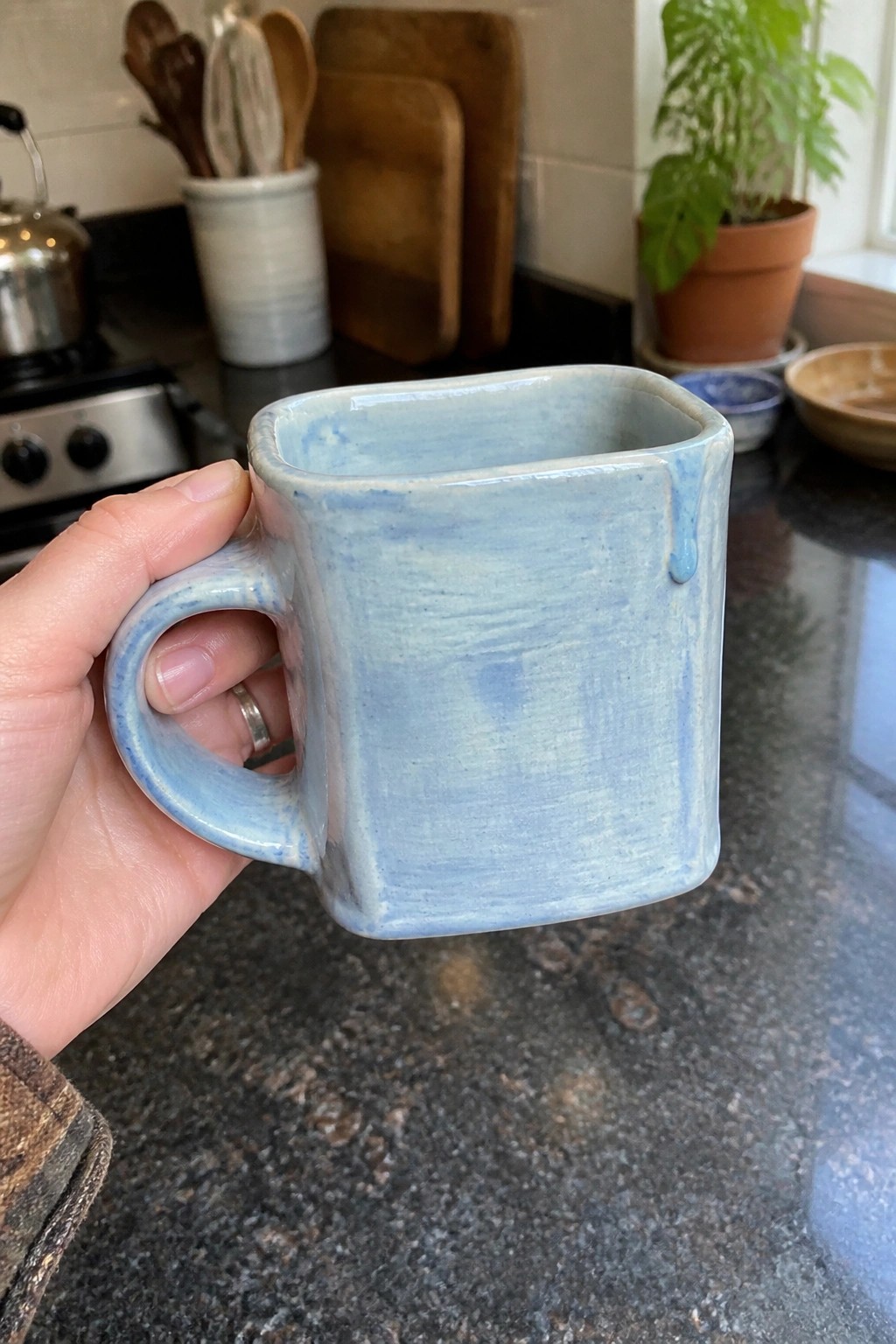
A square slab mug starts with flat clay slabs joined at the seams to create a rectangular body that holds about the same volume as a standard round mug. The flat sides give the form clean lines and make it sit solidly on a counter or table, while a simple pulled or attached handle keeps it comfortable to lift. A soft blue glaze with light variation and a few drips adds surface interest without hiding the slab construction.
What makes this idea useful is how the straight walls stack more efficiently in a cupboard than round mugs. You can resize the slabs to make smaller espresso versions or taller ones for soup, and switch the glaze color to match plates or bowls you already use. In a kitchen this shape works especially well for everyday coffee or tea because the flat profile feels stable in the hand and shows up clearly in photos for recipe posts or Pinterest boards.
Leaf-Shaped Slab Spoon Rest
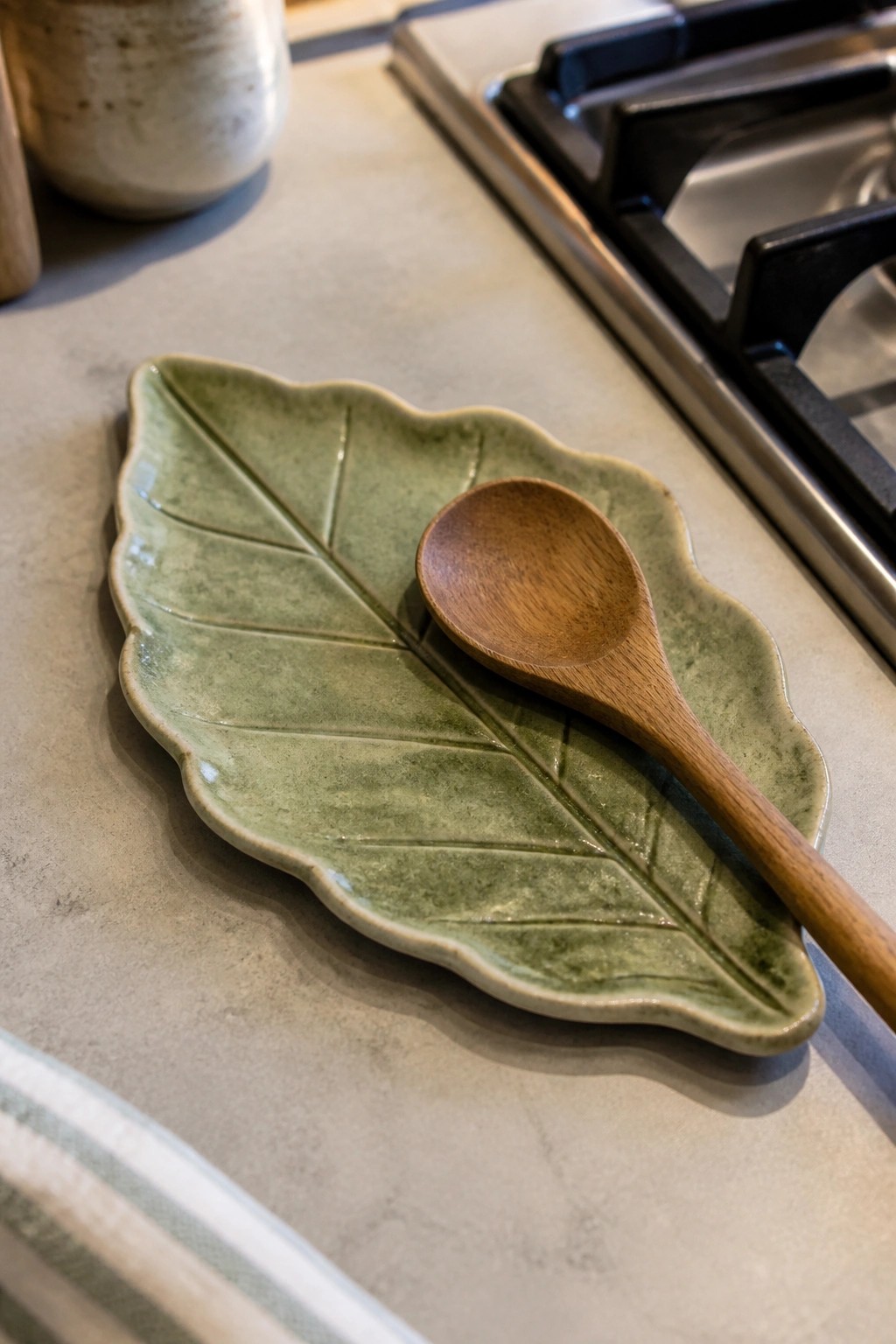
A slab-built leaf tray serves as a spoon rest for cooking utensils. Cut a flat slab into a pointed leaf outline, score in the vein lines with a tool, then shape the edges slightly upward so it holds a spoon without sliding. The glossy green glaze follows the natural contours and makes cleanup simple after use near the stove.
What makes this idea useful is how the same leaf cutout can be scaled down for a smaller version that fits beside a prep bowl or scaled up for a shared serving spoon. Change the vein depth or switch to a matte finish if you want less shine in a neutral kitchen. For a gift, this form stays practical while giving you room to personalize the glaze color to match someone’s existing dishes.
Slab Built Rectangular Butter Dish
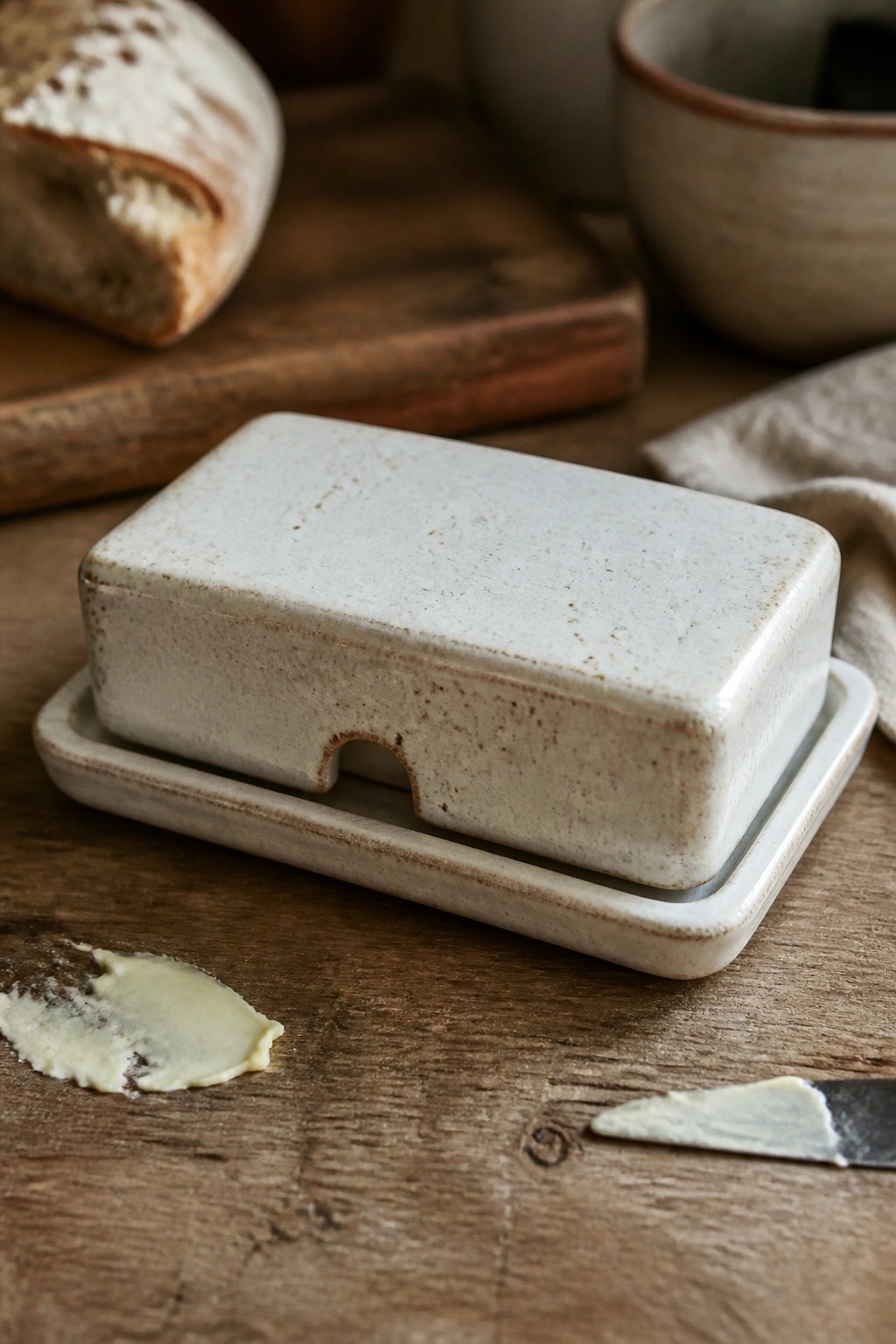
A rectangular butter dish formed from slabs gives you a simple covered container sized for a standard stick of butter. The lid rests on a shallow tray base and includes a small curved notch that lets the handle of a knife sit in place for easy access. The speckled matte glaze and clean slab edges keep the form functional without extra decoration.
What makes this idea useful is how the notch turns a basic lidded box into a daily kitchen tool that actually works during meals. You could scale the same slab layout down for a smaller cheese dish or skip the notch and use the tray alone as a serving plate. In a kitchen this shape stays compact on the counter and avoids the need for plastic wrap while still protecting the butter from dust.
Divided Ceramic Salt Cellar
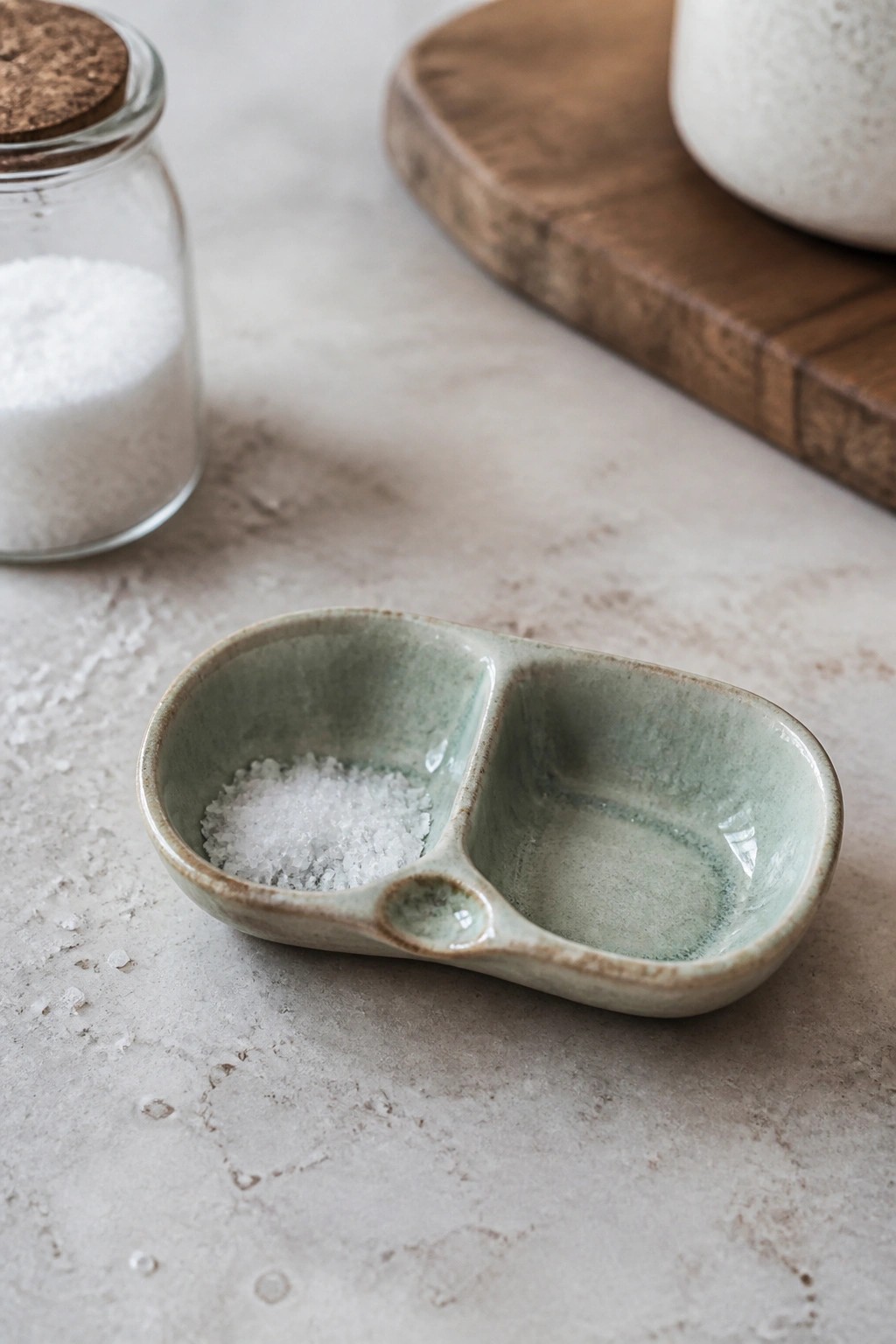
A small two-section ceramic dish makes a practical salt cellar or seasoning server for the kitchen counter. One compartment holds coarse salt while the second stays ready for another spice or herb. The oval shape with a low center divider keeps portions separate without taking up much space. A soft green glaze over a simple slab form gives the piece a clean look that blends with other kitchenware.
What makes this idea useful is how the divided layout solves the common problem of keeping salt and another seasoning handy at the same time. You could rework the same shape into a small dish for oil and vinegar or for holding chopped herbs during prep. The compact size fits easily beside the stove or on a dining table. For a gift, the form adapts well because it stays functional and takes little clay or shelf space.
Split-Glaze Utensil Holder
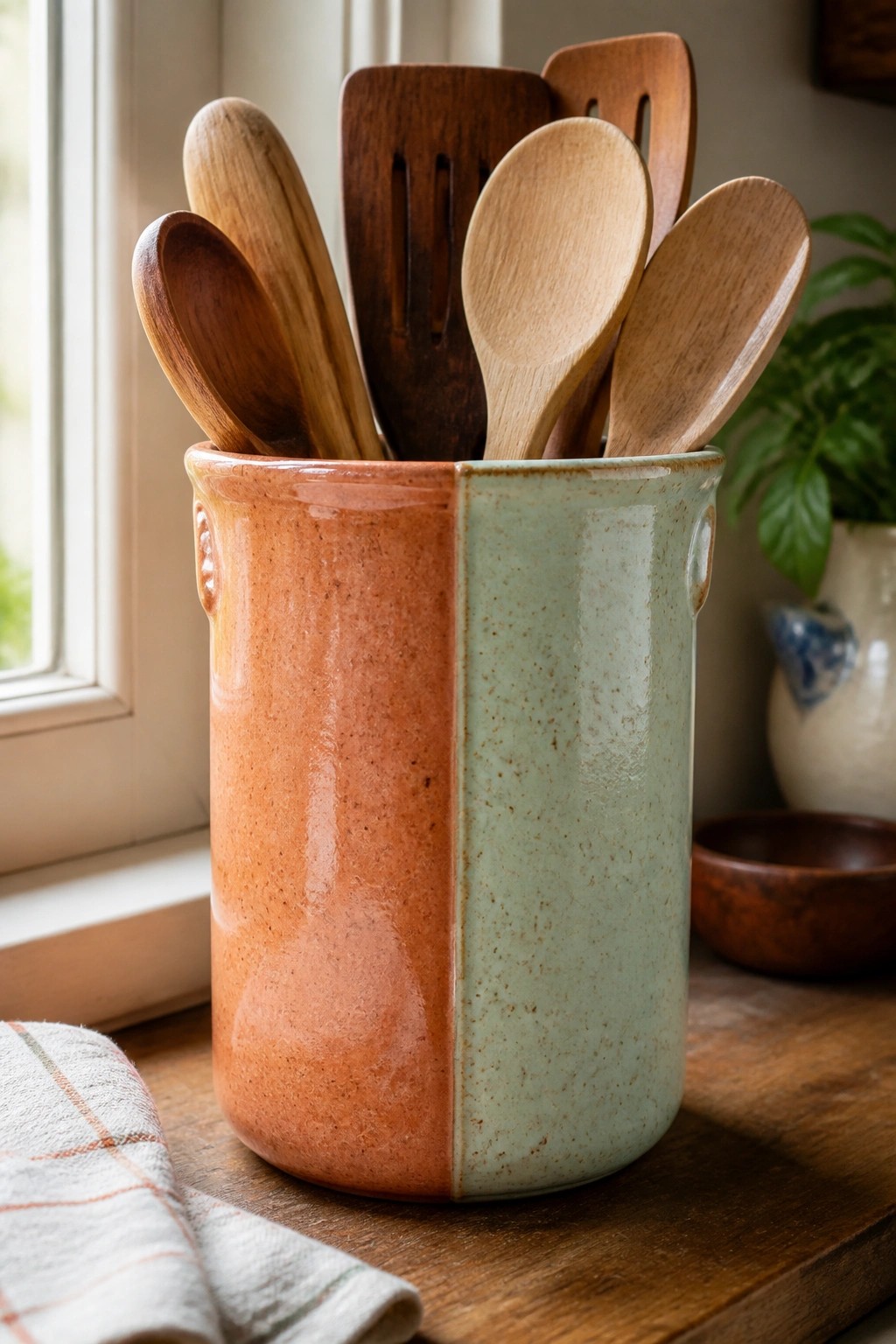
A slab-built cylinder makes a sturdy holder for spoons, spatulas, and other kitchen tools. The vertical split between a warm orange glaze and a pale green one gives the piece clear visual division while keeping the surface simple. Small side loops add a functional detail for lifting without complicating the form. This approach fits the category of everyday kitchen storage and works because the shape stays basic and the glaze contrast carries the look.
What makes this idea useful is how the two-color split can be swapped for any glaze combination that matches your dishes or walls. The height and diameter hold a full set of utensils in one spot on the counter. You could shorten the cylinder for a smaller batch of tools or widen it slightly for bulkier items like tongs. The same split-glaze layout could also be used on a lower bowl shape for produce or napkins.
Slab-Built Napkin Holder with Stamped Motifs
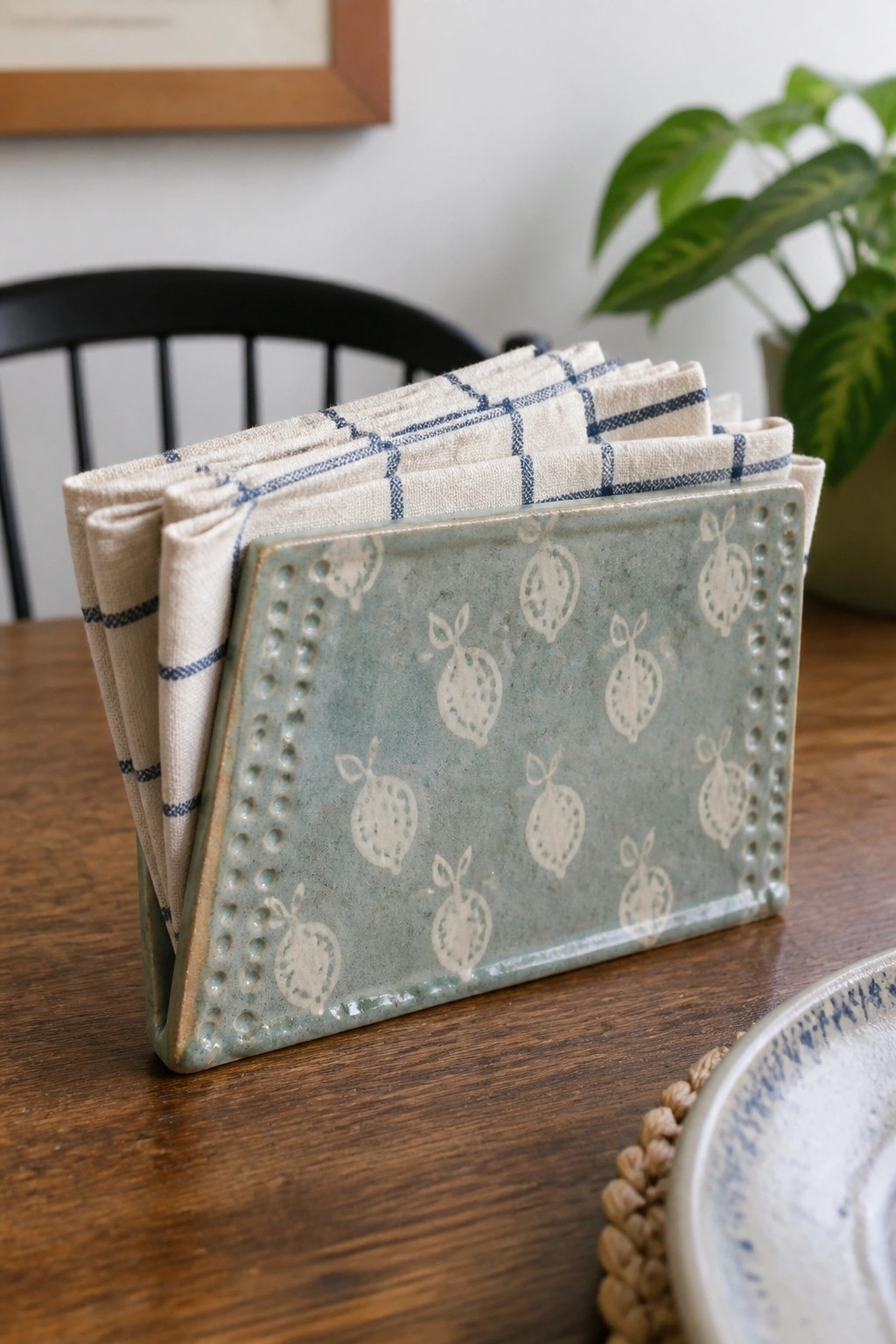
A slab napkin holder keeps folded cloth napkins upright and ready on the table. This version uses a low rectangular form with short sides and a soft blue-green glaze. Repeated stamped fruit shapes cover the front surface, while small dots run along the outer edges to add texture without extra pieces. The flat back and open top make it simple to load and remove napkins as needed.
What makes this idea useful is how the stamped pattern can be changed to match other kitchen linens or dishes. In a dining space it holds a full stack of napkins in one spot instead of scattering them. You could shorten the sides to fit cocktail napkins or widen the base slightly for a more stable version on a busy table. The same slab layout also works for a small letter holder or a desktop organizer.
Square Slab Teapot for Daily Kitchen Use
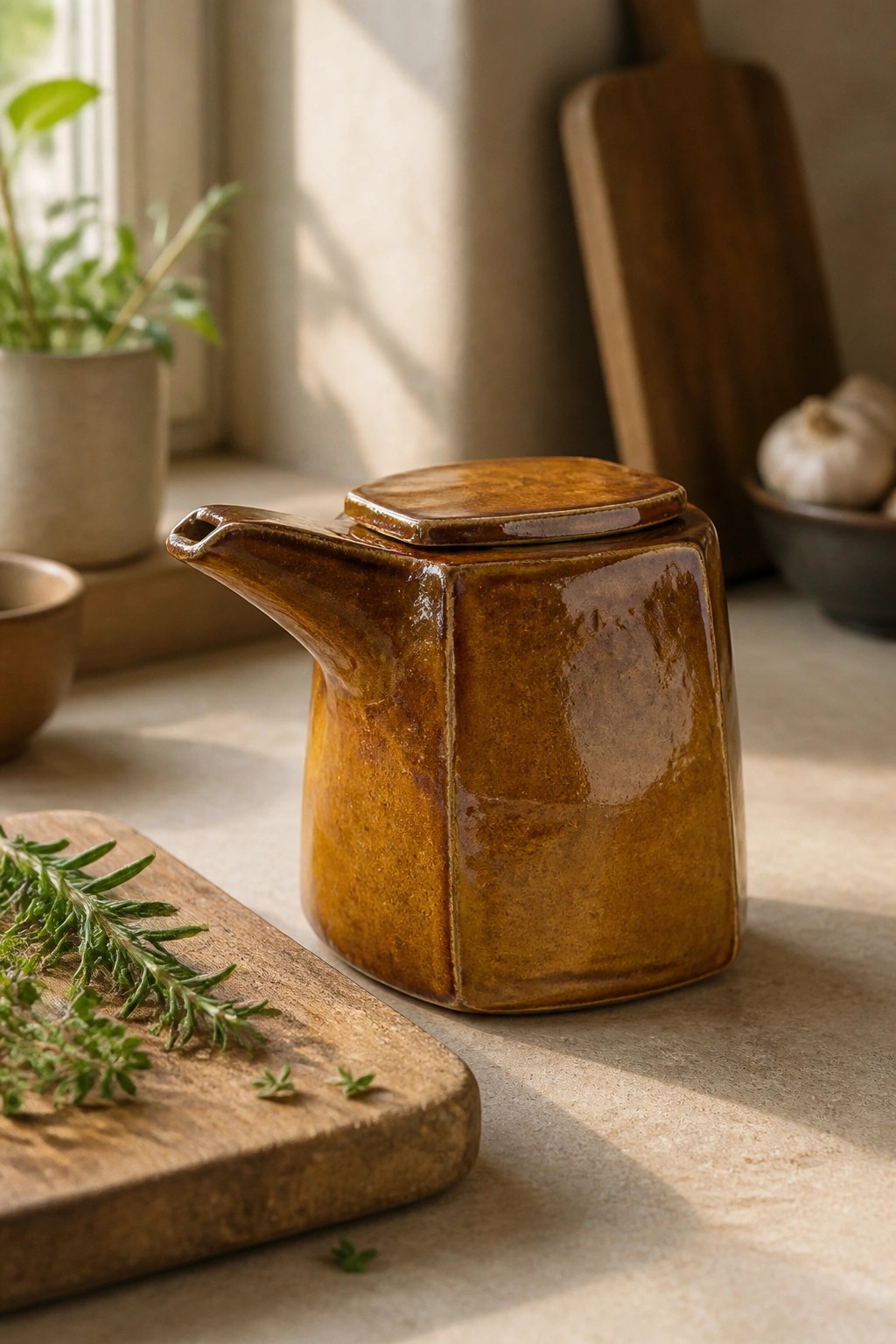
A square slab-built teapot gives you a straightforward way to make a functional pouring vessel for tea or coffee. The flat sides come together cleanly from rolled slabs, and the added spout and lid turn the form into a practical kitchen item rather than just a decorative shape. The earthy brown glaze keeps the surface simple while showing off the slight variations that come with hand-building.
What makes this idea useful is that the boxy shape is easy to scale up or down depending on how much liquid you want it to hold. You could rework the same construction into a creamer, a small syrup pitcher, or even a lidded sugar jar by changing the height of the slabs. In a kitchen this kind of piece fits on open shelves without rolling around and pairs with other slab-made dishes or mugs. The flat faces also make it simple to add light stamping or leave plain if you want a quicker build.
Square Slab Teapot with Blue Floral Motif
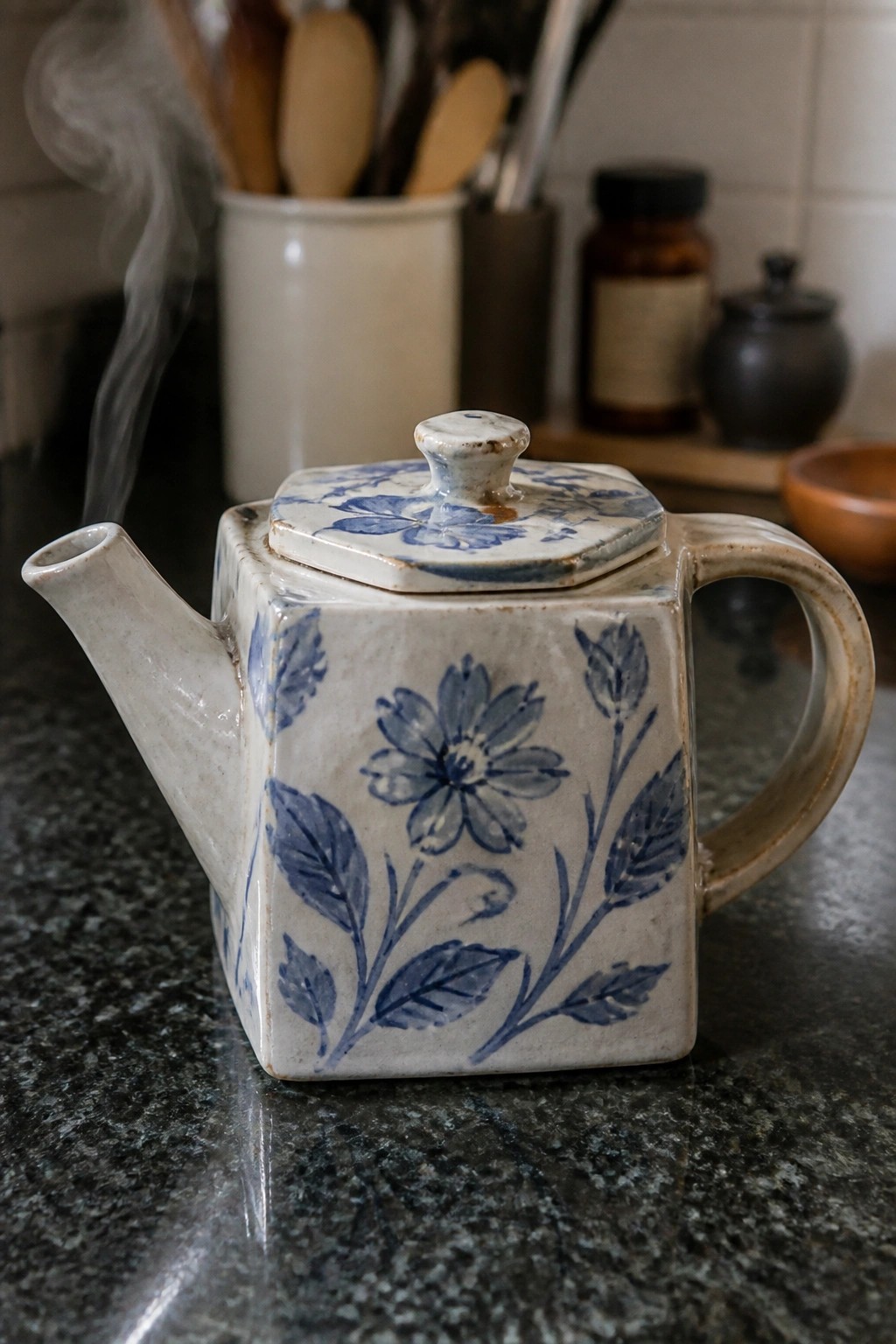
A square teapot formed from slabs creates a straightforward kitchen piece that pours easily and stores compactly. The flat surfaces give room for a repeating blue floral pattern painted directly onto the clay before firing. The shape stays stable on counters and shelves while the fitted lid helps keep tea hot during use.
What makes this idea useful is how the square form turns a basic teapot into something that stacks or lines up neatly with other dishes. You could scale the same slab layout down for matching creamers or up for a larger serving pot. The blue motif on a light base pairs with everyday dinnerware without needing extra decoration. For Pinterest, the clean lines and single-color pattern make the project simple to photograph from multiple angles.
Grooved Slab Cheese Board
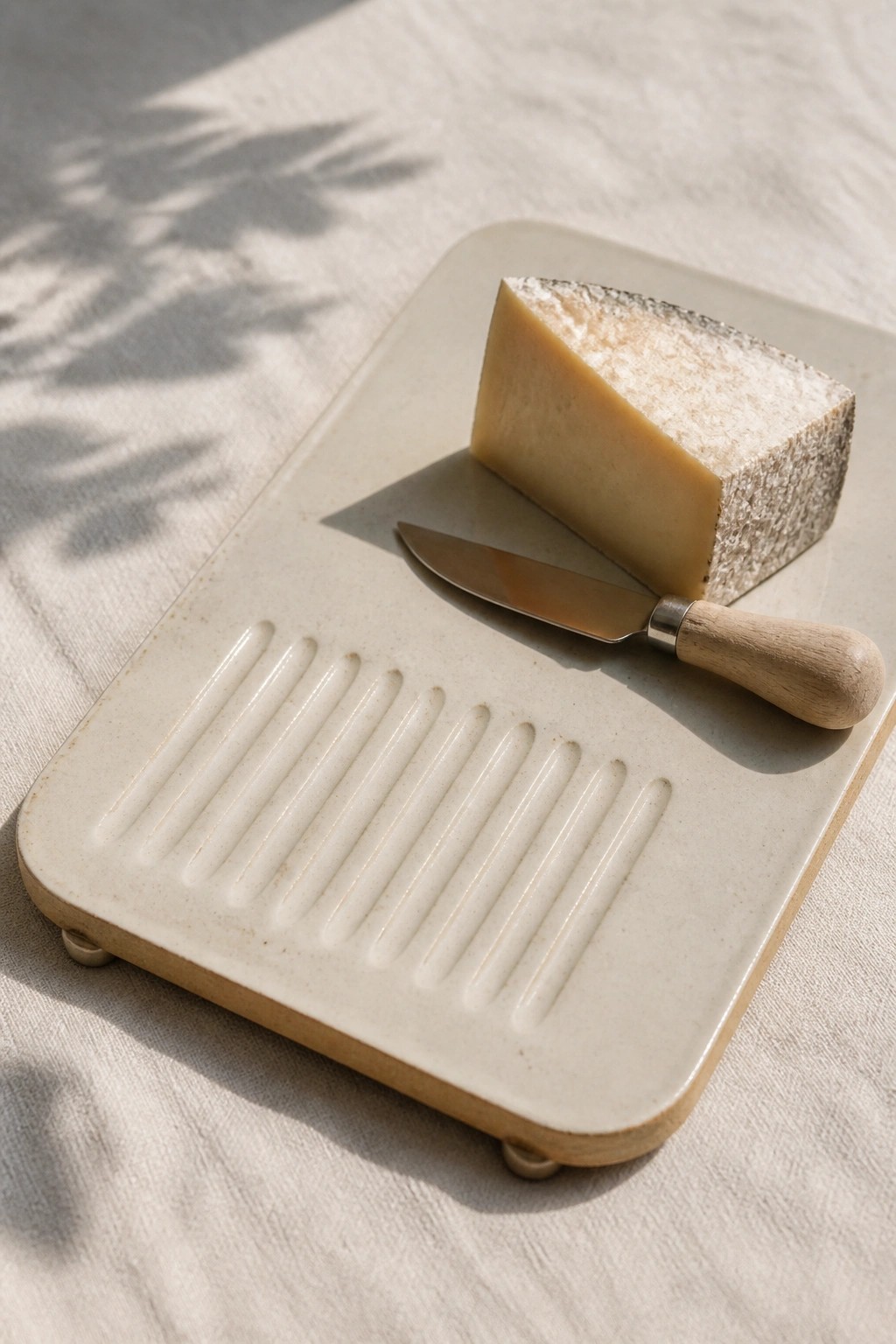
A slab-built cheese board like this uses a flat rectangular form with one section left smooth for the cheese and the other fitted with evenly spaced parallel ridges. The ridges create a simple built-in rest that keeps a knife from sliding or touching the food directly. The piece sits on four small feet and carries a matte speckled glaze that hides minor marks from daily use while staying neutral enough to match most table settings. This approach turns a basic slab into a dedicated kitchen serving piece without adding extra parts.
What makes this idea useful is how the ridges solve a real serving problem while keeping the form simple to build. You can adapt the same layout for a smaller butter board or scale it up for a charcuterie tray by widening the smooth area. The neutral glaze and low profile also make it easy to personalize with different clay colors or a slightly deeper groove pattern. In a kitchen, this kind of piece stays practical because it handles both display and cutting tasks without taking up much storage space.
Square Slab Bowls for Sauces and Spices
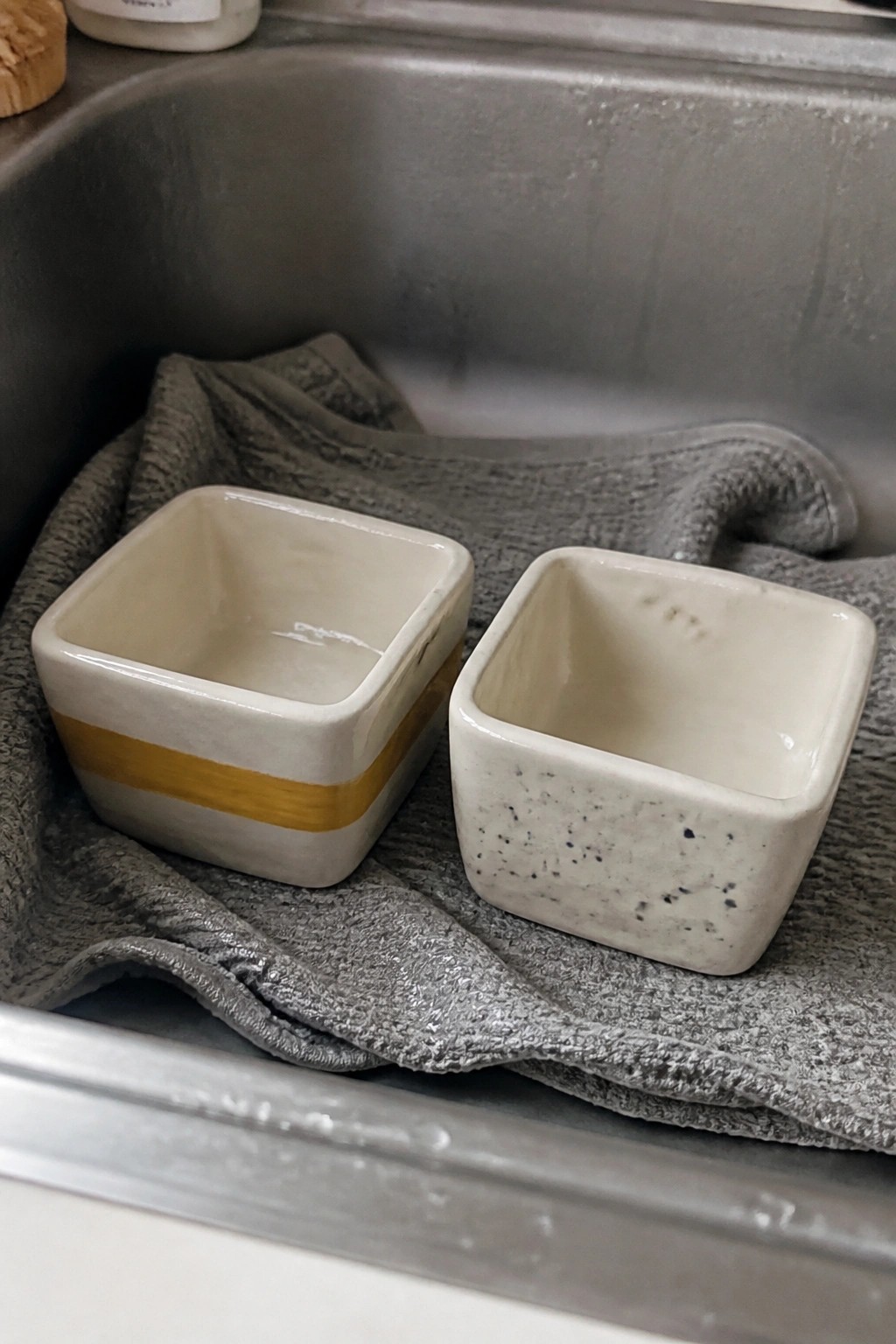
These small square bowls are formed by cutting and joining flat clay slabs into a simple box shape with slightly rounded corners. The design stays functional for kitchen use as dip dishes, sauce holders, or small serving bowls. One bowl uses a single horizontal band of color for contrast while the other relies on a speckled surface to add visual texture without extra elements.
The compact size works well for making multiples at once and keeps them easy to store in a drawer or on open shelving. You can adjust the depth or scale the same slab pattern to create matching butter dishes or small prep bowls. The straightforward construction also lets you experiment with different glaze placements on future sets without changing the basic form.
Leaf Impressed Salt Cellar
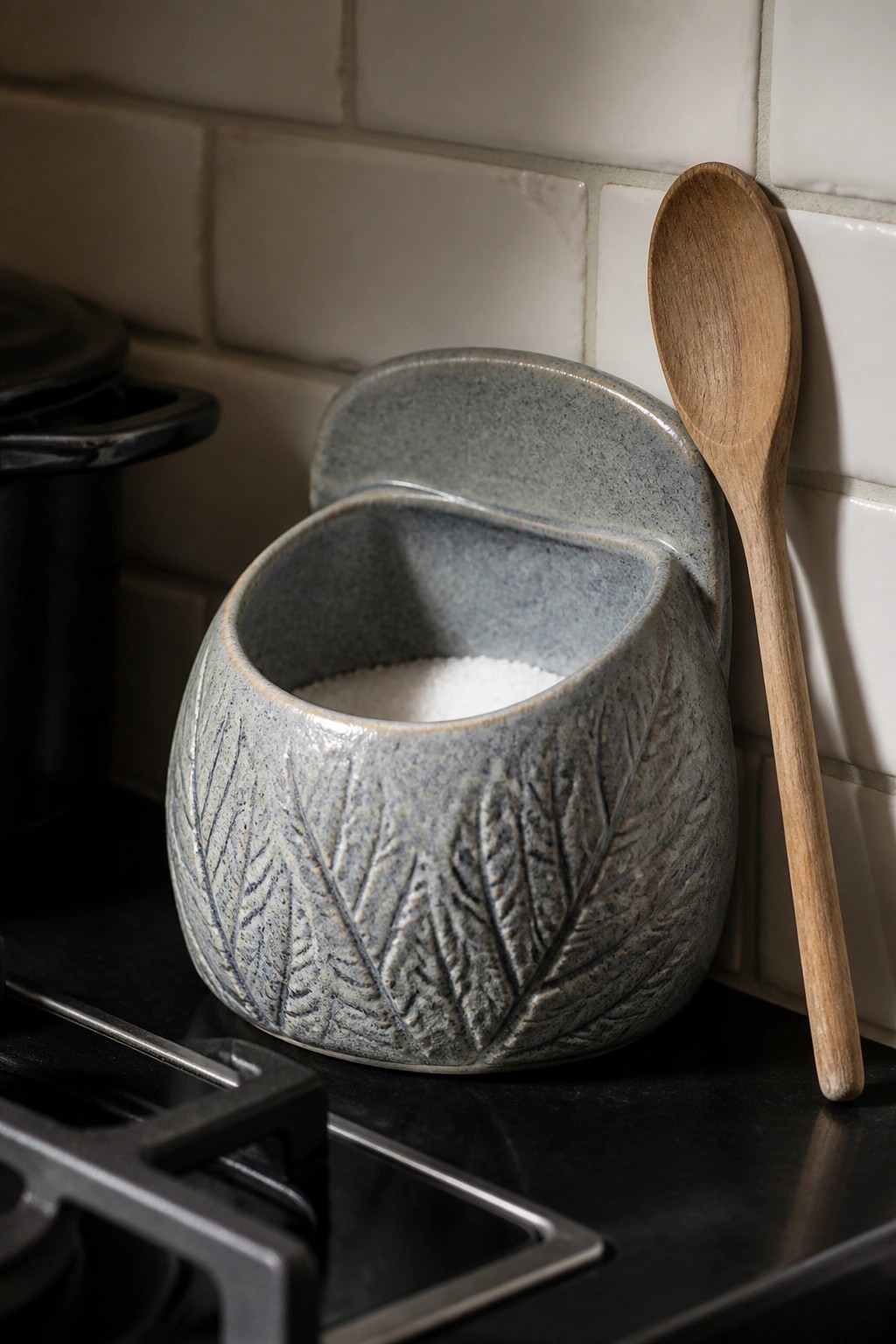
A small handbuilt salt cellar gives easy access to salt during cooking without taking up much counter space. The clay form stays low and open at the top while the exterior carries impressed leaf patterns that add texture without extra pieces or lids. A short back extension on one side creates a simple resting spot for a spoon. This kitchen item works as a straightforward slab or pinched project finished with a matte glaze in a neutral gray tone.
What makes this idea useful is how the open shape keeps salt ready to pinch or scoop while the texture hides fingerprints and adds grip. The leaf detail can be changed out for other stamps or natural objects when making matching pieces for sugar or spices. In a kitchen this size fits neatly beside the stove and pairs with basic wooden tools already in use. The same form could be scaled slightly larger to hold tea bags or small measuring spoons.
Small Oval Slab Dishes for Sauces and Condiments
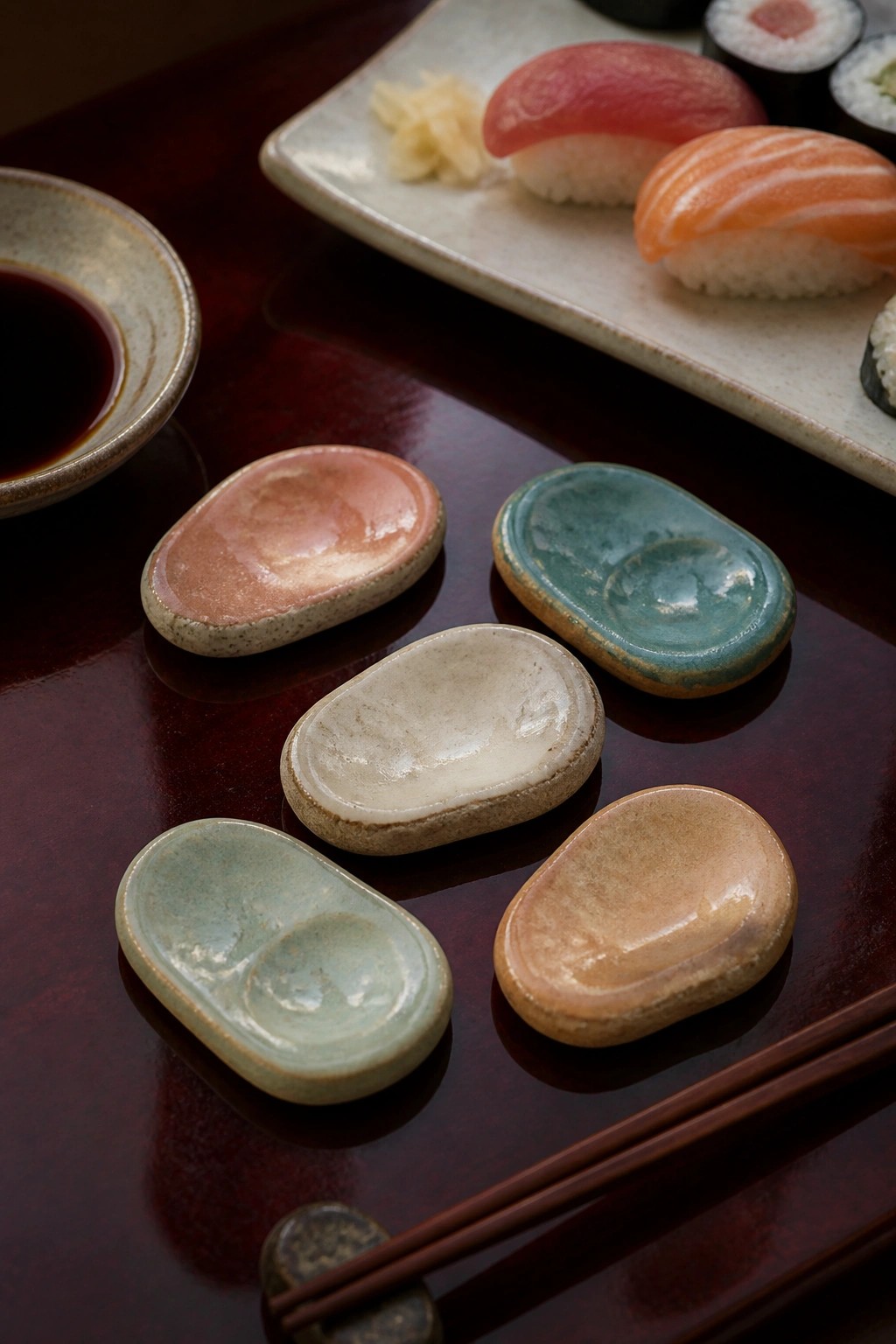
These oval dishes are made by rolling out flat slabs of clay, cutting simple oval shapes, and gently curving the edges upward to create shallow wells. The design keeps the form basic so the focus stays on the glaze colors and the natural speckled clay body. Multiple pieces in different glaze tones can be made at once to form a matching set. They work as compact kitchen dishes for holding soy sauce, wasabi, or small portions of condiments during meals.
What makes this idea useful is the small scale, which lets you place several dishes on the table without crowding the space. The same slab-cutting approach can be adjusted to create longer versions for chopstick rests or slightly deeper ones for olive oil and balsamic. In a kitchen, these pieces are easy to produce in multiples and store neatly when not in use. For a gift set, the idea adapts well by pairing three or four dishes with different glazes that still coordinate.
Scalloped Slab Trivet with Concentric Glaze Rings
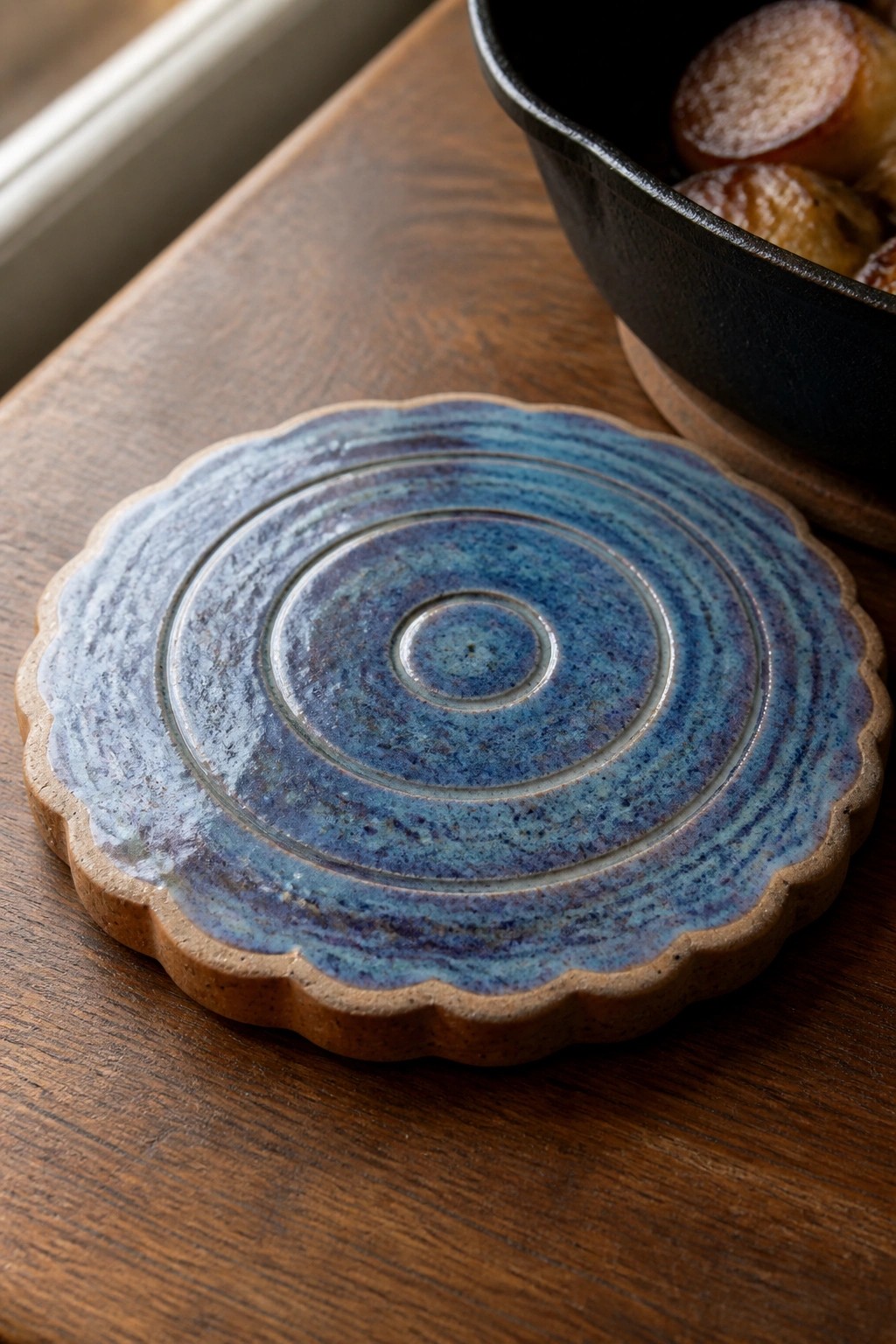
A slab-rolled trivet with a scalloped rim gives you a flat, stable surface for hot dishes straight from the stove or oven. The concentric circles in the blue glaze are formed by simple scoring or slip trailing before firing, which lets the color pool and separate naturally across the rings. This keeps the piece firmly in the kitchen and dining category as a practical surface protector rather than a decorative accent.
What makes this idea useful is how easily the scalloped edge can be cut with a wavy cutter or template on any size slab. You could make a set in two or three diameters to handle everything from dinner plates to small casseroles. The ring pattern also works with other glaze combinations if you want to match existing dinnerware. For a quick variation, skip the scalloped edge and keep the same concentric layout on a plain round slab for a more minimal look.
Divided Slab Tray for Sauces
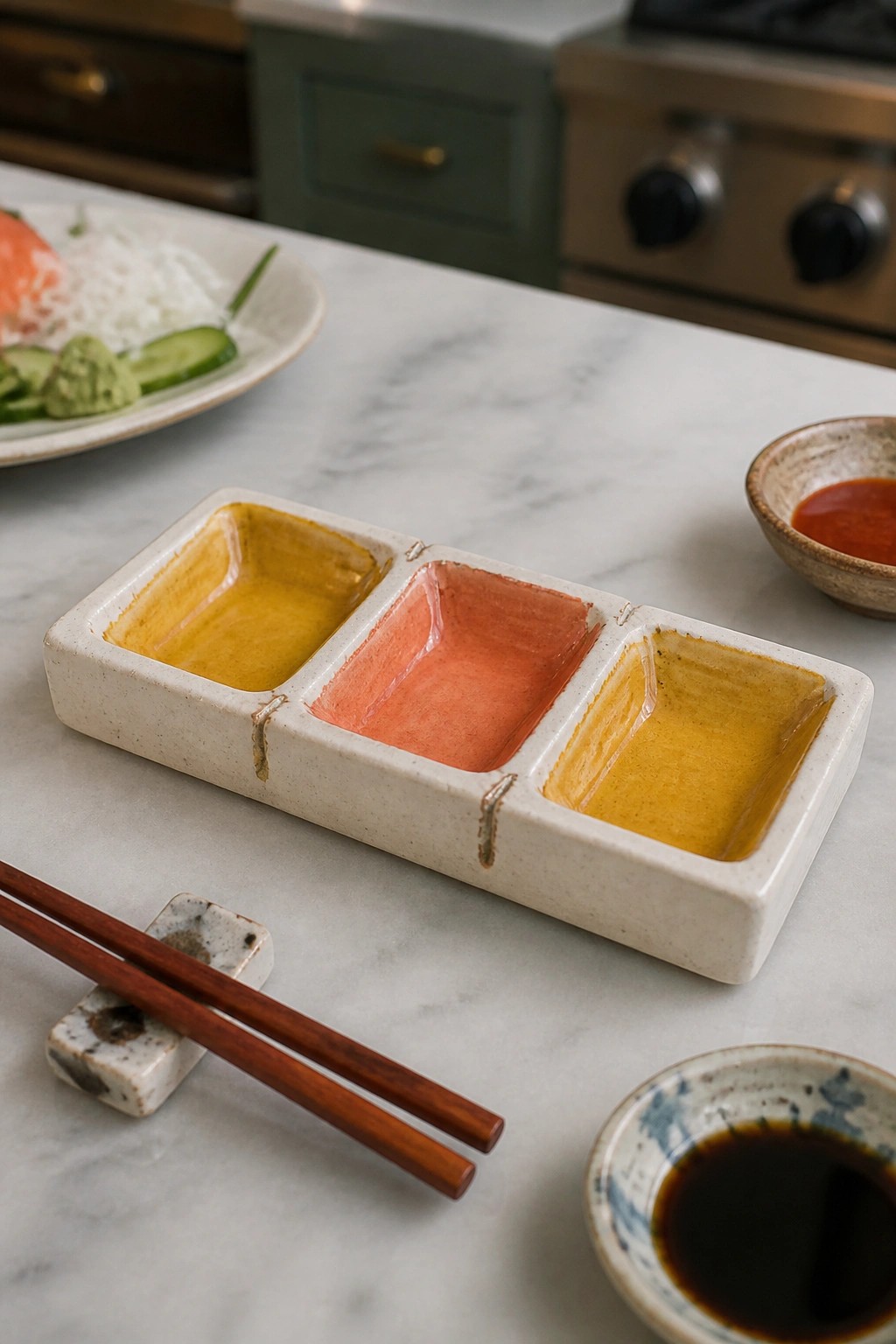
A three-section tray formed from slabs creates separate compartments for holding different sauces or dips during a meal. The low rectangular walls keep portions organized while the mix of yellow and coral glazes gives each section its own clear space. Speckled clay shows at the seams and edges, keeping the surface simple and functional for kitchen use.
What makes this idea useful is how it handles multiple condiments without taking much counter space. You can change the number of divisions or swap glaze colors to match whatever food you serve most often. This same slab layout also works for a small spice tray or an oil and vinegar setup next to the stove.
Wide Slab-Built Serving Bowl
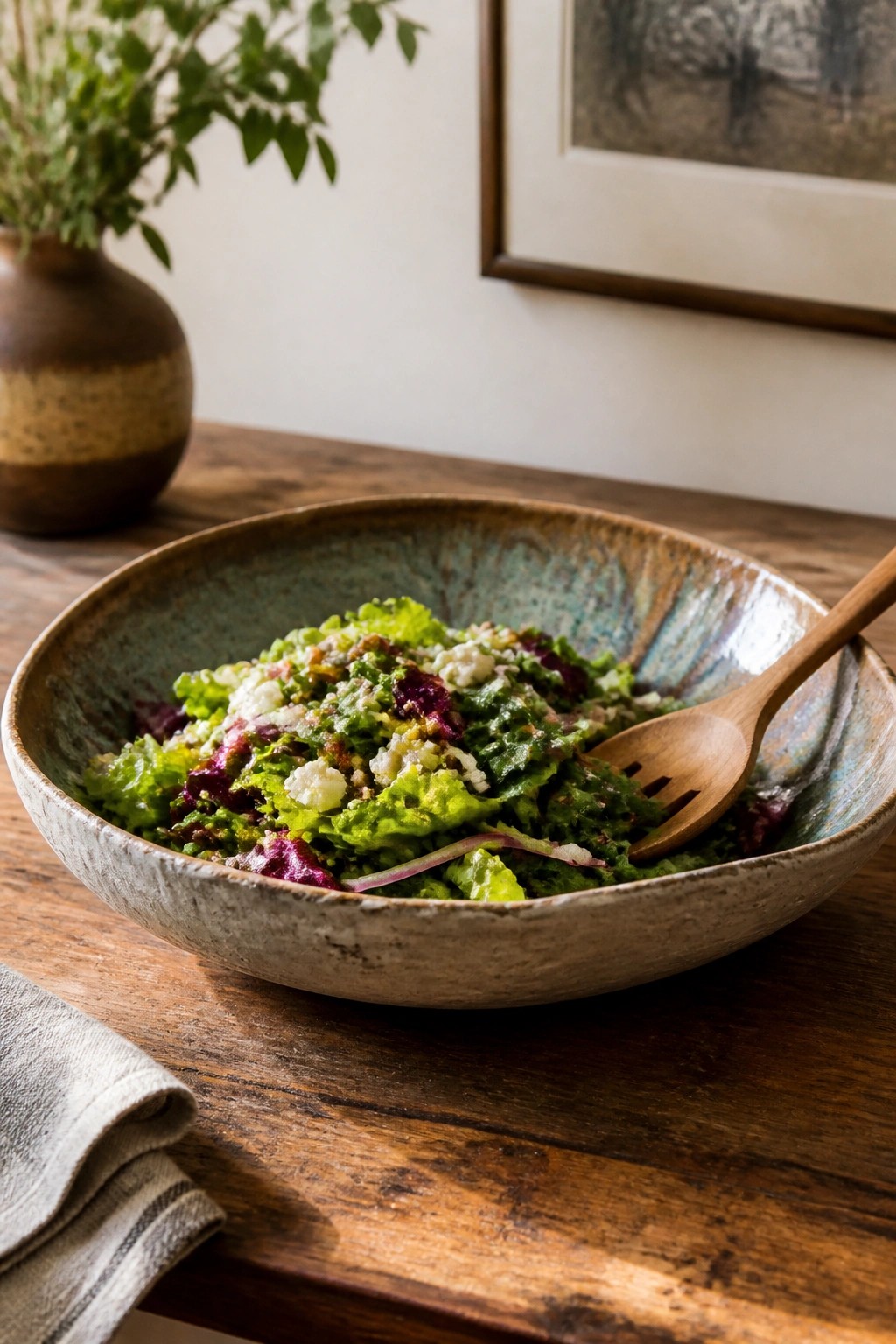
A wide, shallow bowl built from slabs gives you a generous surface for tossing and serving salads or roasted vegetables without crowding the food. The irregular rim and thick walls come naturally from slab construction, while a mottled glaze in earthy greens and browns adds subtle variation that hides minor surface marks from daily use. This approach keeps the piece simple to form yet sturdy enough for repeated kitchen handling.
What makes this idea useful is how the broad shape works equally well for family meals or as a catch-all on the counter when empty. You could adapt the same slab layout to a slightly deeper version for soups or scale it down for individual side bowls. In a dining setting, the textured glaze stands out against plain tableware and pairs easily with both modern and rustic dishes.
Notched Slab Tray for Mug and Snack
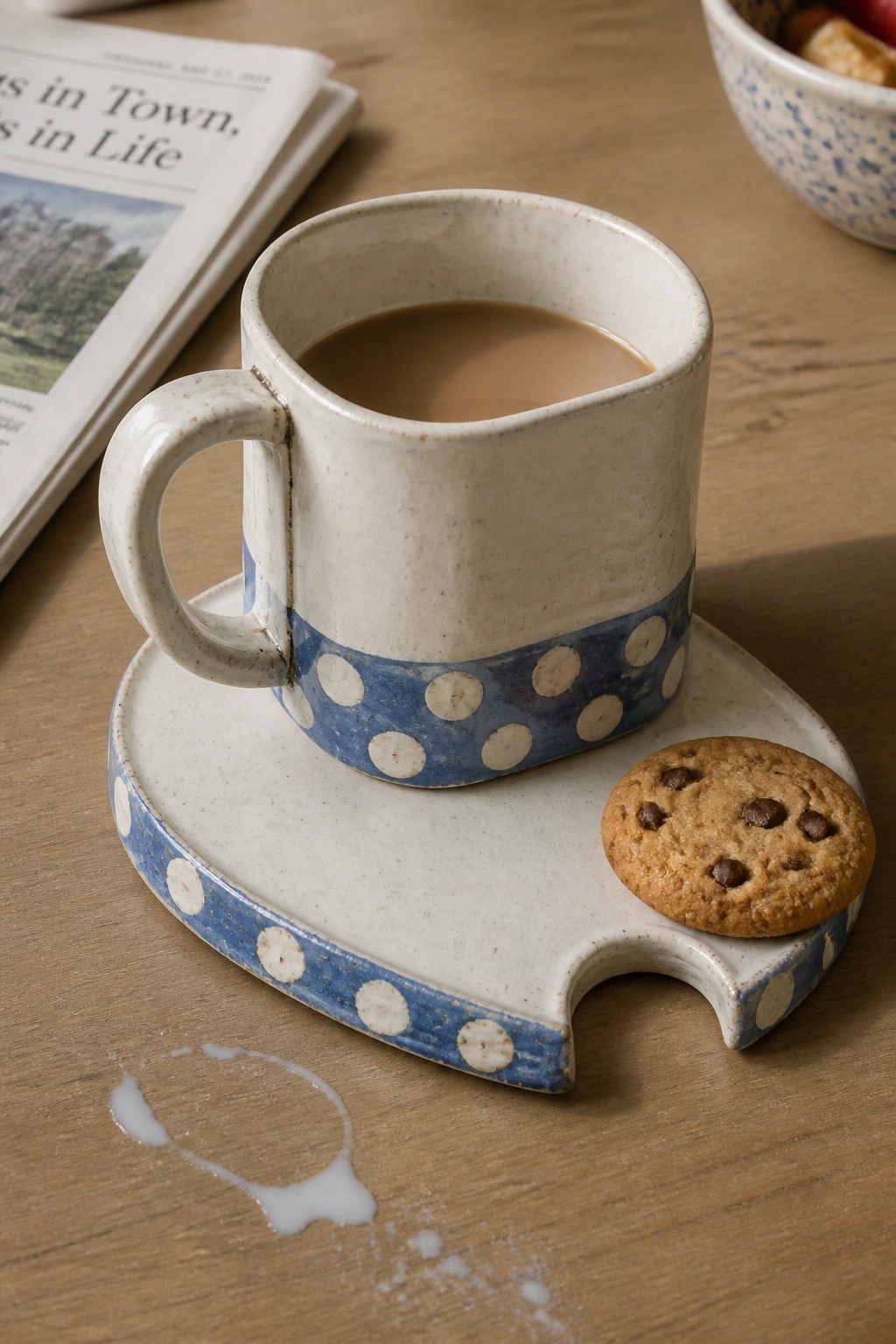
A slab-built tray with a notched edge holds a mug steady while leaving space for a cookie or small bite. The tray uses a simple rounded shape cut from clay, with a half-circle removed from one side so the mug sits in place without sliding. Blue polka dots painted along the rim give the piece a clear border and tie it visually to the matching mug. This idea works as a basic kitchen tray that keeps coffee or tea items together on the table.
The notch keeps the mug from shifting when you reach for the snack. You can scale the tray larger for a full breakfast plate or swap the dots for a single color band if you want a faster finish. In a kitchen this shape catches small drips before they reach the table, and the same slab method can be used to make matching coasters or a spoon rest. The painted dots make the finished piece easy to spot in a lineup of plain trays on Pinterest boards.
Divided Slab Planter for Kitchen Herbs
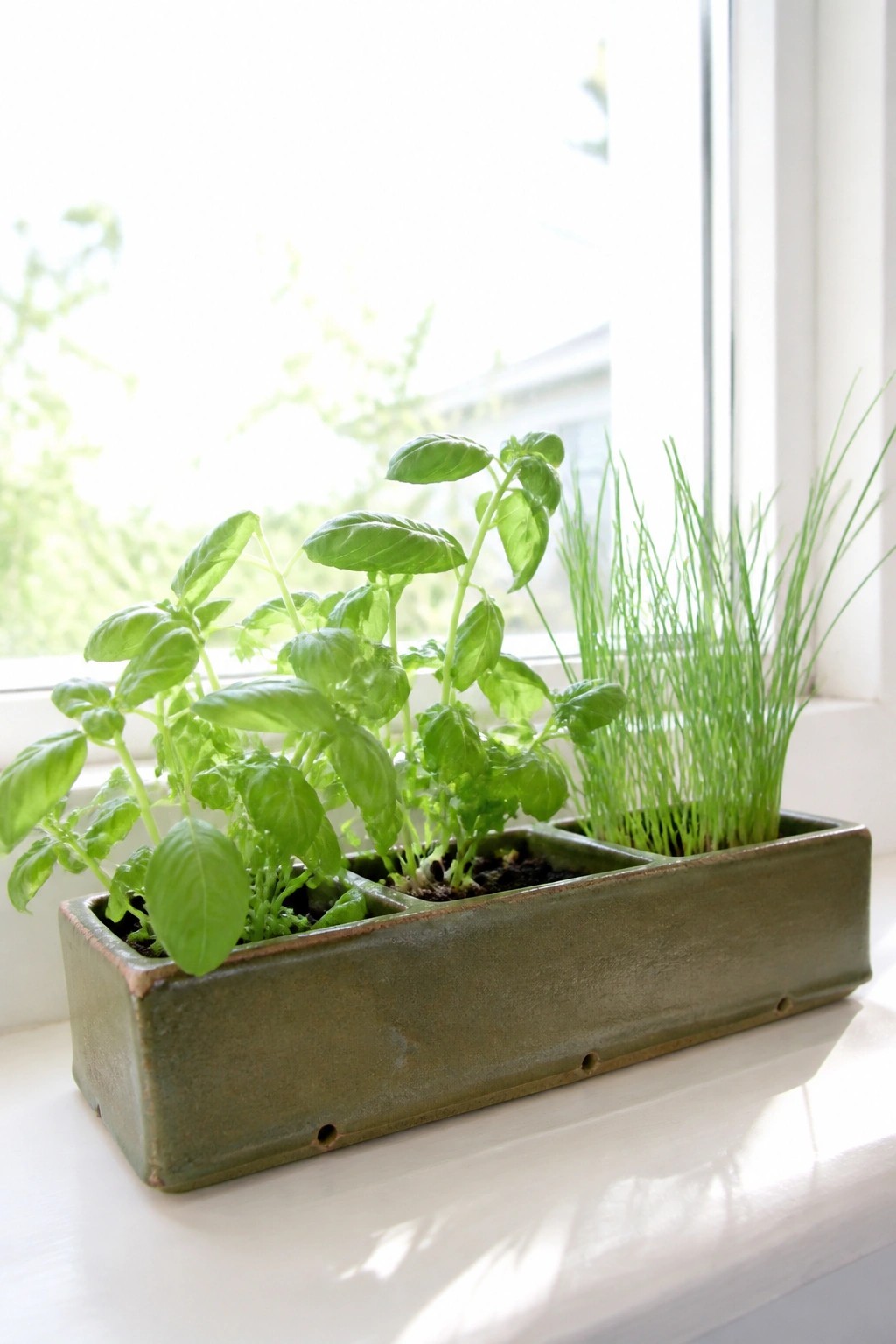
A long rectangular slab tray with two built-in dividers forms three separate planting sections in one piece. The low walls and drainage holes suit it for growing small kitchen herbs like basil and chives side by side on a windowsill. The simple slab form and matte green glaze keep the piece understated so the plants remain the main feature.
What makes this idea useful is that the divided layout lets you grow different herbs without mixing roots or soil needs. You could shorten the length for a smaller sill or widen the sections if you want to grow one larger plant per compartment. In a kitchen the same shape works for starting seedlings that later move to the garden, and the sturdy slab construction holds up to daily watering.
Ceramic Pedestal Cake Stand
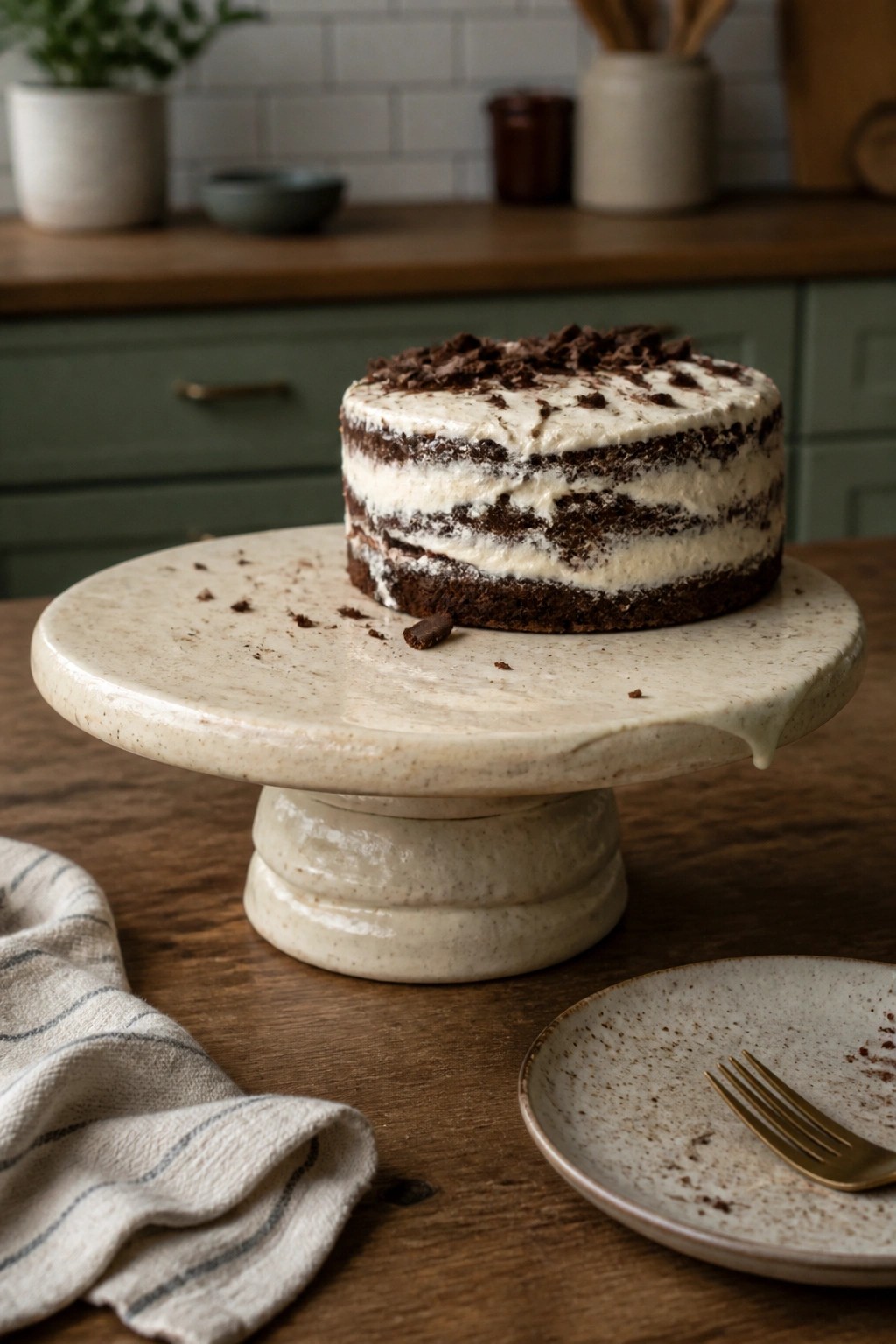
A slab-built cake stand uses a flat round top supported by a short cylindrical base to create a raised serving surface. The wide top holds a full-size cake while the solid pedestal keeps everything stable on the table. A speckled matte glaze in neutral tones adds subtle texture that pairs well with food without overpowering it. This approach fits the category of functional kitchen serving pieces made from simple slab construction.
What makes this idea useful is how the basic shape can be adjusted for different needs. You could make a smaller version for pastries or add a slight lip around the edge to catch crumbs. In a kitchen the stand works for both everyday use and bringing desserts to the table. The same slab method can be reworked into a cheese board or a tiered tray by stacking two platforms.
Striped Slab-Built Creamer and Lidded Jar
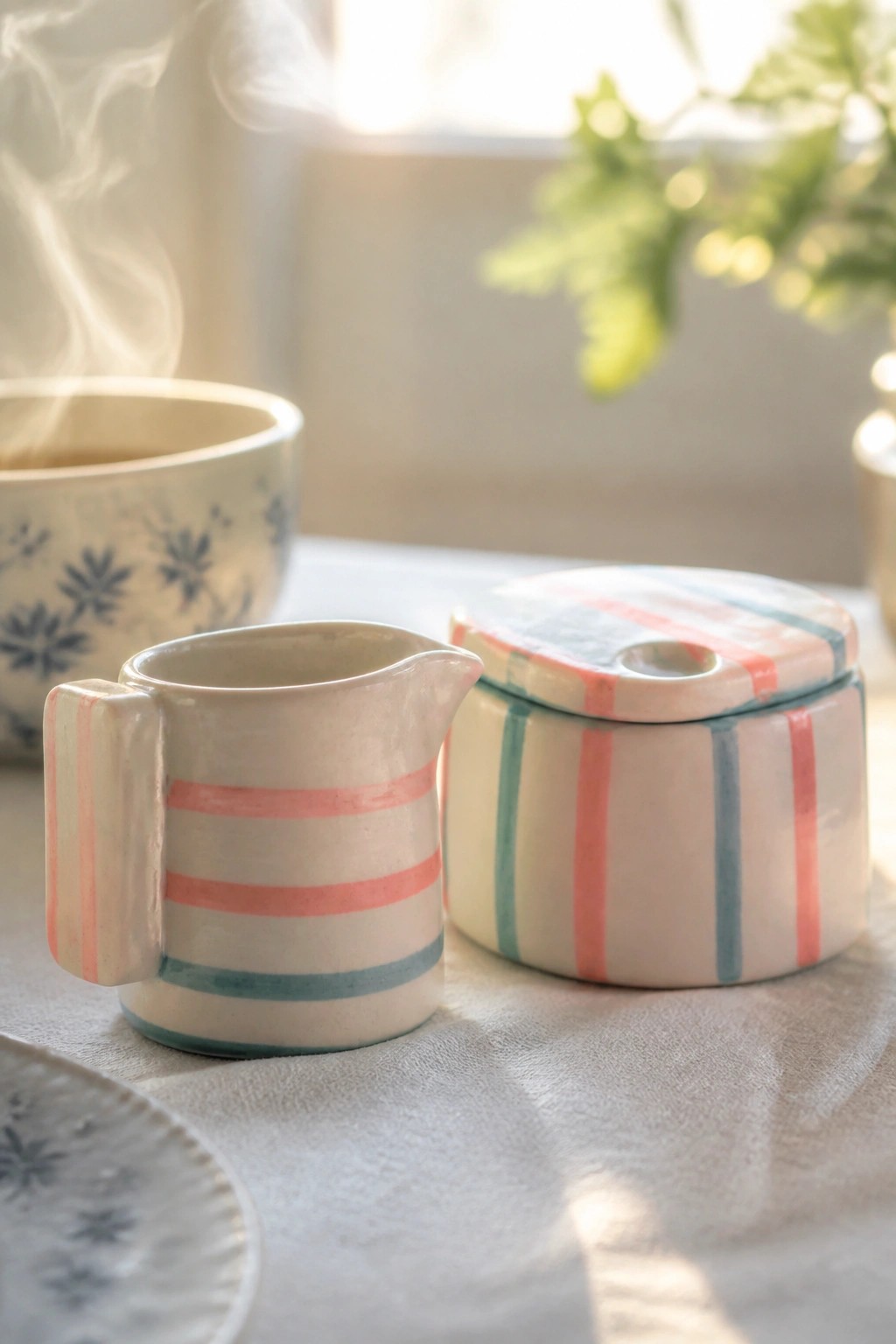
A small handbuilt creamer and matching covered jar use horizontal bands of coral and teal on a light clay body. The creamer includes a simple spout and handle while the jar has straight slab sides and a flat lid with a small center opening. These pieces function as basic kitchen containers for cream, milk, or sugar at the table. The repeating stripes create a clear pattern that stays easy to paint and balances the neutral base color.
The shape does a lot of the work here because the straight walls on the jar come straight from slab construction and need little extra finishing. You can adapt the stripe widths or switch the colors to match existing dishes without changing the forms. In a kitchen this kind of set keeps small items organized at a coffee station or breakfast table. The same stripe layout works just as well on a butter dish or small tray if you want to expand the set later.
Speckled Slab Tray for Herb Tools
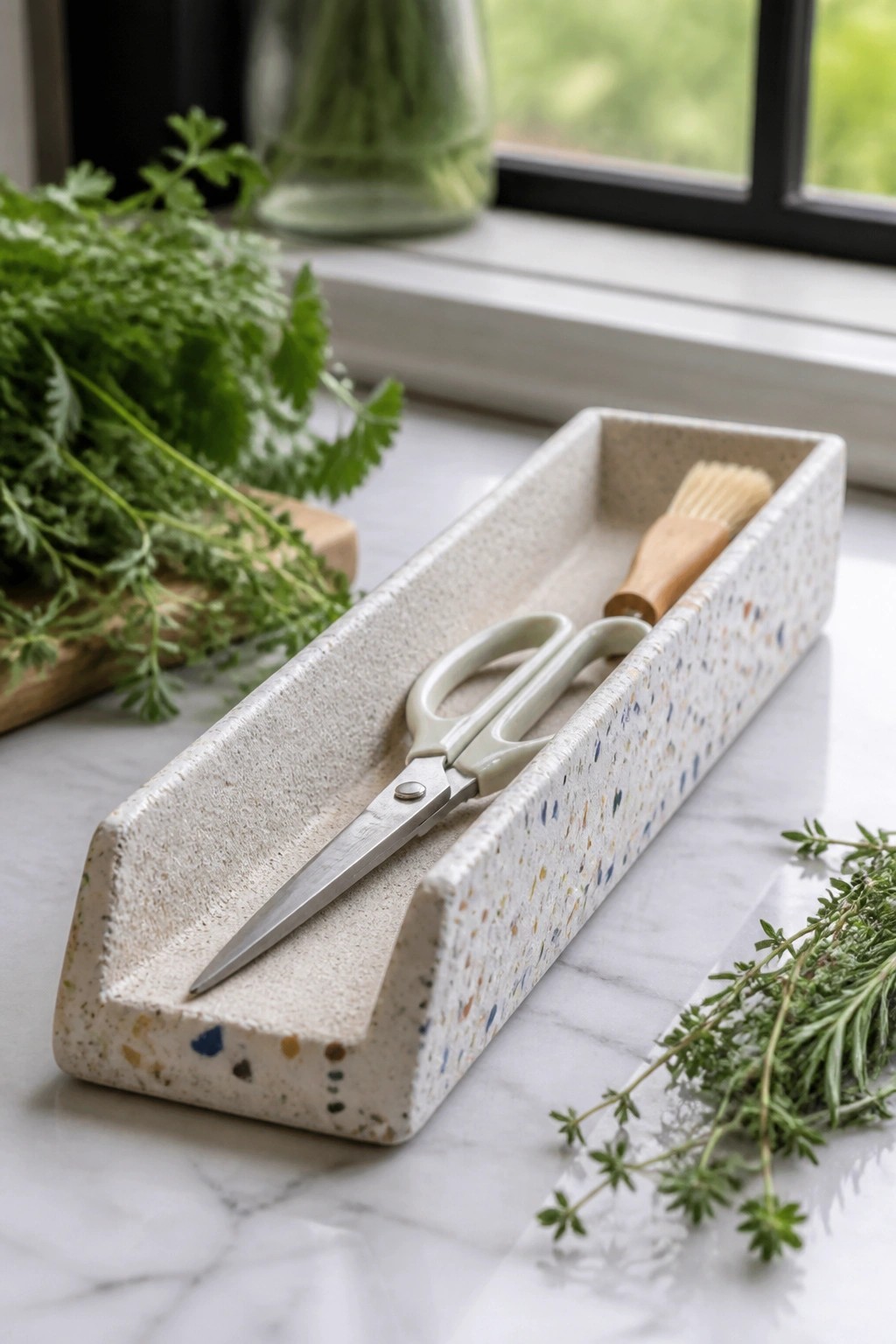
A slab built rectangular tray gives you a simple way to keep herb scissors and a cleaning brush together on the counter. The low sides and flat base hold the tools steady while the speckled surface adds color without needing extra decoration. This approach works as a kitchen item because it turns a basic slab into a functional holder that stays useful during daily cooking.
What makes this idea useful is how the length and width can be changed to match whatever tools you reach for most. You could shorten the tray for just scissors or widen it to hold a small jar of salt alongside. In a kitchen this kind of piece keeps items from getting lost in a drawer and stays easy to wipe clean. The same slab shape could be reworked into a narrower version for chopsticks or a slightly taller one for storing small spatulas.
Slab-Built Salt and Pepper Shakers
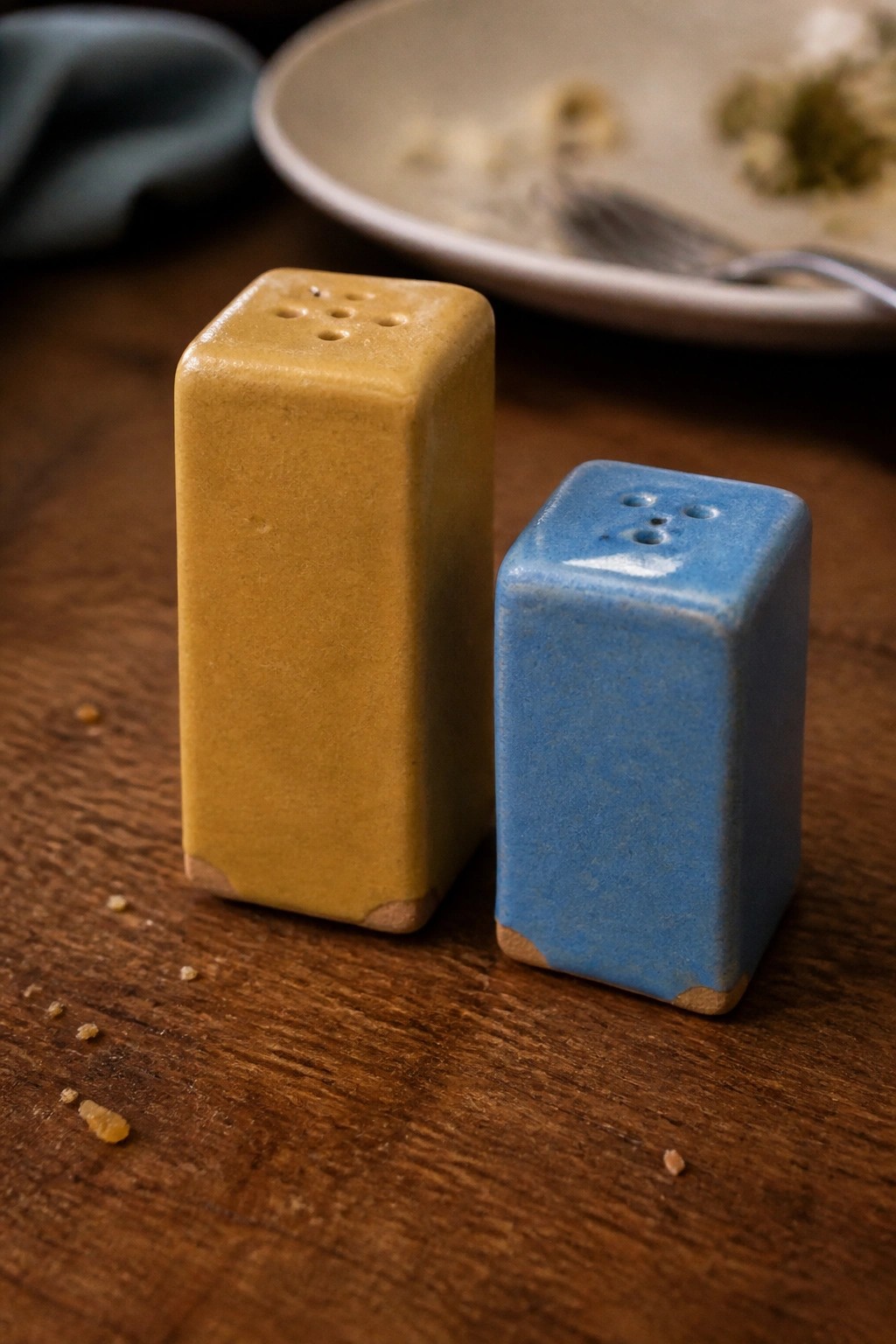
These rectangular shakers are formed from simple slab construction, creating straight-sided boxes that stand upright on the table. Each top is left flat with a row of small holes for dispensing salt or pepper, and the solid glazes in two different colors make the pair easy to distinguish. The unglazed base edges add a subtle contrast without complicating the overall form.
What makes this idea useful is how the compact shape keeps them stable and simple to store in a kitchen drawer or on a shelf. You can adapt the same slab method by changing the height or switching the hole pattern to fit larger or finer seasonings. In a kitchen, this kind of piece pairs well with everyday dishes because the clean lines and color blocks match most table settings without extra decoration. The small scale also makes it straightforward to produce a full set for yourself or as a gift.
Frequently Asked Questions
What is the best way to ensure slab pottery pieces are food safe for everyday kitchen use? To make slab pottery food safe, always use clay and glazes that are labeled as food safe and fire them to the correct cone temperature recommended by the manufacturer. Avoid low fire glazes that may contain lead or other toxins, and test pieces by running them through a dishwasher cycle if they will see regular cleaning. Many potters recommend applying a clear food safe liner glaze on the interior surfaces of bowls, plates, and mugs to create a nonporous barrier that resists staining from acidic foods like vinegar or citrus.
How durable are slab built pottery items compared to wheel thrown ones for daily dining? Slab built pieces can be just as durable for everyday use when the clay is wedged well and the walls are kept at a consistent thickness of about a quarter inch. The key is to compress the slabs firmly during construction and dry them slowly under plastic to prevent cracks. Once fired to maturity, these items hold up well to stacking and handling, though they may need extra support like a foot ring on the base to reduce wobbling on flat surfaces.
Can slab pottery bowls and plates go in the microwave or oven without issues? Most slab pottery that has been properly fired and glazed can handle microwave use, but always check for any metal flecks in the clay or glaze that could cause arcing. For oven safety, avoid sudden temperature changes by preheating the oven with the dish inside rather than placing a cold piece directly into a hot oven. Pieces made from stoneware clay bodies tend to perform best under repeated heating and cooling cycles common in kitchen routines.
What are some practical tips for cleaning and storing functional slab pottery to extend its life? Hand washing with mild soap and a soft sponge is often the gentlest approach for slab pottery, especially if the pieces have any raised textures that could trap food particles. Avoid abrasive scrubbers that might scratch the glaze. For storage, nest items with soft cloths or paper towels between them to prevent chipping, and keep stacks no more than four high to reduce pressure on the bottom pieces. If pieces are dishwasher safe, place them on the top rack only.
How can I adapt the 22 slab pottery ideas to fit my specific kitchen space or needs? Start by measuring your cabinets and drawers to determine ideal sizes for items like trays or butter dishes, then scale the slab templates accordingly before cutting. Consider adding functional features such as draining holes in berry bowls or ergonomic handles on serving platters to match your daily routines. Experiment with different clay colors and simple stamp patterns to coordinate with your existing dinnerware while keeping the overall design simple enough for regular use.

Pottery Path is my cozy corner of the internet where I share clay ideas, pottery inspiration, and simple projects you can recreate at home. I love exploring everything from air dry clay to handbuilt pottery to cute minis that brighten your day. My goal is to make clay crafting feel easy, fun, and welcoming for anyone who wants to try it.
You will find beginner friendly tutorials, creative pottery painting ideas, and lots of warm inspiration for slow and happy crafting. If you enjoy hands on creativity, this space will feel like home.