I’ve tried slab pottery on and off for a few years and it took some trial and error to find projects that did not feel overwhelming right away.
Simple shapes and basic tools made it easier to finish pieces without getting stuck on mistakes.
I noticed that repeating a few straightforward techniques helped me get more comfortable with the clay and the process.
These 24 ideas are the ones I kept coming back to when I wanted to practice without extra pressure.
Square Slab Mug with Simple Stripe Detail
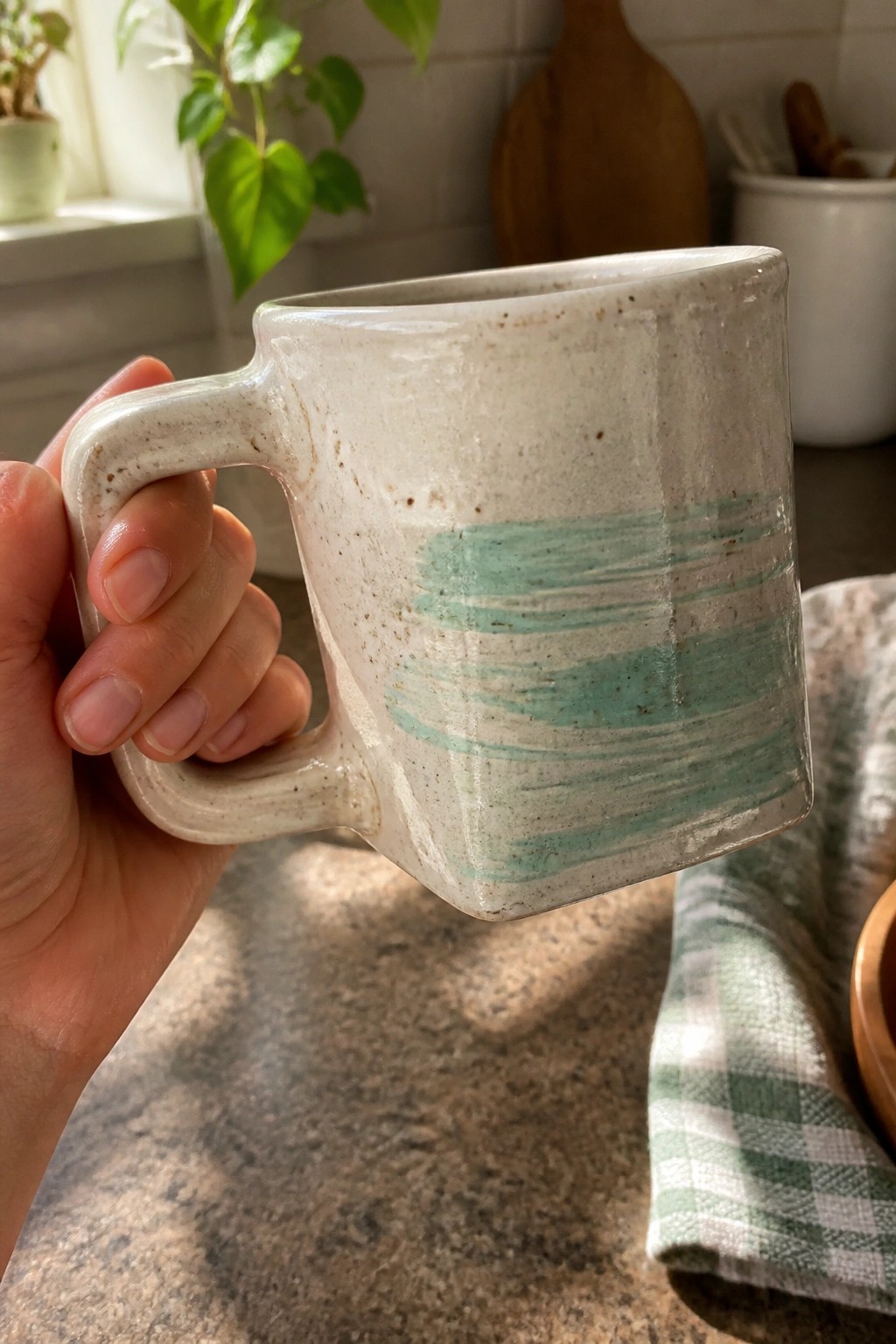
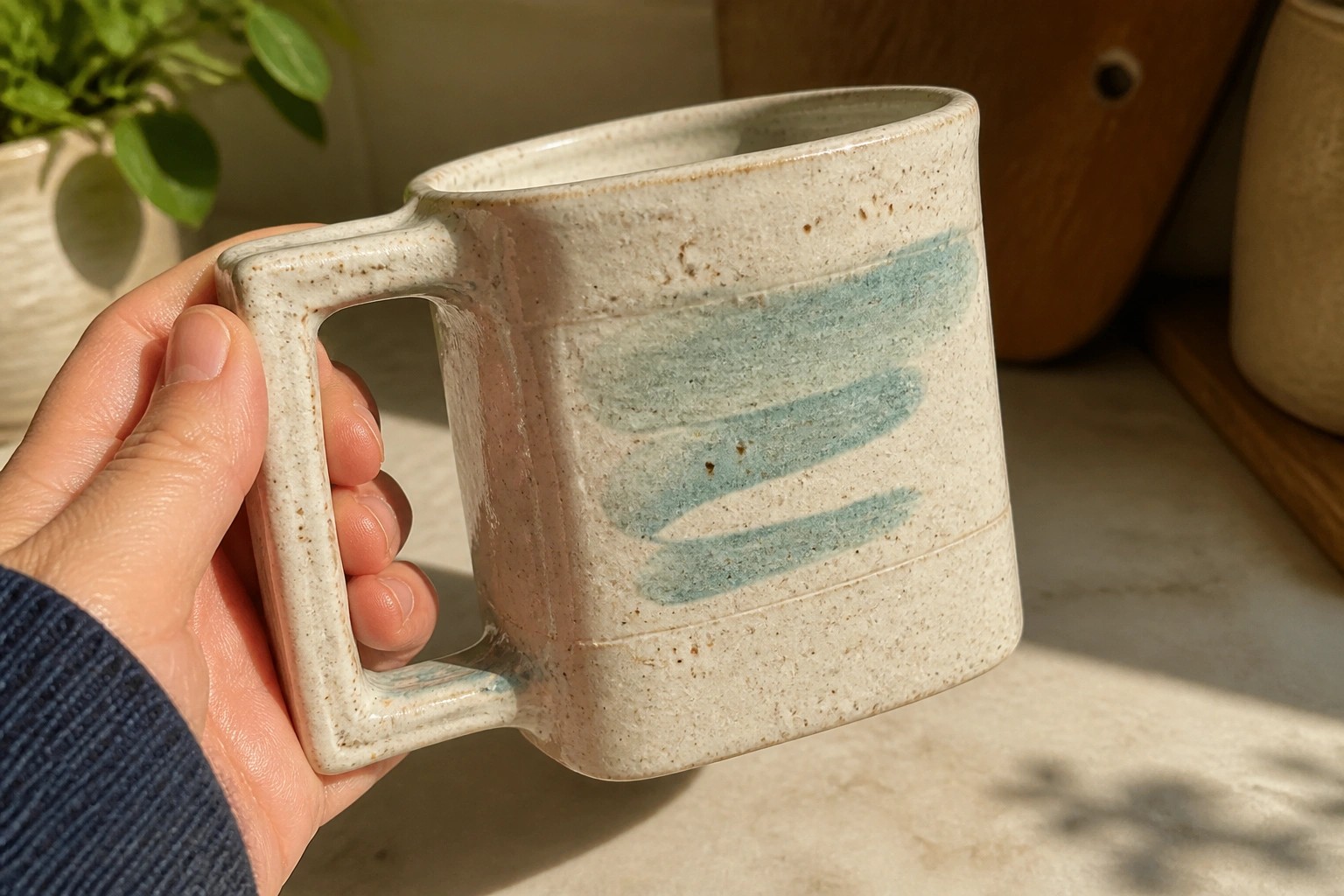
A square mug built from flat clay slabs creates a clean geometric shape that feels sturdy in the hand. The body is formed by joining four sides, then a simple pulled or slab handle is attached at the top and bottom. Horizontal turquoise brush marks across the speckled surface add quick color and movement without extra tools or carving.
What makes this idea useful is how the square form gives the mug a modern look while staying easy to construct for beginners. The stripe pattern works with almost any glaze color and can be adapted by changing the number or width of the lines. In a kitchen this shape sits flat on open shelving without rolling, and the same slab method can be used to make a matching small pitcher or a set of square coasters.
Impressed Heart Ring Dish
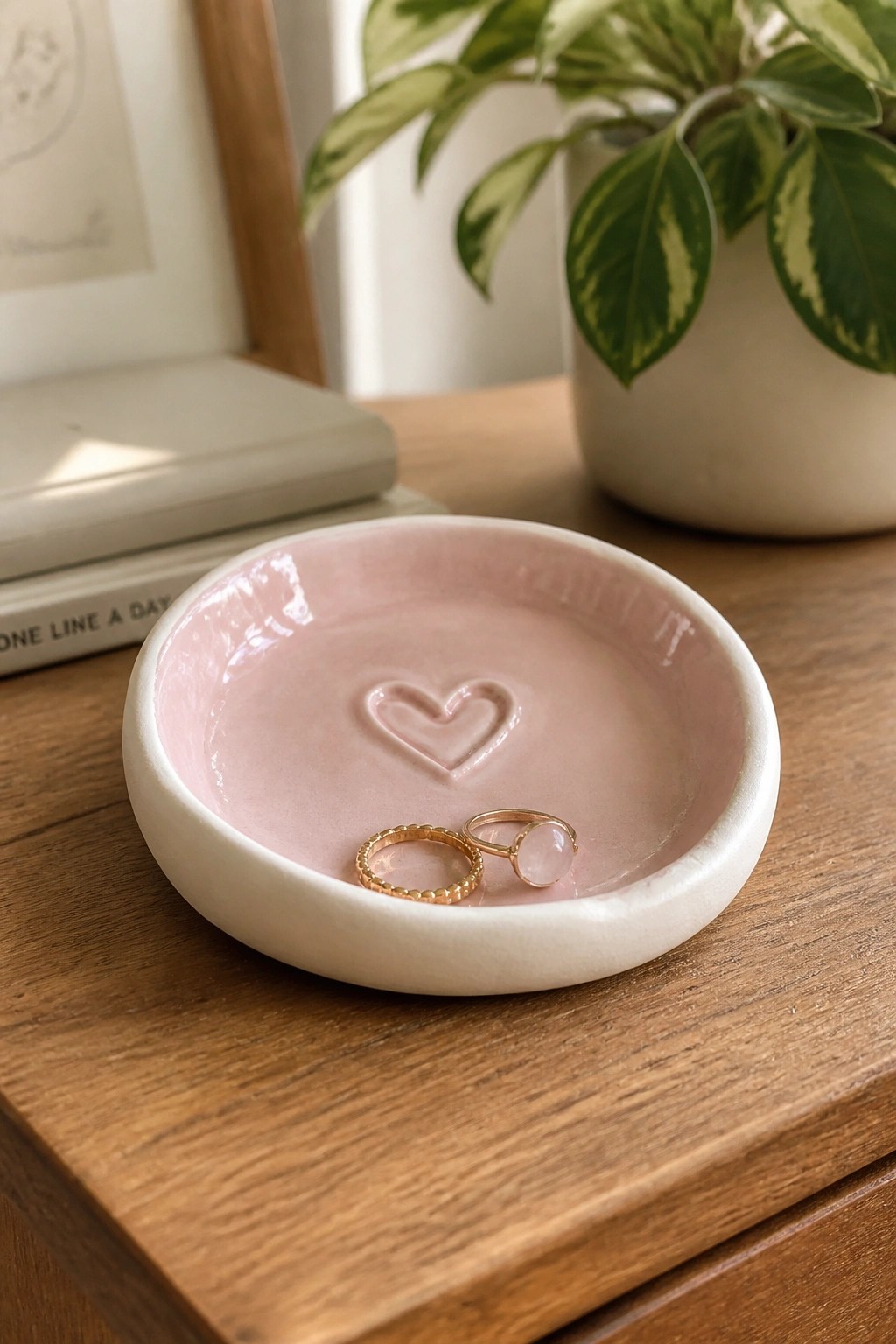
A small slab-built dish forms the base for this ring holder by keeping the walls low and the floor flat. The impressed heart sits centered in the pink glazed area while the white rim creates a clean border that keeps the motif from blending into the background. This setup turns a basic round form into a dedicated spot for rings or small jewelry without needing extra parts.
The small scale makes this easy to adapt by swapping the heart stamp for a name, date, or simple geometric shape cut from a paper template. A piece like this works especially well on a dresser or bathroom ledge where it catches everyday items without crowding the surface. You could reuse the same slab thickness and rim style to make a matching soap rest or a slightly deeper version for loose change.
Square Slab Planter with Carved Face
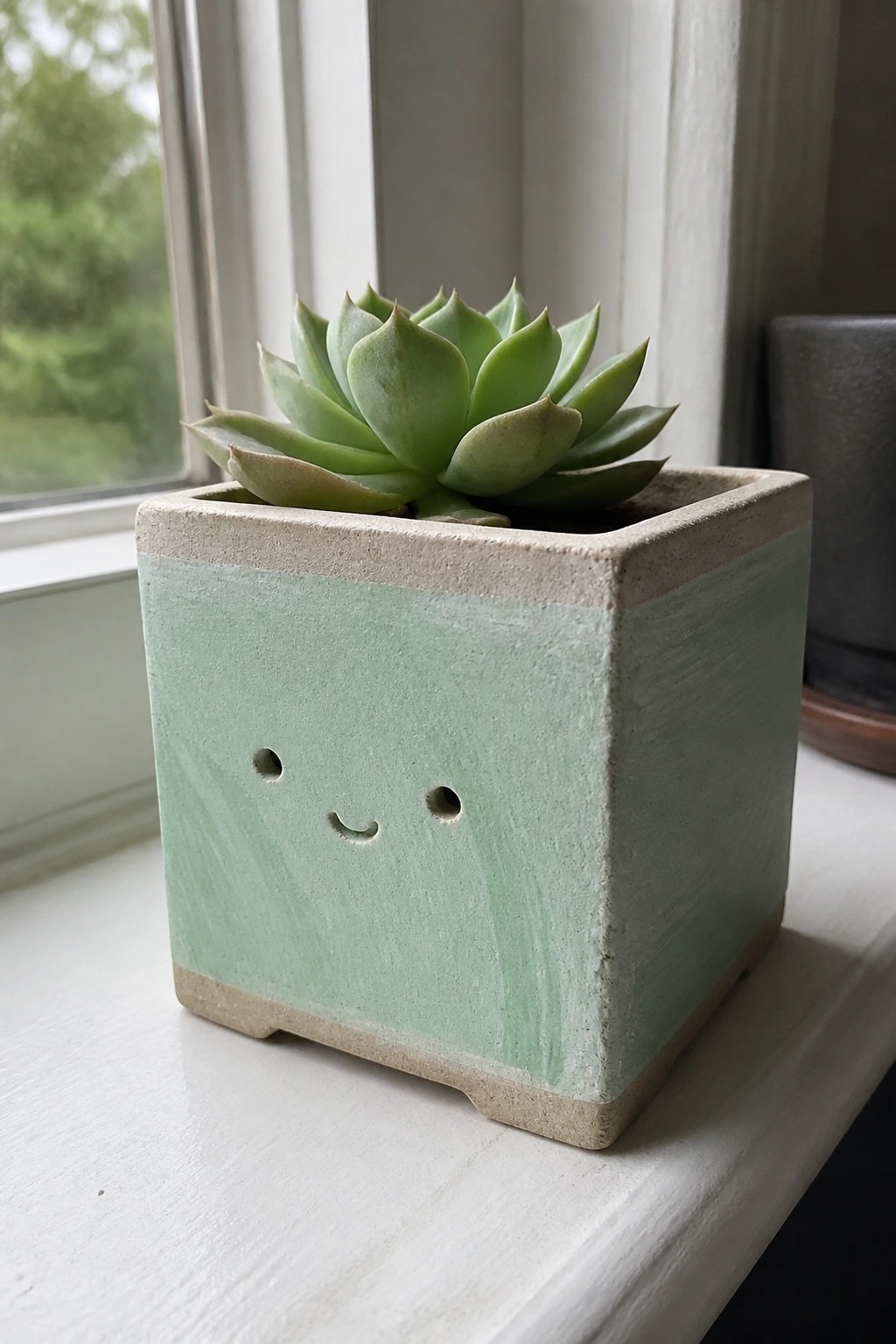
A square slab planter built from a few flat pieces of clay and joined at the corners gives you a simple container shape that holds a small plant. The front face uses two round cutouts for eyes and a curved slit for a mouth, keeping the decoration minimal and quick to add before glazing. A soft green glaze covers most of the surface while the natural clay color shows at the rim and base, which helps the form read as handmade pottery rather than a purchased item.
What makes this idea useful is the low piece count and the fact that the face detail can be cut with basic tools after the box is assembled. The same square slab method works for a taller pencil cup or a shorter ring dish by adjusting the wall height and skipping the drainage hole. You can change the expression or swap the green glaze for another color to match different rooms without changing the construction steps.
Rectangular Slab Tray with Gradient Glaze
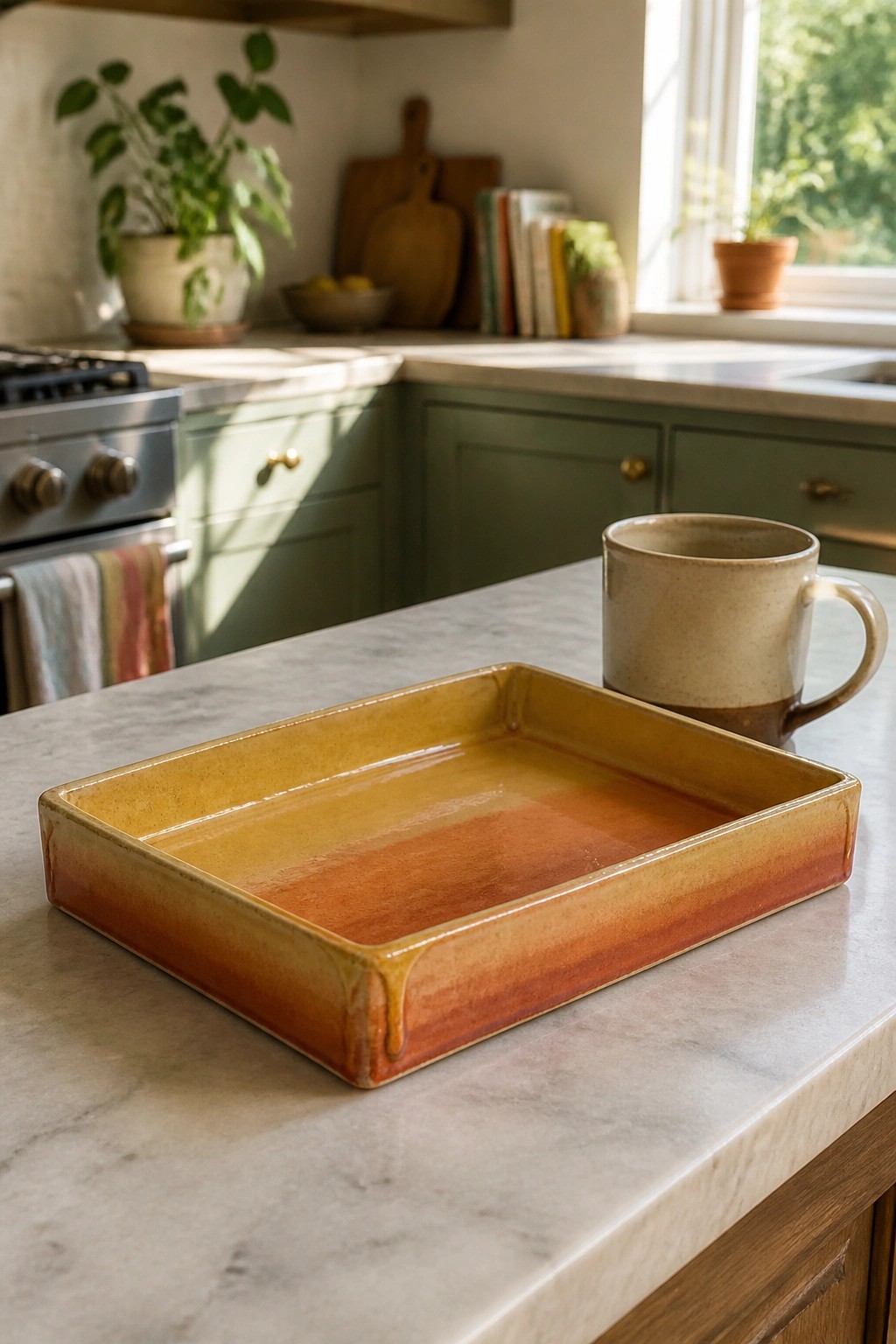
A rectangular tray formed from clay slabs creates a flat base with low upright sides that works for serving or holding small kitchen items. The glaze moves from a light yellow along the top edges into a deeper orange-red across the bottom, giving the surface a simple color shift without added patterns or texture. This style relies on the even slab walls and clean corners to let the glaze application stand out. The result is a handmade ceramic piece suited for everyday kitchen use.
What makes this idea useful is how the flat rectangle shape can be cut to different sizes for other needs like a desk tray or bathroom soap dish. You can change the glaze layers to get new color blends while keeping the same slab construction. The low sides make it stable on counters and easy to stack or store when not in use. For a first slab project, this form keeps the focus on measuring and joining rather than complex shaping.
Floral Relief Slab Tile
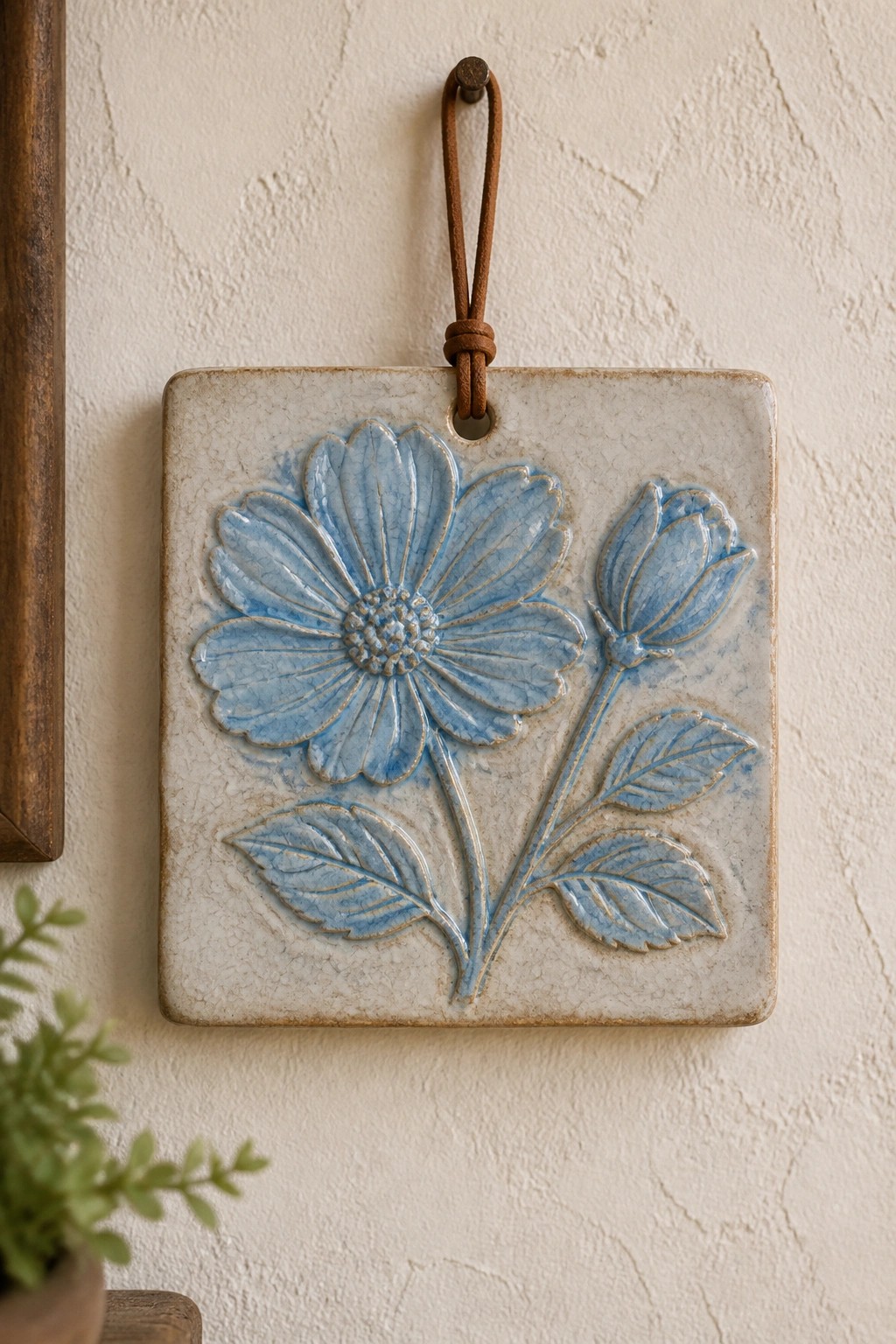
A square slab of clay rolled to an even thickness forms the base for this decorative wall piece. Clay is added on top to create a raised flower with layered petals, a smaller bud, and leaves along the stem, then the whole surface is glazed in soft blue over a light background. The finished tile is pierced near the top so it can hang from a simple leather loop, turning a flat piece into a textured decor object.
What makes this idea useful is how easily the same slab method can be adapted for different sizes or motifs. You could swap the flower for leaves or abstract shapes and still keep the raised surface that catches light and shadow. A piece like this works especially well as a single accent on a gallery wall or as a small gift that does not require a lot of clay or kiln space. The contrast between the blue relief and the lighter base also photographs clearly for sharing ideas online.
Leaf Slab Spoon Rest
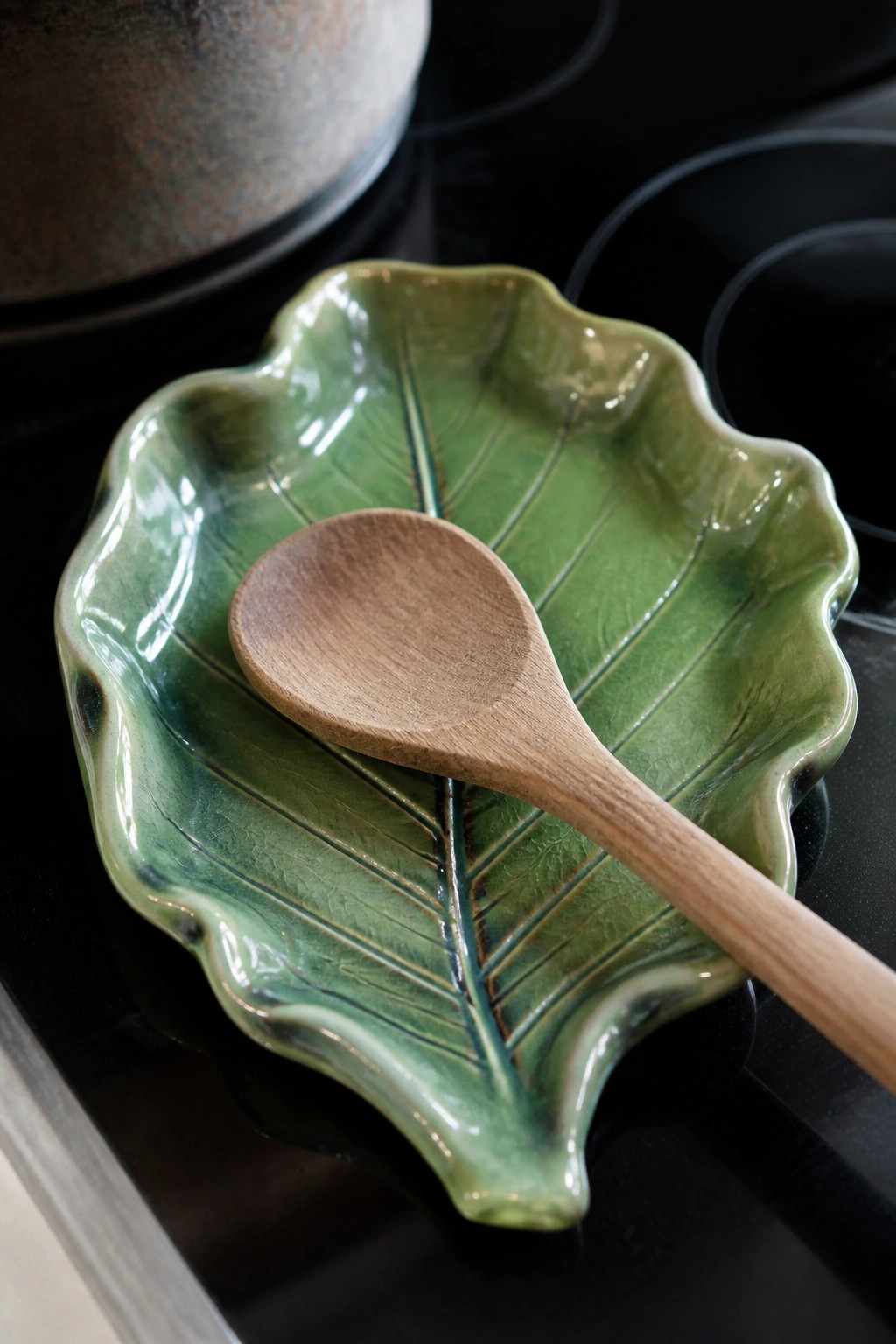
A slab of clay rolled thin and draped or pressed over a real leaf creates a shallow, organic dish that works as a spoon rest or small kitchen tray. Veins pressed into the surface give the piece realistic texture, while a single green glaze unifies the shape and highlights the natural edges. The result stays simple to form yet produces a piece that sits flat on a counter or stovetop without extra supports.
What makes this idea useful is how the same leaf-pressing method scales easily to different sizes for other kitchen tasks or even a desk catch-all. The impressed veins replace the need for carving or painting, so beginners can focus on slab handling and glazing. In a kitchen this shape keeps utensils within reach while blending with everyday surfaces, and the form can be reworked into a soap dish or small planter saucer by adjusting the depth and rim.
Small Slab Snack Bowl
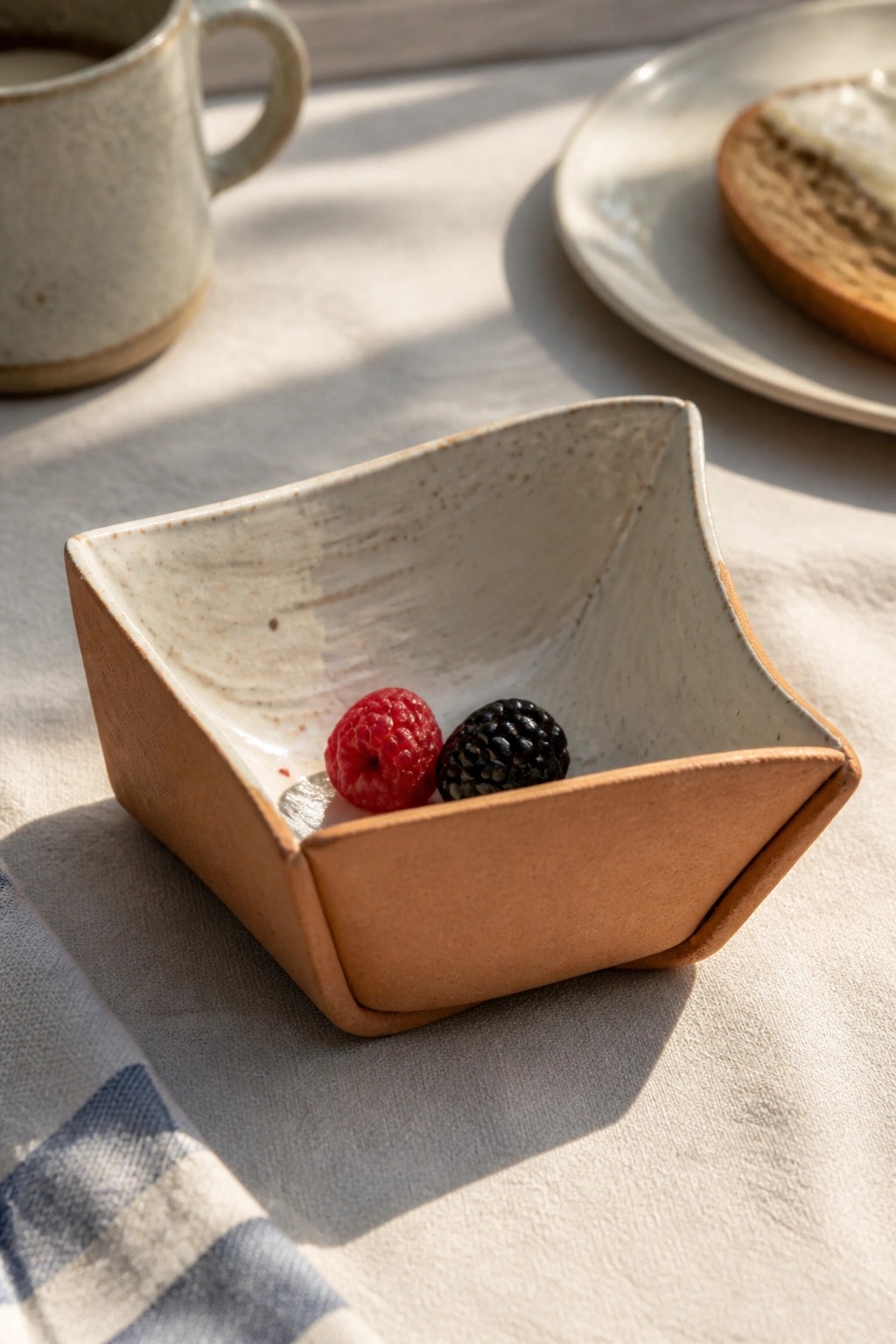
A small slab dish like this starts with a flat piece of clay cut into a soft square, then the edges are lifted and pinched to create gentle waves and corners. The result is a shallow, open bowl that works well for holding a handful of berries, nuts, or other small snacks. The two-tone finish keeps the outside simple while the light interior makes the contents stand out. This kind of project fits easily into the kitchen item category and stays beginner-friendly because it relies on basic shaping rather than precise symmetry.
What makes this idea useful is how quickly the shape can be adjusted. You can make the same dish larger for bread or smaller for spices just by changing the starting slab size. The lifted edges give it a finished look without needing extra tools or trimming. For a gift, something like this pairs well with a few fresh ingredients on top. The same method also works for making matching sets in different sizes.
Star Cutout Square Candle Holder
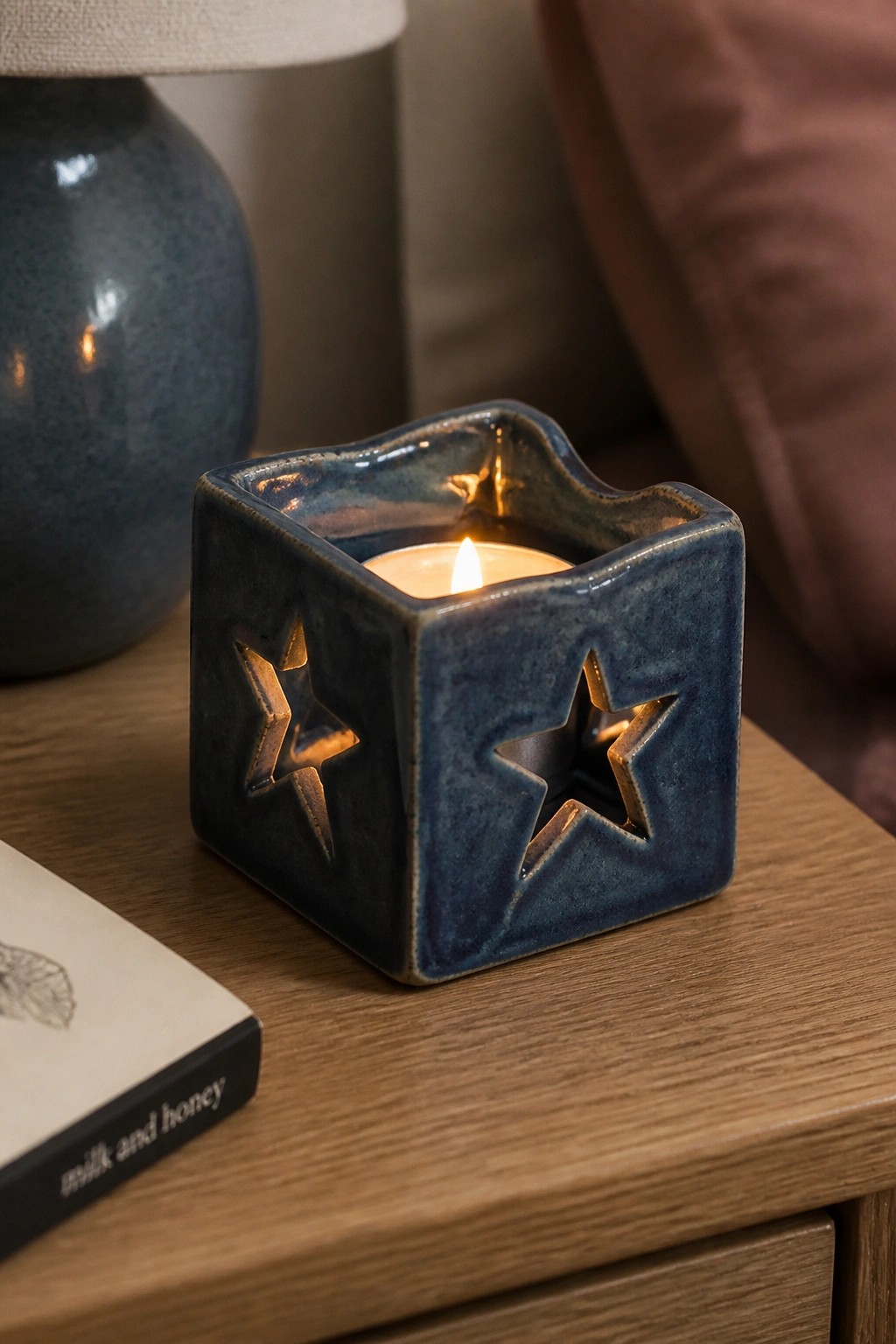
A square ceramic candle holder built from slabs works well when you cut simple star shapes through the sides before assembly. The dark blue glaze on this piece lets light pass through the openings once a tea light is placed inside. The form stays compact and sits flat on any surface without tipping.
What makes this idea useful is how easily the same slab method can switch to other cutout shapes like moons or leaves. It fits on a bedside table or desk where you want a small light source without much bulk. You could scale the size up slightly for a larger pillar candle or keep it small and make a set in different glaze colors. The cutouts also give you a quick way to personalize it for gifts by changing the motif to match the season or recipient.
Connected Double Bowl for Salt and Pepper
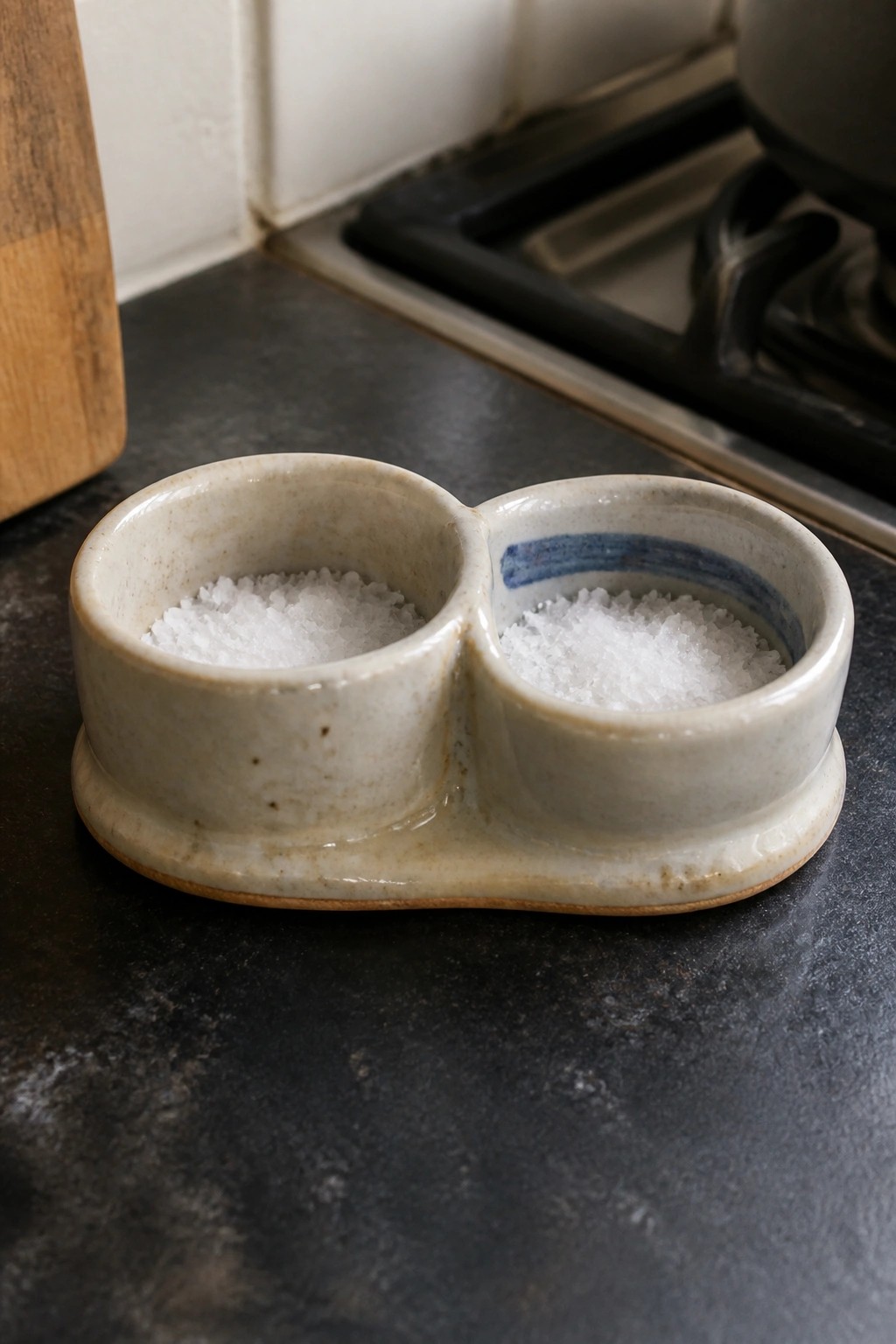
A divided ceramic dish with two round compartments works well as a kitchen salt and pepper cellar. The oval base joins the two bowls into one stable piece, and the light speckled glaze lets the simple form stay the focus. A single blue brushstroke on one compartment gives a quick visual cue to tell the contents apart.
What makes this idea useful is how the connected shape keeps two seasonings together without taking up much counter space. You can adapt the size for smaller spice mixes or change the brush mark to a different color or pattern. In a kitchen this kind of piece stays practical because it sits flat near the stove and holds just enough for daily use. The same joined-bowl layout could be reworked into a two-part holder for oil and vinegar or for small bathroom items like cotton swabs and bath salts.
Ridge Soap Dish Built from Slabs
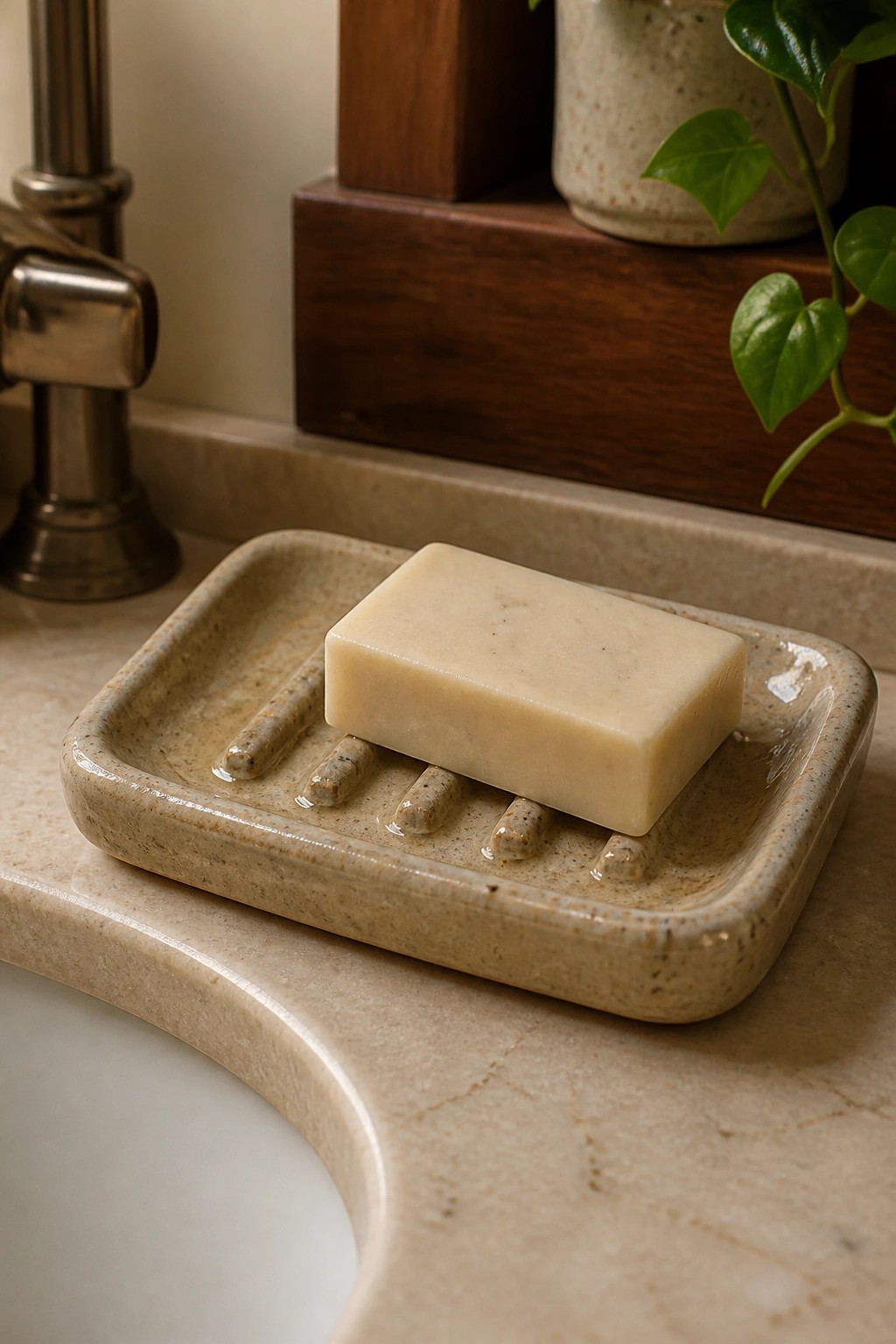
A soap dish made from clay slabs gives you a flat rectangular tray with several raised bars running across the base. The bars lift the soap so water drains underneath and the surface stays drier between uses. The speckled glaze and simple shape keep the piece looking clean on a bathroom counter while still showing the handmade texture of the clay. This project fits the bathroom item category and relies on straightforward slab cutting and joining.
What makes this idea useful is how the ridge pattern can be copied onto other flat slab forms like a small sponge holder or a tray for shaving supplies. You can change the overall size to match a standard bar of soap or shrink it for travel-size pieces. The same layout works for a jewelry dish if you skip the ridges and keep the tray flat. It shows up well in searches because it solves a real daily problem without needing complex shapes.
Cat Face Slab Planter
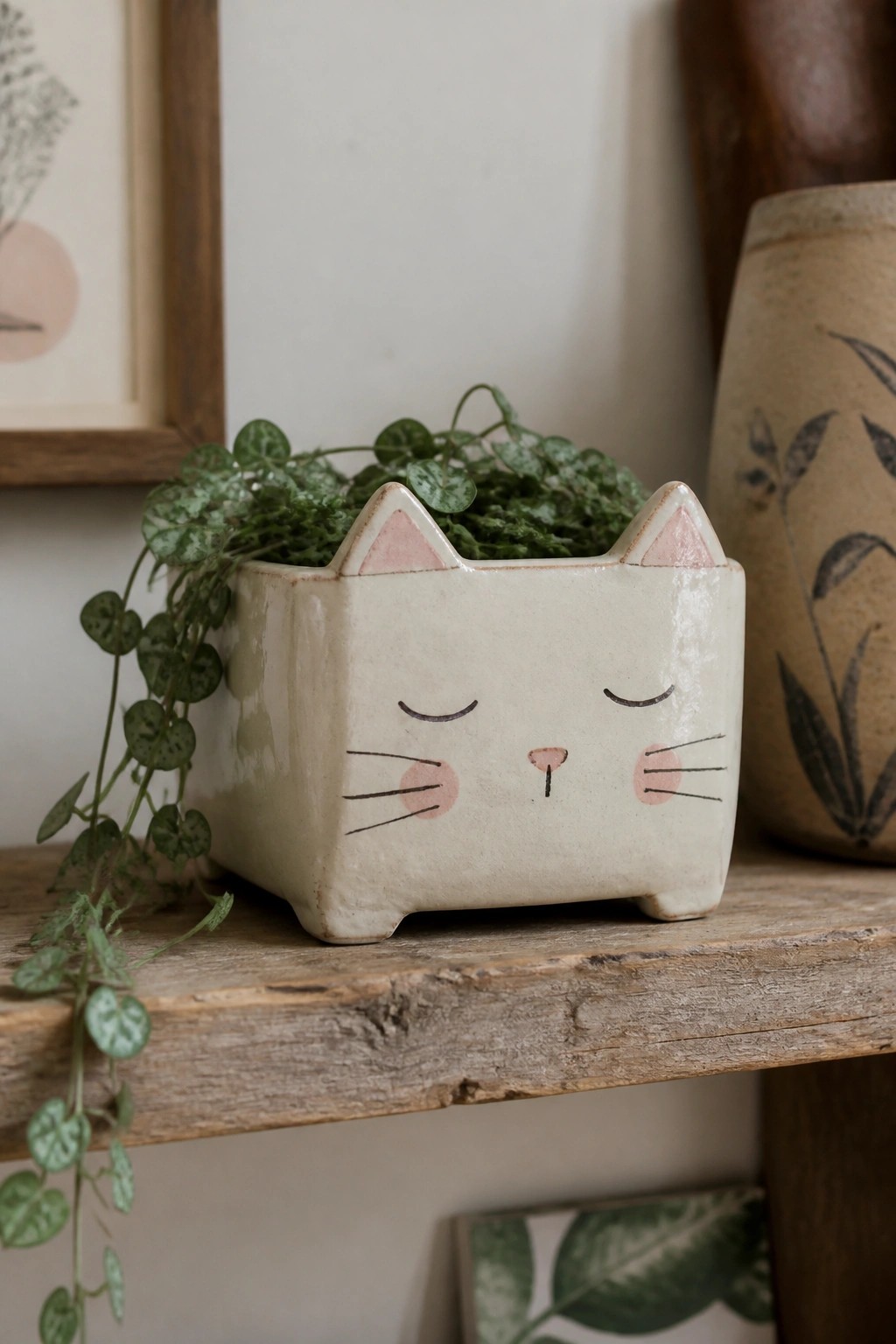
A rectangular planter formed from slabs takes on a cat shape when you add triangular ears along the top rim. The flat front surface holds simple painted details like closed eyes, whiskers, and pink cheeks that read clearly without extra sculpting. This approach keeps the project in the planter category while using basic construction that suits a small trailing plant. The white glaze with limited color accents keeps the focus on the shape and line work.
The shape does a lot of the work here because the square body gives stable soil volume without complex trimming. You could change the face to a different animal or drop the features entirely for a plain version that still functions the same. This kind of piece works especially well on a shelf or desk where a small plant needs a holder that takes up little space. For a gift, the same slab layout can be adjusted to fit a slightly larger plant or turned into a set of two with different ear colors.
Striped Slab Utensil Holder
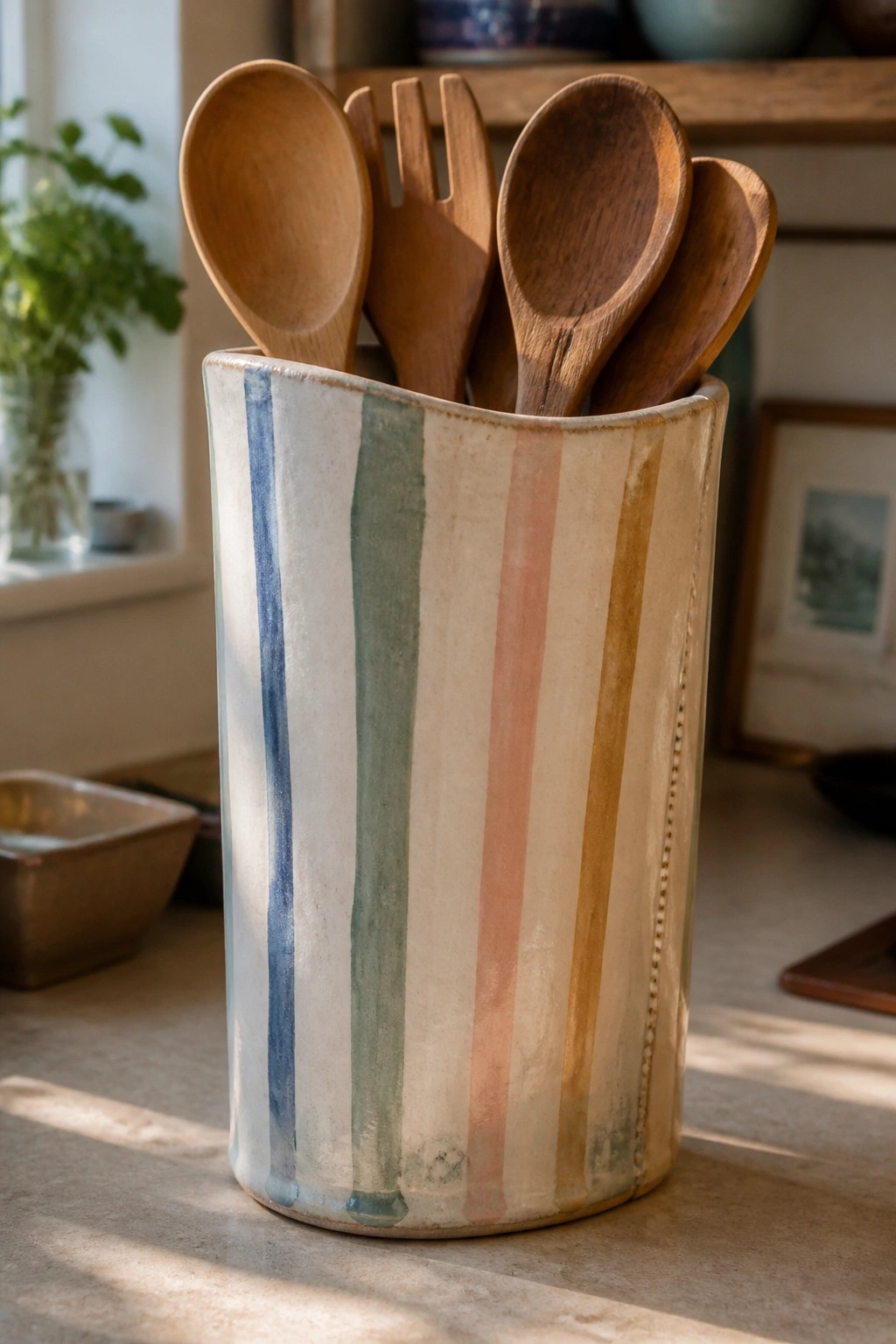
A tall cylinder built from a single slab of clay works as a kitchen utensil holder when the sides are joined cleanly and the base is attached flat. Vertical stripes of blue, green, pink, and ochre run the full height on a light background, giving the piece quick color without extra carving or added parts. The simple shape and even stripes make this a straightforward slab project that still looks finished on a counter.
What makes this idea useful is that the cylinder takes up little space yet keeps spoons and spatulas upright and within reach. You can change the stripe widths or swap the colors to match different kitchen palettes, or shorten the height to make a smaller version for desk pens. The same slab cylinder with stripes could be adapted into a bathroom toothbrush holder or a small plant pot by adjusting the diameter and adding drainage holes before firing.
Notched Yarn Bowl for Yarn Storage
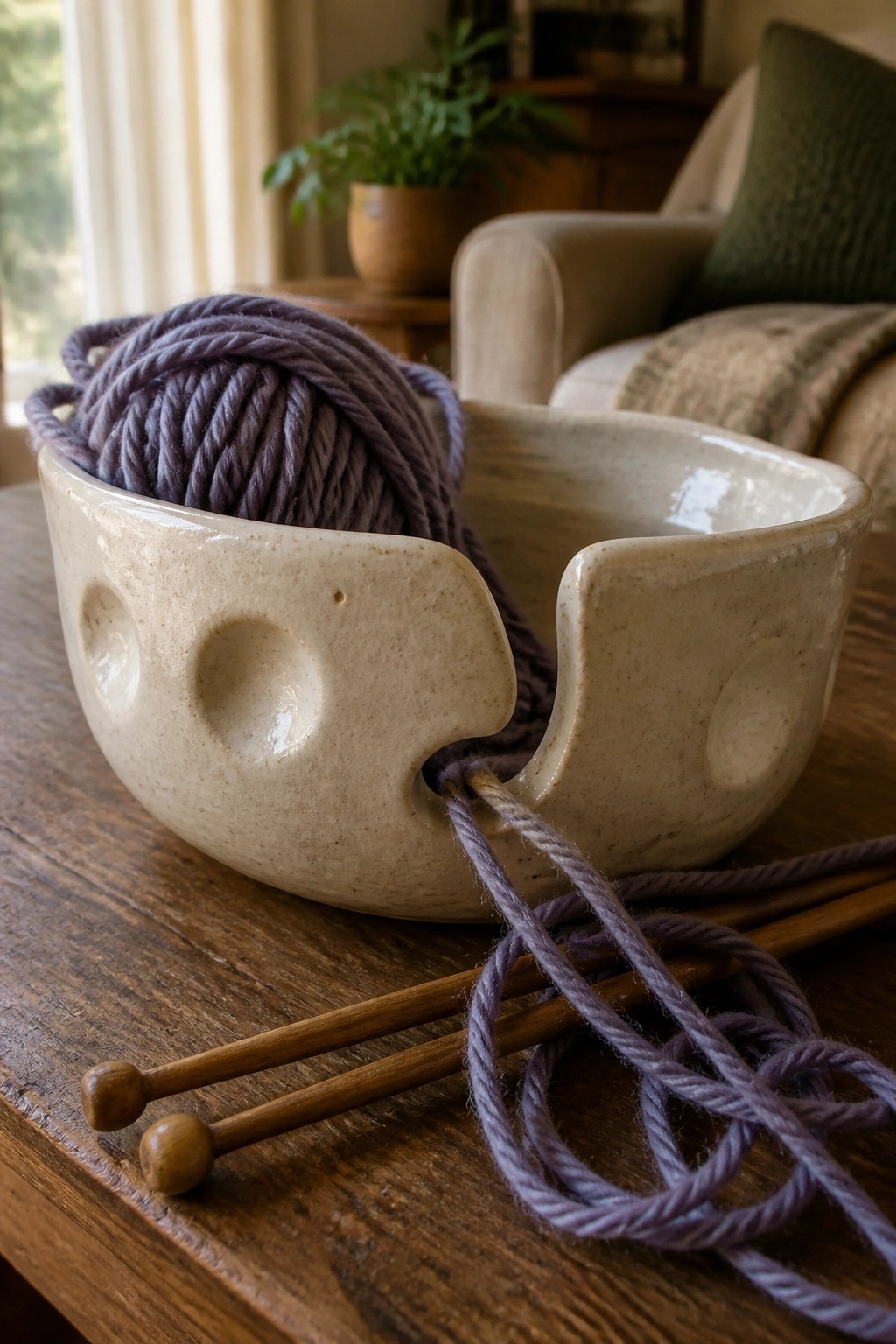
A yarn bowl is a rounded clay holder designed to keep a ball of yarn in place during knitting or crocheting. The form includes a wide top opening and a cutout notch along the rim that guides the yarn strand outward in a steady line. Circular openings punched into the side wall reduce bulk while creating a simple pattern. This project falls into the holder category and works as a dedicated craft tool rather than a general bowl.
What makes this idea useful is the way the notch and side openings solve a common problem of yarn rolling away or tangling. You can adapt the same shape by changing the notch width or spacing the side holes differently to suit thicker or thinner yarns. A piece like this works especially well on a side table or in a craft corner where knitting supplies stay within reach. The small scale makes this easy to rework as a smaller version for embroidery floss or as a basic bowl without the notch for other uses.
Ribbed Napkin Holder
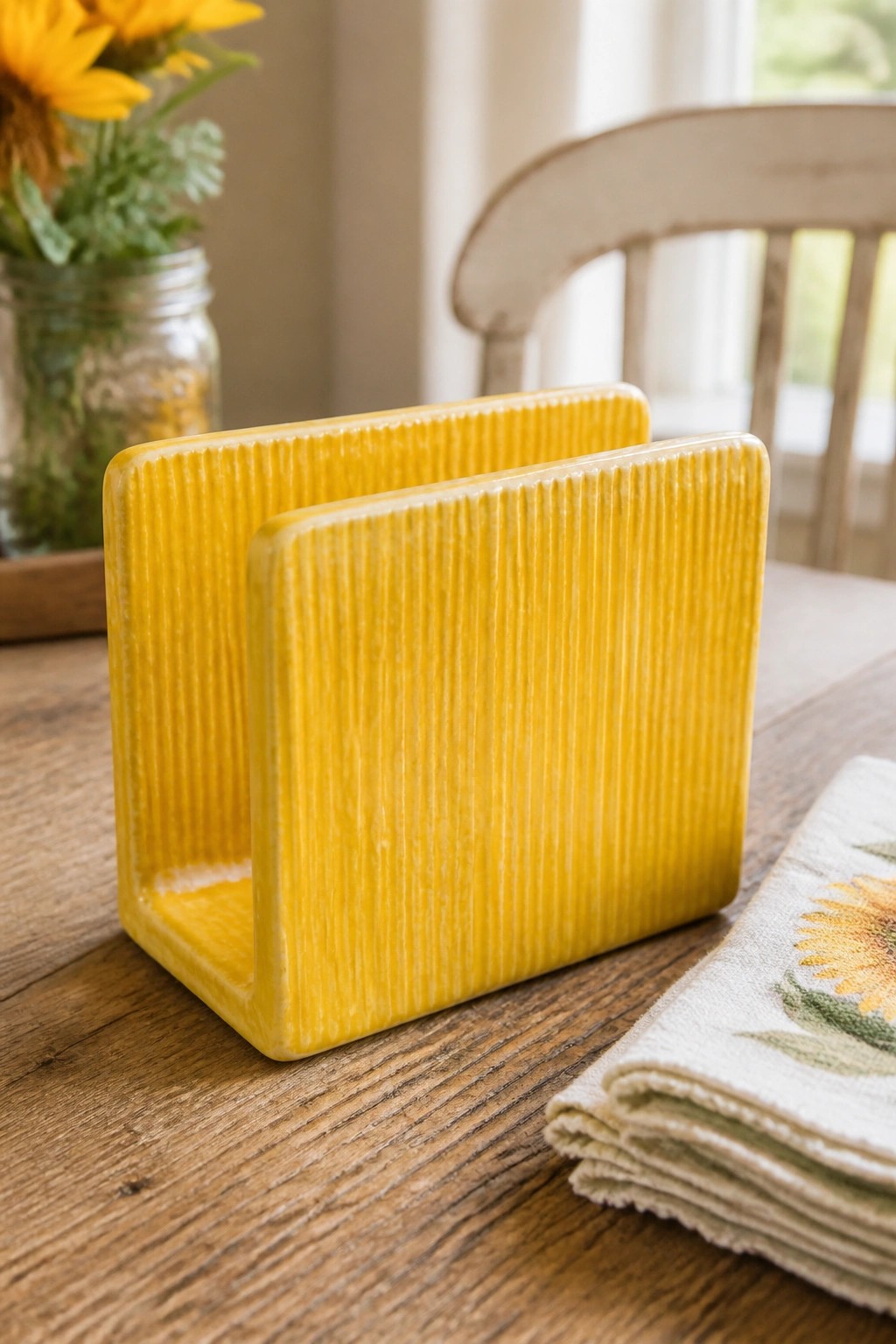
A slab-built napkin holder uses two upright walls joined by a base to keep napkins upright and easy to pull. Vertical ridges pressed into the clay before glazing add linear texture that catches light and gives the surface interest without extra carving. The bright yellow glaze keeps the piece simple while making it stand out on a wooden table.
What makes this idea useful is how the same U-shape works for mail, recipe cards, or small notebooks with only minor size changes. The ridges help beginners hide seam lines and uneven pressure when joining slabs. Swap the color to match your dishes or skip the glaze on the inside for a more matte finish. This shape uses a small amount of clay and fires flat, so it fits easily into a single kiln load.
Square Slab Coasters with Marbled Glaze
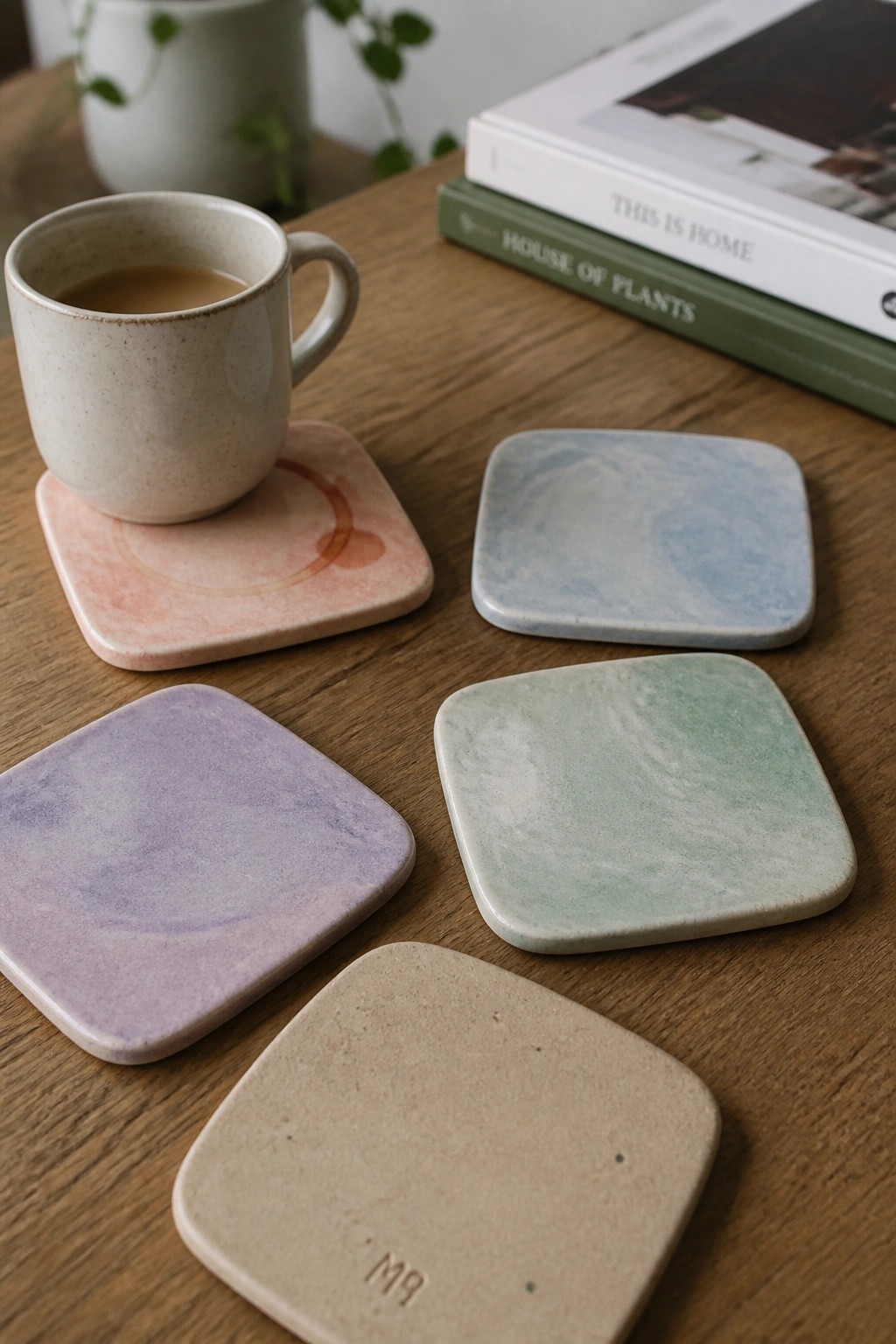
Square coasters formed from flat clay slabs give beginners a straightforward project that focuses on even rolling and clean cutting. The marbled look comes from layering or swirling soft pastel glazes across the surface so the colors blend during firing. These pieces stay thin and flat, making them practical for catching drips from mugs or glasses while keeping the emphasis on the glaze patterns rather than complex shaping.
What makes this idea useful is how quickly you can produce a full set once you have the slab rolled out. You can repeat the same size for a uniform look or vary the glaze blends across the batch to create a mixed collection. The small scale also lets you test new glaze combinations without using much material, and the same method can be scaled up later for a matching tray or small dish.
Crescent Moon Slab Tray for Kitchen Use
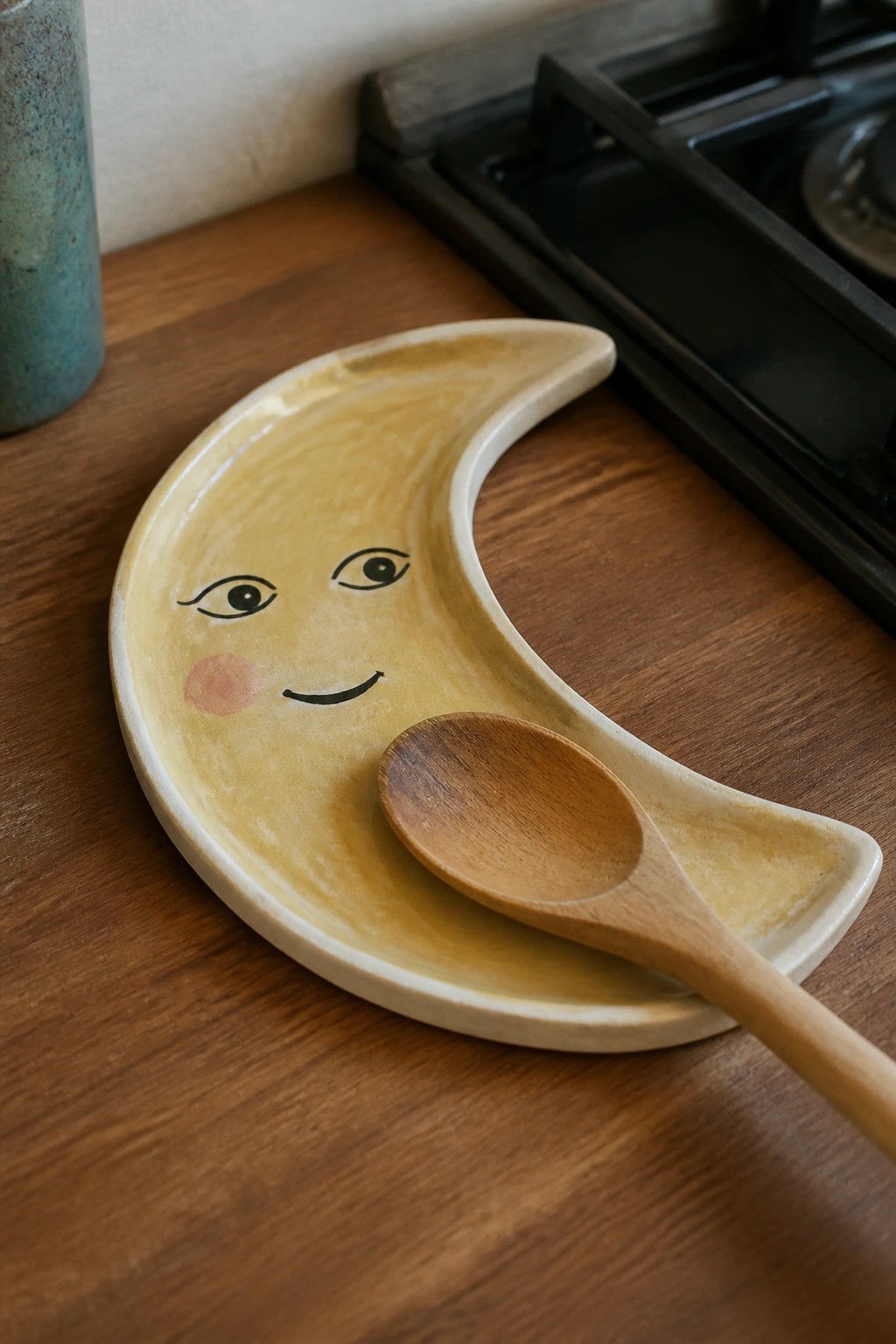
A slab-built crescent moon dish makes a compact tray or spoon rest that holds utensils without taking much space. Cut a curved half-moon shape from a rolled slab, add a low rim along the edge, and fire it with a light glaze that shows brushwork clearly. Simple painted details like eyes, a smile, and one cheek accent turn the flat surface into the main feature while keeping the form easy to repeat.
What makes this idea useful is how the curved shape cradles a spoon or small tool while the flat center stays open for other items. Scale the same moon outline down for a ring dish or up for a shallow catch-all by adjusting the slab size and rim height. In a kitchen this kind of piece sits near the stove or on a windowsill without crowding the counter. You could swap the face for simple line patterns or leave the surface plain to match different color schemes.
Slab-Built Pitcher with Simple Glaze Drips
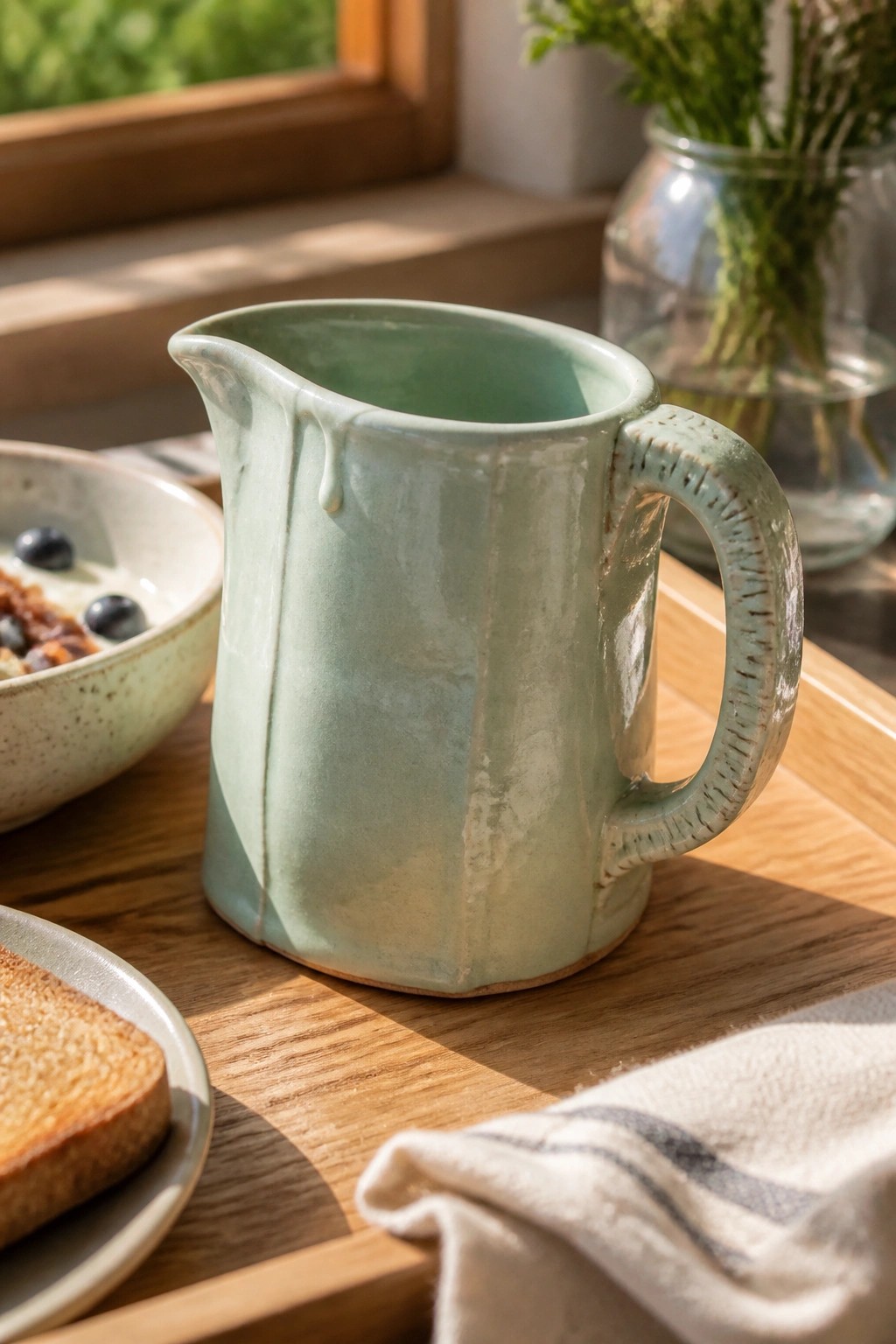
A slab pitcher starts with flat clay pieces joined into a tapered form that gives it clean vertical lines and a stable base. The soft mint glaze with a few intentional drips highlights the seams from construction while keeping the surface smooth for easy cleaning. A pinched or rolled handle with light texture adds grip without needing extra attachments. This kitchen item works for pouring milk, cream, or dressings at the table.
What makes this idea useful is how the basic slab template can be resized for a small creamer or taller jug in one session. The handle texture comes from pressing a tool or stamp into the clay before attaching it. In a kitchen, this shape sits well on a tray with plates and bowls or next to a coffee setup. You could reuse the same slab method to make a matching butter dish or small vase by changing the top rim.
Divided Slab Tray for Rings and Small Jewelry
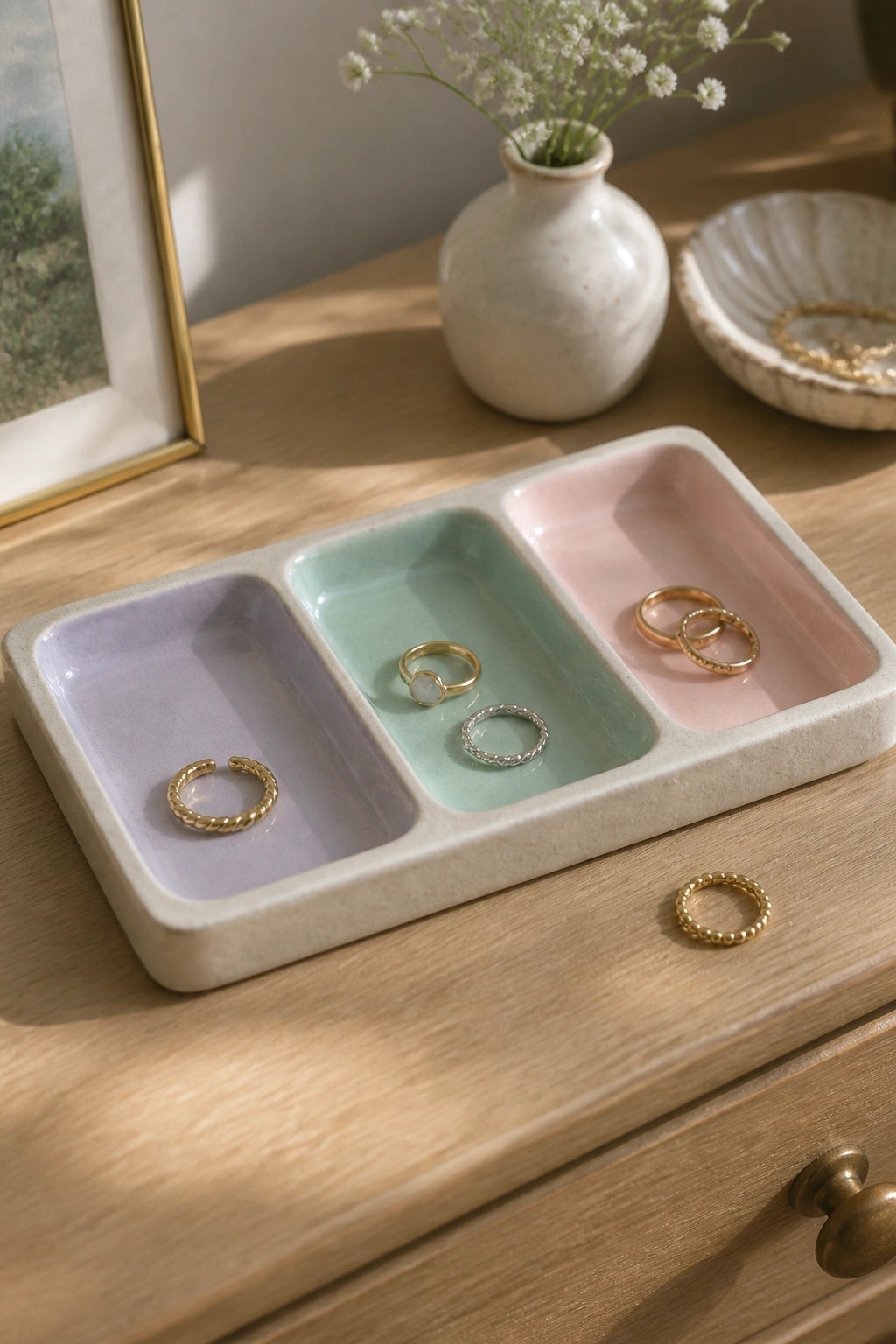
A rectangular tray built from one flat slab and divided into three sections creates a simple organizer for rings or other small items. Each compartment receives its own glaze color while the outer rim stays unglazed, giving clear visual separation without added pieces. The low walls and flat base keep the tray stable on any flat surface and make it easy to form from a single rolled-out slab.
What makes this idea useful is how quickly the same layout can be adjusted for different needs. Cut the slab slightly larger or smaller depending on how many rings you want to store, or change the glaze colors to match a specific room. It works well on a dresser, nightstand, or bathroom counter where daily jewelry needs a consistent spot. You could also turn the same divided shape into a small soap dish or spice tray by altering the depth and finish.
Speckled Incense Cone Holder
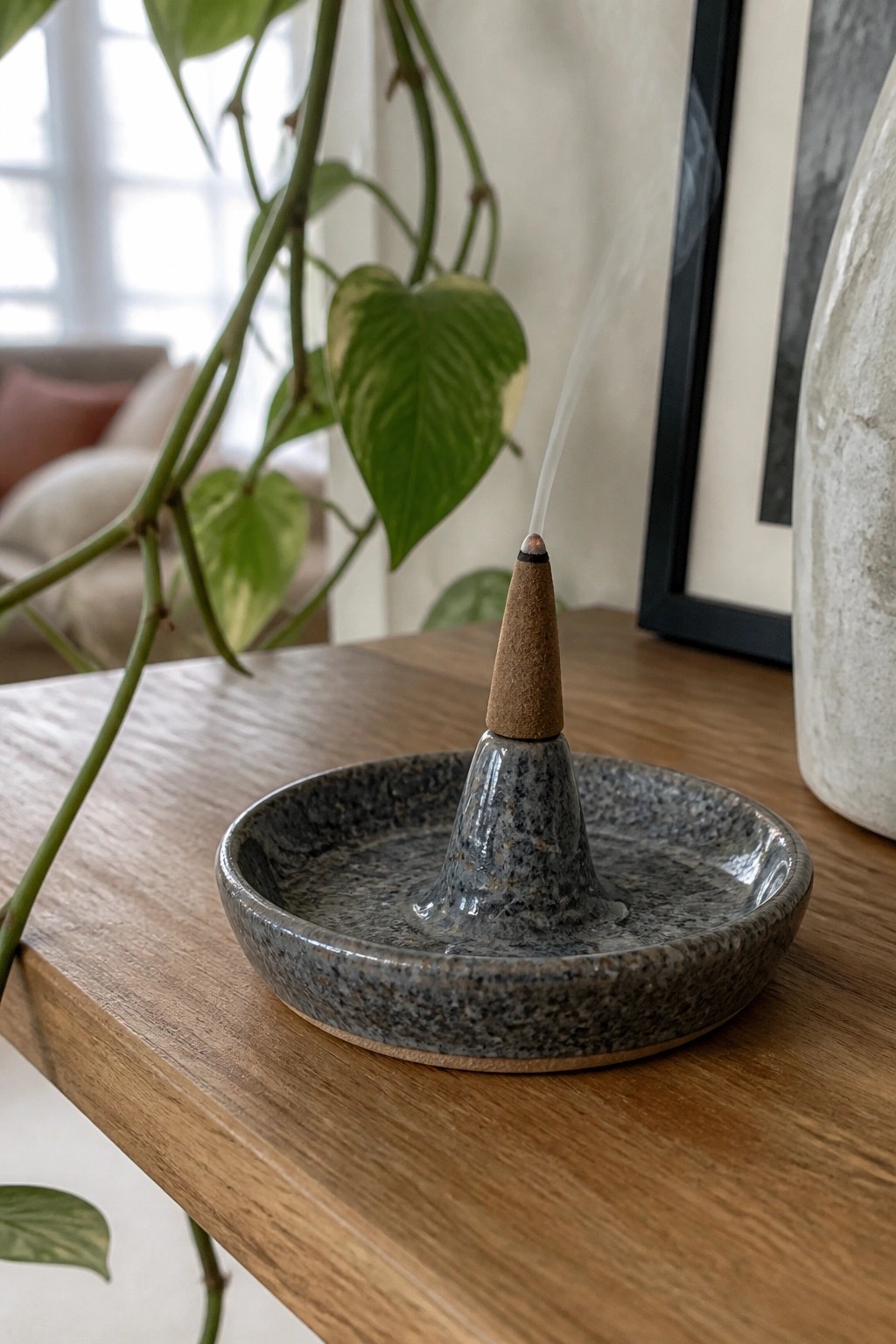
A small slab-built dish with a raised central cone works well as an incense burner. The shallow bowl catches ash while the tapered cone keeps the incense upright during use. A dark speckled glaze adds subtle texture without overpowering the simple form, and the compact size keeps it practical for everyday surfaces.
What makes this idea useful is how easily the shape can be cut from a single slab and assembled in one session. The low profile lets it sit on a desk, shelf, or windowsill without taking much space. You could swap the glaze for a lighter color or add a simple stamped pattern around the rim to change the look. This same base shape also adapts quickly into a small ring dish or candle holder by adjusting the center height.
Small Whale Figurine with Simple Glaze Waves
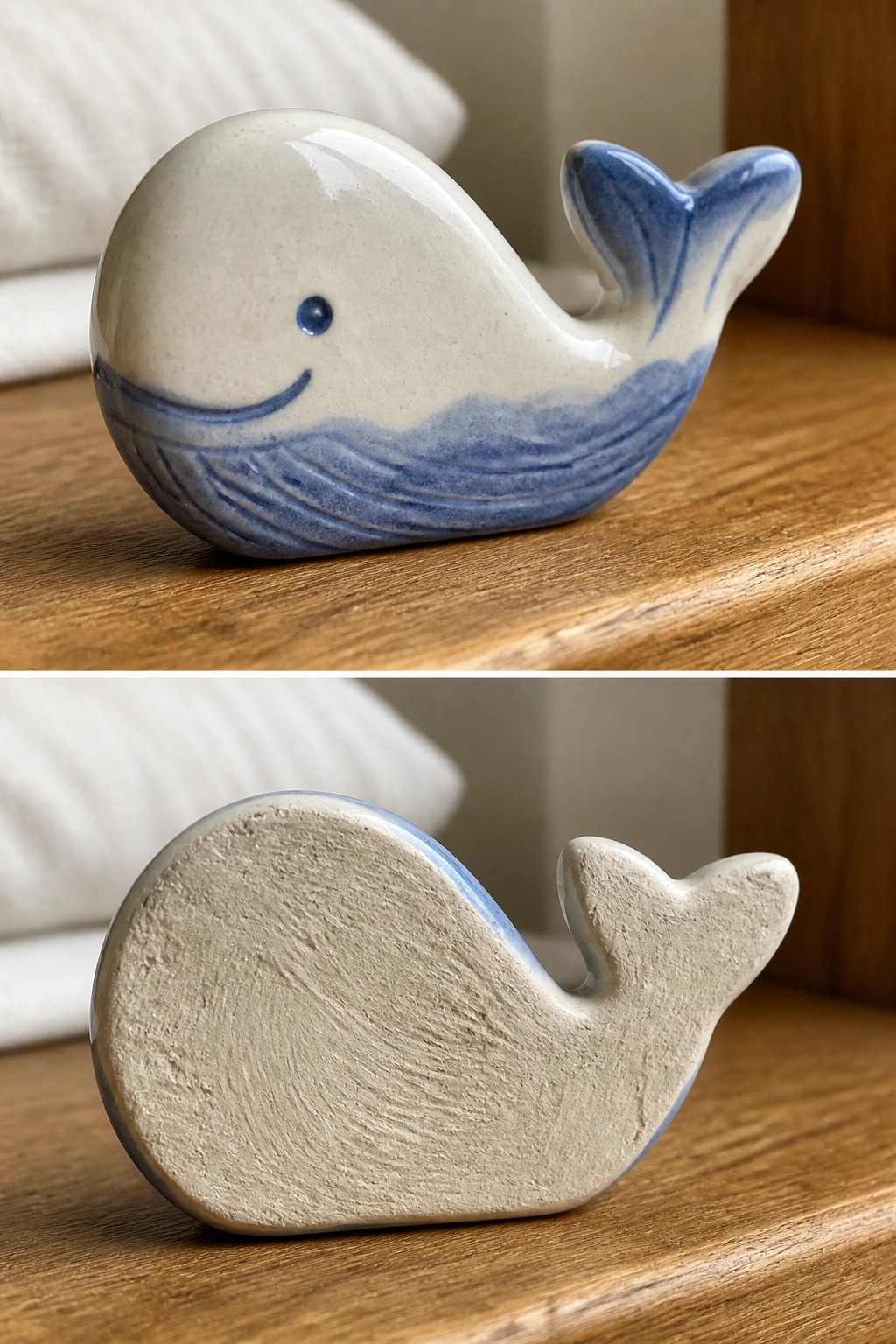
A small whale figurine makes an easy handbuilt project since the body and tail can be shaped from one piece of clay. The lower half uses blue glaze brushed in loose horizontal strokes to suggest water while the upper body stays light for contrast. A single dot eye and curved mouth line keep the face minimal and clear. This decor object works as a standalone piece or part of a small animal collection.
What makes this idea useful is the compact size that lets you practice basic forming and glazing with little material. You could adapt the same shape into a paperweight by leaving the base flat or add a hole before firing to make a pendant. The wave motif shows how simple brushwork adds interest without needing precise lines. In a bathroom or on a desk, this kind of piece fits with other small coastal items.
Rectangular Slab Tray for Everyday Use
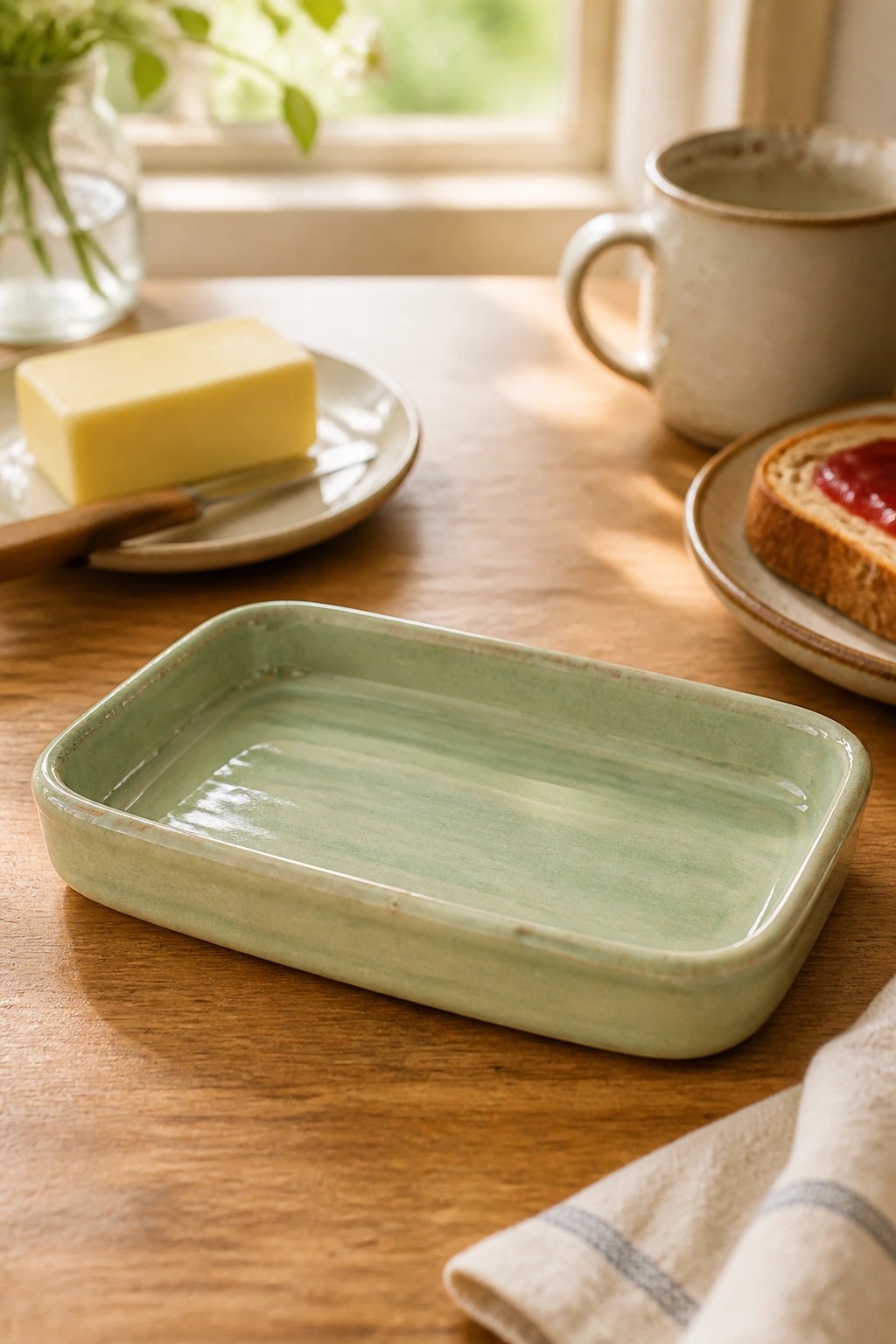
A rectangular slab tray like this one makes a practical kitchen item for holding butter, small snacks, or condiments. The shape comes from a flat slab with edges folded up to create low sides, finished with a light green glaze that shows soft horizontal streaks from how the glaze was applied. This approach keeps the piece simple while giving it enough visual interest through the glaze texture and muted color.
What makes this idea useful is how the proportions can be changed easily for other uses, such as a longer version for a spoon rest or a narrower one as a desk organizer. The streaky glaze can be copied with a basic brushing technique that works on any slab project. In a kitchen setting, this kind of tray stays functional without taking up much space, and the same slab method can be adapted into a matching set of small dishes.
Wavy Rim Catch-All Dish
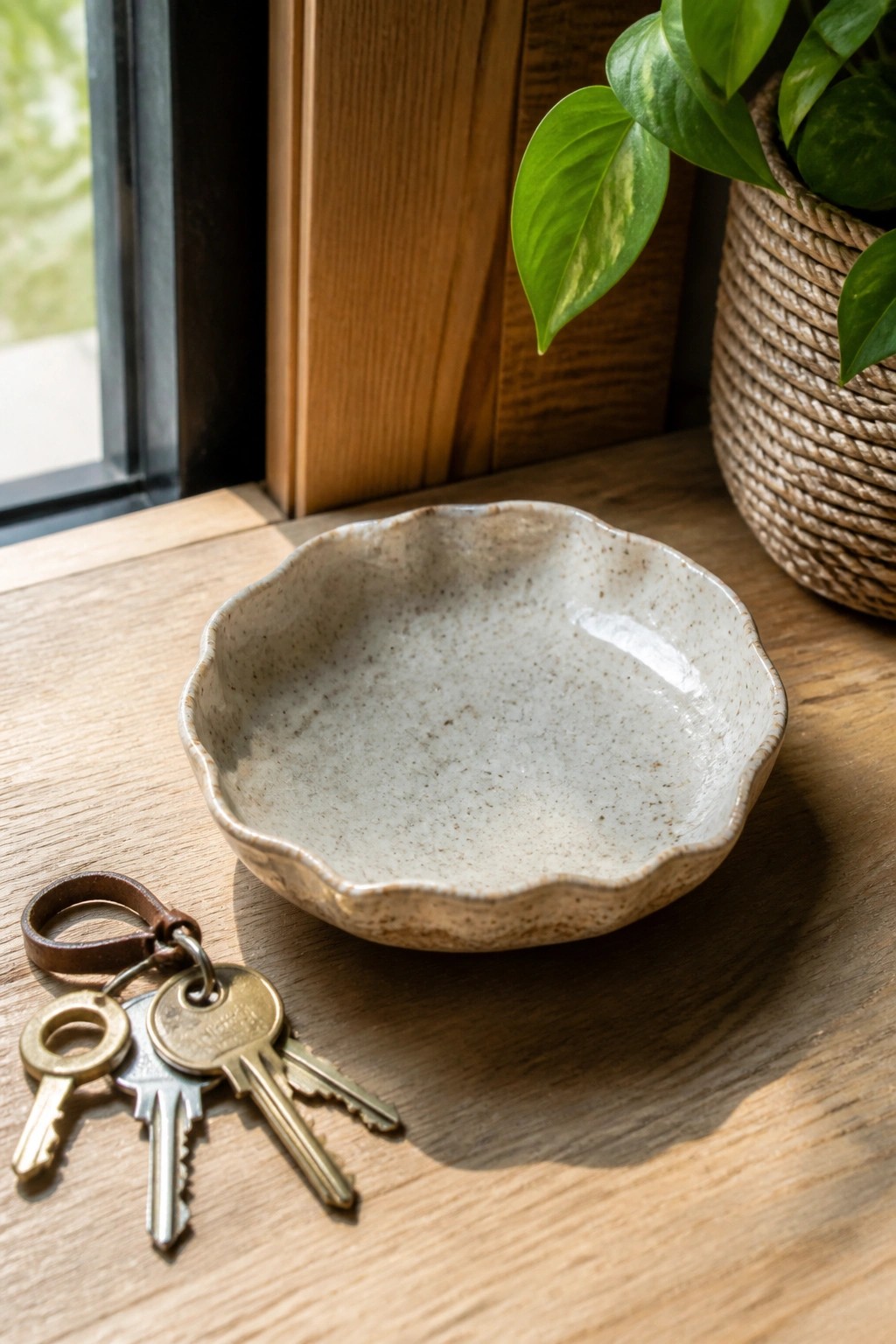
A small slab-built dish with an uneven wavy rim makes a practical catch-all for keys, coins, or jewelry. The freeform edge comes from cutting the slab by hand instead of using a template, which keeps the shape relaxed and organic. A simple speckled glaze in neutral tones lets the clay texture show through without adding extra decoration.
What makes this idea useful is how quickly it solves a daily clutter problem on an entry table or dresser. You can rework the same slab method into a slightly larger tray for mail or a narrower version for a bathroom soap dish. The irregular rim photographs cleanly against wood or linen backgrounds, which helps finished pieces stand out in project shares.
Slab-Built Pedestal Candle Tray
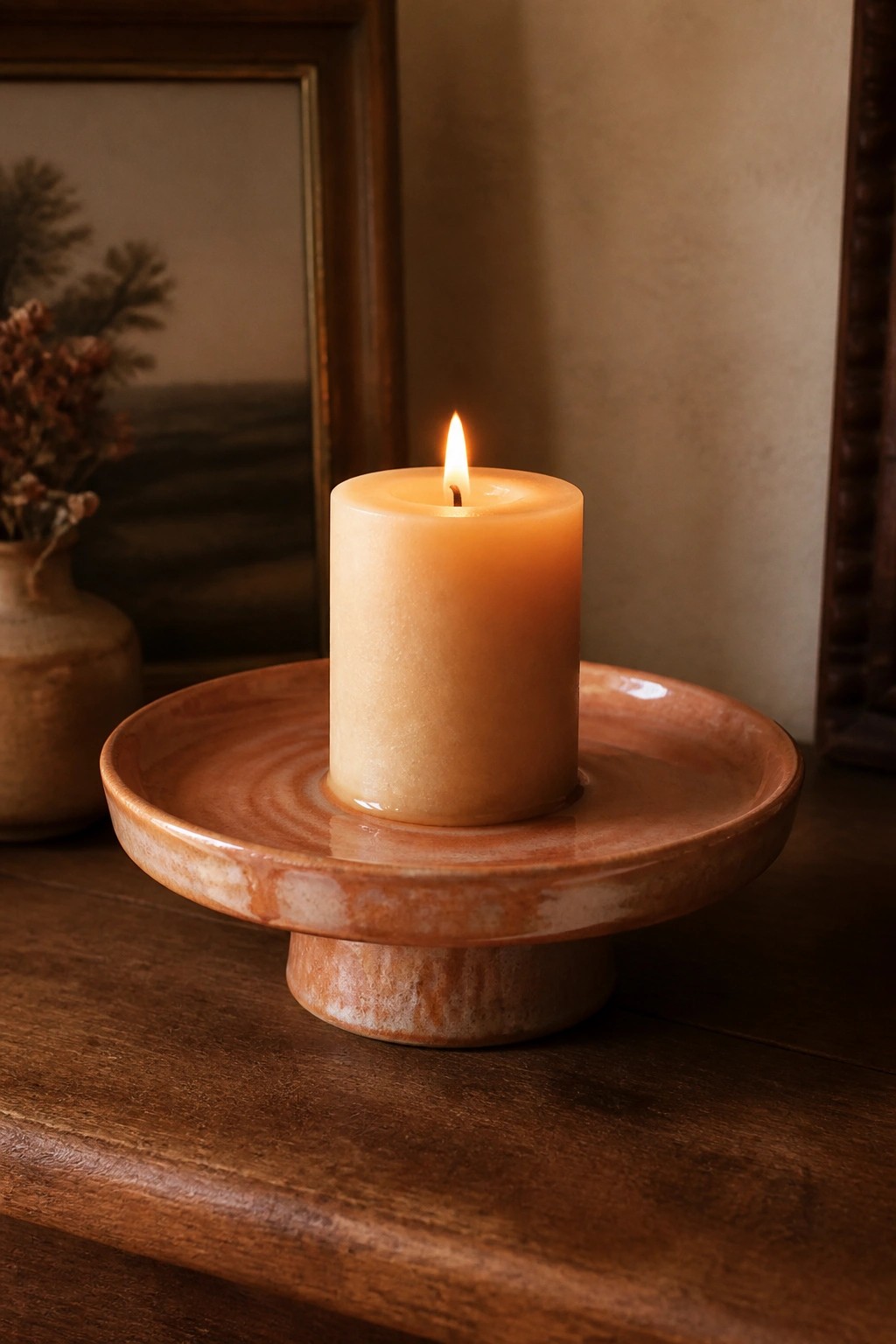
A slab-built pedestal tray serves as a stable candle holder by combining a flat circular top with a short raised foot. The shallow rim around the edge keeps a pillar candle centered while the base lifts the piece off the surface. An earthy glaze with natural color variation gives the tray a simple finished look that works in most rooms. This project stays beginner-friendly because it relies on basic slab rolling, cutting, and joining without needing a wheel.
What makes this idea useful is how quickly you can resize the top diameter to match different candle widths or repurpose the same form as a small soap dish. The raised foot adds height that prevents wax from touching furniture and makes the tray feel more intentional than a flat plate. You could adapt it by adding a gentle curve to the rim or glazing only the interior for contrast. For a gift this shape works well because it stays practical while looking more complete than a plain slab.
Hanging Slab Pocket Planter
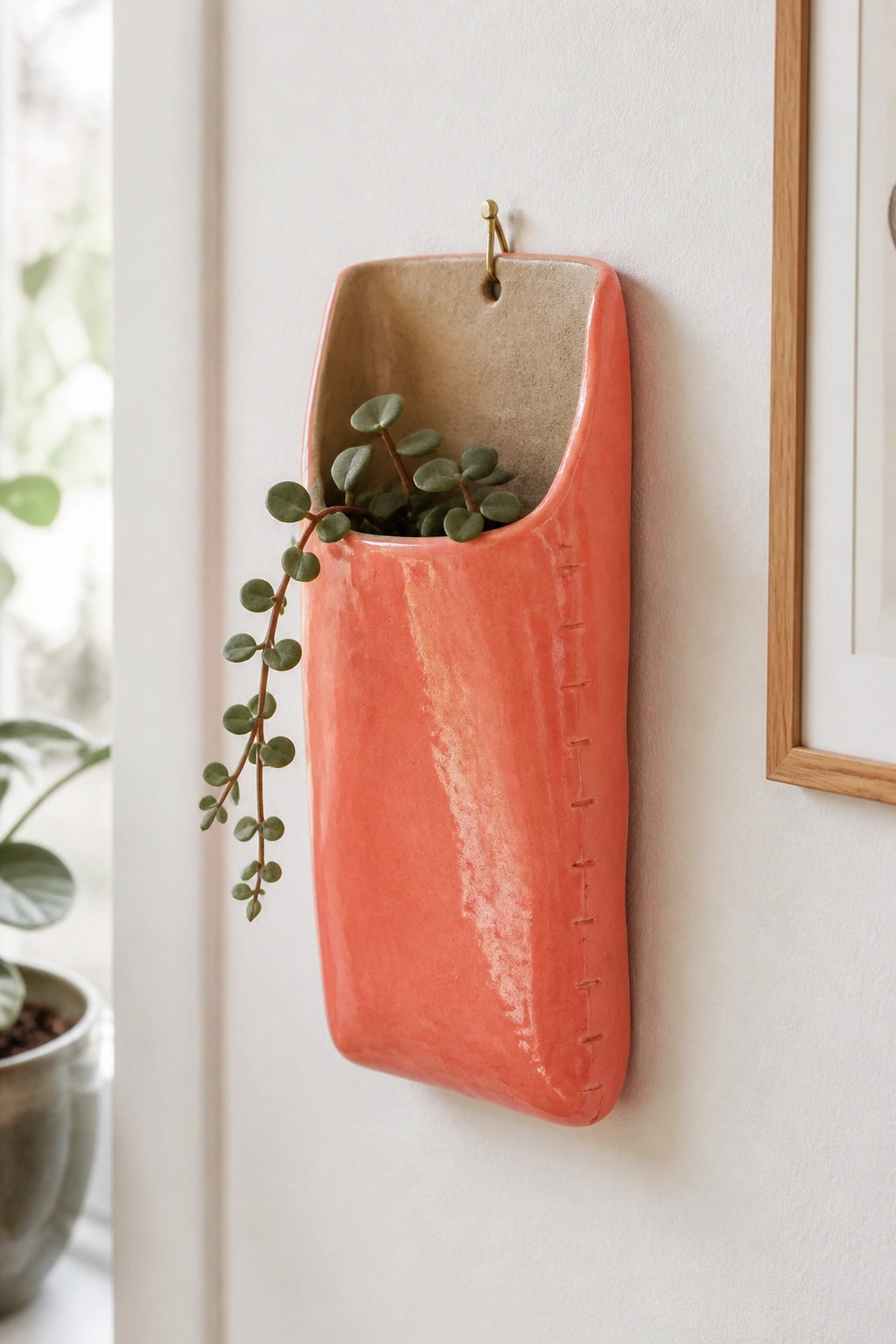
A slab-built wall planter forms a simple rectangular pocket with a flat back and an open top. The piece uses a single hanging hole near the rim so it sits flush against the wall on a small hook. A bright coral glaze covers the outside while the interior stays matte, which keeps the focus on the clean slab form and the way plants drape over the front edge. This works as a basic planter project that relies on straightforward cutting and joining rather than complex shaping.
What makes this idea useful is the flat back and minimal hardware, which lets you hang it in tight spaces like a kitchen nook or above a desk. You can adapt the proportions to make a wider version for multiple small plants or shorten it for a single succulent. For a gift, something like this stands out because it needs only a small plant and takes up no shelf space. The same slab layout could be turned into a mail holder or a shallow bathroom caddy by changing the depth and skipping the drainage.
Frequently Asked Questions
What basic tools and materials are essential for trying slab pottery projects as a beginner?
Start with a few affordable items like a rolling pin or slab roller, canvas cloth to prevent sticking, a ruler, scoring tool, and basic clay such as stoneware or earthenware. Keep a spray bottle handy for moisture control and simple cutters or templates for shapes. These allow you to follow the 24 ideas without extra expense while focusing on building even slabs and clean joins.
How do I stop slab pottery pieces from warping or cracking during drying?
Dry projects slowly under plastic wrap for the first day or two to control moisture loss evenly. Place them on a flat surface and flip them occasionally. Avoid thick slabs over half an inch and score and slip all joins well. These steps help the ideas in the article succeed and reduce frustration so you gain confidence faster through consistent results.
Which beginner slab pottery ideas work best if I have never worked with clay before?
Simple flat projects like coasters, small trays, or wall hangings let you practice rolling even slabs and basic cutting without complex assembly. Move to boxes or vases only after mastering those. The article highlights quick wins like these to create finished pieces in one session and build momentum through visible progress.
How can I use these 24 ideas to improve my skills and confidence in just a few weeks?
Choose one project per session and repeat variations such as changing sizes or adding textures. Track what works well in a notebook to refine your technique. Completing multiple easy wins quickly shows steady improvement and turns initial doubts into reliable habits for more advanced work later.
What finishing steps like glazing or firing should I consider after making these slab projects?
Let pieces dry fully for a week before bisque firing at your local studio. Apply food safe glazes in thin coats for the ideas meant for daily use. Test small batches first to learn how colors turn out. This knowledge turns simple slabs into polished results that reinforce your growing skills.

Pottery Path is my cozy corner of the internet where I share clay ideas, pottery inspiration, and simple projects you can recreate at home. I love exploring everything from air dry clay to handbuilt pottery to cute minis that brighten your day. My goal is to make clay crafting feel easy, fun, and welcoming for anyone who wants to try it.
You will find beginner friendly tutorials, creative pottery painting ideas, and lots of warm inspiration for slow and happy crafting. If you enjoy hands on creativity, this space will feel like home.