I got into slab pottery a couple of years ago because it felt manageable even without much experience on the wheel.
It works well for making flat pieces that I can turn into trays, coasters, or small containers with just basic tools.
Over time I have used these projects to make gifts for family and a few things that now sit around my own house.
The process stays simple and does not demand perfect technique to end up with something usable.
Here are 22 ideas that focus on easy slab projects for gifts and home decor.
Rectangular Slab Jewelry Tray

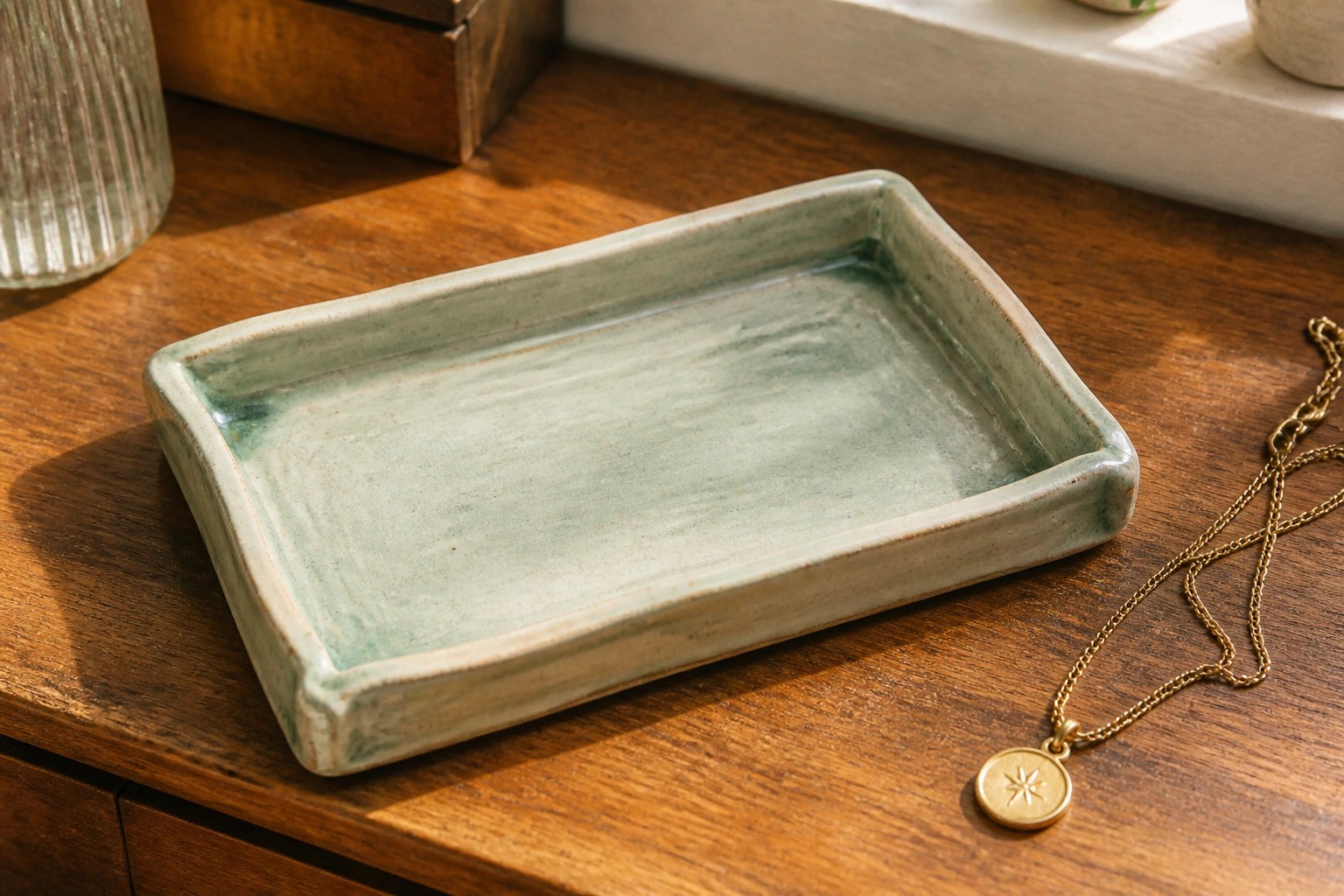
A small rectangular tray built from a flat slab of clay works well as a catch-all for rings, earrings, or keys. The low sides curve gently upward to keep items in place while the soft green glaze with light speckling adds subtle color variation across the surface. This project stays simple because the form relies on basic cutting and shaping rather than complex attachments or carving.
The shape does a lot of the work here since a rectangle cuts quickly from a slab and forms easily over a mold or by hand. You could scale it down for a ring dish or widen it slightly for a desk organizer. In a bathroom this kind of tray holds soap or small bottles without taking much space, and swapping the glaze for a matte finish would make it feel more modern.
Polka Dot Slab Spoon Rest

A slab-built spoon rest creates a flat, stable surface that keeps spoons from touching the counter during cooking. The shape uses a low rim along three sides and a small notch at one end to hold the spoon handle in place. Light glaze with scattered gold dots gives enough contrast to show up on a countertop while staying simple to wipe clean.
What makes this idea useful is how the flat form takes up little space yet stays right where you need it on the stove or counter. You can swap the gold dots for any color or try stripes instead, or shorten the slab to make a version that fits inside a utensil crock. In a kitchen this kind of piece works well as a quick gift when paired with a wooden spoon, and the painted detail helps it photograph clearly for sharing.
Rectangular Slab Planter for Small Plants
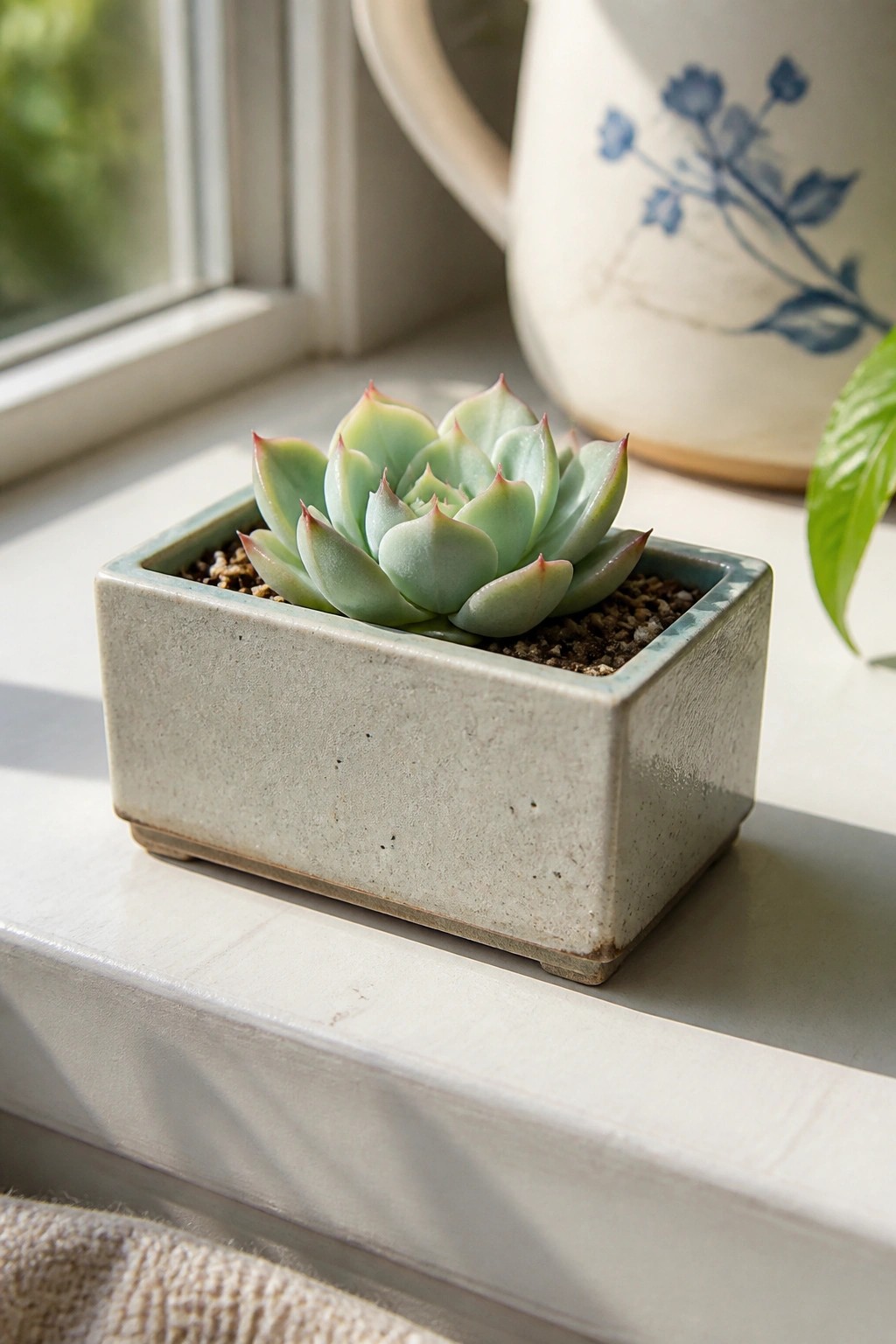
A rectangular slab planter gives you clean straight sides and a low profile that works well for succulents or small houseplants. Cut four side slabs and a base from rolled clay, then join the pieces at the seams and add a simple rim for strength. The soft matte glaze and subtle texture on this version keep the pot from overpowering the plant while still showing the handmade surface.
What makes this idea useful is how quickly the shape can be adjusted to fit a windowsill, shelf, or desk corner. You can make the sides taller or shorter depending on the plant roots, or add a drainage hole before the final firing. The same box form could be widened into a shallow tray for jewelry or keys, or repeated in a set of three different lengths for a grouped display.
Slab-Built Wall Planter with Heart Relief

A slab-built wall planter gives you a simple way to display small trailing plants without taking up shelf space. The square form has a heart shape pressed into the front surface, and the pastel glazes in pink, blue, and purple are applied with soft overlaps so the colors blend across the clay. A single hole in the back lets the piece hang flat on a wall hook.
What makes this idea useful is the shallow depth that keeps the planter close to the wall while still holding soil and roots. You can change the pressed motif to a different shape or skip the color blending and use one glaze for a quicker version. The same slab construction works for making a row of matching planters in different sizes. For a gift, this shape pairs easily with a plant cutting from a common houseplant.
Looping Line Mug

A handmade ceramic mug features a series of overlapping loops painted in blue, green, and pink around the body. The lines vary slightly in thickness and curve naturally, with a few matching stripes added to the handle. The design sits on a light speckled clay surface that remains visible between the colors, keeping the overall look simple and balanced.
The painted loops let you add interest to a plain mug shape without extra tools or textures. You can repeat the same pattern on a set of mugs using different color combinations or shrink the loops to fit a smaller cup form. This style works well as an everyday coffee mug or as a quick gift project that still feels personal.
Leaf-Shaped Ring Dish
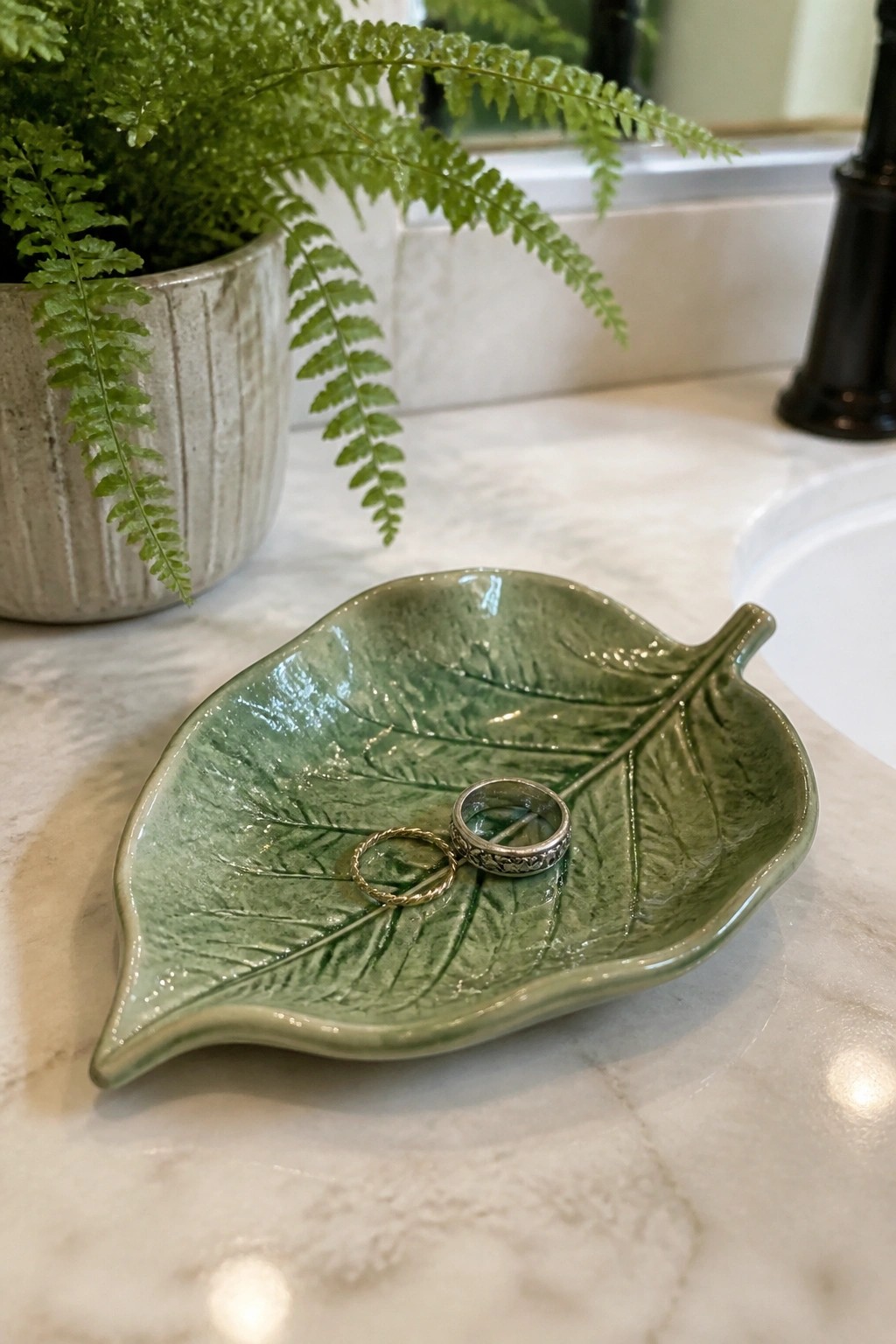
A slab of clay rolled out and cut into a simple leaf shape creates a small dish that holds rings or other jewelry. Veins pressed into the surface before drying add texture, while a glossy green glaze brings out the leaf details and makes the piece easy to clean. The shallow form stays stable on a flat surface and keeps items from rolling off.
The small scale works well for a quick project since it uses little clay and fits on most counters or dressers. You can swap the glaze color to match different rooms or skip the veins for a smoother version. This shape also adapts easily into a soap rest or small tray for keys. A piece like this stands out on Pinterest because the leaf form reads as both functional and decorative without extra steps.
Rectangular Slab Soap Dish with Drainage Grooves

A slab-built soap dish creates a simple bathroom tray that keeps a bar elevated on raised ridges so water drains away instead of pooling. The rectangular form stays low and stable on a sink or shower ledge while the speckled matte glaze gives it a stone-like finish that blends with tile or concrete surfaces. This project uses basic slab rolling and cutting to make a holder that fits standard soap bars without taking up much space.
What makes this idea useful is how the groove layout solves the main problem of soggy soap while the overall shape stays easy to resize for travel soaps or guest bathrooms. You could swap the neutral glaze for a solid color or add a small raised border to keep the bar from sliding. The same tray proportions work for a small catch-all on a nightstand if you skip the grooves. For gifts the design stays quick to repeat once you have a template.
Slab Tea Light Holder with Matching Tray

A slab-built tea light holder made from a rolled cylinder of clay rests on a shallow matching dish. The cylinder has one vertical cut that lets the flame show while keeping the candle contained. The soft pink glaze with blue pooling at the base and seams gives the piece a simple two-tone finish that emphasizes the form over added decoration.
What makes this idea useful is how the tray catches any drips and turns the holder into a complete set ready for a table or shelf. You could build the same cylinder and dish in a larger size for a small succulent or use the slit idea on a shorter form to hold incense sticks. The basic slab construction keeps the project quick, and changing the glaze colors lets you match it to different rooms without changing the shape.
Grid Textured Slab Cheese Board

A slab-built rectangular tray makes a practical cheese board when the surface gets pressed with a grid pattern for texture. The form stays flat and simple with a small hole at one corner for hanging or handling. Glaze covers the piece in shifting tones from light beige to blue-gray, letting the texture show through while keeping the surface food-safe. This approach turns basic slab construction into a usable kitchen item that handles serving without extra decoration.
The small scale keeps it easy to fit on a countertop or pack for a picnic. You can repeat the grid stamp on a longer version for bread or swap the two-tone glaze for a single matte finish if you want less contrast. It works as a gift when sized down into four matching boards for a cheese night setup. The same slab method also adapts to a spoon rest or a small herb chopping board by changing the overall proportions.
Slab-Built Salt Cellars

Small slab salt cellars give you a compact way to keep coarse salt ready for cooking or finishing dishes. One version uses a square form with a blue glaze and a built-in pouring lip, while the other stays in a simple rectangular shape with a speckled matte surface. Both stay low and stable so they sit flat on a counter without tipping.
What makes this idea useful is how the same basic slab cuts work for other small kitchen holders like spice dishes or sugar bowls. You can swap the blue glaze for a different color or leave one piece unglazed on the outside for a raw clay look. Their size also makes them quick to batch out as gifts, and the shape adapts easily if you want to add a small notch for a spoon rest.
Yarn Bowl with Spiral Cutout
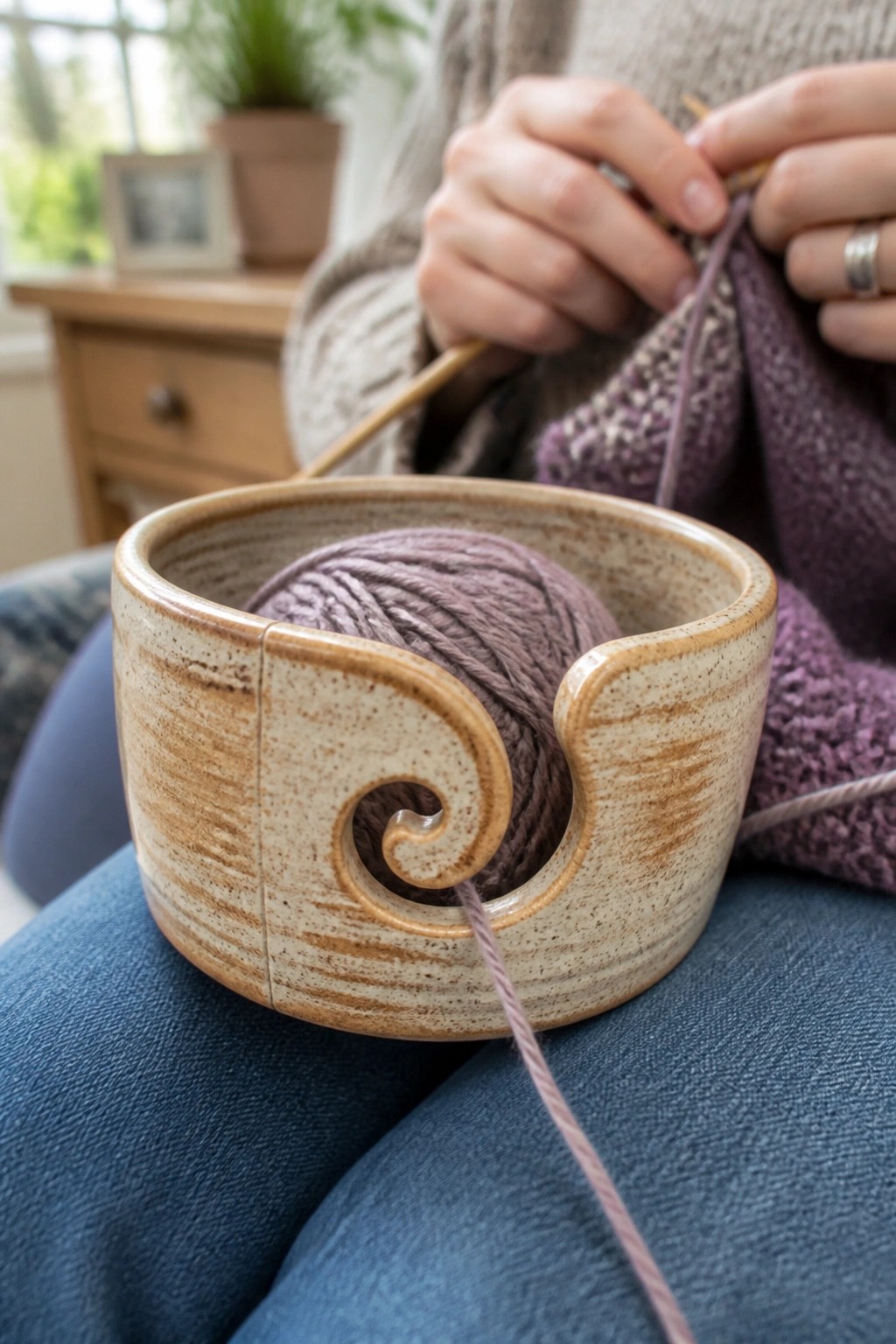
A yarn bowl is a round ceramic container made to hold a ball of yarn while knitting or crocheting. The form includes a large spiral opening cut into the side wall that guides the strand outward and prevents the ball from rolling off the surface. This turns an ordinary bowl into a dedicated tool that keeps yarn accessible and tidy during use.
What makes this idea useful is the way the cutout solves a common problem for knitters without adding extra parts. You can adapt the spiral into a simpler straight notch or vary the bowl diameter to fit different yarn sizes. For a gift, something like this works well for anyone who knits regularly and needs a portable holder. The same shape could be made without the cutout to serve as a small catchall dish for other craft supplies.
Hedgehog Planter with Two-Tone Glaze

A small ceramic planter shaped like a hedgehog gives a basic plant holder more visual interest through its animal form. The front half uses a lighter glaze with simple sculpted details for the face, ears, and snout, while the back half switches to a darker glaze with indented oval marks that suggest spines. This split treatment keeps the piece functional as a planter while adding enough detail to make it stand out from a plain pot.
The compact size works well on a shelf or windowsill for small succulents or cacti. You could adapt the same shape by trying other animals or skipping the texture and using one glaze color for a quicker build. For a gift, this kind of planter adds a clear handmade element without requiring complex techniques.
Hanging Slab Pocket Planter

A slab-built hanging planter creates a simple wall-mounted holder for small herbs or cuttings. The flat back panel joins to a curved front pouch that holds soil, while a hole at the top lets it hang from a hook or nail. Embossed leaf and flower details pressed into the clay add surface interest, and the speckled finish gives the piece a natural look that suits kitchen or dining areas.
What makes this idea useful is how the pocket shape keeps plants off counters while still staying compact. You can change the embossed motifs to match other kitchen pieces or simplify them to basic lines if you want a faster build. In a kitchen this works well near a window for fresh herbs, and the same slab method could be adapted into a longer version for multiple plants or a smaller one for a single succulent. The design stands out on Pinterest because it combines a clear function with clean, repeatable details.
Divided Ceramic Toothbrush Holder
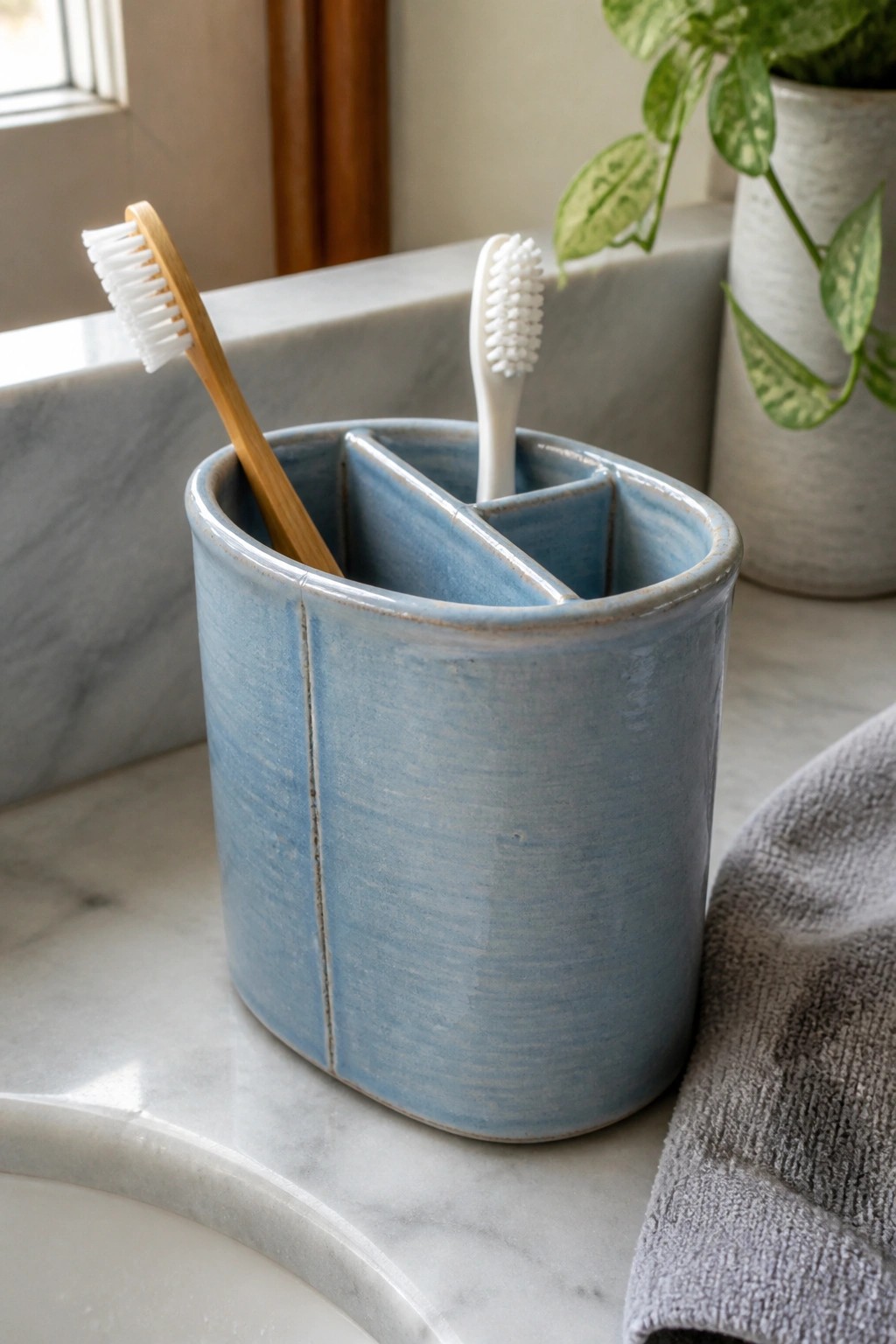
A sectioned ceramic holder like this keeps toothbrushes upright and separated in one compact piece. The oval form with two internal walls creates distinct slots while using a single slab-built body. A matte blue glaze covers the surface and highlights the slight texture from hand construction. This type of bathroom item works as simple storage that stays practical on a sink or shelf.
What makes this idea useful is how the dividers prevent items from touching while taking up minimal counter space. You could scale the same layout down for a smaller makeup brush holder or widen it for more compartments. For a gift, something like this pairs easily with a matching soap dish or small tray made from leftover clay. The straightforward shape also translates well to other slab projects like desk organizers or kitchen utensil caddies.
Clay House Tea Light Holder

A house-shaped candle holder made from slabs of clay is a straightforward way to create a glowing decor piece. The form uses a pitched roof, simple box body, and cut-out windows plus an arched door so light from a tea light shines through in patterns. Square window openings can be left plain or divided into panes with thin clay strips, and the warm glaze helps the light appear soft and even when the candle is lit. This fits the candle piece category and works as both a standalone ornament and a functional light source.
The shape does a lot of the work here because the basic house silhouette is easy to cut from a template and assemble. You can scale it down for a smaller shelf version or add more windows to change how the light scatters. A piece like this works especially well as a winter mantel accent or a small gift that needs no wrapping beyond a box. For variation, swap the glaze color or simplify the windows to just four large squares if you want a faster build.
Compact Ceramic Bird Figurine

A small clay bird figurine makes a straightforward decor project using basic forming methods. The rounded body with attached wings and a short beak creates a stable shape that stands on its own without extra support. White glaze keeps the surface simple while small painted details like black eyes and pink cheek spots add just enough character to the face.
The small scale makes this easy to adapt by changing the wing angle or trying different beak shapes for other bird types. It works especially well as a shelf accent or small gift since it takes up little space and needs no special function. You could also make a set of three in slightly different sizes to create a grouping on a windowsill or mantel.
Slab-Built Napkin Rings

Napkin rings built from clay slabs give a simple way to make matching table pieces. Cut rectangles from a rolled slab, form them into cylinders, and leave the seam visible for a clean handmade detail. Glazing each ring in a soft pastel color keeps the set coordinated while the smooth surface and rounded shape stay easy to produce.
These rings sit well on a dining table for daily meals or gatherings. The slab construction makes it simple to adjust the diameter for different napkin sizes or to repeat the shape as small holders for candles or utensils. A set in mixed pastel glazes like mint, pink, and lavender photographs cleanly for project sharing. The same approach works for making a few extra rings to keep on hand as quick gifts.
Peach-Shaped Ceramic Dish
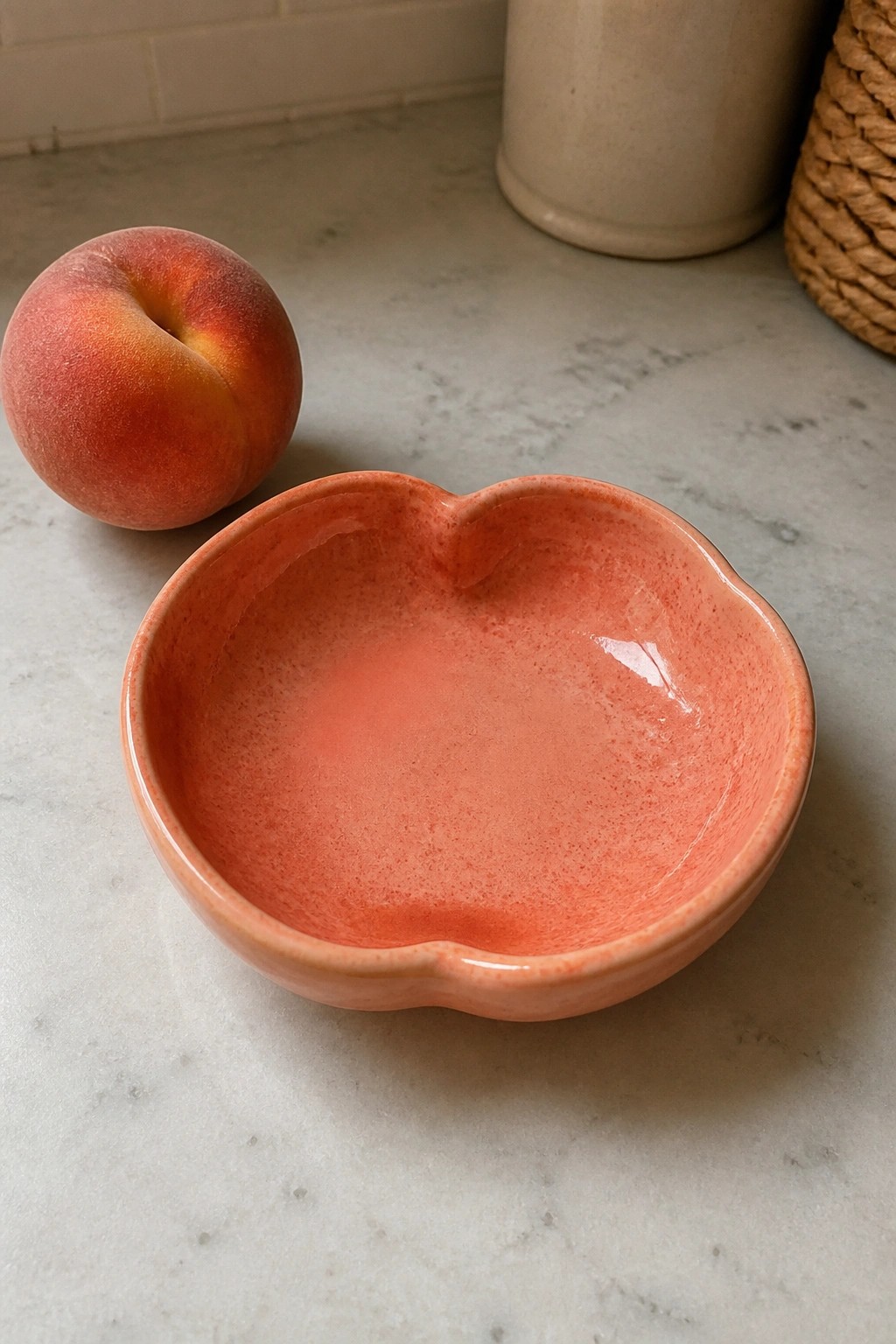
A peach-shaped ceramic bowl makes a compact dish for rings, keys, or small snacks. The form follows the fruit outline with a natural cleft along one side and softly curved edges. A single warm coral glaze covers the interior and exterior, creating a unified color and slight speckled texture across the surface.
The shape does a lot of the work here by turning a basic slab bowl into something recognizable without added decoration. This kind of piece works especially well on a nightstand or bathroom counter for daily items. You could adapt the same outline to other fruits or stretch it into a slightly larger version for holding tea bags. For a gift, something like this stands out because the form is simple to repeat once you have the template.
Fish-Shaped Ceramic Spoon Rest

A slab-built fish-shaped dish works as a spoon rest that sits flat on the counter or stovetop. Cut a simple fish outline from a rolled slab, press in overlapping scale lines with a tool or stamp, then add a small indented circle for the eye before glazing in solid turquoise. The curved body keeps a spoon from rolling off while the low profile fits neatly beside a pot or pan.
The shape does a lot of the work here because the wide middle section holds most standard spoons without tipping. You could swap the fish for another simple outline like a leaf or whale and keep the same slab steps, or make two smaller versions to use as tiny ring dishes. In a kitchen this kind of piece stays handy near the stove and takes up little storage space when stacked. The clear animal form photographs cleanly for sharing, so it tends to get saved quickly on boards focused on quick kitchen upgrades.
Rectangular Slab Tray for Everyday Serving
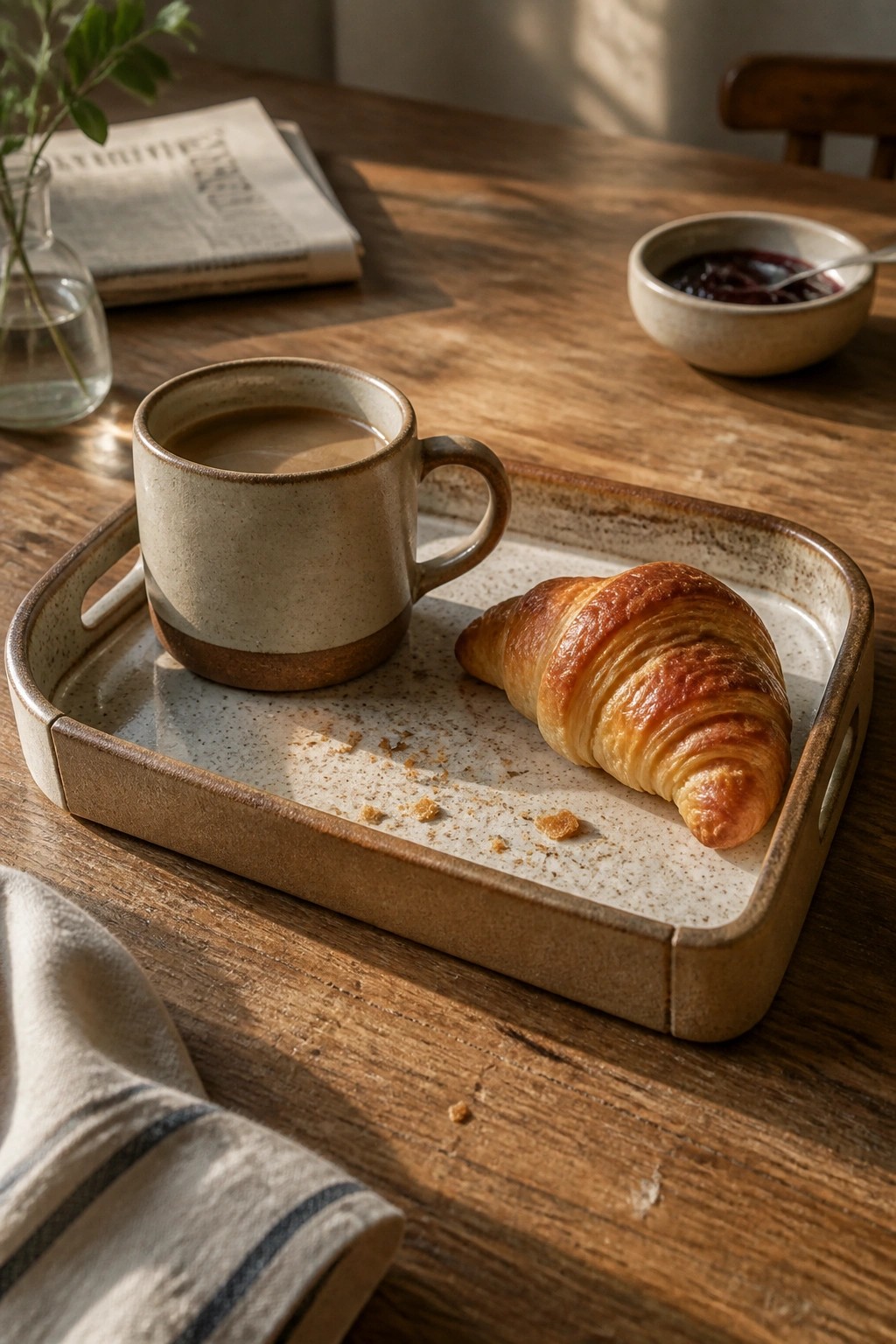
A rectangular tray built from clay slabs creates a sturdy, flat surface that works well for carrying breakfast items or small snacks. Cutout handles on the long sides make the piece easy to lift while keeping the overall shape simple and functional. The speckled neutral glaze gives the surface a subtle texture that hides crumbs and pairs with basic mugs or bowls without competing for attention. This kind of project falls into the kitchen item category and stays useful because the size can be adjusted to fit a single mug and pastry or scaled up for more items.
What makes this idea useful is that slab construction lets you form the tray quickly with straight edges and minimal tools. The shape does a lot of the work here since the flat base and low sides keep items stable during use. In a kitchen, this kind of piece serves as a permanent spot for coffee supplies or can move to the table for meals. You could adapt it by changing the glaze to a solid color or adding a shallow rim variation if you want a slightly different look for gifting.
Slab Built Key Tray

A slab rolled ceramic tray creates a simple catch-all dish for keys and small daily items. Cut an irregular oval from a flat piece of clay, then gently fold up the edges to form low sides that keep things from sliding off. The speckled green glaze adds texture and depth while keeping the surface practical for everyday use.
This shape works especially well on a wooden entry shelf or console table where keys land at the end of the day. You could widen the form slightly to hold mail or make a second version as a soap dish for the bathroom. The same slab method lets you adjust the size or add a hanging hole if you prefer it on the wall instead of flat on a surface.
Slab-Built Taper Candle Holder with Tray Base
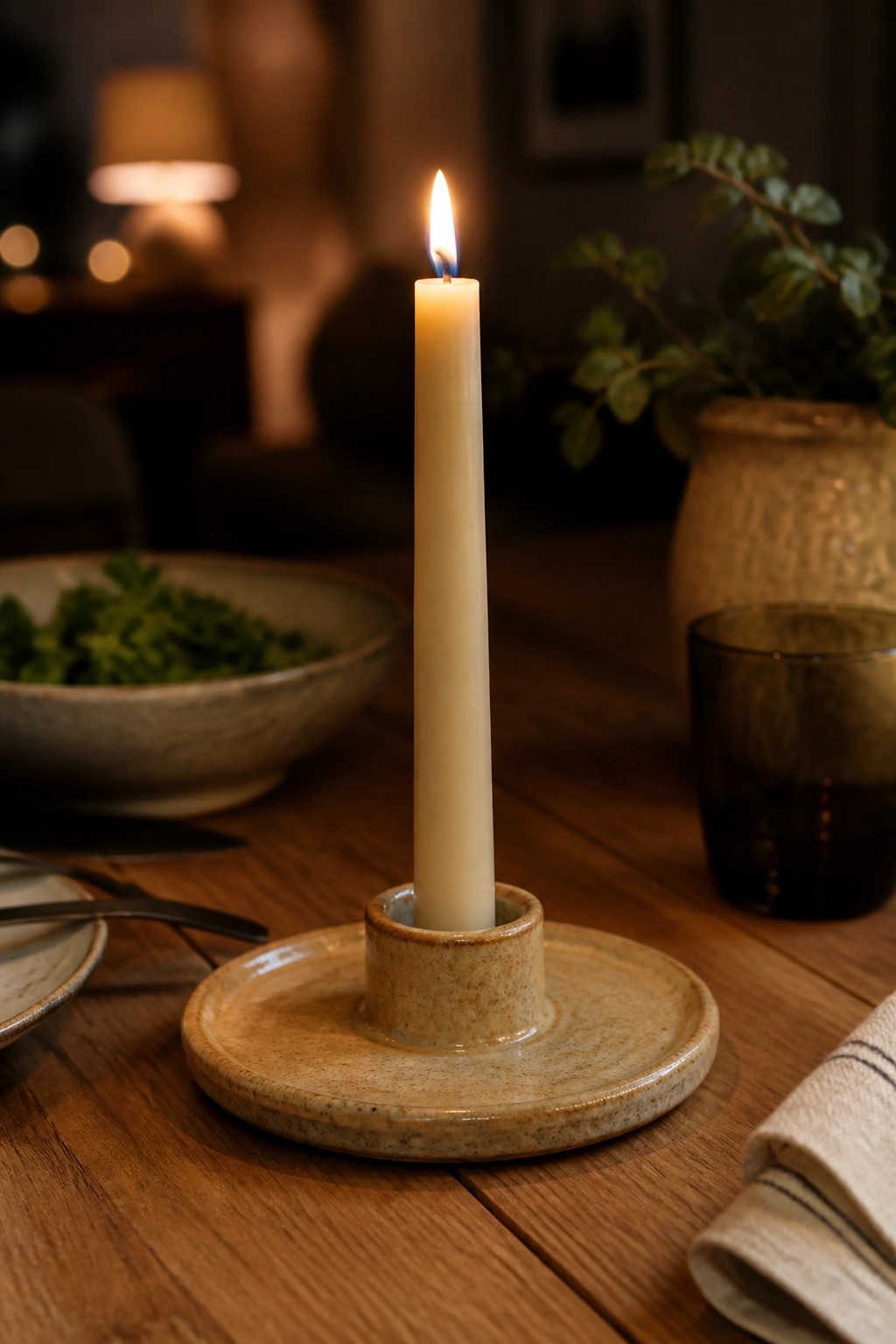
A slab candle holder pairs a short cylinder with a wide flat disk to create a stable base that also catches wax. The clay is left with a lightly textured surface and finished in a neutral speckled glaze that highlights the handmade form. This shape works well for standard taper candles and stays compact enough to fit on a dining table or shelf without taking over the space.
What makes this idea useful is the built-in tray that handles drips without needing a separate plate. You can adjust the disk size to match different candle heights or make a set in matching glazes for a consistent look across a table. The same slab method can be reworked into a shorter votive version or a double holder by adding another cylinder to the base.
Frequently Asked Questions
What is the best type of clay to use for these slab pottery projects? Low-fire earthenware or stoneware clay works well for most beginners because it is easy to handle and forgiving during construction. Start with a clay that has some grog mixed in to reduce warping as your slabs dry. Always wedge the clay thoroughly before rolling to remove air pockets and ensure even consistency throughout your pieces.
How long should slab pottery projects dry before they can be fired? Allow your completed items to dry slowly over one to two weeks in a space with consistent room temperature and moderate humidity. Cover them loosely with plastic for the first few days to prevent rapid moisture loss that leads to cracks. Once the pieces feel room temperature and no longer cool to the touch they are ready for bisque firing.
Do I need any special tools to complete these handmade gift and decor ideas? Basic tools include a rolling pin or slab roller, a ruler, a scoring tool, a sponge, and basic cutting utensils like a needle tool or fettling knife. Many projects can be made with items already found in a kitchen or craft drawer such as cookie cutters for shapes and textured fabrics for surface patterns. A kiln is needed for final firing but community studios often offer firing services.
How can I add personal touches to make these projects unique gifts? Incorporate hand-stamped names, pressed leaves from your garden, or simple line drawings using underglaze pencils before the first firing. Experiment with different textures by pressing lace or rubber stamps into the wet clay surface. Choose glazes in the recipient’s favorite colors or layer two tones for added depth once the bisque stage is complete.
What are common mistakes to avoid when building with slabs? Avoid joining pieces that have different moisture levels because this causes cracking during drying. Always score and slip the edges before attaching walls or handles and support larger forms with crumpled newspaper while they firm up. Work on a nonporous surface like canvas or plastic to keep the bottom of your slabs from drying too quickly and becoming brittle.

Pottery Path is my cozy corner of the internet where I share clay ideas, pottery inspiration, and simple projects you can recreate at home. I love exploring everything from air dry clay to handbuilt pottery to cute minis that brighten your day. My goal is to make clay crafting feel easy, fun, and welcoming for anyone who wants to try it.
You will find beginner friendly tutorials, creative pottery painting ideas, and lots of warm inspiration for slow and happy crafting. If you enjoy hands on creativity, this space will feel like home.