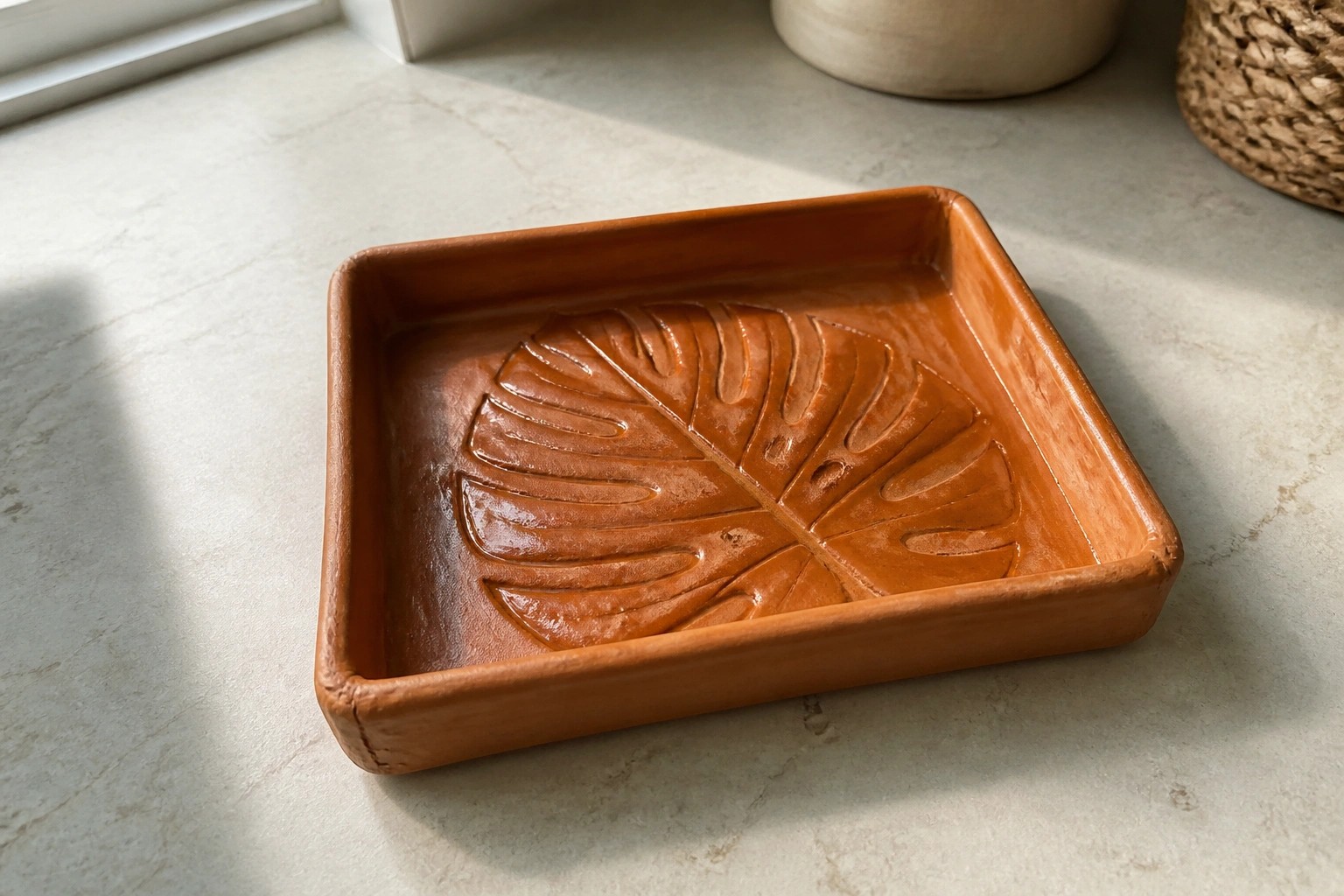
I have been working with slab pottery on and off for a few years now.
It is one of the easier ways to make clay into something you can actually use without a lot of special equipment.
Most of the time I just roll out some clay cut out shapes and put them together into trays or dishes that fit what I need around the house.
These projects do not take much skill but they end up being the kind of things I reach for every day.
I put together 22 ideas that have worked well for me if you want to give them a try.
Rectangular Leaf Relief Tray
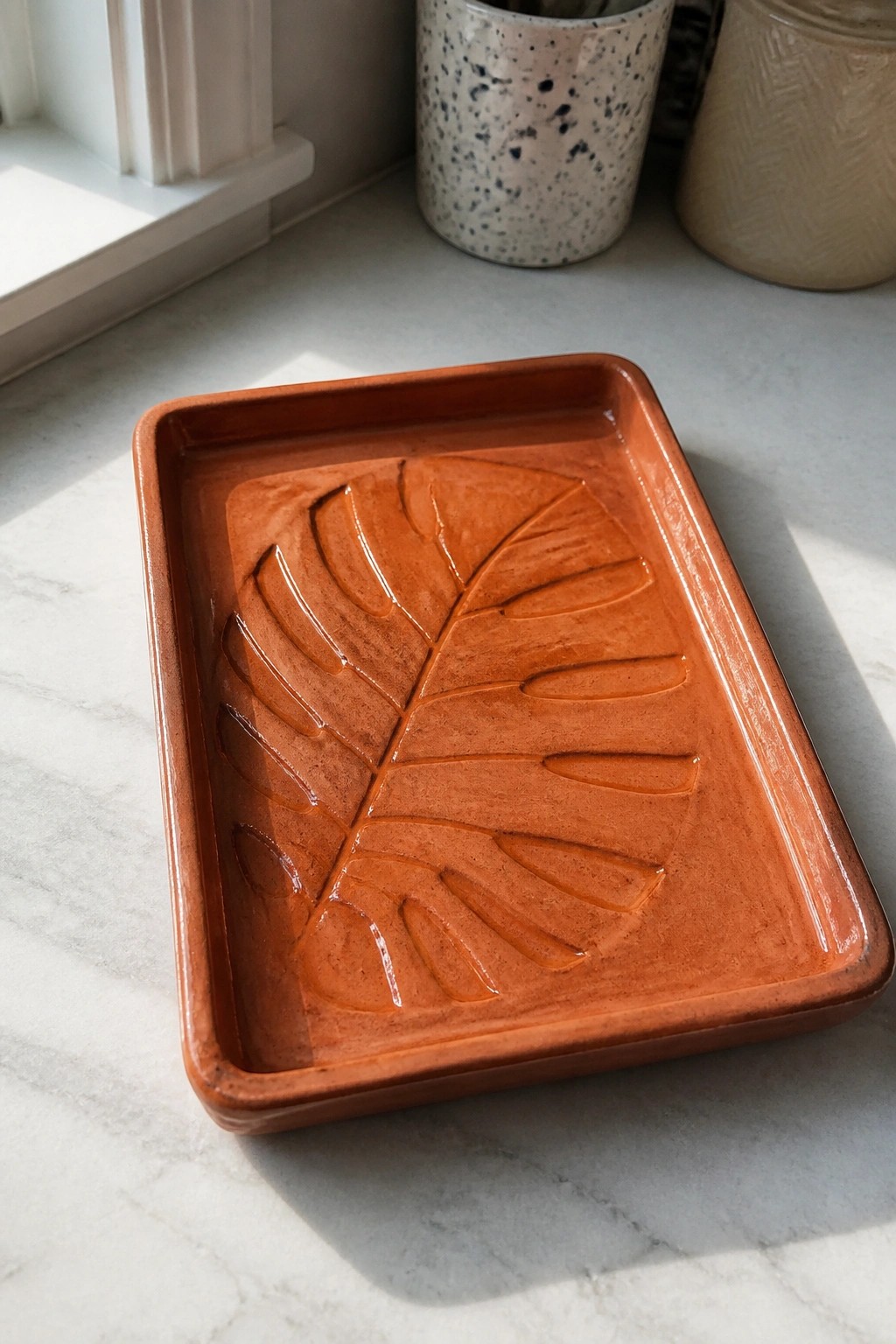
A slab-built rectangular tray with a large single leaf pressed into the base creates a clean functional piece. The leaf sits centered and fills most of the surface, with the veins and edges left in relief so they catch light and shadow once glazed. The terracotta glaze keeps the focus on the shape and texture rather than color variation. This approach works well for trays meant for keys, jewelry, or small kitchen items.
What makes this idea useful is that the leaf detail comes from one simple press or carve step instead of added decoration. You can adapt the same slab rectangle into a soap dish by shrinking the size or turn it into a plant saucer by making it slightly deeper. The flat form and earthy tone fit easily on a windowsill or bathroom counter without competing with other objects. For variety, swap the leaf type or leave the surface plain and add a small stamped pattern along the rim instead.
Slab-Built Square Mug
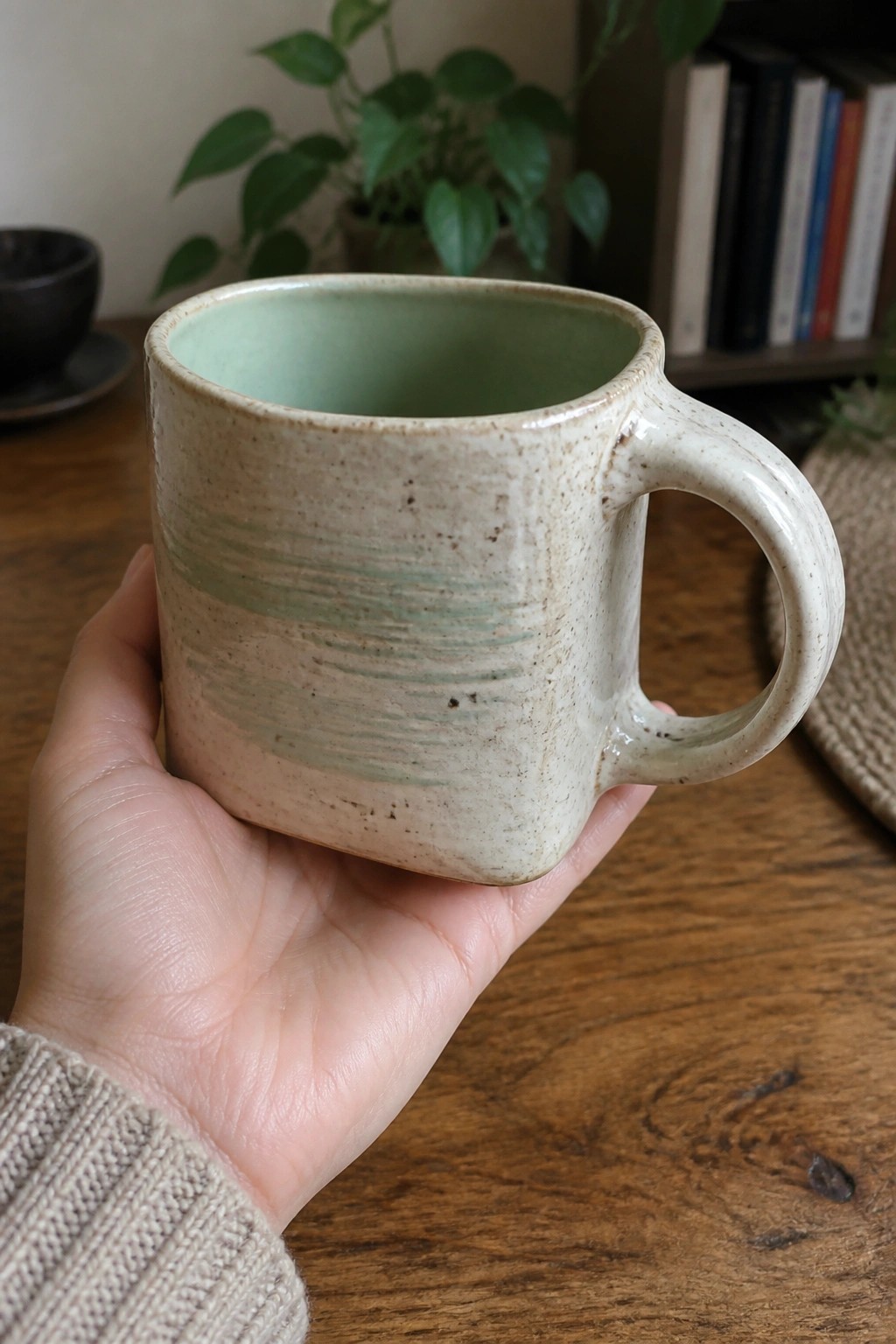
A slab-built mug creates a flat-sided form that feels stable in the hand and stacks neatly on shelves. This version keeps the body slightly wider at the rim with a simple attached handle and uses a speckled light glaze on the outside. Horizontal bands from the slab smoothing add subtle texture, while the inside is coated in a soft green glaze for contrast when drinking.
What makes this idea useful is how the square shape gives it a modern look without extra decoration. You can change the height for different drink sizes or swap the interior color to match other dishes you already own. The same slab method works for making a small creamer or sugar bowl to go with it. In a kitchen, the flat sides keep it from rolling when stored on their sides in a drawer.
Stacked Slab Wall Pockets for Trailing Plants

A slab-built wall pocket with two connected compartments gives you a simple way to hang plants vertically. The flat back panel includes a hole at the top for easy mounting, while the rounded pockets hold soil and allow stems to spill over the edges. Soft pink and green dots painted on the cream clay surface create a light pattern that keeps the focus on the plant without adding extra bulk. This shape works as a compact planter that uses basic slab techniques to create usable depth and height.
What makes this idea useful is how it turns a small slab piece into vertical plant space that fits narrow walls or window areas. You could adapt the same pocket layout for a single tier to hold mail or kitchen tools, or change the dot colors to match a different room. The open front and curved edges make it straightforward to adjust the size or add more layers without changing the core construction. In a small apartment, this kind of piece keeps plants visible while using wall space instead of shelves.
Fish-Shaped Slab Spoon Rest
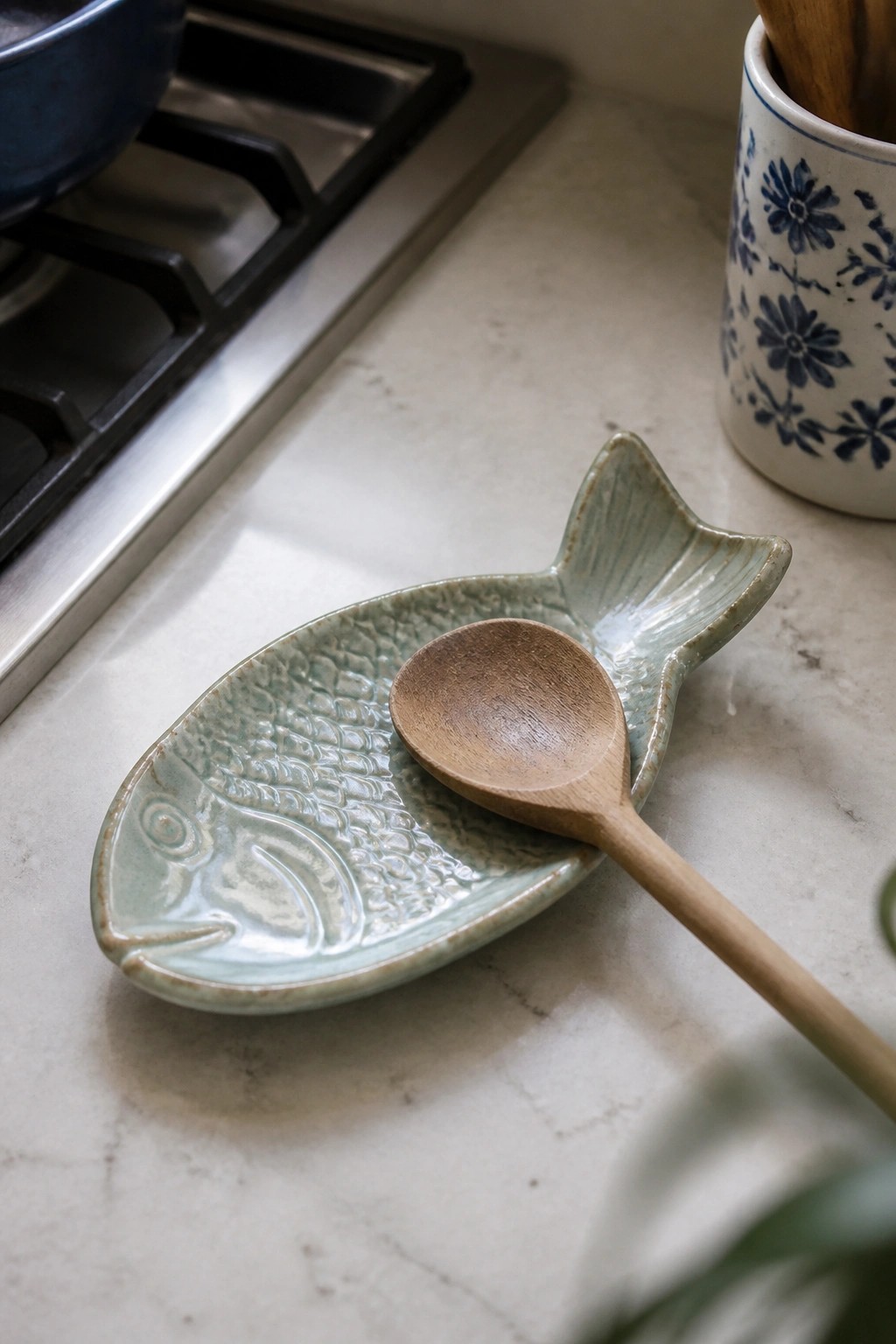
A slab-built fish dish works as a compact spoon rest or small kitchen tray. Cut a flat piece of clay into a fish outline, press in scale texture on the body, and gently raise the edges to keep items from sliding off. The light green glaze covers the surface evenly and makes the impressed details stand out without extra painting.
What makes this idea useful is the way the fish outline gives the piece a clear function while staying small enough to sit beside the stove or sink. You could repeat the same slab steps with different outlines to make a leaf-shaped herb tray or a simple butter dish. The shallow form also stacks easily for storage and takes less clay than a full bowl, so it finishes faster if you want to make several at once.
Marbled Ceramic Bowl
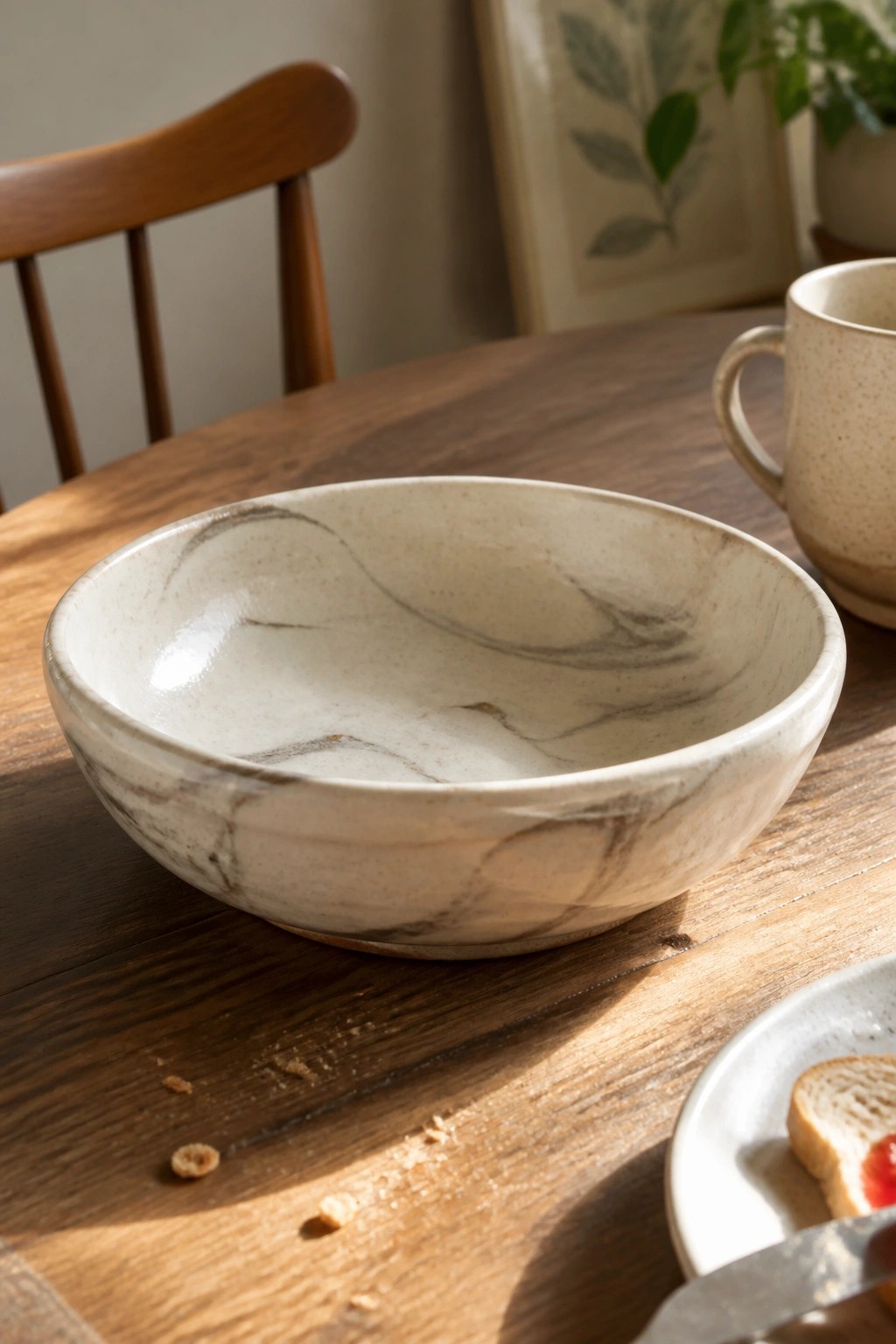
A marbled ceramic bowl makes a straightforward kitchen project using a simple round form with a shallow profile. The surface relies on gray and off-white glaze swirls to create movement across the clay without extra carving or texture. This approach keeps the shape basic while the pattern adds interest, making it suitable for cereal, sides, or snacks.
What makes this idea useful is how the marbling technique transfers easily to other basic forms like plates or deeper bowls. You could scale the same pattern down for a set of individual serving dishes or test it on a slab-built tray. In a kitchen, the neutral tones help it blend with everyday dishes while still standing out on a shelf. The same glaze layering works well if you want to make matching pieces without starting from scratch each time.
Heart Shaped Ring Dish with Stamped Center
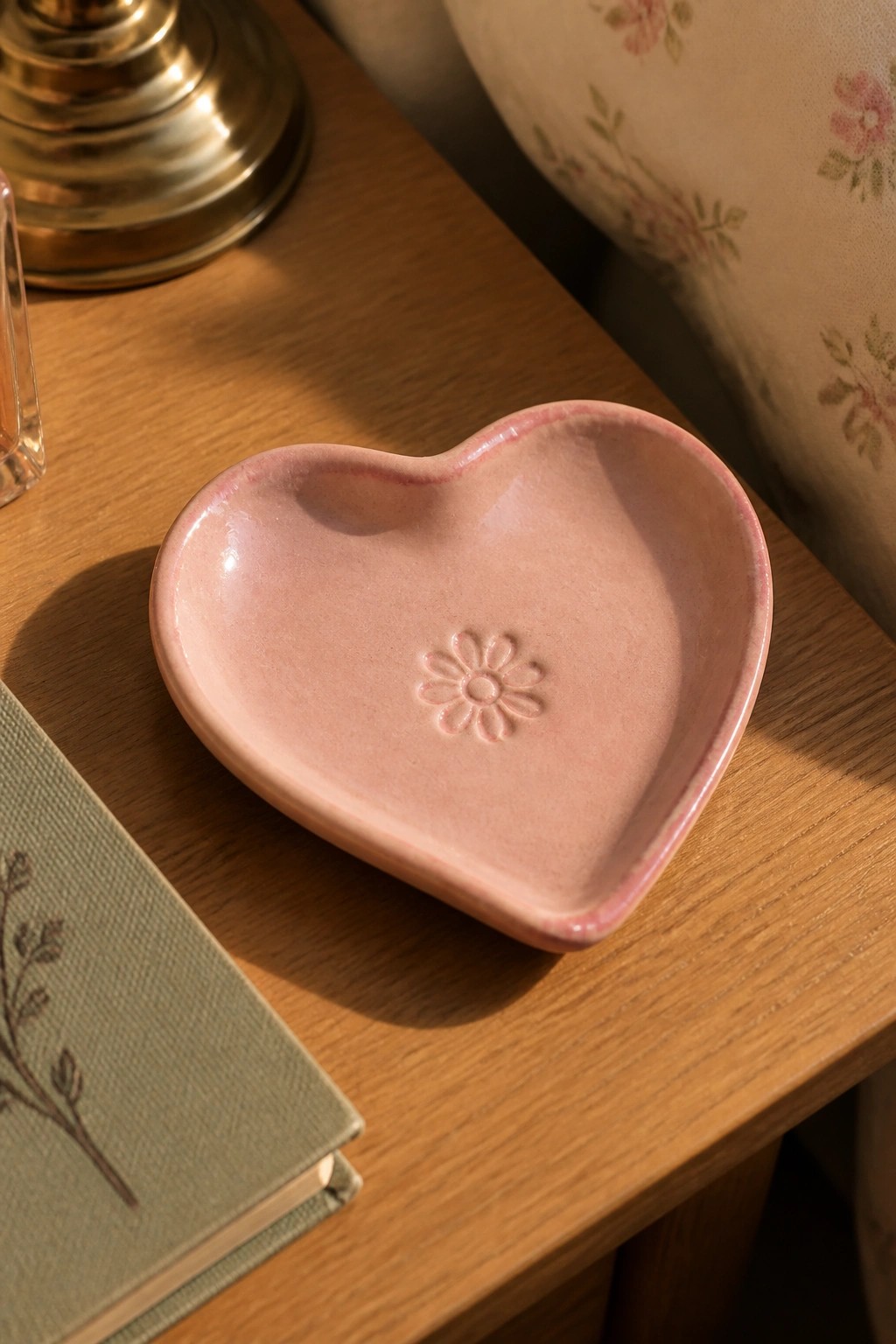
A small heart-shaped ceramic dish works well as a ring holder or catch-all for jewelry and small items on a desk or vanity. The impressed daisy in the center gives the piece a clear focal point while keeping the surface smooth for everyday use. Pink glaze covers the form evenly and highlights the edges without adding extra layers or patterns. This project falls into the simple slab or hand-built dish category that stays functional at a small scale.
What makes this idea useful is how easily the heart shape can be cut from a basic slab and finished in one or two glazing steps. The same form could be made slightly deeper for a soap dish or left shallow for coins and keys by the door. Changing the stamped motif or switching to a matte glaze lets you match different rooms without changing the construction. For a gift, this kind of piece stays practical because it takes up little space and serves a clear purpose.
Textured Soap Dish with Drainage Slots

A flat slab of clay rolled out and cut into a square tray becomes a practical soap dish once drainage slots are added and wavy lines are carved across the surface. The blue glaze pools in the grooves to emphasize the texture while the edges stay unglazed to show the clay body. This bathroom project keeps the soap elevated so water drains away instead of pooling underneath.
What makes this idea useful is how the slots solve the soggy-soap problem without extra parts or hardware. You can resize the slab to fit a double sink or swap the wavy pattern for straight lines or dots to match other tiles in the room. The same slab-and-carve method works for small ring dishes or sponge holders using leftover clay. For a gift, this shape needs only one rolling session and still looks finished with a single glaze dip.
Divided Ceramic Holder for Toothbrushes
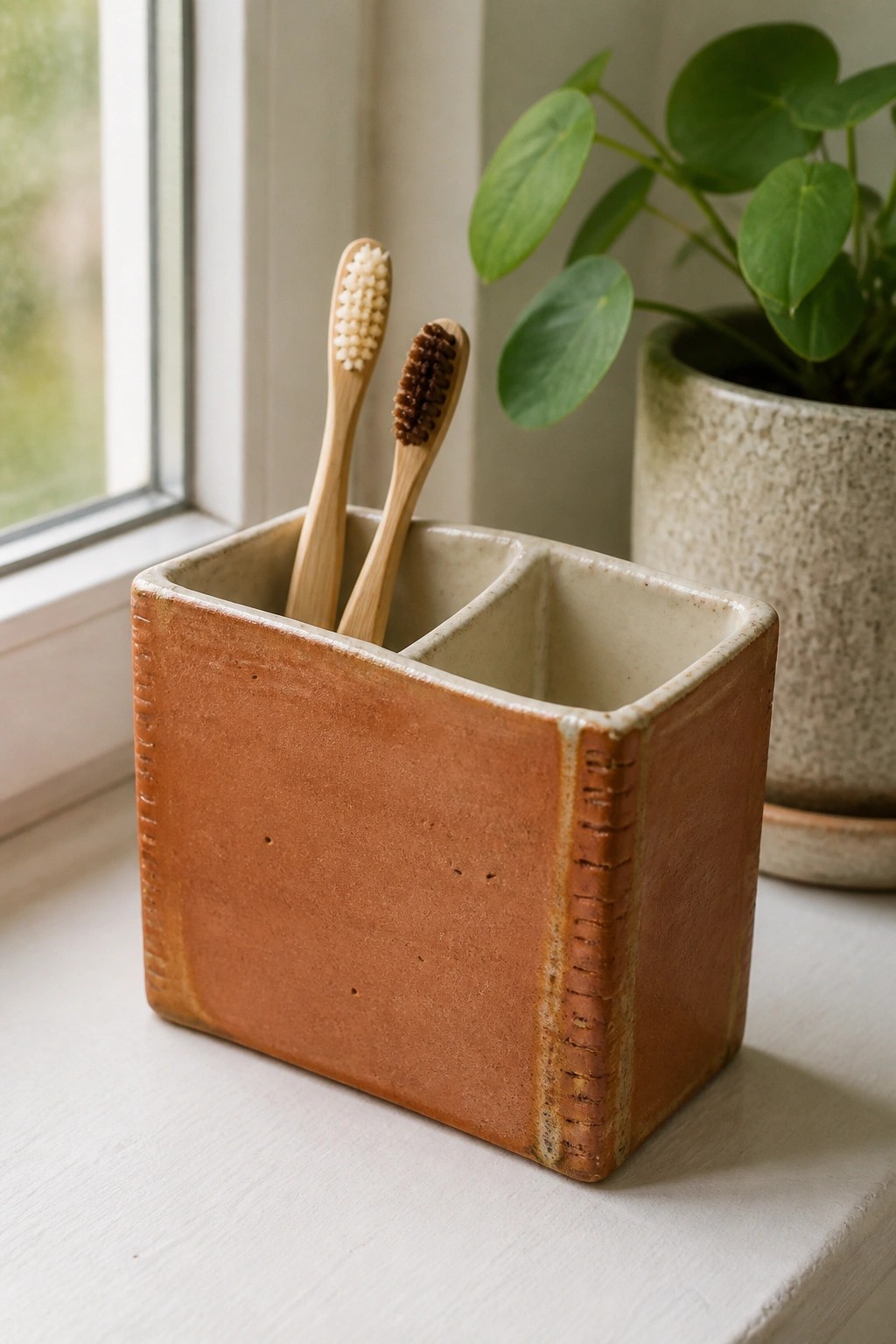
A rectangular slab-built holder with a single central divider forms two compartments sized for toothbrushes or similar small items. The exterior uses a warm terracotta glaze while the interior stays a lighter clay tone, giving clear visual separation between the wells. This straightforward shape works as a bathroom organizer that keeps items upright and separated without extra hardware.
What makes this idea useful is the way the divider keeps contents from touching while the overall size stays small enough for a windowsill or shelf. You can widen the base for a desk version that holds pens or shorten the walls to make a shallow tray for jewelry. The same slab method adapts easily if you add more dividers or change the glaze color to match different rooms.
Double Compartment Salt Cellar
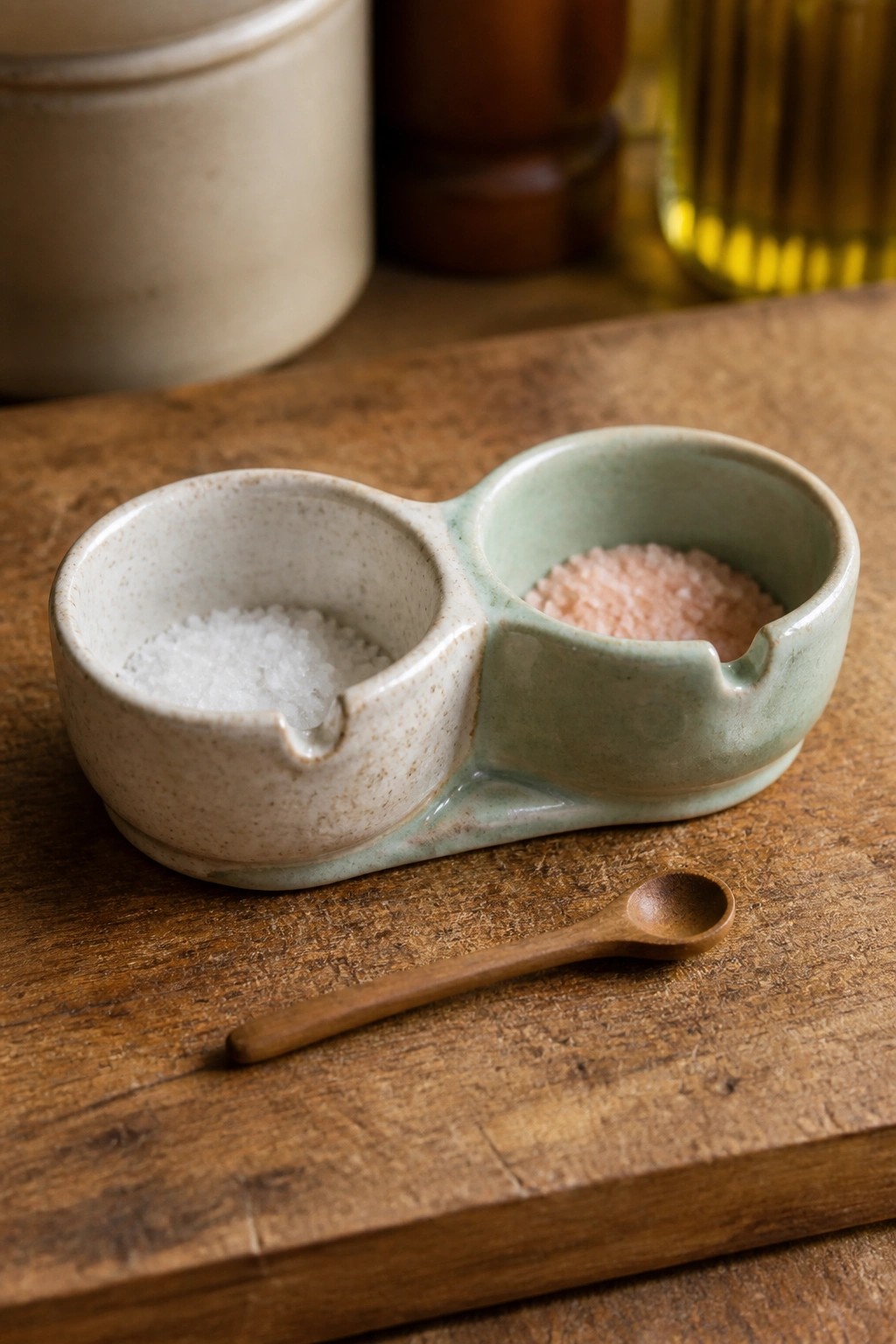
This project is a connected double bowl made from clay, with two separate compartments that share a single base. One side holds coarse white salt and the other pink salt, each with a small notch along the rim that works as a spoon rest or pour spout. The form stays low and compact, and the two glazes create a simple contrast without extra decoration. It fits the kitchen item category and gives you a dedicated spot for seasoning on the counter or table.
What makes this idea useful is the way the connected shape keeps two seasonings together without taking up much space. You could adapt the same layout for sugar and cinnamon, or even small portions of dips. The notches make the dish more practical than plain round bowls, since they let you rest a tiny spoon or control how much you pour. For a different version, try making just one compartment larger or switching the colors to match your kitchen dishes.
Star-Shaped Tealight Holder
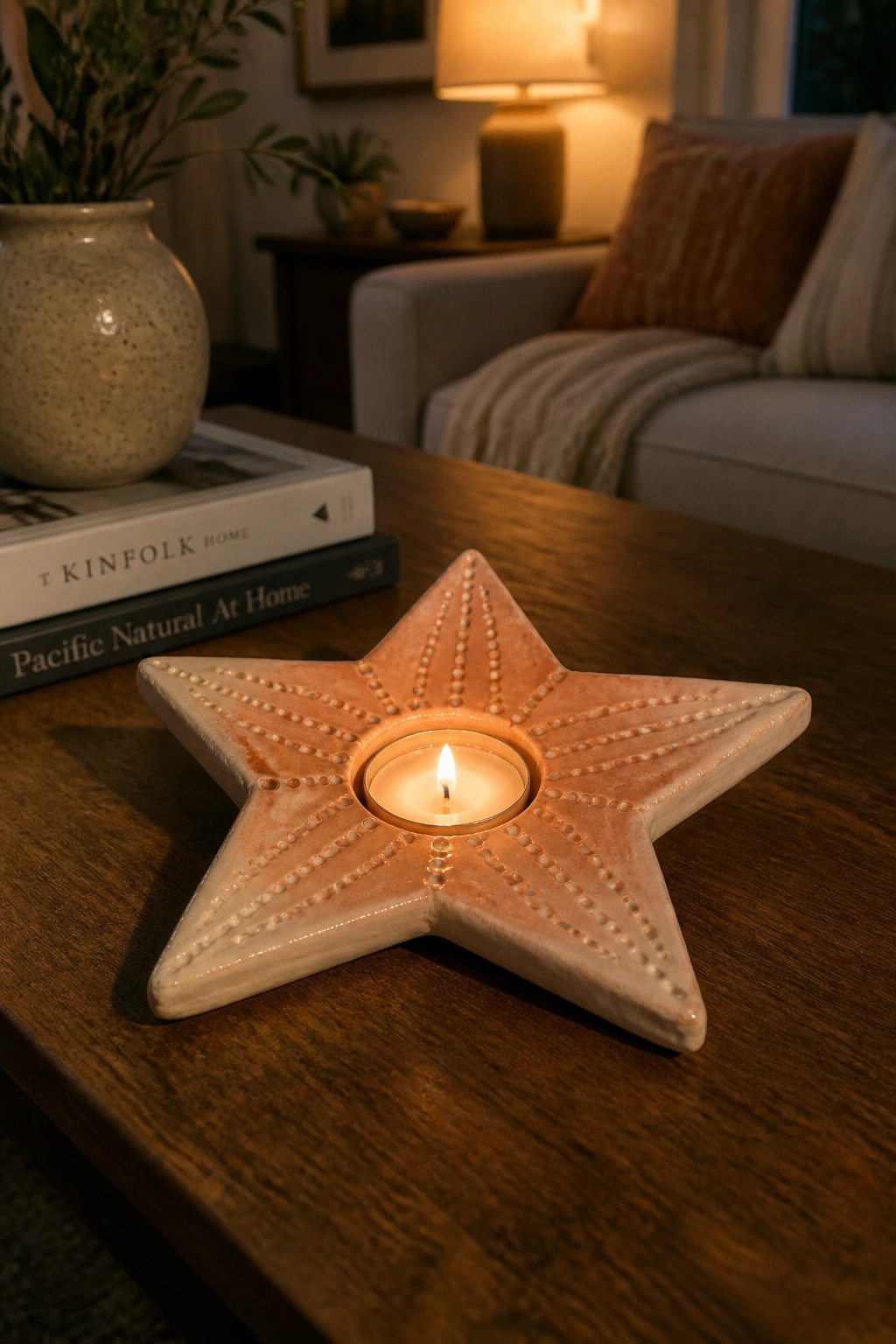
A star-shaped ceramic tealight holder turns a basic slab into a compact candle piece. The form has five points with a shallow central well sized for a standard tealight, and rows of small dots pressed along the edges add surface interest without extra pieces. A warm speckled glaze covers the clay and gives the holder a finished look that works on its own or grouped with other tabletop items.
What makes this idea useful is how the star outline can be cut quickly from a rolled slab and the texture added with a simple tool before drying. The small scale keeps material use low and makes the holder easy to place on a shelf, desk, or tray. You could swap the star for a different outline like a leaf or circle while keeping the same central well and edge dots, or leave the surface plain if you want a faster version for gifts.
Leaf-Stamped Slab Utensil Holder

A simple slab of clay rolled into a cylinder creates this tall kitchen crock. Repeated leaf stamps pressed into the surface form vertical rows of texture before the piece is glazed in a warm amber tone. The glaze settles into the recessed leaf shapes and makes the pattern stand out against the smoother areas between them. This turns a basic holder into a functional kitchen piece that still shows clear handmade detail.
What makes this idea useful is how the same cylinder form can be adjusted for height or width depending on what you want to store. The leaf stamp works as a quick way to add pattern without needing carving skills, and you could swap it for other simple cutters or even skip the texture entirely. In a kitchen it keeps utensils within reach while taking up little counter space. The shape also adapts easily to a smaller version for pens or a wider one for a small planter.
Slab Napkin Holder with Impressed Texture

A napkin holder formed from two curved slabs joined at the base creates a simple arch that keeps a stack of paper napkins upright and easy to pull from. Small dots pressed into the clay add a subtle pattern across the surface while a light speckled glaze gives the piece a finished look suitable for table use. This approach turns basic slab construction into a practical kitchen item that stays stable without extra supports.
What makes this idea useful is how the open arch shape works on a dining table or kitchen counter without taking much space. You can change the texture to lines or stamps or adjust the height to fit different napkin sizes. The same slab method could be reworked into a mail holder or recipe card stand by widening the base slightly. For a gift, this form stands out because it solves a daily task while looking handmade.
Painted Sun Slab Key Hook
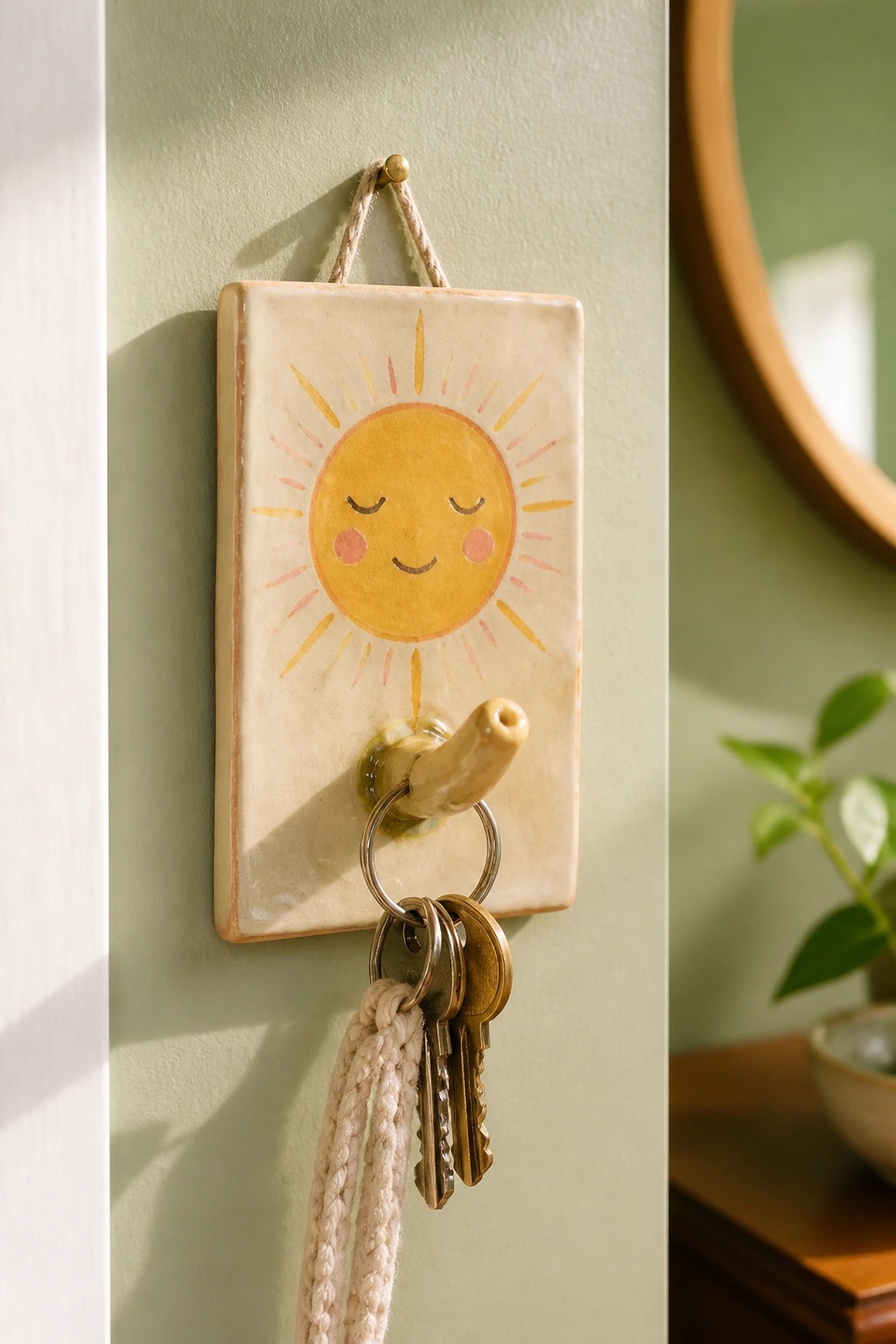
A flat rectangular slab of clay serves as the base for this wall-mounted key holder. A sun face with closed eyes and pink cheeks is painted directly onto the surface, with short radiating lines in yellow and orange extending outward. A small clay hook is attached near the lower edge to catch a keyring. This project belongs to the category of simple slab holders meant for everyday wall storage.
What makes this idea useful is how the flat slab shape lets you control the exact size and proportion for your space. The painted sun can be replaced with other basic motifs like stars or leaves without changing the construction. A piece like this works especially well by a doorway or in a mudroom where keys need a consistent spot. The same slab and hook method could be scaled down into a jewelry holder or turned into a small bathroom towel hook by adjusting the painted detail.
Leaf Tray with Small Attached Bowl
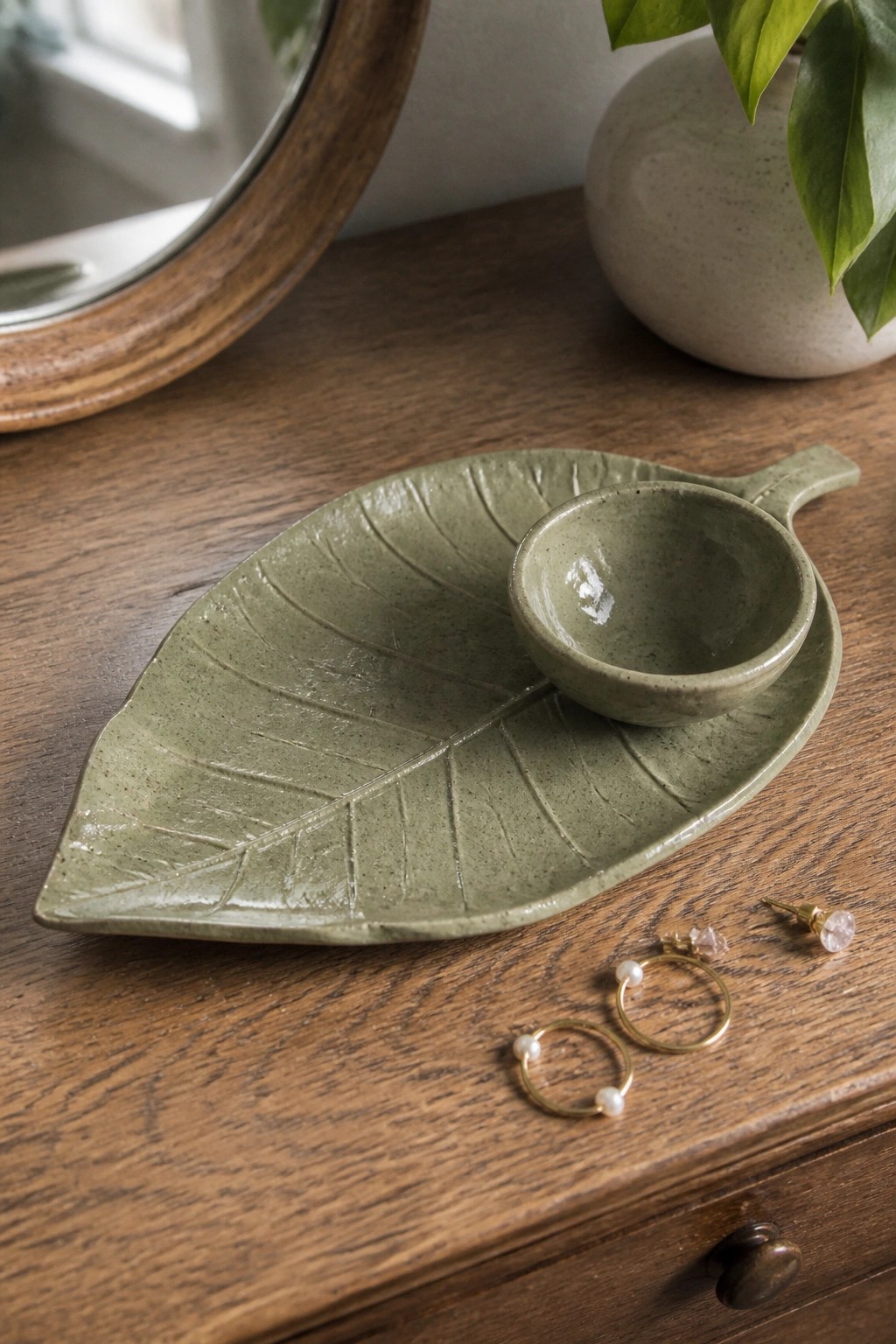
A slab-rolled ceramic leaf forms the base of this project while a small round bowl sits on one side to create combined storage. Vein details pressed into the clay add texture that shows through the matte green glaze and gives the piece clear shape. The result works as a ring dish or jewelry tray that keeps small items contained in one spot.
What makes this idea useful is the built-in bowl that turns a flat tray into something more practical for daily use on a dresser or bathroom counter. You can adapt the same leaf form by using different vein stamps or switching the glaze color to match other pieces you already own. For a gift this shape stands out on Pinterest because the natural outline reads as intentional rather than generic. The small overall size also means you can rework the idea into a soap dish by skipping the bowl and adding a shallow lip instead.
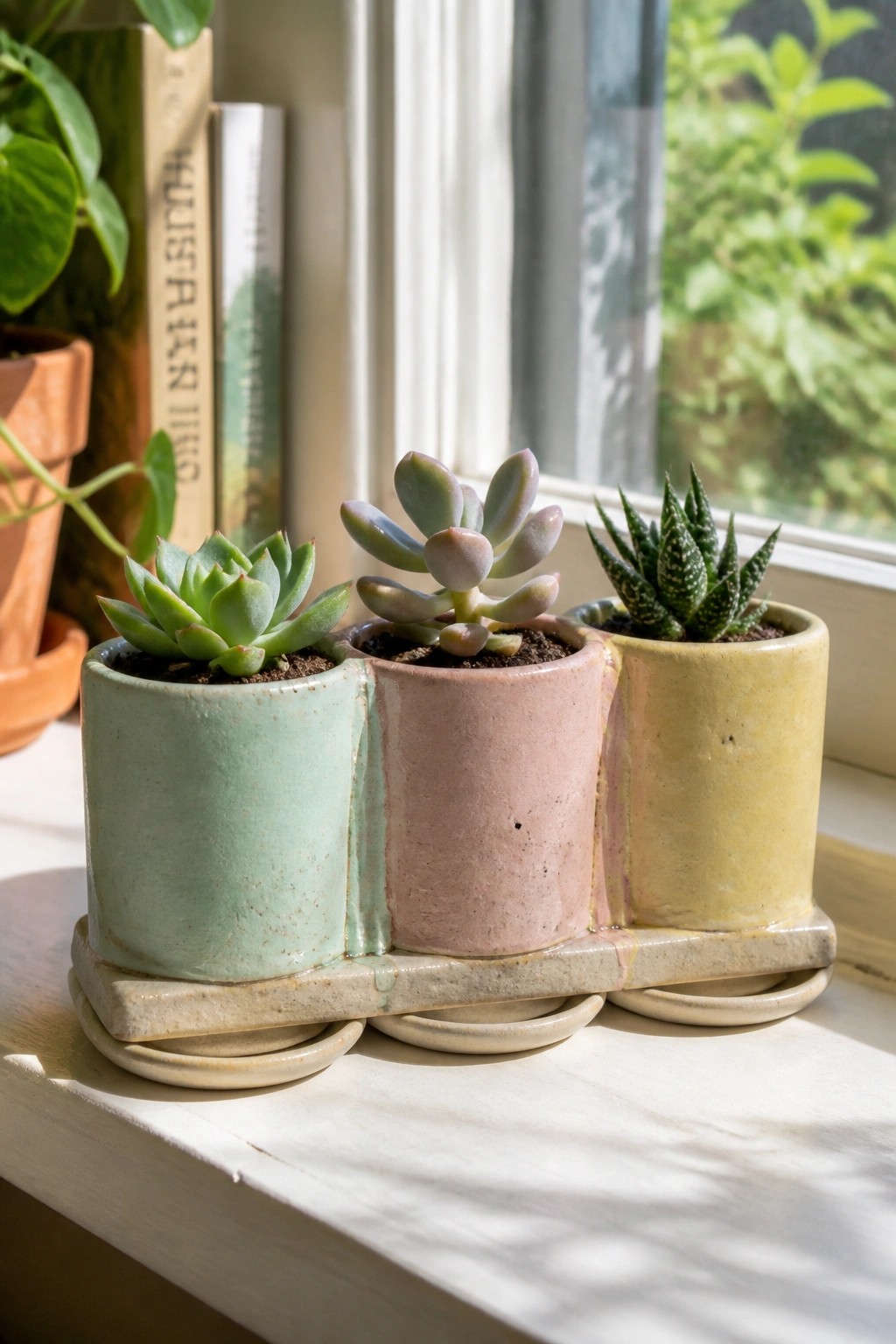
A basic slab project produces three small cylindrical planters attached side by side to one long rectangular base. Each planter sits over its own shallow saucer so water drains without pooling on the surface below. Different glazes on each section create color contrast while the shared base keeps the whole set stable and easy to move. The result is a compact multi-plant holder that fits narrow ledges or shelves.
What makes this idea useful is how the connected base prevents tipping when several plants sit together in one spot. You can scale the same layout down to two planters or up to four and change the glaze colors to suit different rooms. The individual saucers make it practical for succulents or small herbs that need drainage. For a gift the shape is simple to customize by altering the cylinder heights or adding a light texture to the base before glazing.
Tall Tapered Vase with Horizontal Ridges
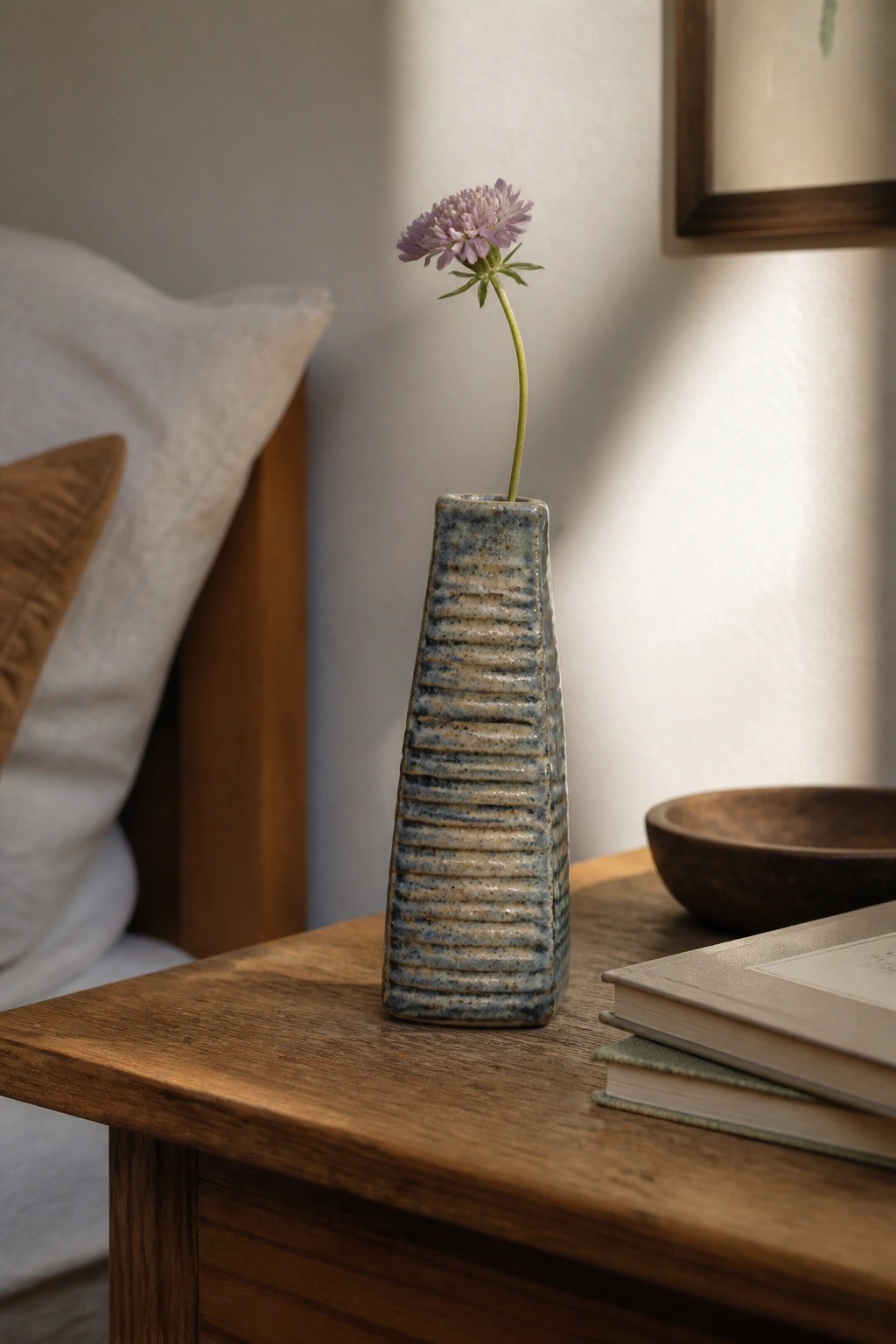
A slab-built vase with straight sides that taper upward gives you a simple way to hold a single stem or small bunch. The horizontal ridges come from scoring lines into the clay before joining the slabs, and the mottled blue-gray glaze settles into those lines to create contrast. This shape stays narrow at the top so it does not compete with the flower, and the flat base keeps it steady on a surface.
The shape does a lot of the work here because the angled sides make the piece look taller without needing much clay. You can change the taper to create shorter versions for a desk or wider ones for a few more stems. The ridged texture is quick to add with a rib tool or even a comb before assembly, and the same slab method works for small bathroom holders or desk trays. A piece like this stands out on Pinterest when the glaze is kept simple so the form and lines stay visible.
Spiral Yarn Bowl for Knitting

A yarn bowl formed from stoneware uses a wide, low shape with a spiral cutout along the rim that guides yarn out smoothly while keeping the ball inside. The interior carries a soft green glaze that contrasts with the speckled natural clay on the outside. The cutout sits low enough to prevent the yarn from catching yet high enough to stop the ball from rolling free.
What makes this idea useful is how the spiral solves a common problem for anyone who knits or crochets on a table or lap. You can build the same form with slabs by rolling a simple cylinder and adding a separate curved piece for the feed, then adjust the opening size to match different yarn weights. The two-tone surface keeps the piece looking intentional even when left mostly unglazed, so it works as a quick weekend project that still feels finished. For a gift, the same shape can be made smaller to hold embroidery floss or thin cord.
Slab Incense Tray with Cone Holder
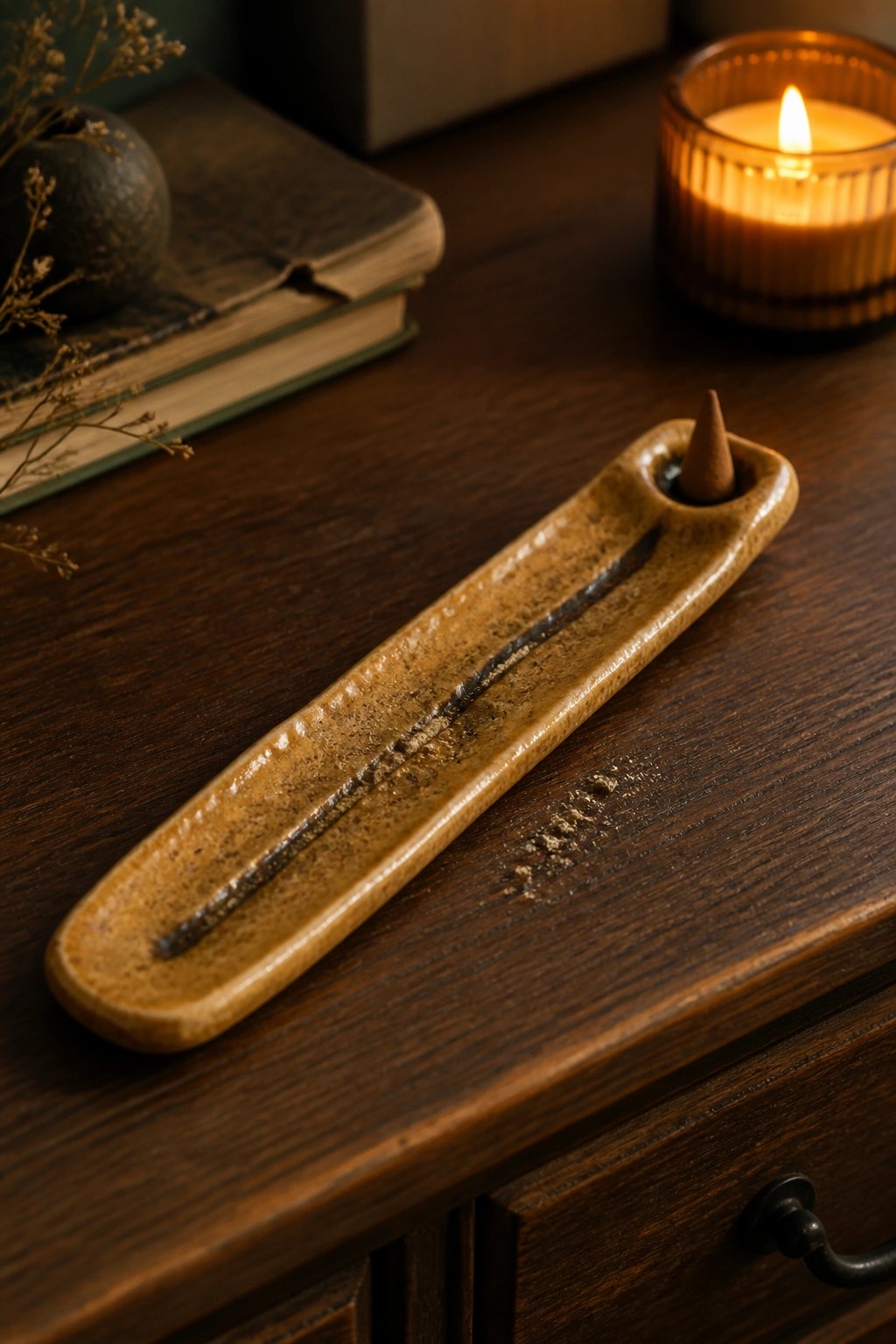
Roll out a slab of clay into a long, narrow rectangle and shape one end into a small raised holder for an incense cone. A shallow groove pressed down the center catches the ash as it burns, keeping the rest of the tray clean. The simple form works well with a matte brown glaze that highlights the clay texture without adding extra decoration.
The narrow shape makes this easy to fit on a desk or shelf without taking much room. You can shorten the slab for travel size or widen it slightly to hold two cones at once. This project stands out because the same basic slab can be reworked into a stick incense holder by adding a small hole instead of a cone support.
Square Slab-Built Jewelry Box

A square lidded box made from clay slabs works well as a small storage piece for rings, earrings, or other daily items. The lid sits flush with a rounded knob on top, and blue glaze bands along the edges add contrast against the speckled clay body. This shape keeps the focus on clean lines and simple construction rather than complex forms.
The small scale makes this easy to adapt for a bathroom counter or nightstand where you need quick access to small items. You can change the knob size, swap the blue bands for a single color, or adjust the overall dimensions to fit a different space. For a gift, the same box shape works just as well without the lid if you want to turn it into an open tray instead.
Citrus Slice Ring Dishes
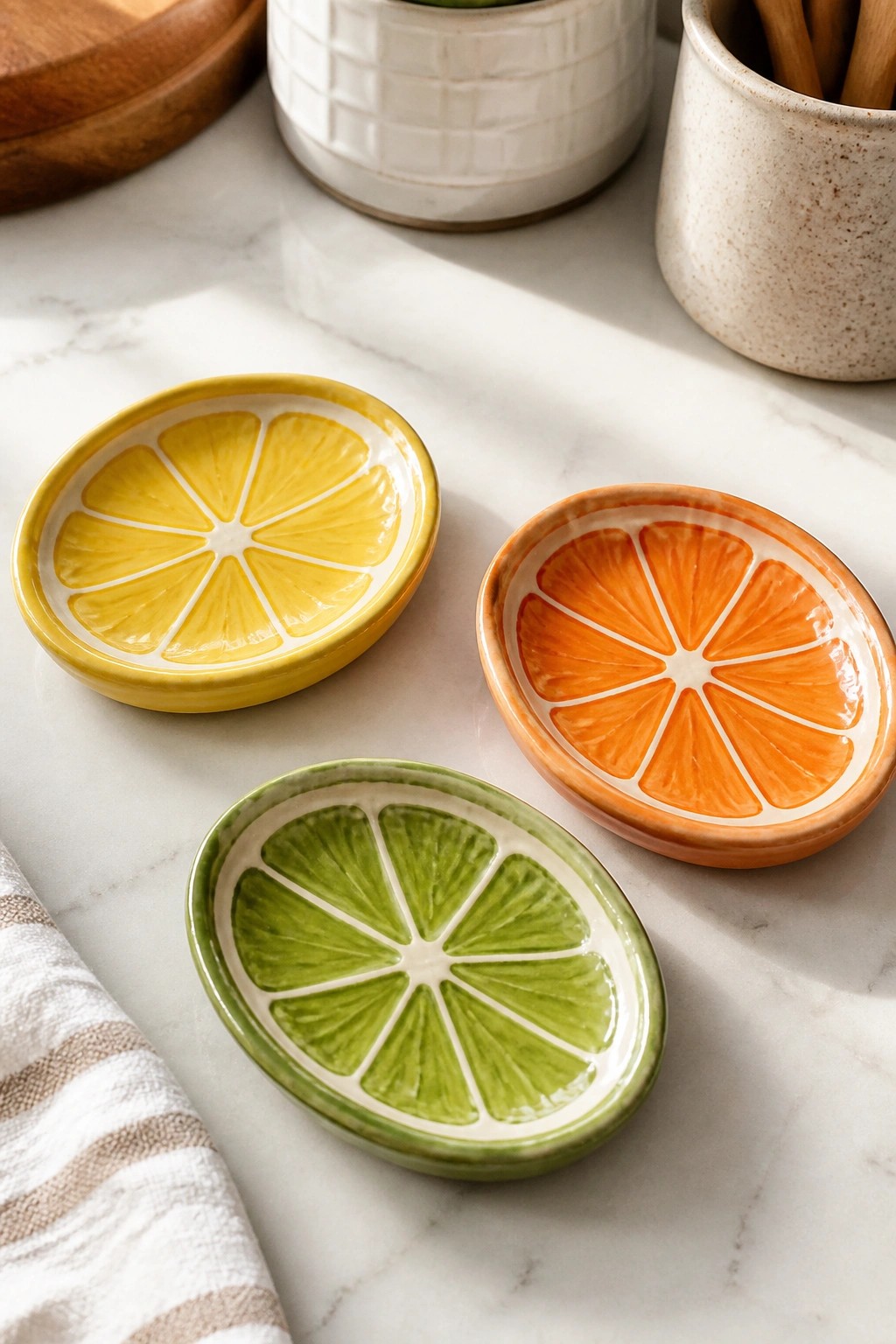
These are small, shallow ceramic dishes formed as citrus fruit slices and painted with radiating segments that mimic real fruit. Each dish uses a colored glaze to match the fruit type, with a lemon in yellow, an orange in bright orange, and a lime in green, all set against a white background that highlights the segment lines. The round, slightly raised rim keeps the form functional while the painted details stay simple and graphic. This project fits the small holder or ring dish category and works well as a quick slab or press-molded item.
What makes this idea useful is how the fruit motif gives a basic round dish instant visual interest without needing complex carving. You can adapt the same shape by changing the fruit or swapping the glaze colors to match different kitchen themes or seasons. The small scale makes these easy to produce in sets for gifts or to place on nightstands and bathroom counters for rings and small items. In a kitchen, the same form can hold spoons or tea bags while staying compact enough to store in a drawer when not in use.
Fern Imprint Slab Tile

A flat clay slab can be turned into a wall tile by pressing real fern fronds into the surface to leave clear impressions. The tile is then glazed with a simple gradient that moves from light beige at the top into deeper blue-green at the bottom, making the raised leaf details stand out. This creates a straightforward decor piece that relies on the natural texture of the leaves rather than added carving or painting.
What makes this idea useful is how the same pressing method can be repeated on smaller slabs to make matching coasters or a shallow tray. The gradient glaze is easy to adapt by switching the bottom color to fit different rooms. You could also use other flat leaves or grasses from a garden and group several finished tiles on one wall for a larger display. For a gift, a single tile like this takes little clay and still feels finished.
Cloud Shaped Ring Dish
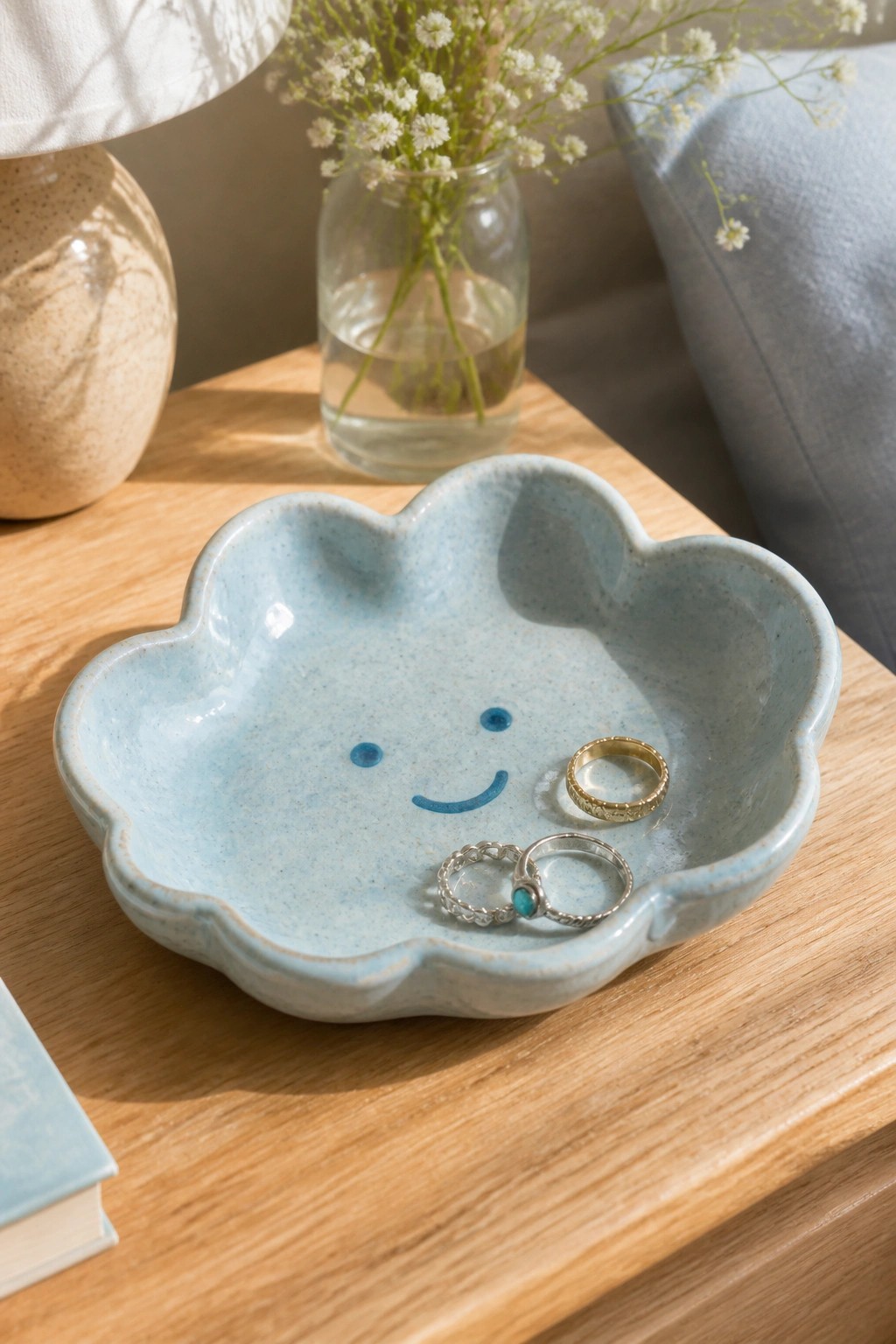
A cloud shaped ring dish comes together by rolling out a slab, cutting a freeform outline with rounded edges, and adding a shallow well in the center. The light blue speckled glaze gives the surface a soft finish, while the simple painted face in a contrasting blue keeps the decoration minimal and readable. This approach works because the irregular shape and low profile make the dish practical for holding small items without needing much clay or workspace.
The small scale makes this easy to adapt by swapping the cloud outline for a star, heart, or oval depending on the tools you have on hand. It sits well on a nightstand or dresser as a dedicated spot for rings and keeps them from getting lost in drawers. You could skip the face entirely and just vary the glaze color for a cleaner look, or add a second matching dish for earrings if you want to expand the set. The painted detail helps the piece stand out in photos, which is useful if you share projects online.
Frequently Asked Questions
What type of clay works best for easy slab pottery projects that create functional items? A low fire earthenware or stoneware clay body is ideal for beginners since it is forgiving and fires at lower temperatures in a kiln. Start with a clay that has some grog mixed in to reduce cracking as you roll out slabs and build forms like trays or mugs. Always wedge the clay well before use to remove air pockets and test a small sample piece first to see how it behaves during drying.
How thick should slabs be when making functional pottery pieces from simple clay? Aim for slabs around one quarter to three eighths of an inch thick for most projects to balance strength and workability. Use guides like wooden slats on either side of the clay when rolling to keep thickness even. Thinner slabs suit delicate items such as coasters while thicker ones support heavier pieces like bowls. Let slabs firm up slightly before cutting shapes to prevent distortion.
How do I prevent my slab built projects from cracking or warping? Dry pieces slowly under plastic or in a damp box for several days to allow even moisture loss. Avoid direct sunlight or heat sources that speed up drying unevenly. Score and slip joints thoroughly when attaching slabs and support forms with crumpled newspaper or molds during the leather hard stage. Check for cracks daily and repair with slip if needed before bisque firing.
What steps make slab pottery pieces safe for food or drink use? Choose food safe clay and glazes rated for dinnerware then apply a clear liner glaze on interior surfaces. Fire to the clay’s full maturity temperature in a kiln to vitrify the body properly. Test finished items by soaking in water overnight to check for absorption and avoid using metallic lusters or non food safe colors on eating surfaces.
Can I complete these projects without a pottery wheel or professional kiln? Yes many slab projects rely only on rolling pins templates and basic hand tools plus air dry clay alternatives for non fired decorative items. For fired work seek community studios or local classes that offer kiln access. Focus on simple forms like platters or vases that do not require throwing and practice scoring and slipping techniques to build sturdy functional shapes.

Pottery Path is my cozy corner of the internet where I share clay ideas, pottery inspiration, and simple projects you can recreate at home. I love exploring everything from air dry clay to handbuilt pottery to cute minis that brighten your day. My goal is to make clay crafting feel easy, fun, and welcoming for anyone who wants to try it.
You will find beginner friendly tutorials, creative pottery painting ideas, and lots of warm inspiration for slow and happy crafting. If you enjoy hands on creativity, this space will feel like home.