
I have always liked having small bud vases in my home because they fit nicely on shelves and tables without crowding the space.
Some of the ones I use are from my own pottery experiments and others are just simple finds that work well.
I put together these ideas after trying them out in different spots around my place.
They are mostly about using what you have and keeping things small and manageable.
I think they can make a room feel a little more lived in.
Compact Bud Vase with Blue Brushstroke
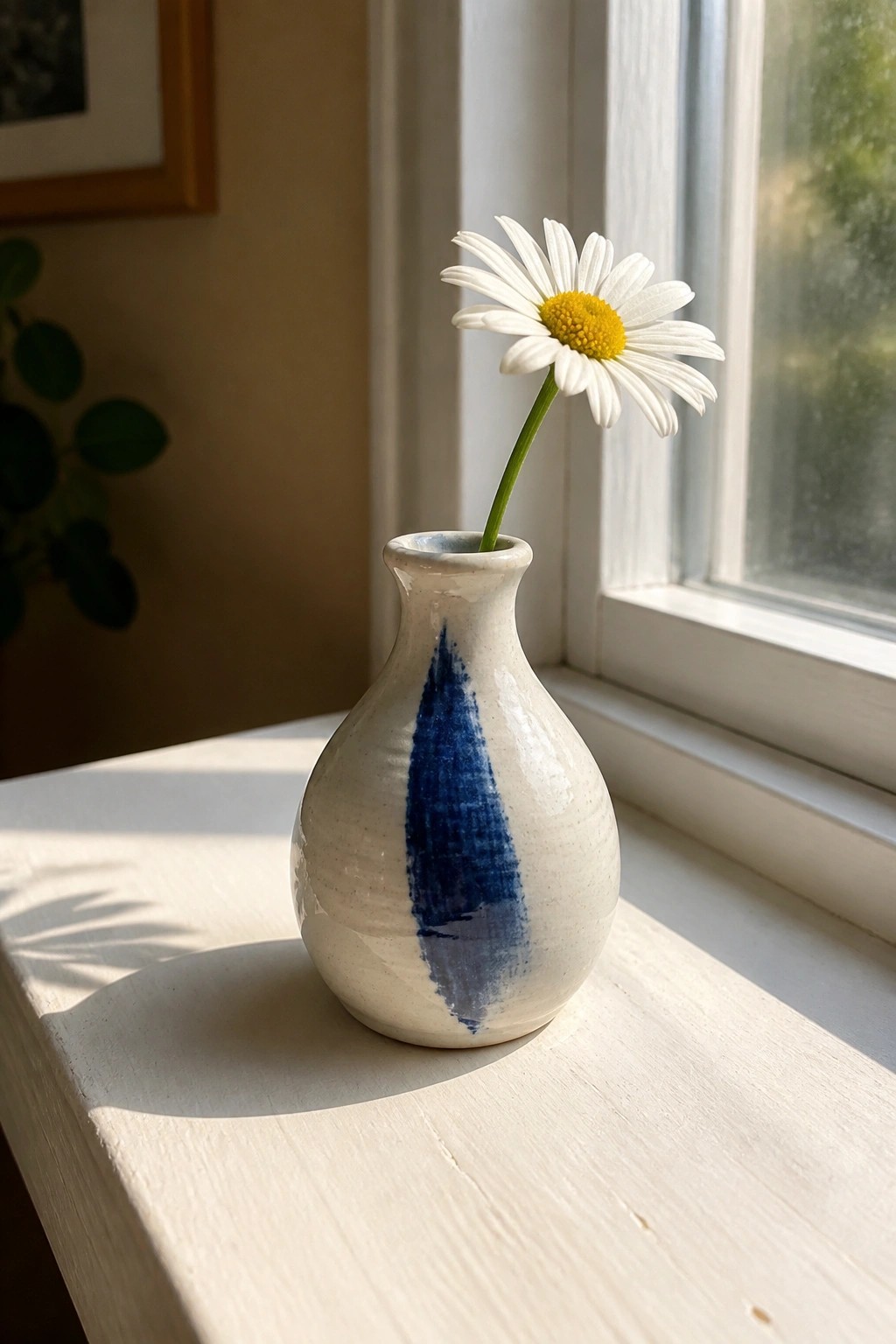
A small ceramic bud vase gives you a simple way to show off one flower at a time. The rounded body narrows into a short neck that keeps the stem upright, and the white speckled surface lets a single vertical blue brushstroke stand out without extra decoration. This approach fits the painted accent vase category and keeps the overall size small enough for shelves or narrow ledges.
What makes this idea useful is how the shape handles a single stem without extra hardware. You could repeat the brushstroke on the back side or switch to a different color to match a room. For a gift, something like this works well with a fresh flower and uses only a small amount of clay. The same form could also be made slightly taller to hold a few more stems if needed.
Wavy Rim Ceramic Bud Vase
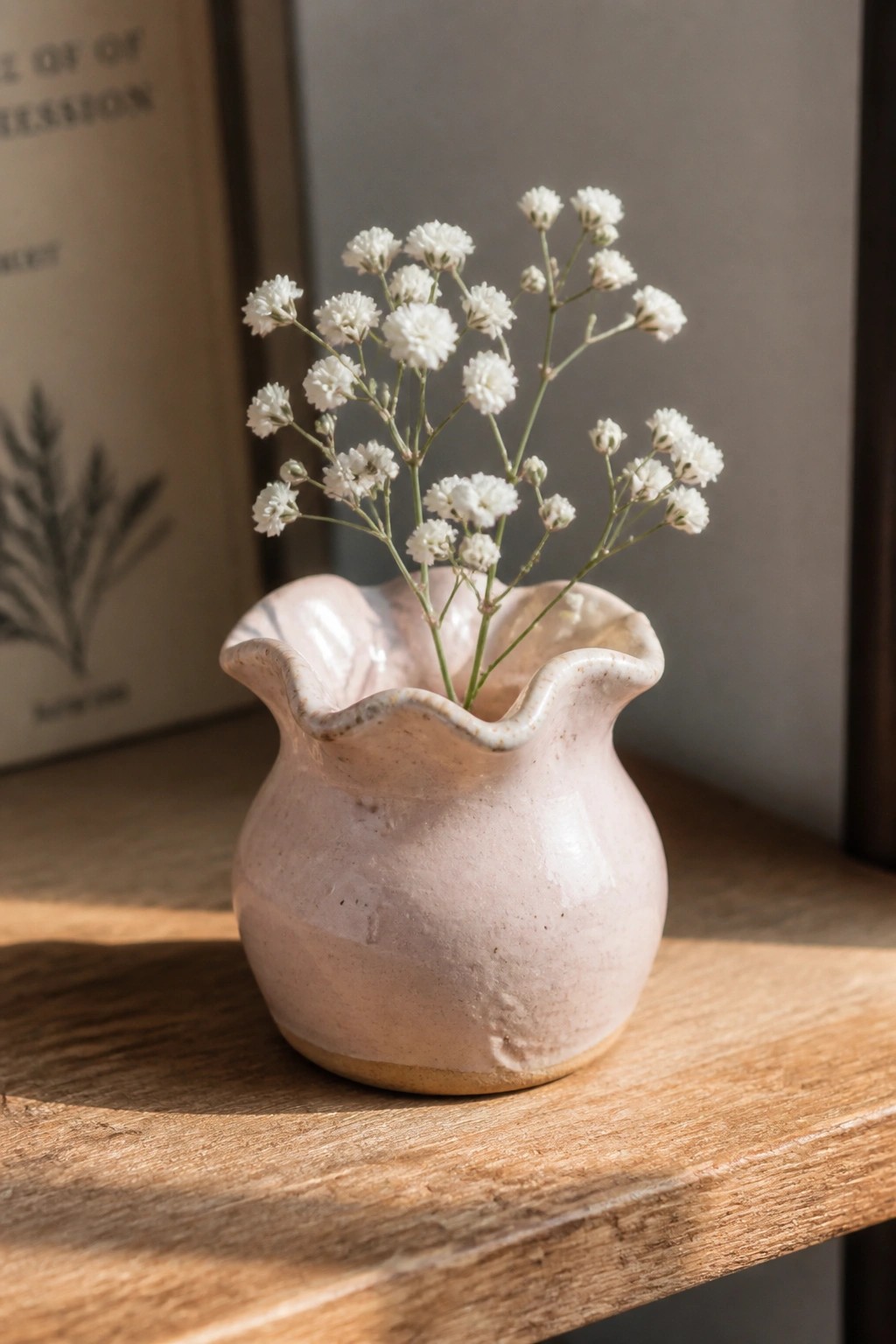
This bud vase has a rounded body that narrows slightly at the neck before opening into a wide, hand-formed rim with soft waves. The pale glaze covers the surface with visible variation that leaves some clay texture showing through. The overall form stays compact so it holds a few thin stems without taking over the surface it sits on.
The shape does a lot of the work here by giving the vase enough weight to stay stable while keeping the profile low. You could adapt the rim by pinching different sections higher or lower before the clay sets, or switch to a matte white glaze for a cleaner look on a dark shelf. For small spaces this size works well because it fits on narrow ledges or between books without crowding other objects.
Double-Neck Bud Vase for Mixed Stems
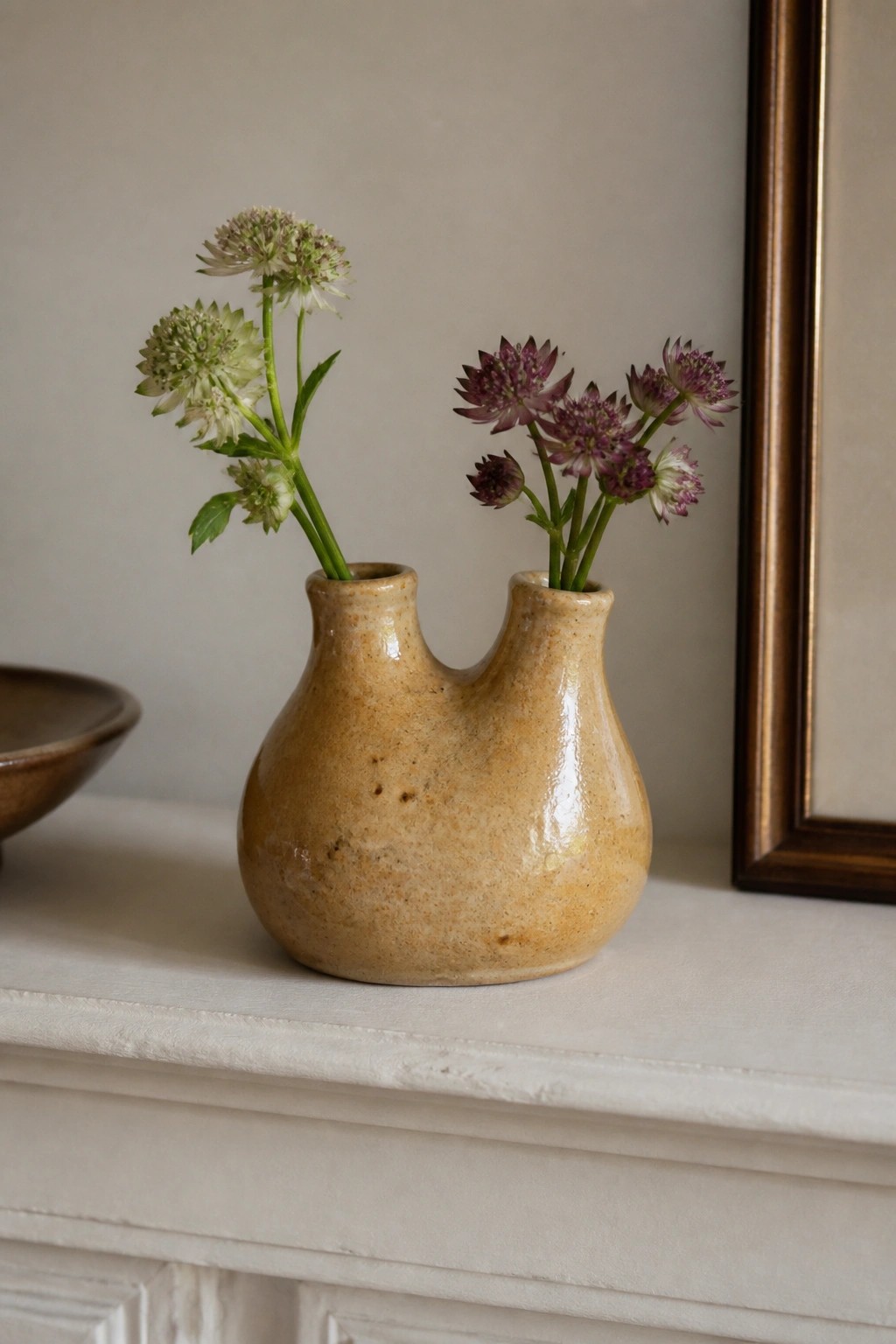
A double-neck bud vase gives two separate openings on one rounded body so you can place different flower clusters side by side. The necks sit close together and share a single base, which keeps the overall piece compact while letting each stem stand on its own. The speckled matte glaze adds subtle texture without competing with the flowers.
What makes this idea useful is how the connected shape handles two small bunches without needing extra vases or extra room. You could adapt the same form with a single wider neck for larger stems or add a third opening for more variety. In a small space this kind of vase keeps the arrangement low and balanced so it fits on narrow shelves or mantels without tipping.
Hanging Spherical Bud Vase
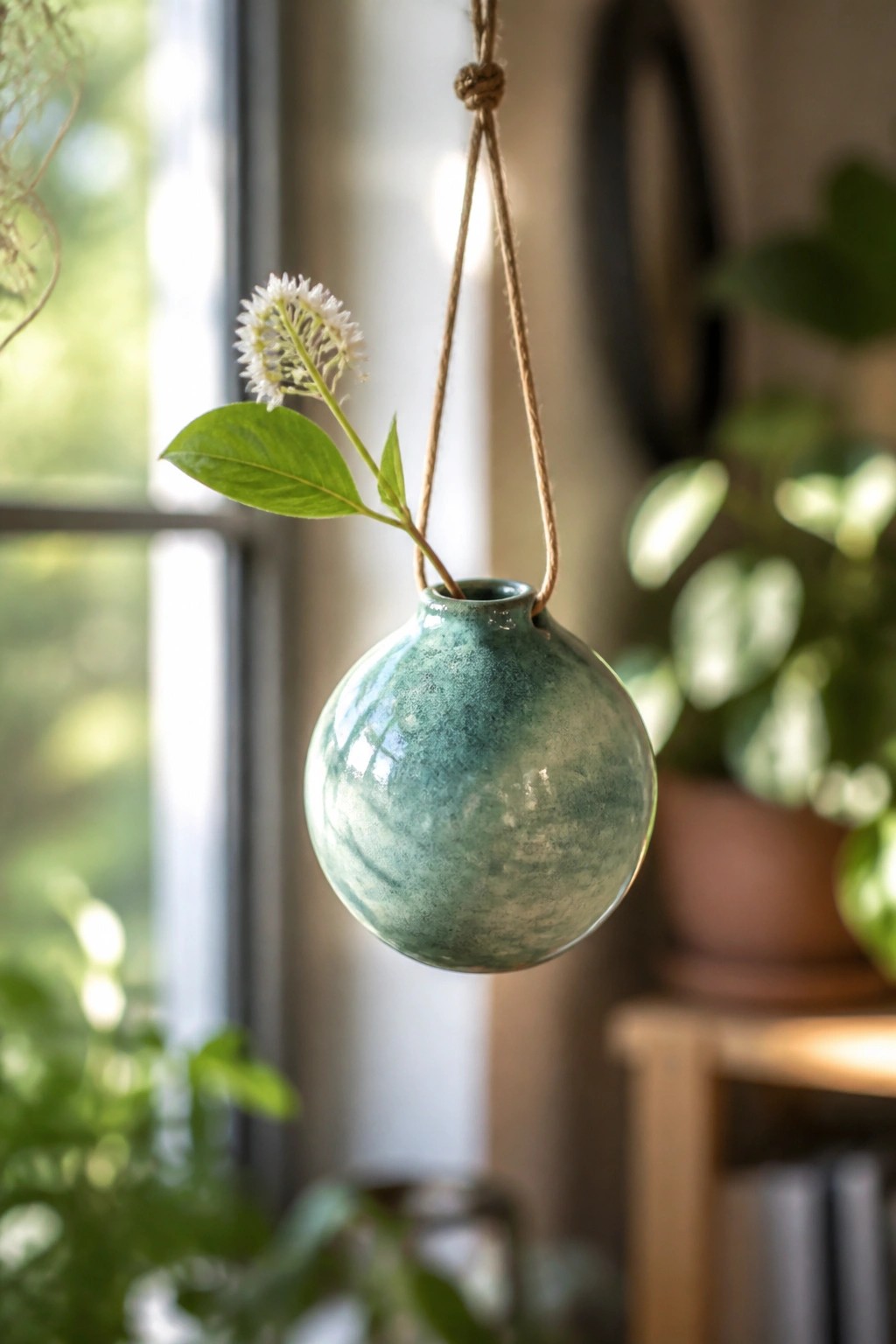
A small round ceramic bud vase with a short neck hangs from a simple rope sling looped around the rim. The sphere shape keeps the overall size compact while still giving enough volume for a few stems or a single bloom. The speckled turquoise glaze covers the entire surface and creates soft color shifts that catch light without needing extra decoration.
What makes this idea useful is how the round form and hanging setup let you place it in spots where a flat base would not work, like near a window or over a desk. You could rework the same shape with a different glaze color or swap the rope for leather cord to change the look. In small apartments this style keeps surfaces clear and still gives you a spot for fresh cuttings.
Wall Pocket Vase with Leaf Relief
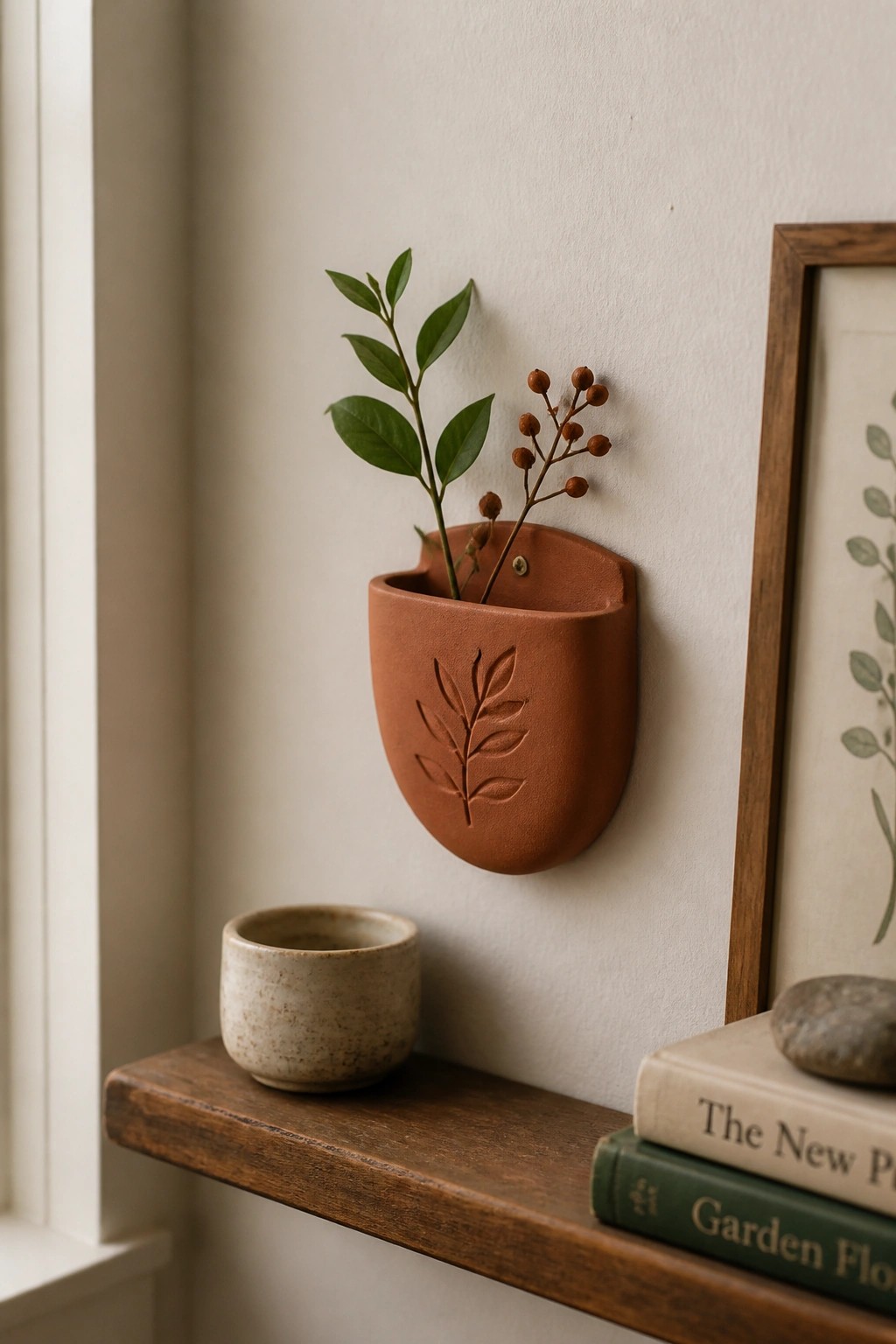
A handmade ceramic wall pocket in terracotta clay works as a vertical bud vase. The pouch shape has a wide opening at the top that holds several stems upright, while the front carries a simple raised leaf design pressed into the surface. The matte finish and rounded bottom edge keep the piece compact enough to hang on any wall without taking up shelf space.
What makes this idea useful is that it frees up table or shelf room while still showing off single stems or cuttings. The embossed leaf gives the surface enough texture to read from a distance, but the same form could be made plain or stamped with a different motif if you want a cleaner look. This shape works especially well above a narrow ledge or in a hallway where a regular vase would not fit. You could also make several smaller versions and line them up to create a vertical garden display.
Painted Ceramic Bud Vases in Mixed Shapes
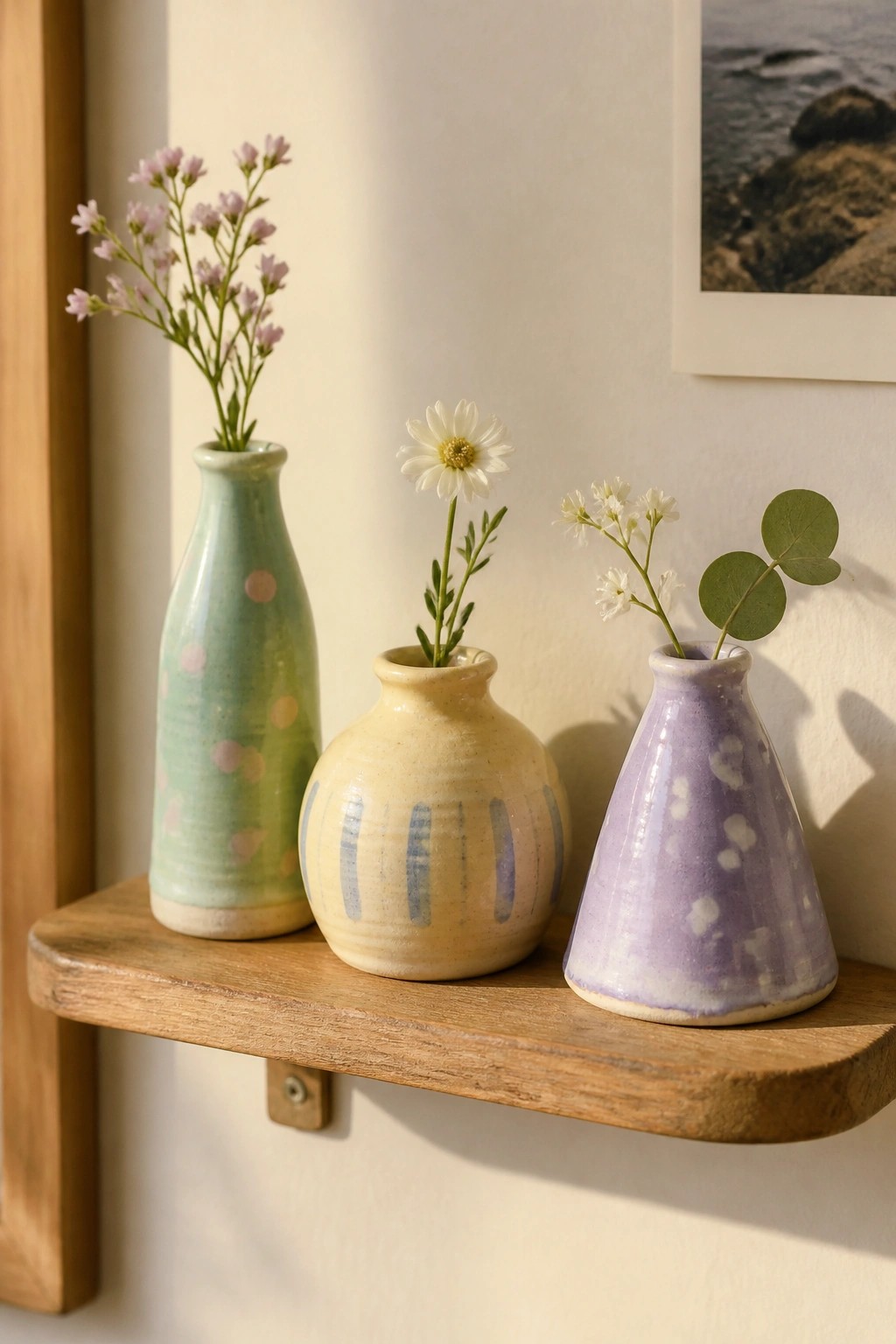
Small ceramic bud vases gain variety when you combine different forms and add simple painted or dotted surface details. One tall bottle shape carries a green glaze with scattered pink dots, a rounded body uses a cream base with vertical blue stripes, and a tapered cone shape shows a purple glaze with white spots. These pieces stay functional for single stems or small cuttings while the handmade quality shows in the uneven glaze edges and casual brush marks. The approach works as a decor object that fits narrow shelves or tabletops without crowding the space.
What makes this idea useful is how the compact sizes let you cluster three or four vases together for instant impact. You could adapt the stripe or dot patterns using underglaze on bisque ware or swap the cone shape for a squared version if you prefer sharper lines. In a small apartment, this grouping keeps the focus on the flowers rather than the vases themselves. For a gift, making two or three matching sets in different color families gives you quick, repeatable projects that photograph well for sharing.
Whale-Shaped Ceramic Bud Vase
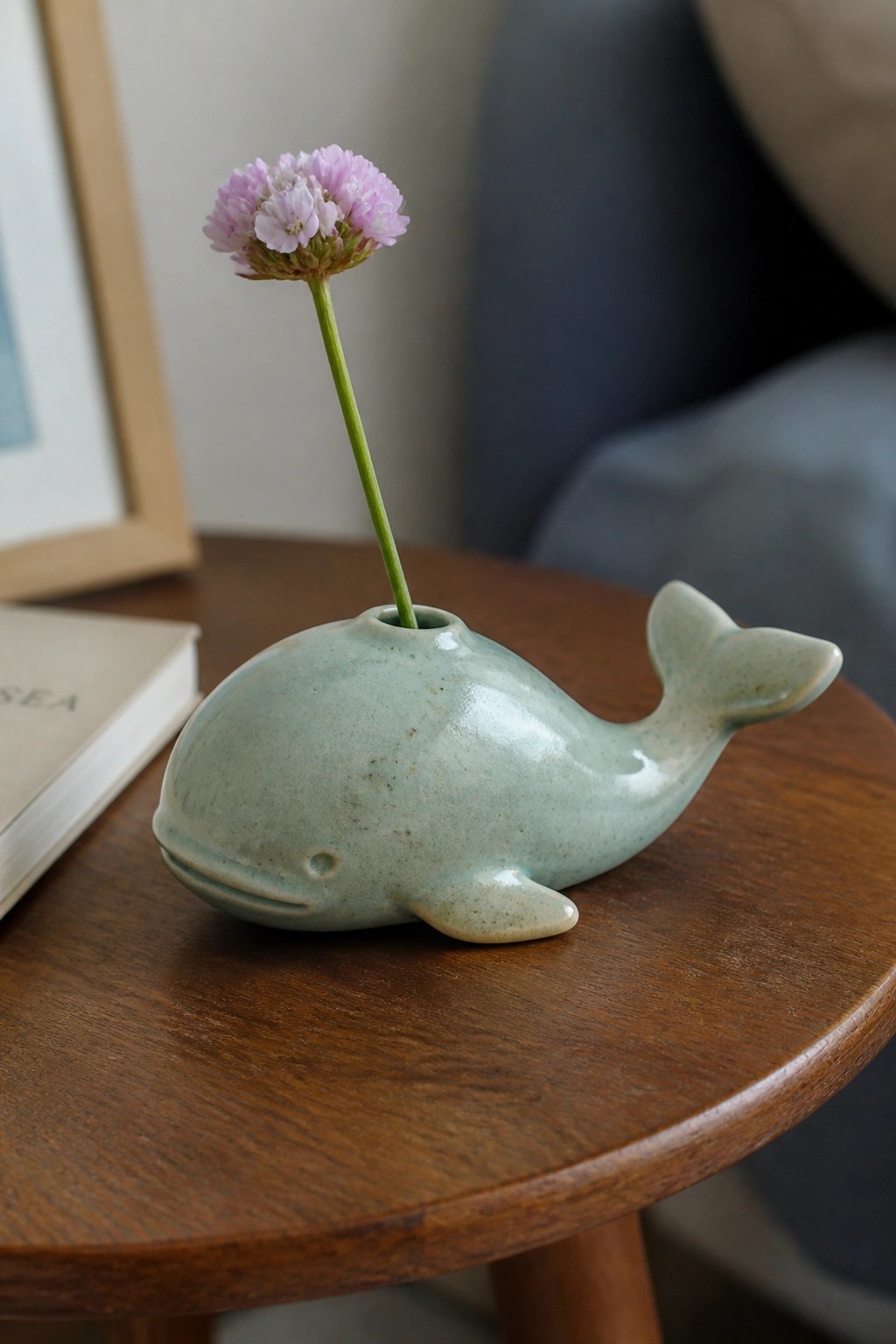
A small ceramic bud vase can be formed as a simple whale with a hollow body and an opening on the top for a single stem. The shape includes basic fins and a tail, finished in a light blue-green glaze with a soft speckled surface. This turns an ordinary bud vase into a compact figurine that still functions as a holder while taking up little space.
The small scale makes it easy to place on a side table or shelf where a standard vase would feel too large. You could rework the same idea by sculpting other sea creatures or keeping the whale form but changing the glaze color to match different rooms. For a gift, the animal shape gives the piece a clear theme that works well with minimal flowers or greenery.
Ceramic Pitcher Bud Vase
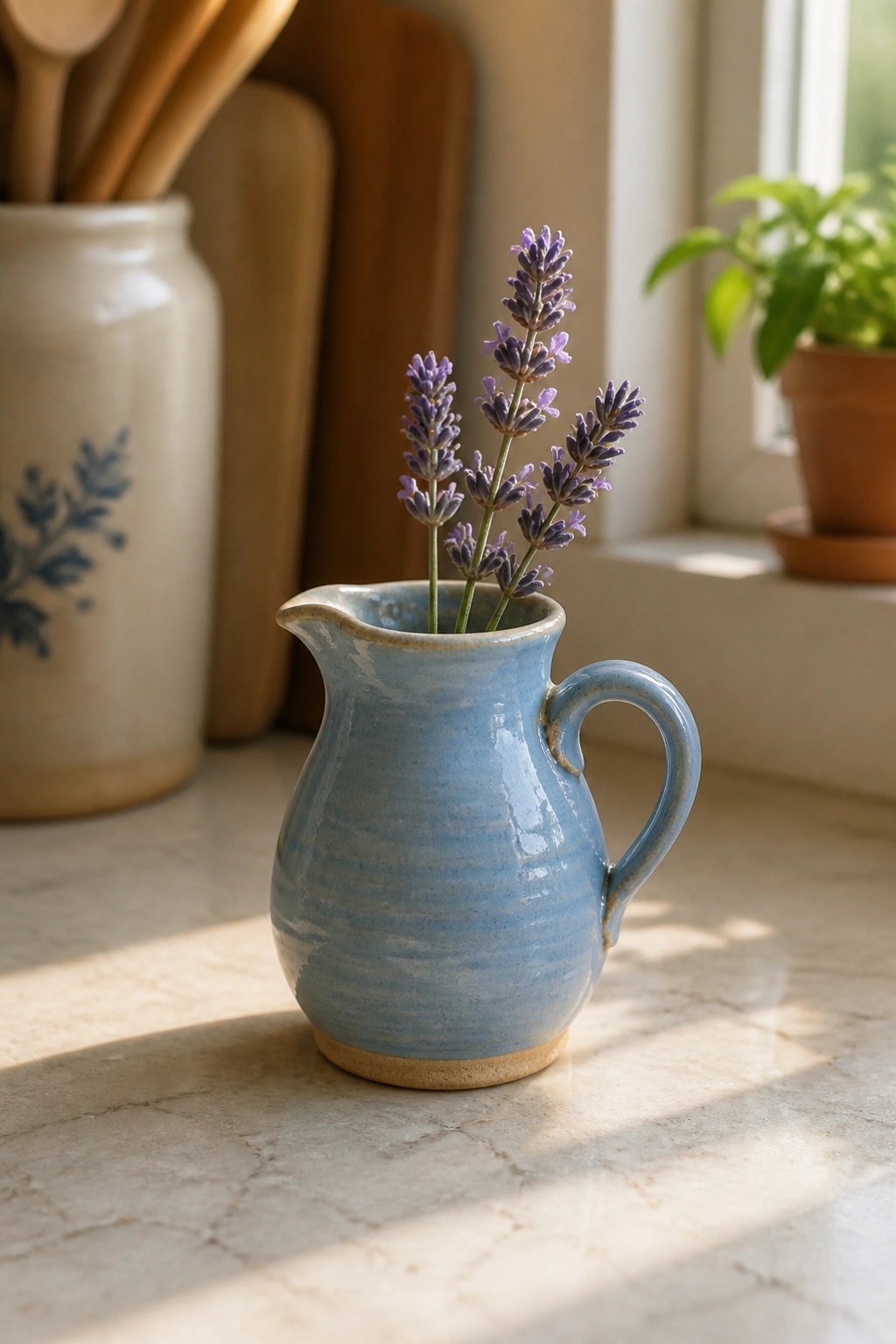
A small handmade ceramic pitcher works well as a bud vase because the rounded body and short spout hold a few stems upright without extra support. The attached handle gives the form balance and makes the piece easy to reposition. A blue glaze with visible horizontal brush marks adds subtle texture while the unglazed base keeps the overall look grounded. This fits the simple vessel category that suits shelves, tables, or narrow windowsills.
What makes this idea useful is the compact size that fits tight spots without crowding other items. You can adapt the same pitcher shape in different glaze colors to match kitchen counters or bathroom ledges. For a gift, something like this pairs easily with fresh garden cuttings. The handle detail also lets you turn the same form into a small creamer or desk holder with minimal changes.
Cylinder Bud Vase with Matching Tray Base
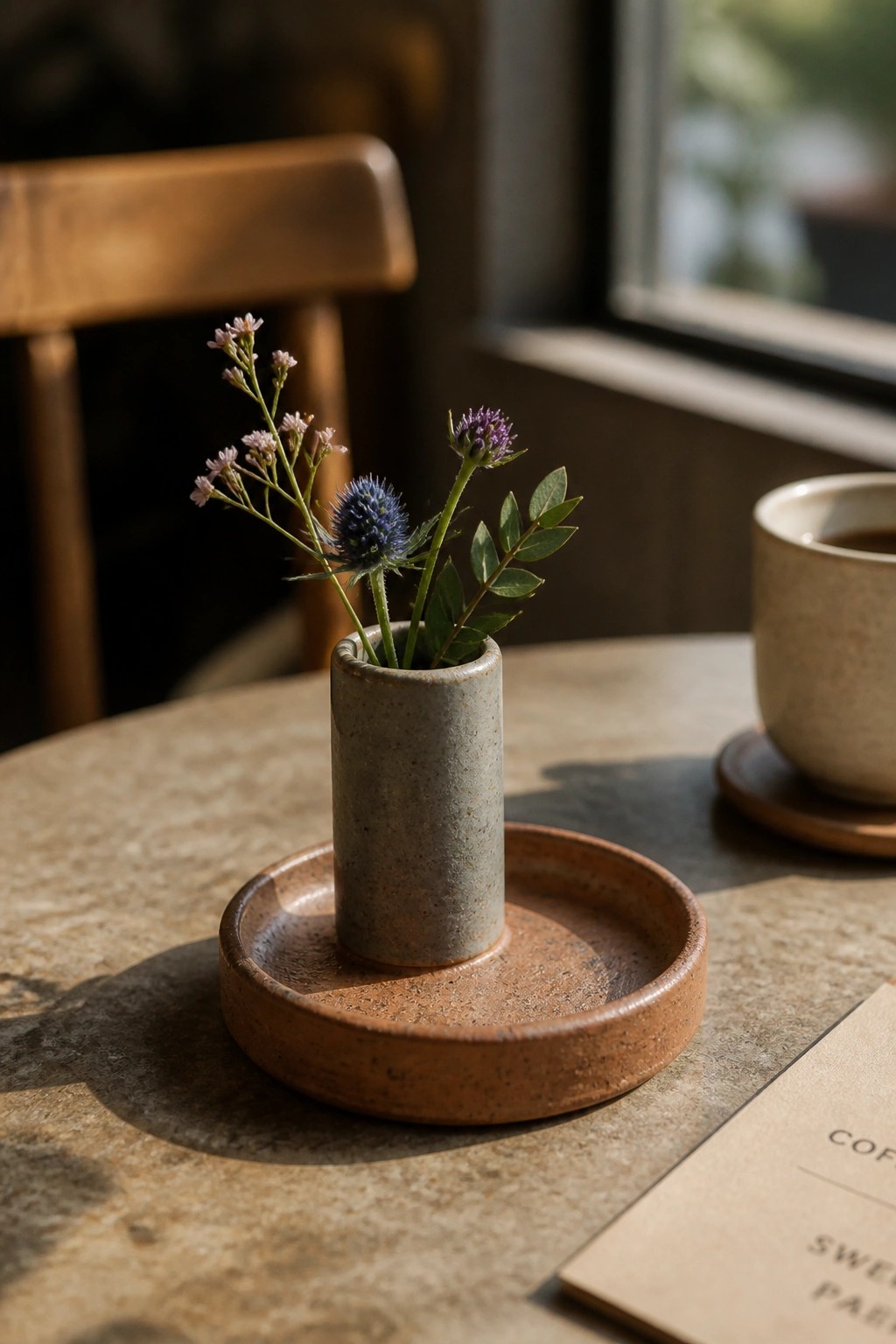
A small upright cylinder vase made from speckled clay rests inside a shallow, wider dish. The straight sides and matte surface keep the form simple while the tray provides a stable base and catches any drips. This setup works as a compact bud vase that holds just a few short stems without taking up much room. The two-piece design stays grounded in basic wheel-thrown or hand-built shapes that most potters can repeat.
What makes this idea useful is the built-in tray that turns a plain cylinder into something more practical for tables. You can change the dish diameter or depth to hold the vase steadier or to fit different flower lengths. The same idea adapts easily to a single piece by throwing the tray and cylinder together or by using contrasting clay colors between the two parts. It works especially well on shelves or narrow ledges where a standalone vase might tip.
Connected Triple Bud Vases
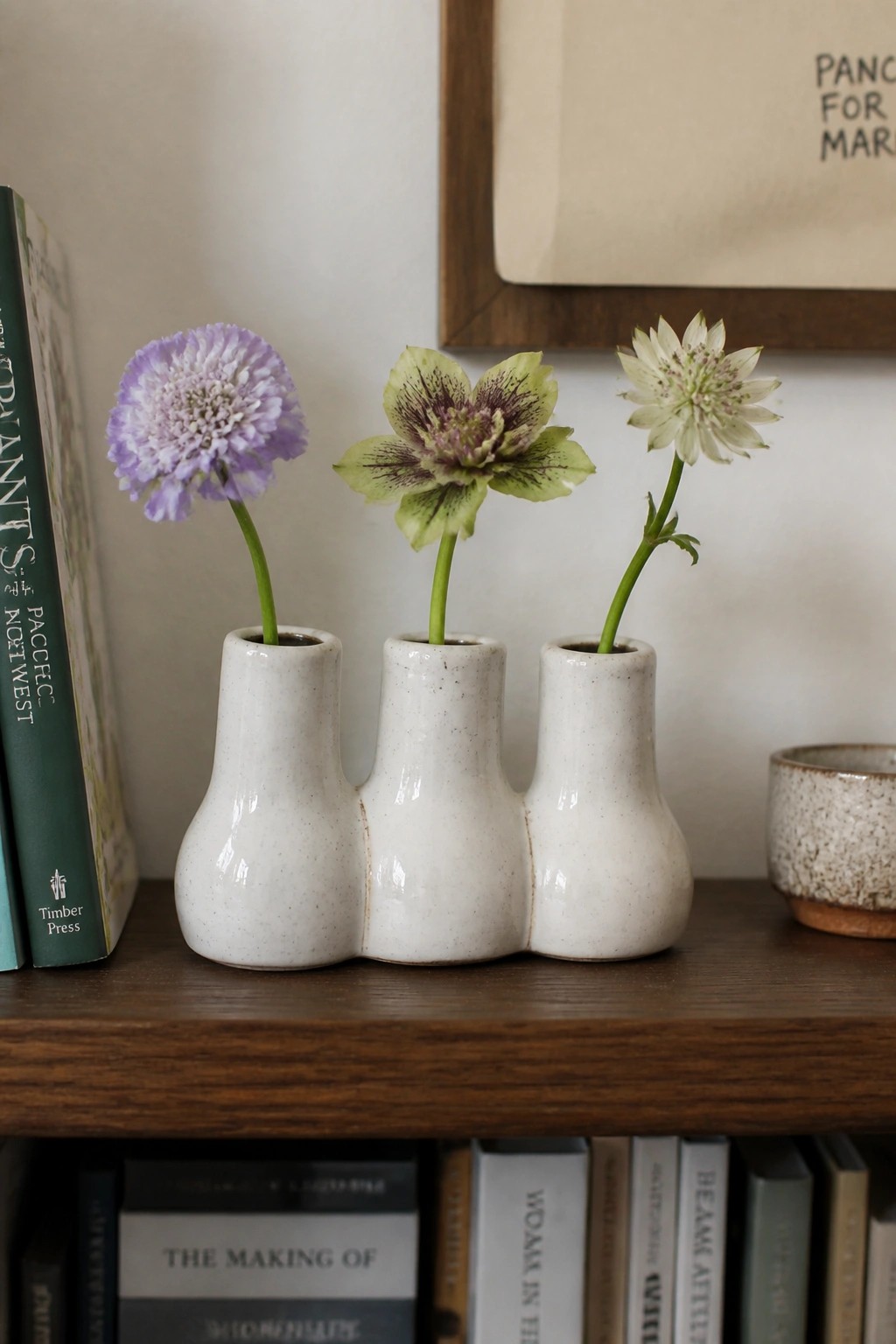
Three small bud vases joined at the base form one stable ceramic piece that holds multiple stems in a compact row. The rounded shapes taper gently upward in a speckled off-white clay with a smooth, matte finish that keeps the focus on the flowers rather than the surface. This setup fits the bud vase category and works especially well when you want several blooms displayed together without separate pieces shifting around.
What makes this idea useful is how the connected base prevents tipping on narrow shelves or mantels where single vases would crowd each other. You could scale the same joined form down to two vases for even tighter spots or stretch it to four for a longer table runner. The neutral speckled glaze also makes it easy to adapt by swapping in different clay colors or adding a simple band of texture near the rim. For small-space styling, this shape gives you the look of a full arrangement while staying easy to move and store.
Teardrop Striped Bud Vase for Tight Surfaces
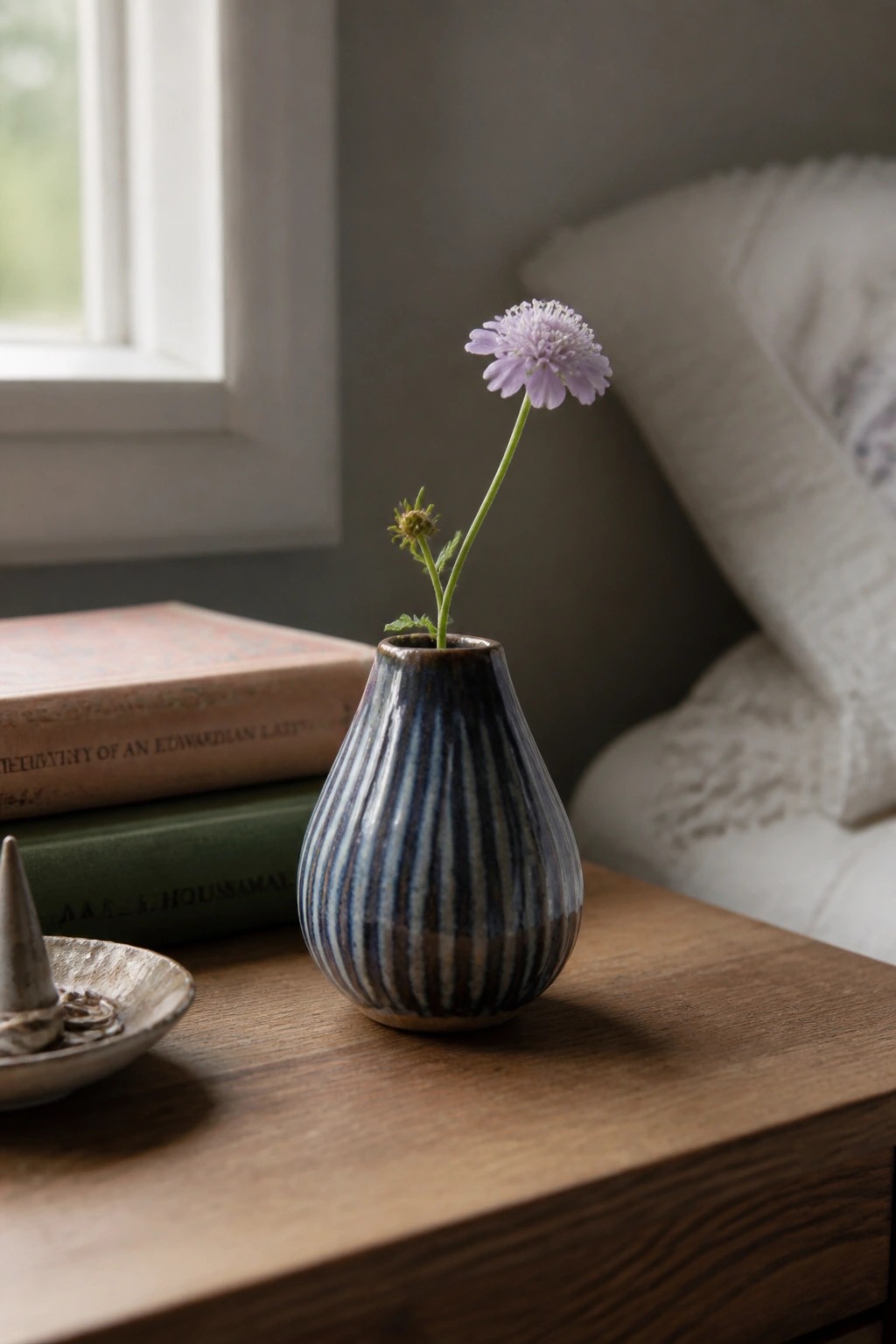
A small ceramic bud vase with a teardrop body and narrow neck holds single stems upright without tipping. The vertical blue and brown stripes on a glossy surface create contrast that draws attention to the flower rather than the vase itself. This shape keeps the overall footprint small while still giving enough volume to stay balanced on a shelf or table. It belongs in the simple bud vase category for spots where larger pieces would crowd the space.
What makes this idea useful is how the tapered form fits into corners or between other objects without taking over. You could adapt the same striped glaze treatment to a slightly wider version for grouping two or three stems or scale it down further for a windowsill row. For a gift, something like this works well paired with a fresh cutting from the yard. The small size also makes it easy to test new glaze combinations without using much clay or kiln space.
Twisted Overlapping Bud Vase
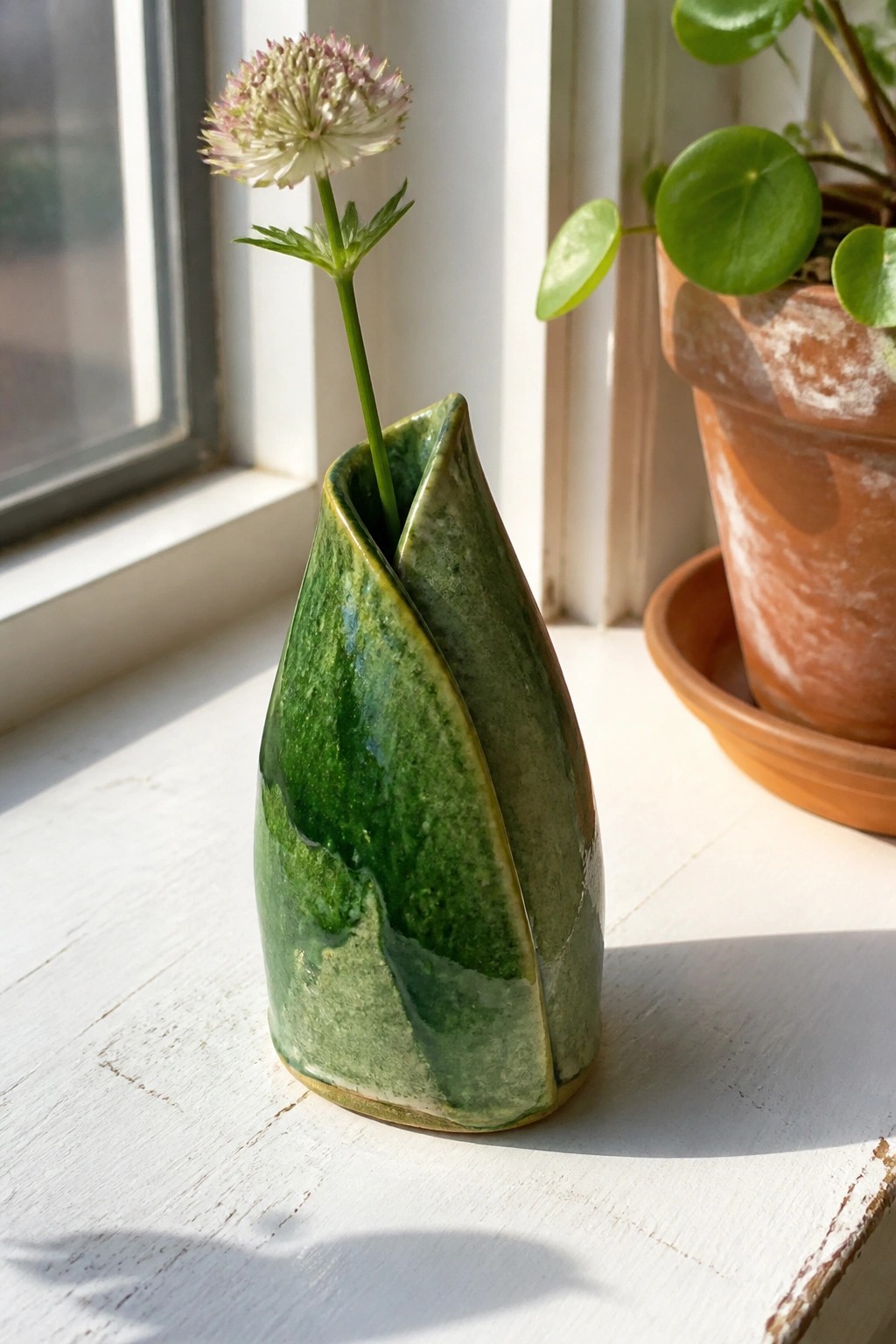
A small ceramic bud vase built with overlapping pinched sides that create a narrow, angled opening for a single stem. The form stays compact at the base while the top twists slightly to one side, and the glaze mixes deep greens with lighter and brownish patches that follow the contours. This approach keeps the focus on the handmade shape rather than added surface details, making it a straightforward option for a minimal holder.
The shape does a lot of the work here by giving the vase presence even when empty. A piece like this works especially well on a narrow shelf or windowsill where larger vases would crowd the space. You could adapt the same pinching method to create a cluster of different heights or try a matte glaze in one solid color for a quieter look. For a gift, something like this pairs easily with a few fresh stems without needing extra wrapping or packaging.
Painted Smiley Face Bud Vase
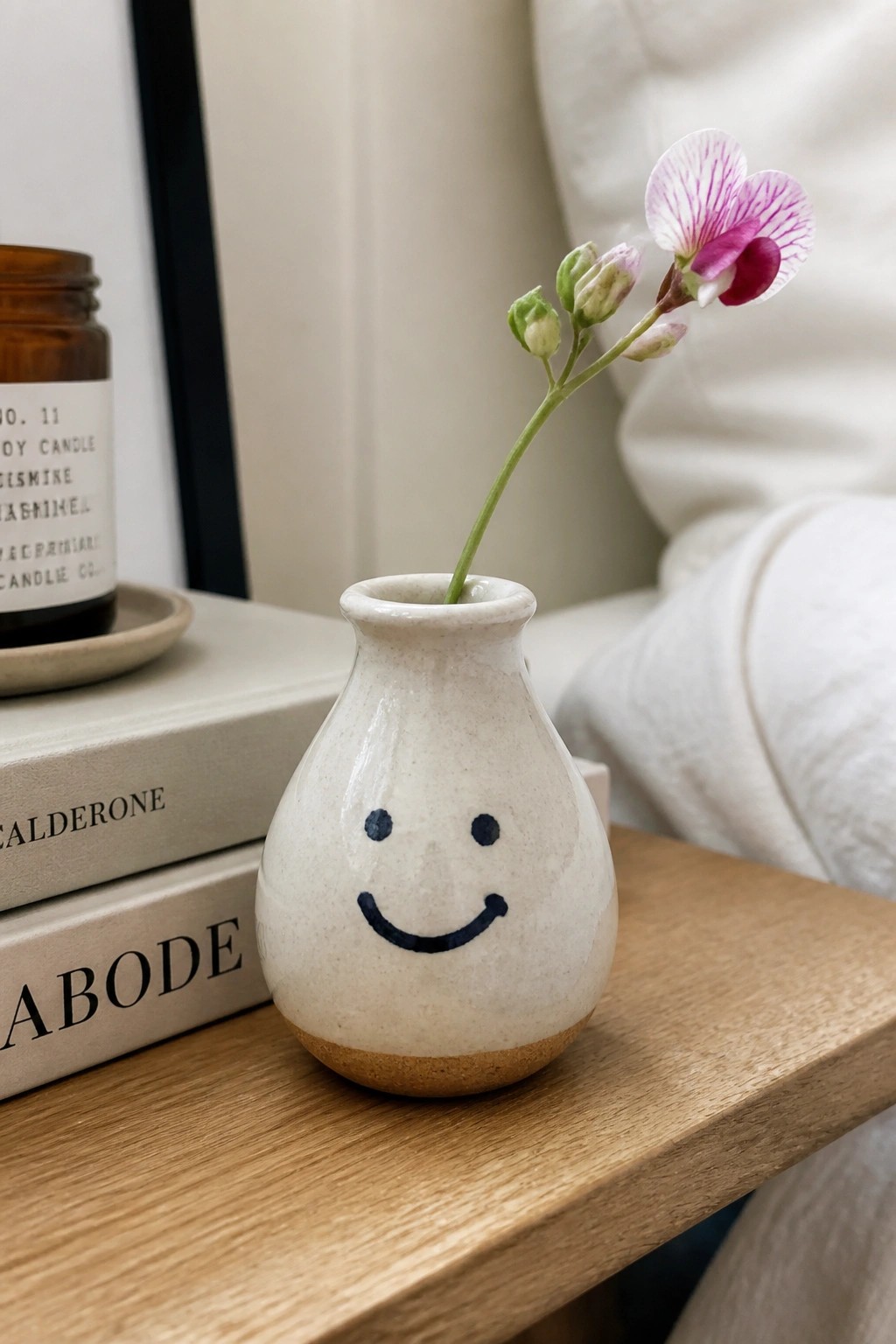
A small handmade ceramic bud vase with a rounded body and narrow neck works well when finished in a light speckled glaze and decorated with a simple black smiley face. The face sits centered on the widest part of the form so the curves of the vase itself help shape the expression. This keeps the decoration minimal while still giving the piece a clear focal point that suits tight spaces.
The small scale makes this easy to adapt for a desk, windowsill, or grouped display on open shelving. You could change the face to different expressions or swap the black paint for underglaze in another color to match existing decor. For a gift, this shape pairs cleanly with a single stem and needs little extra wrapping.
Incised Chevron Bud Vase
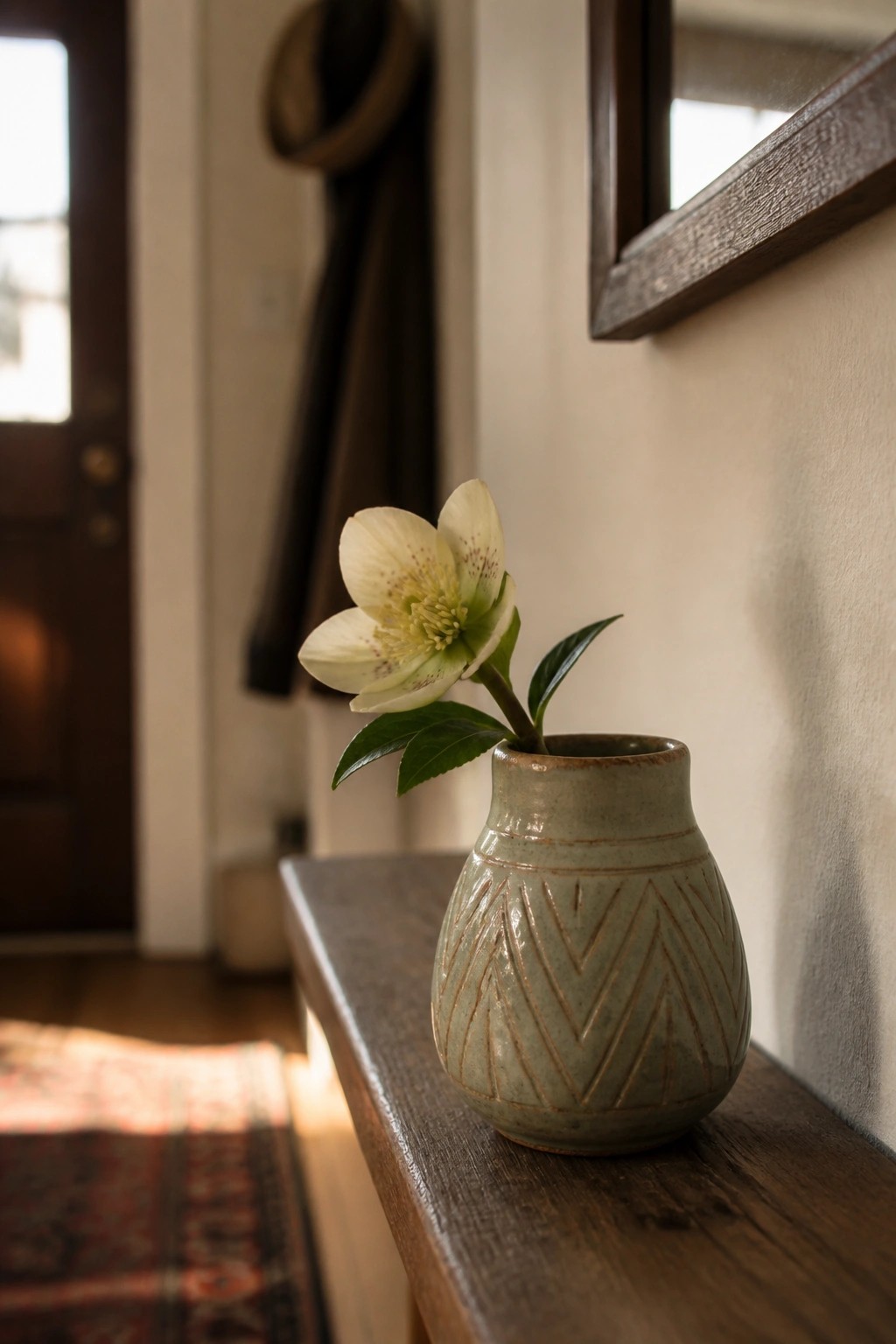
A compact bud vase with a rounded body and short neck gives a single stem room to stand without tipping. The surface carries an incised pattern of repeating chevrons that catch the glaze and create soft contrast against the sage tone. This approach keeps the form simple while the carved lines supply the main visual detail. The result stays firmly in the bud vase category because the proportions suit one or two short stems on a shelf or narrow ledge.
What makes this idea useful is how the carved lines add surface interest without requiring extra color or complex shaping. You can scale the same pattern down to a set of three vases or swap the glaze for a warmer tone to match different rooms. For a gift, something like this works with whatever flowers are in season and needs no extra wrapping. The small size also makes it easy to try the carving technique on a test piece first before committing to a full batch.
Speckled Ceramic Bud Vase with Rounded Form
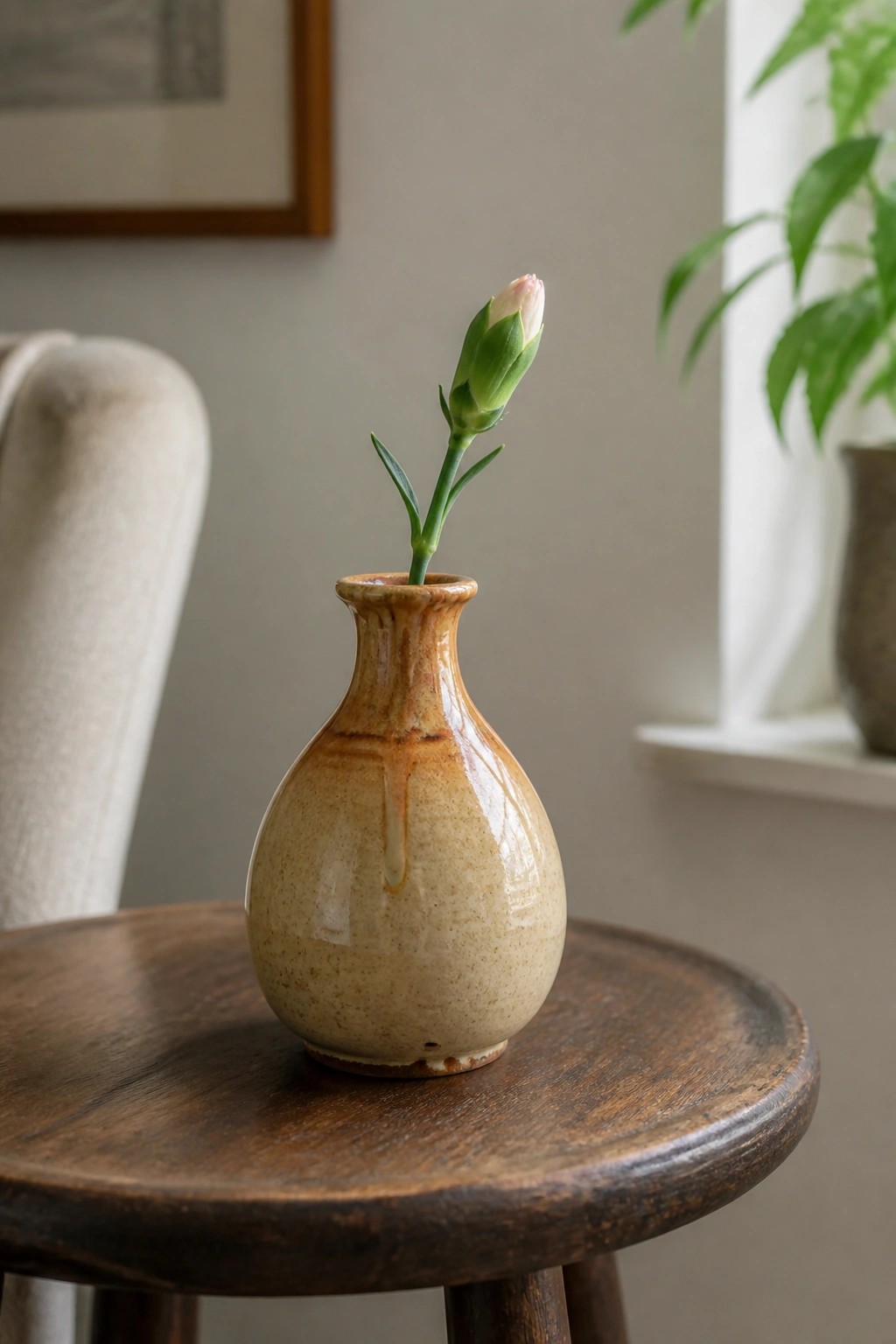
A small handmade ceramic bud vase with a bulbous body and tapered neck holds single stems without taking up much room. The speckled beige glaze and subtle brown drips create a simple surface that keeps attention on the flower. This style works as a compact vase for tables or shelves where larger pieces would feel crowded.
What makes this idea useful is the narrow opening that naturally supports one stem at a time. You could adapt the same shape in a matte finish or add a second color band near the neck for variety. The small scale makes it easy to produce several at once for grouping on a windowsill or as quick gifts.
Low Disc Bud Vase in Crackle Glaze
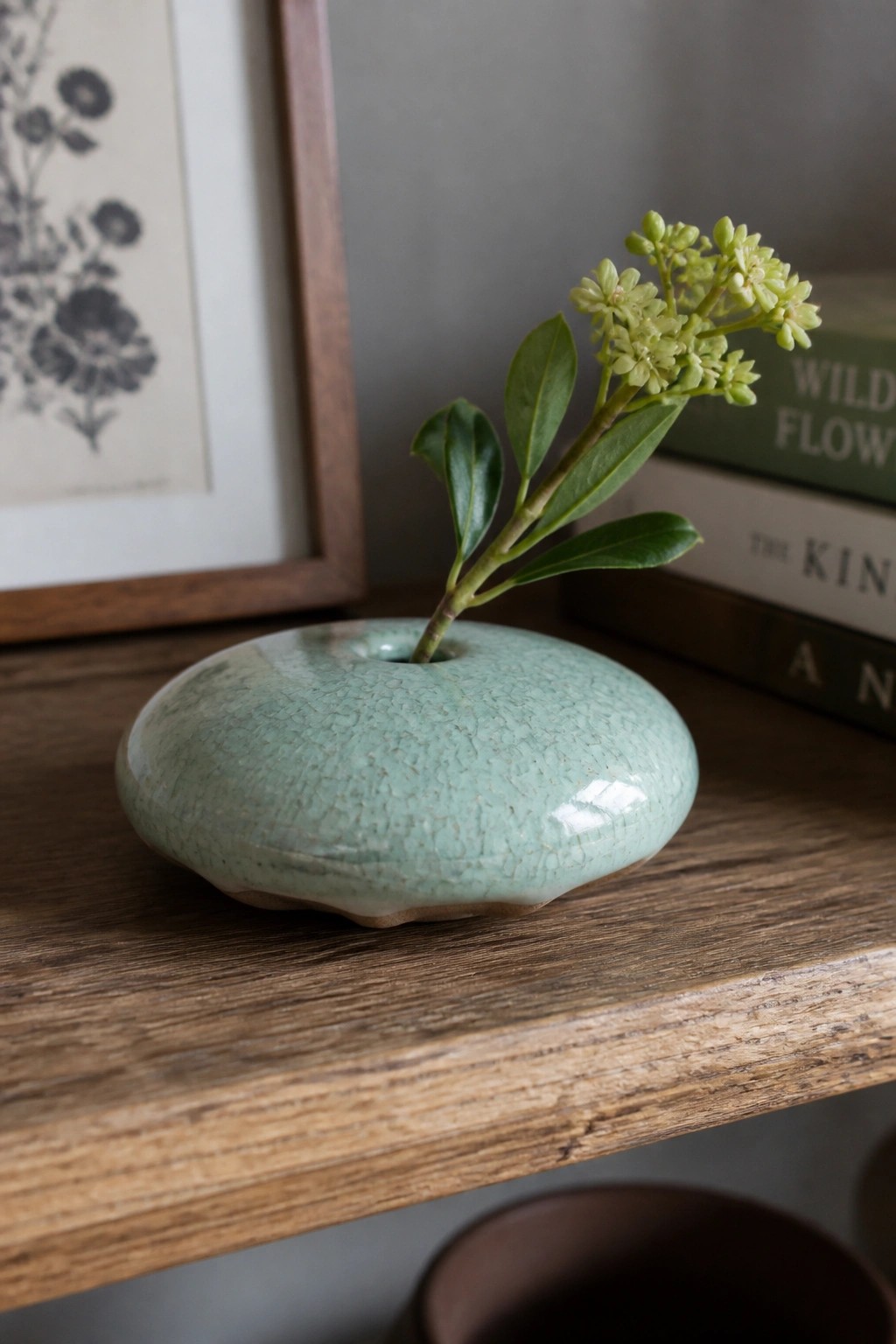
A wheel-thrown disc-shaped bud vase with a narrow central opening holds a single stem or small cluster without competing for attention. The wide, flattened form stays balanced on shelves and tables while the pale mint crackle glaze gives the surface subtle texture and variation. This style fits the category of small decorative vases meant for tight spaces rather than large floral displays.
The small footprint lets it sit on narrow ledges or between books without tipping or taking over the surface. You could rework the same shape in a matte white or deep charcoal glaze to match different room colors, or stretch the disc slightly into an oval for a fresh variation. Groups of three in different glaze tones also create a simple shelf arrangement that still leaves room for other objects.
Ridged Bud Vase with Scalloped Rim
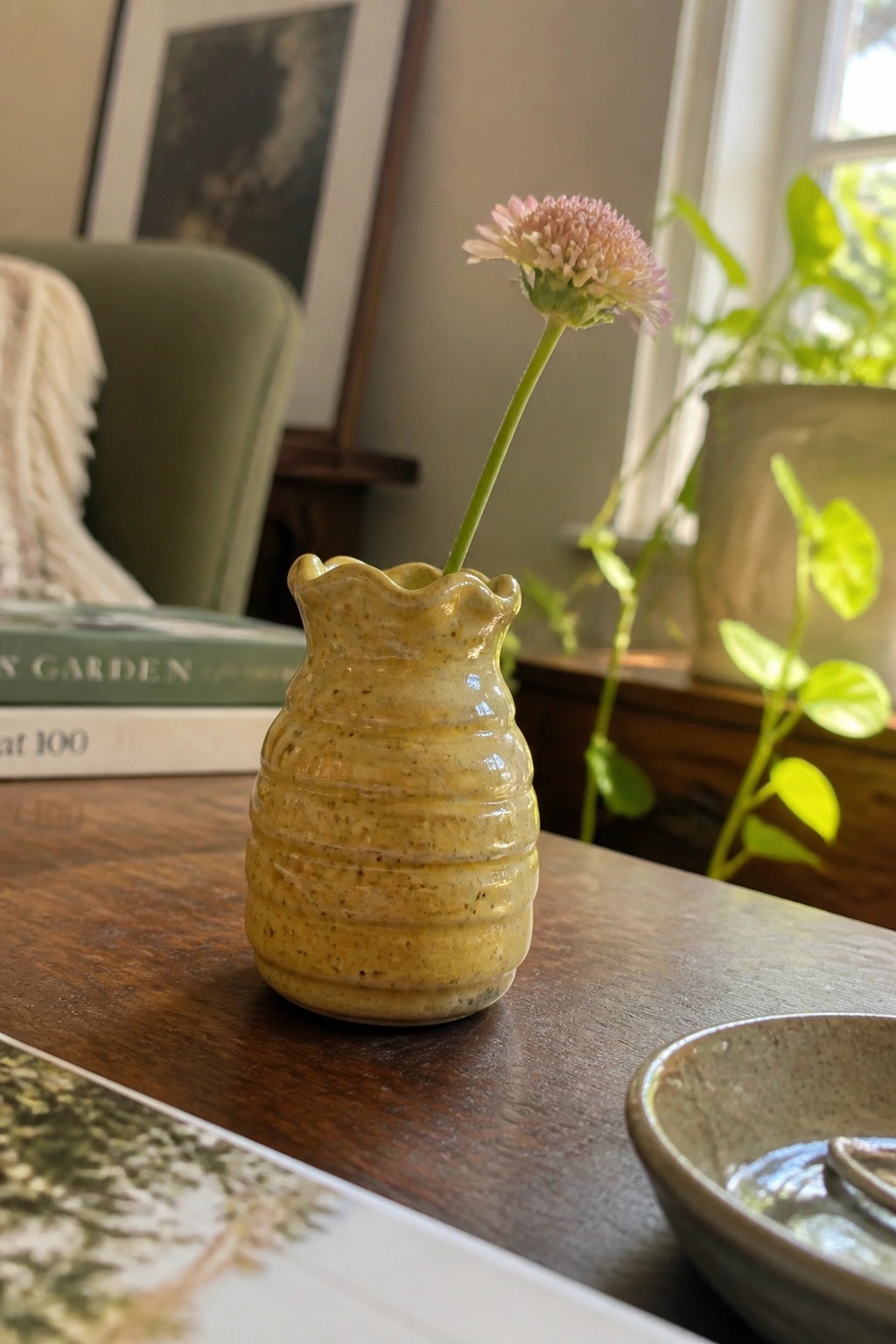
A compact ceramic bud vase formed with horizontal ridges and a wavy scalloped rim gives a single stem clear visual focus. The textured surface catches light across the gentle curves while the speckled warm yellow glaze keeps the overall look simple and earthy. This approach suits anyone making small vases meant for tight spots like shelves or tabletops.
The small scale lets you produce several versions quickly using the same basic cylinder and rim technique. You can swap the glaze color or adjust the ridge spacing to match different rooms without changing the core shape. A piece like this also works as a starting point for taller versions or sets grouped by glaze tone.
Nested Bud Vase with Textured Holder
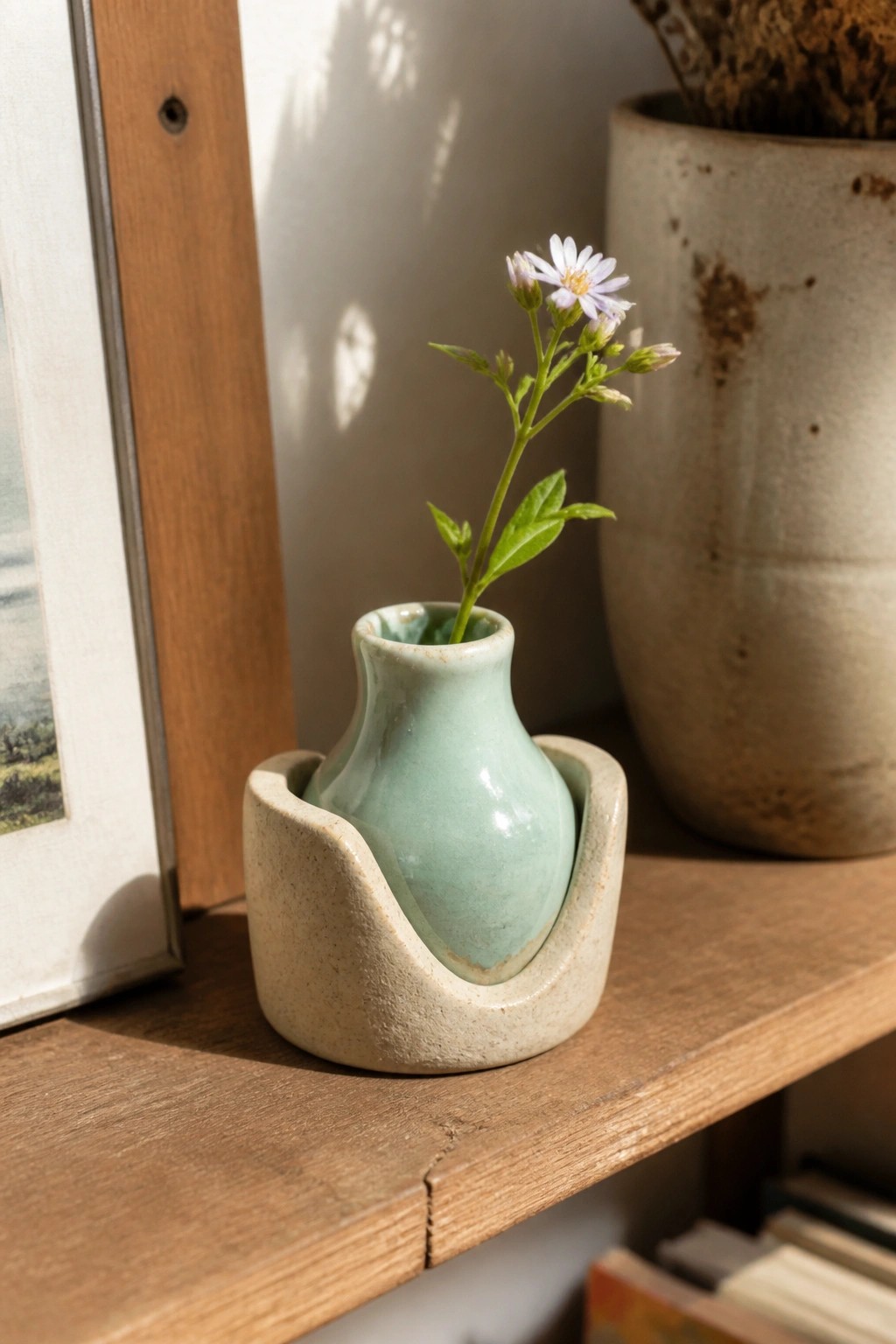
This project pairs a small wheel-thrown or handbuilt vase with a separate, low-profile ceramic holder that cradles it from below. The inner vase has a smooth celadon-style glaze in soft green, while the outer holder stays unglazed or lightly textured for contrast in surface and color. The holder’s curved opening keeps the vase upright without needing extra support, turning a simple bud vase into a stable two-piece set that works on narrow shelves or tabletops.
What makes this idea useful is the added stability the holder provides for tiny vases that would otherwise tip. The small overall scale fits tight spaces like mantels or windowsills, and the two-tone finish gives visual weight without taking up much room. You could rework the same concept by changing the holder’s shape to a square tray or a shallow dish, or by matching the glaze colors for a more unified look. For a gift, the nested form makes the piece feel more finished than a plain bud vase alone.
Frequently Asked Questions
What types of flowers or plants work best in bud vases for shelves and tables?
Single stem flowers like roses, ranunculus, or tulips are ideal because they fit perfectly in narrow openings and create elegant displays without taking up much room. For greenery, try sprigs of eucalyptus or ferns to add texture. These choices keep the focus on the vase shape while allowing easy rotation of blooms to match seasons or moods.
How can I arrange multiple bud vases on a shelf without creating clutter?
Group vases in odd numbers like three or five, varying their heights and spacing them a few inches apart to allow each one to stand out. Place taller vases toward the back and shorter ones in front, mixing in a few with similar colors or materials for cohesion. This approach turns the collection into a balanced focal point rather than a scattered mess.
What steps help keep water fresh in bud vases and prevent spills in small spaces?
Change the water every two days and add a drop of bleach or a flower food packet to slow bacteria growth. Trim stems at an angle before placing them in the vase to improve water uptake. For spill prevention, choose vases with weighted bases and fill them only halfway, especially on tables where movement might occur.
Where can I source affordable or unique bud vases for home use?
Check thrift stores, flea markets, or online marketplaces for vintage glass or ceramic options that often cost just a few dollars each. Craft stores sell simple clear glass versions in bulk for customization with paint or ribbon. Repurposing small jars or bottles from your kitchen also works well and adds a personal touch without extra spending.
How do I care for bud vases made from different materials like glass, ceramic, or metal?
For glass, wipe with a vinegar solution to remove water spots and avoid harsh abrasives. Ceramic needs gentle dusting with a soft cloth to preserve any glaze. Metal vases benefit from occasional polishing with a microfiber cloth to prevent tarnish, and always dry them thoroughly after use to avoid moisture damage in humid areas.

Pottery Path is my cozy corner of the internet where I share clay ideas, pottery inspiration, and simple projects you can recreate at home. I love exploring everything from air dry clay to handbuilt pottery to cute minis that brighten your day. My goal is to make clay crafting feel easy, fun, and welcoming for anyone who wants to try it.
You will find beginner friendly tutorials, creative pottery painting ideas, and lots of warm inspiration for slow and happy crafting. If you enjoy hands on creativity, this space will feel like home.