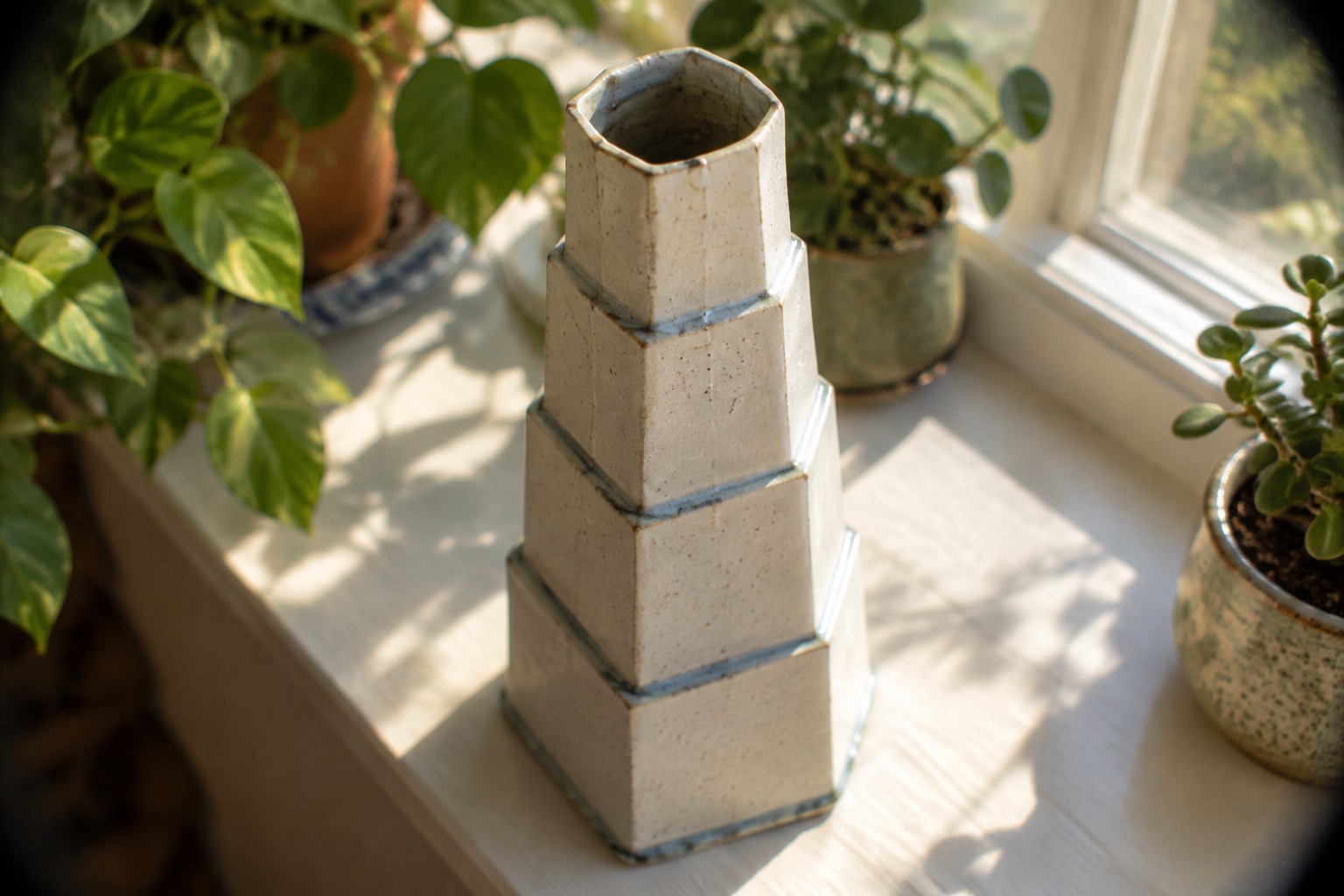
I’ve been experimenting with slab pottery for a few years and faceted forms have started to show up more in what I make.
The flat planes give the work a steadier feel and make it easier to add simple surface details.
I collected these 24 ideas because I wanted to see how far I could push the same basic approach.
Most of them stay fairly small so they fit on a regular shelf and don’t require special equipment.
If you’re used to working with slabs already these should slot right into your usual routine.
Stacked Hexagonal Vase from Slab Sections
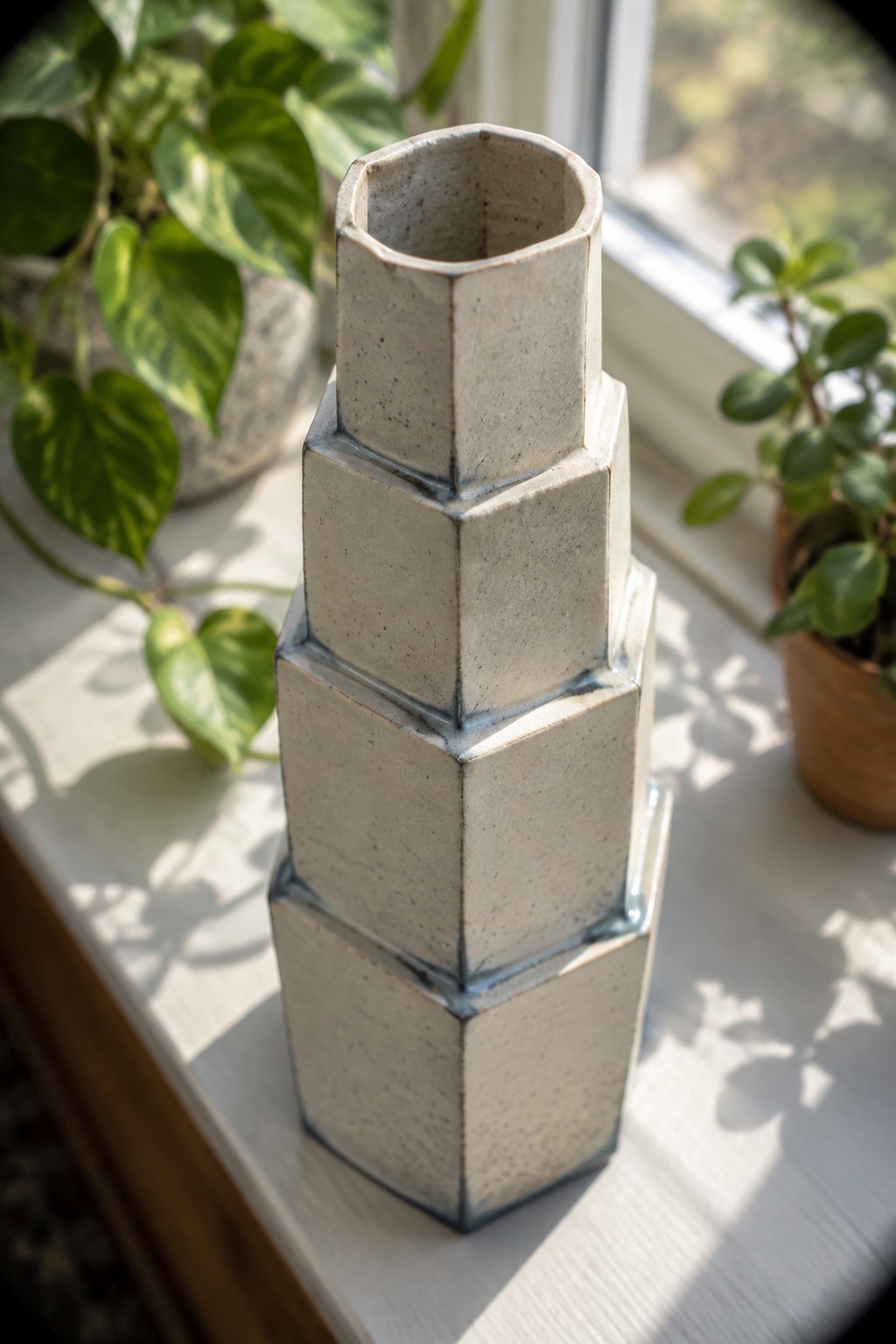
This project uses slab construction to create a tall vase from four hexagonal prisms stacked with slight offsets. Each section is built separately then joined, producing clean angled edges and a stepped silhouette that narrows toward the top. The light speckled glaze keeps the focus on the geometry while the subtle blue at the seams highlights the joins. The result is a vase that reads as a small architectural form rather than a typical rounded vessel.
What makes this idea useful is how the stacked shape gives height without needing a wide base. You can adapt it by changing the number of tiers or making the hexagons slightly wider or narrower for different proportions. The form works well on a shelf or windowsill where the faceted sides catch light and cast sharp shadows. For a simpler version, try three shorter sections or switch the top opening to a small bowl shape instead.
Hexagonal Slab Planter with Two-Tone Glaze
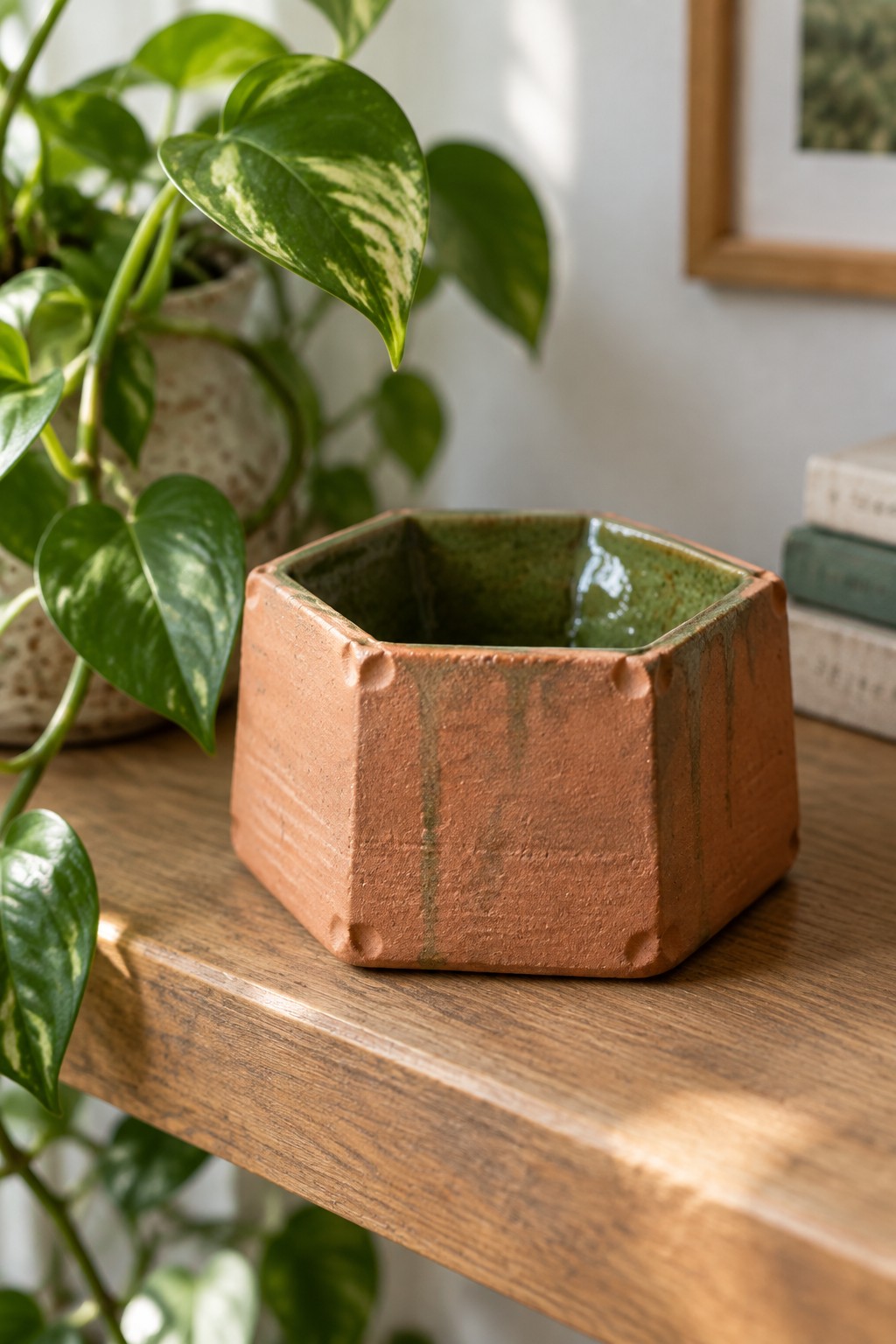
A slab-built hexagonal planter uses flat sides and angled corners to create a strong geometric form. The exterior stays unglazed to keep the raw clay texture visible while the interior receives a glossy green glaze that contrasts with the matte surface. This combination works especially well for small plants because the facets catch light differently than curved shapes and the open top shows off the interior color.
The small scale makes this easy to adapt for different shelf spaces or plant sizes. You could build the same faceted shape taller for a desk version or switch the interior glaze to a neutral tone if you want it to blend in more. The straight edges also give you clean lines to work with if you want to add simple surface texture later.
Faceted Slab Tray with Angled Corner Seams

A slab-built rectangular tray starts with flat clay sheets cut and joined to form sharp, angled corners instead of soft curves. The pink clay body is left mostly exposed while a white slip or thin glaze layer is brushed on and partially removed, leaving uneven streaks that emphasize the flat surfaces and seams. This creates a clean geometric shape that reads as architectural rather than decorative. The result is a sturdy, low-profile tray suited for holding small items on a table or counter.
What makes this idea useful is how the folded corner construction gives the tray strength and visual weight without needing extra supports. You could easily resize the same pattern for a longer vanity tray or shorten it into a square desk tray. Switching to a single solid glaze would shift the look toward minimal modern while keeping the faceted edges as the main feature. The flat planes also photograph well for sharing, which helps the shape stand out in a feed of more rounded forms.
Rope-Strung Trio of Faceted Slab Panels
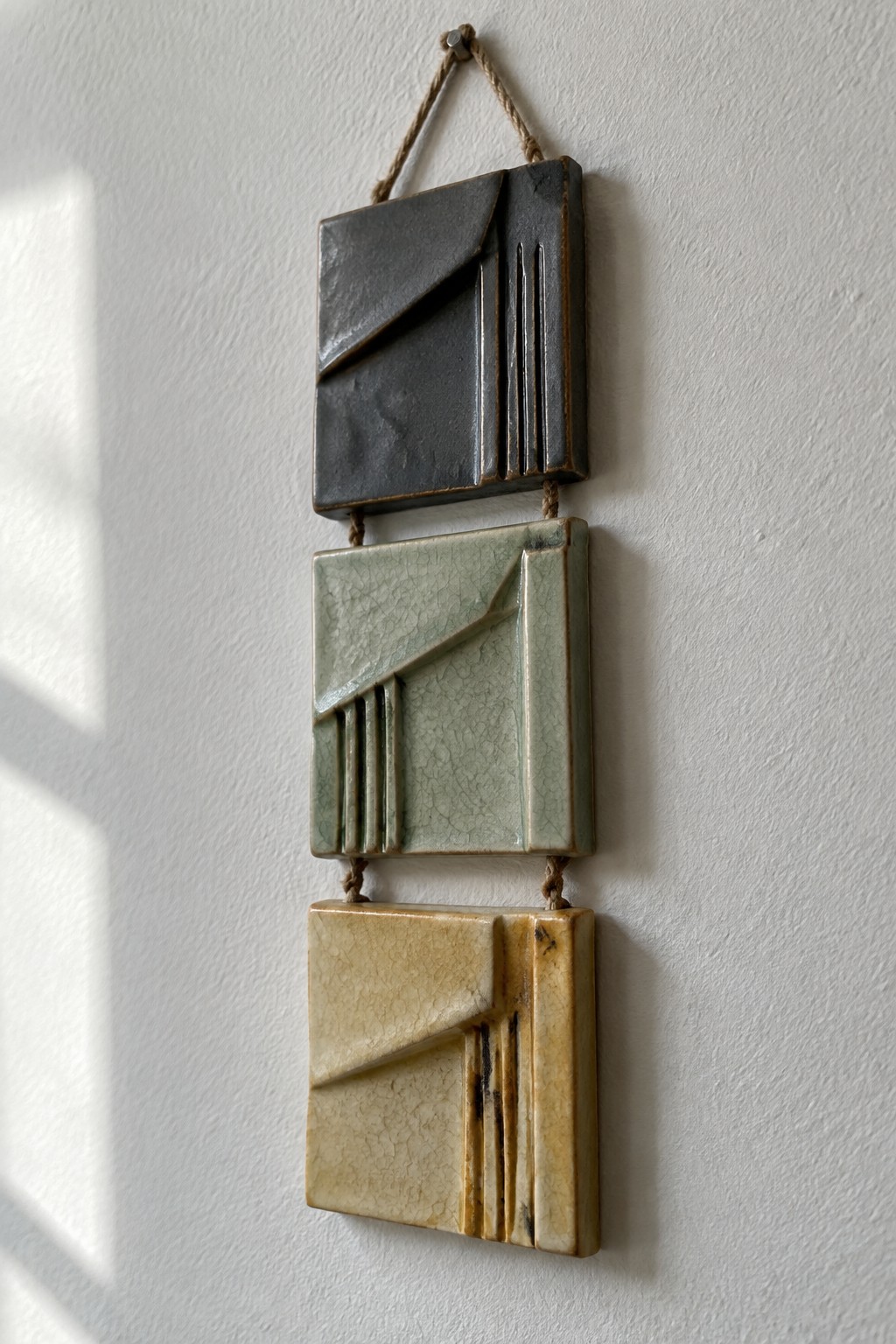
Three rectangular ceramic slabs hang vertically as a single wall piece when connected by rope threaded through drilled holes at the top and bottom edges. Each slab carries angled facets that break the flat surface into planes, paired with clusters of straight vertical incisions that add linear contrast. The slabs use three distinct glazes in dark charcoal, crackled celadon, and warm beige to separate the sections visually. This layout turns basic slab work into a modular decor object that emphasizes geometric form over function.
What makes this idea useful is the simple rope connection that lets you add or remove tiles without rebuilding the whole piece. The vertical format fits narrow wall spots like the space above a light switch or beside a doorway. You could rework the same faceted pattern into a single long panel for a larger wall or shrink the design to make matching drawer pulls. The combination of angled cuts and grouped lines creates enough surface variation to photograph clearly for sharing.
Faceted Slab Mug with Painted Triangle Panels

A slab built mug cut into flat facets creates an architectural form that catches light differently on each side. The speckled surface acts as a quiet background for two solid blue triangles placed on separate panels, giving the piece clear geometric structure without extra carving. This approach turns a basic drinking vessel into a small study in shape and contrast, where the angular handle reinforces the overall faceted style.
The shape does a lot of the work here by providing ready made surfaces for simple painted motifs that read well from a distance. The same idea adapts easily to a shorter tumbler or a taller travel mug by adjusting the number of facets. In a kitchen or on an open shelf the strong lines and limited color palette help it stand out among round pottery without needing extra decoration. For a gift the design can be reworked by swapping the triangle color or repeating the motif on every other facet.
Faceted Slab Bowl with Interior Glaze Contrast

A slab-built octagonal bowl gives you clean flat planes and sharp corners that read as architectural even at small scale. The maker joined eight angled sides, leaving the exterior in its natural speckled clay while coating the inside with a fluid green glaze that settles into the base. This split treatment makes the geometry stand out without extra decoration. The form sits comfortably between a serving bowl and a decorative table piece.
The shape does a lot of the work here because the facets keep the profile interesting from every angle. You can repeat the same template in a smaller diameter for individual bowls or stretch it taller for a low planter. Swapping the glossy interior for a matte or speckled glaze changes the mood quickly while the construction stays identical. In a kitchen or on an open shelf the piece reads as intentional rather than precious, and the flat sides make it simple to stack or store.
Faceted Slab Tea Light Holder
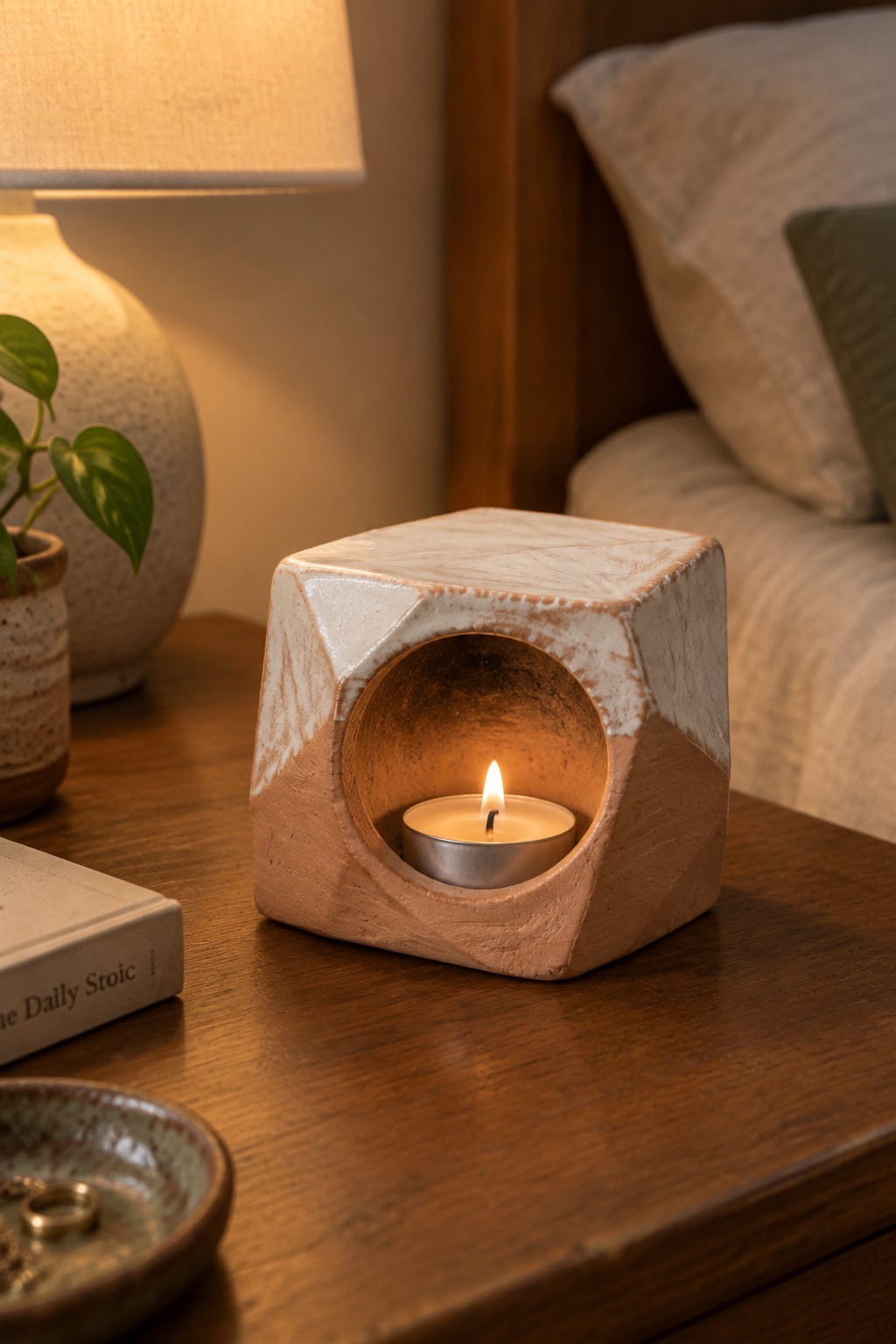
This project uses slab construction to build a compact cube-shaped candle holder with sharp angular facets on the exterior and a clean circular opening cut into one face. The form keeps the tea light fully contained while the flat planes catch light and shadow differently depending on the angle. An earthy matte glaze with subtle color shifts across the facets emphasizes the handmade slab joins without adding extra decoration. It sits squarely in the category of small decor objects meant for tabletops or mantels.
What makes this idea useful is how the faceted shape creates visual interest without needing surface patterns or multiple pieces. The small overall size works well on a desk or bedside table and can be adapted by adjusting the height of the slabs to fit a votive instead of a tea light. You could simplify the form to fewer facets for faster construction or stretch the same idea into a taller version that holds incense. On Pinterest this kind of clean geometric holder stands out because it reads as modern and architectural rather than typical rounded pottery.
Faceted Slab Soap Tray with Drainage Ridges

A rectangular soap tray formed from slabs works well as a bathroom item because the faceted sides create sharp angles that give the piece structure without needing extra height. The interior shows a series of shallow ridges that let water run off the soap bar instead of pooling underneath. Speckled stoneware with a light glaze keeps the surface practical while the angled walls add visual weight that suits a sink counter.
What makes this idea useful is how the flat base and low profile keep it from tipping near running water. You could shorten the same faceted walls to make a smaller ring dish or stretch the length for a toothbrush holder tray. The ridges are easy to score into the slab before assembly, and the overall size means you can try different glaze combinations without using much clay.
Faceted Slab Ring Dish in Marbled Pink

A small hexagonal dish built from soft slabs creates a simple ring holder or jewelry tray. The angled sides give the form clear structure while the pink marbled glaze adds gentle variation across the surface without extra decoration. This approach keeps the piece compact and easy to place on a dresser, windowsill, or nightstand where it can hold rings or small items.
What makes this idea useful is how the faceted shape can be resized or adjusted to hold keys, coins, or loose change in other rooms. You could swap the marbled glaze for a matte solid color or add a flat base for better stability. The small scale also makes it quick to produce in batches for gifts or market sales. A version with deeper sides would work just as well for a desk catch-all.
Faceted Slab Tray With Vertical Stripe Glaze

A rectangular tray formed from slabs creates a long, narrow surface with angled and faceted edges that give it an architectural profile. The maker applied vertical stripes of blue, green, orange, and brown glaze across the light clay, letting the colors run slightly and break at the facets. This approach keeps the construction straightforward while the faceted sides add shadow and depth. The result works as a kitchen piece for serving bread, vegetables, or small snacks.
The narrow proportions make it practical for crowded counters where a round plate would take up too much room. You can scale the same slab pattern down to make a shorter version for desk use or jewelry. Swapping the stripe colors to match existing dinnerware gives an easy way to coordinate without changing the form. The graphic lines and faceted edges also translate well to photos, which helps the idea get noticed in searches for slab pottery.
Faceted Slab Double Cellar for Seasonings
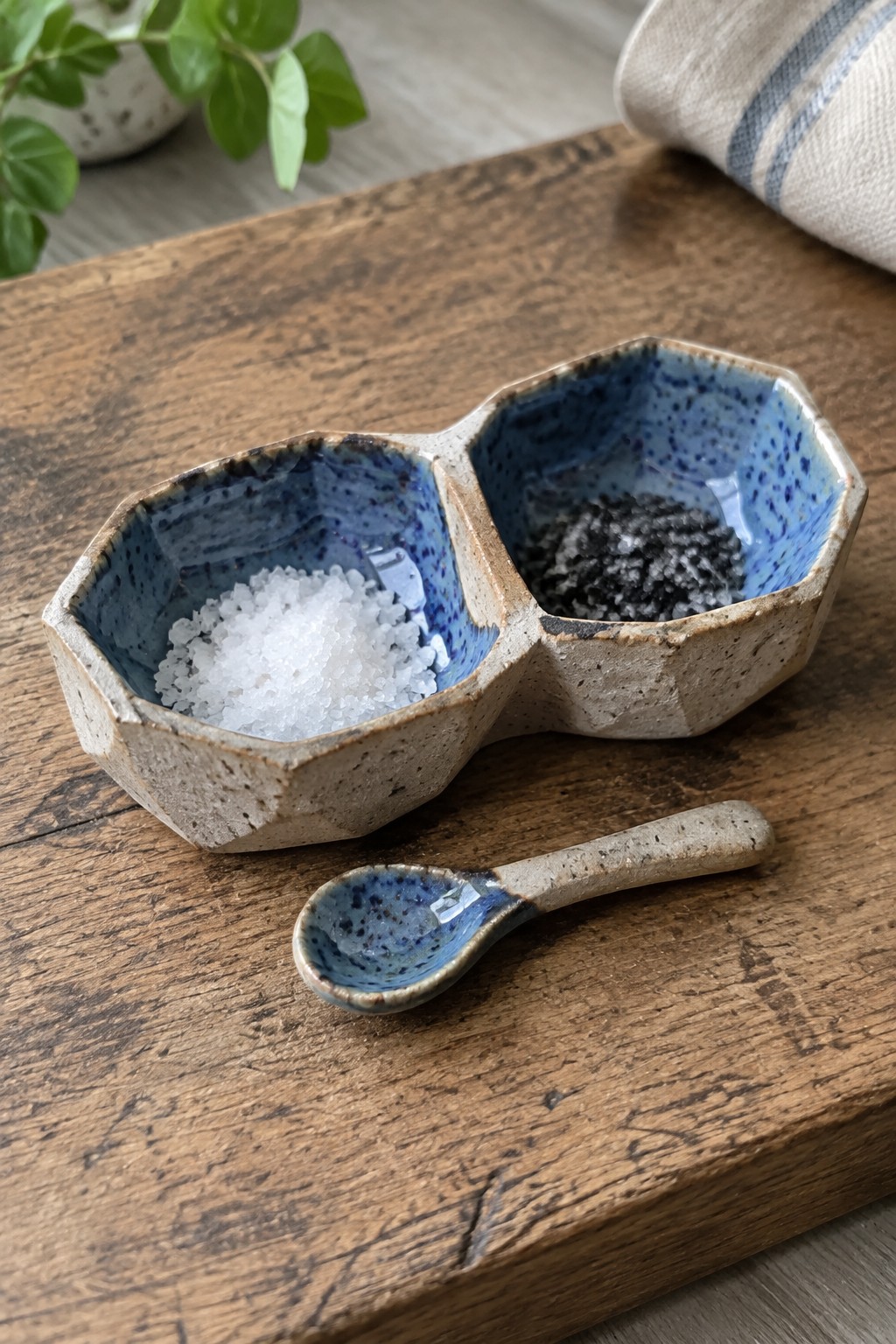
A divided ceramic dish built from slabs forms two connected angular compartments with flat faceted walls. The interior surfaces carry a blue speckled glaze while the exterior remains a matte, speckled clay finish. A small matching spoon completes the set for scooping. This kitchen item uses the faceted slab method to create clean geometric separation between two seasonings without added internal walls.
The shape does a lot of the work here by turning a simple divided dish into something with strong visual structure. A piece like this works especially well on a kitchen counter or dining table where salt, pepper, or spice blends need quick access. You could adapt the same faceted approach to make a longer version for multiple spices or scale the compartments differently for sugar and cinnamon. The small overall size makes the project straightforward to build and easy to store when not in use.
Faceted Slab-Built Canister with Running Glaze

A lidded storage jar built from slabs offers a strong architectural look through its many flat sides and sharp angles. The form stays simple yet structured, with the lid sitting flush on the angled rim and a faceted knob on top for easy lifting. The glaze application adds movement by letting the teal color run down the sides in controlled drips that stop before reaching the bottom, leaving the lower half of the clay body exposed. This approach works well for a kitchen canister meant to hold dry goods like flour, sugar, or coffee.
What makes this idea useful is how the faceted shape creates visual interest without needing extra surface decoration. The same slab method can be scaled down for smaller spice jars or adapted into a taller tea canister by adding more sides. In a kitchen setting, the flat planes make the piece easy to group with other angular pottery while the running glaze gives each one a slightly different pattern. For a gift, you could swap the teal for a matte black or deep green to match different countertop styles.
Faceted Three Slot Bathroom Holder

A slab built toothbrush holder with three separate compartments keeps brushes upright and organized on a countertop. The faceted edges come from scoring and folding flat clay slabs into angular forms before joining them, which creates a structured shape that stands out from typical rounded pottery. Small stamped circles in a muted green repeat across the speckled surface to add subtle pattern without extra color layers. This type of bathroom item works because the compartments are sized for standard brushes while the overall form stays compact.
What makes this idea useful is that the same slab and faceting technique can be adjusted to two or four slots depending on household size. The shape translates easily to a desk pen holder or small kitchen utensil caddy by changing the height and base width. A version with different stamp spacing or a single glaze color would still read as modern and architectural. The clean lines and repeating dots give it a clear visual hook that performs well in photos for project sharing.
Faceted Slab Utensil Crock

A slab-built faceted crock makes a sturdy kitchen utensil holder. The flat sides create clean angles that give the form structure and presence on a countertop. The brown mottled glaze highlights the edges where the slabs meet and keeps the surface interesting without added decoration. This approach works especially well for storage pieces that need to hold weight and stay balanced.
What makes this idea useful is how the faceted shape comes together quickly once you cut a simple template. You can change the height or number of sides to fit different tools or turn the same pattern into a smaller brush holder for a bathroom. The flat panels also give you room to test glaze variations on each section before committing to a full piece. In a kitchen this kind of holder keeps wooden spoons upright and visible while adding a solid handmade accent to the counter.
Compact Faceted Bud Vases
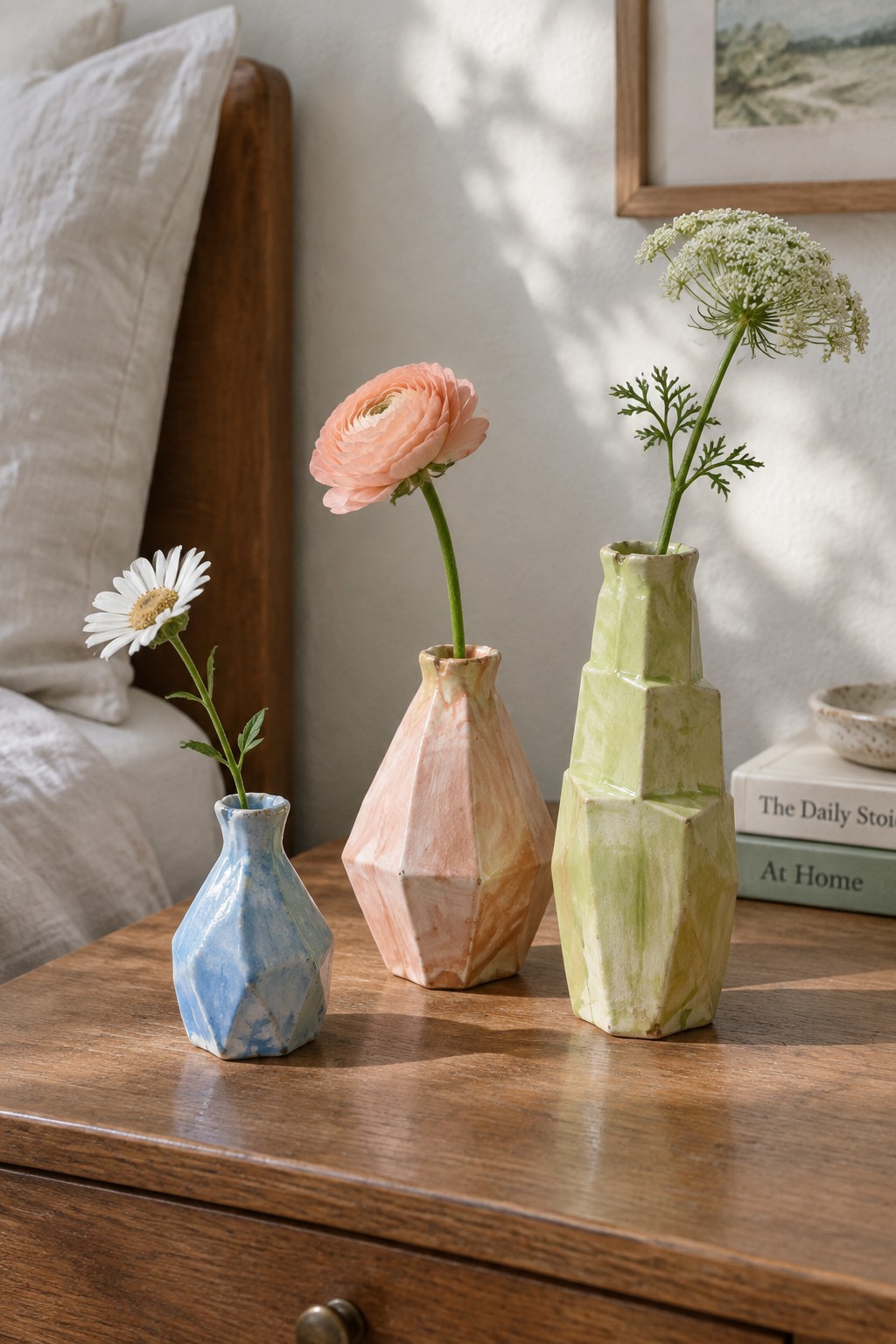
These vases are made by scoring and joining flat slabs into multi-sided forms that create sharp, angular surfaces. The small scale keeps them as simple bud vases meant for one or two stems rather than full arrangements. Soft single-color glazes in blue, peach, and green sit on the facets without covering the edges, so the geometry stays visible.
What makes this idea useful is how quickly the same slab template can be adjusted for different heights or widths. A piece like this works especially well on a nightstand or desk where space is tight and you only need a single flower. You could rework the same faceted shape into a set of three with matching glazes or change the top rim to a wider opening for small greenery. The flat planes also make it simple to test new glaze combinations without wasting much material.
Faceted Slab Wall Planter

A slab-built ceramic planter formed from flat angular planes creates a geometric wall-mounted holder for small plants. The design uses a triangular back plate with a single screw hole so the piece hangs flat against the wall. Its faceted shape and mottled beige-brown glaze let light hit the edges and create clear shadows that highlight the construction. This fits the category of architectural planters that double as wall decor.
What makes this idea useful is how the flat mounting plate solves the problem of displaying plants without taking up shelf space. You can adjust the number of facets or change the overall size to fit different wall areas or plant types. The same pattern works for a row of matching planters or can be simplified into a smaller version for a desk or bathroom. The clean lines also photograph well for sharing because the geometry reads clearly in thumbnails.
Faceted Slab Bookends with Stepped Forms
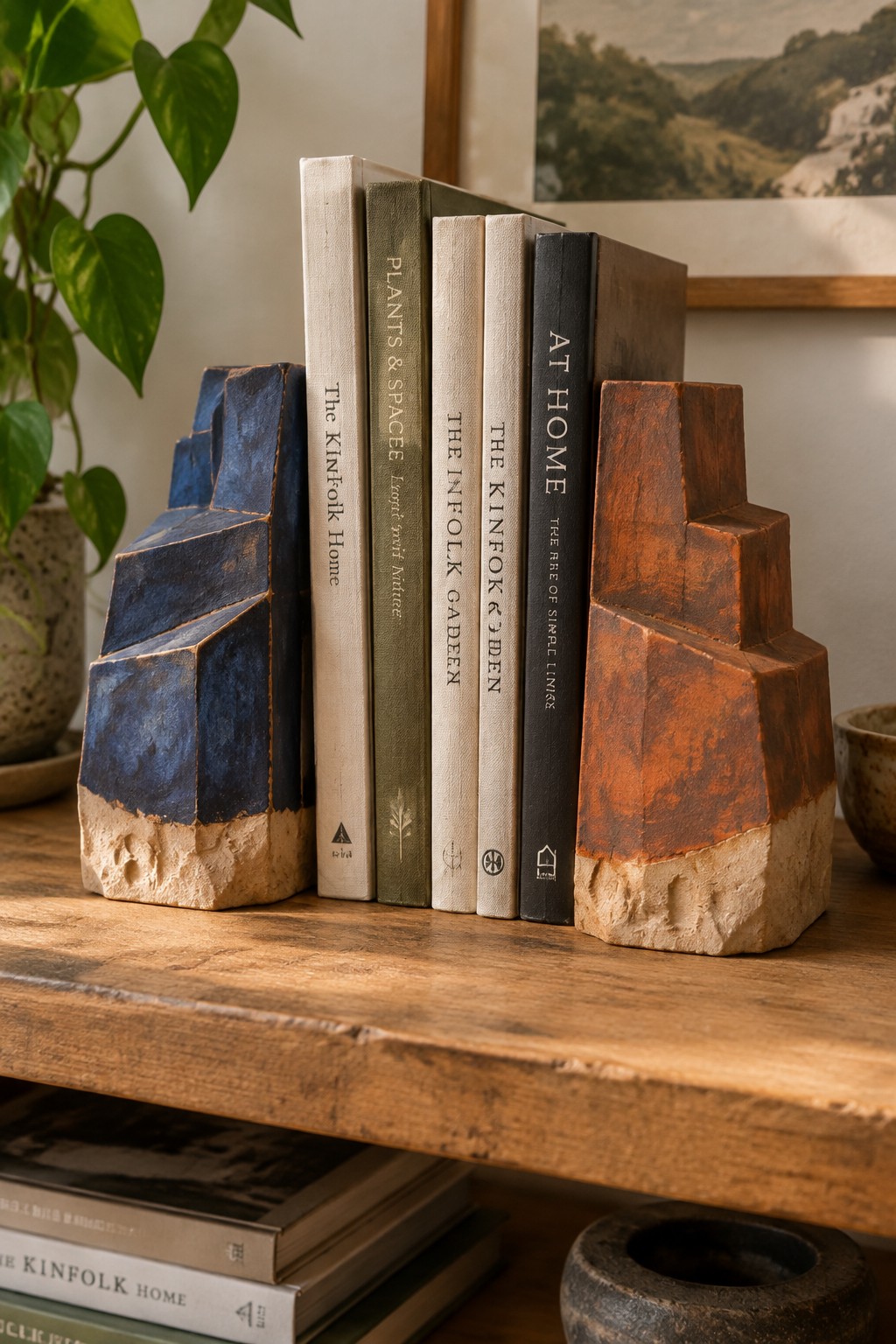
These ceramic bookends are built from slabs cut into angular, stair-step shapes that create a strong architectural silhouette. The design pairs a saturated upper glaze with a raw, textured base, giving each piece visual weight while keeping the form simple and geometric. The faceted surfaces and flat planes make them sturdy enough to support books without tipping, and the contrasting finish highlights the hand-built edges.
The shape does a lot of the work here because the stepped profile holds books firmly while taking up little shelf depth. You could scale the same pattern down for smaller desk sets or stretch it wider for oversized art books. The two-tone treatment is easy to adapt by switching glaze colors or leaving more of the clay exposed, and the form translates well to other slab projects like planters or desk trays.
Faceted Slab Lamp Base

A lamp base built from stacked ceramic slabs with flat facets creates a stepped, geometric tower that reads as architecture rather than a simple cylinder. Each slab is cut and assembled at slight angles so the edges catch light and cast soft shadows across the surface. The neutral gray glaze keeps the focus on the form while the visible cord hole shows the piece was made to function as a working lamp rather than pure sculpture.
What makes this idea useful is how the stacked construction lets you adjust height and balance by changing the number or size of the slabs. The same faceted approach works for shorter bedside versions or taller floor lamps, and the matte glaze hides fingerprints and dust better than glossy surfaces. You could rework the shape into a candle holder or vase by leaving the top open and skipping the wiring hole.
Faceted Slab Incense Tray with Angled Walls
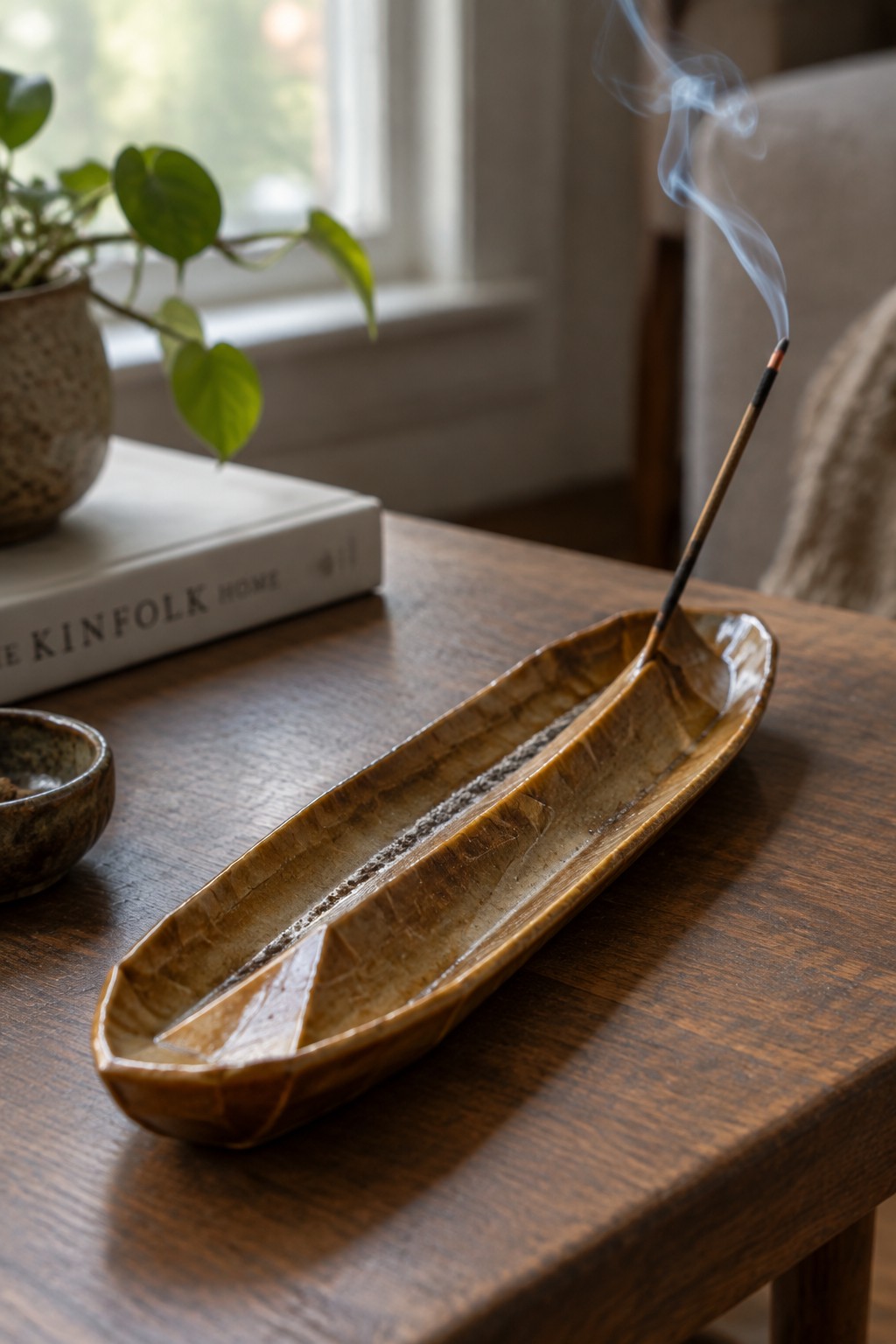
A long narrow tray built from slab sections joined at sharp angles forms a shallow channel that supports an incense stick while catching the ash below. The repeated facets create flat planes that catch light differently along the length, and the brown glaze settles into the seams to emphasize the construction. This type of holder keeps the burning end raised and the spent ash contained in one piece.
The shape does a lot of the work here because the angled walls naturally cradle the stick without extra props or holes. You could shorten the same slab layout for a travel-size version or stretch it longer for a meditation space. The faceted form also translates easily to a small desktop catchall if you skip the incense hole and just use the channel for paper clips or matches.
Faceted Slab Yarn Bowl with Built-In Notch
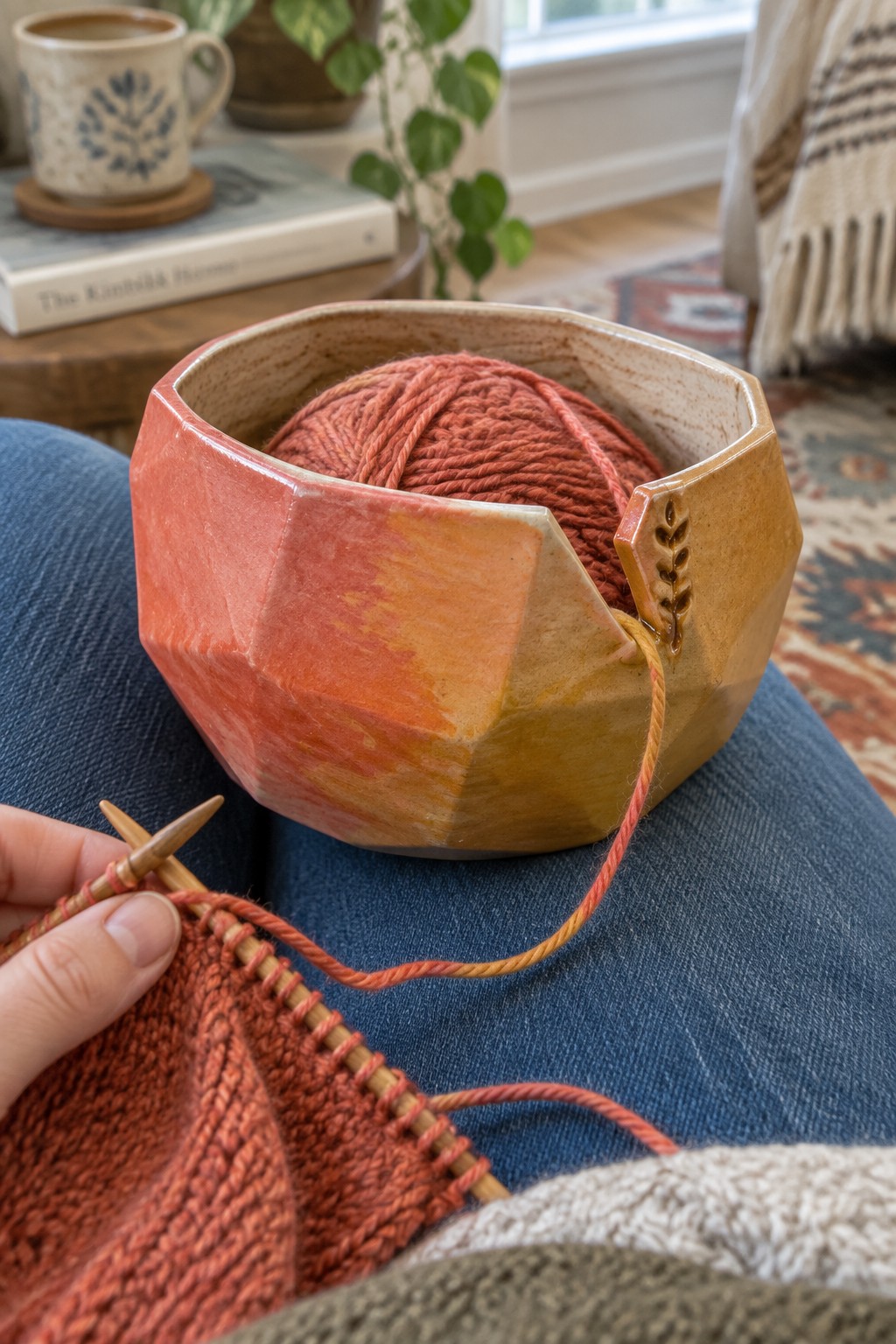
A slab-built yarn bowl made from joined geometric panels creates a sturdy, angular container that keeps a ball of yarn contained while you work. The flat facets catch light differently across the surface, and a simple notch cut into one side lets the strand feed out smoothly without tangling. Warm red-to-ochre glaze emphasizes the sharp edges and gives the form a finished, intentional look that still reads as handmade pottery.
What makes this idea useful is how the same faceted construction works for both function and display. You could repeat the slab method to make matching smaller dishes for stitch markers or adapt the notch idea into a larger planter base that hides a drainage tray. The compact size fits easily on a lap or side table during a project, and the geometric planes make it stand out in photos without extra styling.
Faceted Fox Figurine
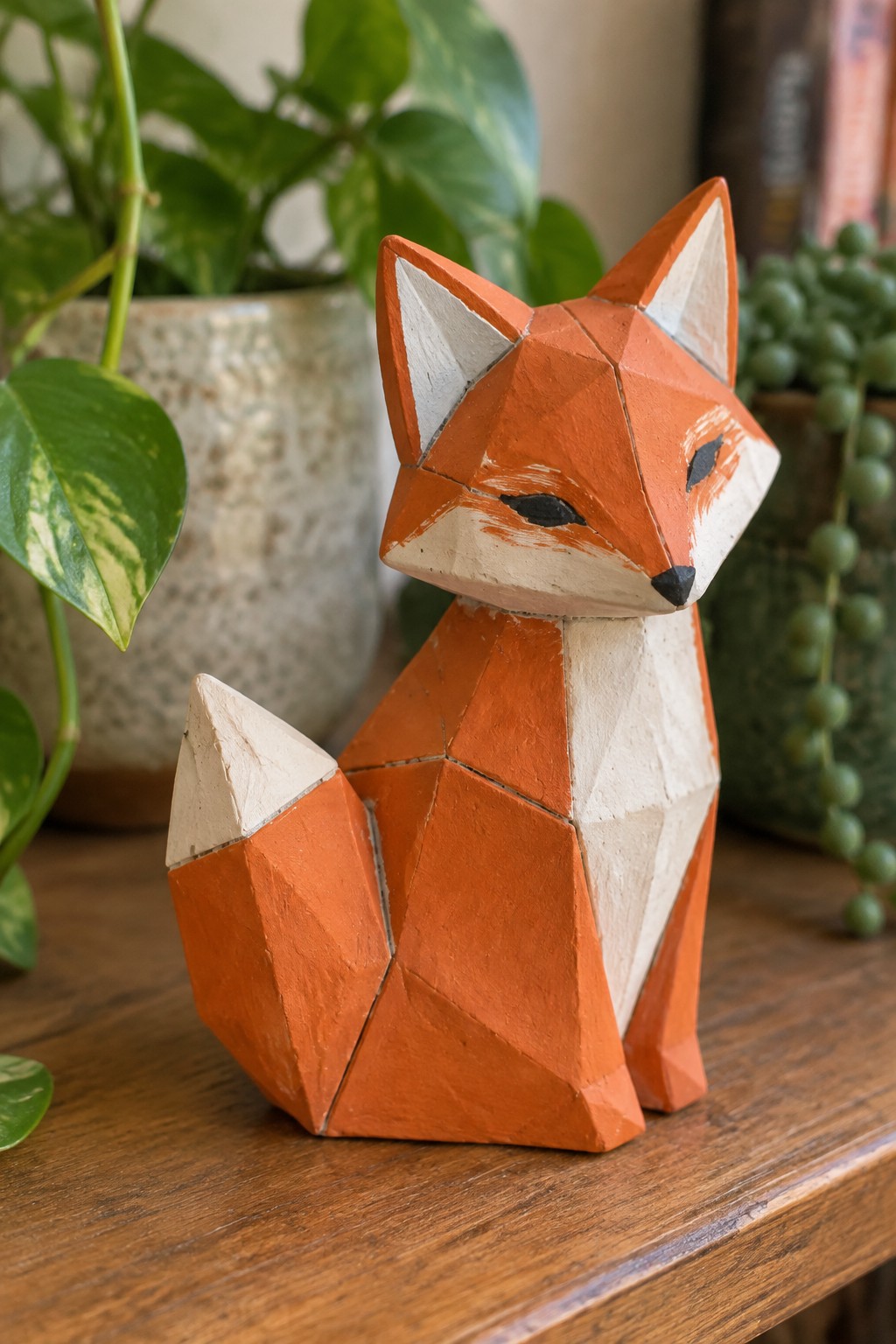
A faceted fox figurine built from angular clay planes creates a clean, modern animal sculpture. The flat surfaces are assembled into a seated pose, then painted in solid orange with cream accents on the ears, chest, and tail tip plus simple black facial details. This method uses basic slab construction to turn a familiar animal shape into a geometric decor object that emphasizes form over surface texture.
What makes this idea useful is the small scale, which keeps the build manageable and lets the piece fit on shelves, mantels, or desks. The same plane layout can be adapted to other animals or simplified by reducing the number of facets for quicker versions. Painted details instead of carved texture keep the focus on the angular silhouette, so the piece reads clearly from a distance.
Faceted Slab Napkin Holder

A napkin holder made from joined clay slabs uses sharp angles and flat planes to create a stable, open frame. The sides slope inward at the top while the base stays wide, letting the fabric stack upright between the angled walls. Yellow glaze on the outer facets contrasts with the speckled white surfaces to make the geometric edges stand out clearly.
What makes this idea useful is how the same angled slab layout works for other flat items like letters or small notebooks. You can change the width between the sides or swap the glaze colors to fit different table styles without changing the basic construction. The faceted form also translates easily into a compact bookend if you shorten the overall height.
Faceted Slab Tray With Built-In Drainage
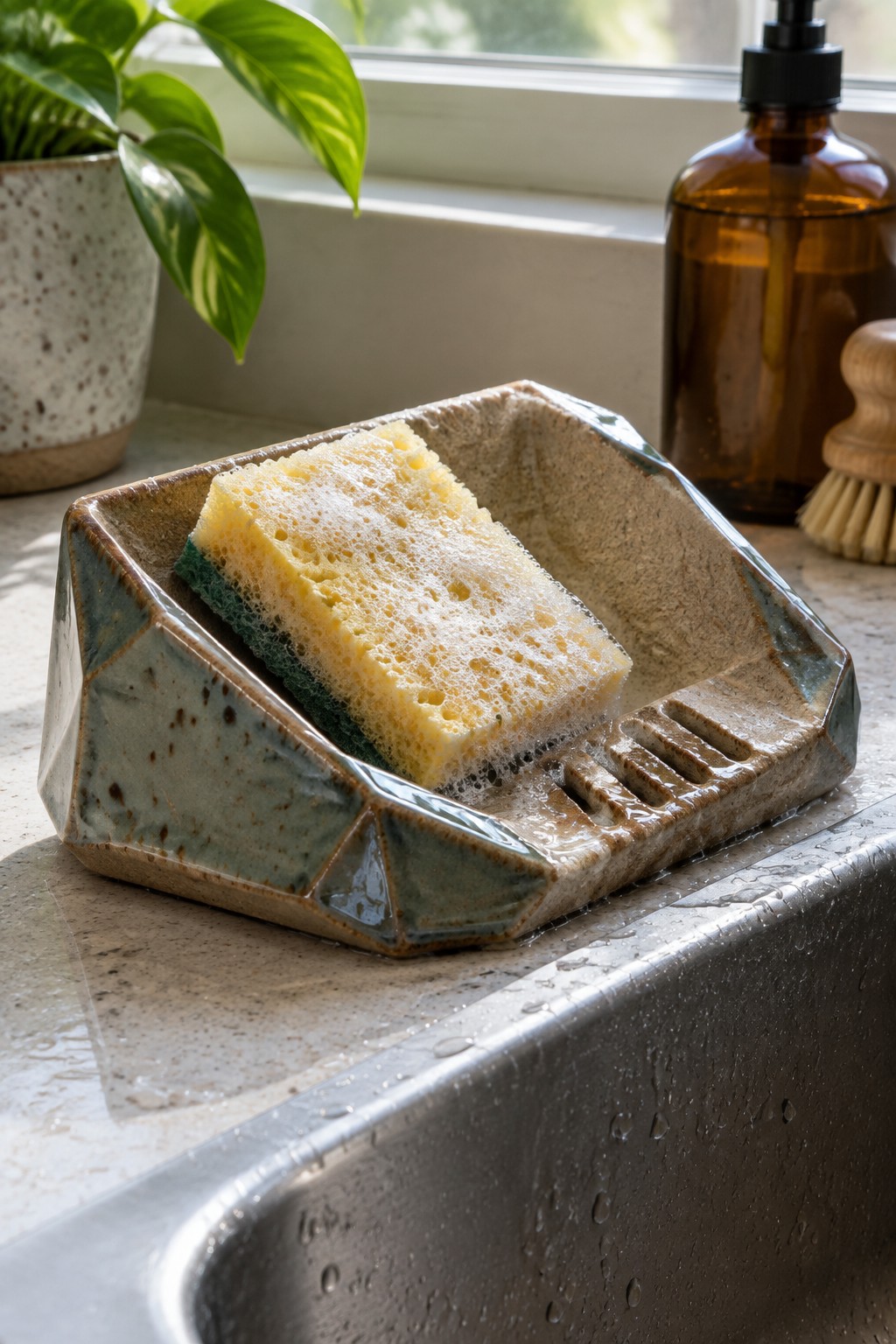
A slab-constructed ceramic tray uses flat planes joined at angles to form a compact holder that keeps a sponge elevated above the counter. The design includes a sloped section with cut channels so water drains directly into the sink rather than collecting around the sponge. This shape works especially well for wet-area items because the facets create stable walls without needing extra supports or added feet.
The small footprint lets the tray sit on a sink ledge or narrow counter space where round dishes often slide or tip. You can vary the number of sides or change the drainage angle to fit different sponge sizes or adapt the same pattern into a soap dish for a shower. The crisp edges photograph cleanly against neutral backgrounds, which makes the finished piece easy to feature in project roundups.
Faceted Teapot Built from Angled Slabs
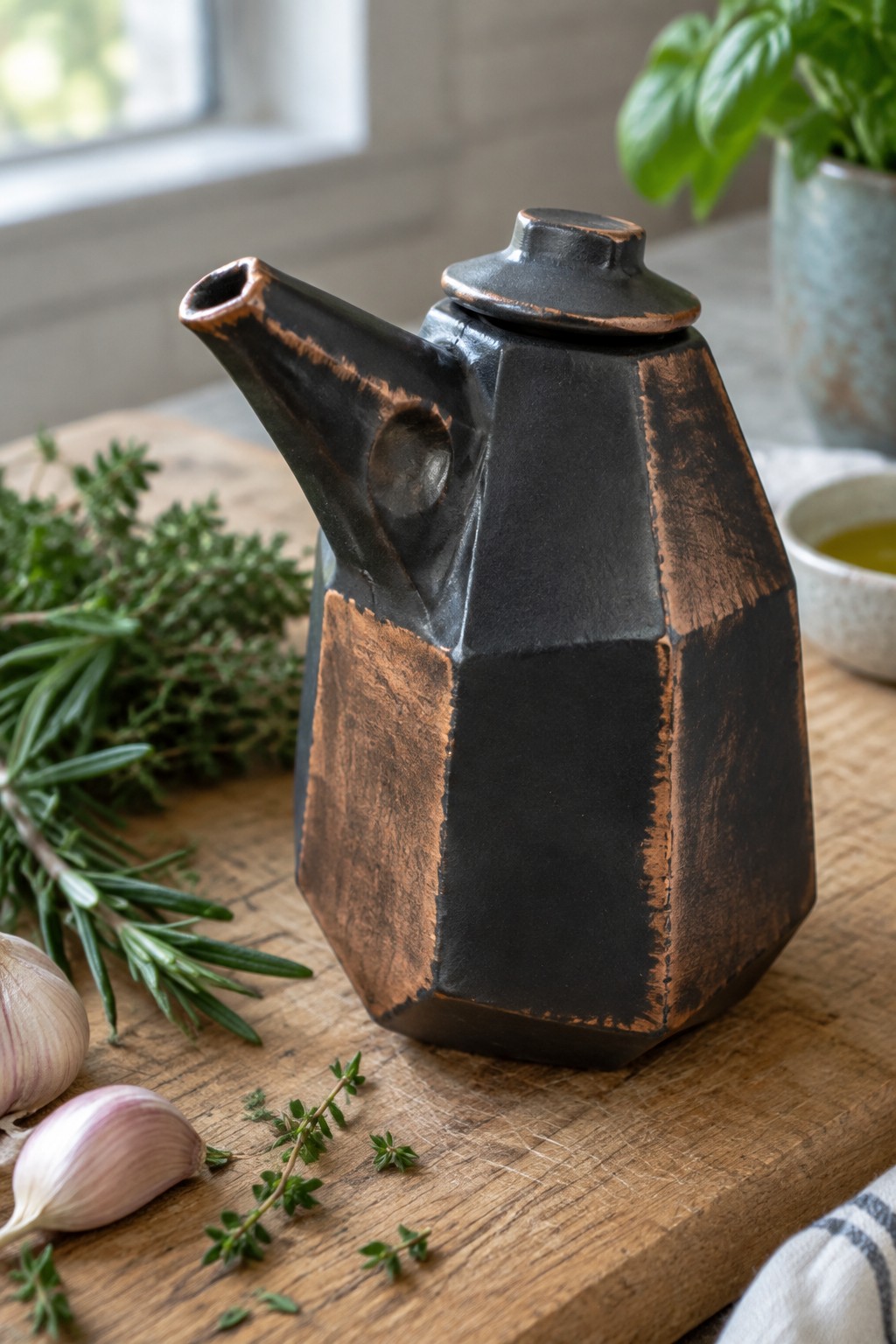
A slab-built teapot with multiple flat planes gives the form a crisp geometric shape that reads as modern and structured. The dark matte glaze covers most surfaces while leaving the edges and corners in a warmer copper tone, which highlights each facet without extra decoration. This turns a standard teapot into a sculptural kitchen piece that still pours cleanly from its tapered spout.
The shape does a lot of the work here because the angled planes make even a small teapot feel substantial on a countertop. You could adapt the same faceting pattern to a creamer or small pitcher by reducing the number of sides and skipping the lid. The contrast between the dark body and the exposed edges also photographs well for recipe posts or gift guides, so the idea translates easily to other slab projects like oil pourers or herb jars.
Frequently Asked Questions
What clay types work best for creating stable faceted slab forms in architectural pottery projects?
Stoneware or porcelain clays with grog added provide good strength and reduce cracking risks when building angular shapes. These clays hold sharp edges well during construction and firing, making them ideal for the geometric designs featured in many of the 24 ideas.
How do I join slabs securely to maintain crisp faceted angles without seams showing?
Score and slip the edges thoroughly before pressing them together firmly. Use a rib tool to smooth interior joints while supporting the exterior with a form or mold to keep the facets precise and aligned as you build up the structure.
What drying methods help prevent warping in large architectural slab pots with multiple facets?
Dry pieces slowly under plastic for the first day or two, then gradually expose them to air while supporting flat sides with boards or foam. Rotate the form periodically to ensure even moisture loss across all angles and avoid distortion in complex geometric designs.
Which glazing techniques enhance the architectural look of faceted pottery surfaces?
Apply matte or satin glazes in layers to highlight edges and planes rather than pooling in recesses. Test combinations on sample tiles first to see how the glaze breaks over facets, creating depth that emphasizes the built form without obscuring the geometric details.
How can I adapt these faceted slab ideas for smaller scale or beginner friendly projects?
Start with simpler three or four sided boxes using templates cut from cardboard to plan the angles. Scale down the height and add fewer facets initially to build skills in handling slabs before moving to taller or more intricate architectural structures from the full set of ideas.

Pottery Path is my cozy corner of the internet where I share clay ideas, pottery inspiration, and simple projects you can recreate at home. I love exploring everything from air dry clay to handbuilt pottery to cute minis that brighten your day. My goal is to make clay crafting feel easy, fun, and welcoming for anyone who wants to try it.
You will find beginner friendly tutorials, creative pottery painting ideas, and lots of warm inspiration for slow and happy crafting. If you enjoy hands on creativity, this space will feel like home.