
I have been making pottery at home for a few years now and I keep coming back to basic forms.
Minimalist organic styles suit the way I like to work because they focus on texture and shape rather than decoration.
I gathered some ideas that reflect this approach and that I think could be useful for others trying it out.
Many of these come from things I have tried myself or seen in small studios.
They are not complicated but they have a quiet appeal that fits into everyday spaces.
Speckled Mug with Terracotta Brushstroke Motif
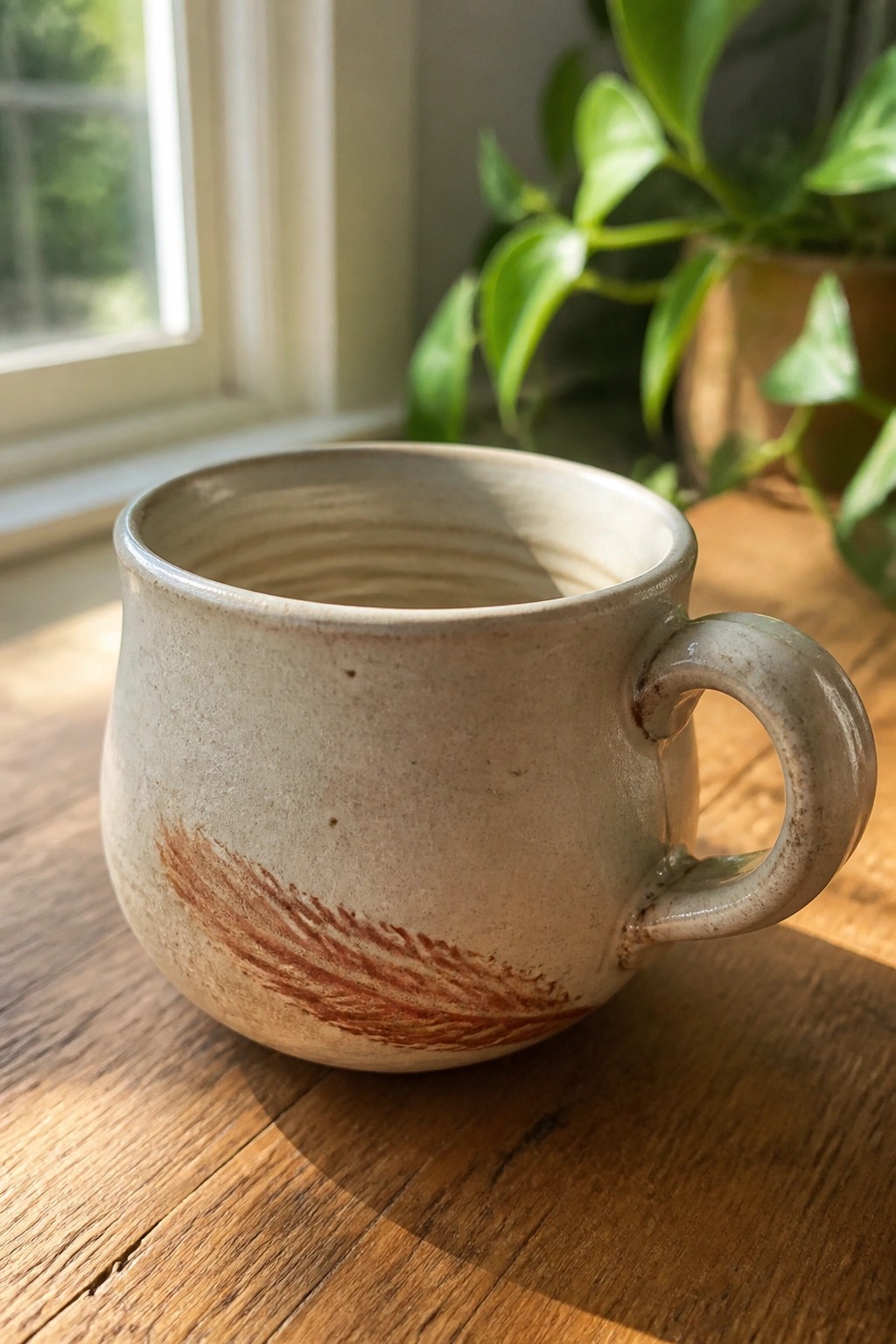
A handmade ceramic mug with a slightly irregular form and a neutral speckled glaze forms the base for this project. A single rust-toned brushstroke motif runs across the lower half, creating a simple organic accent without covering the whole surface. The idea centers on pairing a functional drinking vessel with one restrained painted element that highlights the clay texture underneath.
The small scale makes this easy to adapt for a set of four matching mugs or to shrink into an espresso cup. The brushstroke detail photographs cleanly against wood surfaces, which helps it perform well as a Pinterest example for organic-style pottery. You could rework the same motif on a small planter or a spoon rest using the same glaze and paint combination.
Organic Terracotta Bowl With Pooled Green Glaze
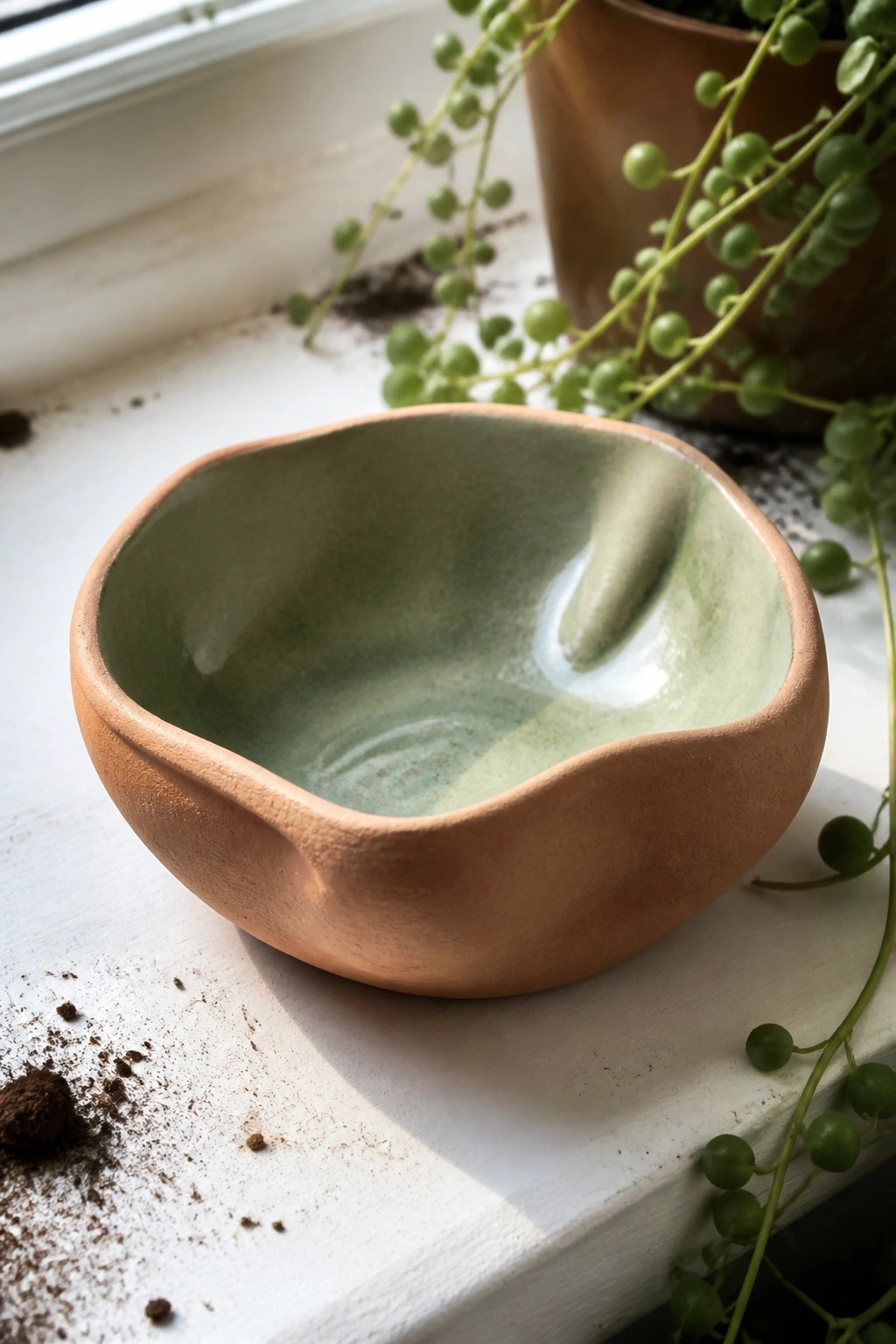
A small handmade bowl formed with an irregular, pinched rim gives a straightforward way to work with organic shapes in clay. The exterior stays in raw terracotta with a lightly textured surface while the interior carries a soft green glaze that pools naturally along the curves. This simple contrast between the matte outer wall and the glossy interior keeps the focus on the clay form itself rather than added decoration. It works as a basic catch-all or small serving piece in the minimalist organic category.
What makes this idea useful is how the uneven rim does most of the visual work without needing extra carving or handles. You could repeat the same shape at a slightly larger size for a desk tray or shrink it further for a ring dish. The two-tone approach is easy to adapt by swapping the interior color or leaving more of the clay bare if you prefer a drier look. For Pinterest, the combination of natural terracotta and a single flowing glaze color photographs cleanly and reads as intentional without extra styling.
Organic Speckled Serving Bowl

A wide, shallow ceramic bowl like this serves as a versatile kitchen piece for salads, bread, or fruit. The oval form stays simple while the matte off-white glaze with fine speckling adds subtle surface interest without patterns or color blocks. The exposed clay foot creates a natural edge that grounds the piece and prevents it from looking too uniform. This approach fits the minimalist organic category because the shape and finish do the work without added details.
What makes this idea useful is how the neutral tone and soft texture let it pair with linen, wood, or stone surfaces already in most kitchens. You could adapt the same glaze and foot treatment to smaller individual bowls or a slightly deeper version for sides. The scale works for both everyday meals and occasional table styling, and the lack of strong color makes it easy to match with existing dishes. A piece like this stands out on Pinterest because the clean shape and natural material read clearly in photos.
Leaf-Shaped Ring Dish

A small leaf-shaped dish makes a practical ring holder. The project uses a simple leaf outline with sculpted veins running through the center and a brown glaze that settles into the details to emphasize the form. This kind of piece belongs in the ring dish category and stays functional without needing extra decoration.
The small scale makes this easy to adapt by changing the leaf type or trying different earth-tone glazes. It works well on a dresser or nightstand to keep rings in one spot. You could shorten the veins for a quicker version or scale the shape up slightly to hold earrings or keys. The organic outline helps the idea photograph clearly for project sharing.
Rounded Clay Vase for Single Stems

A small rounded vase formed from clay offers a simple way to display one dried stem. The shape swells into a low belly before narrowing at the neck, and a soft gray-blue glaze covers most of the surface while leaving the base in raw clay. This proportion keeps the vessel compact so the stem remains the main visual element.
The small scale makes this easy to fit on a narrow shelf or desk corner. You could repeat the same rounded form in a group of three with slight glaze variations or stretch the height for a larger stem. A piece like this works especially well when you want a quiet accent that does not overwhelm the plant material.
Organic Ceramic Spoon Rest

A long, narrow ceramic spoon rest with a gently curved boat shape keeps utensils off the counter during cooking. The piece uses a raw terracotta exterior paired with a light speckled interior glaze, and a row of small circular impressions runs along one side for light texture. This approach fits the kitchen item category and stays functional while keeping the overall form simple and organic.
The shape does a lot of the work here because the length and slight dip hold spoons or spatulas without tipping. In a kitchen, this kind of piece stays useful on the stovetop or counter and can be adapted into a longer version for chopsticks or a shorter one for a single utensil. You could repeat the same two-tone glaze and dimple detail on a set of small dishes to match. The small scale also makes it quick to throw and fire if you want to test new clay bodies or glazes.
Speckled Ceramic Taper Holder with Side Notch

A handmade ceramic candle holder with a narrow neck and wide flared base keeps a taper candle stable while taking up little table space. The soft pink speckled glaze gives it a quiet, organic surface that works in neutral rooms. The small notch built into the side near the base adds a simple spot to tuck a match or two. This shape falls into the candle piece category and stays functional without extra trays or holders.
What makes this idea useful is how the wide base handles balance on its own. You could scale the same form down for shorter dinner candles or widen the neck slightly to hold a small bud vase. The notch detail turns a basic holder into something more self-contained, which works well for gifts or desk styling. In a minimalist setting the speckled finish keeps it from looking too plain while still fitting organic palettes.
Organic Shaped Ceramic Wall Hanging
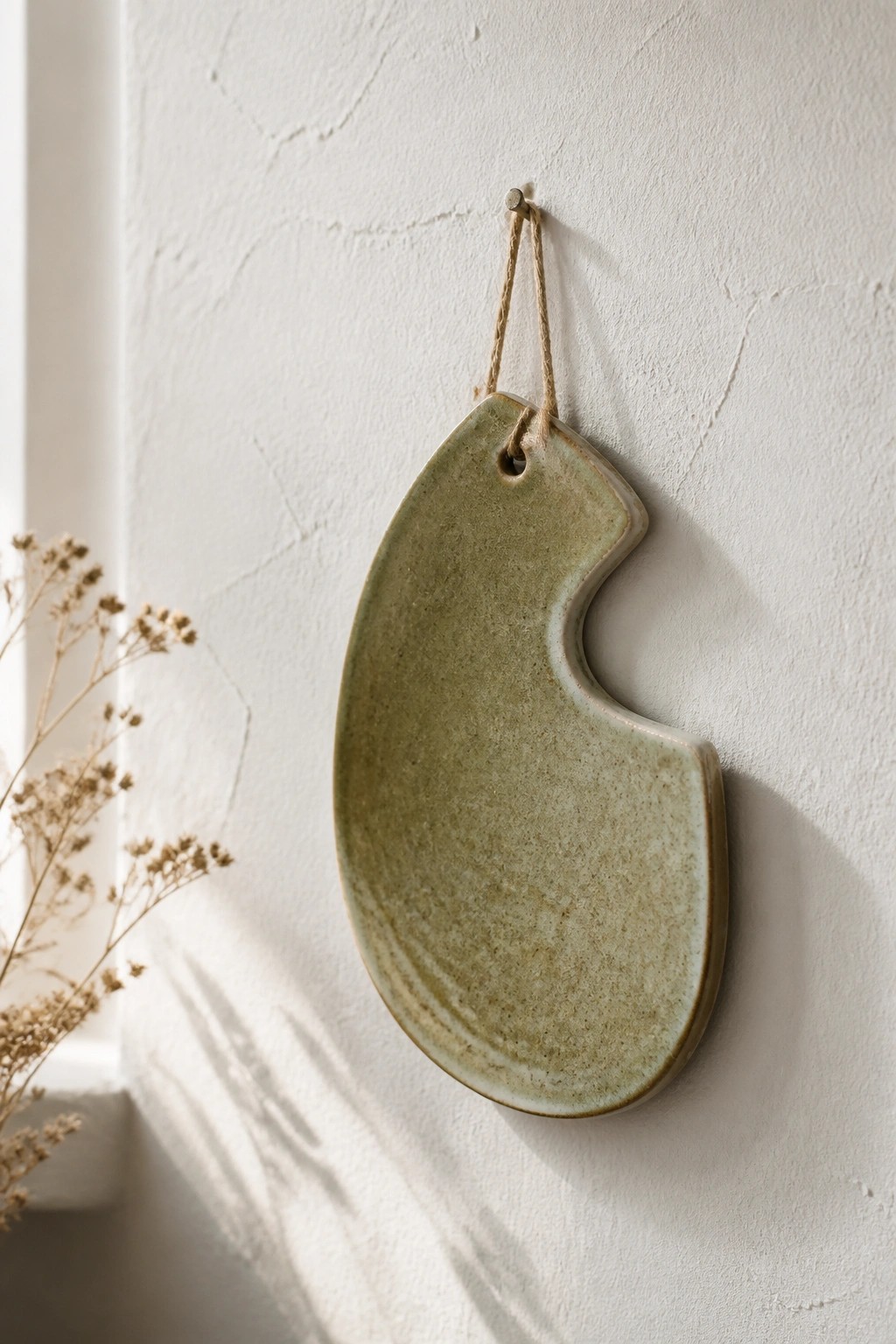
This project starts with a slab of clay rolled and cut into an irregular kidney form that includes one deep inward curve. A hole is added near the top edge so the piece can hang from cord or wire. The surface receives a single light green speckled glaze that leaves some clay texture visible and creates soft tonal variation. The result is a simple wall decor object that stays within a minimalist organic style.
What makes this idea useful is how the flat back and single hanging point let it work on any plain wall without extra hardware. The same outline can be scaled up for a larger statement piece or shortened into a compact version for a narrow space. You could swap the glaze for a warmer tone or leave one side unglazed to show more of the clay body. In a kitchen or hallway, the shape gives a quiet focal point that does not compete with other objects.
Two-Tone Ceramic Toothbrush Holder

A three-hole ceramic toothbrush holder makes a straightforward bathroom organizer. The form stays simple with a cylindrical body and open compartments sized for standard brushes. The two-tone surface treatment uses a speckled off-white upper section paired with a solid terracotta lower band to create visual separation without added pattern or carving.
What makes this idea useful is how the divided top keeps items from touching while the compact footprint fits narrow ledges or counter corners. The same two-tone approach works on shorter holders for makeup brushes or taller versions for kitchen tools. Adjusting the height and hole count lets you adapt the basic shape for different storage needs without changing the overall style.
Leaf Vein Soap Dish for the Bathroom
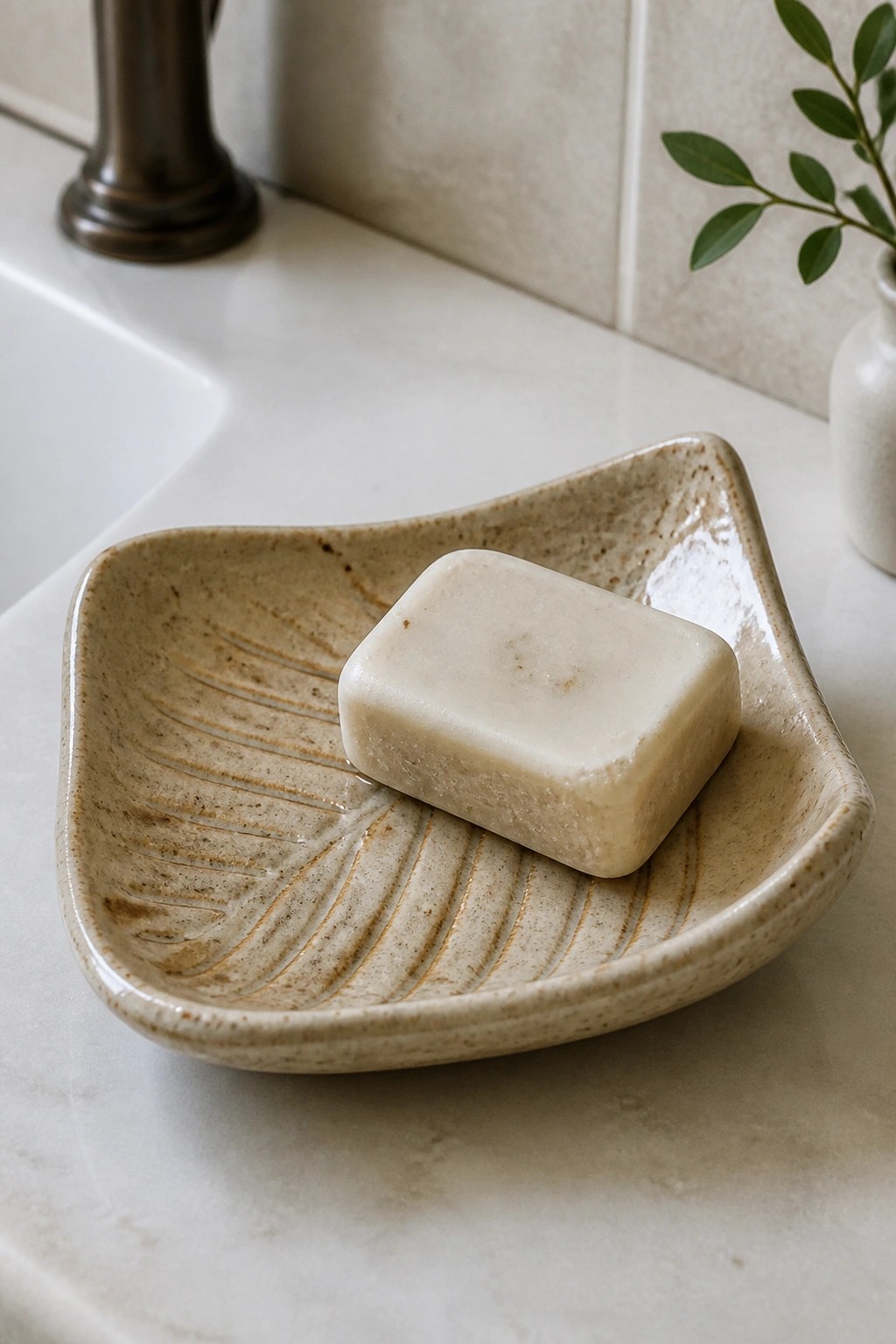
A shallow ceramic tray with an irregular leaf shape makes a practical soap holder for the sink area. The surface includes raised ridges that follow a simple vein pattern, which helps water drain and keeps the bar from staying wet. A speckled matte glaze in a warm off-white tone covers the form and emphasizes the handmade texture without adding extra color.
What makes this idea useful is how the ridges solve the common problem of soggy soap while keeping the overall shape compact. The same vein texture could be pressed into a longer version for holding multiple bars or adapted into a small tray for jewelry. Its neutral finish pairs easily with most bathroom surfaces, and the organic outline stands out on Pinterest boards focused on simple, functional pieces.
Ceramic Salt Cellar with Fitted Lid
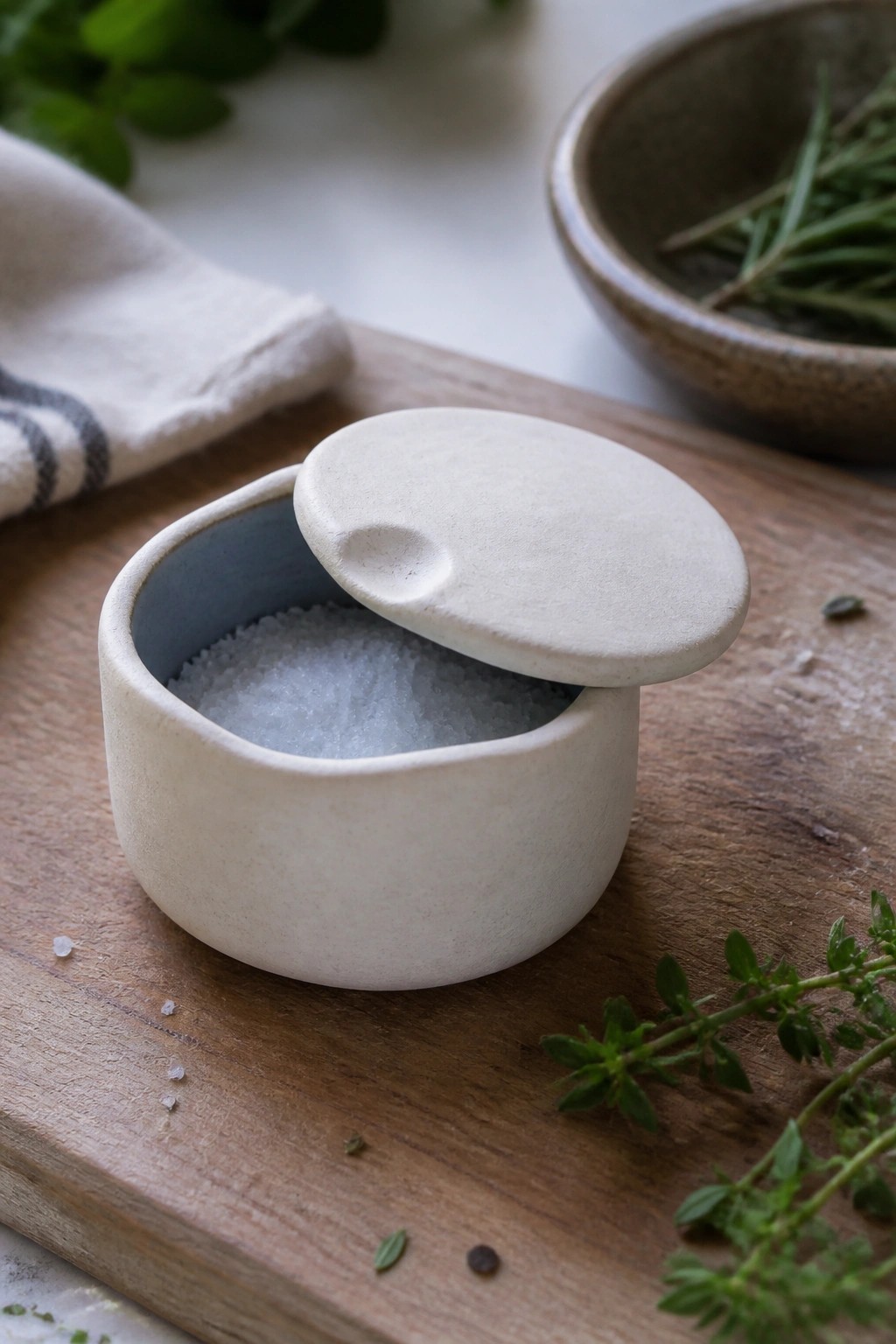
A small round ceramic jar with a low, fitted lid works well as a salt cellar or spice holder for the kitchen. The matte off-white exterior keeps the shape simple while the light blue interior adds a subtle contrast that shows when the lid is lifted. The lid includes a small notch for easy opening without adding extra hardware or decoration.
What makes this idea useful is how compact the form stays while still holding enough for regular use. The same shape could be made slightly taller for loose tea or adapted into a small sugar bowl by changing the lid fit. Neutral colors let it pair with other kitchen pottery without clashing, and the lid detail keeps contents protected on an open counter.
Yarn Bowl with Swirled Notch

A yarn bowl shaped from clay features a rounded form with a large swirl opening cut into one side that ends in a small hole. The opening lets yarn feed out cleanly while keeping the ball inside, and the horizontal ridges in the glaze add subtle texture without extra decoration. This setup turns a basic bowl into a dedicated holder for knitting or crochet projects. The matte brown finish keeps the focus on the functional shape rather than bright color.
What makes this idea useful is how the swirl does the work of guiding yarn without any added hardware. You could adapt the same cutout on a taller cylinder to hold embroidery floss or even skip the hole and use the form as a small catch-all for desk items. In a craft space it stays practical because the compact size fits on a table without taking over. The same wheel-thrown shape works just as well in a lighter clay body if you want to change the surface look.
Rectangular Clay Incense Holder

A narrow rectangular tray formed from clay makes a simple incense holder by adding a single hole near one end to keep the stick upright. The piece uses a light speckled surface with exposed terracotta along the edges, keeping the overall shape low and flat so ash stays contained as it falls. This approach turns a basic slab into a functional holder that works as tabletop decor rather than a more common round dish or bowl.
What makes this idea useful is the long narrow form that slides onto a shelf or nightstand without crowding other items. You could shorten the length for a desk version or widen it slightly to hold a few matches alongside the stick. In a bathroom or entryway, the same shape keeps the incense off the surface while the minimal finish blends with other plain ceramics.
Minimalist Ceramic Jewelry Tray
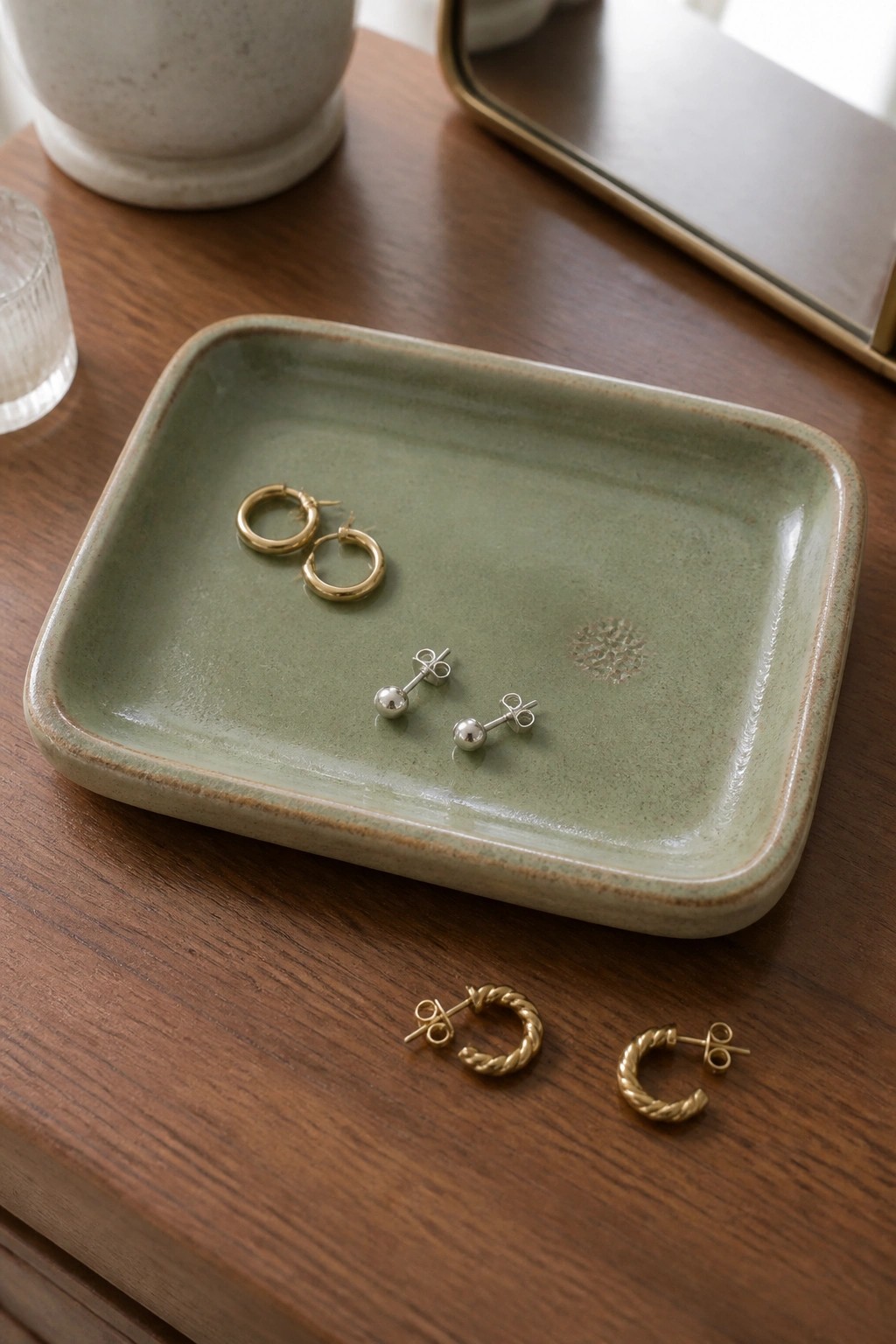
A rectangular ceramic tray serves as a simple jewelry holder with low sides that keep earrings and small pieces in place. The muted green glaze creates a subtle surface that lets metal jewelry stand out without competing for attention. Its compact size and smooth finish make it practical for daily use on a dresser or vanity.
The shape works especially well for adapting into different sizes based on how much you need to hold. You could stamp a small motif in one corner or switch the glaze to match other pieces in the room. This kind of tray fits easily in a bathroom for rings or on a desk for everyday items, and the same form translates quickly into a soap dish or small catch-all.
Speckled Lidded Butter Dish

A lidded butter dish in stoneware holds a stick of butter on the table without needing a fridge. The shallow base and domed lid with a simple knob create a compact covered form that keeps the contents clean while staying easy to lift. The matte off-white glaze with natural speckling and a brown rim edge gives the piece an understated organic finish that suits a minimalist kitchen. This project fits the kitchen item category and works as both a practical container and quiet table presence.
What makes this idea useful is the enclosed shape that protects butter at room temperature during meals. You could rework the same dome-and-base proportions into a small cheese dome or jam jar cover by adjusting the height. In a kitchen this form keeps daily items looking intentional instead of purely functional. The neutral glaze also lets the dish blend with other handmade ceramics without competing for attention.
Organic Sage Green Dip Bowl

A compact ceramic bowl with an uneven rim and soft sage green glaze works well as a dip or sauce server. The smooth glazed interior contrasts with the matte, lightly textured exterior that shows the clay body. This shape stays low and wide enough to sit comfortably on a table while keeping portions small and contained.
The small scale makes it simple to produce a set of four or six for everyday use. You can adapt the same form into a ring dish or a small condiment bowl by keeping the proportions tight and the rim organic. Pairing it with a larger matching plate adds visual weight without extra decoration, and the muted green tone blends easily into neutral kitchen or dining setups.
Speckled Ceramic Egg Cup

A small ceramic egg cup with a rounded bowl and short pedestal base keeps a single egg steady at the table. The matte off-white glaze carries fine dark speckles that give the surface a natural texture without any added decoration. This kitchen item works because the compact form and simple profile let the material itself carry the visual interest.
What makes this idea useful is how little space it needs while still giving breakfast a finished look. The same shape could be widened slightly into a small dip bowl or shortened into a tealight holder. In a kitchen this kind of piece fits with plain dishes and wooden trays without competing for attention. For a gift a set of two or three in matching glaze would be quick to repeat once you have the basic form down.
Tall Ceramic Pitcher in Warm Terracotta Glaze

A tall, narrow ceramic pitcher works as a functional kitchen piece with its tapered body, integrated handle, and simple spout. The matte orange glaze shows subtle streaking and lighter patches that highlight the handmade form without added decoration. This approach keeps the focus on clean lines and natural surface variation, making it a strong fit for minimalist organic pottery projects.
What makes this idea useful is how the elongated shape handles both pouring and display without taking up much counter space. You could adapt the same proportions into a smaller creamer or shorten the body for a matching vase. In a kitchen setting, the warm tone pairs easily with wood and stone, and the design stays practical for water, sauces, or even cut herbs.
Speckled Ceramic Match Holder with Lid

A small round ceramic jar with a fitted lid works well as a match holder. The lid has a simple notch that lets matches sit upright while keeping the rest protected inside. Its soft pink tone and matte texture give the piece a quiet presence that suits minimalist tables or counters without drawing too much attention.
What makes this idea useful is the compact scale that keeps matches within reach on a dining table or kitchen island. You could easily rework the same shape into a cotton swab holder or small herb jar by adjusting the lid opening. The neutral speckled finish pairs nicely with other organic tableware and translates well into photos for idea boards.
Organic Wall Pocket Planter
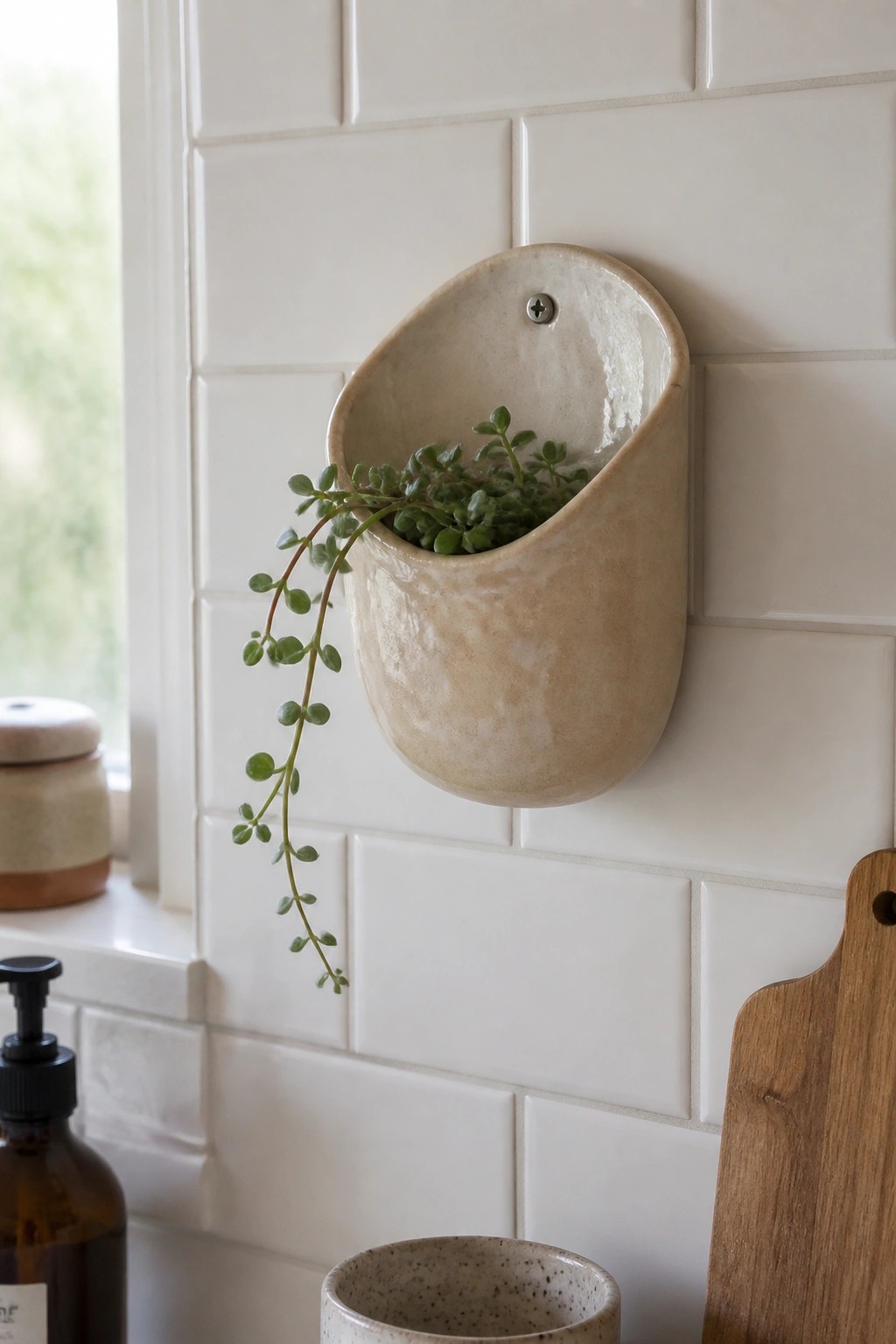
A wall-mounted ceramic planter with an irregular pocket shape gives trailing plants a dedicated spot without using counter or shelf space. The form sits flat against the wall at the top and curves outward to create a deep basin, with the rim left slightly uneven for a natural edge. A matte speckled glaze in a warm neutral tone keeps the surface simple while the handmade texture shows through. This approach works as a compact planter that mounts directly with one screw.
What makes this idea useful is how the open front lets you see both the plant and the soil level at a glance. The same pocket shape could be made narrower for a single vine or widened into a longer trough for several small plants in a row. In a bathroom or kitchen it stays out of the way yet stays visible, and the single-point mount means no special hardware is required. You could also adapt the basic form into a shallow holder for kitchen tools or mail if you prefer a non-plant version.
Speckled Pedestal Ring Dish

A small footed dish like this serves as a dedicated ring holder. The shallow bowl sits on a short pedestal base that lifts the piece slightly off the surface, while the rounded edges keep rings from sliding out. The light speckled glaze keeps the surface simple and lets the handmade texture show through, which suits a minimalist organic style without added patterns or handles.
The raised base gives the dish a clean profile that works on a dresser or nightstand without taking up much space. You can adapt the same form by widening the bowl for a small tray or shortening the foot for a flatter version that stacks more easily. This shape stands out in photos because the pedestal creates a clear focal point even with a single glaze color, making it a straightforward project to repeat in different sizes.
Split-Glaze Match Tray

A small oval ceramic tray with one half left in a light speckled glaze and the other covered in a dark textured brown finish makes a practical match holder for a candle setup. The low sides and divided surface keep matches separated from any stray wax while the compact size sits neatly beside a jar candle. This approach uses simple form and contrasting glazes instead of added handles or lids. It belongs in the candle accessory category of minimalist organic pottery.
The small scale makes this easy to adapt into a ring dish or desk tray by shortening the length. Pairing a smooth light glaze with a rough dark section adds contrast that works on plain wooden surfaces without extra decoration. In a living room or bathroom, the tray keeps matches or small items in one spot while blending with neutral tones. You could rework the same split-glaze idea on a square slab or a slightly deeper pinch bowl.
Ceramic Measuring Scoop for Everyday Kitchen Use

A small ceramic scoop shaped like a shallow bowl with a short handle offers a practical way to measure dry ingredients such as flour or sugar. The piece uses the natural clay color on the outside and a simple white glaze on the inside, keeping the look minimal while making the interior easy to clean. An impressed mark on the handle shows the measurement clearly without extra decoration. This turns a standard kitchen tool into a handmade pottery item that suits an organic, low-key style.
The compact shape stores neatly in a drawer or sits beside jars on the counter without taking much space. You could repeat the same form for other measurements or skip the handle mark to make a tiny pouring bowl instead. In a kitchen, the clay version feels more substantial than plastic scoops and pairs well with glass storage jars or wooden boards. The idea also works as a simple project because the basic form requires only one main mold or hand-building step.
Tall Narrow Vase for Single Flower Stems

A tall ceramic vase with a narrow neck and wider base gives one or two stems enough height without taking up much surface space. The bottle shape keeps the form simple while the speckled matte glaze adds light texture that still reads as neutral. This kind of pottery works as a dedicated bud vase rather than a general container, so the handmade details stay secondary to whatever you put in it.
What makes this idea useful is how well the proportions control the scale of an arrangement. You could shorten the same shape for a desk version or widen the neck slightly if you want to hold a small bunch instead. The neutral speckled surface pairs easily with wood, linen, or stone, so the piece fits into different rooms without needing extra styling. For Pinterest, the clean silhouette and single-stem focus make it easy to photograph and recreate in different glaze colors.
Spiral Glazed Mini Dish

A small round dish finished with a hand-drawn spiral in soft green glaze offers a clean way to add pattern without clutter. The concentric lines sit on a muted base with natural speckling, while the exposed clay rim adds a simple contrast that keeps the whole piece grounded. This project suits a ring dish, soap holder, or tiny tray for the bathroom or kitchen counter.
The compact size makes it simple to place anywhere and easy to repeat in different glaze colors. You could scale the same spiral onto a slightly larger plate or shorten the lines into a partial motif on a mug. For a gift, match the glaze tones to the room where it will sit and keep the rim raw for that organic edge. The pattern photographs well and gives a clear, repeatable idea for anyone scrolling for small pottery projects.
Frequently Asked Questions
What kind of clay works best for minimalist organic pottery ideas? Natural stoneware or earthenware clays are ideal because they allow for subtle textures and organic forms without needing heavy embellishments. Start with a low to mid fire clay that feels smooth in your hands, and test small batches to see how it responds to pinching or coiling techniques mentioned in the article. This keeps the focus on simple shapes while ensuring the pieces hold up well during firing.
How can I make these organic shapes without a pottery wheel? Many of the 25 ideas rely on hand building methods like pinching, slab rolling, or coiling, which suit minimalist styles perfectly. Begin by working with small amounts of clay to form asymmetrical yet balanced vessels, and use basic tools such as wooden ribs or your fingers to smooth surfaces. Practice on a non stick mat to avoid adding unwanted marks, and let pieces dry slowly to prevent cracking before bisque firing.
What finishes enhance the aesthetic appeal of these pottery pieces? Matte glazes in neutral tones like soft beige, pale gray, or earthy green complement the organic minimalist vibe by highlighting natural clay tones rather than overpowering them. Apply thin layers with a brush or sponge for an uneven yet intentional look, and consider leaving some areas unglazed to showcase the raw texture. Always test glazes on sample tiles first to match the firing temperature of your clay.
How do I incorporate these pottery ideas into everyday home decor? Place finished pieces on open shelves or windowsills where their simple forms can stand out against plain backgrounds. Use them as plant holders, utensil containers, or abstract sculptures in living areas to add warmth without clutter. Rotate a few items seasonally and group them in odd numbers for visual balance, ensuring each one has enough space to breathe in the minimalist setting.
What common issues arise when trying these pottery projects and how can I avoid them? Uneven drying often leads to cracks in organic shapes, so cover pieces loosely with plastic during the initial stages and dry them in a consistent temperature environment. Another frequent problem is overworking the clay, which can make forms look too polished instead of naturally minimalist. Work in stages with breaks in between, and refer back to the article’s descriptions of subtle imperfections that add character to each design.

Pottery Path is my cozy corner of the internet where I share clay ideas, pottery inspiration, and simple projects you can recreate at home. I love exploring everything from air dry clay to handbuilt pottery to cute minis that brighten your day. My goal is to make clay crafting feel easy, fun, and welcoming for anyone who wants to try it.
You will find beginner friendly tutorials, creative pottery painting ideas, and lots of warm inspiration for slow and happy crafting. If you enjoy hands on creativity, this space will feel like home.