Are you wondering why your cedar tree isn't growing as expected?
Various factors like environmental stress and soil conditions can hinder its development.
This discussion will highlight common issues that affect cedar tree growth and offer troubleshooting tips.
If you're concerned about your cedar tree's lack of progress, stay tuned to learn how to support its healthy growth.
Environmental Stressors
If your cedar trees are showing signs of distress, environmental stressors may be the culprit, impacting their growth and overall health.
Climate conditions play a significant role in the well-being of cedar trees. Too much or too little sunlight exposure can hinder their growth. Additionally, air pollution and temperature fluctuations can also contribute to their struggle. High levels of air pollution can weaken the trees, making them more susceptible to diseases and pests. Sudden temperature fluctuations, especially extreme cold, can cause damage to the cedar trees, affecting their growth.
It's important to monitor these environmental factors and provide appropriate care to mitigate their impact on your cedar trees. By understanding and addressing these stressors, you can help your cedar trees thrive in their environment.
Soil Conditions
Proper soil conditions are crucial for the healthy growth of your cedar trees. Two key factors to consider are pH levels and drainage issues. The pH level of the soil determines its acidity or alkalinity, impacting the tree's ability to absorb nutrients. Cedar trees thrive in slightly acidic to neutral soil with a pH level between 5.5 and 7.0. Additionally, poor drainage can lead to root rot and hinder the tree's growth. To ensure optimal conditions, consider using a soil testing kit to check the pH level and improve drainage by amending the soil with organic matter or creating raised beds. Here's a helpful breakdown:
| Soil Condition | Ideal Range |
|---|---|
| pH Level | 5.5 – 7.0 |
| Drainage | Well-drained |
Recommended Products

Quick, at home results for Soil pH, Nitrogen, Phosphorous and Potash Innovative and inexpensive soil test kit features an easy-to-use capsule system and patented color comparators

Kindly NOTE: This soil tester can not be applied to test pH value of any other liquid. If the soil is too dry the indicator will not move, and water it before testing.

Accurate Soil pH Testing: Dewildetradingco Soil pH Test Strips offer measurements of soil pH levels (pH 3.5-9). As an essential tool for every gardener and grower, these test strips help determine the optimal pH for various plants, such as outdoor plants, indoor plants, gardens, grass lawns, fruit trees, flowers, vegetables, and forest shrubs.
Watering Practices
Ensuring proper soil conditions for your cedar trees sets the stage for discussing effective watering practices to support their healthy growth. Proper watering is crucial for the health of your cedar trees. Here's what you need to know:
- Avoid Overwatering: Cedar trees are susceptible to root rot, which can occur due to overwatering. Ensure that the soil is well-draining and allow the top few inches to dry out before watering again.
- Deep Watering: Instead of frequent shallow watering, opt for deep, infrequent watering sessions to encourage the development of deep roots.
- Observe Signs of Overwatering: Keep an eye out for signs of overwatering such as yellowing or wilting leaves, and adjust your watering practices accordingly.
Recommended Products

Accurate Soil Moisture Detection: The XLUX Soil Moisture Meter can tell you if the soil deep inside your pot or garden is dry, moist or wet; whereas your eyes and fingers can only determine the moisture level of the soil surface. The probe is 5.5 inches (14 cm) longer than regular styles, allowing it to measure the soil moisture at the bottom of larger and deeper flower pots.

Accurate Soil Moisture Detection: The XLUX Soil Moisture Meter can tell you if the soil deep inside your pot or garden is dry, moist or wet; whereas your eyes and fingers can only determine the moisture level of the soil surface. The probe is 5.5 inches (14 cm) longer than regular styles, allowing it to measure the soil moisture at the bottom of larger and deeper flower pots.

Accurate Soil Moisture Detection: The XLUX Soil Moisture Meter detects deep soil moisture in pots or gardens (dry/moist/wet), unlike eyes or fingers that only sense surface soil.
Nutrient Deficiencies
To ensure optimal growth for your cedar trees, it's essential to be mindful of potential nutrient deficiencies that can impact their overall health and vitality. Nutrient deficiencies can manifest in various ways, such as leaf discoloration and stunted growth. One effective way to address these issues is through proper fertilizer application. By understanding the specific nutrient requirements of cedar trees, you can provide the necessary elements to support their growth and development. Here's a breakdown of common nutrient deficiencies and their visual symptoms:
| Nutrient Deficiency | Visual Symptoms |
|---|---|
| Nitrogen | Yellowing of older leaves |
| Phosphorus | Purplish discoloration on leaves |
| Potassium | Brown scorching on leaf edges |
| Magnesium | Interveinal yellowing of leaves |
Regularly monitoring your cedar trees for these signs and adjusting your fertilizer application can help prevent and treat nutrient deficiencies, promoting healthy and vibrant growth.
Recommended Products
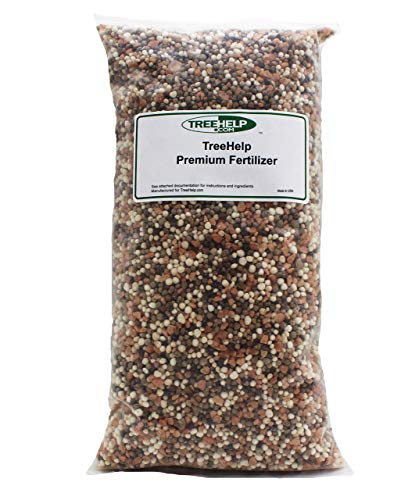
Not Available for Sell in WA, USA

Made for Arborvitae Trees – Formulated to support healthy growth in arborvitae and evergreen hedges.

Excellent for evergreens, dogwoods, hydrangeas, magnolias and many other acid-loving trees and shrubs
Pests and Diseases
Monitoring your cedar trees for signs of pests and diseases is crucial for maintaining their health and vitality, especially after addressing potential nutrient deficiencies. Integrated pest management is essential for controlling common pests like bagworms, spider mites, and cedar rust.
Inspect the foliage for any abnormal discoloration, spots, or wilting, as these could indicate the presence of harmful diseases. Implementing disease resistance strategies, such as planting disease-resistant cedar tree varieties and ensuring proper spacing to promote good air circulation, can significantly reduce the risk of infections.
Regularly prune and remove any dead or diseased branches to prevent the spread of diseases. By staying vigilant and proactive in pest and disease management, you can help your cedar trees thrive and flourish.
Conclusion
To help your cedar tree thrive and reach its full potential, it's essential to address:
- Environmental stressors
- Soil conditions
- Watering
- Nutrients
- Pests or diseases
Regular observation and care are crucial for providing the support it needs to flourish. Remember, nurturing your cedar tree is a continuous process that requires attention and proactive management.

My interest in trees started when I first saw the giant sequoias in Yosemite.I was a teenager then, and I remember thinking, “I need to learn more about this.”That moment stuck with me.A few years later, I went on to study forestry at Michigan Tech.
Since graduating, I’ve worked in a mix of hands-on tree care and community education.I’ve spent over ten years helping people understand how to plant, maintain, and protect the trees in their neighborhoods.I don’t see trees as just part of the landscape.They are living things that make a real difference in our daily lives.