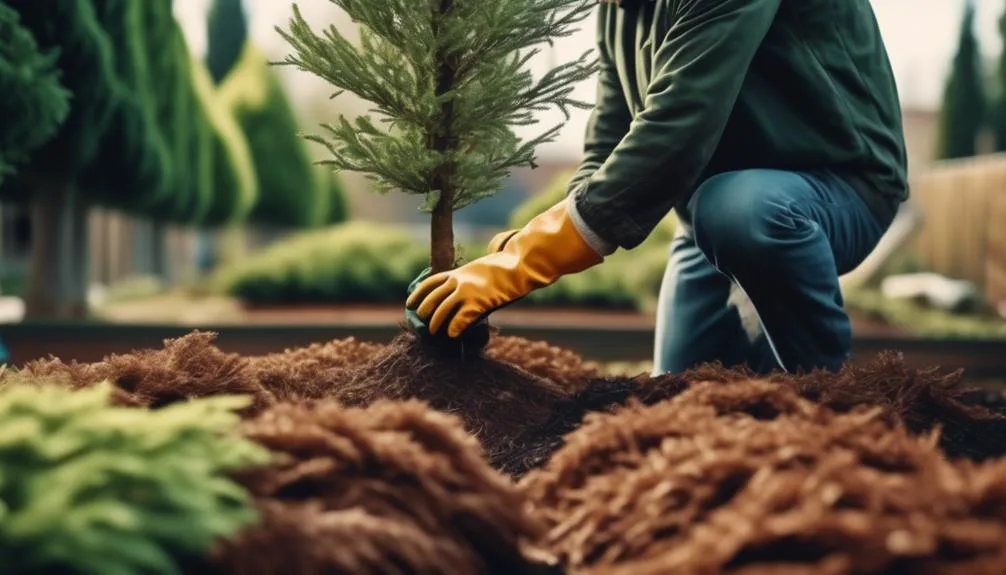
Cedar trees are not just pretty; they're also important for wildlife.
But taking care of them organically can be tricky. Choosing the right natural fertilizers and pest control methods is key. These techniques help keep your cedar trees healthy and strong.
By following these organic care methods, you can ensure that your cedar trees thrive in a sustainable, eco-friendly way.
Understanding Cedar Tree Needs
To successfully care for cedar trees organically, it's essential to understand their specific needs and requirements. This includes pruning techniques and watering schedules.
When it comes to pruning techniques, it's important to remove any dead or diseased branches, as well as any crossing or rubbing branches that may cause damage. This helps to maintain the tree's health and shape. Additionally, cedar trees benefit from light pruning in the late winter or early spring to encourage new growth.
As for the watering schedule, cedar trees generally prefer well-drained soil and don't tolerate waterlogged conditions. It's crucial to water deeply but infrequently, allowing the soil to dry out slightly between watering to prevent root rot.
Understanding and implementing these pruning techniques and watering schedule will help ensure the health and vitality of your cedar trees.
Selecting Organic Fertilizers and Soil Amendments
As you care for your cedar trees and understand their specific needs, selecting the right organic fertilizers and soil amendments is crucial for promoting their health and growth.
When choosing organic fertilizers, consider the benefits of composting. Compost enriches the soil with essential nutrients, improves soil structure, and promotes beneficial microorganisms, all of which contribute to the overall health of your cedar trees.
Additionally, conducting soil testing is essential to determine the specific nutrient requirements of your cedar trees. By understanding the composition of your soil, you can select the most suitable organic soil amendments to address any deficiencies and optimize the growing conditions for your cedars.
These strategies will ensure that your cedar trees receive the necessary nutrients in a natural and sustainable manner, supporting their long-term health and vitality.
Recommended Products

Nutrient-Rich Organic Compost for Healthy Soil: Support stronger plant growth with this premium organic compost made from dairy cow manure. This all purpose soil amendment helps replenish essential nutrients often depleted after harvests, making it ideal for vegetable gardens, fruit trees, flowers, lawns and container plants.

Down to Earth Fruit Tree is a five pound box of all natural fertilizer with 6-2-4 formula and is listed by the Organic Materials Review Institute (OMRI) for use in organic production
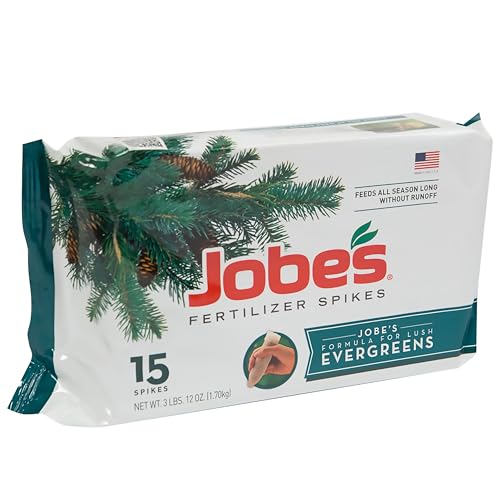
Package contains 15 evergreen fertilizer spikes and are produced to avoid wasteful runoff, mess, hazards and smells
Implementing Natural Pest Control Methods
Consider implementing natural pest control methods to protect your cedar trees from harmful insects and pests while maintaining an organic and environmentally friendly approach to their care.
Here are some effective strategies to keep pests at bay:
- Attract Natural Predators: Encourage the presence of beneficial insects such as ladybugs and lacewings, which feed on harmful pests like aphids and mites.
- Companion Planting: Cultivate plants like marigolds, lavender, or chrysanthemums around your cedar trees to repel pests and attract beneficial insects.
- Neem Oil Spray: Utilize neem oil, a natural insecticide, to combat common cedar tree pests like spider mites and scale insects.
- Beneficial Nematodes: Introduce beneficial nematodes to the soil to control pests like root weevils and borers without harming the environment.
- Pruning and Maintenance: Regularly prune and maintain your cedar trees to remove infested or diseased branches and promote overall tree health.
Recommended Products

INSECT KILLER: BioAdvanced Organics Brand Neem Oil spray controls aphids, whiteflies, spider mites, and other listed pests

PLANT DISEASE CONTROL: Natria Neem Oil acts as an insecticide and fungicide in one convenient spray; Ready-to-use trigger sprayer requires no mixing

Protect your oasis with Captain Jack’s Neem Max Ready-to-Use Spray; this multipurpose product acts as a 4-in-1 insecticide, fungicide, miticide and nematicide
Preventing Diseases Organically
Encourage the continued health and resilience of your cedar trees by employing organic methods to prevent common diseases that can impact their vitality and longevity. Promoting biodiversity around your cedar trees can help create a balanced ecosystem that naturally prevents the spread of diseases. By planting a variety of plants, you can attract beneficial insects and organisms that act as natural predators to potential cedar tree diseases. Additionally, implementing natural pruning techniques can help improve air circulation and sunlight exposure, reducing the risk of fungal diseases. Consider creating a diverse and balanced environment around your cedar trees by using the following strategies:
| Promoting Biodiversity | Natural Pruning Techniques | Regular Monitoring |
|---|---|---|
| Planting diverse flora | Pruning for airflow | Inspecting for signs of disease |
| Attracting beneficial insects | Removing dead or diseased branches | Identifying and addressing issues early |
| Creating a balanced ecosystem | Encouraging healthy growth | Taking preventive measures |
Recommended Products

Control diseases and insects in your garden with Captain Jack’s Fruit Tree Spray Concentrate! Use on a variety of listed fruits, nuts and citrus plants.
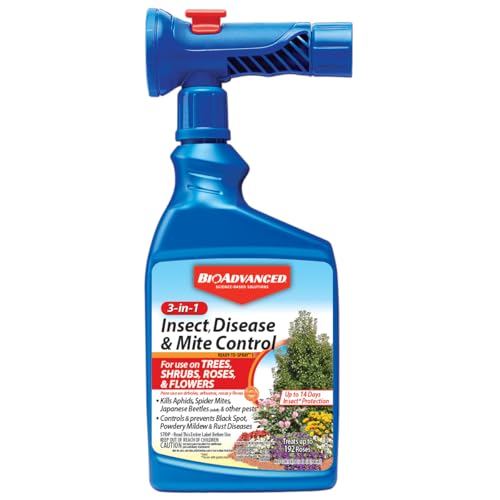
3-in-1 FORMULA: Aphid spray for outdoor plants for use on roses, flowers, shrubs and trees to control listed insects, disease and mites
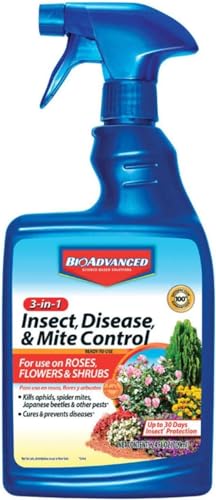
INSECT KILLER: Army worm killer. Also kills insects such as Aphids, Spider Mites, Japanese Beetles, Caterpillars, and other listed insects
Maintaining Cedar Tree Health and Growth
To maintain the health and growth of your cedar trees, it's essential to provide proper care and attention through regular monitoring and timely maintenance. Here are some key practices to help ensure the well-being and development of your cedar trees:
- Pruning Techniques: Regularly inspect your cedar trees for any dead, diseased, or crossing branches and promptly prune them to promote healthy growth and shape.
- Watering Schedule: Establish a consistent watering schedule, especially during dry periods, to ensure that your cedar trees receive adequate moisture for optimal growth without becoming waterlogged.
Conclusion
By adopting organic methods to care for your cedar trees, you aren't only ensuring their health and growth but also contributing to a healthier environment.
From selecting the right fertilizers to natural pest control, your landscape will thrive without the need for harmful chemicals.
Embracing these practices nurtures a sustainable and beautiful ecosystem for all to enjoy.

My interest in trees started when I first saw the giant sequoias in Yosemite.
I was a teenager then, and I remember thinking, “I need to learn more about this.”
That moment stuck with me.
A few years later, I went on to study forestry at Michigan Tech.
Since graduating, I’ve worked in a mix of hands-on tree care and community education.
I’ve spent over ten years helping people understand how to plant, maintain, and protect the trees in their neighborhoods.
I don’t see trees as just part of the landscape.
They are living things that make a real difference in our daily lives.