Ever wondered why some trees seem to thrive without any support while others constantly need staking? Picture this: you plant a young sapling in your garden, hoping it will grow into a majestic tree. However, you find yourself wondering if staking it is the right move. When should you let nature take its course and when should you step in to lend a helping hand?
In this article, you’ll discover the secrets behind when not to stake a tree. By understanding the signs and signals from your tree, you can make informed decisions that promote healthy growth and stability. Say goodbye to unnecessary stakes and hello to a flourishing tree that stands tall on its own. Let’s dive in and uncover the wisdom of letting nature lead the way.
Understanding Tree Stability
Tree stability is crucial for the long-term health and growth of your trees. Here are some key points to consider:
- Root Development: Well-established roots are essential for anchoring the tree and providing stability.
- Trunk Thickness: A thicker trunk indicates a stronger, more stable tree that can support itself.
- Wind Flexibility: Trees need some flexibility to withstand winds and storms without toppling over.
- Natural Movement: Trees naturally sway in the wind, which helps strengthen their trunks and roots.
Signs of Tree Stability
Recognizing the signs of a stable tree is important. Look out for these indicators:
- Firmly Anchored Roots: Roots firmly anchored in the ground signal good stability.
- Straight Trunk Growth: Trees with straight, upright trunks are typically more stable.
- Even Canopy Distribution: A balanced canopy distribution indicates a well-supported tree.
- Minimal Leaning: Trees that stand upright without excessive leaning are usually more stable.
Assessing Tree Stability
It’s essential to assess your tree’s stability regularly. Here’s how you can do it:
- Visual Inspection: Check for any signs of damage, leaning, or uprooting.
- Gentle Push Test: Apply slight pressure to the tree to see how it responds.
- Consult a Professional: If in doubt, seek advice from an arborist for a more thorough evaluation.
Maintaining Tree Stability
- Proper Watering: Ensure your tree receives adequate water to support healthy root growth.
- Pruning: Regular pruning helps maintain a balanced canopy and promotes stability.
- Mulching: Mulch around the base of the tree to retain moisture and support root health.
- Avoid Over-staking: Over-staking can hinder natural root and trunk development.
| Factor | Importance |
|---|---|
| Root Development | Essential for anchoring |
| Trunk Thickness | Indicates tree strength |
| Wind Flexibility | Helps tree withstand winds |
| Natural Movement | Aids in trunk strengthening |
Signs of a Healthy Tree
- Green, Vibrant Leaves: Leaves should be full and green without yellowing or browning.
- Strong Root System: Look for roots spreading out and anchoring firmly in the ground.
- Straight Trunk Growth: A straight, vertical trunk indicates proper growth.
- Balanced Canopy: Branches should be evenly distributed around the tree for stability.
- Minimal Leaning: A tree should stand straight with minimal leaning.
- Resilient to Wind: Trees should sway gently in the wind without excessive bending or snapping.
- Healthy Bark: Smooth, intact bark is a sign of a healthy tree.
Common Mistakes in Staking Trees
When it comes to staking trees, there are several common mistakes that can actually do more harm than good. Here are some key errors to avoid:
- Improper Support: Using the wrong materials or tying the tree too tightly can restrict its natural movement and growth, leading to damage.
- Overstaking: Placing too many stakes or ties can create a crutch for the tree, preventing it from developing a strong root system.
- Skipping Assessment: Failing to assess whether a tree actually needs staking can result in unnecessary intervention that hinders its ability to stand on its own.
- Ignoring Tree Type: Different trees have varying requirements when it comes to staking. One method does not fit all.
- Leaving Stakes Too Long: Forgetting to remove stakes once they are no longer needed can cause girdling and damage to the tree.
Remember, proper staking should be a temporary measure to help a tree establish itself, not a permanent solution. Keep these mistakes in mind to ensure the healthy growth and development of your trees.
Recommended Products
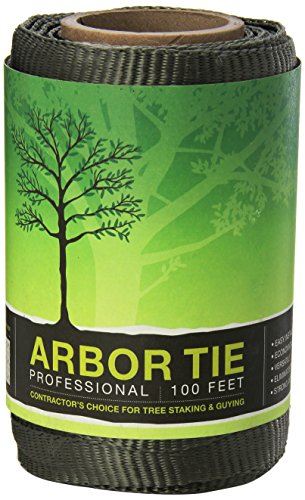
SAFE AND EFFECTIVE TREE SUPPORT - The DeepRoot ArborTie Staking and Guying Material offers an innovative alternative to conventional tree support methods like wire and hose, providing effective support for trees with ease.

MADE FROM 65% RECYCLED PLASTIC: Reusable so you can reduce waste; supports the move toward a sustainable future
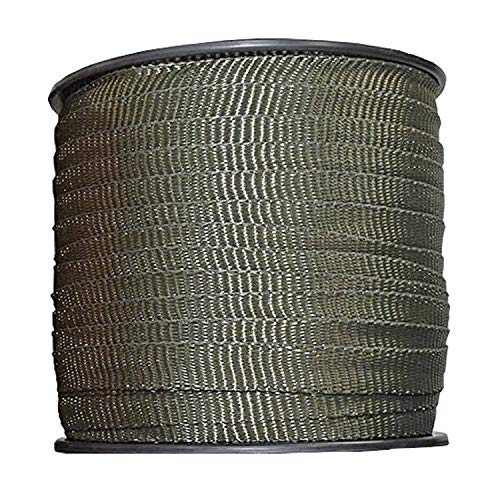
Plant & Tree Support. 5/8" Wide x 250 Ft Long. Ultra strong yet soft woven webbing ideal for plant, limb, branch and tree support. Strong enough to anchor large trees, yet flexible enough to use on young saplings and shrubs. This tree strap is excellent to prevent or repair tree damage caused by heavy snow or winds. Used for numerous horticultural, garden and landscape applications, simply cut to needed length. Natural olive color of the tree support strap blends into the environment.
When Staking Can Do More Harm Than Good
So, you’re considering staking a tree, but there are times when this may not be the best decision for the tree’s overall health. Improper staking can actually hinder a tree’s growth and development, which is why it’s crucial to know when staking can do more harm than good.
- Mature Trees: Staking mature trees unnecessarily can restrict natural movement and lead to a weaker root system.
- Flexible Trees: Avoid staking trees with flexible trunks, as they need some movement to develop strength.
- Protected Areas: In areas shielded from strong winds, staking may not be necessary as trees need to sway to build resilience.
- Correctly Planted Trees: Well-planted trees with sturdy roots may not require staking for support.
- Healthy Trees: Strong, healthy trees usually do not need staking unless they’re in exceptionally windy conditions.
Being mindful of these considerations can help you make the right choice about whether a tree needs to be staked or left to grow naturally.
Recommended Products

【Complete Tree Straps for Staking Kit】Package comes with 8pcs tree straps and 52ft rope , with this kit you can ensure 3 to 4 trees to grow upright or protect them from harsh weathers like hurircane, helping your trees grow strong and healthy
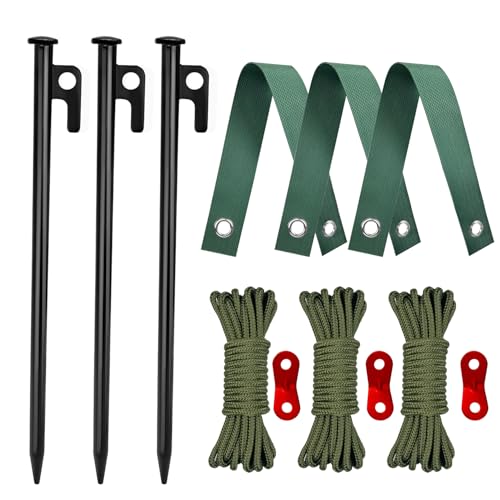
【Value Package】Package comes with 3pcs tree stakes,3pcs tree straps for staking and 3pcs ropes (each 13ft) with 3pcs aluminium tensioners. Complete tree stake kit enable your saplings to grow straight and healthy even in windy conditions

Use for Hurricane protection: Our tree straps are made of quality materials that can provide strong support to your trees. Even in stormy weather, you don't need to worry about your trees being blown down by the wind.
Alternatives to Staking
When considering whether to stake a tree, it’s important to explore alternatives that can promote healthy growth without the need for additional support. Here are some practical alternatives to staking:
- Mulching: Mulch around the base of the tree can help retain moisture, regulate soil temperature, and reduce competition from weeds.
- Proper Pruning: Trimming the tree’s branches can help improve its overall structure and balance, reducing the risk of damage from wind and snow.
- Trenching: Creating trenches perpendicular to prevailing winds can redirect airflow and reduce the risk of tree uprooting.
- Guying: Using guy wires or anchors to help support the tree’s trunk in a way that mimics natural wind sway.
Remember, proper tree care involves considering the specific needs of each tree to determine the most suitable approach.
Recommended Products

Perfect Tree Staking Kit: Our tree stake straight kits set includes 3 PCS tree strap ties for staking, 3 PCS steel tree stakes, and a 31.2 feet length rope for anchoring. Detailed instructions are included in the product packaging. This is a complete kit that you don't need to buy any other related accessories.
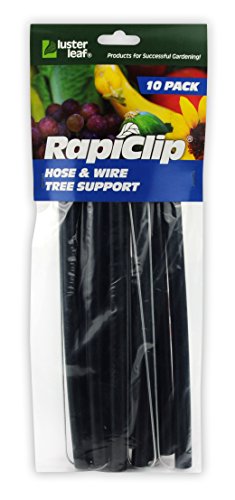
Classic style hose/wire tie for tying trees to stake

Specifically for 12FT Skeleton Lower Body (Waist and Below) – Not for full height, wire length 9.2ft. Suitable for waist-down support on 12ft ones or to secure smaller skeletons. Before purchasing, please confirm whether the skeletal frame has a fixed point at the waist
Conclusion
Remember, it’s crucial to consider alternative methods for promoting healthy tree growth instead of automatically resorting to staking. By exploring options like mulching, proper pruning, trenching, and guying, you can provide tailored care that meets your tree’s specific requirements. This approach ensures that your trees develop strong root systems and structural balance naturally. Always assess your tree’s individual needs before deciding whether staking is necessary. Prioritizing these alternative methods can lead to healthier, more resilient trees in the long run.
Frequently Asked Questions
1. Why should I consider alternatives to staking trees?
Staking trees can hinder natural trunk movement and growth, leading to weak wood formation. Exploring alternatives helps promote healthier and more resilient trees.
2. How can mulching benefit tree growth?
Mulching helps retain moisture in the soil, suppresses weeds that compete for nutrients, and maintains stable soil temperature for better root development.
3. Why is proper pruning essential for tree health?
Proper pruning enhances structural balance, removes dead or diseased branches, and promotes new growth, leading to stronger and more attractive trees.
4. What is the significance of trenching around trees?
Trenching redirects airflow and oxygen to the tree roots, improves soil aeration, and prevents waterlogging, fostering healthier root systems.
5. How can guying with wires support tree trunks?
Guying with wires provides temporary support to young or leaning trees, aiding in trunk stabilization and reducing the risk of wind or storm damage.

I’ve always been drawn to trees.As a kid, I spent most of my free time outside, climbing, exploring, and trying to figure out the names of the trees around me.That early curiosity eventually led me to study arboriculture and horticulture at Michigan State.Later, I completed a degree in forestry at the University of Michigan.
I’ve been working in tree care and education ever since.These days, I enjoy helping people learn more about the trees in their own backyards.How they grow, how to care for them, and why they matter.You don’t need to be an expert to appreciate trees.A little curiosity goes a long way.