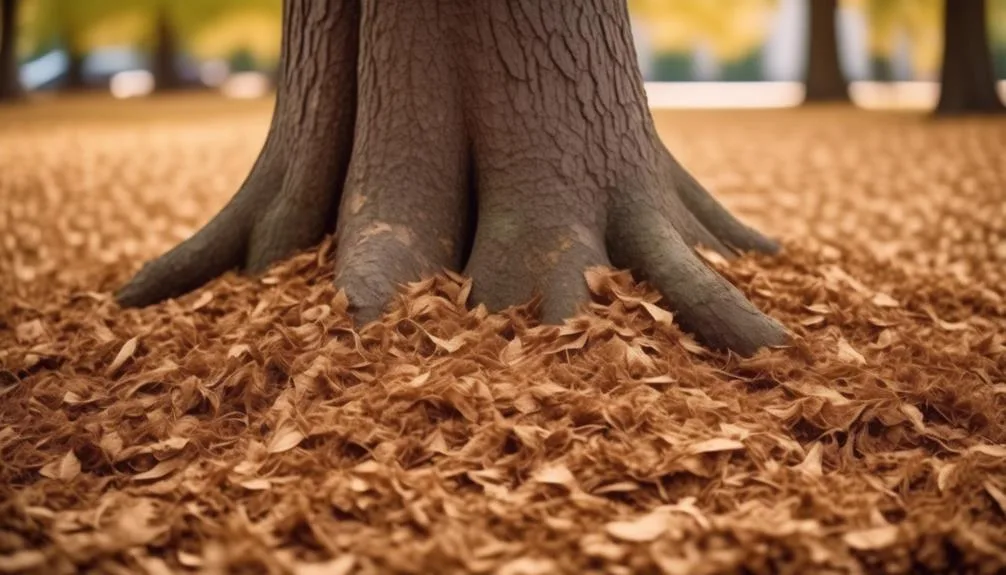
Mulching isn't just a simple gardening task – it's vital for the health of your elm trees.
It offers many benefits like keeping the soil moist, preventing weeds, and insulating the ground.
The right mulch can also make your garden look better and help your trees stay healthy.
Understanding the importance of mulching is essential if you want your elms to thrive and continue to make your surroundings beautiful.
Benefits of Mulching for Elm Trees
By mulching around your elm trees, you can actively improve soil moisture retention, suppress weed growth, and enhance overall tree health.
Mulch acts as a protective barrier, preventing soil erosion and compaction while regulating soil temperature, which is crucial for the well-being of your elm trees. This protective layer also helps to retain water in the soil, ensuring that your trees have a constant supply of moisture, especially during dry spells.
Furthermore, mulch serves as a natural weed suppressant, reducing competition for essential nutrients and moisture. As a result, your elm trees can allocate more energy towards growth and resilience.
Types of Mulch for Elm Trees
To continue nurturing the health of your elm trees, it's essential to explore the various types of mulch that can further enhance soil moisture retention, suppress weed growth, and regulate soil temperature.
When selecting mulch for your elm trees, consider the following options:
- Organic mulches such as wood chips or bark
- Compost or leaf litter for nutrient-rich soil
- Inorganic mulches like stone or gravel for long-lasting coverage
- Mulch application around the base of the tree to a depth of 2-4 inches
Proper mulch selection and application are crucial for maintaining optimal soil moisture and temperature levels, which are vital for the health and growth of your elm trees.
Recommended Products

ALL-NATURAL INGREDIENTS: No added fertilizers or pesticides

Natural Cedar; Use with your outdoor and indoor plants; will hold moisture in! THIS IS A 4 QUART SIZE OF CEDAR CHIPS
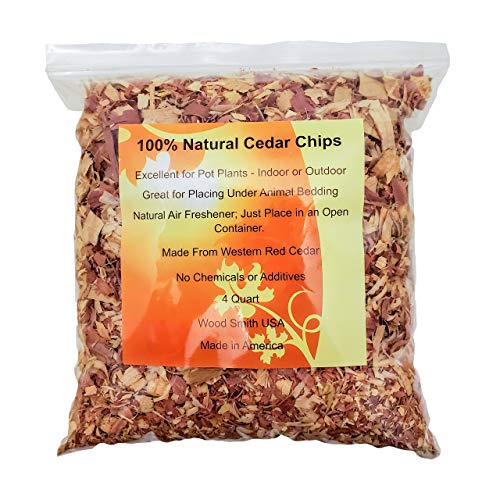
100% Natural Cedar; Use with your outdoor and indoor plants; will hold moisture in! 4 Quart; Natural product so cedar shavings vary in size.
How to Properly Mulch Elm Trees
Properly mulching your elm trees is essential to maintaining optimal soil moisture and temperature levels for their health and growth.
To ensure the best results, start by clearing the area around the tree of any weeds or grass.
Apply a 2- to 4-inch layer of mulch, making sure to leave a small gap around the base of the tree to prevent moisture buildup against the trunk.
Use organic mulch such as wood chips, bark, or compost to provide nutrients as it breaks down.
Avoid piling mulch directly against the tree trunk, as this can lead to moisture-related issues and decay.
Replenish the mulch annually to maintain adequate depth, and be mindful not to exceed the recommended thickness.
Following these proper mulching techniques is crucial for effective elm tree maintenance.
Recommended Products

Natural Cedar; Use with your outdoor and indoor plants; will hold moisture in!

100% Natural Expanding Mulch Medium - Made from natural coconut husks, Plantonix Coco Chips create a protective mulch layer for outdoor plants, raised beds, flower gardens, trees, shrubs, and container plants. Coco husk chips are perfect for tropical plants, orchids, and outdoor gardens where it’s important to retain moisture throughout the growing season.

PREMIUM RED MULCH: Vibrant red wood chip mulch colored with non-toxic dye that is safe for soil, pets, and plants, enhancing the visual appeal of gardens and landscapes
Mulching Tips for Elm Tree Health
Clearing the area around your elm tree of any weeds or grass sets the stage for successful mulching and contributes to the overall health of the tree.
When mulching your elm tree, consider the following tips to ensure its optimal health:
- Soil Nutrient: Choose organic mulch such as wood chips or shredded bark to gradually release nutrients into the soil, promoting the tree's growth.
- Water Retention: Apply a thick layer of mulch around the tree to help the soil retain moisture, reducing the frequency of watering and protecting the tree from drought stress.
- Weed Control: Mulch acts as a natural weed barrier, preventing weed growth that competes with the elm tree for nutrients and water.
- Temperature Regulation: Mulch insulates the soil, protecting the tree's roots from extreme temperatures and fluctuations.
Following these mulching tips will promote the overall health and vitality of your elm tree.
Common Mulching Mistakes to Avoid
When mulching your elm tree, it's important to be aware of common mistakes that can hinder its health and growth. Proper application of mulch is crucial.
One common mistake to avoid is piling the mulch against the tree trunk, as this can lead to moisture retention and potential rot. Mulch should be spread evenly around the tree, leaving a gap around the base to allow for airflow and prevent moisture-related issues.
Additionally, maintaining the proper mulch depth is vital. Too much mulch can create a barrier that prevents water and air from reaching the tree's roots, while too little mulch may not provide adequate insulation. Aim for a depth of 2-4 inches, ensuring that it covers the root zone without smothering the tree.
Recommended Products

High-Quality Non-Woven Fabric: Crafted from top-tier felt, these tree ring mulch mat offer long-lasting performance, ensuring optimal care for your trees.Before purchasing, please be aware of the hardness of this type of non-woven felt mat, which is different from the wooden tree ring

Compressed Block Replaces Heavy Bags: No more heavy, messy, bulky bags—this compressed block is easy to carry, store, and handle. Just add water and it expands in minutes into ready-to-use mulch for fast, simple application

Compressed Block Replaces Heavy Bags: No more heavy, messy, bulky bags—this compressed block is easy to carry, store, and handle. Just add water and it expands in minutes into ready-to-use mulch for fast, simple application
Conclusion
Proper mulching is a crucial practice for elm tree care. It supports moisture retention, weed control, and soil temperature regulation. Selecting the right mulch and applying it correctly are key considerations. Avoiding common mulching mistakes is essential for optimal elm tree health. By prioritizing proper mulching, you can foster thriving elm trees and enhance your landscape.

My interest in trees started when I first saw the giant sequoias in Yosemite.I was a teenager then, and I remember thinking, “I need to learn more about this.”That moment stuck with me.A few years later, I went on to study forestry at Michigan Tech.
Since graduating, I’ve worked in a mix of hands-on tree care and community education.I’ve spent over ten years helping people understand how to plant, maintain, and protect the trees in their neighborhoods.I don’t see trees as just part of the landscape.They are living things that make a real difference in our daily lives.