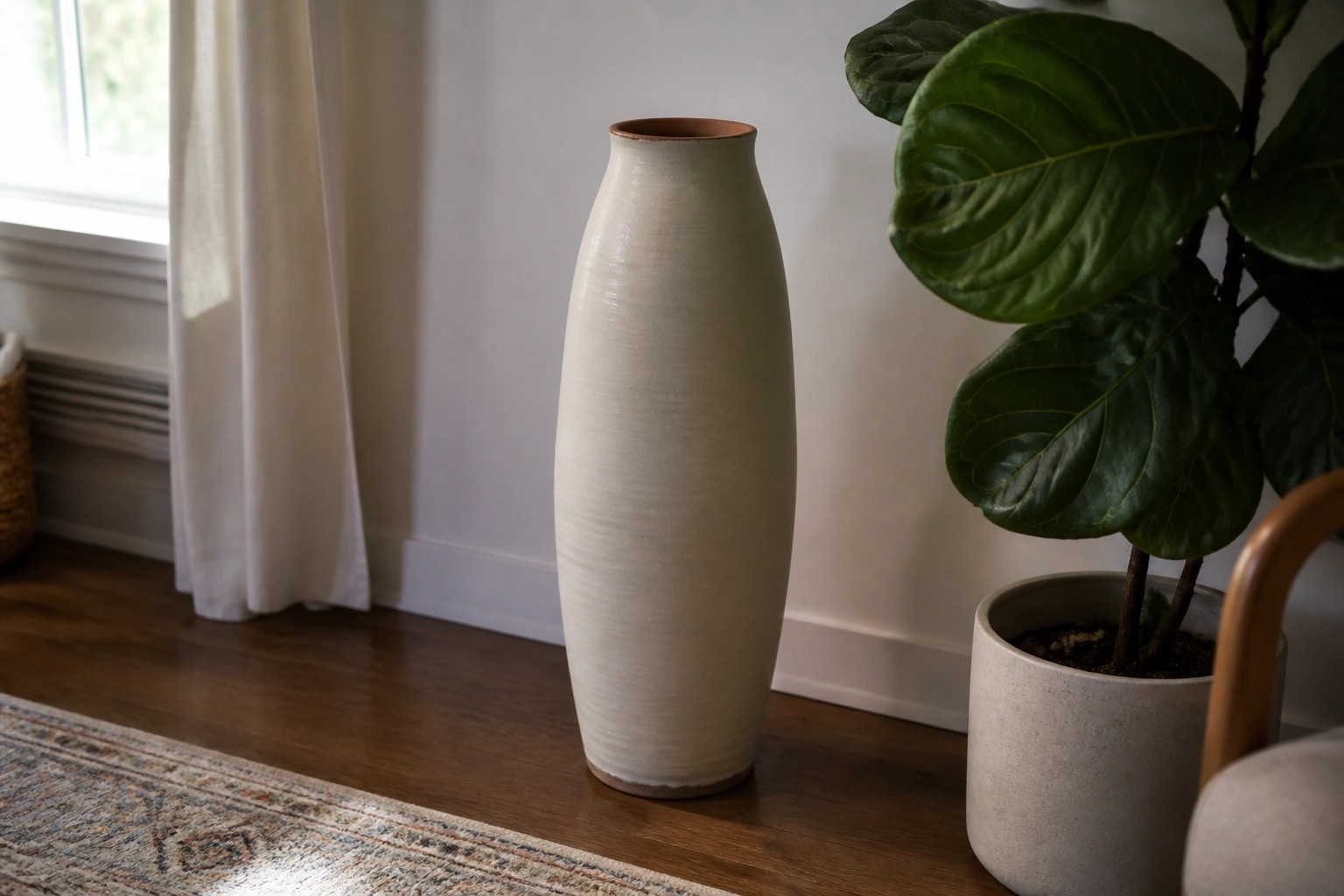
I enjoy making vases on the pottery wheel and I often go for a mix of clean modern lines and softer organic shapes.
Over time I have collected quite a few designs that feel simple yet stylish.
Some work better with certain glazes and others stand out on their own.
These are ideas that have worked for me or that I have seen others try successfully.
I hope a few of them spark something new for your own projects.
Organic Tapered Vase with Exposed Clay Rim
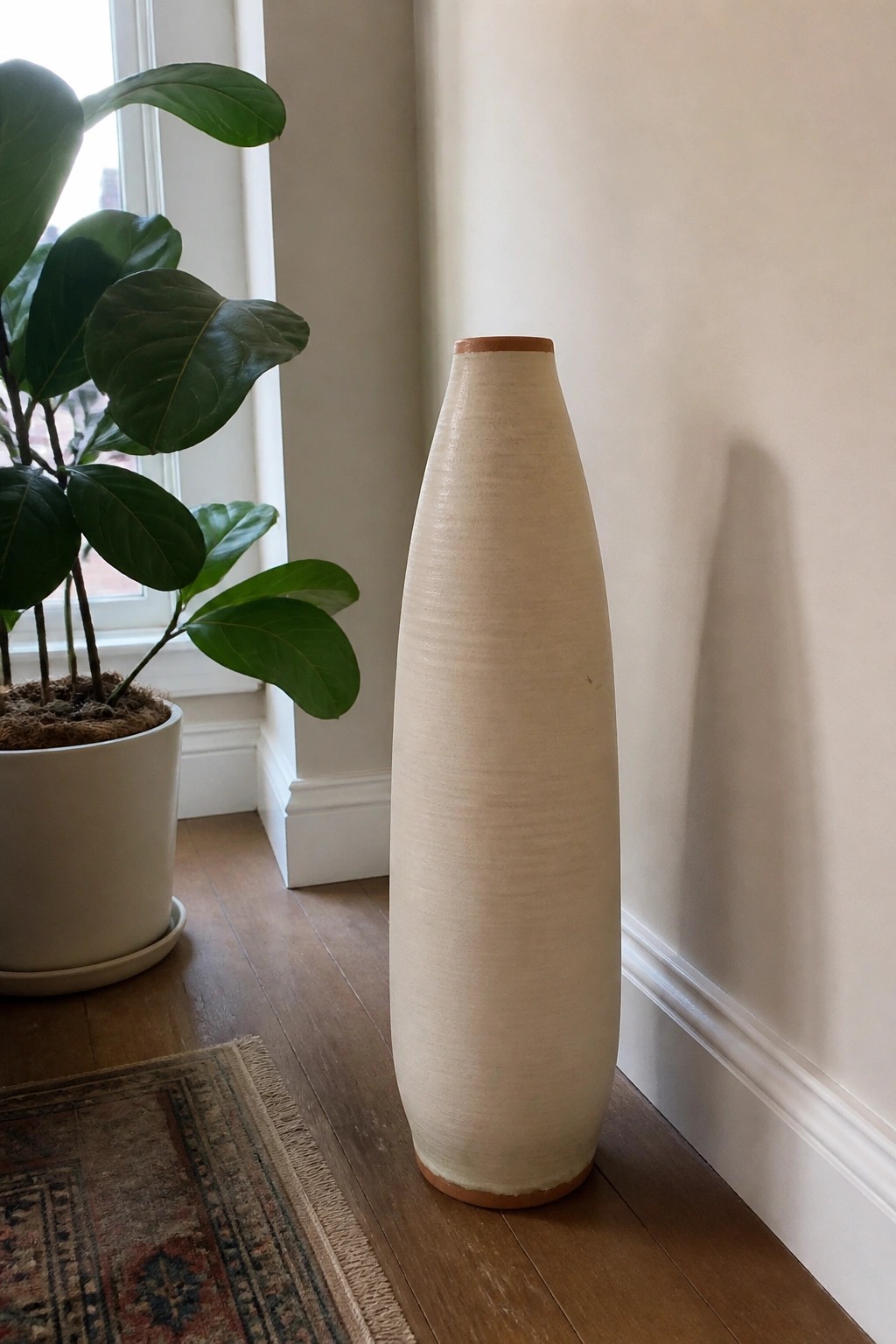
A tall wheel-thrown vase with a narrow base that widens slightly through the body before tapering to a small opening. The form uses a light matte glaze that stops short of the rim and foot, leaving those areas in the natural clay color. The visible throwing lines add a quiet texture without overpowering the clean silhouette. This approach suits anyone looking for a simple vase shape that still shows the marks of the wheel.
What makes this idea useful is the balanced proportions that let the piece stand alone or sit with other objects. The neutral tone and exposed clay details work well in living rooms or entryways where you want height without strong color. You could scale the same shape down for a smaller bud vase or try the same rim treatment on a wider bowl form. The minimal surface keeps the focus on the profile, which helps it photograph clearly for project sharing.
Bottle Vase with Soft Green Glaze
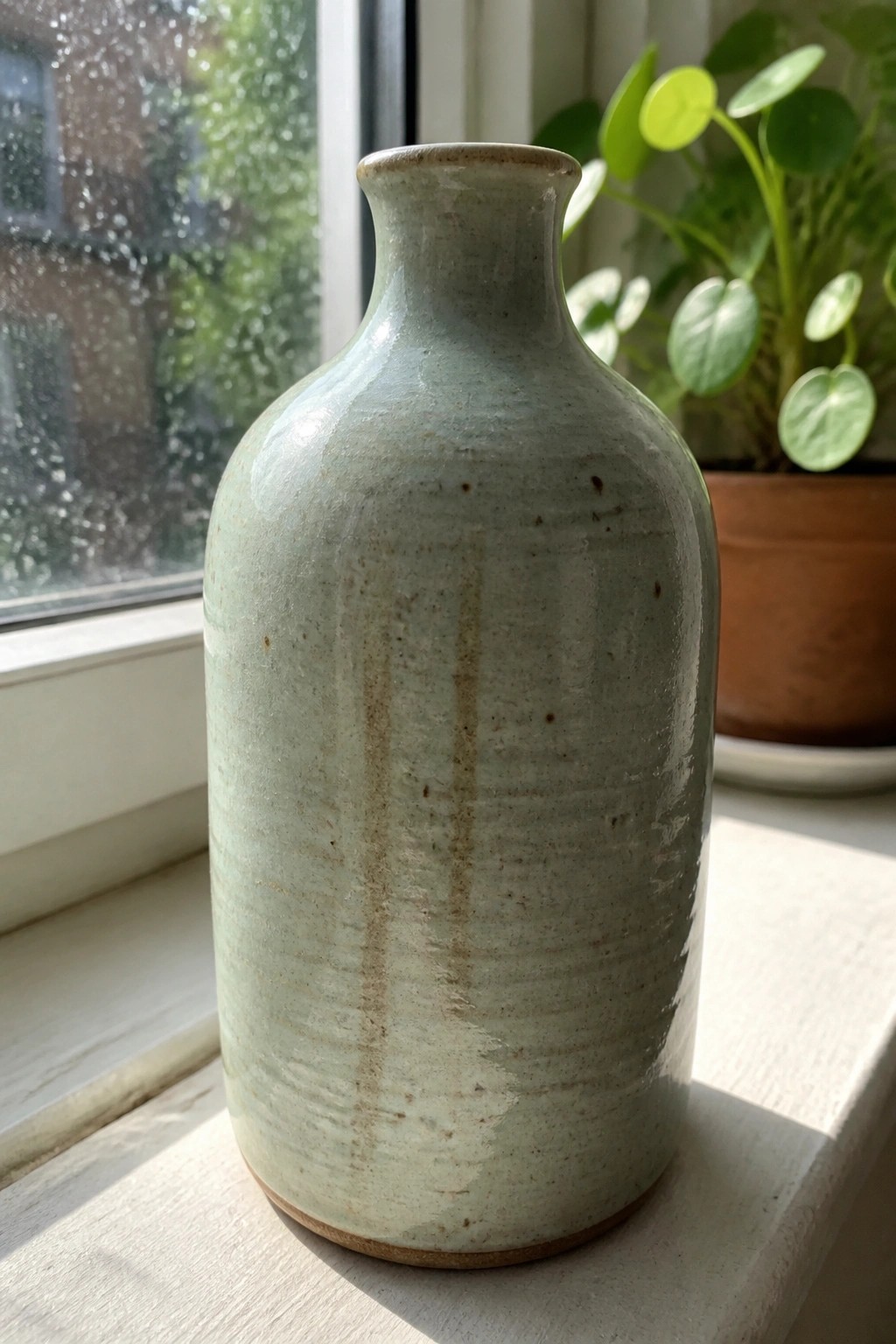
A wheel-thrown bottle vase uses a rounded body that widens from a narrow base and then tapers into a short neck. The pale green glaze sits unevenly across the surface, leaving faint vertical streaks and small brown speckles that add texture without strong pattern. This approach keeps the form simple while the glaze variation gives it enough interest to stand alone as a decorative piece.
The shape does a lot of the work here because the proportions let it hold a few stems or stand empty without looking bare. You could scale the same silhouette taller for a bigger arrangement or shorten the neck to turn it into a small planter. In a living room or entryway the muted color sits easily against most backgrounds, and swapping the glaze for a warmer tone would shift it toward a different season or room style.
Organic Teardrop Bud Vases in Solid Glazes
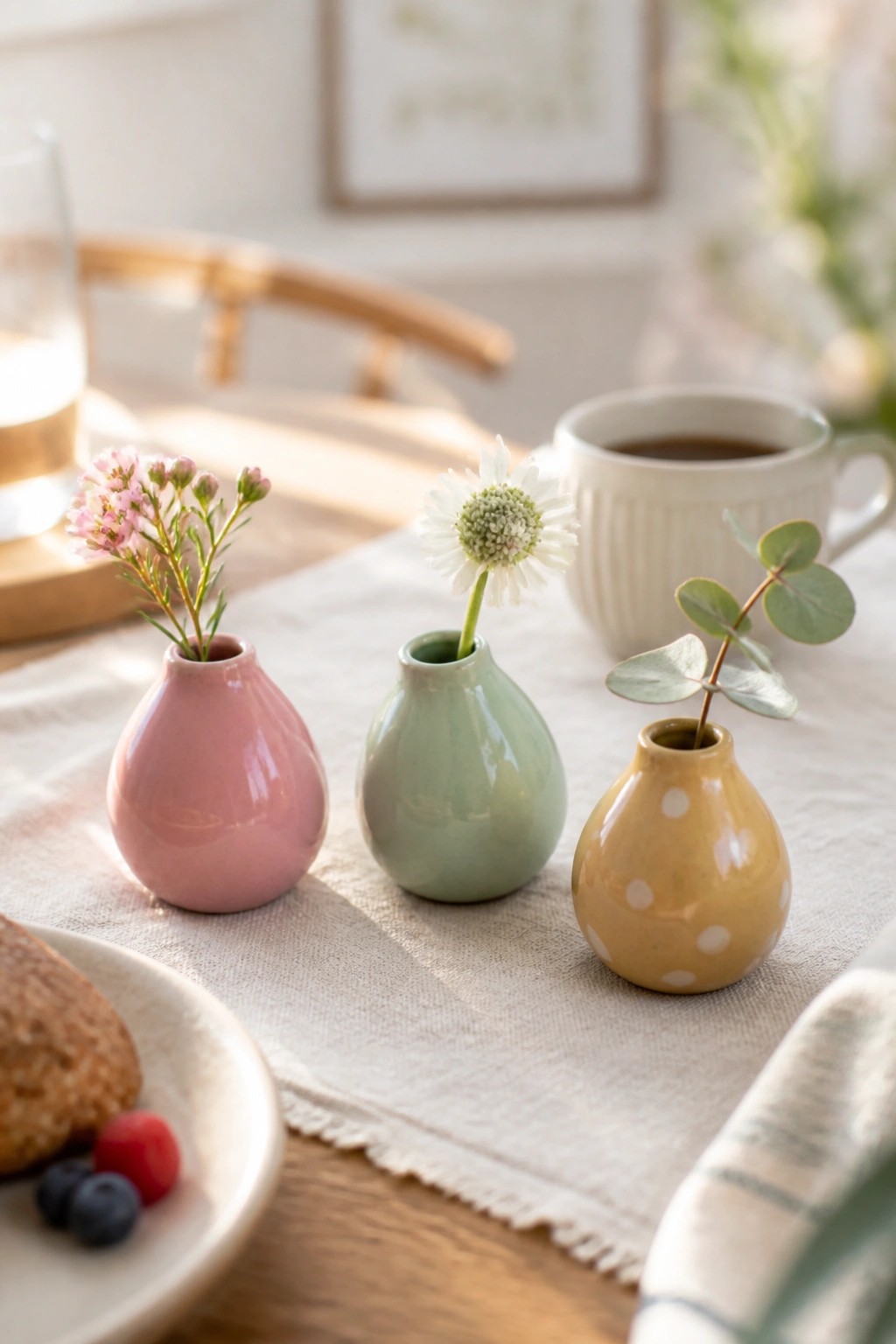
These vases are small wheel-thrown forms with a rounded body that narrows into a short neck, designed specifically to hold single stems or small cuttings. The idea relies on smooth, glossy glazes in solid pastel shades, with one version using a simple white dot pattern for contrast. The compact scale and gentle curves keep the focus on the clay shape rather than added decoration. This approach works as a straightforward category of miniature vases for everyday table use.
The small size lets you make several at once and group them without taking up much space. You can adapt the same shape by changing the neck width or swapping the glaze colors to suit different rooms or seasons. They work especially well as low-key centerpieces on dining tables or kitchen counters where larger pieces would feel crowded. For a gift, throw a few in different glazes and pair each with a single stem from the garden.
Asymmetric Twin-Neck Vase in Matte Gray
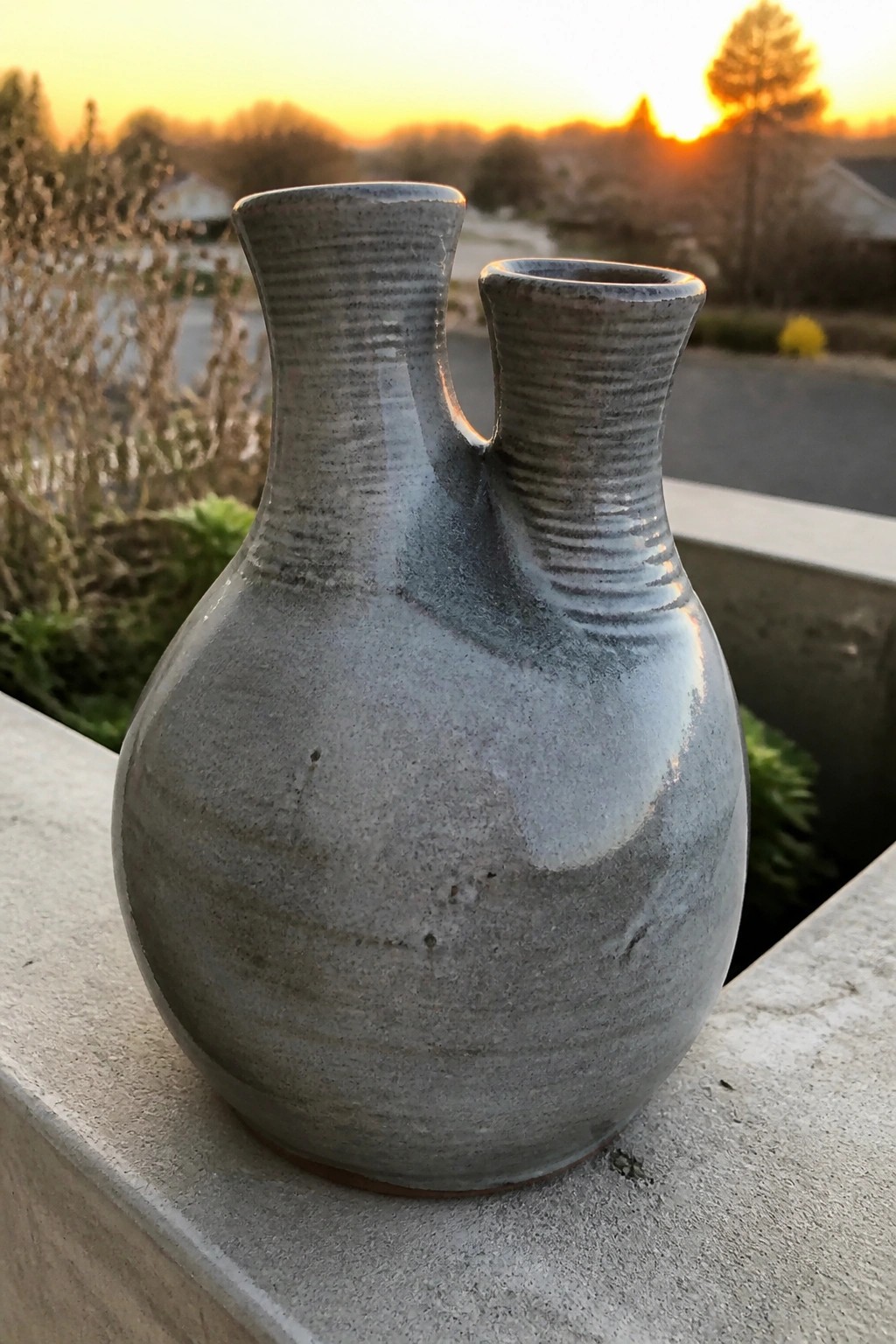
A wheel-thrown ceramic vase with two necks of different heights rising from one rounded body gives you two separate openings in a single piece. The necks join at the shoulder with visible throwing lines running across the surface under a matte gray glaze that has slight speckling and variation. This form works as a vase that can hold single stems in each neck or a small arrangement across both.
The shape does a lot of the work here by letting you use one piece for multiple stems without crowding them together. It sits well on a low shelf or windowsill where the uneven necks create different angles for light. You could adapt the idea by shortening one neck further or switching to a lighter glaze to make the division more noticeable. For a gift this style works because it stays simple while still looking like a deliberate handmade choice.
Low Wide Vase with Wavy Incised Bands
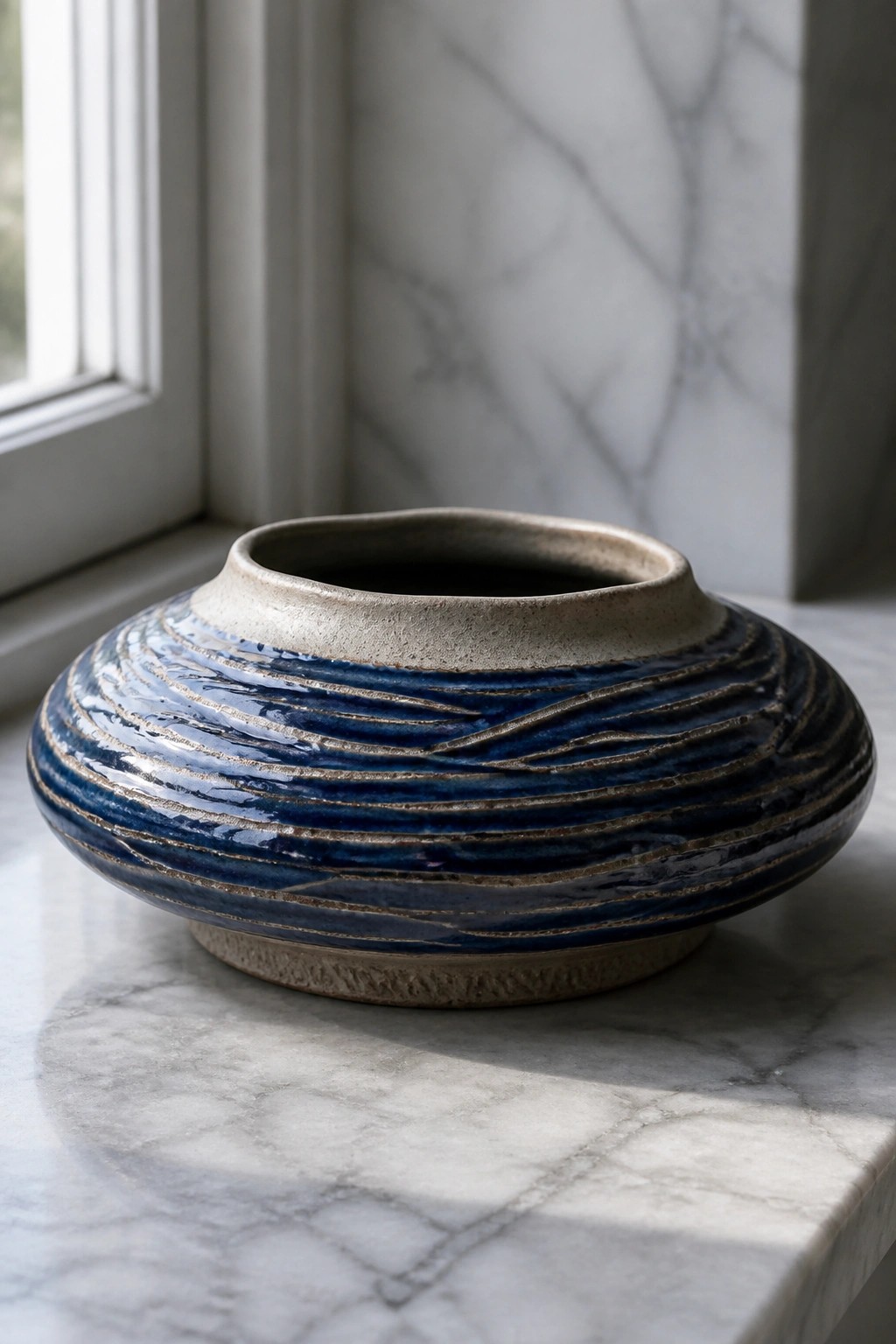
A low, wide vase gives you a stable form that sits flat without needing extra weight at the base. The design uses horizontal wavy lines carved into the surface so the blue glaze settles into the grooves and creates contrast against the lighter clay body. The plain rim and foot keep the pattern contained and stop it from feeling busy. This approach fits the category of wheel-thrown vases that rely on simple surface carving rather than added handles or spouts.
What makes this idea useful is the way the wide shape works on a shelf or table where a taller vase would dominate the space. You can repeat the same wavy carving on a taller cylinder or a set of small bowls by keeping the tool width and spacing consistent. The blue glaze pools nicely in the lines, so the pattern stays visible even after firing. For a gift, this form is easy to scale down into a shorter version that still reads as intentional rather than leftover clay.
Fluted Cylinder Vase with Scalloped Rim
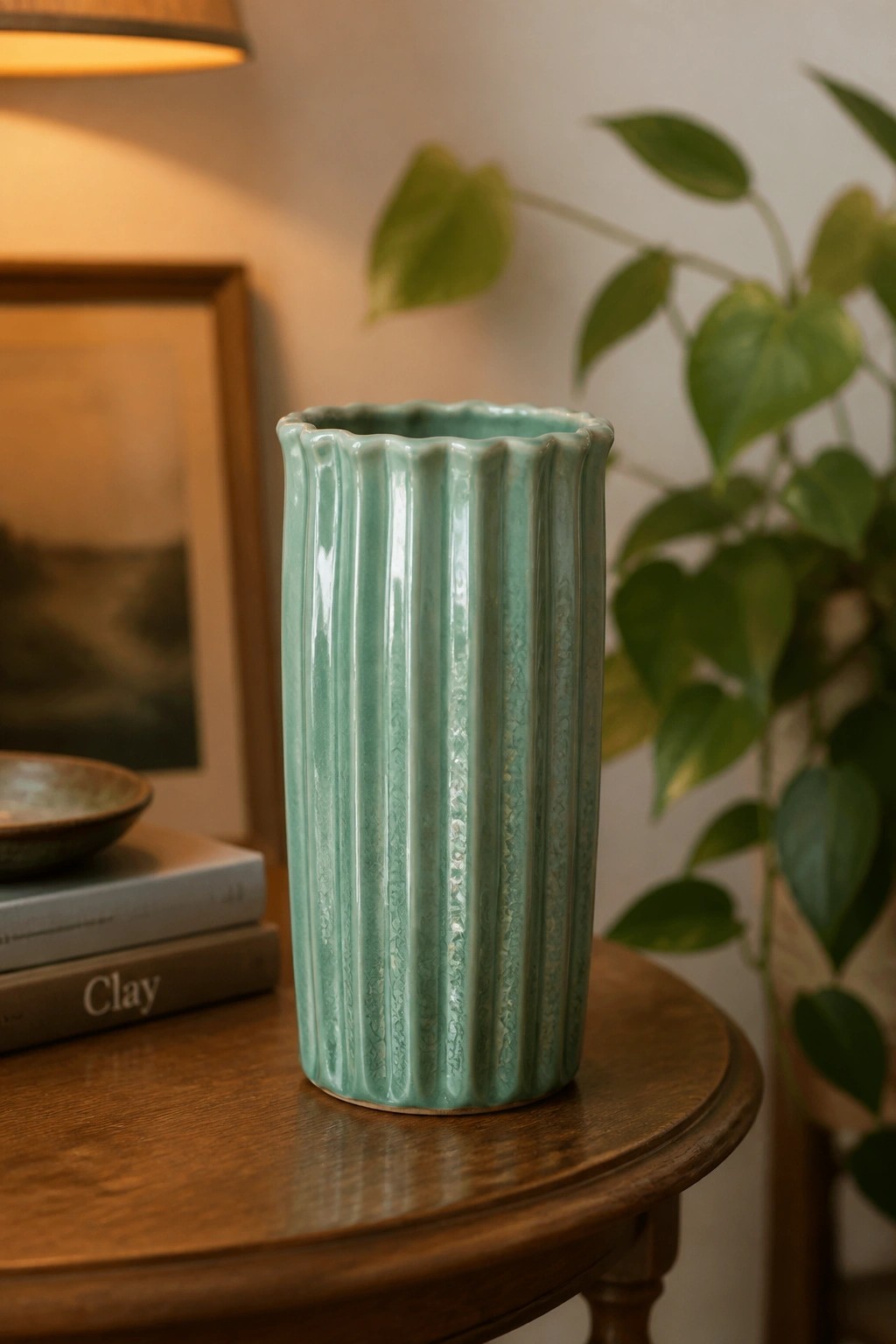
A wheel-thrown vase in a tall cylinder shape gains visual interest from deep vertical ridges that run the full height and catch light along their edges. The scalloped rim softens the top line and gives the form a finished look without extra trimming. A light mint glaze with faint speckling sits evenly in the grooves and keeps the texture readable.
What makes this idea useful is how the ridges can be spaced wider or narrower on the wheel to suit different heights. This shape works especially well as a single stem holder or a small bouquet vase on a console or bookshelf. The same fluting and rim treatment can be scaled down for a tumbler or adapted to a wider planter by changing only the width at the base. A piece like this stands out in a feed when the glaze color is swapped for matte black or warm gray.
Wheel-Thrown Pitcher Vase in Amber Glaze
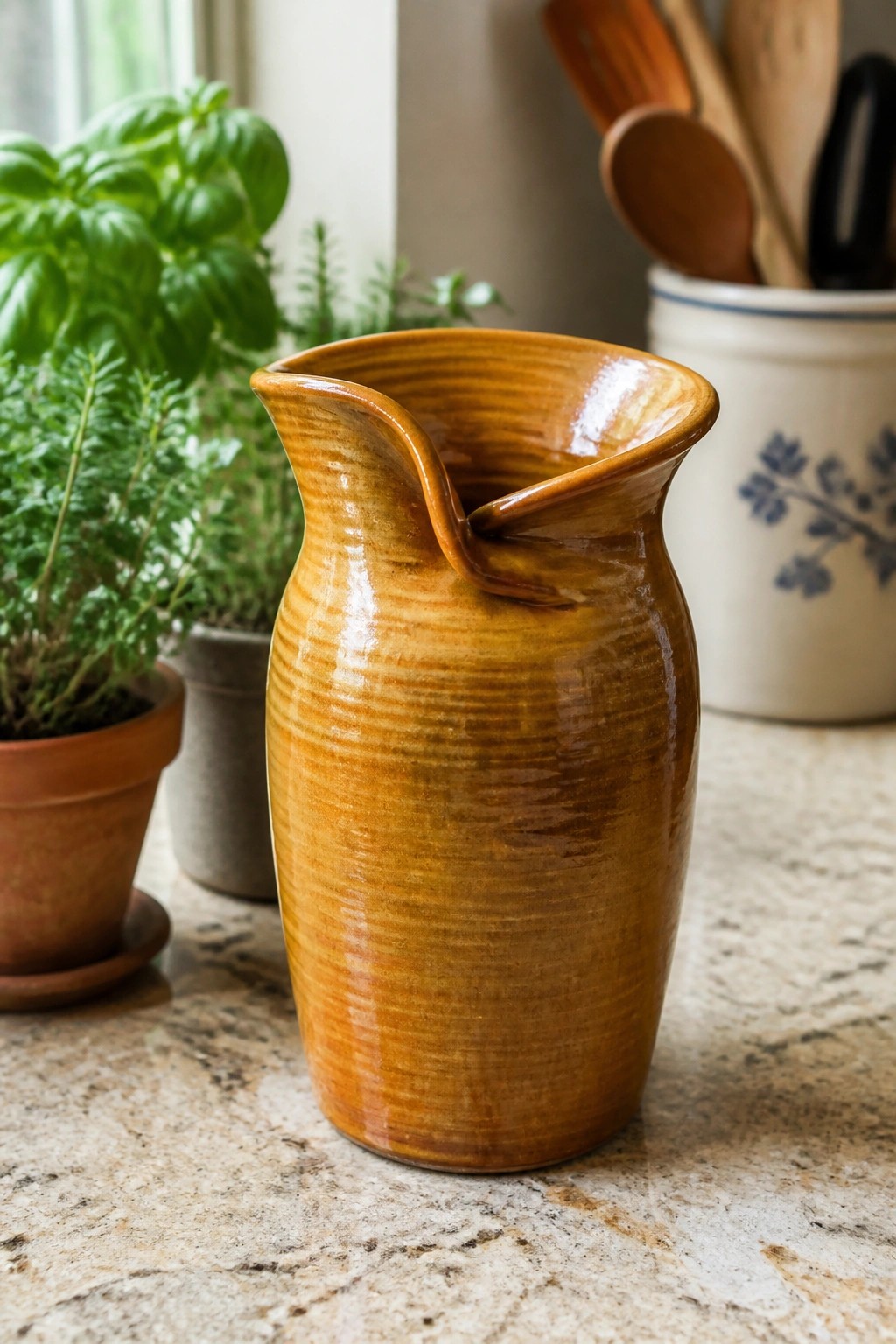
A wheel-thrown pitcher vase uses a tall cylinder shape with visible throwing ridges left under the glaze. The integrated spout is pulled from the rim rather than added later, keeping the form clean and functional. The glossy amber glaze highlights the ridges while giving the surface a wet, reflective quality that catches light. This type of piece works as both a vase and a small pourer for kitchen or table use.
What makes this idea useful is the straightforward cylinder base that is easy to throw and trim. The same shape can be scaled down for a creamer or widened slightly for a flower jug. The warm glaze color pairs naturally with herbs and neutral counters, so it fits well in a kitchen window setup. You could rework the idea by leaving the top half unglazed for a two-tone effect or by adding a simple pulled handle on the back.
Bulbous Vase with Loose Brushwork
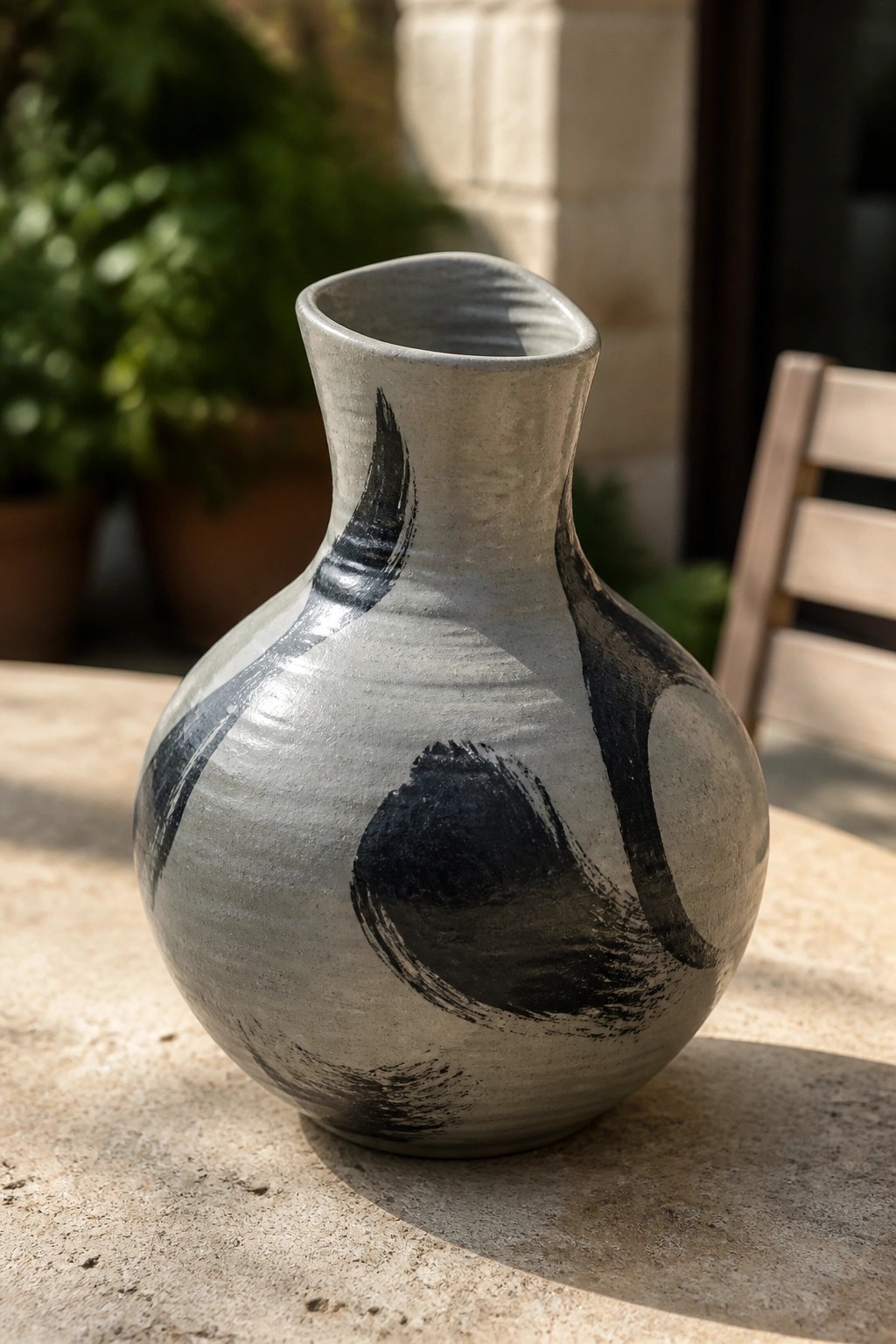
A wheel-thrown ceramic vase with a rounded body and slightly asymmetric neck gives the form a soft, organic shape that pairs well with bold painted details. Large black brushstrokes applied over a matte gray surface create contrast and movement while keeping the overall look simple. This style works as a decorative vase that can hold flowers or stand empty as a sculptural piece.
The rounded body makes the vase easy to adapt into different sizes, from a small desk version to a larger floor piece. You could repeat the same loose brush marks on a set of smaller bottles or shift the placement to create a more balanced pattern. The neutral base color lets the black marks stand out without needing extra glaze layers, which keeps the project straightforward for anyone already comfortable throwing on the wheel.
Speckled Two-Handled Vase with Rounded Form
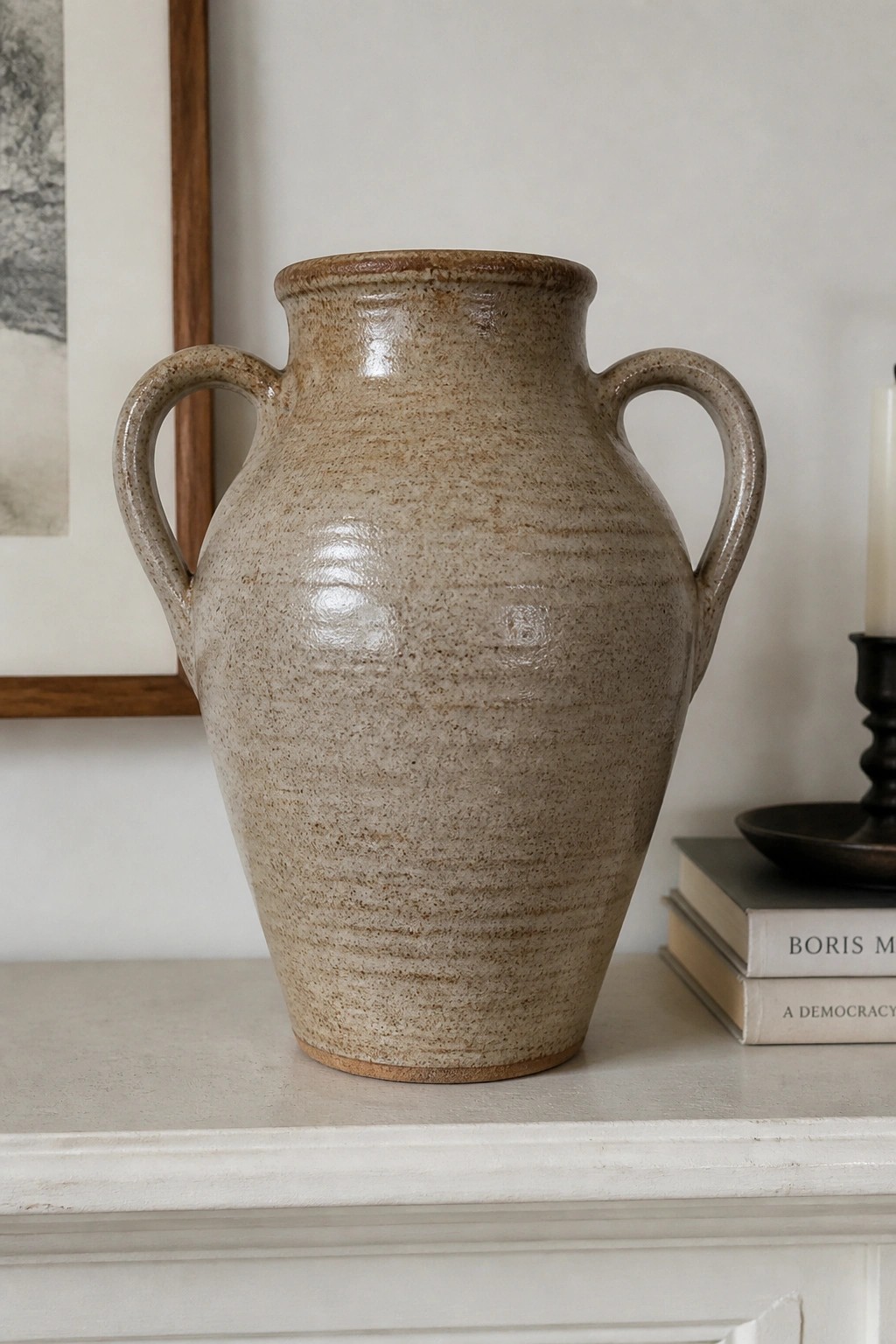
A wheel-thrown vase with two looped handles gives a simple way to add height and presence without extra decoration. The speckled glaze highlights the throwing lines and creates a soft, uneven surface that reads as natural rather than polished. The wide shoulder and tapered base keep the shape stable while the handles sit at a comfortable grip point for moving the piece when needed.
What makes this idea useful is how the handles add function and visual weight at the same time. The form works well on a mantel or entry table where it can hold tall stems or stand empty. You could make a shorter version without handles for a different proportion or swap the speckled glaze for a single matte tone to change the mood. The overall size and surface texture make it easy to photograph from multiple angles for reference later.
Sgraffito Botanical Vase in Matte Black
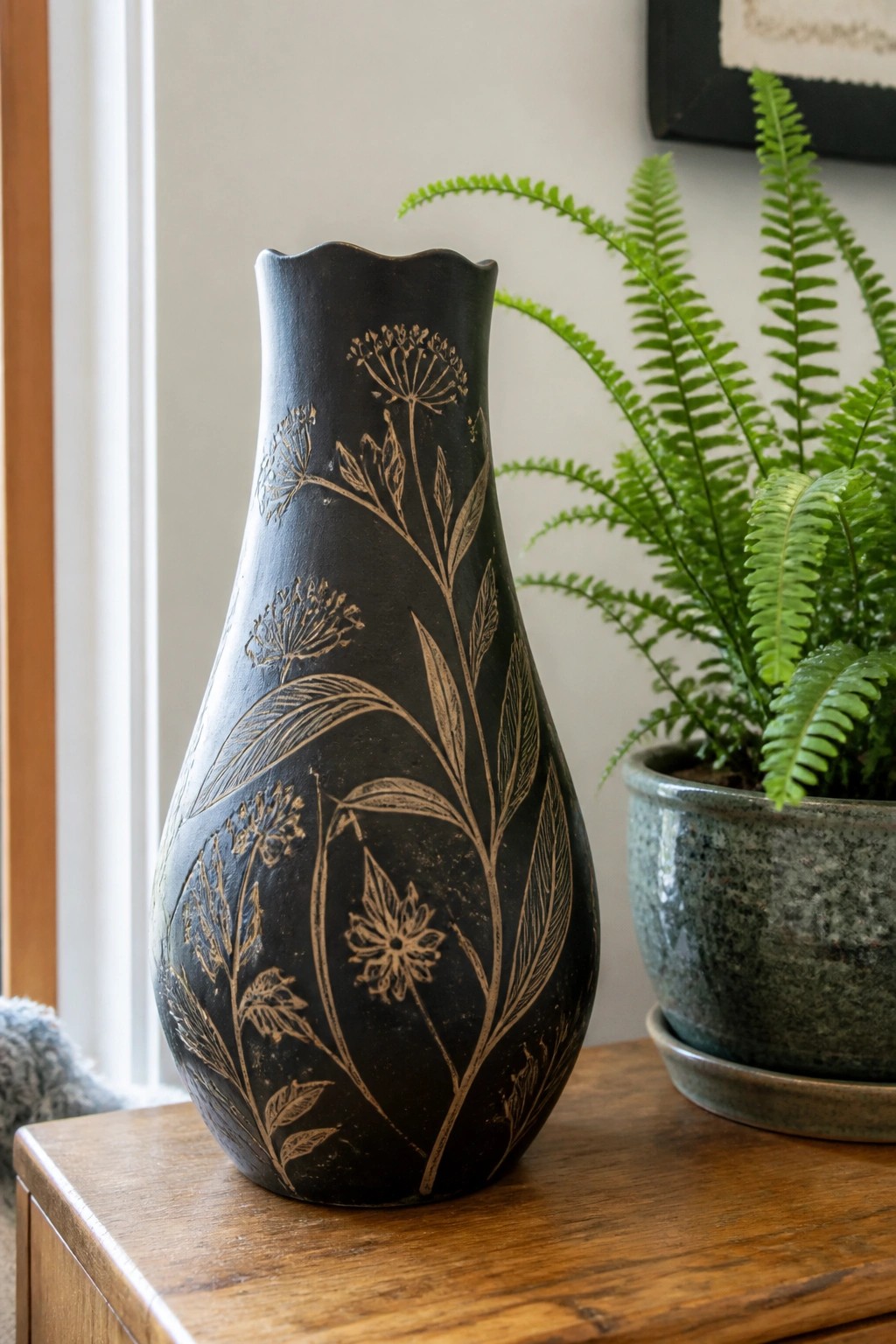
This is a wheel-thrown ceramic vase with a tall, slightly tapered body and a softly scalloped rim. The surface uses a sgraffito technique where lines are carved through a dark finish to reveal lighter clay underneath, creating stems, leaves, and flower clusters that run the full height of the piece. The matte black background makes the incised botanicals stand out clearly while keeping the overall look simple and graphic. It fits the category of a decorative vase meant for display rather than heavy functional use.
What makes this idea useful is the single-color surface that still delivers strong visual detail through carving alone. The tall narrow shape works well on a console or shelf where space is limited, and the same botanical line work could be reduced to fewer stems or adapted to a shorter cylinder for easier throwing. In a living room or entryway, the dark finish helps it read as a quiet accent next to plants or neutral textiles. For a variation, the motif could be applied to a low bowl or a set of matching bud vases using the same carving approach.
Wheel-Thrown Vase with Split Glaze Bands
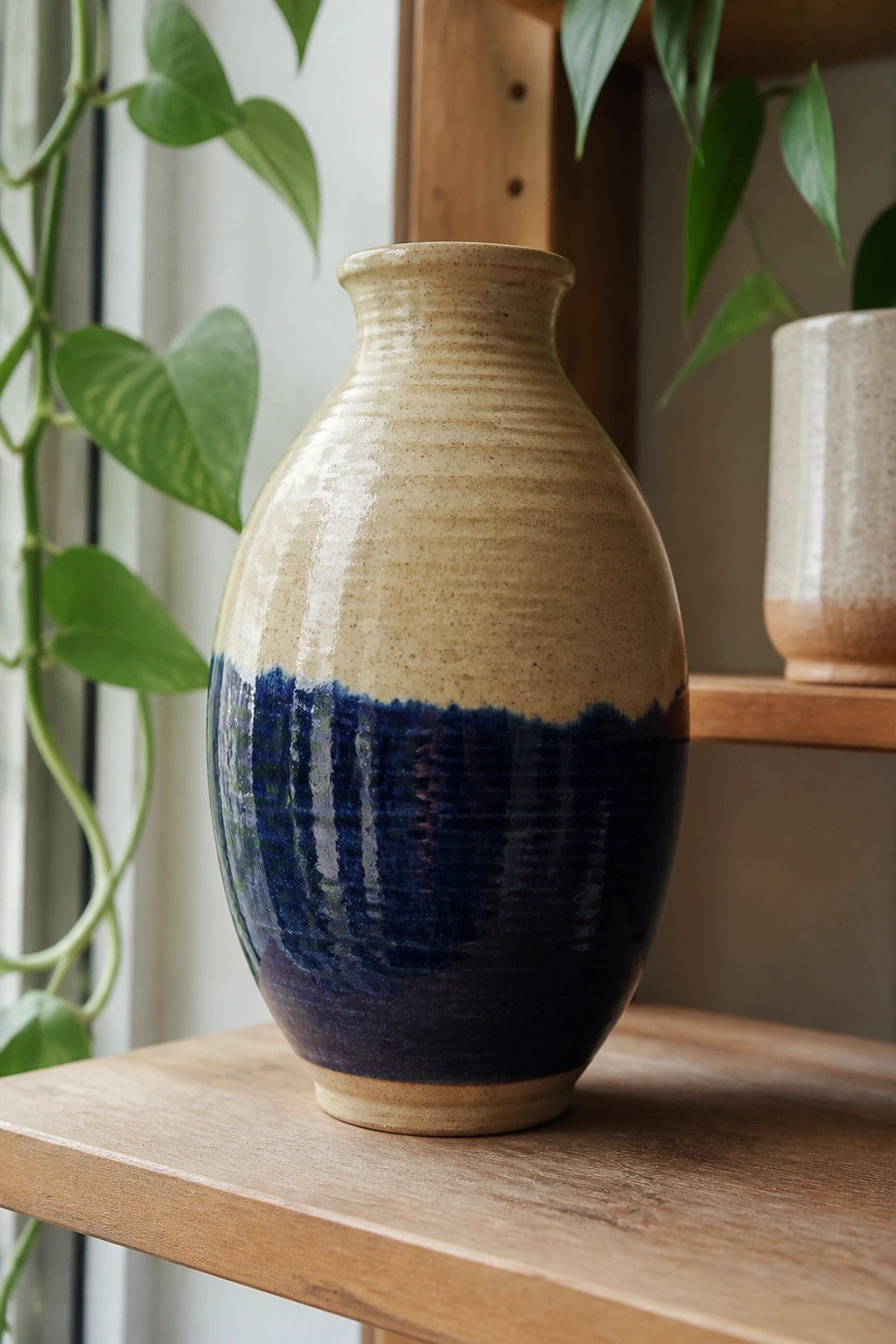
A wheel-thrown vase combines a narrow neck and rounded body with a two-tone glaze that places a matte beige on the upper half and a deep blue on the lower half. The glazes meet in an uneven horizontal band where the blue runs slightly into the beige, creating a natural division without added carving or handles. This keeps the focus on the thrown lines at the neck and the contrast between the two glaze surfaces.
What makes this idea useful is how the color break emphasizes the shape while staying simple to execute on the wheel. You can shift the height of the blue section to make the vase feel taller or more grounded, or swap the blue for another strong color to match different rooms. The form works on open shelves or side tables where the horizontal line adds interest without competing with plants or other objects. The same split-glaze method could be used on a set of smaller vases to create matching pieces for a mantel or table grouping.
Organic Bulb Vase with Stacked Rounded Forms
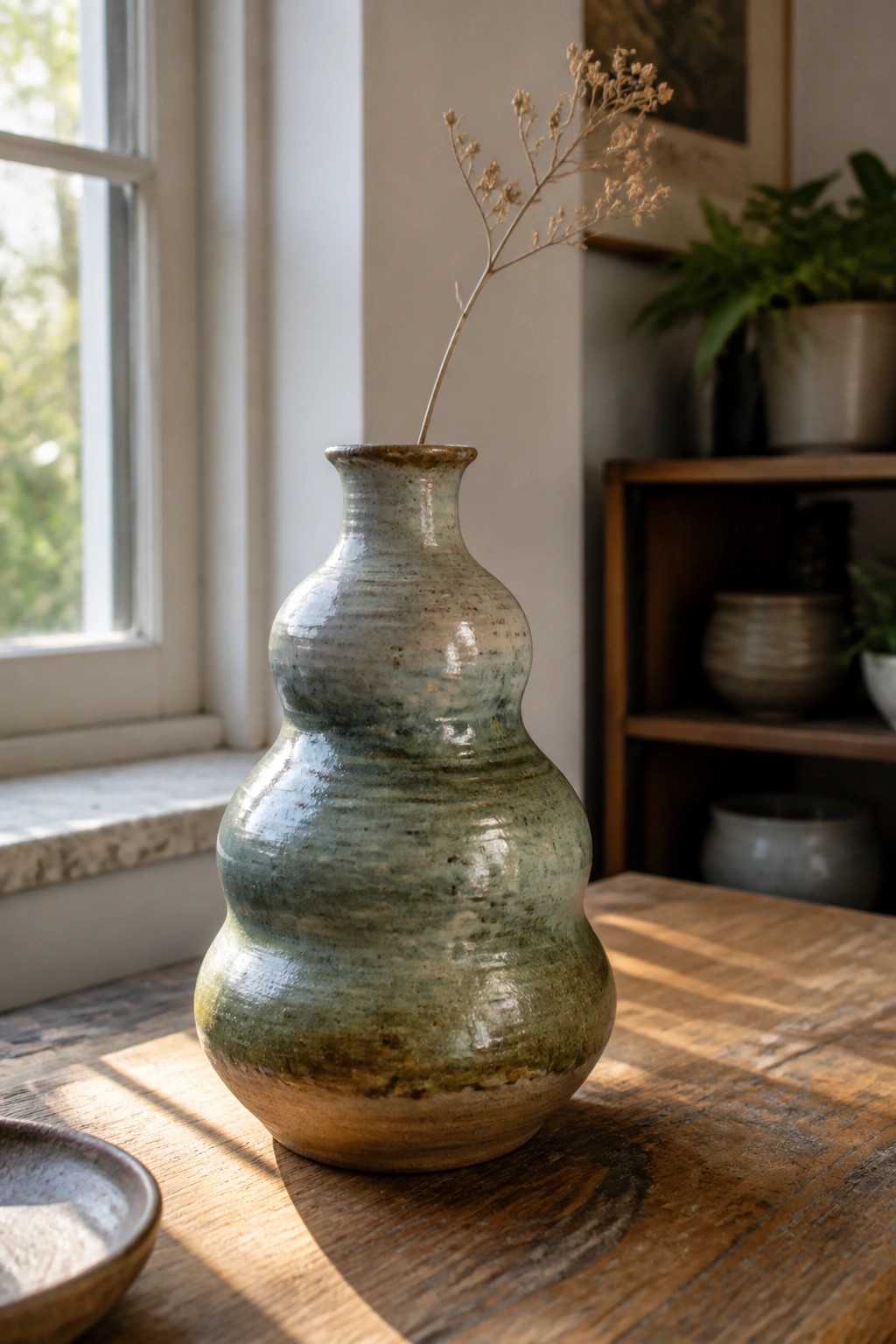
A handmade ceramic vase built with three stacked bulb shapes that narrow into a short neck offers a sculptural take on the classic vase. The form draws from gourd or squash silhouettes, and the glaze layers shift from warm brown at the base through muted greens and grays, letting the wheel-thrown ridges catch light and show off the uneven surface. This approach works as a decor object rather than a plain cylinder or bottle shape.
The shape does a lot of the work here because the repeated curves create interest without added carving or patterns. You could adapt the idea by making just two bulbs for a simpler version or stretching the middle section taller to change the proportions. In a living room or entryway, this kind of vase holds a single branch or dried stems without competing with other decor, and the same stacked form could be reworked into a small planter by widening the top opening. The glaze variation also helps it photograph well for sharing.
Hourglass Vase with Speckled Matte Finish
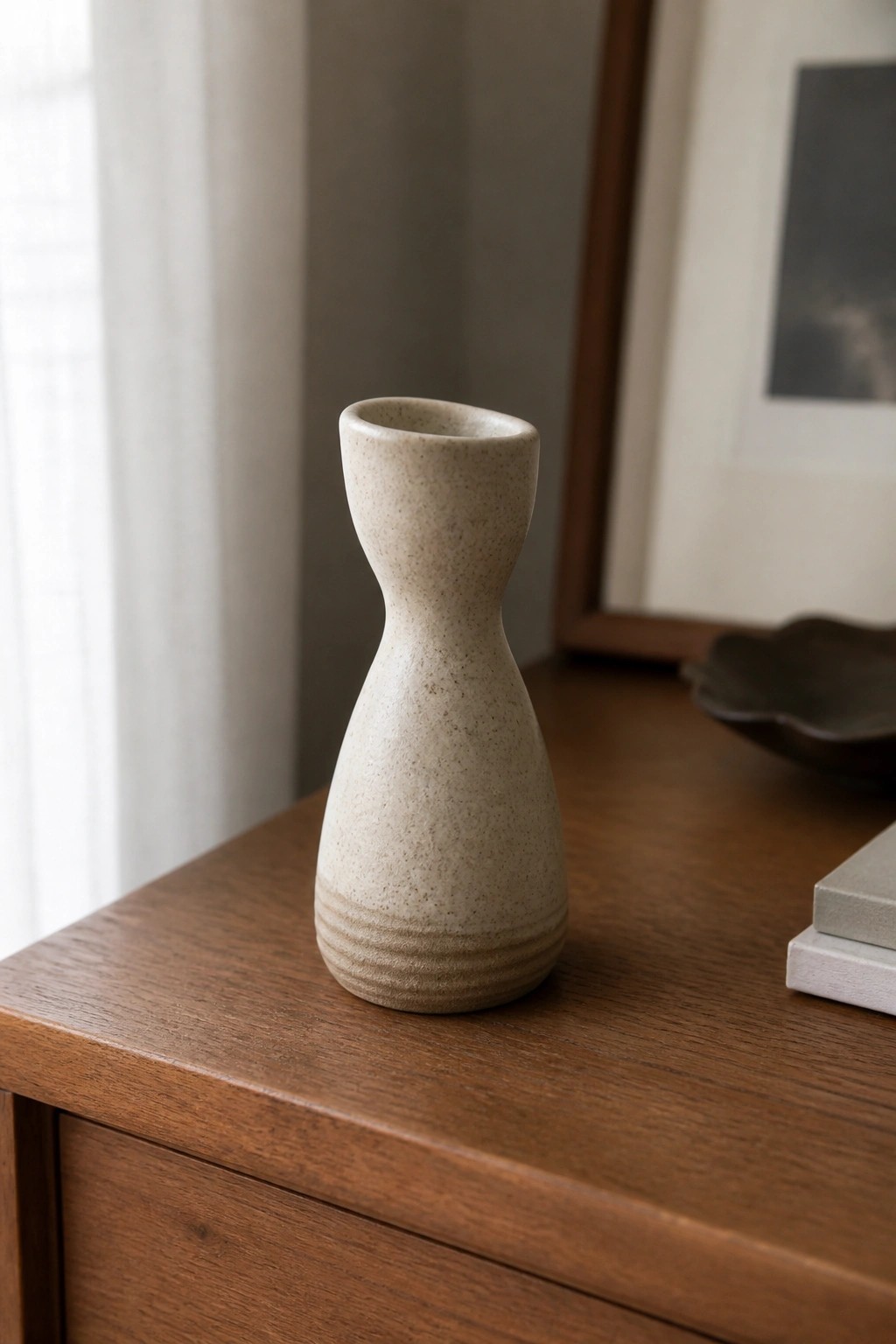
A wheel-thrown vase with a narrow neck that widens into a rounded body and then tapers slightly at the base gives the form a balanced, organic silhouette. The horizontal ridges near the foot break up the smooth curve just enough to add visual interest. A light speckled matte surface keeps the piece simple while highlighting the natural clay texture.
The shape does a lot of the work here because it supports a few stems upright without extra weight at the bottom. You could scale the same profile taller for a larger arrangement or reduce the height to make a smaller version for a desk or shelf. The neutral speckled finish adapts easily to different rooms since it sits well against wood, linen, or stone surfaces. This kind of understated form tends to perform well on Pinterest because it reads as modern without relying on bright colors or bold patterns.
Gradient Glazed Pitcher Vase
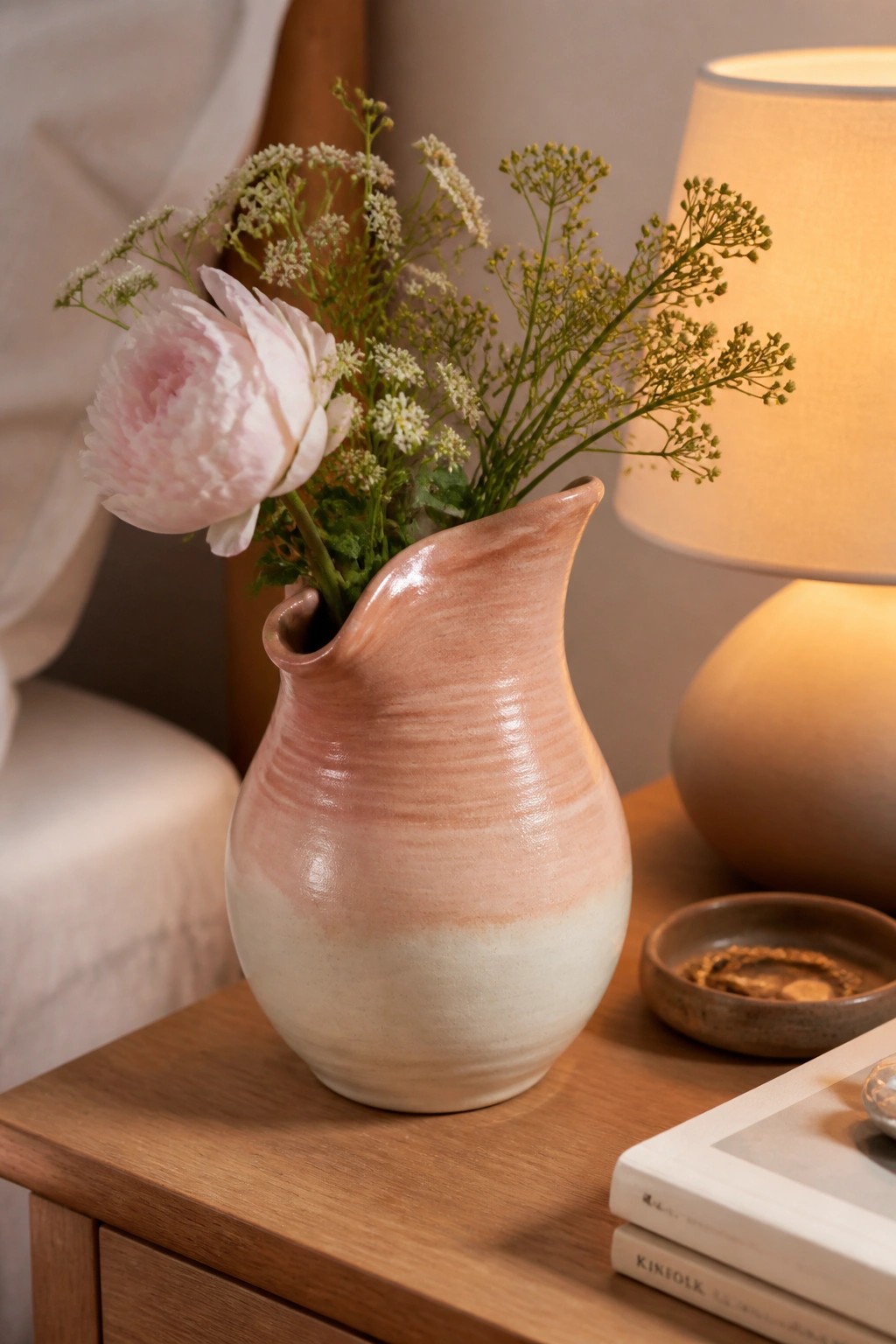
A wheel-thrown pitcher vase gives you a functional form with a pinched spout that makes arranging flowers simple and stable. The glaze moves from white at the base into a soft peach pink on the upper body, and the visible throwing lines add light texture without extra carving. This keeps the piece in the organic vase category while letting the clay shape do most of the visual work.
The medium size works well on a nightstand or console where you need something that holds a modest bouquet without crowding the surface. You could repeat the same pitcher shape in a single matte glaze or scale it down for a smaller bud vase version. The spout detail makes the form more interesting than a plain cylinder, so the idea translates easily to other wheel projects like creamers or small watering cans.
Tiered Vase with Horizontal Ridges
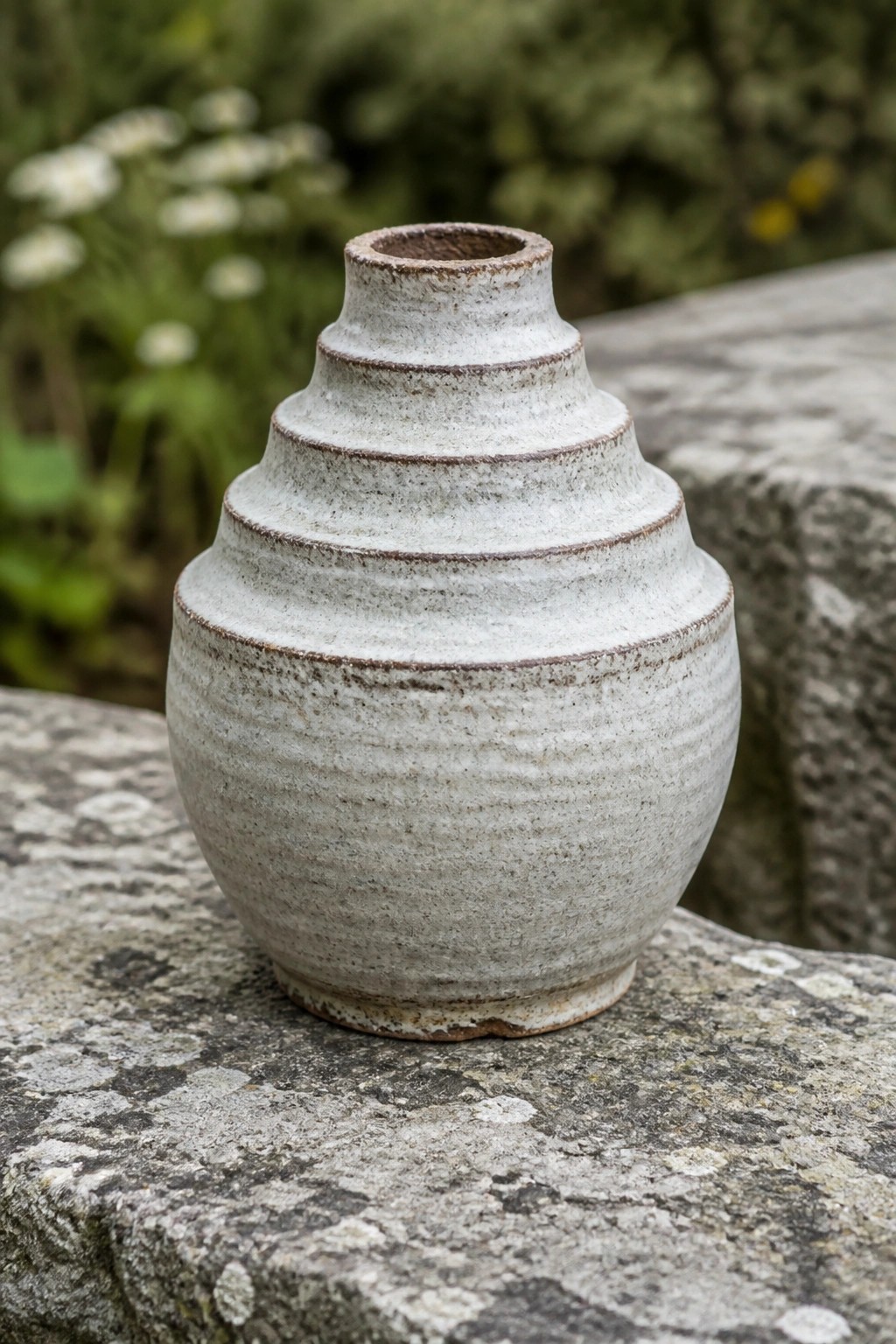
A wheel-thrown vase that builds height through several distinct horizontal tiers rising from a rounded body to a narrow neck. The matte speckled glaze in light gray lets the ridges stand out clearly while the brown edges at each step add subtle contrast. This approach keeps the form simple yet structured so the shape itself carries the visual weight without added carving or painting.
The shape does a lot of the work here by turning basic throwing lines into a finished look. You could scale the same tier pattern up for a larger centerpiece or down for a desk version that still feels balanced. In a modern room the light glaze and clean steps keep it from competing with other objects on a shelf. For a fresh take try the same profile in a taller slim form or switch to a single bold color that still shows the texture.
Ridged Vase with Speckled Exterior and Blue Interior
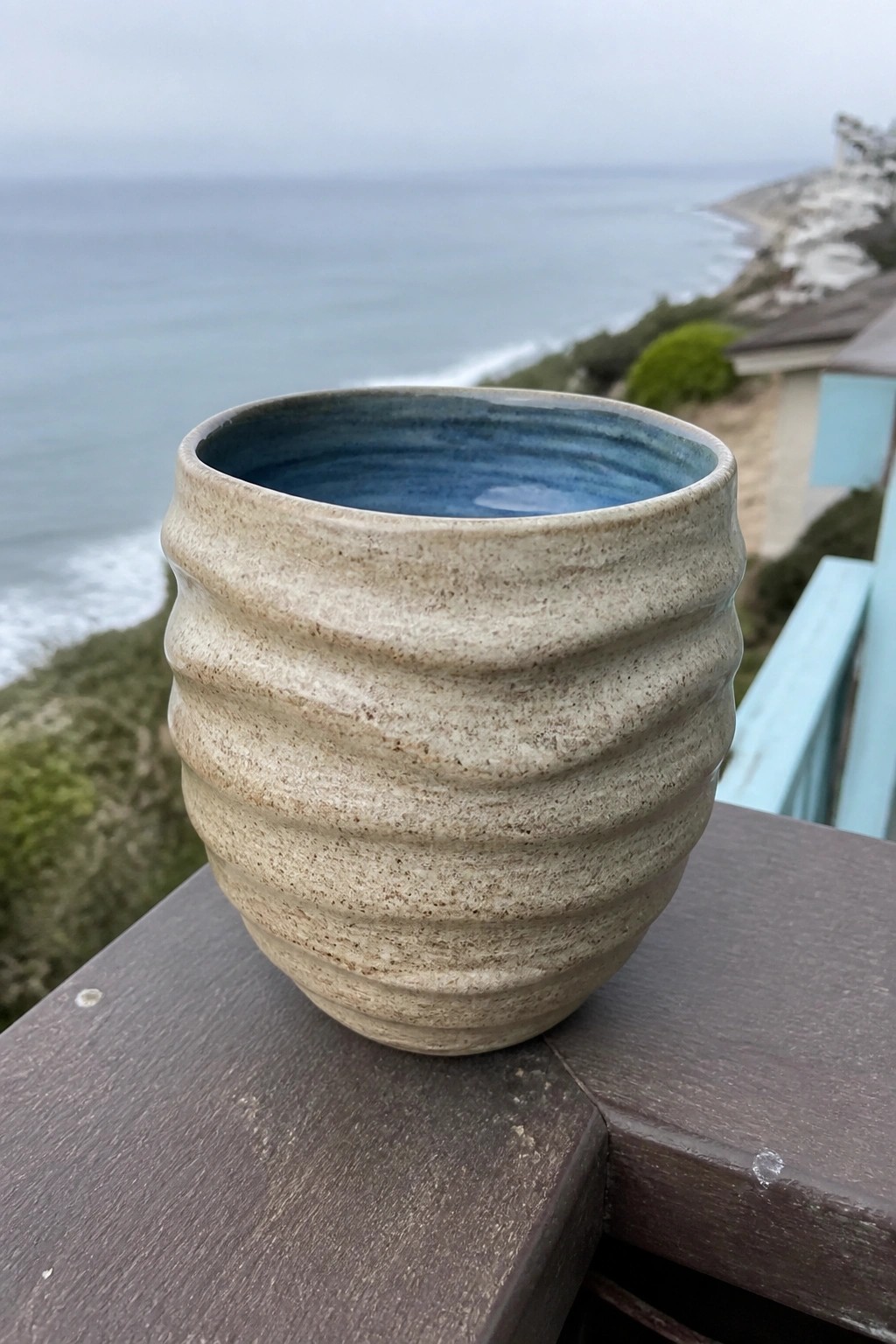
A wheel-thrown vase with evenly spaced horizontal ridges creates a simple stacked form that still feels organic. The speckled clay body keeps the outside neutral while the blue glaze covers the full interior and rim, giving a clear color break at the top edge. This approach works for a small vase that can sit on a shelf or table without competing with other objects.
What makes this idea useful is the way the ridges define the shape so you can keep the rest of the surface plain. You could repeat the same profile in a taller version or reduce the ridge depth for a subtler look on the wheel. The compact size makes it easy to test new clay bodies or try different interior glazes without using much material. In a living room or entryway, the neutral outside with the blue inside gives enough contrast to stand out on a shelf.
Leaf-Impressed Bottle Vase
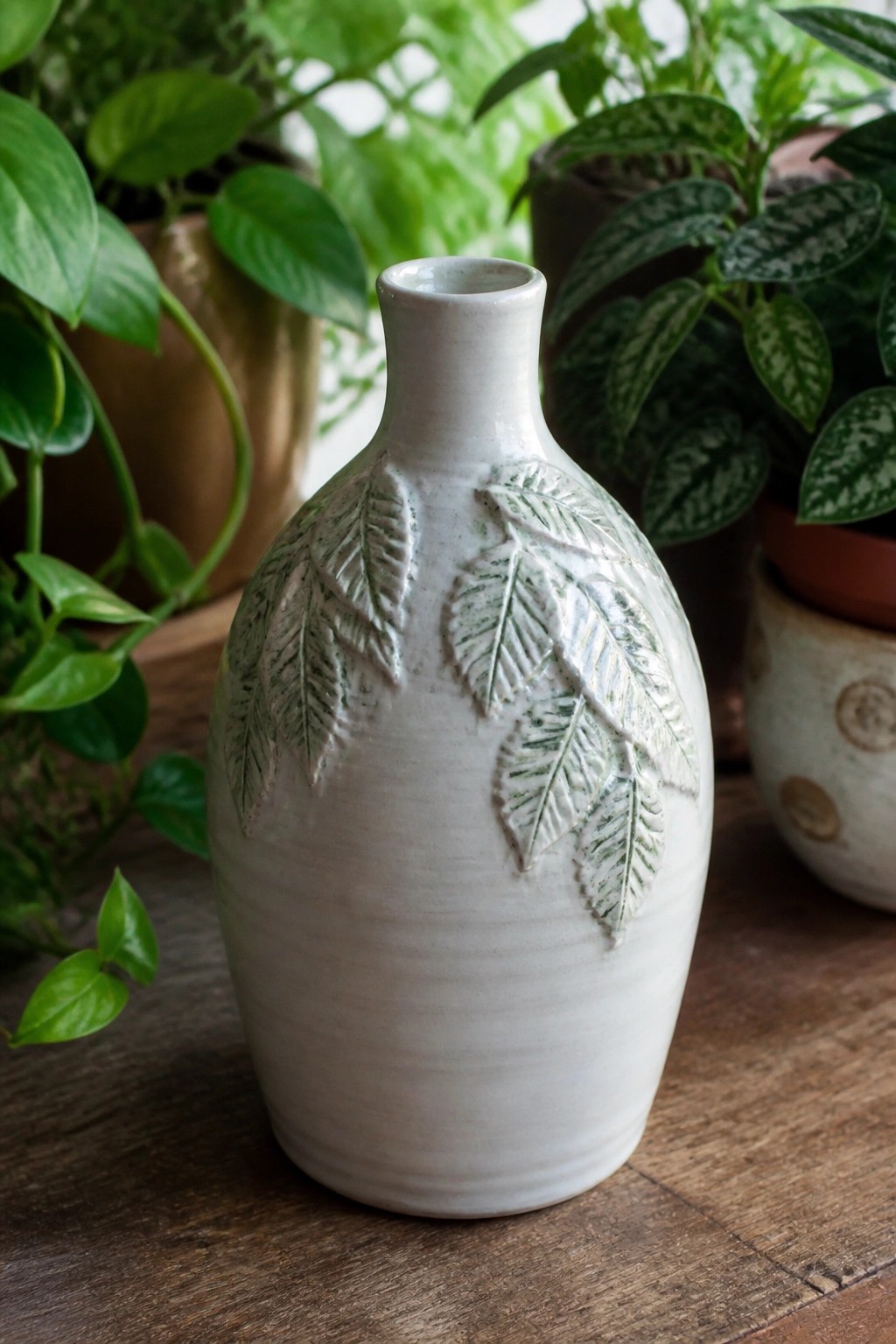
This is a ceramic vase formed with a narrow neck and full body that tapers slightly at the base. The main feature is a series of real leaves pressed into the clay to create raised relief patterns around the shoulder area. A matte white glaze covers the surface while leaving the leaf details slightly green-tinged so the texture reads clearly. It belongs to the category of decorative vases that rely on sculptural surface details rather than painted patterns.
What makes this idea useful is how the leaf impressions create visual interest using only texture and one glaze. A piece like this works especially well grouped with houseplants or placed on a side table where the raised leaves catch light. You could adapt the same pressing method to smaller cylinder vases or even a set of tumblers by using different leaf varieties for variety. The shape also translates easily to a taller version if you want something that holds more flowers.
Paired Mini Vases in Contrasting Matte Glazes
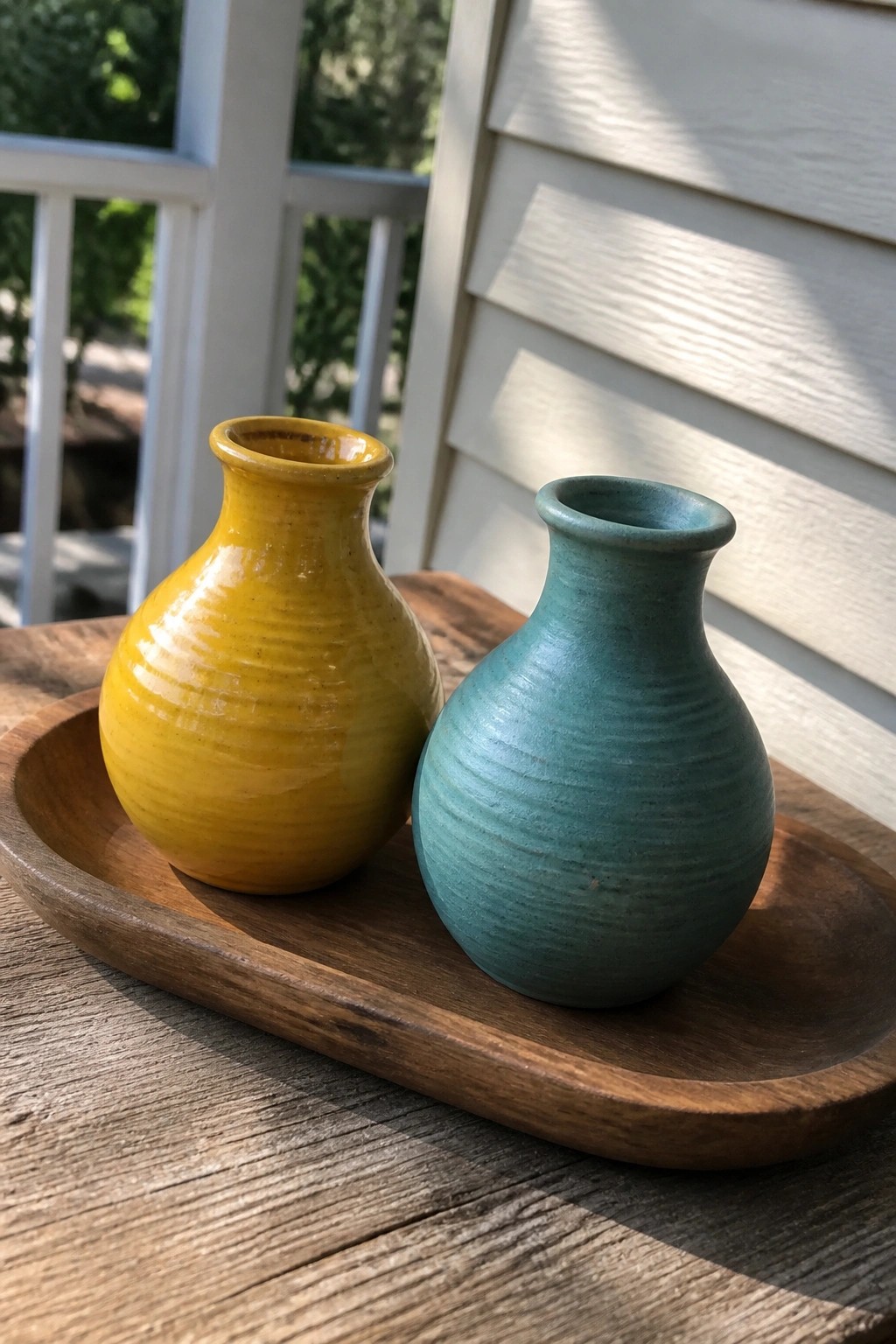
These two wheel-thrown vases share the same rounded body and narrow neck shape but differ in glaze color, with one in a warm yellow and the other in a cool teal. The forms stay simple so the wheel ridges and matte surfaces stand out without extra decoration. Both pieces sit at a similar small scale that works for single stems or dried flowers rather than larger arrangements. The matching shapes make them easy to display together while the glaze contrast keeps the set from looking too uniform.
The shape does a lot of the work here because the bulbous body and short neck balance well on a tray without tipping. You could adapt the idea by making three or four in different glaze colors for a mantel or shelf grouping. In a small apartment, this size fits on a coffee table or windowsill where larger vases would feel crowded. For a gift, pair two with a simple wooden tray so the recipient gets an instant tabletop display. The same form could be stretched taller for a single bud vase or shortened into a small cup.
Frequently Asked Questions
What tools are essential for beginners attempting these pottery wheel vase ideas?
Start with a basic pottery wheel, a set of wooden and metal ribs for shaping, calipers to measure walls evenly, and a sponge for smoothing. You will also need a wire cutter for removing pieces from the wheel head and a bucket of water. For modern forms focus on clean lines with a metal rib while organic shapes benefit from textured wooden tools that add subtle marks. Practice centering clay first before moving to taller vases to build control.
How do I choose between modern geometric vases and organic flowing forms on the wheel?
Modern designs often involve pulling the clay into straight walls then refining with a rib for sharp angles and flat bases. Organic forms require less pressure during throwing so the clay can settle into soft curves and uneven rims. Alternate between both by throwing the same shape twice in one session once for precise lines and once allowing natural movement. This helps you see how clay responds differently to each approach without needing extra equipment.
Which clay bodies work best for these stylish vase projects?
Stoneware offers durability and good throwing properties for both modern and organic vases while porcelain provides a smooth finish ideal for minimalist looks. Avoid low fire earthenware if you want pieces that hold water since it can be more porous. Test small batches of your chosen clay first to note how it behaves at different heights and thicknesses matching the ideas in the article.
What glazing techniques enhance the modern versus organic vase styles?
For modern vases apply matte glazes in solid colors with clean edges using tape or wax resist to create sharp contrasts. Organic forms pair well with layered glazes that run slightly during firing to highlight textures and curves. Always test glazes on sample tiles made from the same clay to predict results and ensure the finished vases remain food safe or water tight as needed.
How should I care for handmade pottery vases to keep them looking their best?
Dust regularly with a soft cloth and avoid harsh cleaners that could scratch the surface. For functional use rinse with warm water after holding flowers and let them air dry completely. Store pieces away from direct sunlight to prevent fading and check for cracks before each use especially with organic textured designs that may collect debris in crevices.

Pottery Path is my cozy corner of the internet where I share clay ideas, pottery inspiration, and simple projects you can recreate at home. I love exploring everything from air dry clay to handbuilt pottery to cute minis that brighten your day. My goal is to make clay crafting feel easy, fun, and welcoming for anyone who wants to try it.
You will find beginner friendly tutorials, creative pottery painting ideas, and lots of warm inspiration for slow and happy crafting. If you enjoy hands on creativity, this space will feel like home.