Are your plants struggling under the blazing sun? You’re not alone. Many gardeners face the challenge of protecting their greenery from harsh sunlight while still wanting them to thrive. Shade cloth can be your secret weapon in creating the perfect microclimate for your garden.
Key Takeaways
- Protection from Sunburn: Shade cloth effectively blocks harmful UV rays, preventing sunburn and allowing plants like ferns and seedlings to thrive without damage.
- Moisture Retention: By reducing water evaporation, shade cloth helps maintain soil moisture, decreasing the frequency of watering and improving plant resilience in hot weather.
- Variety of Options: Different percentages of shade cloth (30%-90%) cater to various plant light needs, enabling gardeners to pick the right type based on the specific requirements of their plants.
- Material Matters: Shade cloth comes in several materials like polyethylene, aluminum, knitted polyester, and woven fabrics, each providing unique benefits that suit different garden environments.
- Effective Installation: Proper installation techniques, including measuring, attaching grommets, and securing the cloth, ensure optimal protection for plants under a shade cloth setup.
- Ongoing Maintenance: Regular cleaning and seasonal adjustments of shade cloth are crucial for maintaining its effectiveness and prolonging its lifespan throughout changing weather conditions.
Benefits Of Using Shade Cloth In Garden
Using shade cloth in your garden offers multiple key benefits that enhance plant health and growth. This versatile tool protects your plants from harsh sunlight and helps maintain moisture levels.
Protecting Plants From Sunburn
Protecting your plants from sunburn is crucial. Intense sunlight can scorch leaves, reducing photosynthesis and overall vitality. Shade cloth blocks harmful UV rays, providing a cooler environment. For example, using 30% shade cloth can protect sensitive plants like ferns or young seedlings, allowing them to grow without damage.
Reducing Water Evaporation
Reducing water evaporation plays a significant role in plant health. Excessive sun exposure can dry out soil quickly, leading to water stress. Shade cloth maintains moisture by limiting direct sunlight. For instance, gardens covered with shade cloth require less frequent watering, saving both time and resources. Offset water loss can also improve plant resilience during hot weather and ensure steady growth throughout the growing season.
Types Of Shade Cloth
Different types of shade cloth serve distinct purposes in your garden. Understanding these options helps you choose the right one for your plants’ needs.
Recommended Products
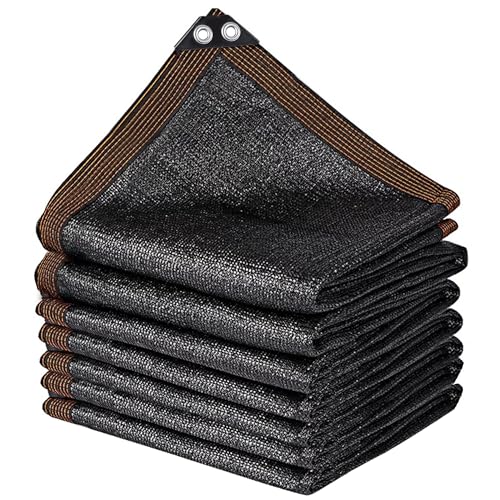
Versatile Shade for Multiple Uses: This 70% black shade cloth is ideal for various applications, including covering greenhouses, garden beds, patios, and vegetable patches. It also works perfectly for creating shaded areas for pets, like dogs and chickens, ensuring their comfort in hot weather.

70% Shade Rate: This 70% black shade cloth allows customizable sun protection for gardening, livestock, patios, and vehicles, making it ideal for multiple outdoor applications. With its 70% shading rate, this mesh tarp effectively reduces sunlight exposure while allowing airflow.

50% Shade Rate: Our Shade Cloth can resist rays and most sunlight while air can still flow through so as to create a comfortable cool and shaded place for people or plants.It blocks 50% of the sunshine and bring 50% the shadow, 50% of the sunshine can through it.
Percentage of Shade
Shade cloths come in various percentages, typically ranging from 30% to 90% shade.
- 30% Shade: Ideal for plants that enjoy bright light but need some protection from intense sun, such as lettuce and spinach.
- 50% Shade: Suitable for tender plants like tomatoes and peppers. This level of shading preserves light while offering substantial protection.
- 70% Shade: Best for sensitive plants like ferns and certain flowers that need more shelter from strong sunlight.
- 90% Shade: Use this option for shade-loving plants, including most tropical species and some vegetables that thrive in reduced light.
Choosing the right percentage depends on the light requirements of your plants. You can adjust the shade cloth as needed throughout different growth stages.
Material Composition
Shade cloths are made from various materials, each with unique features.
- Polyethylene: Durable and lightweight, polyethylene shade cloth resists tears and withstands various weather conditions. It’s commonly used in gardens and greenhouses.
- Aluminum: Reflective aluminum shade cloth offers high UV protection. This type reflects light and helps keep temperatures down, making it suitable for heat-sensitive plants.
- Knitted Polyester: This fabric is strong and breathable, allowing air circulation. It’s perfect for long-term use in open gardens.
- Woven Fabric: While heavier, woven shade cloth provides excellent durability and UV blockage. It often holds its shape well, making it ideal for plant protection.
Selecting the right material depends on your garden’s environment and the specific needs of your plants. Look for options that offer both durability and effective shading.
How To Install Shade Cloth
Installing shade cloth effectively protects your plants and enhances your garden’s microclimate. Follow these steps to ensure a successful installation.
Recommended Products
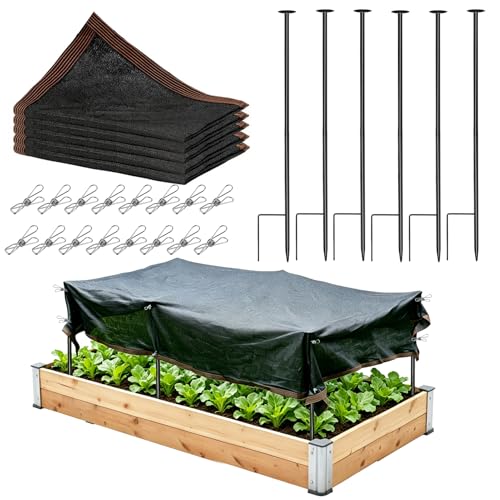
Garden Shade Cloth Kit: This raised garden bed shade cloth kit includes a 6.56 x 9.84 FT 80% plant shade cloth, 6pcs 31.5 inch metal support poles, and 12 stainless steel clips. Designed to create a simple garden shade canopy for raised garden beds, helping protect vegetables and plants from intense sunlight while maintaining a cooler growing environment

🌱【Package Information - Garden Shade Cloth】The package includes 1 pcs black shade cloth(4.9 ft x 6.5 ft), 5 curved tubes, 15 straight tubes, 20 connectors, 20 clips, and 1 pair of gloves.Protect outdoor plants from exposure to intense sunlight and create a comfortable, cool and shaded environment for them.

[Garden Shade Cloth Kit]:COZYDIG Garden shade kit includes 1 pcs 3.3 x 6.5FT (1 x 2m) dark green shade cloth, 4 metal stakes(39.37inch long), A roll of rope (about 33FT),10 U-shaped ground anchors,The design of the mesh allows light and rain to still get through so the plants will thrive.
Choosing The Right Location
Choose a location that maximizes shade for your plants. Position the shade cloth to cover the sunniest areas where plants are most vulnerable. Consider these factors when selecting the spot:
- Sun Exposure: Assess areas that receive direct sunlight for most of the day. Place the shade cloth directly over these spots.
- Wind Direction: Avoid positions facing direct winds. Secure the cloth where it can resist strong gusts without flapping excessively.
- Plant Type: Determine the light needs of your plants. Position the cloth to match the percentage of shade they require.
Installation Techniques
Proper installation is key for both durability and effectiveness. Use these techniques to set up your shade cloth:
- Gather Materials: Collect all necessary tools and materials—shade cloth, stakes, grommets, string or rope, and a pair of scissors.
- Measure The Area: Measure the area you want to cover. Cut the shade cloth to the desired size, allowing extra material for securing at the edges.
- Attach Grommets: If your shade cloth doesn’t have grommets, add them. Grommets provide secure points for tying down the cloth.
- Secure The Cloth: Use stakes to anchor the edges of the shade cloth. You can also use heavier materials, like bricks, to hold it down. Make sure the cloth is taut and wrinkle-free.
- Check Stability: After securing, step back and assess the installation. Ensure the cloth stays in place and appropriately covers the plants below.
These straightforward steps help you install shade cloth efficiently and effectively, optimizing protection for your garden plants.
Maintenance Tips For Shade Cloth
Maintaining your shade cloth ensures it continues to protect your plants effectively. Regular upkeep helps prolong its lifespan and effectiveness.
Recommended Products

【High Quality ,More sizes, Give you more choices】- Our Shade Cloth can resist rays and most sunlight while air can still flow through so as to create a comfortable cool and shaded place for people or plants.

Durability Material - manufactured of High Density Polyethylene (HDPE). Knitted construction resists tearing and fraying

40%-50% Shade for Fall Winter: Blocks 40%-50% sunlight for healthy plant growth during seasonal transitions. Protects tomatoes, vegetables, and seedlings from heat stress in fall and early frost in winter. Customers report leaf curl improvement within 1 week.
Regular Cleaning
Regular cleaning prevents dirt and debris from accumulating, which can block light and moisture. Clean your shade cloth at least once every season. Use a gentle hose spray to remove dust and grime. If there’s stubborn dirt, mix mild soap with water and scrub gently with a soft brush. Always rinse thoroughly to ensure no soap residue remains. For fabric types, inspect for tears or fraying during cleaning, as these could affect the cloth’s performance.
Seasonal Adjustments
Seasonal adjustments optimize shade cloth performance according to changing weather conditions. In early spring, when sun intensity is lower, you may need less coverage. Consider temporarily removing the cloth or using a lower percentage for plants that thrive in partial sun. As summer approaches and sun intensity increases, ensure your cloth provides adequate shade to prevent plant stress. Adjust the height and angle of the cloth if needed to accommodate growth and sun position changes throughout the season.
Conclusion
Using shade cloth is a game changer for any gardener looking to protect their plants from harsh sunlight. By choosing the right type and installing it correctly, you can create a thriving microclimate that keeps your plants healthy and vibrant.
Don’t forget to maintain your shade cloth regularly to ensure it works effectively throughout the seasons. With a little effort, you’ll notice the difference in your garden’s resilience and growth. So go ahead and give your plants the shade they need to flourish!
Frequently Asked Questions
What is shade cloth, and how does it benefit plants?
Shade cloth is a protective covering made of various materials that blocks sunlight to create a cooler microclimate for plants. It helps prevent sunburn, reduces UV exposure, and maintains photosynthesis, enhancing plant vitality. Additionally, it reduces water evaporation, keeps soil moisture stable, and promotes steady growth, especially in hot weather.
What percentage of shade cloth should I use for my plants?
The percentage of shade cloth you need depends on the type of plants. For leafy greens like lettuce, use 30% shade; 50% for tender plants such as tomatoes; 70% for sensitive ferns; and 90% for shade-loving species. Choosing the right percentage ensures optimal growth and protection.
What materials are shade cloths made from?
Shade cloths are typically made from polyethylene, aluminum, knitted polyester, or woven fabric. Each material has unique features, such as durability and light-blocking capabilities, allowing gardeners to select the best option based on their plants’ needs and garden conditions.
How do I install shade cloth effectively?
To install shade cloth, choose a location considering sun exposure and wind direction. Gather materials, measure the area, attach grommets to the cloth, and secure it using stakes or heavier items. Ensure the cloth is taut and stable to provide optimal protection for your plants.
How should I maintain my shade cloth?
Regular maintenance of shade cloth involves cleaning it at least once a season to prevent dirt buildup that can block light and moisture. Additionally, adjust the coverage seasonally to optimize performance according to changing weather conditions and varying sun intensity throughout the year.

My interest in trees started when I first saw the giant sequoias in Yosemite.I was a teenager then, and I remember thinking, “I need to learn more about this.”That moment stuck with me.A few years later, I went on to study forestry at Michigan Tech.
Since graduating, I’ve worked in a mix of hands-on tree care and community education.I’ve spent over ten years helping people understand how to plant, maintain, and protect the trees in their neighborhoods.I don’t see trees as just part of the landscape.They are living things that make a real difference in our daily lives.