Are pesky weeds taking over your beautiful flower garden? You’re not alone. Many gardeners struggle with these unwanted invaders that compete for nutrients and sunlight, threatening the health of your cherished blooms.
Key Takeaways
- Understand Common Weeds: Familiarize yourself with common weeds like dandelions, crabgrass, and chickweed to effectively identify and manage them in your flower garden.
- Implement Prevention Strategies: Choose resilient plants, prepare your soil properly, and use mulch to suppress weed growth and promote a healthy environment for your flowers.
- Maintain Your Garden Regularly: Regular maintenance, including applying mulch and appropriate watering techniques, helps discourage weed growth while supporting your flowers.
- Utilize Manual Control Methods: Hand pulling and using specialized weeding tools can effectively reduce weed populations without chemical intervention.
- Consider Chemical Control Options: If necessary, select safe herbicides that target weeds without harming your flowers and follow proper application guidelines for the best results.
- Ongoing Monitoring: Continuously monitor your flower garden for weed presence and be proactive in controlling them to ensure that your plants thrive.
Understanding Weeds in Flower Gardens
Weeds pose a significant challenge in flower gardens, competing with your flowers for vital nutrients and sunlight. Recognizing the types of weeds and their effects helps you develop effective strategies to manage them.
Common Types of Weeds
- Dandelions: These yellow-flowered weeds grow quickly and spread through seeds, making them hard to control.
- Crabgrass: This grassy weed thrives in warm weather and can overtake flower beds, stealing nutrients.
- Thistle: Known for its prickly appearance, thistle can dominate garden spaces if allowed to grow.
- Chickweed: This small, low-growing weed flourishes in moist conditions and often hides among flower plants.
The Impact of Weeds on Flower Gardens
Weeds detract from the beauty of your flower garden by outcompeting your plants for resources. They absorb water and nutrients, stunting flower growth and flower development. Weeds may also introduce pests and diseases into your garden, affecting overall plant health. Managing weeds ensures your flowers thrive and exhibit their full potential.
Prevention Strategies
Keeping weeds out of your flower garden requires proactive measures. Implementing effective strategies not only saves time but helps maintain the beauty of your garden.
Recommended Products

What You Get: The garden edging border kit includes a 50 ft long, 3 inch high roll of lawn edging and landscape border and with 75 spikes which help you to create a lovely and warm garden (Note: The Hammer not included)

𝐅𝐥𝐞𝐱𝐢𝐛𝐥𝐞 & 𝐄𝐚𝐬𝐲 𝐭𝐨 𝐈𝐧𝐬𝐭𝐚𝐥𝐥: Each panel measures 40" (L) × 5" (H), including 3" underground stakes for strong anchoring, leaving 2" visible above ground for a clean, low-profile border. The hammer-in design makes installation fast and effortless—perfect for creating neat, professional-looking edges without digging.

PREMIUM LANDSCAPING LOOK Enhance flower beds, pathways, gardens, and outdoor spaces with rich black rubber mulch designed to create a clean, modern, professional landscape appearance year-round.
Choosing the Right Plants
Selecting resilient plants reduces weed growth. Opt for native flowering plants that thrive in your local climate. For instance, planting marigolds can deter certain weeds and pests due to their natural properties. Grouping plants closely together can also create shading, limiting sunlight access for weeds.
Soil Preparation Techniques
Well-prepared soil plays a crucial role in preventing weeds. Start by removing existing weeds and their roots to reduce re-growth. Then, amend the soil with organic matter, like compost, to enrich its structure and nutrients. Consider adding a layer of mulch, approximately 2-3 inches thick, which suppresses weed germination while retaining moisture for your flowers. Regularly testing soil pH helps ensure your flowers thrive, keeping weeds at bay.
Maintenance Practices
Maintaining your flower garden is vital for keeping weeds at bay. By implementing effective practices, you can create a thriving environment for your flowers.
Recommended Products
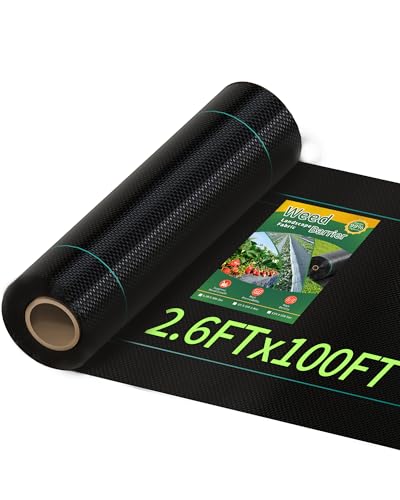
Weed Control: Woven polypropylene physically blocks sunlight to prevent weed seed germination, keeps flower beds, vegetable gardens, and landscaping weed-free without chemical herbicides.

【Superior Weed Control】Vanver 3.2 oz heavy-duty landscape fabric is designed to be sturdy and durable to inhibit weed growth, allowing you to eliminate tedious weeding, save more time and labor, and enjoy a hassle-free gardening experience!

【Premium Weed Barrier Fabric】 Weed barrier landscape fabric is a type of geotextile fabric that is commonly used in landscaping and construction. With excellent weed control properties, providing a clean and tidy landscape. Very strong and durable, Pro landscape weed barrier will provide you with premium weed protection for a very long time.
Mulching Techniques
Apply mulch around your flower beds to suppress weeds. Organic mulches, like wood chips or straw, block sunlight, which prevents weed seeds from germinating. Aim for a thickness of 2 to 4 inches. Replenish mulch every season to maintain its effectiveness.
Utilize landscape fabric to create a barrier beneath mulch. This approach offers added protection against weeds while allowing moisture and nutrients to reach your plants. Be sure to cut slits in the fabric for flowers to grow through.
Regular Watering Methods
Water your flowers deeply but infrequently. This encourages root growth while discouraging shallow-rooted weeds. Aim for about 1 inch of water per week. Use soaker hoses or drip irrigation systems to deliver moisture directly to the soil, minimizing oversaturation.
Monitor soil moisture levels. You can use a moisture meter or simply check soil dryness with your fingers. Water early in the morning or late in the evening to reduce evaporation. This timing also helps prevent creating a damp environment that favors weed growth.
Manual Control Methods
Manual control methods provide direct ways to keep weeds out of your flower garden. These techniques require some effort but can be very effective for maintaining a healthy garden.
Hand Pulling Weeds
Hand pulling weeds is a simple yet effective method. You can remove weeds by pulling them out from the roots, ensuring you get the entire plant. Here are some tips for successful hand pulling:
- Choose the Right Time: Pull weeds after a rain or watering when the soil is moist, as this makes removal easier.
- Grip at the Base: Grasp the weed close to the ground to minimize breakage and ensure you pull up the root.
- Check for Persistence: Some weeds, like dandelions, have deep roots. For these, it’s essential to apply steady, consistent pressure.
Frequent hand pulling helps keep your flower garden healthier by preventing weeds from spreading seeds.
Tools for Weeding
Using the right tools can make weeding more efficient. Here are some valuable tools to consider:
- Weeding Fork: Use a weeding fork to loosen soil and pry out weeds, particularly those with deep roots.
- Hand Weeder: This tool has a short blade and is designed for precision, helping you extract stubborn weeds.
- Garden Hoe: A hoe can help slice through weeds at their base, making it effective for larger areas.
Evaluate which tools fit your gardening style and comfort level. Regular use of proper weeding tools can make manual control much easier and more effective.
Chemical Control Options
Chemical control options can effectively manage weeds in your flower garden. Selecting the right herbicides ensures that you target weeds without harming your flowers.
Recommended Products

KILLS WEEDS AND GRASSES: Use on driveways and walkways, and around fences, trees, flower beds, shrubs and other listed areas
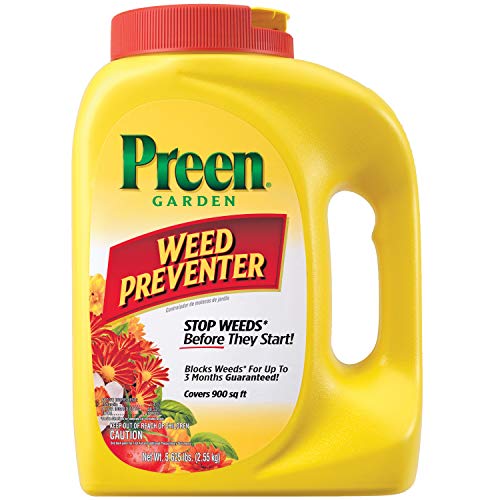
Coverage - Preen Garden Weed Preventer provides weed control for up to 900 sq. ft. This preemergent herbicide prevents weed seeds from germinating for up to 3 months when applied around established flowers, vegetable, trees, mulch & shrubs

Visible Results in One Hour - Spruce dehydrates to kill roots, showing visible results in just 1 hour, dead weeds in 1 day. The hardworking weed sprayer can kill all types of broadleaf and grassy weeds including dandelions, large crabgrass, white clover, dollarweed and morning glory vines.
Safe Herbicides
Choose herbicides labeled as safe for flower gardens. Selective herbicides target specific types of weeds while leaving desirable plants unharmed. For example, products containing triclopyr or fenoxaprop are effective against broadleaf weeds without impacting most flowers. Additionally, organic herbicides with natural ingredients like vinegar can deter weeds without harmful chemicals. Always check product labels for safety instructions.
Application Guidelines
Follow these guidelines for successful herbicide application:
- Read Labels: Identify specific recommendations for application rates and timing on each herbicide label.
- Apply During Calm Weather: Avoid windy days to ensure that spray drifts don’t affect nearby plants.
- Target Weeds Directly: Focus on spot treatments rather than blanket sprays to minimize chemical use.
- Wear Protective Gear: Use gloves, masks, and goggles to protect yourself during application.
- Monitor Soil Moisture: Apply herbicides when soil is slightly moist, as this enhances absorption by the targeted weeds.
- Reapply as Necessary: Follow the recommended reapplication schedule for continued effectiveness while monitoring your flower garden for signs of regrowth.
By following these guidelines, you can effectively manage weeds while keeping your flower garden healthy and vibrant.
Conclusion
Keeping weeds out of your flower garden doesn’t have to be a daunting task. With the right strategies and a little effort you can create a thriving environment for your flowers. By choosing resilient plants and maintaining healthy soil you’ll set the stage for success.
Remember to stay consistent with your maintenance practices. Regularly checking for weeds and using manual methods or safe herbicides can make a world of difference. Your flower garden deserves to shine without the competition of pesky weeds. So get out there enjoy the process and watch your flowers flourish!
Frequently Asked Questions
What are the main problems weeds cause in flower gardens?
Weeds compete with flowers for essential resources like sunlight, water, and nutrients. They can stunt the growth and health of your flowers, diminish the beauty of your garden, and even introduce pests and diseases, jeopardizing the overall plant health.
What types of weeds should gardeners be aware of?
Common weeds include dandelions, crabgrass, thistle, and chickweed. Each of these can quickly invade flower gardens, competing aggressively for resources and affecting the health of your flowers.
How can I prevent weeds in my flower garden?
Choose resilient plants, like native flower varieties, and group them closely to create shade. Proper soil preparation, such as removing weeds and applying mulch, is crucial. Enriching soil with organic matter also helps suppress weed germination while retaining moisture.
What maintenance practices help manage weeds effectively?
Apply a 2 to 4-inch layer of organic mulch around flower beds and consider using landscape fabric underneath. Regular watering methods, like deep but infrequent watering, also create a thriving environment for flowers while minimizing weed growth.
What manual methods can be used to control weeds?
Hand pulling is effective, especially when timed correctly. Use tools like weeding forks, hand weeders, and garden hoes to enhance your efficiency. Regularly remove weeds before they can spread seeds to maintain a healthy garden.
How do chemical control options work for managing weeds?
Select herbicides that target specific weeds without harming your flowers. Look for selective or organic herbicides labeled as safe for flower gardens. Follow application guidelines closely, and ensure proper timing for best results in managing weed growth.

I’ve always been drawn to trees.As a kid, I spent most of my free time outside, climbing, exploring, and trying to figure out the names of the trees around me.That early curiosity eventually led me to study arboriculture and horticulture at Michigan State.Later, I completed a degree in forestry at the University of Michigan.
I’ve been working in tree care and education ever since.These days, I enjoy helping people learn more about the trees in their own backyards.How they grow, how to care for them, and why they matter.You don’t need to be an expert to appreciate trees.A little curiosity goes a long way.