Have you ever looked at your thriving cilantro plants and wondered when the best time to harvest them is? You’re not alone! Many gardeners face the challenge of knowing just when to snip those vibrant leaves without losing flavor or quality.
Key Takeaways
- Understanding Growth Stages: Cilantro goes through key growth stages, including germination, seedling, vegetative growth, and flowering; knowing these helps determine the best harvest time.
- Optimal Harvest Timing: Best to harvest cilantro when it’s 6 to 8 weeks old, with vibrant green leaves measuring 2 to 4 inches long, avoiding flowering plants to maintain flavor.
- Essential Tools: Use sharp scissors or garden shears, gloves, and a collection container to ensure a clean and efficient harvesting process, while protecting the plant’s health.
- Harvesting Techniques: Cut outer leaves first for continued growth, harvest in the morning for maximum flavor, and avoid taking more than one-third of the leaves to keep plants productive.
- Post-Harvest Care: Store cilantro properly in the refrigerator or freeze it in cubes to extend freshness, and regularly check for wilting leaves to prevent spoilage.
What You Need To Know About Cilantro
Cilantro grows quickly, making it a favorite for gardeners. Understanding its growth stages and knowing the right time to harvest helps maintain flavor and freshness.
Understanding Cilantro Growth Stages
Cilantro progresses through several key growth stages:
- Germination: Seeds sprout within 7 to 10 days after planting.
- Seedling: Young plants develop their first true leaves, usually around 2 to 3 weeks.
- Vegetative Growth: Leaf growth accelerates. This stage lasts about 4 to 6 weeks.
- Flowering: Cilantro flowers appear when plants mature, usually around 3 to 4 months after planting.
Observing these stages aids in planning your harvest. Healthy plants often produce best results in the earlier vegetative stage.
Optimal Time To Harvest
Harvest cilantro when the leaves are young and vibrant. Aim for 6 to 8 weeks after planting. When plants grow to about 6 inches tall, you can begin to harvest.
Look for the following indicators:
- Leaf Brightness: Green leaves indicate freshness.
- Size: Harvest when the leaves reach 2 to 4 inches in length.
- Flower Buds: If you see flower buds forming, harvest immediately; this is a sign the plant will focus on seed production, which affects leaf flavor.
Cut the outer leaves selectively; this promotes new growth. Using sharp scissors or garden shears ensures a clean cut, allowing the plant to recover and flourish.
Tools And Materials For Harvesting
Gathering the right tools and materials ensures a successful cilantro harvest. You’ll want to have everything ready before you start cutting.
Recommended Products

Reduce Hand Strain: These micro tip snips are made to reduces hand fatigue which makes them great for those with arthritis, carpal tunnel, hand or wrist issues; Comfortable “grip” handles will make it easy to work for long-time use without making you feel hand pain

Precise Cutting: Pruning Shears are best scissors for delicate trimming plants. The pointed tips help reach into areas where the traditional pruners have trouble, to snip at thin shoots and growth. This makes them perfect for precise pruning tasks that require a delicate touch.

Well-Designed & Easy-to-Use: These gardening scissors are built spring-loaded so that they automatically push themselves open without you having to do the work, significantly reducing hand fatigue
Essential Gardening Tools
- Sharp Scissors or Garden Shears: Use these for clean cuts. A sharp blade prevents damage to the plant and promotes new growth.
- Garden Gloves: Wear gloves to protect your hands. They can shield you from dirt and any potential irritants in the plants.
- Harvest Basket or Container: Use a basket or container to collect cut cilantro. This keeps the leaves intact and fresh until you’re ready to use them.
- Water Spray Bottle: Mist the leaves before harvesting if they’re dry. This helps maintain their freshness and flavor during collection.
- Clear the Space: Start by removing any debris or weeds around the cilantro plants. This provides easy access while cutting.
- Lay Down a Clean Surface: Place a clean cloth or tray beneath the plants. This catches any fallen leaves and makes cleaning easier afterward.
- Check for Pests: Inspect the plants for pests before harvesting. Removing any pests helps ensure you’re collecting the healthiest parts of the plant.
These steps and tools make harvesting cilantro straightforward, allowing you to enjoy your fresh produce without hassle.
How To Harvest Cilantro
Harvesting cilantro at the right time maintains its flavor and promotes healthy growth. Follow these steps and techniques for a successful cilantro harvest.
Recommended Products
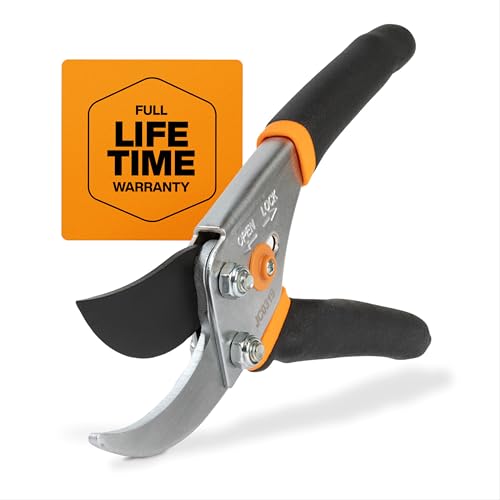
CLEAN CUTS FOR LIVE GROWTH: Bypass blade design is ideal for pruning delicate flower stems and green growth, helping reduce crushing and plant damage while cutting stems and small branches up to 5/8” in diameter

HERB GARDENING ESSENTIAL: Stainless steel blade plant shears with sheath ideal for harvesting herbs outdoors or with a window herb garden for kitchen; encourages overall lawn and garden health, or perfect gift to go with any indoor herb garden kit

Precision 1.75" Curved Blade for Detailed Cutting – Needle-nose curved blade design provides exceptional control for pruning in tight spaces, making it ideal for harvesting grapes, trimming herbs, thinning fruit, and deadheading delicate flowers.
Techniques For Cutting Cilantro
- Choose the Right Time: Harvest cilantro during the morning when leaves are fresh. This timing preserves flavor and aroma.
- Select Outer Leaves: Cut the outer leaves first. This practice encourages new growth from the inner parts.
- Use Sharp Tools: Use sharp scissors or garden shears for clean cuts. Dull tools damage the plant.
- Make Clean Cuts: Cut at the base of the leaf stalk. Avoid tearing the leaves, which can harm the plant.
- Harvest When Needed: Regularly harvest as you need it. This approach improves the plant’s overall yield.
- Inspect Before Cutting: Check for pests or disease before harvesting. This ensures you only take healthy parts.
- Be Gentle: Handle the plants carefully to avoid bruising. Rough handling can reduce overall quality.
- Keep Tools Clean: Clean tools before and after use to prevent transferring diseases between plants.
- Limit Over-Harvesting: Avoid taking more than one-third of the leaves at a time. This keeps the plant healthy and productive.
- Replant if Necessary: Consider replanting cilantro every few weeks for a continuous supply. This practice ensures you have fresh leaves throughout the growing season.
Post-Harvest Care
After harvesting cilantro, take steps to maintain its freshness and flavor. Proper post-harvest care ensures your cilantro remains vibrant and usable for longer.
Storing Your Cilantro
Store cilantro immediately after harvesting to retain its freshness.
- Refrigerate: Place your cilantro in a plastic bag or an airtight container. Keep it in the crisper drawer of your refrigerator. This helps maintain moisture, extending the shelf life to about one week.
- Water Method: Alternatively, you can place the stems in a jar with water, similar to a bouquet. Cover the leaves with a plastic bag and store it upright in the refrigerator. This can keep cilantro fresh for over a week.
- Freezing: For long-term storage, chop cilantro and place it in ice cube trays filled with water or olive oil. Freeze the trays, then transfer the cubes to a freezer bag for easy use in cooking.
Best Practices For Preservation
Follow these best practices to preserve the quality of your cilantro:
- Avoid moisture: Excess moisture can lead to wilting or rot. Ensure the leaves are dry before storing.
- Use clean containers: Use clean, dry storage containers to avoid contaminating your herbs.
- Check regularly: Inspect your stored cilantro every few days. Remove any yellowing or wilting leaves to prevent spoilage from spreading.
- Freeze in small batches: When freezing, use small amounts in each cube. This way, you can thaw only what you need for your dishes without waste.
Conclusion
Harvesting cilantro can be a rewarding experience that adds fresh flavor to your meals. By knowing when and how to cut your plants you can enjoy the best taste and quality. Remember to handle your cilantro gently and use sharp tools for clean cuts.
With a little care and attention you can keep your plants thriving and ensure a continuous supply of those vibrant leaves. Whether you’re using them fresh or preserving for later your hard work in the garden will definitely pay off. Happy harvesting!
Frequently Asked Questions
When is the best time to harvest cilantro?
Harvest cilantro when the leaves are young and vibrant, typically 6 to 8 weeks after planting. At this stage, the plants should be about 6 inches tall for optimal flavor.
How can I tell if my cilantro is ready to harvest?
Look for bright green leaves that are 2 to 4 inches long and the presence of flower buds. These indicators signal that it’s time to harvest for the best flavor.
What tools do I need for harvesting cilantro?
You will need sharp scissors or garden shears, gardening gloves, a harvest basket or container, and a water spray bottle to mist the leaves if they are dry.
How should I cut cilantro during harvest?
Cut the outer leaves first to encourage new growth. Make clean cuts at the base of the leaf stalk and harvest in the morning for the best flavor.
How can I store cilantro after harvesting?
Store cilantro in a plastic bag or airtight container in the refrigerator. Alternatively, place the stems in a jar of water, or freeze chopped cilantro in ice cube trays for long-term storage.
How often should I harvest cilantro?
Regularly harvesting as needed is encouraged, but do not cut more than one-third of the leaves at a time to ensure continued plant health and yield.
What should I do if I find pests on my cilantro?
Before harvesting, inspect the plants for pests or disease. If found, remove them gently by hand or with appropriate organic controls to maintain healthy plants.
Can I replant cilantro after harvesting?
Yes, consider replanting cilantro every few weeks for a continuous supply of fresh leaves throughout the growing season. This allows for ongoing harvests without depleting your existing plants.

My interest in trees started when I first saw the giant sequoias in Yosemite.I was a teenager then, and I remember thinking, “I need to learn more about this.”That moment stuck with me.A few years later, I went on to study forestry at Michigan Tech.
Since graduating, I’ve worked in a mix of hands-on tree care and community education.I’ve spent over ten years helping people understand how to plant, maintain, and protect the trees in their neighborhoods.I don’t see trees as just part of the landscape.They are living things that make a real difference in our daily lives.