Ever thought about growing your own food but felt limited by a lack of garden space? You’re not alone. Many people want fresh produce but think it’s only possible with a big backyard. The good news is you can cultivate your own veggies and herbs right in your kitchen or on a balcony, no garden required.
Key Takeaways
- Container Gardening Basics: Utilize various container types—pots, grow bags, hanging planters, and recycled containers—to grow food in limited spaces like balconies or kitchens.
- Soil Selection: Opt for quality potting mixes with organic matter, good aeration, and a neutral pH to ensure healthy plant growth in containers.
- Plant Selection: Choose space-efficient vegetables like cherry tomatoes, radishes, and compact herbs such as basil or mint for a productive garden without a traditional yard.
- Indoor Growing Techniques: Explore hydroponics and grow lights to successfully cultivate plants indoors, optimizing small spaces for fresh produce.
- Community Resources: Engage with local gardening groups and community gardens to share knowledge, resources, and support for growing food in urban settings.
Understanding Container Gardening
Container gardening allows you to grow a variety of food items without requiring a large space. It’s an efficient method for utilizing your kitchen, balcony, or patio.
Recommended Products

HELPS REGULATE SOIL MOISTURE: Miracle-Gro Organic Indoor Potting Soil Mix is an organic potting soil that protects indoor plants against over and under watering

ALL-NATURAL MIX: Burpee Organic Premium Potting Mix is formulated with plant food & coconut coir to promote seed & root growth and healthy flower, vegetable & herb plants. OMRI Listed for organic use.

FEEDS UP TO 6 MONTHS: Miracle-Gro Moisture Control Potting Soil Mix feeds plants for up to 6 months and Grows Plants Twice As Big (vs unfed plants)
Types of Containers
- Pots: Clay, plastic, or ceramic pots come in various sizes. Choose larger pots for deep-rooted plants like tomatoes.
- Grow Bags: These fabric bags are lightweight and ideal for root vegetables. They’re breathable and promote healthy root growth.
- Hanging Planters: Ideal for herbs and trailing plants, hanging planters save floor space while adding visual appeal.
- Window Boxes: Use window boxes for small vegetables and herbs. They fit perfectly on narrow ledges and balconies.
- Recycled Containers: You can repurpose items like buckets or bins. Ensure they have drainage holes to prevent water buildup.
Choosing the Right Soil
Selecting the appropriate soil mix is crucial for successful container gardening.
- Quality Potting Mix: Use a potting mix formulated for container plants. It retains moisture while providing essential drainage.
- Organic Matter: Incorporate compost to enhance soil fertility. Compost adds nutrients that benefit plant growth.
- Aeration: Look for mixes with perlite or vermiculite. These materials improve air circulation, promoting stronger root development.
- pH Balance: Aim for a neutral pH, around 6.0 to 7.0. Test the soil if you’re unsure and adjust accordingly with amendments.
Using the right containers and soil prepares you for a successful and productive container gardening experience.
Selecting Appropriate Plants
Selecting the right plants significantly contributes to successful food cultivation without a garden. Focus on varieties that thrive in limited spaces, ensuring a productive and enjoyable gardening experience.
Recommended Products

Many gardeners will agree that there’s nothing as rewarding as enjoying produce that they’ve grown themselves. Fortunately growing crops in containers enables just about anyone to experience this joy—with no garden plot needed! Find out how to care for and harvest flavor-packed miniature tomatoes salad greens peppers basil chives blueberries citruses cantaloupes and other favorites to serve at your next meal!|Looking for eye-catching displays to perk up a space? Discover sure-to-please ornamental plants for any situation plus ideal ways to arrange them in decorative containers for the special look that you want. Let the mantra “thriller filler spiller” help you to design pots with a stunning focal point surrounded by complementary plants that fill in around it and trail over the edge!|Learn about plant care including how to identify and control diseases and pests select the best potting mix apply water and fertilizer—and overcome “FOOF” (fear of overfertilizing)!|Wondering how big a container your plant needs? Don’t know whether to use terra-cotta or plastic pots? Find out how to choose the proper container by size type purpose and more.|Some plants like geraniums have lots of varieties from which to choose. If you’re overwhelmed by the many options available just check out the recommended selections for 38 specially profiled plants.|For added enjoyment browse—and learn from—the insightful and entertaining anecdotes from experienced gardeners included in this helpful guide.
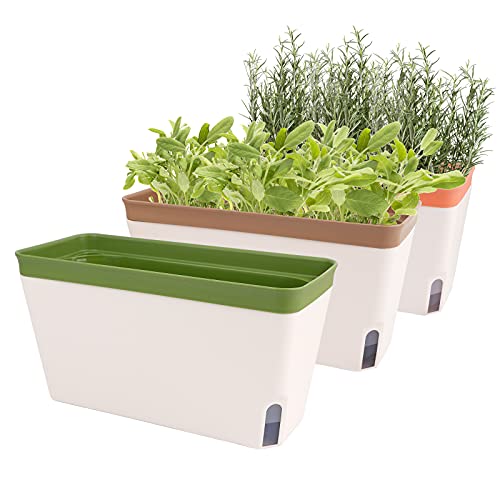
SELF-WATERING PRINCIPLE: Through two absorbent cotton ropes, the self watering pots provide water to the soil and keep the soil moist through the principle of osmosis, without having to water the plants regularly. Even if you leave home for a few days, it can help you take care of the plants and avoid plants die from water shortage.

Best Vegetables for Small Spaces
- Cherry Tomatoes: These compact plants yield a bountiful harvest. They grow well in pots and require minimal maintenance.
- Radishes: Fast-growing and space-efficient, radishes can thrive in shallow containers. They mature within three to four weeks.
- Lettuce: Various lettuce types grow well in containers. You can harvest leaves continuously, making them a sustainable choice.
- Peppers: Compact varieties, like mini bell peppers, flourish in pots. They add color and flavor to your meals.
- Spinach: This nutritious leafy green grows quickly and can be planted in small spaces. It tolerates partial shade, providing flexibility in placement.
- Basil: Popular for culinary uses, basil thrives when placed in bright light. Regular pruning promotes bushy growth.
- Mint: This fragrant herb grows vigorously, making it ideal for containers. It prefers moderate sunlight and regular watering.
- Chives: Easy to care for, chives flourish in small pots. They require minimal attention and add flavor to various dishes.
- Cilantro: Fast-growing cilantro prefers cooler conditions, making it suitable for indoor gardening. Harvest leaves continually for fresh use.
- Thyme: This hardy herb adapts well to small containers. It’s drought-tolerant and thrives with little water.
By selecting these vegetables and herbs, you’ll maximize your limited space while enjoying the fruits and flavors of your labor.
Indoor Growing Techniques
Growing food indoors maximizes your space while providing fresh produce. Two effective indoor growing techniques include hydroponics and using grow lights.
Recommended Products

High planting efficiency: Start an indoor herb garden with the Ahopegarden hydroponic growing system, which includes a water reservoir, an overhead LED grow light, and a circulation system that keeps the water fresh. The hydroponic setup and lighting systems allow plants to grow up to faster and healthier in controlled conditions. Simply add plant seeds, water, and nutrients to the reservoir and watch the plants grow

PATENTED SMART HYDROPONIC SYSTEM: Take your indoor gardening to the next level with our patented smart hydroponic system, featuring the exclusive LetPot app. With just a few taps on your phone, you can effortlessly adjust the 0-24 hours LED lighting schedule to provide your plants with the perfect amount of light and precies on/off time. Our innovative reminder system also ensures you never forget to water your plants again, making growing healthy and vibrant plants easier than ever before.
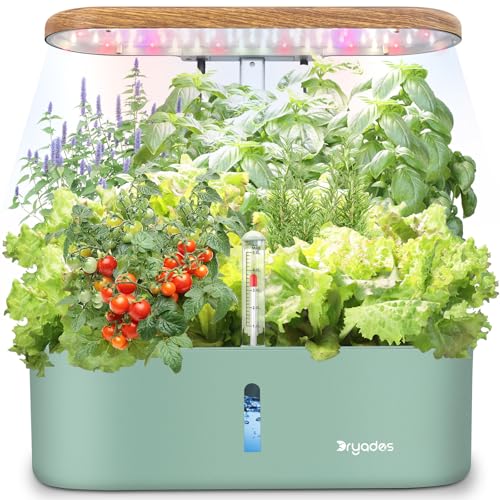
High-Efficiency Planting: Create an indoor herb garden effortlessly with the Dryades hydroponic growing system. This all-in-one setup features a water reservoir, an overhead LED grow light, and an integrated circulation system to maintain water freshness. Thanks to its hydroponic design and optimized lighting, plants grow faster and stronger in a controlled environment. Just add seeds, water, and nutrients to the reservoir, then enjoy watching your garden thrive.
Hydroponics Basics
Hydroponics involves growing plants in a nutrient-rich water solution instead of soil. This method promotes faster growth and can fit in small spaces, making it ideal for indoor settings.
- Choose Your System: Select from various hydroponic systems such as deep water culture, nutrient film technique, or wick systems.
- Gather Materials: You’ll need a reservoir, net pots, growing medium (like clay pellets), and a water pump.
- Mix Nutrients: Use a hydroponic nutrient solution, following the instructions for the specific plants you’re growing.
- Monitor pH Levels: Keep the pH between 5.5 and 6.5 for optimal nutrient absorption.
- Pick Your Plants: Start with easy-to-grow varieties like lettuce, herbs, or strawberries.
Hydroponics can yield fresh herbs and vegetables in just a few weeks.
Using Grow Lights
Grow lights provide the necessary light for indoor plants, especially when natural light is limited.
- Choose the Right Light: Options include LED, fluorescent, and incandescent lights. LEDs are energy-efficient and emit less heat, making them suitable for extended use.
- Determine Light Duration: Most plants require 12-16 hours of light daily. Use a timer to ensure consistent lighting.
- Position the Lights: Place lights 6-12 inches above the plants. Adjust the height as the plants grow.
- Observe Plant Response: Watch for signs of light stress, like leaf burn or stretching, and adjust accordingly.
By utilizing grow lights, you can create an ideal environment for your indoor garden, ensuring healthy, thriving plants.
Community and Urban Gardening
Community and urban gardening opens up opportunities for growing food without a traditional garden space. You can tap into local resources and connect with fellow gardeners, enhancing your urban agriculture experience.
Joining Local Gardening Groups
Joining local gardening groups offers support and shared knowledge. These groups often provide practical advice, tools, and seeds. You’ll find likeminded individuals passionate about growing food in limited spaces. Many groups also organize workshops and events where you can learn about container gardening, indoor growing techniques, and suitable plants for your area. Consider platforms like Meetup or social media to find groups near you.
Utilizing Community Gardens
Utilizing community gardens enables you to cultivate food without needing your own land. These gardens are often shared spaces where individuals rent plots to grow their own produce. Check local community centers or city websites for available gardens. When joining, ensure you understand the guidelines regarding planting and maintenance. Engage with fellow gardeners, as they can offer tips and support. Community gardens also foster a sense of belonging and allow you to share in the harvest with others.
Conclusion
Growing your own food without a garden is not only possible but also incredibly rewarding. Whether you’re using containers on your balcony or exploring indoor hydroponics you can enjoy fresh produce right at home.
Embrace the variety of plants that thrive in small spaces and get creative with your growing techniques. Remember that every little effort counts and connecting with your community can enhance your gardening journey.
So go ahead and start your container garden or join a local gardening group. You’ll be amazed at the joy and satisfaction that comes from nurturing your own food, no matter how small your space is. Happy growing!
Frequently Asked Questions
Can I grow food without a large garden space?
Yes, you can grow food in small spaces like kitchens and balconies using container gardening. This method allows you to cultivate vegetables and herbs efficiently in limited areas without the need for extensive garden plots.
What containers can I use for container gardening?
You can use various containers for gardening, including pots, grow bags, hanging planters, window boxes, and even recycled containers. The key is to choose the right size and type based on the plants you want to grow.
What type of soil is best for container gardening?
A quality potting mix is essential for container gardening. Look for mixes that contain organic matter like compost, ensuring proper aeration and pH balance to promote healthy plant growth.
What plants are suitable for small space gardening?
For small spaces, consider growing compact plants such as cherry tomatoes, radishes, lettuce, mini bell peppers, spinach, basil, mint, chives, cilantro, and thyme. These varieties are particularly well-suited for container gardening.
What is hydroponics and how can I use it indoors?
Hydroponics is a method of growing plants in a nutrient-rich water solution instead of soil. It’s ideal for small spaces and involves selecting a system, preparing nutrients, and choosing easy-to-grow plants like lettuce and herbs.
How can I support indoor gardening with grow lights?
To support indoor gardening, use grow lights that suit your plants’ needs. Ensure proper positioning, monitor exposure duration, and adjust based on plant responses to promote healthy growth in your indoor garden.
What are the benefits of community gardening?
Community gardening provides opportunities for individuals without traditional garden spaces to grow food. It offers shared resources, support from fellow gardeners, and a sense of community, fostering collaboration and shared harvest experiences.

My interest in trees started when I first saw the giant sequoias in Yosemite.I was a teenager then, and I remember thinking, “I need to learn more about this.”That moment stuck with me.A few years later, I went on to study forestry at Michigan Tech.
Since graduating, I’ve worked in a mix of hands-on tree care and community education.I’ve spent over ten years helping people understand how to plant, maintain, and protect the trees in their neighborhoods.I don’t see trees as just part of the landscape.They are living things that make a real difference in our daily lives.