Grafting apple trees effectively requires understanding techniques that go beyond basic manuals. Using the right methods can significantly increase your success rate and improve the quality of your apple varieties.
Essential Grafting Tools Checklist
Grafting apple trees requires precision and the right tools to ensure successful union and growth. Understanding which tools are essential can make the process smoother and more effective. This checklist will help you gather everything you need to set yourself up for success in your grafting endeavors.
Before starting the grafting process, ensure you have the necessary tools. Proper equipment can make the difference between success and failure. Here’s a checklist of essential items:
| Tool | Purpose |
|---|---|
| Grafting knife | For precise cuts |
| Pruning shears | To trim branches |
| Grafting tape | To secure grafts |
| Rooting hormone | To encourage growth |
| Clean cloth | For sanitizing tools |
Invest in high-quality grafting knives and pruning shears. These tools help create clean cuts, which are crucial for successful grafting.
Recommended Products

【Surgical-Precision Grafting Tools】 Crafted with Japanese SK5 High-Carbon Steel blades (HRC 58-60 hardness) and ergonomic ABS handles, our 2-in-1 pruner delivers clean cuts up to 1/2" diameter branches. Dual-edge Ω/U/V blades prevent stem crushing, boosting grafting success rates by 40%* (*lab test data).

PROFESSIONAL GARDENING GRAFTING TOOLS: Including 2 in 1 grafting pruning tools, 3 replaceable blades, a grafting knife, a screwdriver, a wrench, 2 grafting films, 160 rubber bands, 40 wide rubber bands, and 50 colorful tag cards
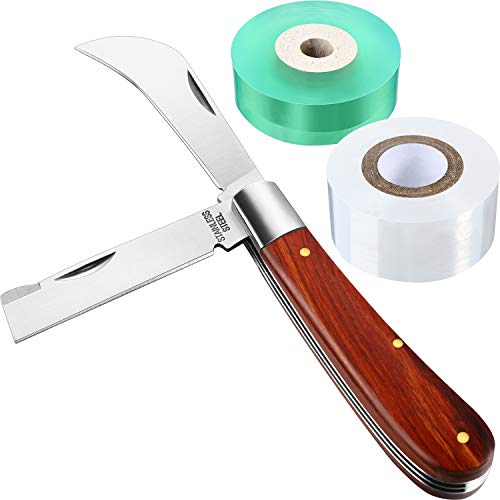
Package includes: you will get 1 double blades garden grafting knife and 2 rolls of grafting tapes in 2 sizes, ideal set for grafting budding, cutting, digging, sprouting, plants, weeding, cutting, sawing, etc.
Selecting Healthy Scion Wood and Rootstock
Selecting the right scion wood and rootstock is crucial for successful apple tree grafting. Healthy, vigorous materials not only enhance the chances of a successful union but also contribute to the overall vitality of the tree. Understanding the characteristics of both components will set the foundation for a fruitful grafting experience.
Preparation is key to successful grafting. Start by selecting healthy scion wood and rootstock.
The scion should be from a tree that produces desirable fruit. The rootstock should be compatible and disease-free.
-
Choose scion wood that is 1/4 to 1/2 inch in diameter.
-
Cut scions from healthy, vigorous trees.
-
Collect scion wood during late winter or early spring.
Sanitize all tools before use to prevent disease transmission. A clean environment promotes better grafting outcomes.
Grafting Techniques for Successful Apple Trees
Grafting is a crucial technique for propagating apple trees, allowing growers to combine the best traits of different varieties. Understanding the various grafting methods can significantly enhance your success rate and ensure healthy, productive trees. This section delves into specific grafting techniques that will help you master the art of apple tree propagation.
Follow these steps to ensure a successful graft:
-
Make a clean cut on the rootstock about 6 inches above the ground.
-
Create a matching cut on the scion, ensuring it has at least two buds.
-
Join the scion and rootstock by aligning the cambium layers.
-
Secure the graft with grafting tape, wrapping tightly but not too tight to restrict growth.
-
Apply rooting hormone to the cut surfaces to promote healing.
Timing is critical. Perform grafting in early spring when the sap begins to flow. This encourages quicker healing and growth.
Recommended Products

Product Details: You will receive 3 grafting tapes, 1 roll of green and 2 rolls of white tape, each 3 cm (1-1/5 inches) wide and 120 m (394 feet) long

Used for budding and grafting plants, quick healing for cambium contact, effectively increase the survival rate of seedlings;

Buds and grafts succeed at a high rate with the use of Konload brand grafting tape. Universal for all seasons. A gentle stretch makes it self-adhesive
Graft Monitoring and Tree Care Essentials
Successfully grafting apple trees requires ongoing attention and care to ensure the graft takes and the tree thrives. This section delves into the crucial aspects of monitoring your grafts and maintaining tree health, offering insights that go beyond standard manuals. Understanding these essentials will help you nurture your grafted apple trees for optimal growth and fruit production.
After grafting, monitor the graft site for signs of growth. Proper care is essential for the graft to take hold.
-
Water the grafted area regularly but avoid overwatering.
-
Protect the graft from direct sunlight.
-
Remove any growth from the rootstock below the graft.
Check for signs of failure, such as wilting or discoloration. If the graft fails, consider re-grafting with fresh scion wood.
Essential Grafting Techniques for Apple Trees
Grafting apple trees requires a blend of precision and technique that often goes unmentioned in standard manuals. Understanding the essential methods can significantly enhance your success rate and the health of your trees. This section delves into the critical grafting techniques that every aspiring apple grower should master for optimal results.
Different grafting techniques can yield varying results. Familiarize yourself with these methods to choose the best one for your needs.
Whip and Tongue Grafting Technique
Whip and tongue grafting is a precise method that enhances the chances of successful grafting in apple trees. This technique not only ensures a strong union between the rootstock and scion but also promotes optimal growth. Understanding the nuances of this method can significantly improve your grafting results, making it a valuable skill for any aspiring orchardist.
This method involves making matching cuts on both the scion and rootstock. It provides a larger surface area for cambium contact, increasing the chances of a successful graft.
Cleft Grafting Techniques for Apple Trees
Cleft grafting is a popular method for propagating apple trees, allowing gardeners to combine the strengths of different varieties. This technique is especially useful for rejuvenating older trees or creating unique hybrids. Understanding the nuances of cleft grafting can significantly enhance your success in growing healthy, productive apple trees.
Cleft grafting is ideal for larger rootstocks. It involves splitting the rootstock and inserting the scion into the cleft. This method is useful when the rootstock is much thicker than the scion.
Chip Budding Technique for Apple Grafting
The chip budding technique is a precise method for grafting apple trees that can enhance your success rate. This approach allows for better compatibility between the rootstock and scion, ensuring a stronger union. Understanding the nuances of this technique can significantly improve your grafting outcomes and overall tree health.
Also known as chip budding, this technique involves using a single bud from the scion. It’s particularly effective for late summer grafting when the tree is actively growing.
Troubleshoot Common Grafting Issues
Grafting apple trees can be a rewarding endeavor, but it often comes with its share of challenges. Understanding common issues that arise during the grafting process is crucial for success. This section will delve into typical problems you may encounter and provide practical solutions to ensure your grafting efforts thrive.
Even experienced gardeners encounter problems during grafting. Identifying and addressing these issues promptly can save your grafts.
-
Graft Failure: Check for proper cambium alignment.
-
Drying Out: Ensure the graft is adequately covered and protected from wind.
-
Disease: Use sanitized tools and monitor for signs of infection.
A quick response can often salvage a graft that shows early signs of distress.
Maintain Your Apple Trees Post-Grafting
After successfully grafting your apple trees, proper maintenance is crucial for their health and productivity. This section outlines essential care practices to ensure your grafts take hold and thrive, covering watering, pruning, and monitoring for pests and diseases. By following these guidelines, you can foster strong growth and maximize your apple harvest in the years to come.
Once the graft is successful, ongoing care is essential. Regular maintenance will ensure healthy growth and fruit production.
-
Fertilize the tree according to soil needs.
-
Prune excess growth to direct energy toward the graft.
-
Monitor for pests and diseases throughout the growing season.
Healthy trees will reward your efforts with abundant fruit.
By following these guidelines, you can successfully graft apple trees and enhance your orchard’s diversity and productivity.

My interest in trees started when I first saw the giant sequoias in Yosemite.I was a teenager then, and I remember thinking, “I need to learn more about this.”That moment stuck with me.A few years later, I went on to study forestry at Michigan Tech.
Since graduating, I’ve worked in a mix of hands-on tree care and community education.I’ve spent over ten years helping people understand how to plant, maintain, and protect the trees in their neighborhoods.I don’t see trees as just part of the landscape.They are living things that make a real difference in our daily lives.