Red Oak trees typically grow between 60 to 75 feet tall, making them a popular choice for landscaping and timber production. Their impressive height, coupled with a broad canopy, provides significant shade and aesthetic value in residential and commercial settings.
Red Oak Tree Growth Rate Insights
Red Oak trees, known scientifically as Quercus rubra, thrive in a variety of environments. They prefer well-drained soils and can adapt to different moisture levels. Growth rates can vary based on factors such as soil quality, climate, and care practices.
Recommended Products

For sale is one Red Oak tree that is approximately 2-3 feet tall and shipped bareroot

For sale are two Red Oak trees that are approximately 2-3 feet and shipped bareroot

Adaptable to a variety of climates and growing zones
Mature Red Oak Height and Growth Rates
The average height of a mature Red Oak ranges from 60 to 75 feet. Under optimal conditions, these trees can reach heights of up to 100 feet. Growth rates typically range from 1 to 2 feet per year, especially in their early years.
| Age (Years) | Average Height (Feet) | Growth Rate (Feet/Year) |
|---|---|---|
| 5 | 10-15 | 2 |
| 10 | 20-30 | 2 |
| 20 | 40-50 | 1.5 |
| 30 | 60-75 | 1 |
Optimal Growth Conditions for Red Oaks
Understanding the optimal growth conditions for red oak trees is crucial for anyone looking to cultivate these majestic giants. This section delves into the specific environmental factors, soil types, and care practices that can significantly enhance the growth and health of red oaks, ensuring they thrive in your landscape.
To achieve maximum height, Red Oak trees require specific conditions. These include:
-
Soil Type: Well-drained sandy or loamy soils are ideal.
-
Sunlight: Full sun exposure for at least six hours daily enhances growth.
-
Watering: Regular watering during dry spells promotes healthy development.
Red Oak Tree Pests and Diseases
Red oak trees, while majestic and resilient, are susceptible to various pests and diseases that can hinder their growth and health. Understanding these threats is crucial for maintaining the vitality of these trees. This section explores the common pests and diseases that affect red oaks, along with effective management strategies to protect them.
Red Oak trees are susceptible to several pests and diseases that can hinder their growth. Common issues include:
-
Oak Wilt: A fungal disease that can kill trees rapidly.
-
Bark Beetles: These pests bore into the bark, disrupting nutrient flow.
-
Leaf Spot: Fungal infections that affect foliage health.
Proper monitoring and timely intervention can mitigate these risks.
Red Oak Tree Care and Maintenance Tips
Proper care and maintenance are essential for the health and longevity of red oak trees. This section provides practical tips on watering, pruning, and fertilizing to ensure these majestic trees thrive in various environments. By following these guidelines, you can cultivate a robust red oak that enhances your landscape for years to come.
Regular care is essential for maintaining healthy Red Oak trees. This includes:
-
Pruning: Remove dead or diseased branches to improve air circulation.
-
Fertilizing: Use a slow-release fertilizer in spring to support growth.
-
Mulching: Apply mulch around the base to retain moisture and suppress weeds.
Recommended Products

POWER THROUGH 1.25" THICK BRANCHES with a quick chop and without struggle. This bypass lopper is designed for making fast and precise cuts that will preserve the health of your plants and trees. The scissor-style bypass action leaves a clean cut on live green wood: pruning made easy!
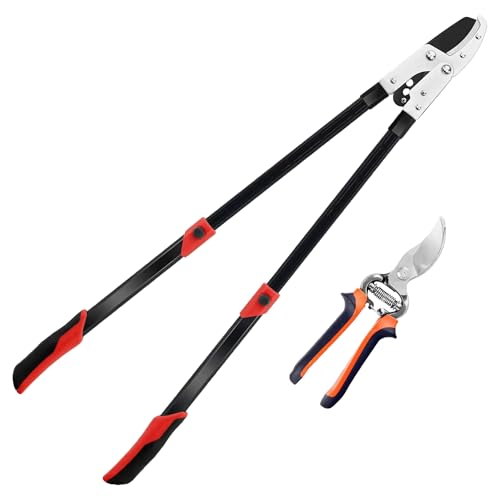
LONG LASTING SHARP: tree branch cutter alloy steel blade with teflon coated and low-friction coating that will long lasting sharp after tough job. Tree pruner is ideal for trimming green living or dry branches, chop through thick branches effortlessly

IDEAL BRANCH TRIMMER: Tree pruner that extends from 7.9 to 12 feet; Lightweight aluminum pole weighing less than five pounds to help minimize fatigue; Ideal for cutting high branches, or making low cuts without bending or kneeling
Red Oak Seasonal Growth Patterns
Understanding the seasonal growth patterns of red oak trees is essential for anyone interested in their cultivation and care. These trees exhibit distinct growth phases throughout the year, influenced by environmental factors and their biological rhythms. This section delves into the specific stages of growth, providing insights into how to optimize their health and development.
Understanding seasonal growth patterns can help in planning care routines.
-
Spring: Active growth begins; fertilization is most effective.
-
Summer: Monitor for pests and ensure adequate watering.
-
Fall: Prepare for winter by mulching and pruning.
Red Oak Tree Landscaping Benefits
Red oak trees are not only admired for their majestic height but also for the numerous benefits they bring to landscaping. Their robust structure and vibrant foliage enhance aesthetic appeal while providing essential shade and habitat for wildlife. Understanding these advantages can help homeowners and landscapers make informed decisions about incorporating red oaks into their outdoor spaces.
Incorporating Red Oak trees into landscaping can enhance property value and aesthetics. Consider the following:
-
Shade: Their broad canopy provides excellent shade for outdoor spaces.
-
Wildlife Habitat: They attract various birds and insects, promoting biodiversity.
-
Fall Foliage: The vibrant autumn colors add seasonal interest.
Mature Red Oak Planting Guidelines
When planting mature red oak trees, understanding their specific requirements is crucial for successful growth and longevity. This section outlines essential guidelines, including optimal soil conditions, spacing, and care practices to ensure that these majestic trees thrive in your landscape. Following these recommendations will help you cultivate healthy red oaks that can stand the test of time.
When planting Red Oaks, consider their mature size. Recommended spacing is:
-
15-20 feet from buildings and other trees to allow for full canopy development.
-
30 feet from power lines to avoid future conflicts.
Red Oak Tree Growth Care Tips
Caring for red oak trees is essential for promoting healthy growth and longevity. Understanding the specific needs of these majestic trees can enhance their development and resilience against pests and diseases. This section provides practical tips to ensure your red oak thrives in its environment.
Choosing the right location and providing adequate care will significantly influence the growth of Red Oak trees. Monitor for pests and diseases regularly to maintain their health.
Planting a Red Oak is a long-term investment that can provide beauty and shade for generations.

My interest in trees started when I first saw the giant sequoias in Yosemite.I was a teenager then, and I remember thinking, “I need to learn more about this.”That moment stuck with me.A few years later, I went on to study forestry at Michigan Tech.
Since graduating, I’ve worked in a mix of hands-on tree care and community education.I’ve spent over ten years helping people understand how to plant, maintain, and protect the trees in their neighborhoods.I don’t see trees as just part of the landscape.They are living things that make a real difference in our daily lives.