Are you unsure how often to water your vegetable garden? You’re not alone. Many gardeners struggle with finding the right balance between overwatering and underwatering their plants. Too much water can drown roots, while too little can lead to wilting and poor growth.
This article will help you determine the perfect watering schedule for your garden. You’ll learn about factors like plant type, soil conditions, and weather patterns that influence how much water your veggies need. With the right guidance, you can keep your garden thriving and enjoy a bountiful harvest.
Key Takeaways
- Understand Plant Needs: Different vegetables require varying amounts of water; root vegetables need consistent moisture while fruit-bearing plants require moderate watering.
- Soil Type Matters: Sandy soil drains quickly and may need daily watering, while clay soil retains moisture longer, necessitating less frequent watering.
- Adjust for Weather: Hot days may require increased watering frequency, whereas rainy days or cooler seasons can reduce the need for watering.
- Best Timing for Watering: Watering early in the morning or late afternoon minimizes evaporation, allowing plants to absorb moisture effectively.
- Use Efficient Methods: Consider drip irrigation or soaker hoses for consistent moisture delivery while reducing waste.
- Avoid Common Mistakes: Be mindful of overwatering and underwatering; regularly check soil moisture to maintain healthy plant growth.
Understanding Watering Needs
Watering needs vary based on several factors. Assess your vegetable garden considering the following:
Plant Type
- Root Vegetables: Require consistent moisture. Water deeply at least twice a week.
- Leafy Greens: Prefer moist soil. Water every 2 to 3 days, depending on temperature.
- Fruit-Bearing Plants: Such as tomatoes and peppers need moderate moisture. Aim for 1 to 1.5 inches of water weekly.
Soil Conditions
- Sandy Soil: Drains quickly, so water more often. Daily watering may be necessary during hot periods.
- Clay Soil: Retains moisture longer. Water less frequently, about once every 4 to 5 days.
- Loamy Soil: Balances moisture retention and drainage. Water every 3 to 4 days, adjusting as needed.
Weather Patterns
- Hot Days: Increase watering frequency. Check soil moisture daily during heatwaves.
- Rainy Days: Reduce watering. Monitor rainfall amounts; adjust your schedule accordingly.
- Seasonal Changes: Spring often requires more frequent watering as plants establish roots. In fall, reduce watering as plants slow growth.
- Moisture Check: Stick your finger about an inch deep in the soil. If it feels dry, it’s time to water.
- Timing: Water early in the morning or late in the afternoon. This minimizes evaporation and allows plants to absorb moisture effectively.
- Irrigation Systems: Use drip irrigation or soaker hoses for consistent watering. These systems reduce water waste and deliver moisture directly to the roots.
Keep these factors in mind to establish a watering routine that suits your vegetable garden’s specific needs.
Factors That Influence Watering Frequency
Understanding the factors that influence watering frequency helps you schedule your vegetable garden’s hydration effectively.
Recommended Products

Trusted Since 2015: Become one of the many plant lovers who rely on the proven accuracy of XLUX. Established in 2015, our soil moisture meter has earned over 60,000+ verified ratings for its consistent performance. While many many newer brands come and go, we provide the long-term reliability and quality that American households have trusted for over a decade.

Kindly NOTE: This soil tester can not be applied to test pH value of any other liquid. If the soil is too dry the indicator will not move, and water it before testing.

Accurate Soil Moisture Detection: The XLUX Soil Moisture Meter can tell you if the soil deep inside your pot or garden is dry, moist or wet; whereas your eyes and fingers can only determine the moisture level of the soil surface. The probe is 5.5 inches (14 cm) longer than regular styles, allowing it to measure the soil moisture at the bottom of larger and deeper flower pots.
Soil Type
Soil type significantly impacts how often you should water.
- Sandy Soil: Drains quickly, leading to faster drying. Check moisture more frequently, typically watering every day in hot weather.
- Clay Soil: Retains moisture well, requiring less frequent watering. Water every 4 to 7 days, adjusting based on weather and moisture levels.
- Loamy Soil: Balances drainage and retention. Aim for watering every 3 to 5 days, depending on conditions.
Plant Requirements
Different plants have varying water needs.
- Root Vegetables: These, like carrots and potatoes, thrive on consistent moisture. Water deeply at least twice a week.
- Leafy Greens: Plants like spinach and lettuce prefer moist soil, needing watering every 2 to 3 days.
- Fruit-Bearing Plants: Tomatoes and peppers require moderate moisture, needing around 1 to 1.5 inches of water weekly.
Weather Conditions
Weather plays a crucial role in watering schedules.
- Hot Days: Increase watering frequency as evaporation rates rise. Daily checks may be necessary.
- Rainy Periods: Reduce or skip watering if rainfall is consistent to prevent overwatering.
- Windy Days: Wind can dry out soil faster, prompting you to check moisture levels more often and potentially increase watering.
By considering these factors, you can tailor a watering schedule that meets your vegetable garden’s specific needs.
Best Practices For Watering Vegetable Gardens
Effective watering practices ensure your vegetable garden thrives. Consider timing, methods, and conditions for optimal results.
Recommended Products

Lightweight water hose is made of 100% recycled vinyl, clog resistant fabric cover for consistent soaking in the garden or around foundations
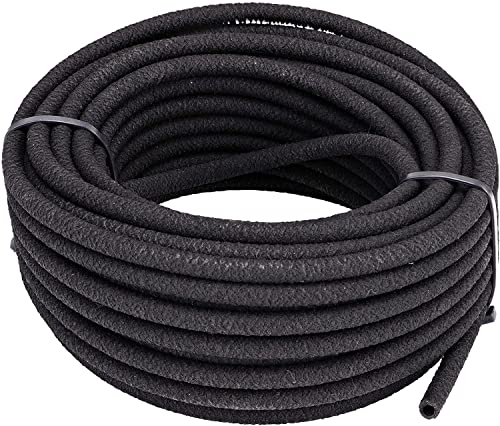
Slowly waters the soil around your plants for complete root zone hydration; Ideal for short runs on flat surfaces, such as vegetable gardens, borders, and around small plants

Lightweight water hose is made of 100% recycled vinyl, clog resistant fabric cover for consistent soaking in the garden or around foundations
Time of Day
Watering early in the morning helps prevent evaporation and allows plants to soak up moisture before the heat of the day. If that’s not possible, watering late in the afternoon works too, but avoid evening watering to prevent fungal diseases. By controlling when you water, you maximize absorption and reduce water waste.
- Drip Irrigation: This system delivers water directly to the plant roots, minimizing evaporation and runoff. It’s efficient and ideal for most vegetable gardens.
- Soaker Hoses: Soaker hoses provide a slow, steady water release. Lay them on top of the soil or beneath mulch for a consistent moisture supply.
- Hand Watering: Use a hose with a spray nozzle for precision. Focus on the base of plants to ensure deep watering.
- Sprinklers: Consider oscillating or stationary sprinklers for larger areas. Adjust settings for even coverage; prefer early morning for operation.
Utilizing these methods effectively meets the watering needs of your vegetable garden while conserving water. Keep checking soil moisture regularly and adjust your practices as the season changes.
Common Watering Mistakes
Understanding common watering mistakes can help you maintain a healthy vegetable garden. Overwatering and underwatering are two frequent pitfalls that can lead to poor plant growth.
Recommended Products

Effortless Watering Automation: The Orbit Mechanical Water Timer helps manage lawn and garden irrigation with a reliable mechanical water timer design and hose faucet timer control

【Easy Programming Program】Through the Sprinkler Timer to program, you can set the Start Time, Watering Duration is 1min-3h59min, Watering Frequency from 1h to 12h or 1 day to 7 days, so you can customize your watering time, and can be more accurate.
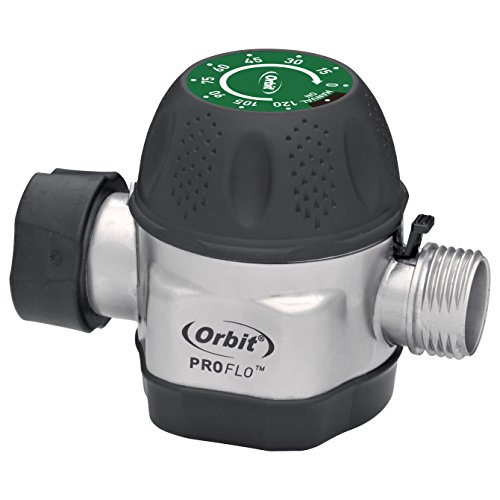
HIGH-FLOW DESIGN: 20% more water flow than standard mechanical timers, helping you water your plants with much greater ease and efficiency.
Overwatering
Overwatering drowns roots and leads to root rot. Symptoms include yellowing leaves and wilting. To avoid this mistake, ensure your soil drains well. Use a moisture meter to check soil moisture levels. Water only when the top inch of soil feels dry. Deep watering promotes stronger root growth.
Underwatering
Underwatering deprives plants of necessary moisture, causing stunted growth. Dry soil leads to wilting and a lack of vigor. To prevent this, monitor weather conditions and adjust your schedule accordingly. During hot spells, check soil moisture more frequently. Aim for consistent watering based on plants’ specific needs. For instance, some leafy greens might require watering every 2 to 3 days, while root vegetables might need deep watering twice a week.
Conclusion
Finding the right balance for watering your vegetable garden is key to its success. By paying attention to your plants’ specific needs and adjusting based on soil conditions and weather, you can keep your garden thriving. Regularly checking soil moisture will help you avoid the pitfalls of overwatering and underwatering.
Remember to adapt your routine as the seasons change and your plants grow. With a little observation and care, you’ll be well on your way to a bountiful harvest. Happy gardening!
Frequently Asked Questions
How often should I water my vegetable garden?
The frequency of watering your vegetable garden depends on factors like plant type, soil conditions, and weather patterns. Generally, root vegetables require deep watering at least twice a week, while leafy greens prefer watering every 2 to 3 days. Fruit-bearing plants need about 1 to 1.5 inches of water weekly.
What are the risks of overwatering?
Overwatering can drown plant roots and lead to root rot, resulting in symptoms like yellowing leaves and wilting. It’s essential to ensure proper soil drainage and use a moisture meter to check moisture levels before watering.
How can I tell if my soil is too dry?
To check if your soil is too dry, stick your finger about an inch deep into the soil. If it feels dry at that depth, it’s time to water. Regular moisture checks help maintain optimal hydration for your plants.
Should I water my garden in the morning or evening?
Watering early in the morning or late in the afternoon is best to minimize evaporation loss. This timing allows the plants to absorb moisture before the heat of the day, promoting healthier growth.
How does weather affect my watering schedule?
Adjust your watering based on weather conditions. Increase watering frequency during hot, windy days and reduce it during rainy periods. Regularly check soil moisture to accommodate changes in the weather and your plants’ needs.
What are common watering mistakes to avoid?
Common watering mistakes include both overwatering and underwatering. Overwatering can suffocate roots, while underwatering deprives plants of necessary moisture. Ensure proper drainage, monitor soil moisture, and tailor your watering schedule based on your plant types.

My interest in trees started when I first saw the giant sequoias in Yosemite.I was a teenager then, and I remember thinking, “I need to learn more about this.”That moment stuck with me.A few years later, I went on to study forestry at Michigan Tech.
Since graduating, I’ve worked in a mix of hands-on tree care and community education.I’ve spent over ten years helping people understand how to plant, maintain, and protect the trees in their neighborhoods.I don’t see trees as just part of the landscape.They are living things that make a real difference in our daily lives.