Are you wondering when to start your fall garden in Texas? With its unique climate, timing can make all the difference between a bountiful harvest and a disappointing yield. If you’ve ever felt uncertain about when to plant those seeds, you’re not alone. Many gardeners face this challenge every year.
Key Takeaways
- Timing for Planting: Fall planting in Texas varies by region; North Texas typically plants from mid-August to early October, Central Texas from mid-September to late October, and South Texas until late October.
- Understanding Frost Dates: Knowing average first frost dates is crucial for planning. North Texas sees frosts by late October, Central Texas by mid-November, and South Texas by late November.
- Vegetables and Herbs: Focus on cool-season vegetables and hardy herbs for your fall garden, such as broccoli, carrots, spinach, and parsley, which thrive in lower temperatures.
- Soil Preparation: Enhance soil quality through testing and organic amendments like compost to ensure optimal nutrient levels and pH between 6.0 to 7.0 for plant growth.
- Planting Indicators: Look for signs like dropping nighttime temperatures, local planting events, and soil temperatures between 60°F to 75°F to determine the best planting time.
- Regional Knowledge: Familiarize yourself with your local planting zone to select appropriate crops and maximize yield through tailored planting schedules and techniques.
Understanding the Fall Growing Season in Texas
Understanding the fall growing season in Texas requires knowledge of the state’s diverse climate and specific planting zones. Timing plays a vital role in ensuring successful gardening.
Regions of Texas and Planting Zones
Texas features multiple regions, each with distinct planting zones that affect crop success. You should know your zone to select appropriate plants and planting times.
- North Texas (Zones 7a to 8a): Cooler temperatures, with a typical fall planting window from mid-August to early October for crops like kale and broccoli.
- Central Texas (Zones 8a to 9a): Milder falls allow for crops like spinach and carrots to be sown from mid-September to late October.
- South Texas (Zones 9b to 10a): Warmer climates let you plant until late October, perfect for growing lettuce and radishes.
Identifying your regional zone helps maximize the yield and minimize risks from unexpected weather changes.
Average First Frost Dates
First frost dates vary across Texas, impacting your planting schedule. Knowing these dates assists in planning when to start seeds or transplant seedlings.
| Region | Average First Frost Date | Ideal Planting Window |
|---|---|---|
| North Texas | Late October | Mid-August to Early October |
| Central Texas | Mid-November | Mid-September to Late October |
| South Texas | Late November | Early September to Late October |
Monitor local weather forecasts to adapt your planting schedule as first frost dates approach. Adjustments in response to climate conditions can enhance your gardening success.
Best Vegetables for Fall Gardens
Selecting the right vegetables for your fall garden in Texas is crucial for a successful harvest. Focus on varieties that thrive in cooler temperatures.
Recommended Products

Complete Fall & Winter Garden Mix Grow a diverse selection of cool-season crops with this premium pack of 12 heirloom vegetable seeds ideal for fall and winter gardens providing reliable varieties that thrive in colder weather and deliver strong performance for beginner and experienced gardeners
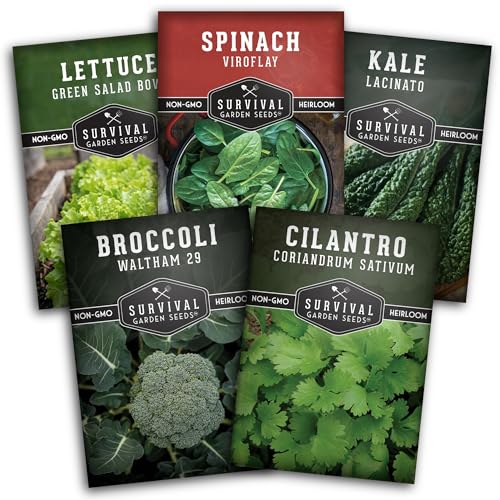
5 COOL SEASON VARIETIES – Includes Broccoli Waltham 29, Kale Lacinato, Lettuce Green Salad Bowl, Spinach Viroflay, and Cilantro for versatile garden harvests

COLD HARDY SEED PACK: Brave the chill with this 10-pack of cold-tolerant crops! From hearty Champion Collard Greens and Dazzling Blue Kale to sweet Nantes Carrots and vibrant Rouge d'Hiver Lettuce, this collection is perfect for cool-season gardening.
Cool-Season Vegetables
Cool-season vegetables grow best when temperatures drop. In Texas, ideal planting times are influenced by local frost dates. Consider planting these options:
- Broccoli: Start seeds indoors by mid-July and transplant by August. Harvest usually occurs within 70-80 days.
- Cauliflower: Similar to broccoli, plant seeds indoors by mid-July and set them outdoors in August.
- Carrots: Directly sow seeds in mid-September to late October. They take about 70-80 days to mature.
- Spinach: Plant in late September for a high yield. Spinach thrives in cooler weather and typically matures in 40-50 days.
- Kale: Sow seeds outdoors in late August to early September, maturing in about 55-75 days.
Herbs and Greens to Consider
In addition to vegetables, herbs and leafy greens fit well in your fall garden. They often tolerate cooler conditions well and can enhance your dishes. Recommended options include:
- Parsley: Start seeds directly in the garden by mid-September. It grows well into winter.
- Cilantro: Plant seeds in September for a fresh flavor. Enjoy the harvest within 40-50 days.
- Lettuce: Choose fast-growing varieties, often ready to harvest in about 30 days.
- Swiss Chard: Sow seeds in September. This hardy green withstands frost and thrives in cooler weather.
By focusing on cool-season vegetables and hearty herbs, your fall garden can flourish even as temperatures dip.
Ideal Timing for Planting
Knowing the ideal timing for planting your fall garden in Texas can significantly influence your success. Understanding signs and specific dates based on regions helps in planning effectively.
Signs of the Right Time
Look for specific indicators to determine the right planting time. These signs include:
- Temperature Drops: Monitor temperatures. When nighttime lows consistently fall below 70°F, it’s time to start planting cool-season crops.
- Local Planting Events: Check your local garden club or cooperative extension for planting days celebrated in your area.
- Soil Temperature: Ensure your soil temperature measures between 60°F and 75°F for optimum seed germination.
Dates Based on Regions
Texas planting zones impact when you should begin your fall garden. Here’s a breakdown by region:
| Region | Ideal Planting Dates for Key Vegetables |
|---|---|
| North Texas | Mid-August to Early September for broccoli, peas, and kale |
| Central Texas | Late August to Mid-September for carrots, radishes, and spinach |
| South Texas | September to Early October for collards, mustard greens, and parsley |
By understanding local conditions and applying this information, you can time your planting perfectly for a successful fall harvest.
Preparing Your Soil for Planting
Preparing your soil sets the foundation for a successful fall garden in Texas. Focus on enhancing soil quality and ensuring the right conditions for your plants.
Soil Amendments and Testing
Conduct soil testing to determine nutrient levels and pH balance. Test kits are available at garden centers or through local extension services. Aim for a pH of 6.0 to 7.0 for optimal growth.
Incorporate organic matter such as compost or well-rotted manure to enrich your soil. Mix in a 2- to 3-inch layer of compost into the top 12 inches of soil. This boosts nutrients and improves soil structure. Amendments like bone meal or blood meal can help provide phosphorus and nitrogen, respectively.
Best Practices for Fall Preparation
Clear your garden area of any debris or old plants. Remove weeds, as they compete with your vegetable crops for nutrients. Loosen the soil using a garden fork or tiller for better drainage and root penetration.
Maintain moisture by testing soil consistency. Soil should feel crumbly and pliable but not overly wet. Water the soil lightly and let it rest for several days before planting.
Plan your layout based on companion planting principles. Place plants that benefit each other close together. For example, plant carrots near onions to deter pests.
Ensure your garden beds are raised if drainage is an issue. Raised beds allow for better airflow and roots access to nutrients.
By taking these steps, you enhance soil conditions for a robust fall garden in Texas.
Conclusion
Getting your fall garden started in Texas can be a rewarding experience when you know the right timing and techniques. By paying attention to your specific planting zone and local frost dates you can set yourself up for a bountiful harvest.
Remember to choose cool-season crops that thrive in the cooler temperatures and prepare your soil properly to give your plants the best chance to flourish. With a little planning and care you’ll be well on your way to enjoying a delicious fall garden filled with fresh vegetables and herbs. Happy gardening!
Frequently Asked Questions
What is the best time to start a fall garden in Texas?
The best time to start a fall garden in Texas varies by region. In North Texas, aim for mid-August to early September, while Central Texas recommends late August to mid-September. For South Texas, plant between September to early October. Check local frost dates to optimize planting schedules.
How do I know my planting zone in Texas?
Texas has multiple planting zones based on climate and temperatures. Use the USDA Plant Hardiness Zone Map, which divides Texas into zones ranging from 6a to 9b. Knowing your zone helps you select the right plants for your fall garden.
What vegetables are suitable for a fall garden?
For a successful fall garden, plant cool-season vegetables like broccoli, cauliflower, spinach, kale, and carrots. Herbs like parsley and cilantro also thrive in cooler temperatures. Select varieties that suit your specific Texas planting zone.
How do I prepare soil for my fall garden?
Prepare your soil by conducting a soil test to check nutrient levels and pH. Aim for a pH of 6.0 to 7.0. Incorporate organic matter, such as compost, and consider fertilizers like bone meal. Clear debris and loosen soil for better drainage before planting.
When should I plant seeds for fall crops?
Timing is crucial for fall crops. Start broccoli and cauliflower seeds indoors by mid-July. Sow carrots from mid-September to late October. Plant spinach in late September and kale in early September to ensure healthy growth in cooler weather.
What signs indicate the right time to plant?
Monitor local temperatures for drops and keep an eye on the average first frost date. Soil temperatures should be between 60°F and 75°F for optimal germination. Local gardening events may also serve as good indicators for planting times.
How can I maximize my fall garden yield?
To maximize yield, choose appropriate vegetables suited for your region, monitor weather forecasts, and know frost dates. Prepare your soil well and practice companion planting. Regular maintenance like watering and weeding will also help boost production.
Why is timing important for a fall garden?
Timing is crucial because Texas has diverse climates and varying frost dates. Planting at the right time ensures that seeds germinate properly and that crops can mature before the first frost, maximizing your harvest potential for the fall season.

My interest in trees started when I first saw the giant sequoias in Yosemite.I was a teenager then, and I remember thinking, “I need to learn more about this.”That moment stuck with me.A few years later, I went on to study forestry at Michigan Tech.
Since graduating, I’ve worked in a mix of hands-on tree care and community education.I’ve spent over ten years helping people understand how to plant, maintain, and protect the trees in their neighborhoods.I don’t see trees as just part of the landscape.They are living things that make a real difference in our daily lives.