I have always liked how quick pinch pots are to make with just a bit of clay.
They end up being perfect for tiny succulents or as a spot to drop my everyday items.
Over time I have tried different shapes and glazes to make them more interesting.
This list shows some of the versions I liked best for small planters and bowls.
You might want to try a few yourself if you have some clay on hand.
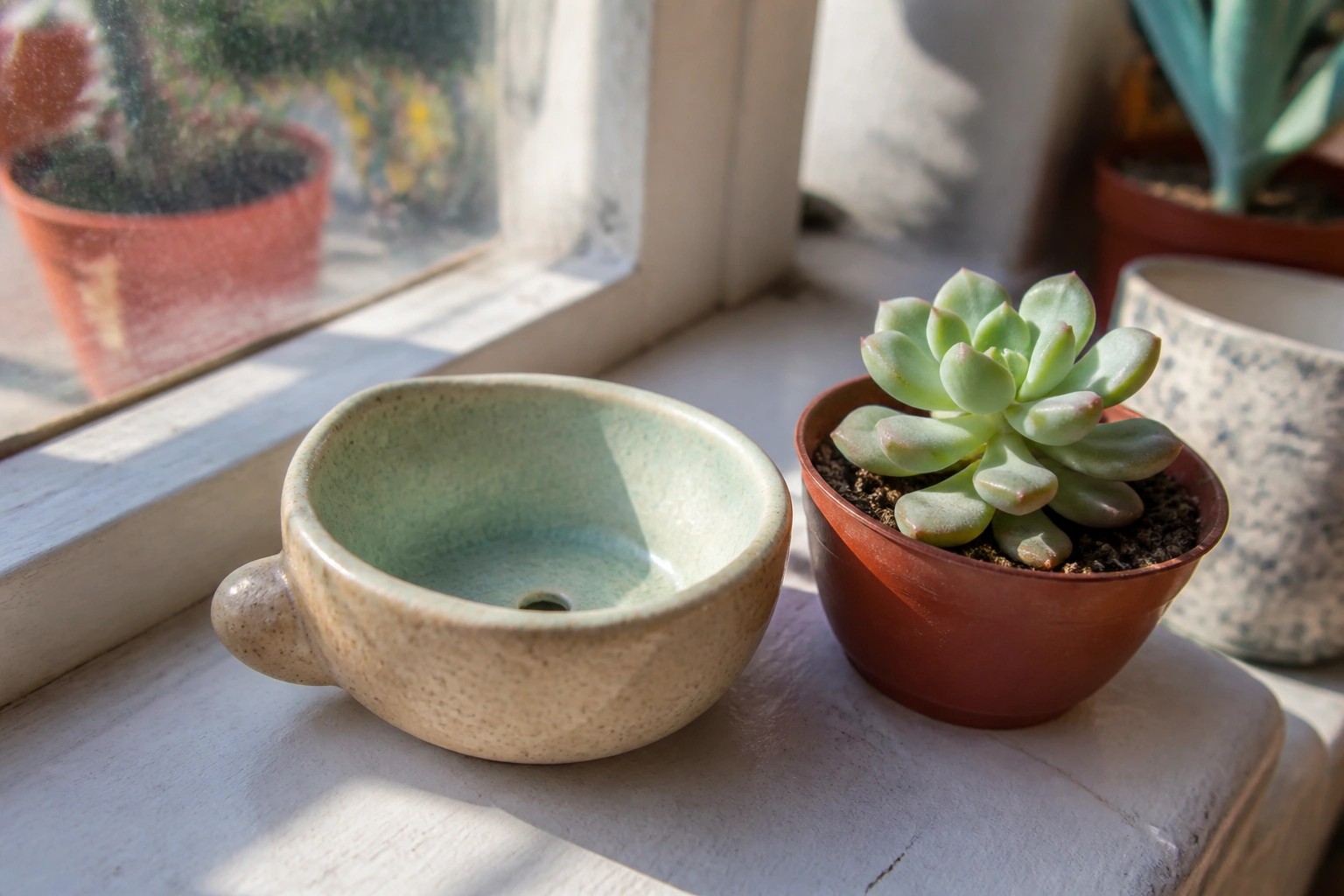
Speckled Pinch Pot Planter with Drainage Hole

A small pinch pot becomes a functional mini planter when you add a drainage hole at the bottom before firing. The inside gets a light green glaze that leaves the clay body visible in places, while the outside keeps the natural speckled texture. The rounded walls and modest size make it a good fit for succulents or small houseplants that need quick drainage.
What makes this idea useful is how the hole turns a basic bowl into something that actually works for live plants instead of just decor. You can change the glaze to a different color or leave the whole piece unglazed for a drier look. The same form works as a trinket dish if you skip the hole, and the compact shape lets you make several at once without using much clay or shelf space.
Asymmetrical Trinket Bowl with Two-Tone Glaze

A small ceramic trinket bowl shaped into an organic teardrop form gives you a compact holder for rings, earrings, or loose change. The exterior keeps the natural clay color and texture while the interior uses a light green glaze that pools into a darker brown at the bottom. This simple glaze contrast draws attention to the pinched shape without adding extra decoration.
What makes this idea useful is how the low, wide profile keeps small items visible and easy to grab on a dresser or entry table. You can adjust the curve of the rim or change the interior glaze color to match different rooms or gift themes. The same pinched form also works as a tiny plant saucer or a holder for paper clips on a desk.
Sun and Moon Face Trinket Bowl
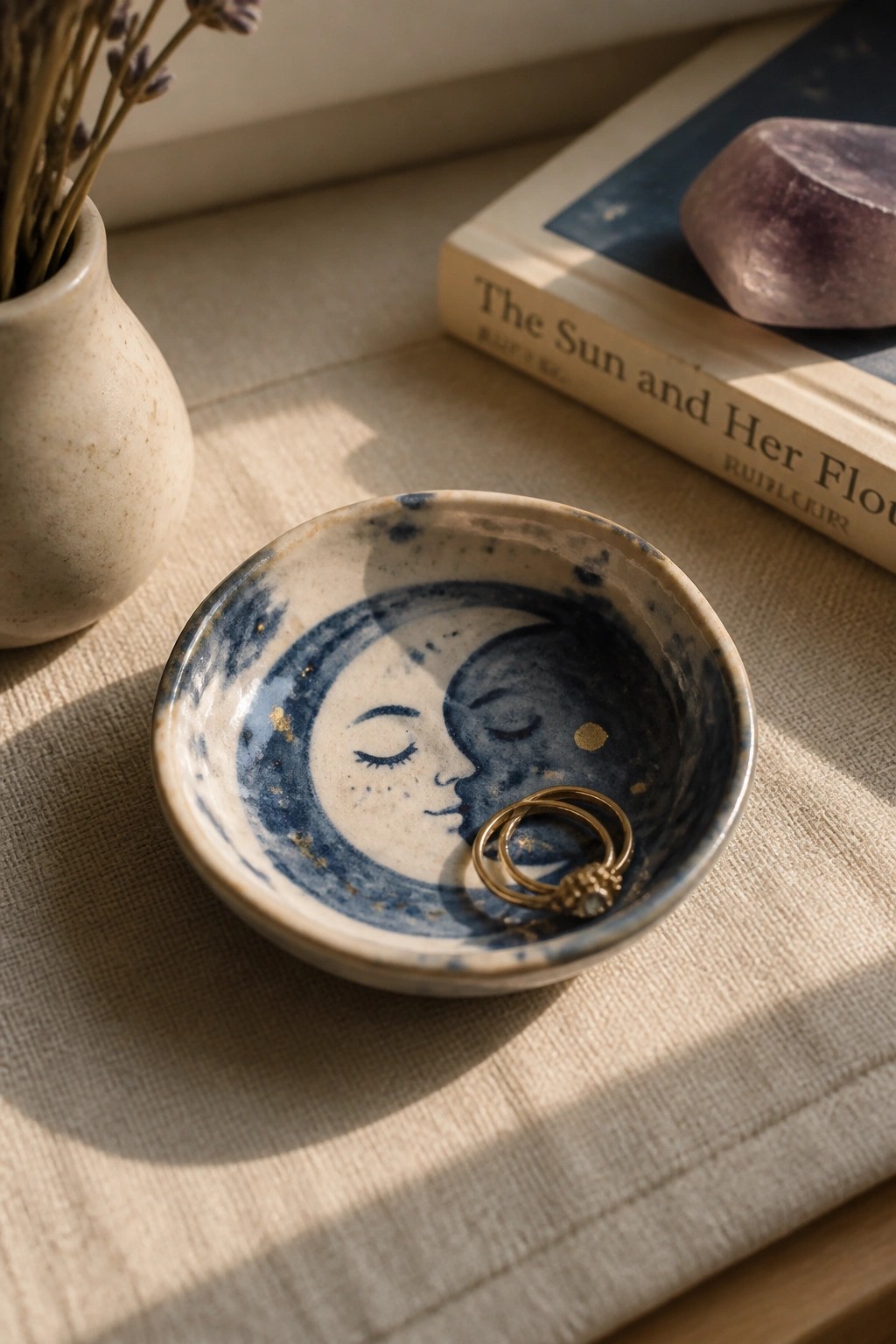
A small pinched clay bowl becomes a ring dish when you add a divided sun and moon face design across the interior. Blue underglaze creates the faces and outer rim while gold accents mark stars and highlights. The compact round shape keeps everything centered so rings or small items stay in place. This approach fits the trinket bowl category because the motif uses the full surface without needing extra sculpting.
The small scale makes this easy to adapt by swapping the faces for constellations or simple line patterns that match other pieces in a set. It works especially well on a nightstand or desk where you need quick access to rings or earrings. For a gift, something like this can be sized up slightly into a soap dish or left small for jewelry. The painted detail helps this stand out on Pinterest because the contrast reads clearly even in a thumbnail.
Hedgehog Pinch Pot Planter

A pinch pot shaped into a hedgehog works as a small planter by leaving an opening along the back for a plant. The body is pinched into a rounded form with four short legs, a tapered snout, and a surface textured to suggest spines. A simple two-tone glaze highlights the details without covering the handmade marks. This turns a basic clay shape into a figurine that holds an air plant or tiny succulent.
What makes this idea useful is the compact size that fits on a desk, windowsill, or shelf without needing much room. The same pinch pot base can be reworked into other animals by adjusting the head shape and adding different surface textures. For a gift, this style stands out because it combines a plant holder with a recognizable form that needs no extra stand or dish.
Lobed Pinch Pot Tea Light Holder

A small pinch pot formed into a four-lobed bowl makes a compact tea light holder. The rim is pinched outward in sections to create an irregular, organic edge while the base stays rounded and stable. A two-tone glaze treatment leaves the exterior in a matte gray and the interior in a warmer brown, which helps reflect the candle flame. This approach fits the trinket bowl or candle piece category and keeps the overall size under four inches wide.
The shape does a lot of the work here because the lobes create natural dips that keep the tea light centered without any added supports. You could rework the same pinch pot into a tiny ring dish or spice bowl by leaving the interior unglazed or switching to a matte finish. In a bathroom or on a desk this size stays out of the way while still giving a handmade accent. The form also adapts easily to different rim treatments or single-color glazing if you want to simplify the process for batch making.
Nested Speckled Pinch Pots as Trinket Bowls

These three small pinch pots were formed by hand into simple rounded bowls and finished with matte glazes in speckled off-white, blush, and teal. The shapes nest together cleanly, and the speckled surface comes from the glaze itself rather than added decoration. This style fits the trinket bowl category well because the compact size and open tops make them practical for holding rings, coins, or small desk items.
What makes this idea useful is how the nesting lets you keep the set together on a shelf without clutter. You could adapt the same basic pinch pot form to create just two bowls or adjust the glaze colors to match a specific room palette. For a gift, a set of three like this works especially well because the pieces stack for easy wrapping and the neutral tones suit most styles.
Polka Dot Trinket Bowl with Drippy Rim
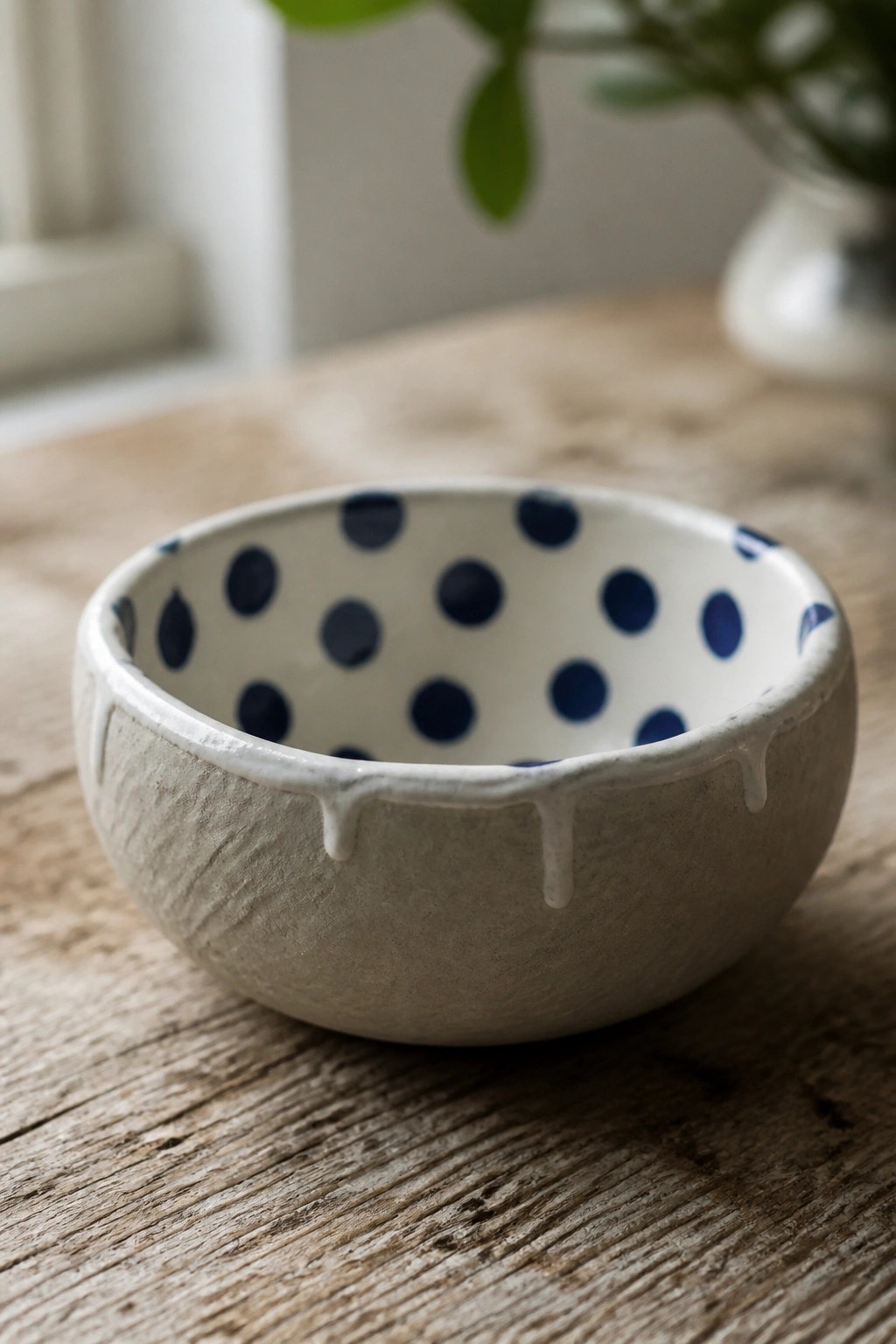
A small handbuilt bowl becomes a practical trinket holder when the interior is painted with a repeat pattern of blue dots on a white base. The exterior is left with a rough texture while the rim is coated in a white glaze that runs down the sides in short drips. This combination keeps the form simple yet gives the piece a clear visual focus on the inside surface. The scale stays compact enough to sit on a desk or shelf without taking up much space.
The small size makes this easy to turn into a ring dish or a holder for small desk items. You can swap the blue dots for any color that matches a room or skip the drip effect and use a clean rim line instead. What makes this idea useful is how the interior pattern stays visible even when the bowl is viewed from above, so it works well for everyday storage on a nightstand or vanity.
Footed Pinch Pot Planter for Small Plants
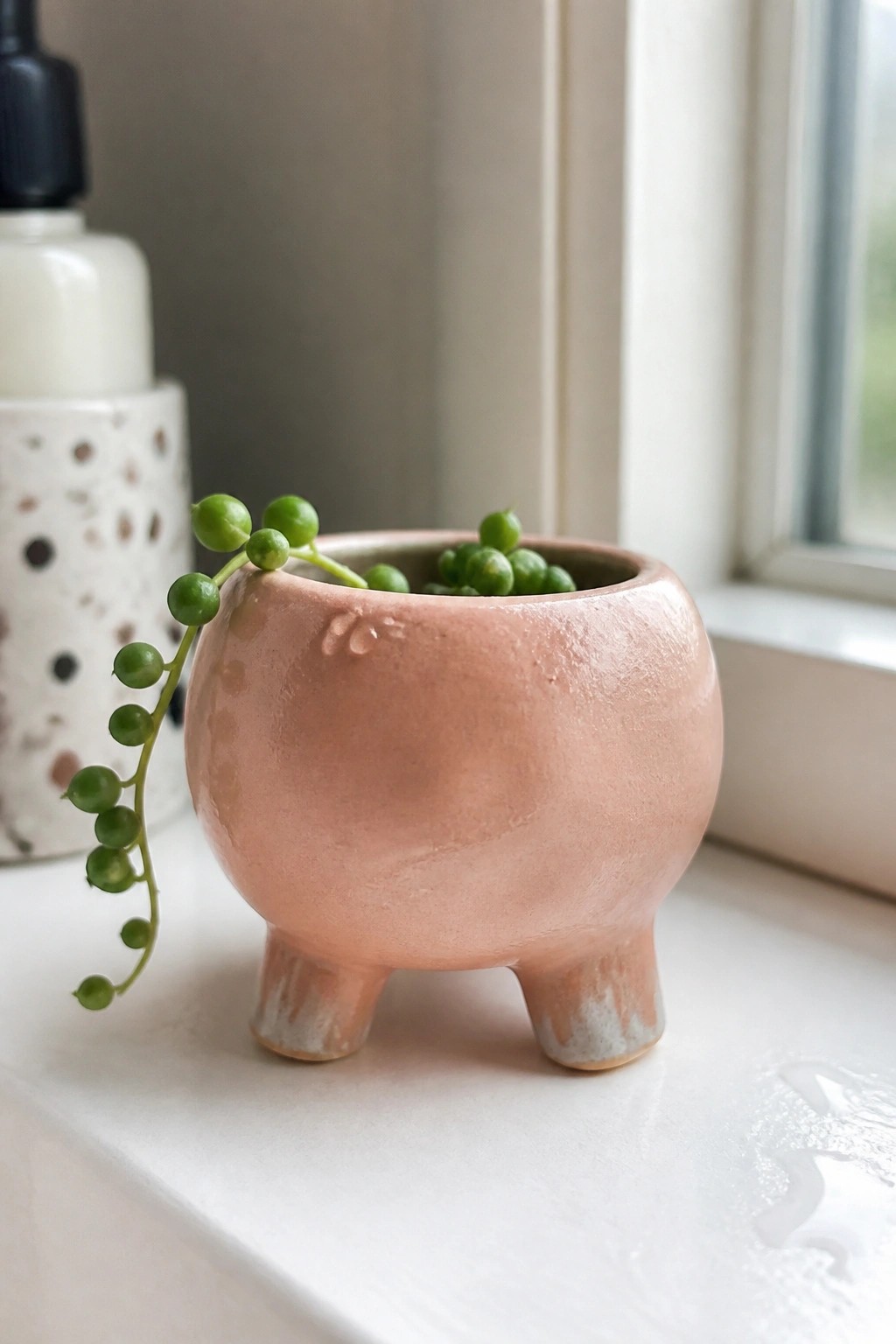
A basic pinch pot gets lifted into a small planter by adding three short clay feet to the base before firing. The rounded body stays simple and compact, while the matte pink glaze with faint white patches at the feet adds just enough surface variation. This shape works well for tiny trailing plants or succulents because the legs keep the pot from sitting flat and trapping moisture underneath.
What makes this idea useful is how the feet turn an ordinary pinch pot into a piece that sits nicely on a windowsill or shelf without blocking drainage. You could rework the same form with different foot heights or swap the glaze for a matte white or speckled finish to match other decor. In a small space, this size stays practical for grouping a few plants together, and the overall shape translates easily to a trinket bowl if you skip the plant.
Divided Oval Dish for Kitchen Seasonings

A small divided dish formed from clay creates two separate sections in one compact oval shape. The central wall stays low enough to keep the piece easy to handle while still separating contents like salt and pepper. Vertical lines pressed into the rim add texture and a finished edge before a light green glaze is applied. This approach turns a basic pinch pot into a practical kitchen item that stays small and functional.
What makes this idea useful is how the divided layout lets you keep two ingredients together without extra jars on the counter. The oval form fits narrow spaces between the stove and sink, and the impressed rim detail gives it more presence without added complexity. You could simplify the same shape into a single compartment trinket bowl or scale it slightly larger for a desk organizer. The small size also makes it quick to repeat in different glaze colors for matching sets.
Miniature Handled Pinch Pot Cup

A pinch pot forms the base for this tiny cup by pulling the clay walls upward into a compact cylinder shape and then attaching a small rolled handle on one side. The brown speckled clay body pairs with a solid yellow glaze on the interior to give clear contrast without extra decoration. This keeps the project simple while turning a basic pinch form into a functional miniature container.
The small scale makes this easy to adapt into a trinket holder or desk cup for paper clips and pins. You could skip the handle entirely to create a plain bowl version or leave the interior unglazed for a small succulent planter. A piece like this works especially well as a quick weekend project because the size reduces drying time and lets you test handle joining techniques.
Hanging Botanical Plaque

A flat clay disk with a single hole at the top creates a hanging plaque that displays a pressed plant motif. The maker rolled out a slab, cut an irregular circle, and impressed stems and flower heads directly into the surface before applying a turquoise glaze that settles into the recessed lines. This approach produces a lightweight decor object that hangs easily on a wall or from a hook.
What makes this idea useful is the way the impressed detail stays visible even after glazing without needing extra painting steps. You can adapt the same slab method to make smaller versions for a group or switch to different leaves for seasonal changes. The hanging format works in tight spots like above a desk or along a hallway where a bowl or planter would not fit. For another version, use the same impression on a shallow dish that still hangs but adds a small storage surface.
Marbled Pinch Pot Trinket Bowl
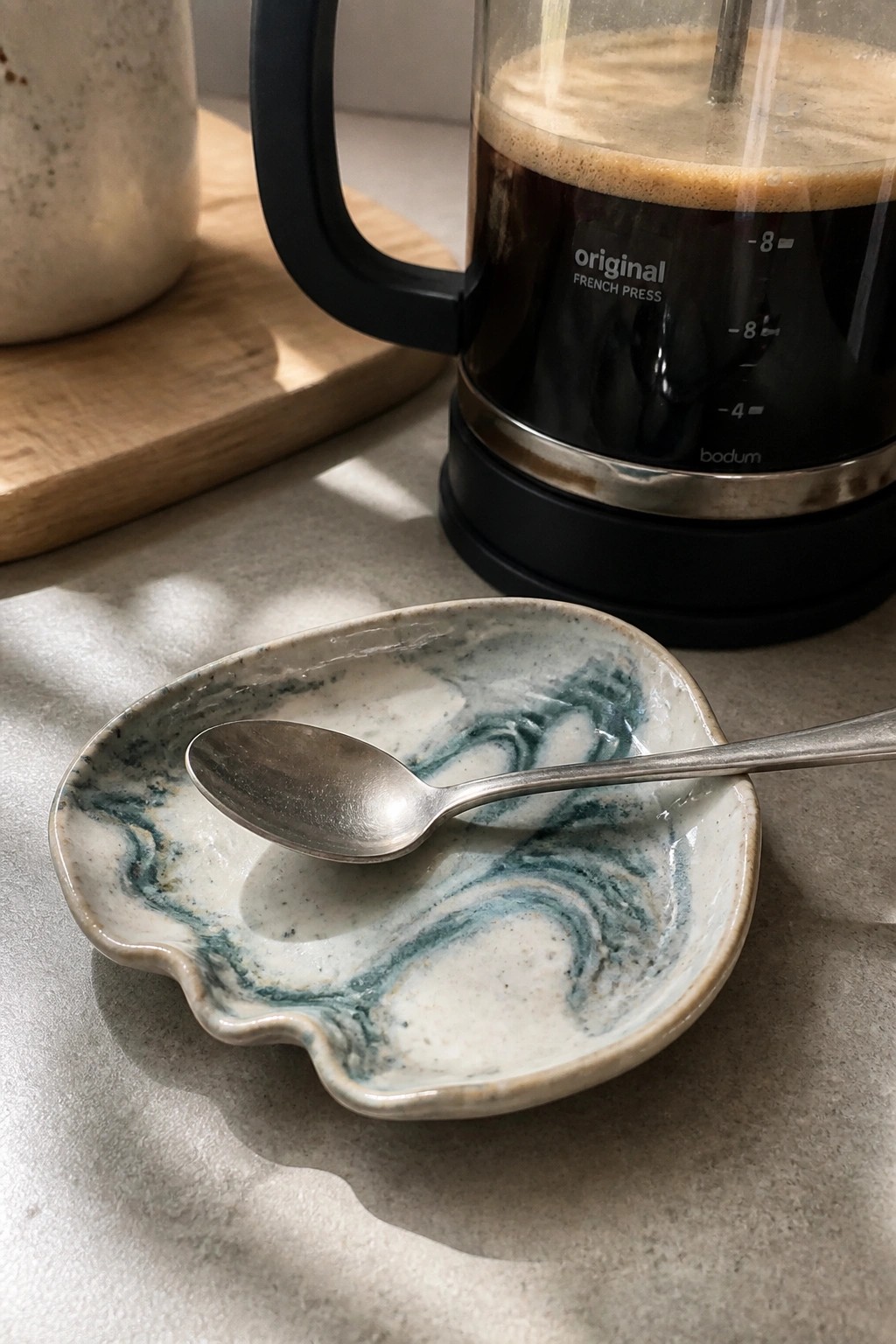
A small pinch pot pinched into an uneven, wavy shape makes a practical trinket bowl or spoon rest. The marbled glaze mixes white and blue-green tones across the surface to create movement without added carving or painting. This keeps the piece compact and simple while still giving it a distinct handmade surface that stands out on a counter or table.
The shape does a lot of the work here because the organic rim makes even a basic form look finished. You could repeat the same marbling on a rounder pinch pot or use it as a small plant saucer instead. In a kitchen the shallow depth holds a teaspoon cleanly during morning coffee without taking up much space, and the idea works just as well in solid colors or a two-tone dip if full marbling feels tricky.
Swirled Pink Shell Trinket Bowl

A small ceramic bowl formed with a shell-like shape and ruffled rim works well as a ring dish or trinket holder. The pinched edges create an irregular, shallow curve that keeps small items from sliding out. A pink and white marbled glaze covers the surface in loose streaks, giving the piece a soft pattern without added carving or handles. This fits the trinket bowl category because the compact size and open form make it easy to place on a vanity or nightstand for daily use.
The shape does a lot of the work here by suggesting a natural form that still functions as practical storage. You can adapt the marbling by blending two underglazes or using a simple slip trailing technique before the final firing. The same pinched shell works as a tiny holder for earrings in a bathroom drawer or a spot for loose change by the door. For a gift, something like this stands out because the color and edge detail make it look finished even when kept simple.
Bird Figurine Planter

A small ceramic bird can be formed by pinching and shaping the body into a hollow container with an opening along the back for soil. The wings and tail are added with simple carved lines that hold glaze texture, and a blue-green glaze covers the surface to create a mottled finish. This turns the bird into a functional figurine planter that holds a single small plant.
What makes this idea useful is the compact size that fits on a windowsill or narrow shelf without crowding other pots. You could rework the same hollow body shape into a different animal by adjusting the head and tail while keeping the back opening. The design works well as a gift because it pairs a living plant with a finished ceramic piece that needs no extra stand.
Marbled Swirl Trinket Bowl

A small pinch pot bowl like this uses two glazes swirled together to create a marbled brown and cream pattern across the interior and rim. The rounded form stays simple and low, which lets the glaze pattern become the main feature without extra carving or handles. This approach works well for a basic trinket bowl that can hold rings, keys, or loose change.
The compact size makes it easy to repeat in different glaze color pairs for matching sets. You could scale the same swirl technique up slightly for a mini succulent planter or keep it shallow for a desk catch-all. A piece this size also photographs cleanly for project shares since the glaze movement shows up clearly against neutral backgrounds.
Hanging Pinch Pot Planter with Side Holes
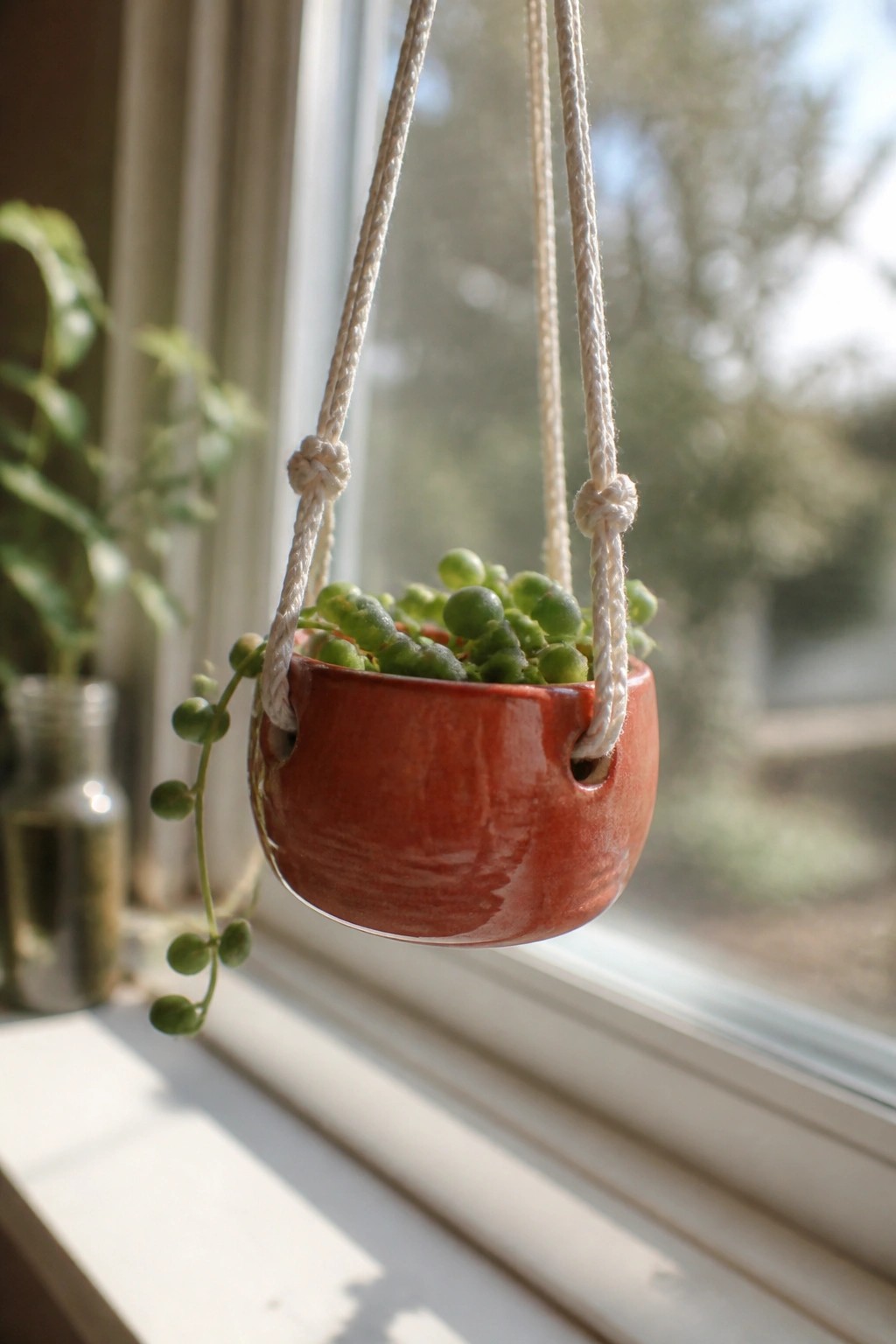
A small pinch pot becomes a hanging planter once you form or cut two holes near the rim and run cord through them. The simple rounded bowl shape holds soil for succulents or trailing plants while the holes keep the suspension low and stable. A glossy red glaze on the outside gives the piece a finished surface that still shows the hand-built form.
What makes this idea useful is that the holes turn an ordinary bowl into a suspended holder without extra fittings. You could scale the same shape up slightly for a bigger plant or swap the cord for leather or twine to change the look. This style fits a windowsill or shelf edge where you want the plant off the surface but still visible. The basic form is easy to repeat in different glaze colors for matching sets.
Divided Trinket Tray with Color-Blocked Sections
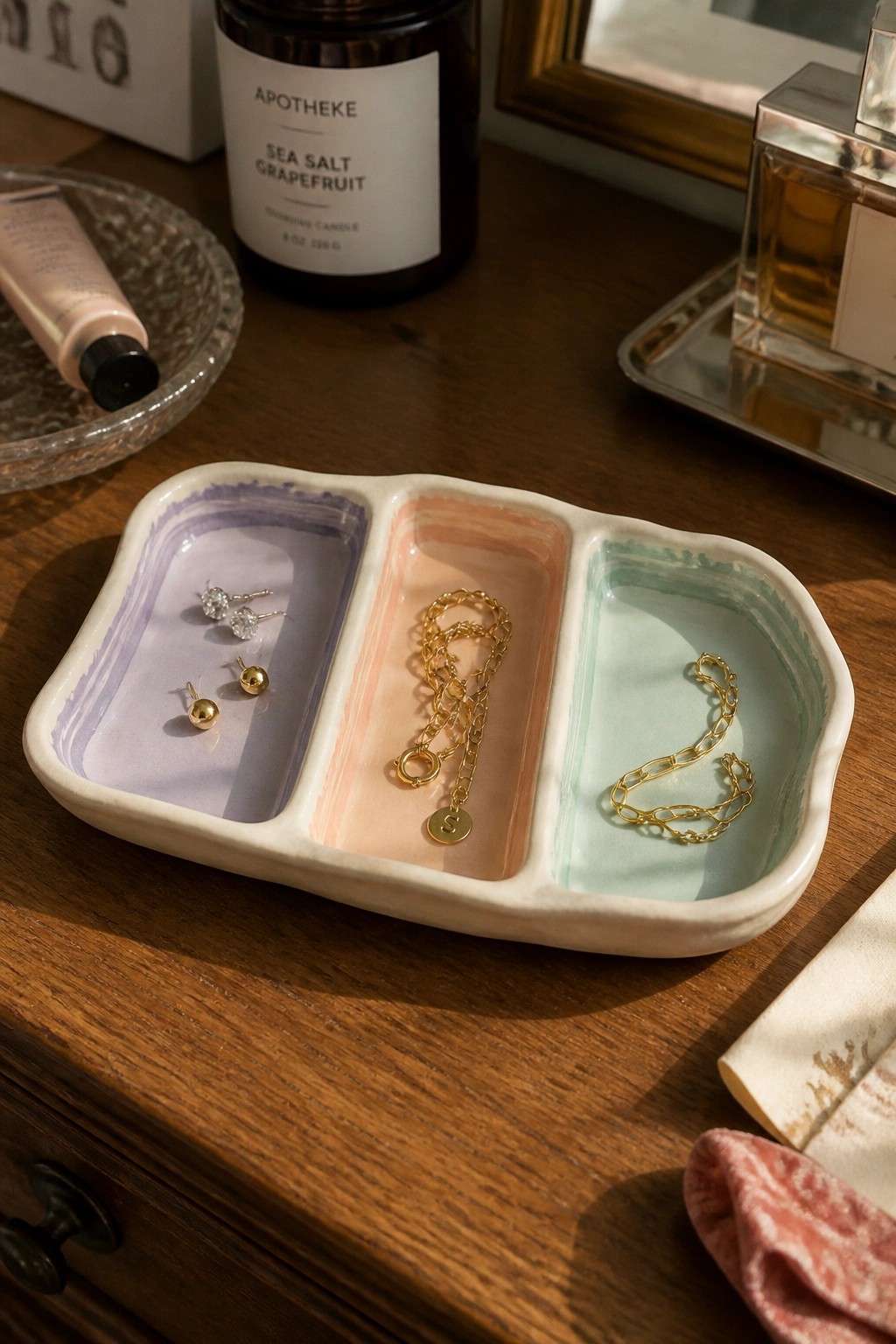
A three-compartment ceramic tray made from hand-built clay gives you separate spaces for sorting small items like earrings and necklaces. Each compartment receives its own glaze color, with soft edges where the glazes meet the white clay body. The overall oval shape stays low and wide, so the piece sits flat without tipping while the low dividing walls keep chains from sliding between sections. This fits the trinket bowl category and works especially well when the goal is simple daily organization rather than stacking or nesting.
What makes this idea useful is how the compartments solve the problem of mixed jewelry without needing lids or extra hardware. You could adapt the same layout by making two sections instead of three for a smaller nightstand version, or swap the pastel glazes for solid colors if you want something quicker to fire. The tray takes up little room on a dresser yet keeps items visible, which makes it easy to photograph and share as a finished project. For a gift, the divided format adds function that a plain bowl lacks.
Ridged Soap Dish for Bathroom Sinks

A small round ceramic dish becomes a functional soap holder when you press parallel ridges into the base and add two drainage holes between them. The low, wide form keeps the soap from sitting in water while the ridges create airflow underneath. A light green glaze with a slight speckle gives the piece a simple, finished look that works in most bathrooms.
What makes this idea useful is how the ridges solve a common problem without adding extra parts. You could adapt the same shape for a sponge holder next to the kitchen sink or scale it smaller for a jewelry dish on a nightstand. The drainage holes also make it easy to rinse the dish clean between uses.
Star Cutout Pinch Pot Candle Holder
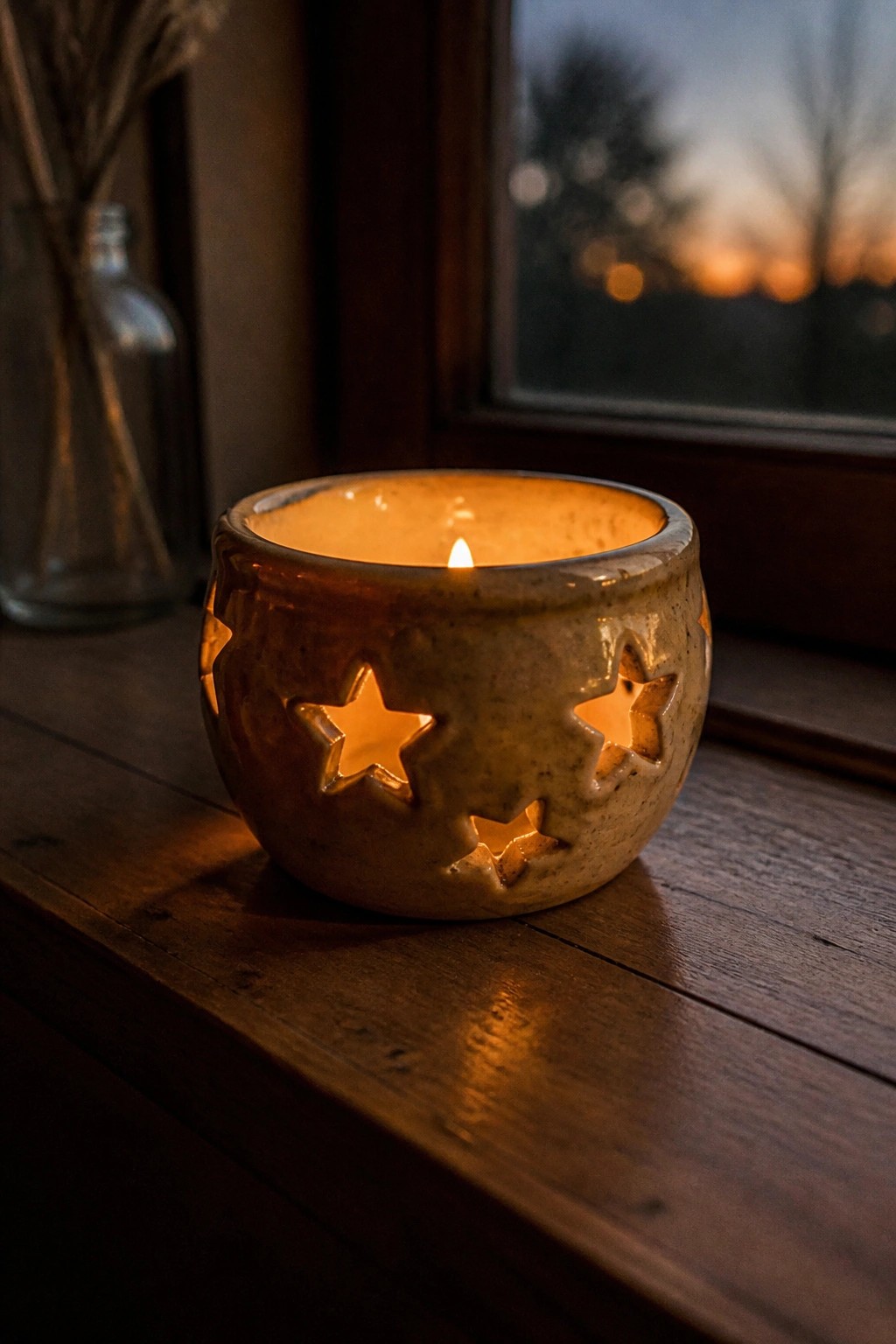
A pinch pot candle holder starts with a small rounded bowl formed by hand and then has star shapes cut through the walls before the piece is glazed and fired. The cutouts let light from a tea light or small candle pass through, turning the holder into a simple luminary. The speckled matte glaze in neutral tones keeps attention on the shapes rather than on surface color. This approach fits the candle piece category within small pinch pot projects.
What makes this idea useful is that the cutouts add function without requiring extra parts or hardware. You could swap the stars for circles, hearts, or leaves to match different seasons or rooms, or leave the walls solid and use the same shape as a trinket bowl instead. The compact size works on a nightstand, desk, or windowsill where it gives soft light without taking much space. For gifts the form is quick to repeat and easy to customize with new motifs.
Small Spouted Creamer from a Pinch Pot
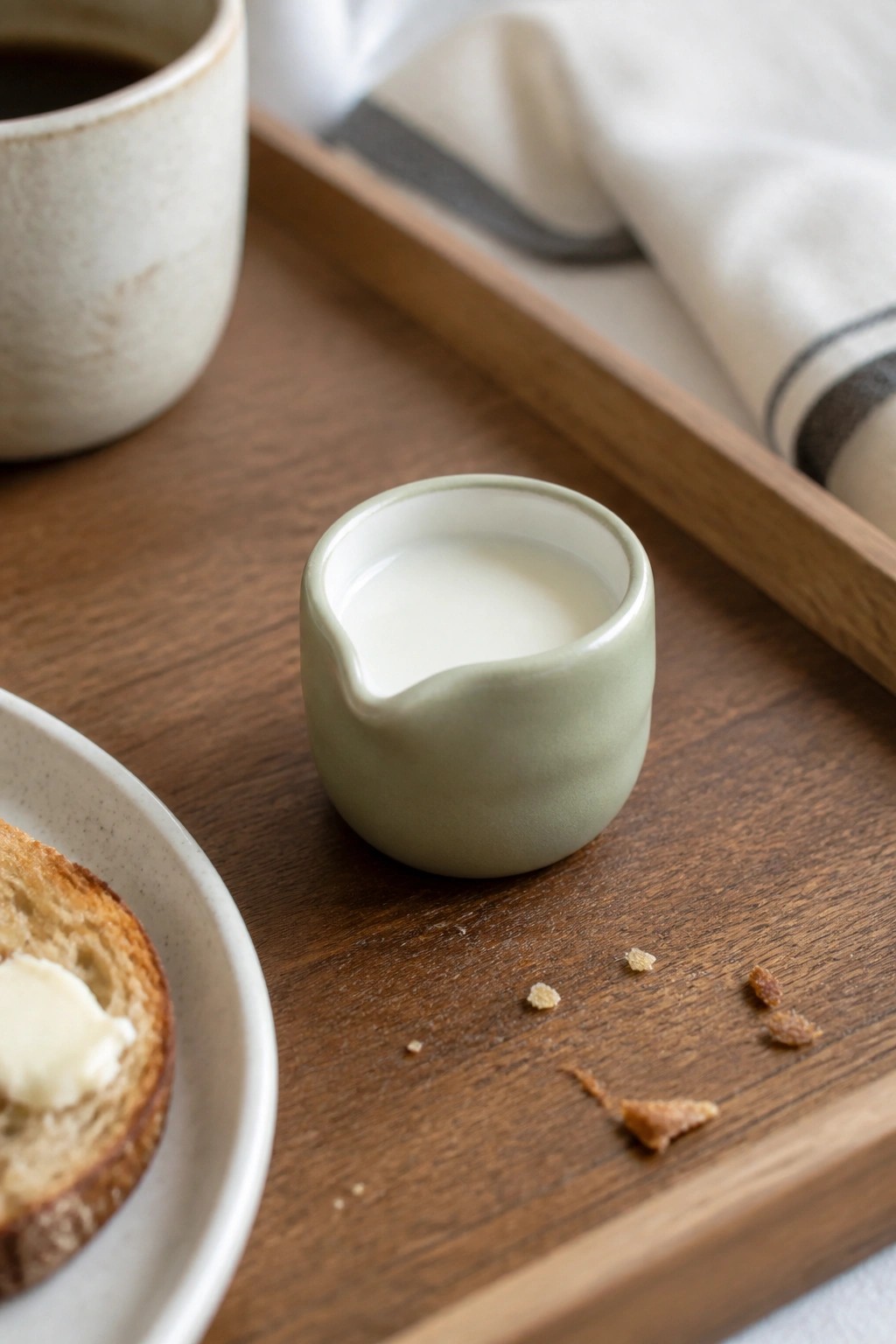
A small ceramic creamer begins as a basic pinch pot shaped into a rounded body with one section of the rim pinched outward to form a simple spout. The two-tone glaze, with a matte sage green on the outside and a glossy white inside, keeps the surface clean while highlighting the handmade form. This approach turns a standard pinch pot into a compact kitchen item that works for pouring cream or milk without needing handles or extra attachments.
The shape does a lot of the work here by giving the piece a clear function while staying small enough to fit on a tray or breakfast table. You could adapt the same size and spout detail into a tiny vase for a single stem or remove the spout entirely to make a basic trinket bowl. In a kitchen setting this kind of piece adds a practical option for daily use and shows up well in photos because the color contrast and minimal lines read clearly even at small scale.
Lotus Petal Trinket Bowl
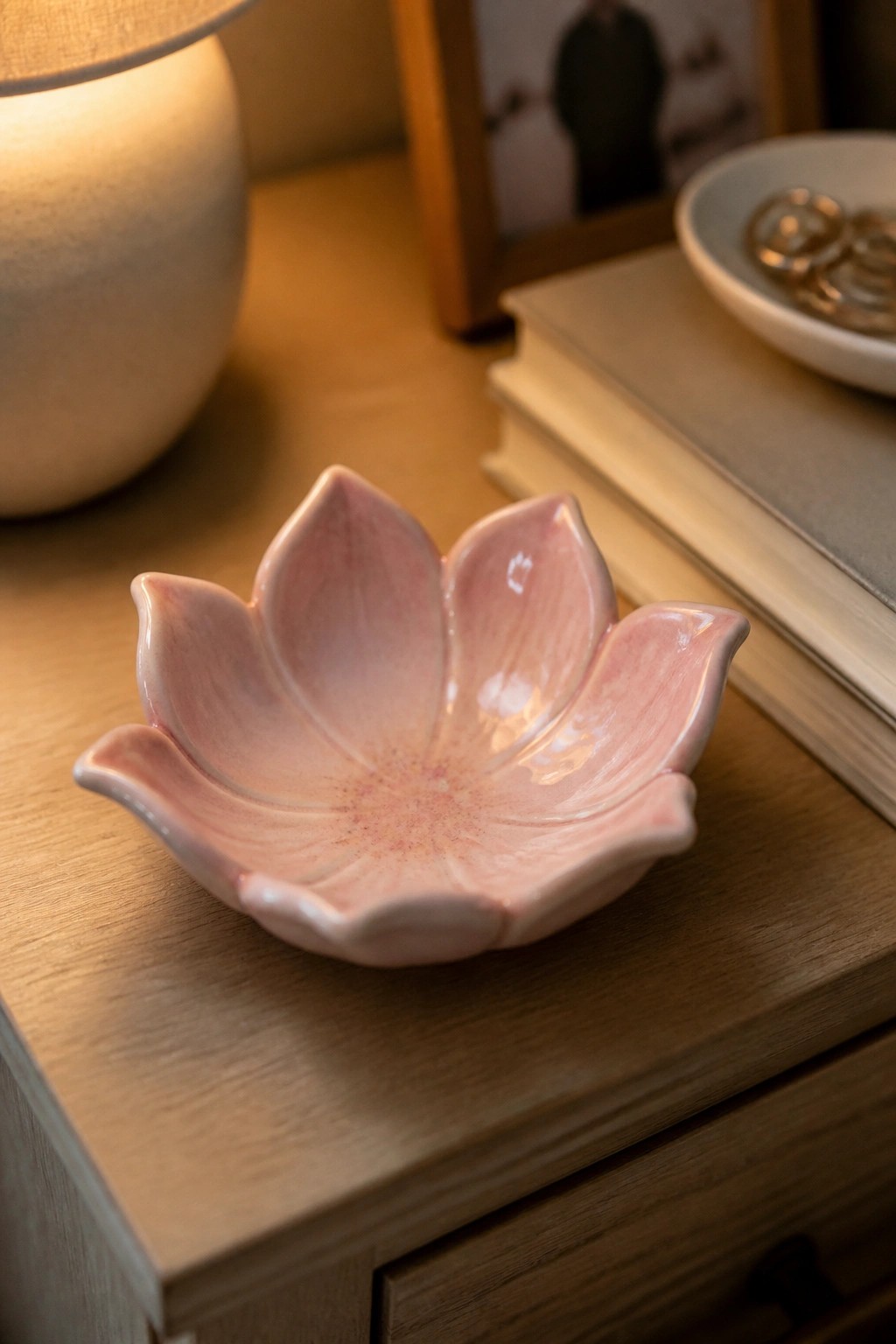
A small pinch pot gets formed into a lotus bowl by pulling and shaping the clay edges into overlapping petals that curve outward. The pink glaze blends from deeper tones at the base to lighter shades at the tips, with light speckling visible inside the finished piece. This approach turns a basic bowl into a ring dish or small storage piece that still reads as a flower without added handles or feet.
The shape does a lot of the work here by creating natural compartments for rings or earrings while staying compact enough for a nightstand or desk drawer. You could rework the same petal rim on a slightly wider base to hold keys or loose change, or switch to a matte glaze in a single color if you want less shine. For a gift, stamp initials on the underside before the final firing so the bowl feels more personal without changing the overall form.
Pear Shaped Pinch Pot Holders

These pear shaped pinch pots work as compact kitchen holders for salt, spices, or small items. Each one is formed with a rounded body, a pinched stem at the top, and a scooped front section that creates an open bowl area while keeping the overall fruit shape intact. The matte green and speckled yellow glazes add contrast and make the texture of the clay visible without overpowering the simple form.
What makes this idea useful is how the fruit shape turns a basic pinch pot into something recognizable for a kitchen counter or windowsill. The scooped front gives enough space for daily use while the small size keeps it from taking up much room. You could adapt the same pinched pear form for other holders by switching to different glaze colors or making a set with additional fruits like apples or lemons. In a gift project, two matching pieces like these stand out on Pinterest because the shape is clear even in a small photo.
House Planter with Brick-Textured Roof

A small ceramic house planter gives a basic slab or pinch pot build a clear house shape. The lower section forms a solid white cube with four square window cutouts on the front while the upper section adds a pitched roof detailed with impressed brick lines. The open square top lets a small plant sit inside and the overall form stays compact enough for a shelf or desk. This approach turns a simple planter into a recognizable building shape using only surface texture and cutouts.
What makes this idea useful is the small scale that works on crowded shelves or windowsills without needing much clay. You can adapt the roof by pressing a grid pattern with a stamp or ruler before firing and change the window layout to match different house styles. For a gift the house shape reads as more intentional than a plain pot and can be made in any glaze color. The same form could be reworked without the roof texture for a faster version or used as a small trinket holder instead of a planter.
Frequently Asked Questions
What type of clay works best for pinch pot planters and trinket bowls? Air dry clay suits quick indoor projects and requires no kiln, but it may not hold water long term without a sealant. Pottery clay that fires in a kiln offers stronger results for planters, allowing you to add drainage holes before firing and apply food safe glazes if desired.
How do I add drainage to the small planters featured in the ideas? Pinch a small hole or several holes into the base while the clay remains soft, then smooth the edges with your finger. Once dry or fired, place a layer of pebbles at the bottom before adding soil to improve water flow and protect plant roots.
What household tools help create the textures and shapes shown in the 23 ideas? Use items like forks, lace fabric, leaves, or bottle caps to press patterns into the clay surface. A small spoon or your fingertip works to refine the bowl shape and add subtle ridges without needing specialized pottery equipment.
How can I make the finished pinch pots waterproof for holding plants or small items? Apply a waterproof sealant such as acrylic spray or a pottery glaze after the clay dries completely. For fired pieces, multiple coats of glaze followed by kiln firing create a durable barrier that prevents moisture from soaking through the clay.
What steps help prevent cracking in these creative pinch pot designs? Work with clay that has consistent moisture and avoid thin walls by keeping the base and sides at least a quarter inch thick. Dry the pots slowly under a loose cover like plastic wrap to reduce rapid shrinkage, and score and slip any joined parts if you add handles or feet.

Pottery Path is my cozy corner of the internet where I share clay ideas, pottery inspiration, and simple projects you can recreate at home. I love exploring everything from air dry clay to handbuilt pottery to cute minis that brighten your day. My goal is to make clay crafting feel easy, fun, and welcoming for anyone who wants to try it.
You will find beginner friendly tutorials, creative pottery painting ideas, and lots of warm inspiration for slow and happy crafting. If you enjoy hands on creativity, this space will feel like home.