You can plant a pine cone and grow a tree, but success depends on the species and conditions. Start by collecting viable cones and preparing the right environment for germination to increase your chances of success.
Pine Cone Species for Successful Planting
When considering planting a pine cone to grow a tree, it’s essential to choose the right species. Different pine varieties have unique characteristics that affect their growth and adaptability. Understanding which pine cone species are best suited for successful planting can significantly increase your chances of nurturing a thriving tree.
Not all pine cones are suitable for planting. Different species produce cones that vary in size, shape, and seed viability. To ensure successful germination, focus on the following species known for their ease of propagation:
-
Eastern White Pine: Produces long cones with viable seeds.
-
Scots Pine: Known for its adaptability and hardiness.
-
Sugar Pine: Produces large cones and thrives in various soils.
Identifying the right cone is crucial for successful planting. Collect cones that are mature and have turned brown, as these contain seeds ready for germination.
Optimal Soil and Sunlight for Germination
When attempting to grow a tree from a pine cone, understanding the right conditions for germination is crucial. Optimal soil composition and sunlight exposure play significant roles in ensuring successful growth. This section outlines the essential requirements to create the best environment for your pine cone to sprout and thrive.
Creating an optimal environment is essential for seed germination. Choose a location that provides adequate sunlight and well-draining soil. Follow these steps for preparation:
-
Select a Container: Use seed trays or pots with drainage holes.
-
Fill with Soil: Use a mix of potting soil and sand to improve drainage.
-
Moisten the Soil: Ensure the soil is damp but not waterlogged.
The right environment encourages healthy root development and prevents seed rot.
Pine Cone Planting Techniques for Success
Planting a pine cone can be a rewarding endeavor, but it requires specific techniques to ensure success. Understanding the right methods for preparing and planting the cone will significantly increase your chances of growing a healthy pine tree. This section outlines effective strategies and tips tailored for beginners eager to cultivate their own coniferous trees.
Planting pine cones involves several straightforward steps. Follow this guide to maximize your chances of growing a healthy tree:
-
Collect Mature Cones: Gather cones from healthy trees.
-
Extract Seeds: Open the cones and remove seeds.
-
Soak Seeds: Place seeds in water for 24 hours to enhance germination.
-
Plant Seeds: Sow seeds about 1 inch deep in the prepared soil.
-
Water Regularly: Keep soil consistently moist but not soggy.
Monitor the seeds closely for signs of growth, which typically takes a few weeks.
Germination Obstacles for Pine Seeds
Germinating pine seeds can be a rewarding yet challenging process, as various obstacles can hinder their growth. Understanding these challenges is essential for beginners looking to successfully plant pine cones and nurture them into thriving trees. This section explores common germination issues and offers insights to help you overcome them.
Germinating pine seeds can be challenging due to various factors. Understanding these challenges can help you troubleshoot effectively:
-
Insufficient Moisture: Seeds may dry out if not watered regularly.
-
Poor Soil Quality: Heavy or compacted soil can hinder root growth.
-
Temperature Fluctuations: Extreme temperatures can affect germination rates.
Addressing these issues promptly can improve your success rate.
Recommended Products
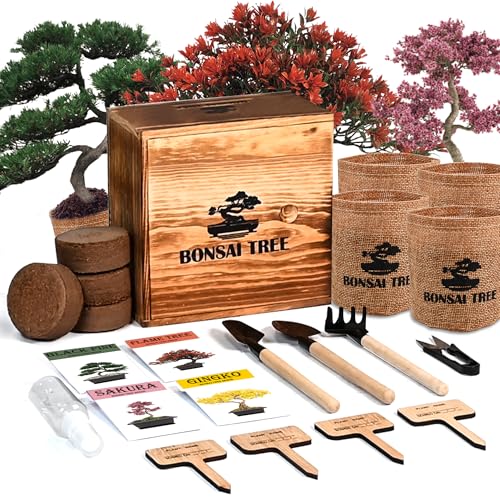
KIT INCLUDES: 4 types of bonsai tree seeds, 4 planter bags, 4 soil discs, 4 writable plant markers, 3 mini gardening tools, 1 bonsai pruner, 1 small water bottle, 1 planter box with cover and a gardening guide


KIT INCLUDES: 5 types of bonsai tree seeds, 5 plastic pots with drip trays, 5 soil discs, 5 plastic writable plant markers, 1 bonsai pruner, a mini tweezer, a small water bottle and a gardening guide.
Nurturing Young Pine Seedlings for Success
Nurturing young pine seedlings requires careful attention and specific techniques to ensure their successful growth. From selecting the right soil to providing adequate sunlight and moisture, each step plays a crucial role in transforming a simple seed into a thriving tree. This section will guide you through essential practices that promote healthy development for your pine seedlings.
Once your pine seeds have germinated, providing proper care is vital for their growth. Follow these guidelines to nurture young trees:
-
Provide Sunlight: Ensure they receive at least 6 hours of sunlight daily.
-
Fertilize Sparingly: Use a balanced fertilizer every few months.
-
Monitor for Pests: Check for signs of pests and treat them immediately.
Young trees require consistent care to thrive and develop into healthy specimens.
Pine Cone Planting Data and Insights
Understanding the nuances of planting pine cones can significantly enhance your chances of successfully growing a tree. This section delves into essential data and insights that reveal the best practices, timing, and conditions for planting pine cones, making it easier for beginners to navigate the process and cultivate healthy trees.
| Pine Species | Cone Size | Seed Viability | Germination Time | Growth Rate |
|---|---|---|---|---|
| Eastern White Pine | 3-6 inches | High | 2-4 weeks | Moderate |
| Scots Pine | 2-4 inches | Moderate | 3-5 weeks | Fast |
| Sugar Pine | 6-10 inches | High | 4-6 weeks | Slow |
This table summarizes key characteristics of various pine species to help you choose the best option for planting.
Expert Strategies for Pine Cone Planting
Planting a pine cone to grow a tree may seem straightforward, but it requires specific techniques for success. This section outlines expert strategies that will guide you through the process, ensuring you understand the essential steps and considerations for nurturing your pine cone into a thriving tree. Whether you’re a novice or looking to refine your skills, these tips will enhance your planting experience.
For those looking to enhance their planting success, consider these advanced techniques:
-
Cold Stratification: Mimic winter conditions by placing seeds in the refrigerator for 30 days before planting.
-
Grafting: Combine a desirable pine variety with a robust rootstock for improved growth.
-
Mulching: Apply a layer of mulch around young trees to retain moisture and suppress weeds.
Implementing these techniques can lead to healthier trees and better yields.
Pine Cone Planting Success Tips
Planting a pine cone can seem like a simple task, but achieving success requires understanding the right techniques and conditions. This section offers practical tips to help beginners navigate the process, ensuring that your efforts to grow a pine tree from a cone are both effective and rewarding. With the right approach, you can cultivate a thriving tree from this natural seed source.
Growing a pine tree from a cone is rewarding but requires patience and care. Be prepared for potential setbacks and adjust your methods as needed. Monitoring growth and adapting to environmental conditions will enhance your success.

My interest in trees started when I first saw the giant sequoias in Yosemite.I was a teenager then, and I remember thinking, “I need to learn more about this.”That moment stuck with me.A few years later, I went on to study forestry at Michigan Tech.
Since graduating, I’ve worked in a mix of hands-on tree care and community education.I’ve spent over ten years helping people understand how to plant, maintain, and protect the trees in their neighborhoods.I don’t see trees as just part of the landscape.They are living things that make a real difference in our daily lives.