
I’ve been working with clay for a while now and pinch and coil techniques are some of the first things I learned.
They let me build shapes without any special equipment which makes them great for beginners.
Over time I’ve tried out quite a few projects that help practice these methods while making useful or decorative items.
Some are simple bowls and others are a bit more involved like small sculptures.
These ideas have helped me improve my skills and I hope they do the same for you.
Painted Daisy Pinch Pot Mug
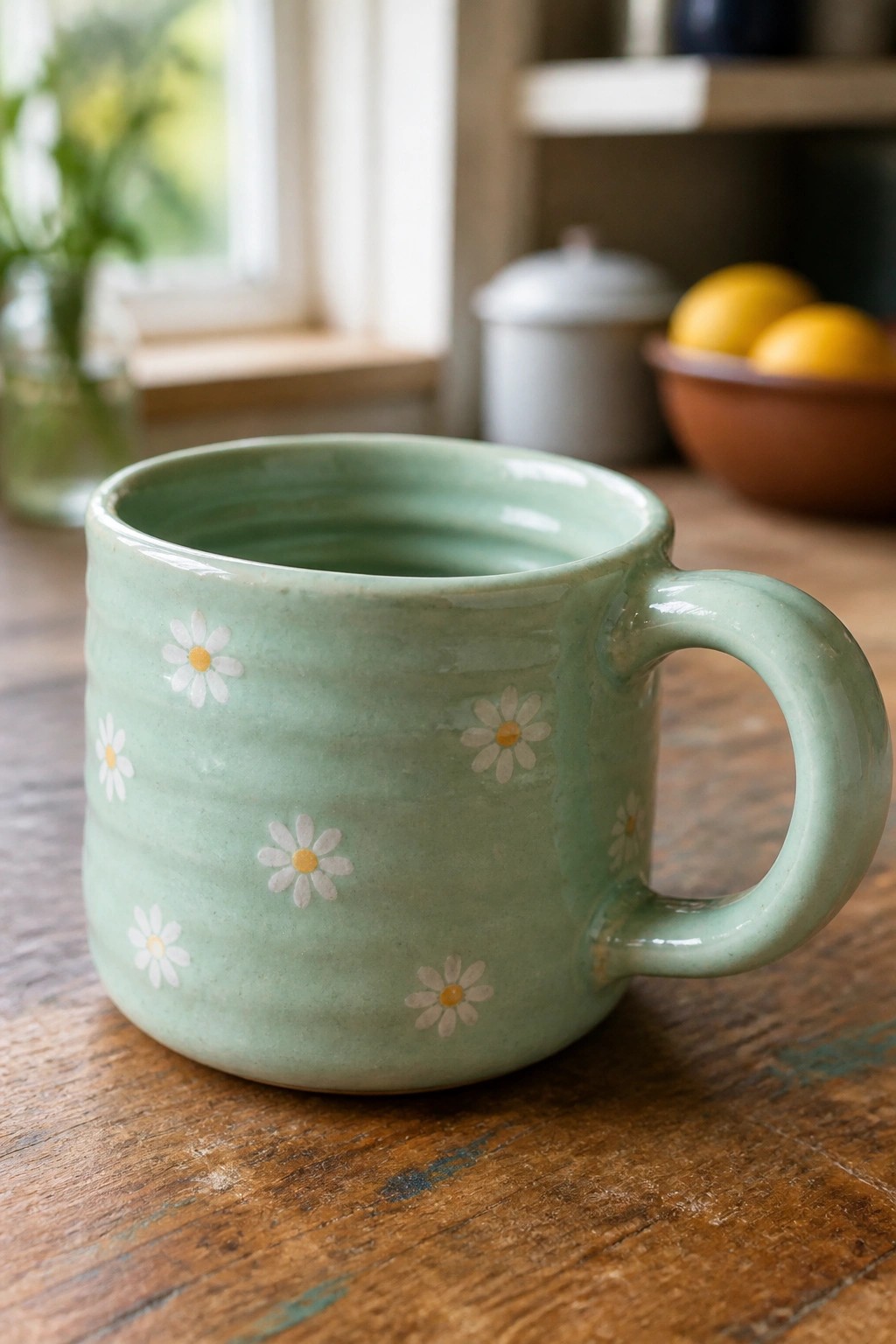
A simple pinch or coil mug gives you an easy starting shape for practicing even walls and a sturdy handle. The soft green glaze sets a clean base for the scattered white daisies with yellow centers, which can be added with a small stamp, brush, or slip trailer. Keeping the flowers spaced out prevents the surface from looking busy while still adding interest. This style works well for a basic drinking vessel that stays functional after firing.
What makes this idea useful is how the daisy pattern can be repeated on other handbuilt items like small bowls or butter dishes without much extra effort. You can change the glaze color or adjust the flower size to match different kitchen sets or gift themes. The muted background also helps minor thumb marks from pinching blend in better. For a quick variation, try the same motif on a taller tumbler shape instead.
Speckled Coil Bowl with Colored Rim
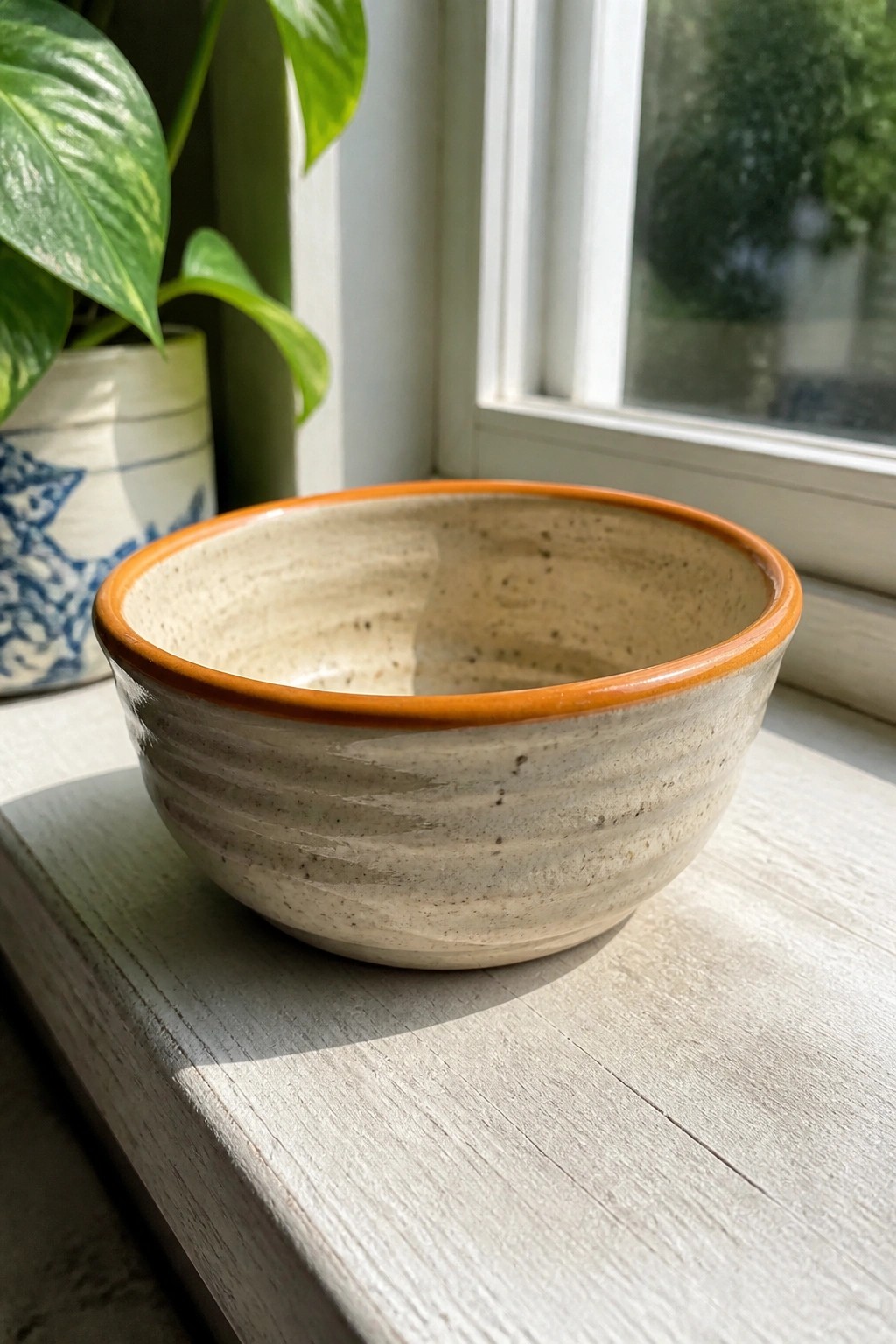
A low, wide bowl built from coils shows off the handbuilt process through its visible horizontal ridges. The speckled clay gives the surface a natural, varied look while the glossy orange rim adds a clean contrast along the edge. This approach keeps the form simple and functional as a small serving bowl or catch-all.
The compact size makes it quick to shape and easy to fit into a kiln load with other pieces. You could repeat the rim color on a set of matching plates or switch the speckle for a solid clay to change the mood. In a kitchen it holds condiments or fruit well, and the same rim treatment adapts easily to a slightly taller planter shape.
Coiled Two-Tone Planter with Drip Glaze

A small planter formed from stacked coils gives a straightforward way to practice even walls and controlled shaping. The upper section uses an orange glaze that runs down over the turquoise lower half, letting the colors overlap naturally along the ridges. This keeps the design simple while highlighting the handmade coil lines and the way the glazes settle during firing.
What makes this idea useful is how well the compact size fits on a windowsill or small table for succulents. You can swap the glaze colors or change the drip amount by adjusting how thick you apply the top layer. The same coil method works for slightly taller versions that hold small herbs or desk plants without needing extra tools or attachments.
Oval Lemon Painted Plates

Handbuilt oval ceramic plates with scattered lemon slices and leaf motifs offer a straightforward way to practice slab construction and underglaze painting. The design places whole and partial lemon rounds across the surface with small green leaves filling gaps, keeping the white clay base as negative space. The oval form gives the plates a slightly different function from standard rounds, working well as individual serving pieces or small trays. This project falls into the kitchen item category and stays simple enough to repeat across a set.
What makes this idea useful is how easily the lemon pattern scales to other shapes like round plates or a longer rectangular tray. The same color placement and spacing can be copied onto a matching bowl or used on just the rim of a larger platter for a quicker version. In a kitchen these plates stand out for holding snacks or small sides without needing much extra decoration. You could swap the lemons for another fruit or reduce the number of elements to make a single test piece before committing to a full set.
Pinch Pot Bird Figurine
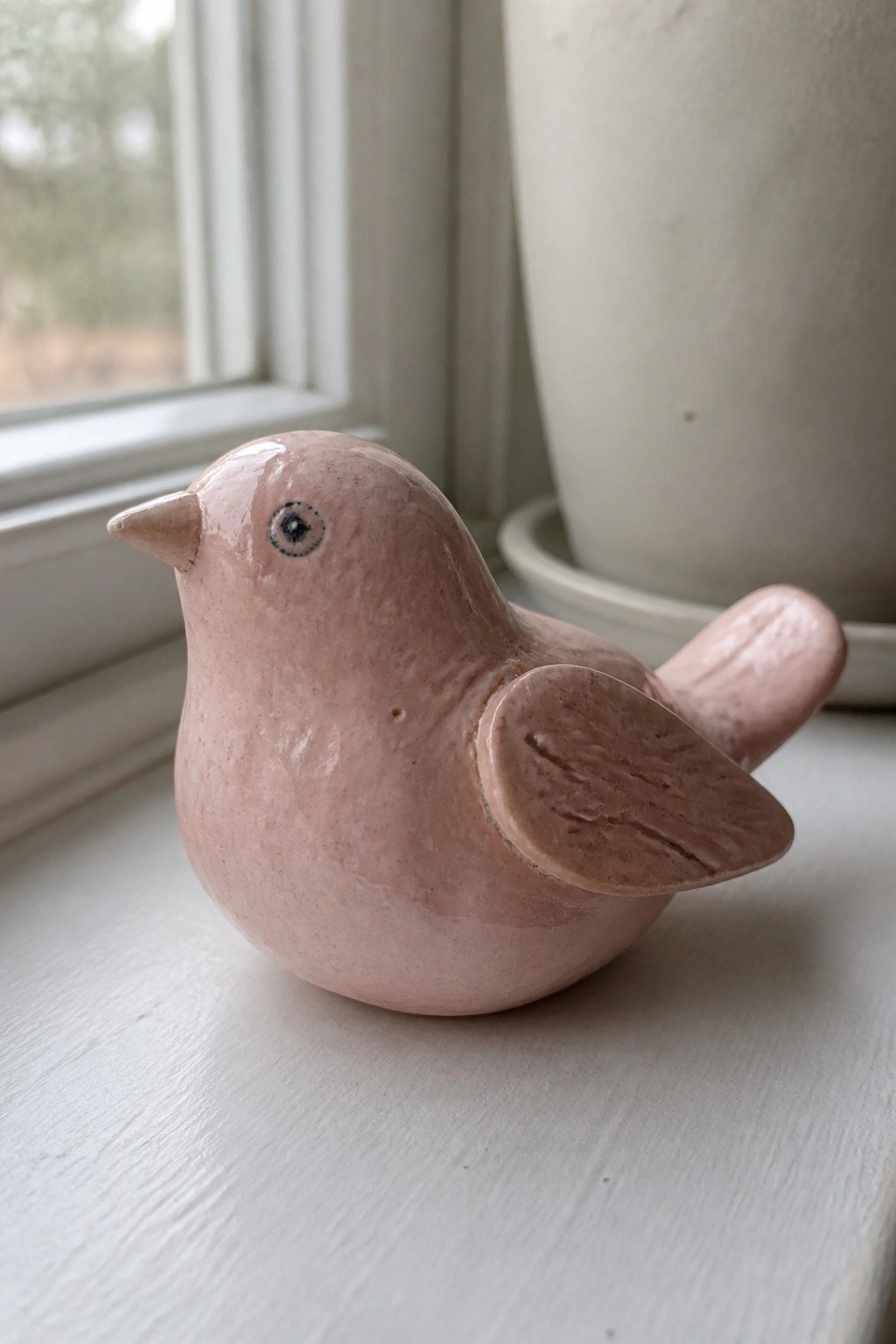
A small bird figurine built from a pinched clay body gives you a straightforward way to practice rounding forms and attaching simple parts. Shape the main volume first, then add a tapered tail and a flat wing scored into place. The matte pink glaze highlights the smooth surface while the incised lines on the wing and the dotted eye keep the details minimal and readable.
What makes this idea useful is how little clay and space it requires while still reading clearly as a finished piece. You can repeat the same body shape in different sizes for a group on a shelf or swap the glaze color to match existing decor. The compact scale also makes it easy to turn into other simple animals by changing the tail angle and wing position.
Flower Shaped Ring Dish

A flower-shaped ring dish gives you a small, shallow tray that keeps rings or earrings in one spot. The design uses five rounded petals to form the bowl, with simple impressed lines running along each petal to add texture. A glossy pink glaze covers the surface and highlights the handbuilt shape without needing extra decoration.
What makes this idea useful is how the petal layout does most of the visual work once the clay is formed. The small size fits on a nightstand or bathroom counter for daily jewelry storage. You can adapt it by using fewer or more petals, switching the glaze color, or stretching the same shape into a slightly larger trinket tray. The compact form also makes the project quick to finish and easy to repeat in different colors.
Triple Tea Light Holder with Joined Sections
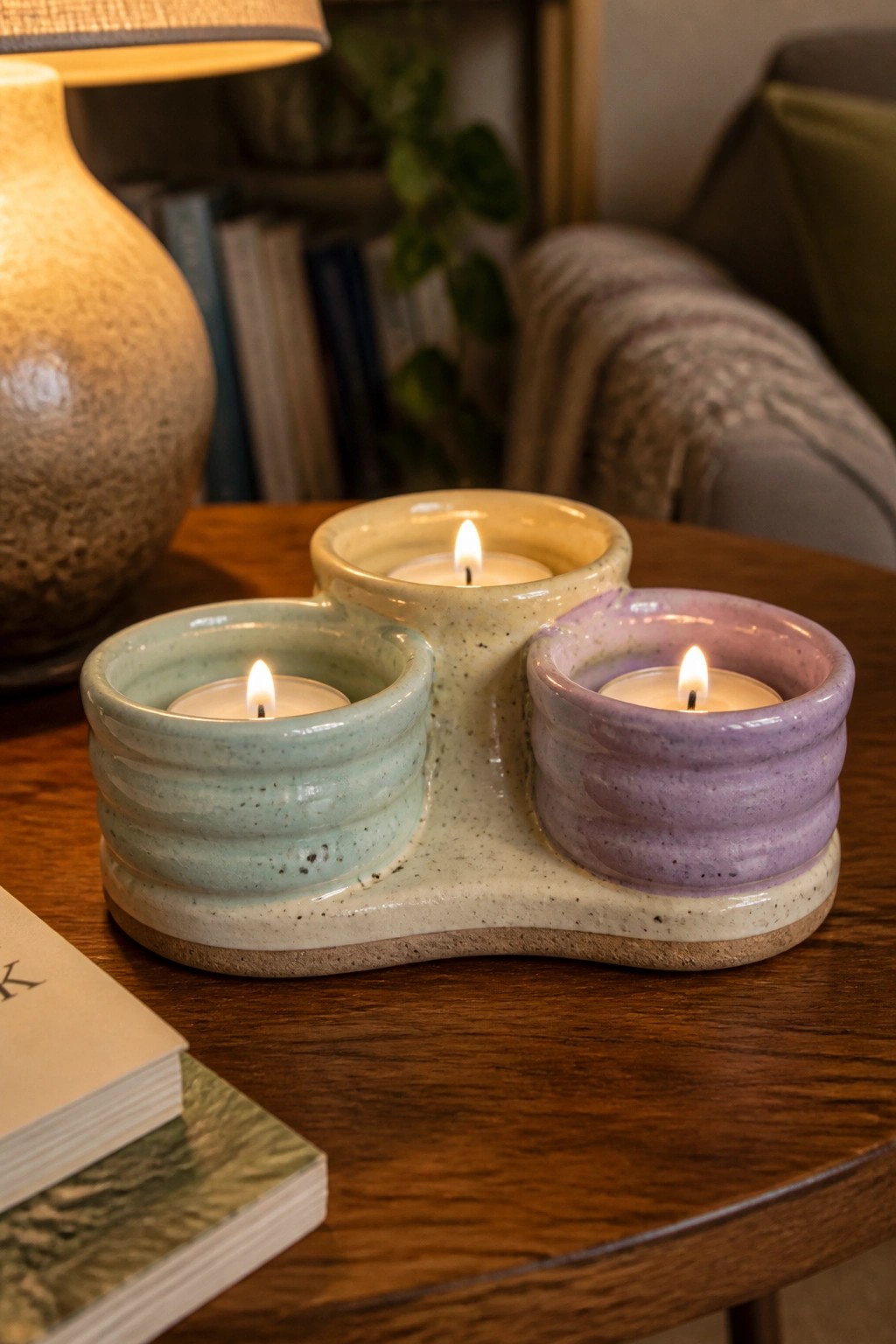
A three-part candle holder built by pinching or coiling separate bowls then joining them to a flat base creates one stable piece that holds multiple tea lights. Each cup uses a different glaze color to keep the sections distinct while the shared base prevents tipping. The ribbed texture on the outer walls adds grip and visual interest without extra steps. This fits the candle piece category and works as a compact table accent.
The joined base does most of the work here by turning three small forms into a single usable object. You could change the glaze colors to match a room scheme or reduce it to two cups for a narrower shelf. In a living room this shape gives you a simple way to group light without multiple separate holders. The same idea adapts easily to a desk version with shorter walls or a bathroom tray for small items.
Curled Edge Spoon Rest with Painted Peach

A small spoon rest formed by pinching and coiling clay creates a practical kitchen piece with an elongated base and one end rolled into a curl. The white surface holds a simple peach motif painted in soft orange with green leaves and a brown stem. This approach keeps the form low and stable while using the painted fruit to give the piece a clear focal point.
The shape does a lot of the work here by keeping the rest compact enough to sit beside a stovetop or on a counter without taking much space. You could repeat the same rolled-end form to make a set with different fruits or switch the motif to herbs for variety. For a gift this style works well because the painted detail photographs cleanly and the piece stays useful without needing extra hardware.
Joined Pinch Pots for a Dual Condiment Holder

Two small pinch pots joined at the center form a compact holder for salt and another seasoning. The connection includes a short pinched ridge that gives the piece structure and a place to grip. A light green glaze covers the insides while the outsides stay unglazed with the natural speckled clay showing through. This layout keeps two dry ingredients together in one object that sits flat on a surface.
What makes this idea useful is that the joined shape prevents the bowls from tipping and keeps the set together during use. You can resize the same form to hold spices for cooking or small amounts of nuts for snacking. The simple connection detail can be smoothed down or replaced with a coil if you want a cleaner look. For a gift, this kind of piece fits easily into a kitchen without taking much space.
Twisted Coil Rim Bowl
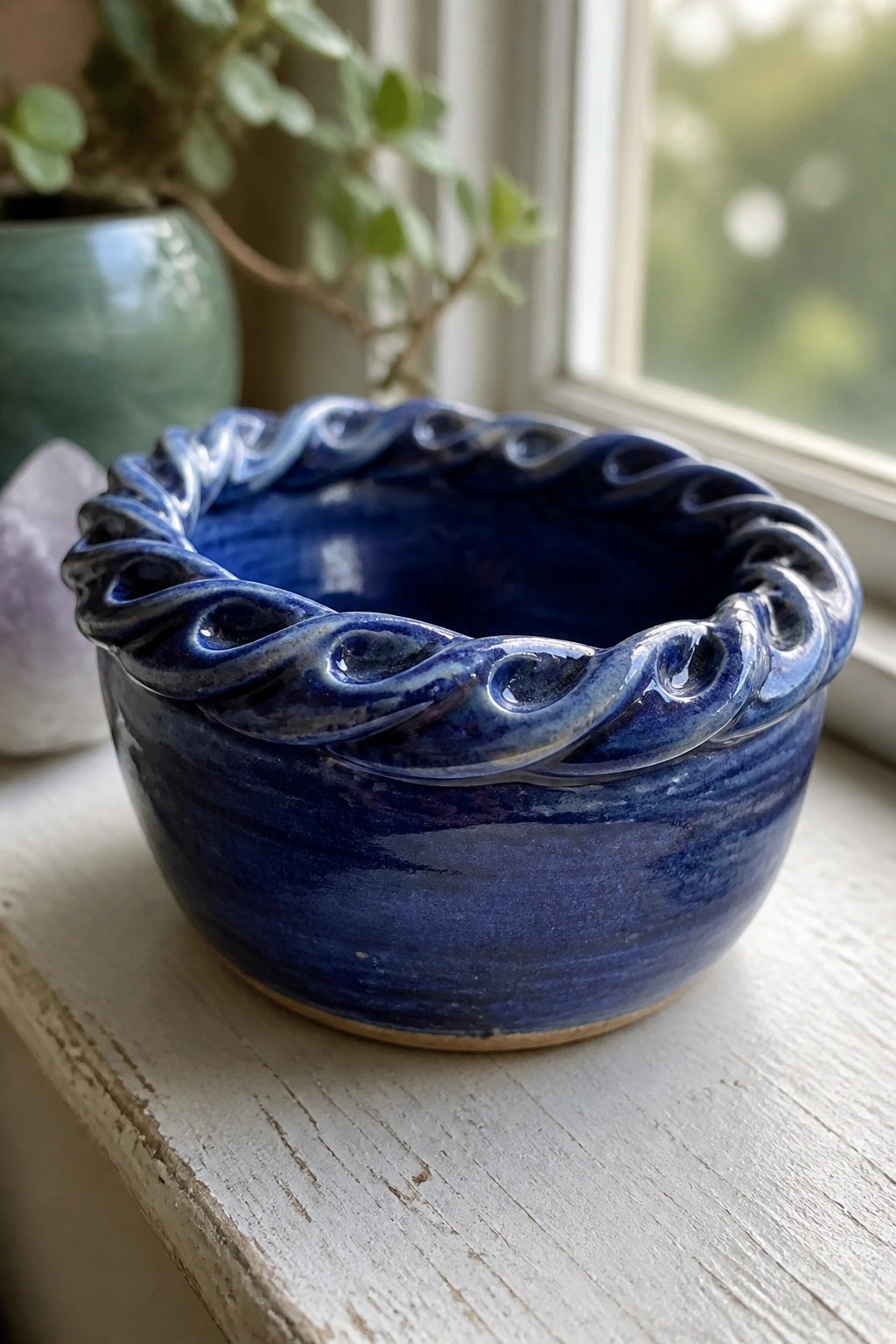
A small handbuilt bowl uses coils to create a thick twisted rope detail that forms the entire rim. The deep blue glaze pools in the crevices of the twist and leaves a smoother finish on the lower body. This idea takes a basic bowl shape and adds a single strong decorative element at the top edge without needing extra tools or complex carving.
The compact size works well as a desk or nightstand catch-all for rings and small items. You can swap the glaze for a matte finish or lighter tone if you want the twist to read more as texture than color. The same rim treatment adapts easily to a slightly wider tray or a low planter by keeping the twist consistent while changing the overall proportions.
Heart-Patterned Yarn Bowl
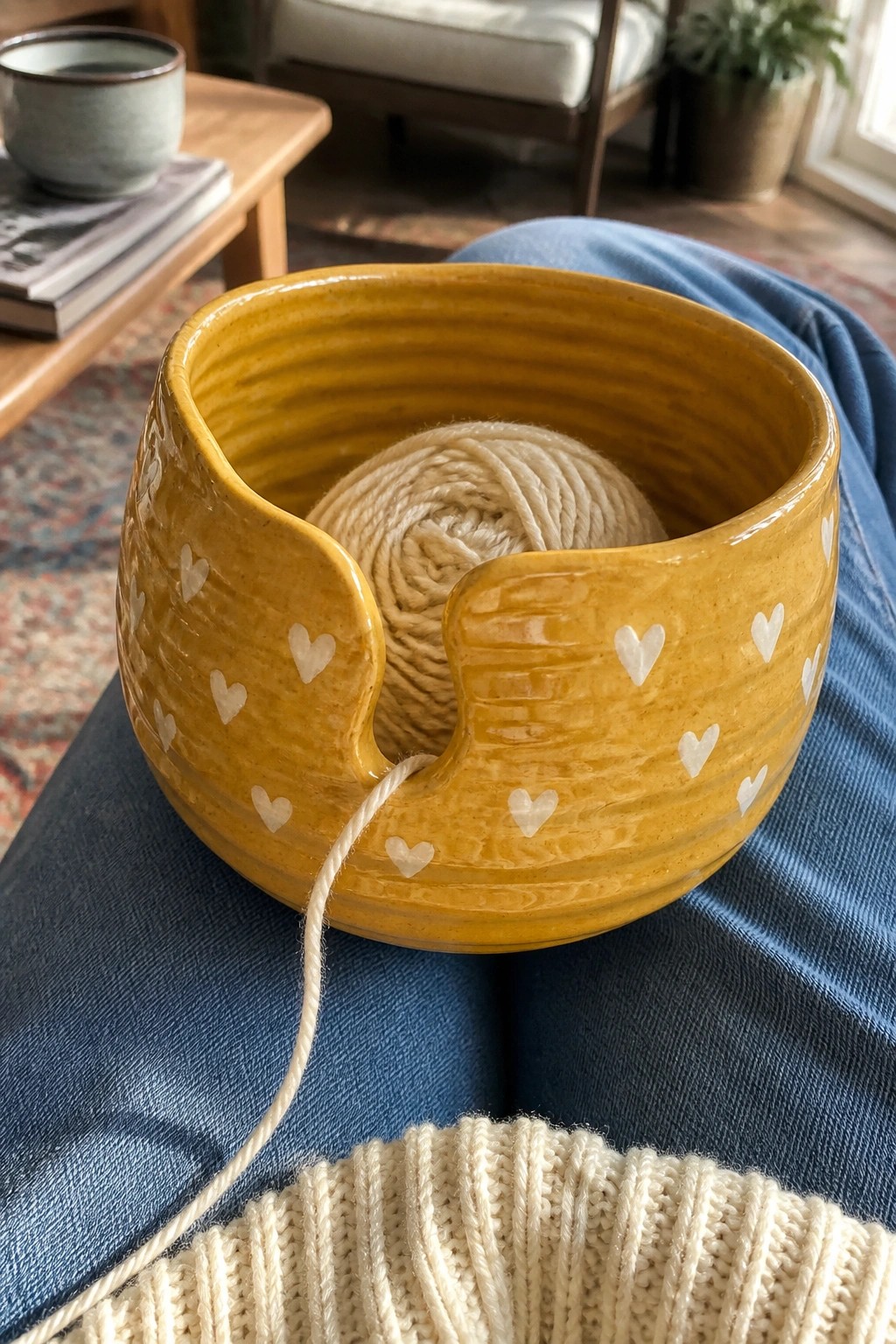
A handbuilt clay bowl with a wide rounded form includes a notch cut into the rim to hold and feed yarn. The piece is glazed in a solid yellow with small white hearts scattered across the surface, and the clay shows visible horizontal ridges from the building process. This setup keeps a yarn ball in place while the strand pulls through cleanly for knitting or crochet work.
What makes this idea useful is how the notch solves a common problem for anyone working with yarn without needing extra tools. The same bowl shape can be made larger or smaller to fit different yarn weights, and the heart motif could be replaced with lines, dots, or initials for a more personal version. In a living room or craft space, this kind of piece keeps supplies tidy while staying compact enough to move easily between projects. For gifts, the functional notch plus simple decoration gives it more staying power than a plain bowl.
Mini Face Jar Toothpick Holder

A small pinch or coil pot shaped into a rounded jar with a thick rim creates a simple toothpick holder. The design adds a face using basic line work for eyes and a smile plus soft color for the cheeks. This approach keeps the form functional while the face detail gives it a clear kitchen or bathroom use. The light glaze leaves some clay texture visible and works well on a countertop scale.
What makes this idea useful is the compact size that fits on a sink edge or near a stove without crowding the space. You can change the face to different expressions or leave it plain for a more neutral holder that still stores small items like swabs or matches. The same jar shape adapts easily to a salt cellar or desk organizer by adjusting the rim width. A piece like this photographs cleanly for sharing because the contrast between the light clay and the toothpicks reads well in small images.
Hanging Pocket Planter with Leaf Relief

A wall pocket formed from coils and pinched clay makes a compact planter that hangs from a simple twisted loop. The tapered shape holds a few stems or a small plant while the front carries a clear leaf impression for surface interest. A soft sage glaze keeps the focus on the form and texture rather than bright color. The loop at the top is built by wrapping coils around a dowel so the piece can sit on a wall hook without extra hardware.
What makes this idea useful is how the hanging loop turns a basic pinch form into something you can display without a shelf. Try the same shape in a smaller size for a bathroom to hold cotton balls or a single flower. You could skip the leaf and add lines with a comb instead, or make a set in different glaze colors for a group on one wall. The compact size keeps it quick to build and fire, so it is a good project when you want to practice coils without committing to a large piece.
Striped Creamer Pitcher
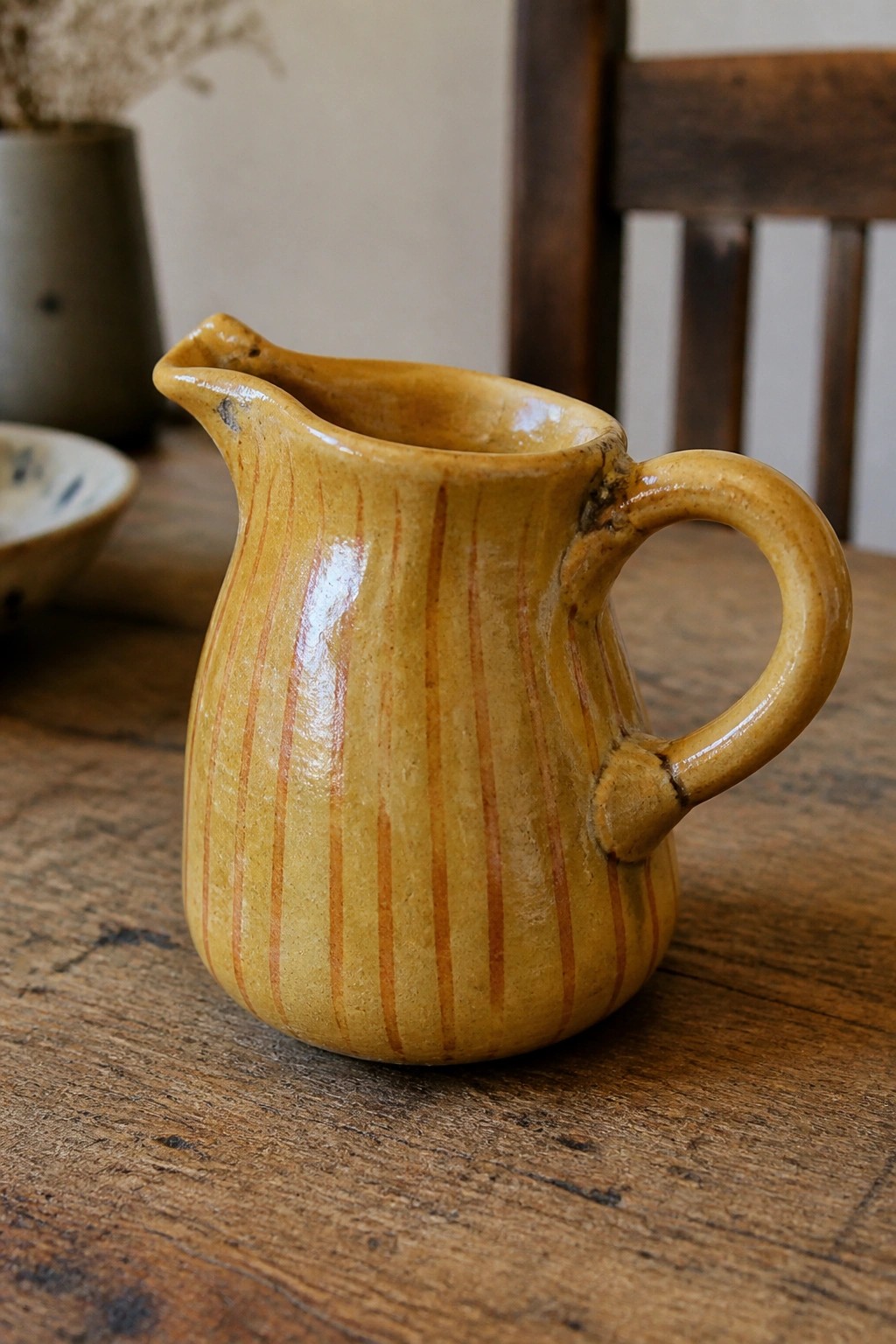
A small handbuilt pitcher makes a straightforward project once you have the basic pinch or coil shape down. The rounded body carries vertical stripes that run evenly from the rim to the base, creating a simple pattern that follows the curve without extra carving or texture. A short pulled handle and a pinched spout turn the vessel into something that can pour milk, cream, or even hold a few flowers.
What makes this idea useful is how the stripes highlight the form while requiring only basic underglaze lines before the final glaze. The compact size works on a kitchen table or breakfast tray without taking much space. You could repeat the same stripe layout on a taller jug, a set of small cups, or a matching sugar bowl by keeping the color contrast limited to two tones.
Coil Built Triple Toothbrush Holder

Three separate cylinders joined at the base form a compact holder that keeps toothbrushes upright and separated. Each cylinder was built with coils, leaving horizontal ridges that create a simple textured surface across all three sections. Soft glazes in different pastel tones cover the cylinders while the shared base stays unglazed or lightly finished. This layout lets you practice consistent coil thickness and clean joining without needing a wheel.
The shape does a lot of the work here because the connected cylinders stay stable on a flat surface and take up little counter space. You can change the number of compartments or adjust the height to fit electric toothbrush handles. The same coil method works for a two-cylinder version meant for a single user or a taller set that doubles as a small plant holder. In a bathroom this kind of piece keeps items organized while showing the handbuilt texture clearly.
Star Cutout Hanging Disc

A round clay disc with a star cut from the center creates a lightweight hanging ornament. Form the disc from a flattened slab or thick coil, cut the star while the clay is leather hard, then add a small hole at the top for the cord. The solid blue glaze makes the negative space stand out and gives the piece a clean finished look without extra decoration.
What makes this idea useful is how quickly the same disc shape can be repeated with different cutouts. Change the star to a moon, heart, or simple initial for personalized versions. The small scale works well for batch making, and the finished pieces hang easily on a pegboard, branch, or window for seasonal display. You can also skip the glaze and leave the surface matte if you want a quicker test piece.
Pinch and Coil Salt Shakers
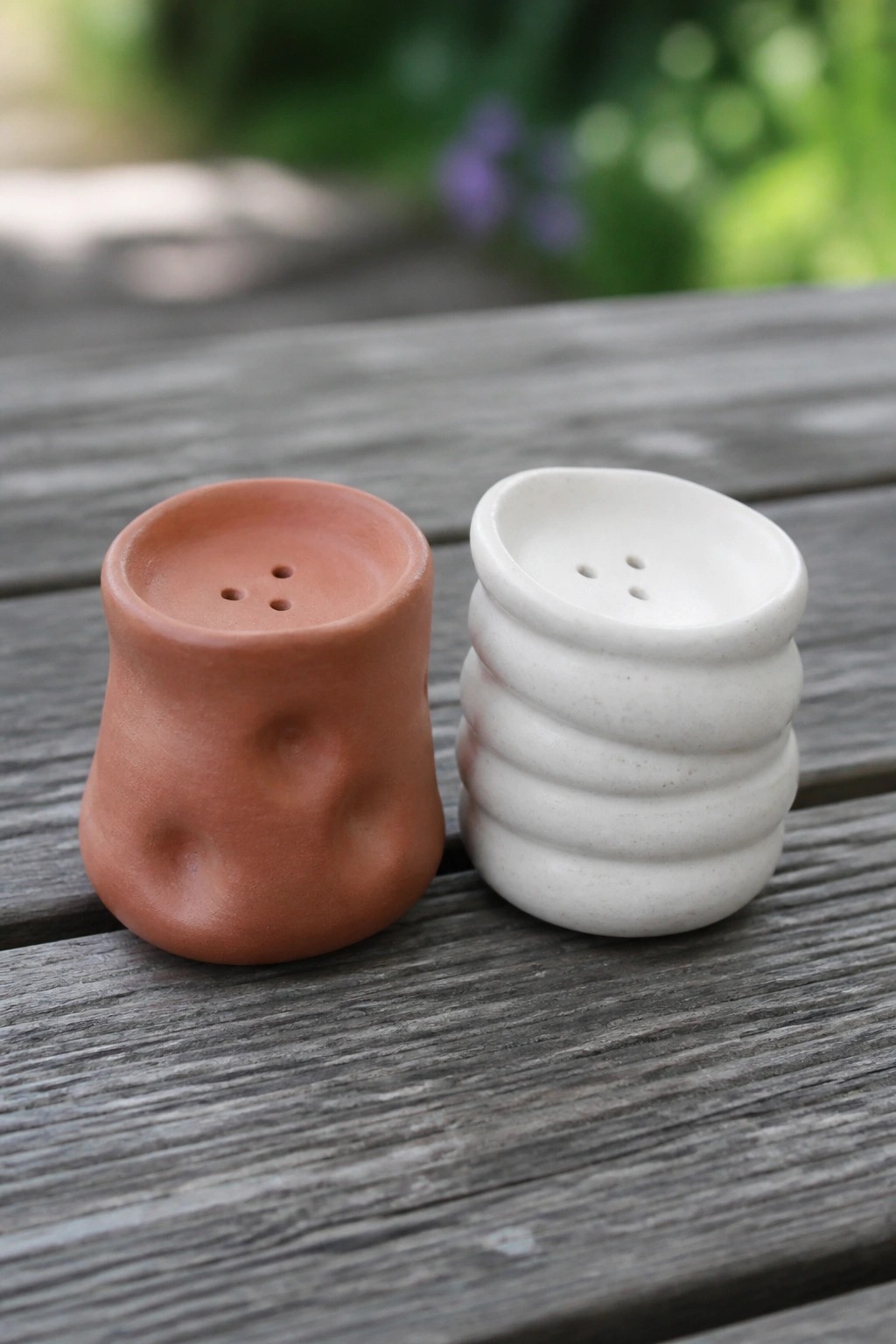
Small shakers like these combine a pinched base on one and a simple coil build on the other. The pinched version creates an uneven, rounded body with natural surface dents, while the coiled version stacks even rings that add horizontal texture without extra tools. Both use a flat top slab pierced with three small holes to control spice flow. This keeps the project focused on practicing two core handbuilding methods in one quick set.
What makes this idea useful is the built-in texture from the coils and pinches, so no carving or stamping is needed. The small scale works well for a first try at lidded forms and lets you test different hole patterns for salt versus pepper. You could rework the same shapes into match holders or herb jars by changing the lid holes. A set like this stands out on Pinterest because the two contrasting textures show the techniques clearly in one photo.
Ridge Soap Dish for Daily Use
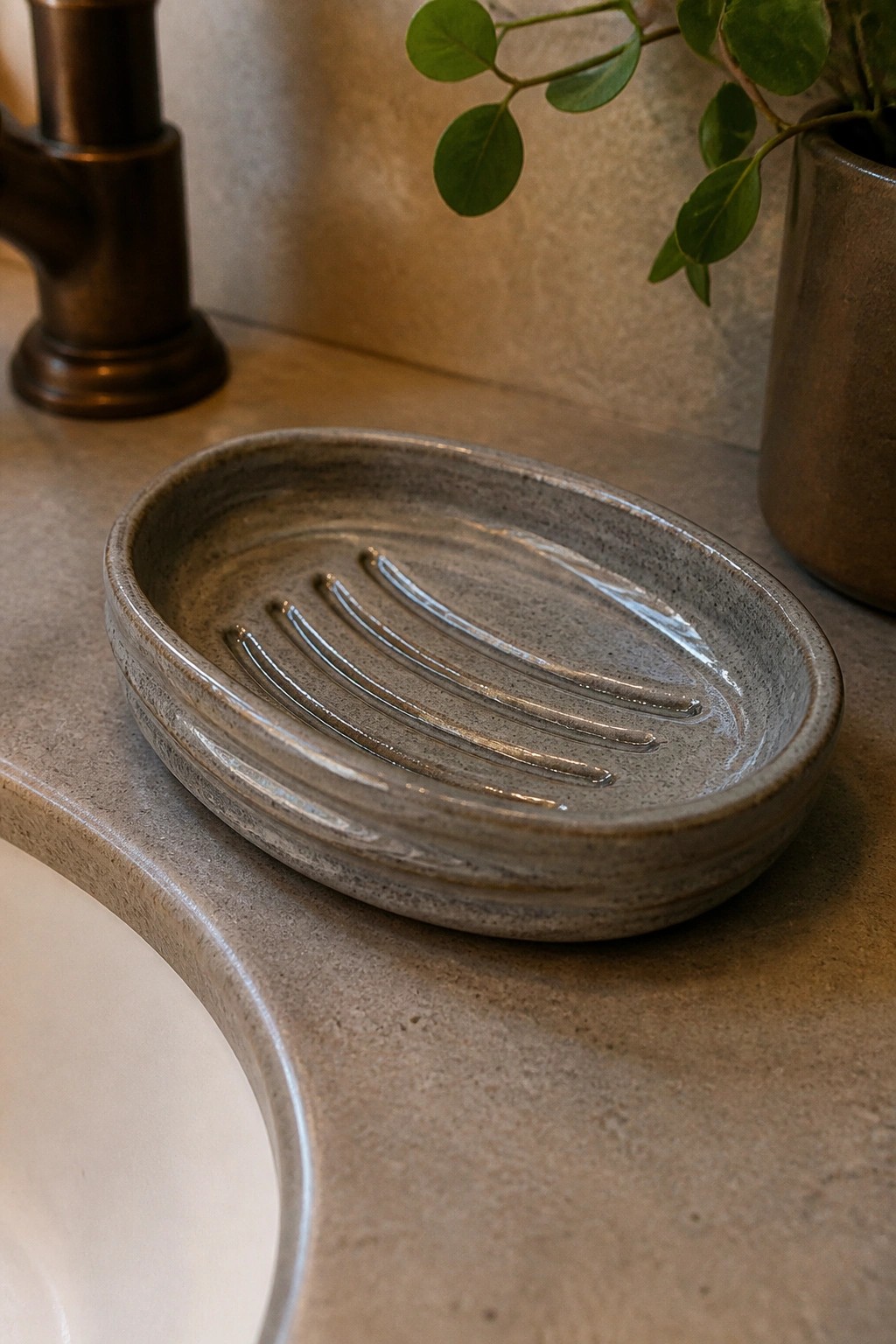
An oval soap dish makes a practical bathroom item when built with handbuilding methods. The form is a shallow tray with several raised ridges running down the center to keep a bar of soap elevated and allow water to drain. The speckled matte glaze in a muted gray tone gives the surface a subtle texture without competing with other fixtures. This project fits the tray category and stays small enough to shape quickly from a single slab or pinched base.
What makes this idea useful is that the ridges can be added with thin coils pressed into place before the clay firms up. You could adapt the same shape into a sponge holder by widening the ridges or shorten it for a small ring dish. The compact size works well on crowded counters and uses little clay, so it is a low-risk piece for testing glaze colors or surface finishes. For a gift, the same dish can be made in a brighter glaze or with a different rim profile to match kitchen or entryway needs.
Coiled Cat Planter

A coil-built planter can be formed into a curled cat by rolling and stacking clay coils into a compact rounded body with a flat base. Ears are pinched from the top edge and facial features are added with simple carving tools before the piece is glazed in a single blue tone that pools in the grooves. The result is a small functional planter suited for seedlings or succulents that stays stable on a shelf or windowsill.
What makes this idea useful is the way the coiled shape itself creates both the container and the decorative form in one step. The same method works for other animals or abstract curves if you want to vary the theme. A piece like this fits well in a group of plants because its low profile does not block light or take up much space. You could scale the coils up slightly to make a larger version for herbs or change the glaze to a matte finish for a different look.
Scalloped Strawberry Trinket Dish
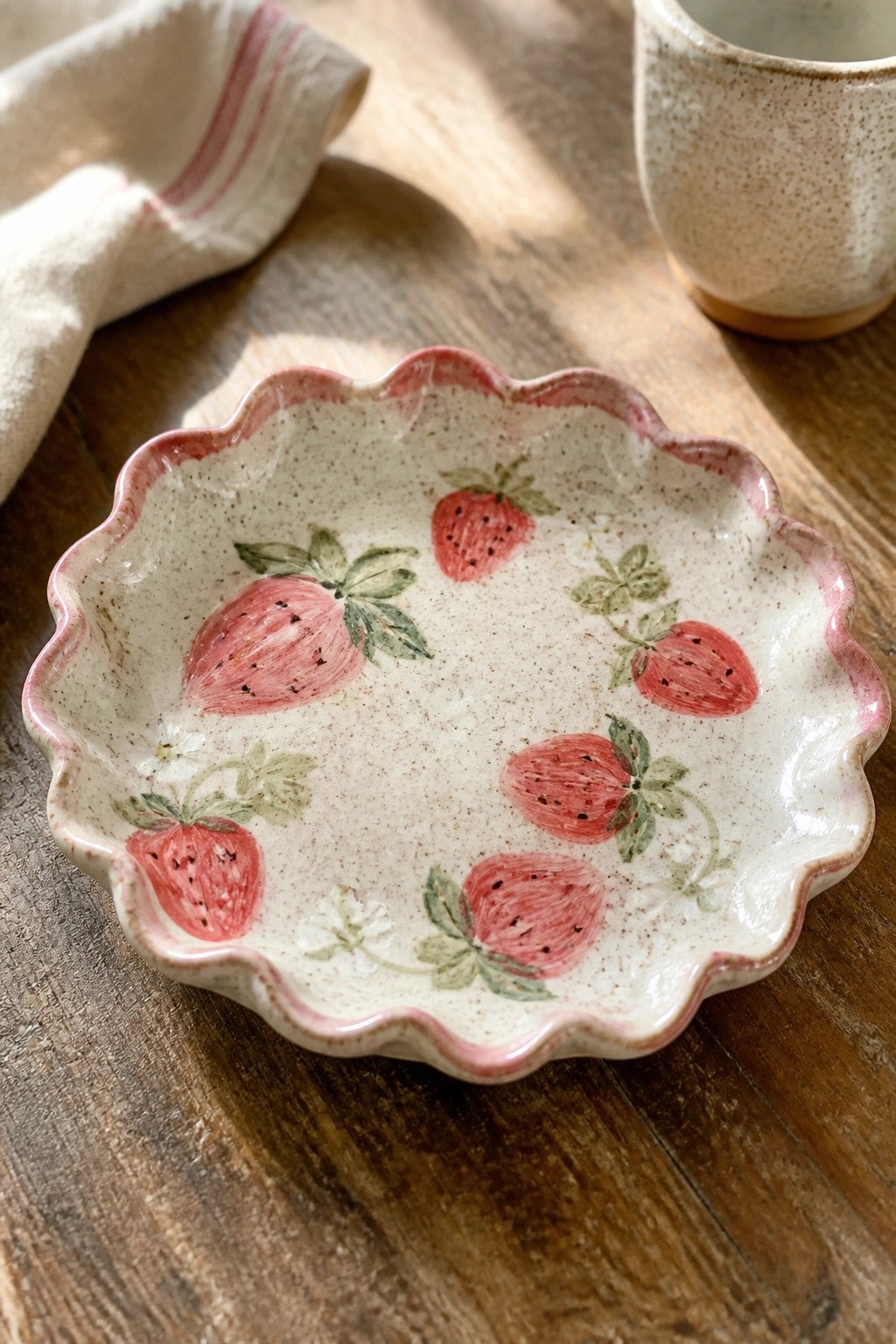
A small scalloped dish built with pinch or coil methods makes a simple ring dish or jewelry holder. The form uses a white speckled surface and pink rim, with several strawberries painted directly onto the clay along with basic leaf details. This keeps the construction basic while the painted motif supplies the main visual interest.
What makes this idea useful is how the shallow shape and small scale fit on a dresser or bathroom shelf without taking up space. You can swap the strawberries for other simple fruits or flowers and adjust the rim color to match different decor. The same base works as a soap rest or small spoon holder in a kitchen. For gifts the painted details give it more appeal than a plain dish while the handbuilt shape stays easy to repeat.
Stacked Pinch Pot Candle Holder with Coil Band

A small candle holder made from two pinch pots stacked and joined with a coil band gives you a quick project for practicing both pinching and coil attachment. The lower section forms a stable base while the upper rim creates a shallow well that keeps a tea light or votive centered. The added coil around the joint adds a raised line and a tiny pinched knob that breaks up the form without much extra work. A single flowing glaze that shifts from peach at the base to coral at the rim ties the two sections together visually.
What makes this idea useful is that the stacked shape is easy to scale up or down depending on the size of candle you want to use. You could simplify it to one pot with a coil rim if you want fewer steps or add a second coil layer for more practice. The small overall size makes it a fast piece to throw on a shelf or give as a gift without taking up much kiln space. The same stacked construction also works for a tiny succulent planter if you leave the top open.
Leaf Shaped Trinket Dish

A leaf shaped dish makes a simple ring holder or small catchall. Pinch or coil a slab into the basic leaf outline, then press in vein lines with a tool or stamp before adding a glossy green glaze that settles into the grooves. The result is a compact form that reads as both functional and decorative without extra parts.
What makes this idea useful is how the leaf shape already suggests where to place items while the veins give built in texture. Scale it smaller for a desk or bathroom counter, or widen it slightly to hold keys by the door. The same vein technique works on a round tray or a set of shallow dishes if you want to repeat the motif across different objects.
Frequently Asked Questions
Q: What basic tools do I need to get started with these pinch and coil projects? A: Start with a few essentials like a rolling pin or slab roller for flattening clay, a needle tool for scoring and cutting, a wooden rib for smoothing surfaces, and a wire cutter for separating pieces from the bag. Keep a bucket of water nearby for slip and a sponge for cleaning up. These items let you tackle most of the 22 ideas without extra expense.
Q: How can I ensure my pottery pieces dry evenly to avoid cracking? A: Cover your finished pieces loosely with plastic wrap for the first day or two to slow drying. Then move them to a spot with consistent room temperature and good air circulation but no direct heat or drafts. Turn pieces occasionally and check for thin spots that dry faster. This gradual process works well for both pinch pots and coiled forms.
Q: How do I choose which of the 22 ideas to try first as a beginner? A: Begin with simple pinch pot shapes like bowls or small cups before adding coils for height or handles. Look for projects that use only one technique at a time and require minimal joining. Once comfortable, combine methods on ideas that build on basic forms such as adding coiled feet or textured rims.
Q: What should I do if my coils are not sticking together properly? A: Score both surfaces with a needle tool and apply a thin layer of slip made from the same clay body. Press coils firmly together and smooth the seam inside and out with a rib or finger. Work in small sections rather than long coils to maintain control and prevent separation during drying.
Q: Can these handbuilding ideas be adapted if I do not have access to a kiln? A: Yes. Many of the projects can be finished as air-dry clay sculptures or painted with acrylics for decorative use. For functional pieces, check local community centers or pottery studios that offer firing services. Always test small samples first to see how your clay behaves without high-heat firing.

Pottery Path is my cozy corner of the internet where I share clay ideas, pottery inspiration, and simple projects you can recreate at home. I love exploring everything from air dry clay to handbuilt pottery to cute minis that brighten your day. My goal is to make clay crafting feel easy, fun, and welcoming for anyone who wants to try it.
You will find beginner friendly tutorials, creative pottery painting ideas, and lots of warm inspiration for slow and happy crafting. If you enjoy hands on creativity, this space will feel like home.