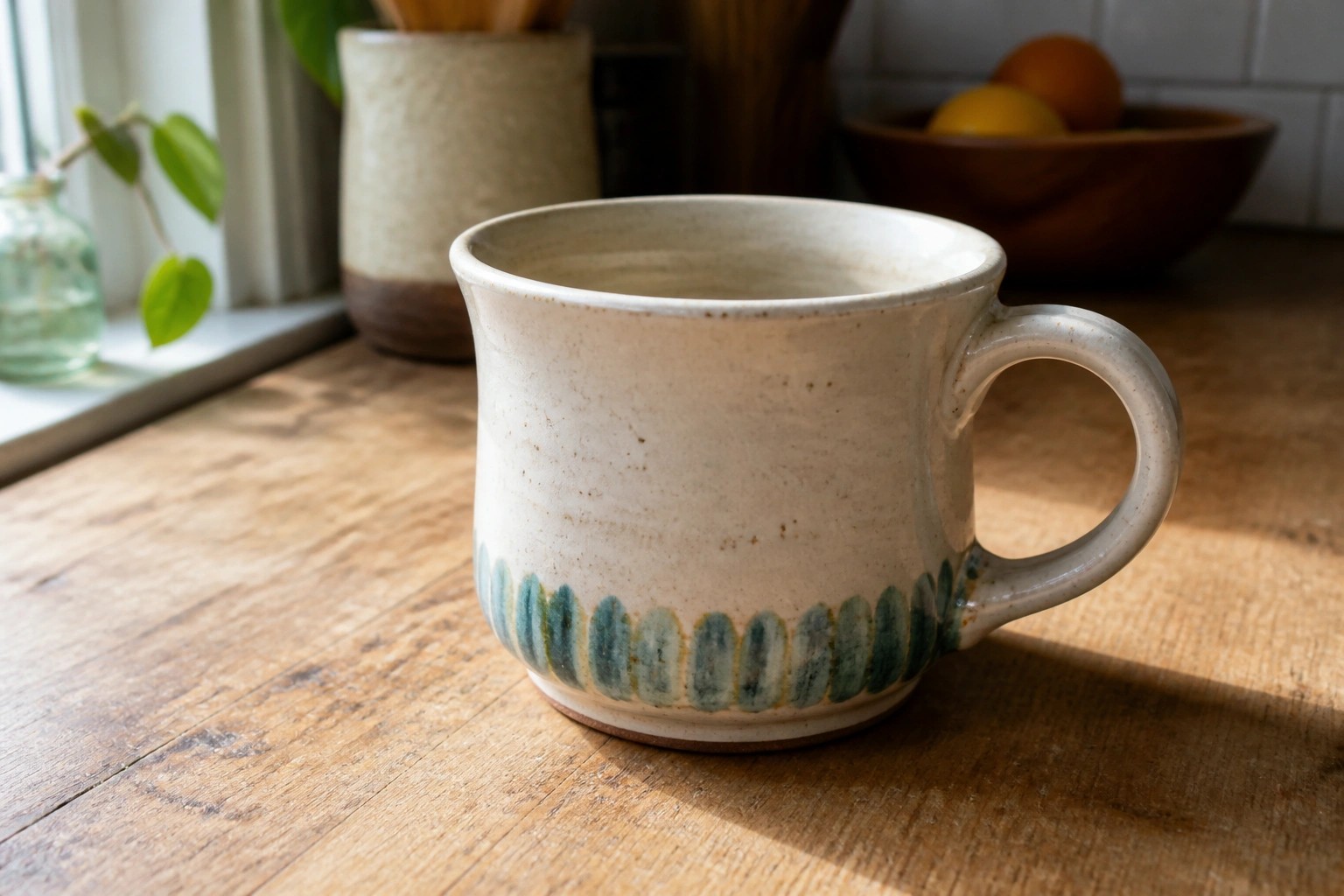
I’ve been spending more time on my wheel lately and experimenting with ways to make the forms a bit different from what I usually do.
It started when I got tired of sticking to the same basic shapes and wanted to try adding more interest while the clay was still spinning.
Over time I collected different approaches that focus on creative details during the throwing itself.
Some of these came from my own trials and others from things I picked up here and there.
I thought it would be helpful to put them together in one spot.
Mug with Painted Dash Band
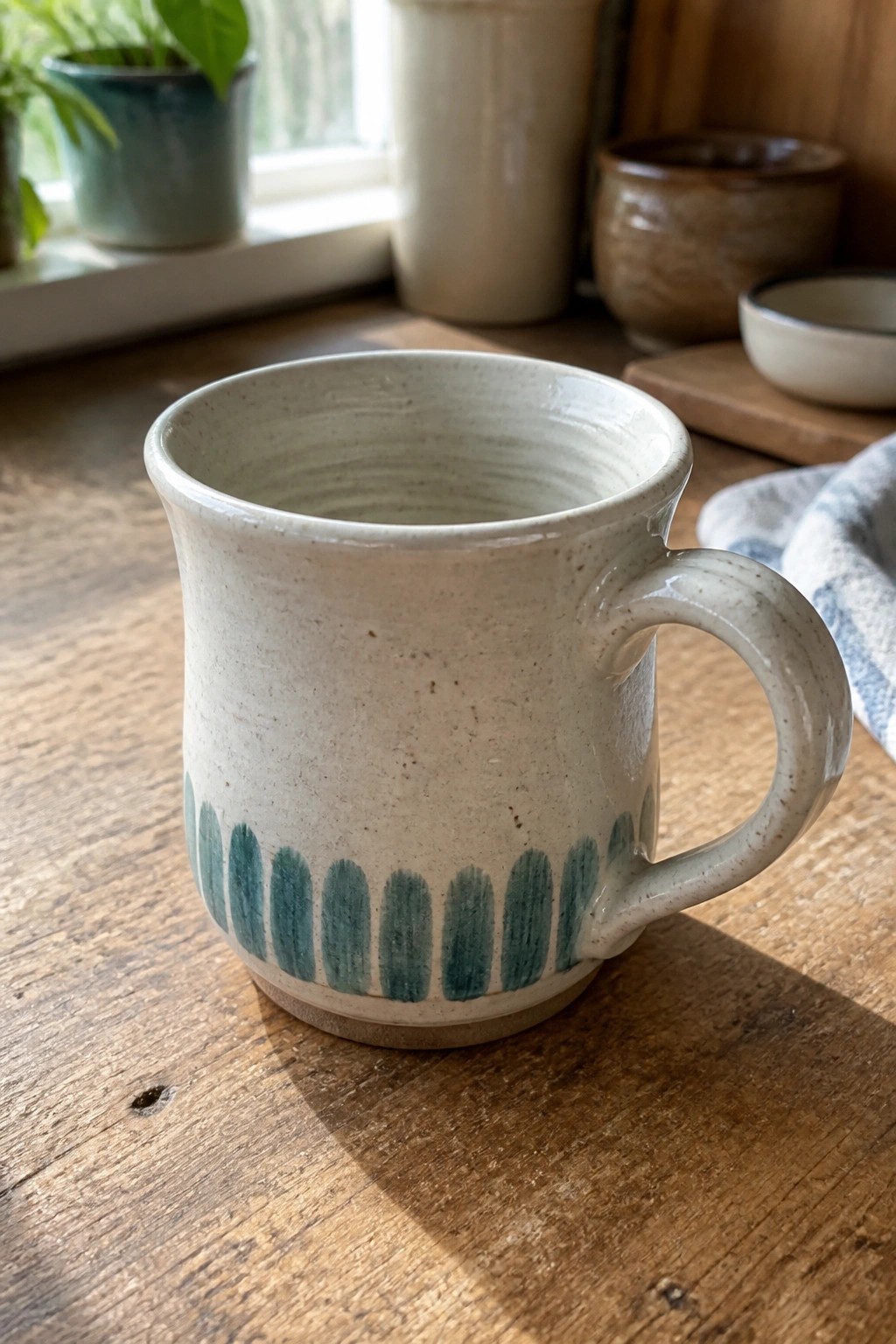
A wheel-thrown mug gains a simple repeat motif when short teal brush marks are added in a single row near the base. The light speckled surface keeps the design from feeling busy while the vertical dashes create a clear break between the upper body and the foot. This idea suits any straight-sided mug since the pattern stays narrow and works with basic underglaze or oxide.
The shape does a lot of the work here because the even wall gives a flat band for the marks to sit evenly without distortion. You can change the color or spacing to match existing dinnerware or move the same dash row onto a small pitcher or cereal bowl. For a gift, something like this finishes quickly after the bisque firing and still looks intentional on a shelf or table.
Gradient Glaze on a Thrown Bowl
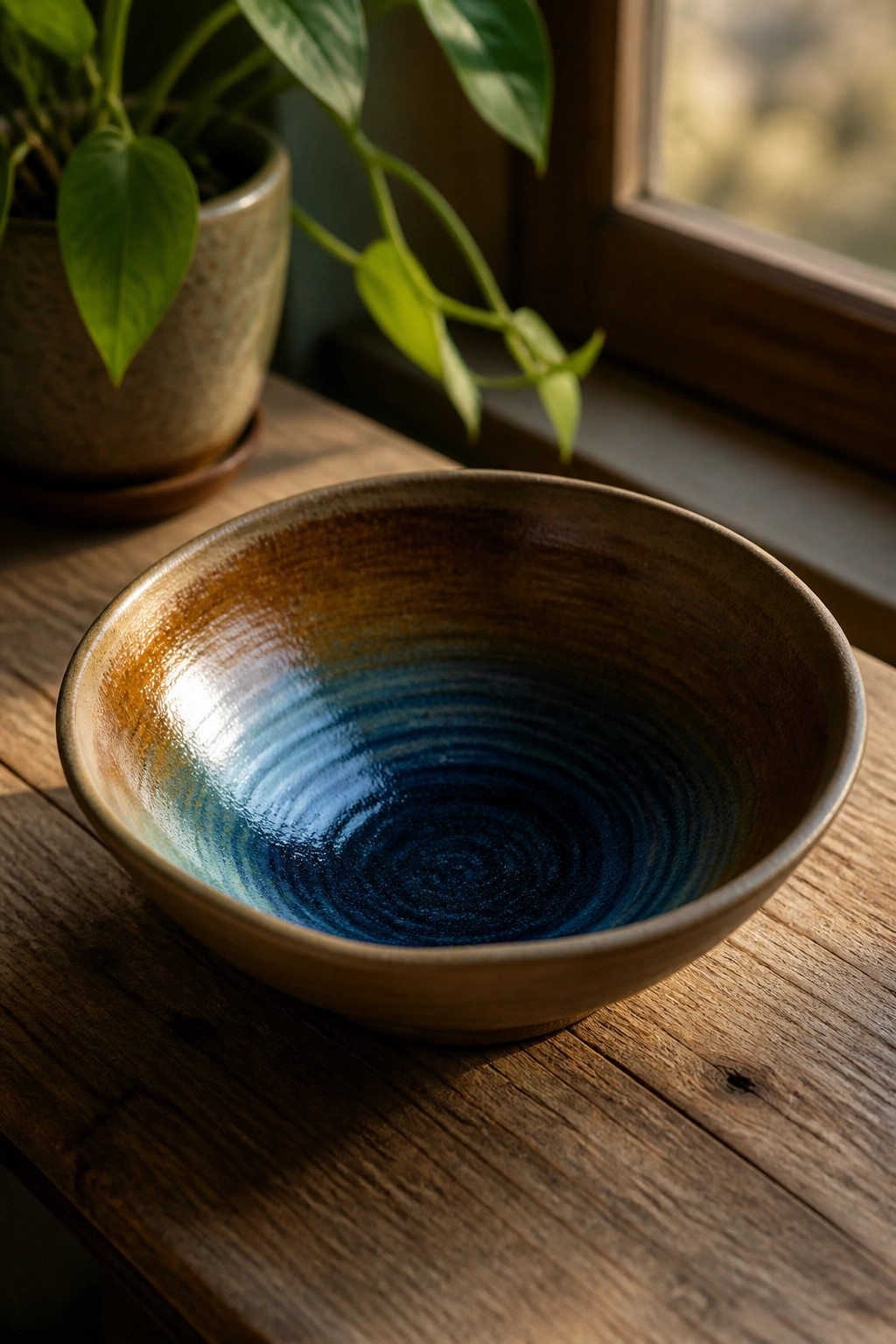
A wheel-thrown bowl finished with a flowing two-tone glaze creates a clear shift from warm brown along the rim to deep blue at the center. The throwing rings catch the glaze and turn into visible concentric lines that emphasize the round form. This works as a straightforward way to highlight the wheel work on any open bowl shape meant for serving or display.
What makes this idea useful is how the glaze transition does most of the visual work without added carving or texture. You could repeat the same color blend on a set of smaller dip bowls or scale it up for a larger salad bowl. The approach stays practical for everyday kitchen use while still looking intentional on a table or shelf.
Concentric Grooved Serving Plate
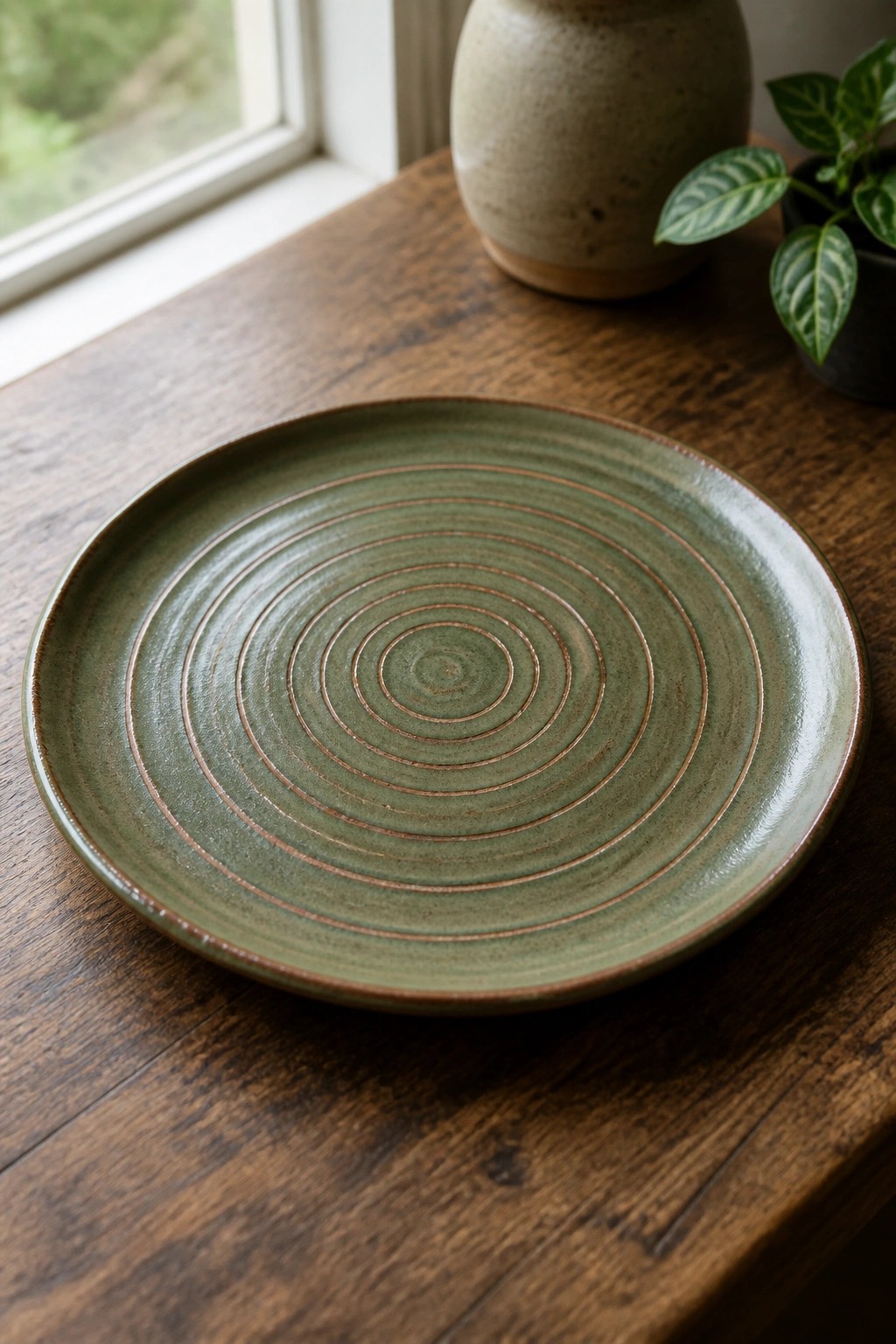
A wheel-thrown plate with multiple concentric grooves cut into the surface after throwing. The grooves catch a darker glaze that contrasts with the matte green base, creating clear rings that radiate from the center. This approach turns a basic plate into a patterned piece without adding separate decoration. It works as a kitchen or dining item that can double as a display platter.
The groove pattern is easy to repeat on plates of different sizes or on shallow bowls. You can adjust the spacing between rings to change how bold the design looks. A piece like this photographs cleanly for online sharing and fits on a table setting or open shelf without needing extra styling. The same carving step could be applied to a tray or charger form if you want to expand the set.
Compact Cylinder Planter with Gradient Glaze
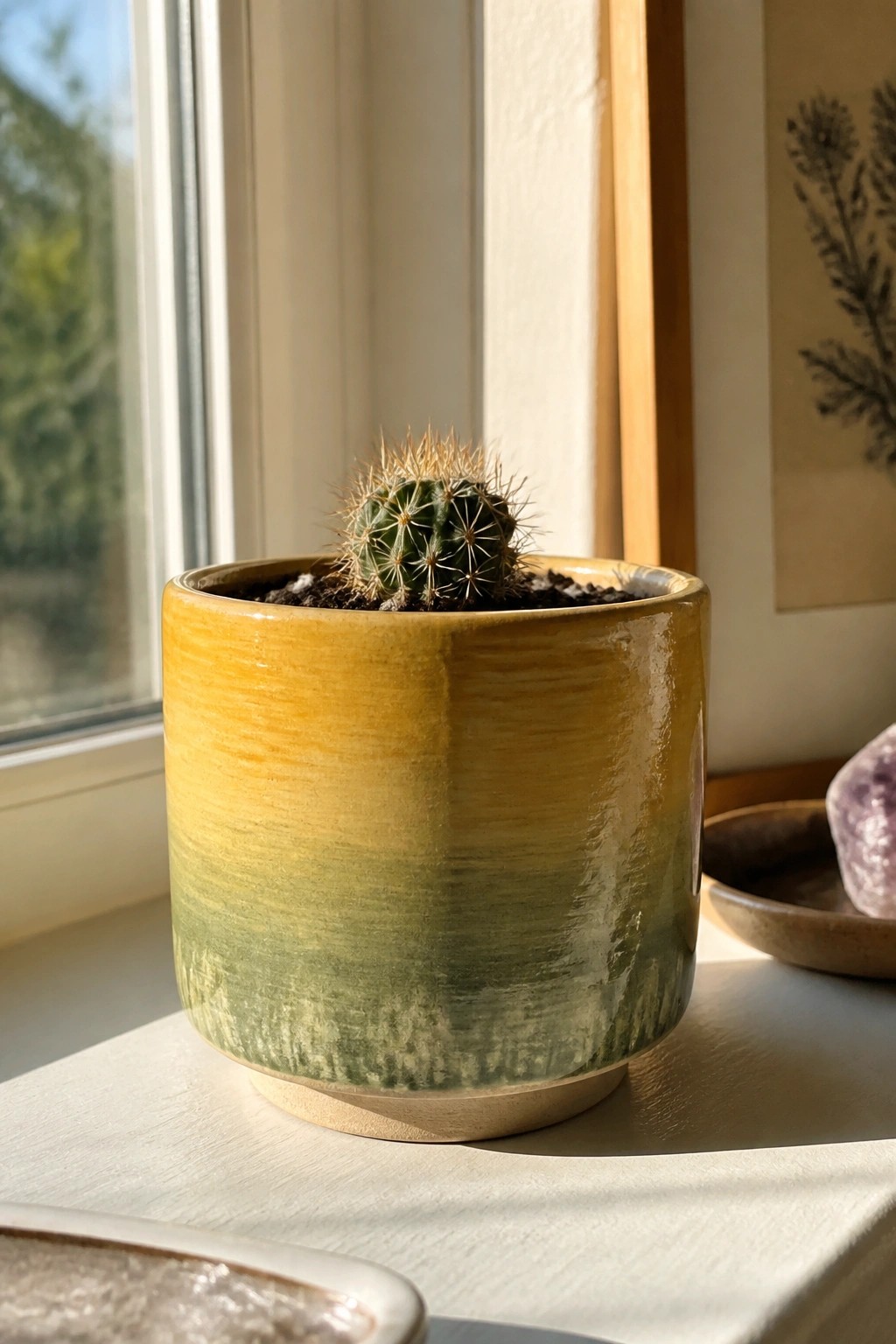
A wheel-thrown planter in a simple cylinder shape gives a clean home for small cacti or succulents. The glaze moves from yellow at the rim through a soft green band to a deeper tone near the base, which helps the pot blend with the plant rather than compete with it. This keeps the design focused on form and color shift instead of surface patterns or added details.
What makes this idea useful is how the modest size works on a windowsill, shelf, or desk without crowding other objects. You could repeat the same cylinder in different glaze pairings to suit different rooms or plant colors. The shape also translates easily to a slightly taller version for a desk pencil holder or a shorter one for a ring dish.
Tall Vase with Speckled Surface and Striped Accents
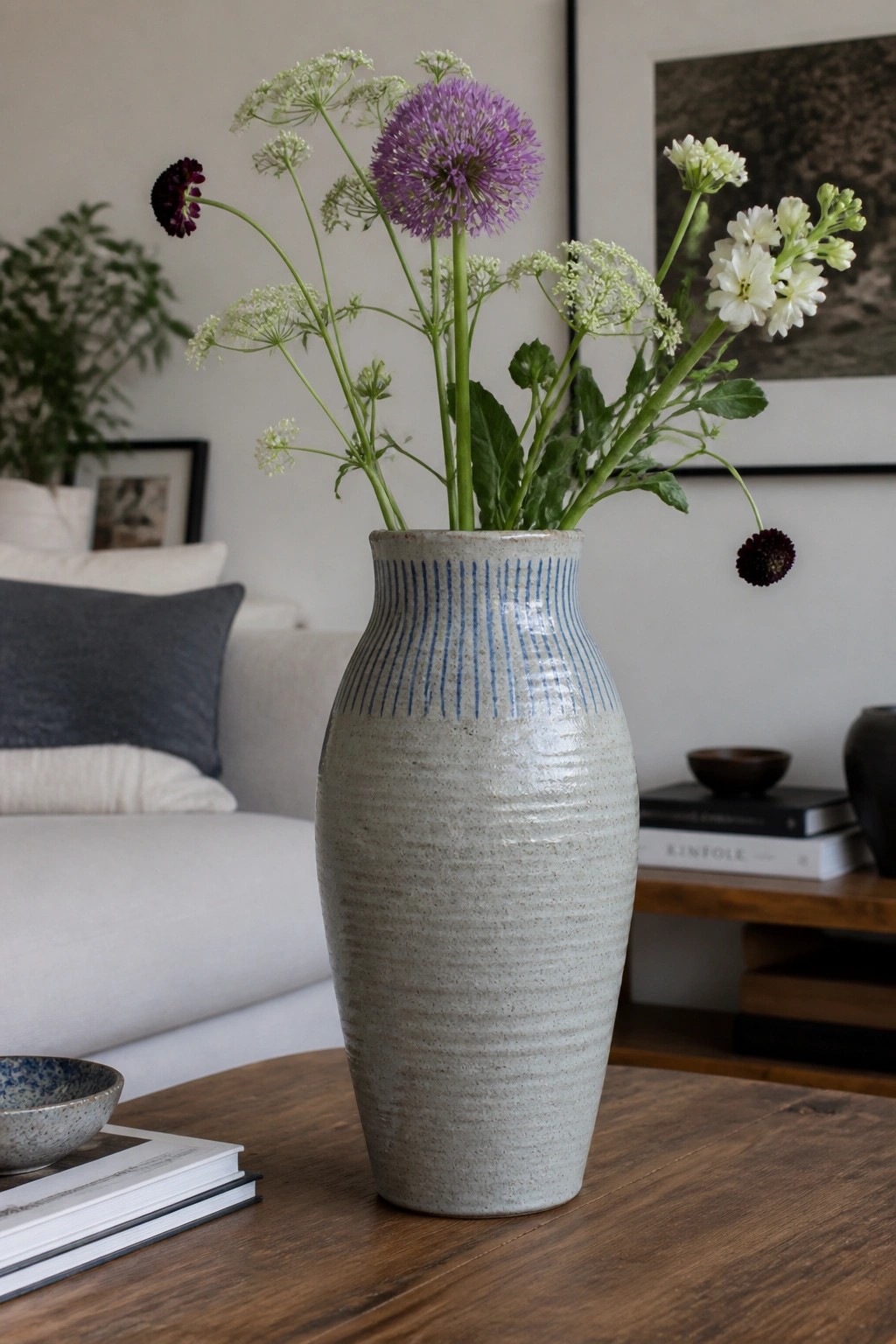
A wheel-thrown vase like this uses a straightforward tall form that narrows toward the neck, finished with a light speckled glaze that reveals the clay texture underneath. Narrow blue stripes applied around the shoulder create a simple repeating line without covering the entire surface. The result is a functional container that still reads as handmade because the glaze lets the clay body show through.
What makes this idea useful is how the striped band can be repeated on other wheel pieces without much extra effort. You could try the same width and spacing on a shorter cylinder or a wider bowl to create a matching set. In a living room or on a dining table the height gives it presence while the neutral glaze keeps it from clashing with whatever is placed inside. Scaling the stripes down or switching the color lets the same concept work on smaller items like bud vases or desk holders.
Wheel-Thrown Pitcher with Reactive Green Glaze
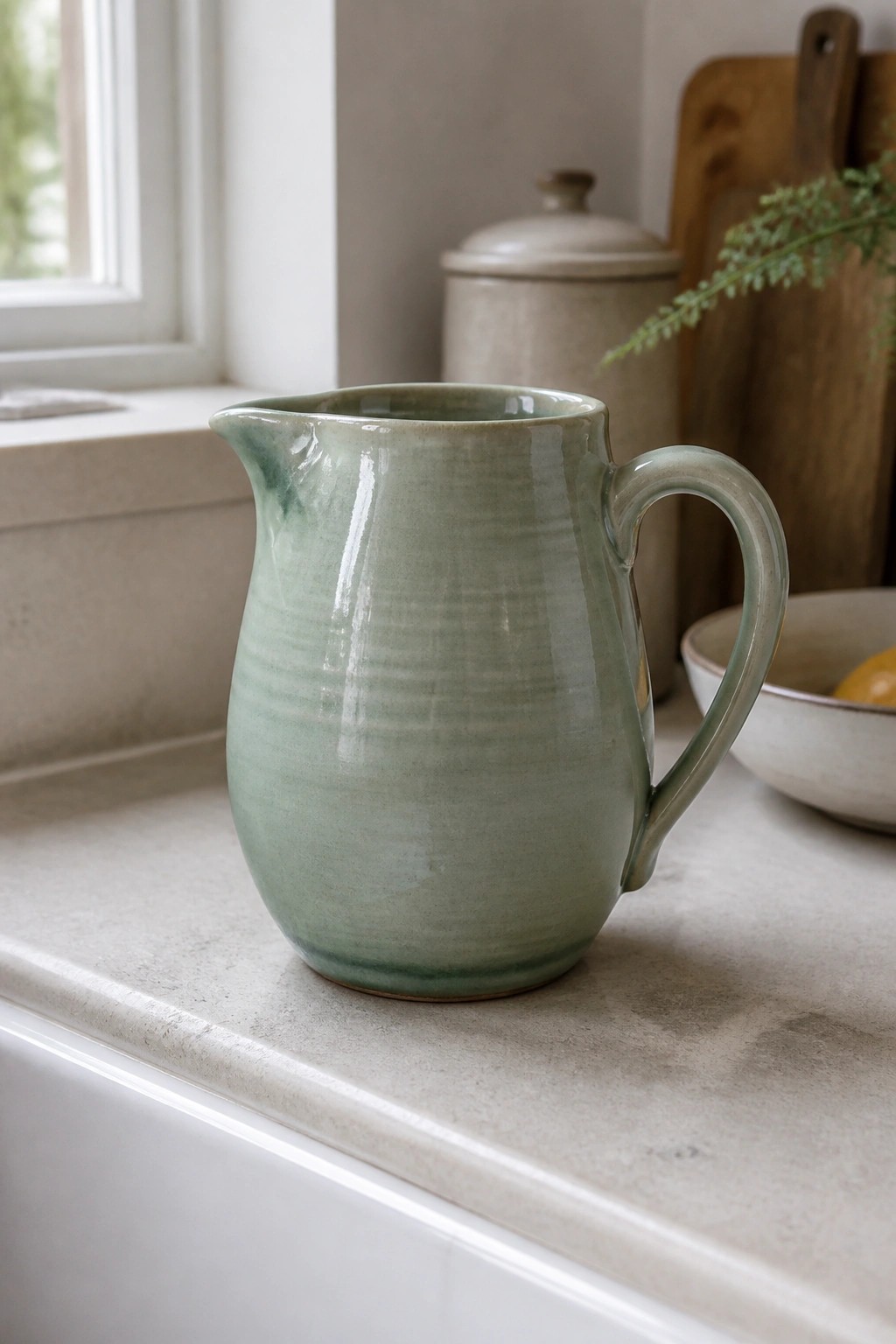
A wheel-thrown ceramic pitcher gives you a functional kitchen piece with its rounded body, pinched spout, and attached handle. The soft green glaze sits unevenly across the surface so the throwing lines show through as faint horizontal bands. This approach keeps the focus on the form itself rather than added decoration and works for serving drinks or holding flowers.
What makes this idea useful is how the basic pitcher shape can be adjusted for different volumes or paired with other glazes to suit your dishes. You could make a shorter version for cream or stretch the same profile taller for a larger water jug. The single glaze layer keeps the process simple while the wheel marks add texture. In a kitchen this kind of piece fits on open shelves or a countertop without needing extra color to stand out.
Yarn Bowl with Integrated Spiral Notch
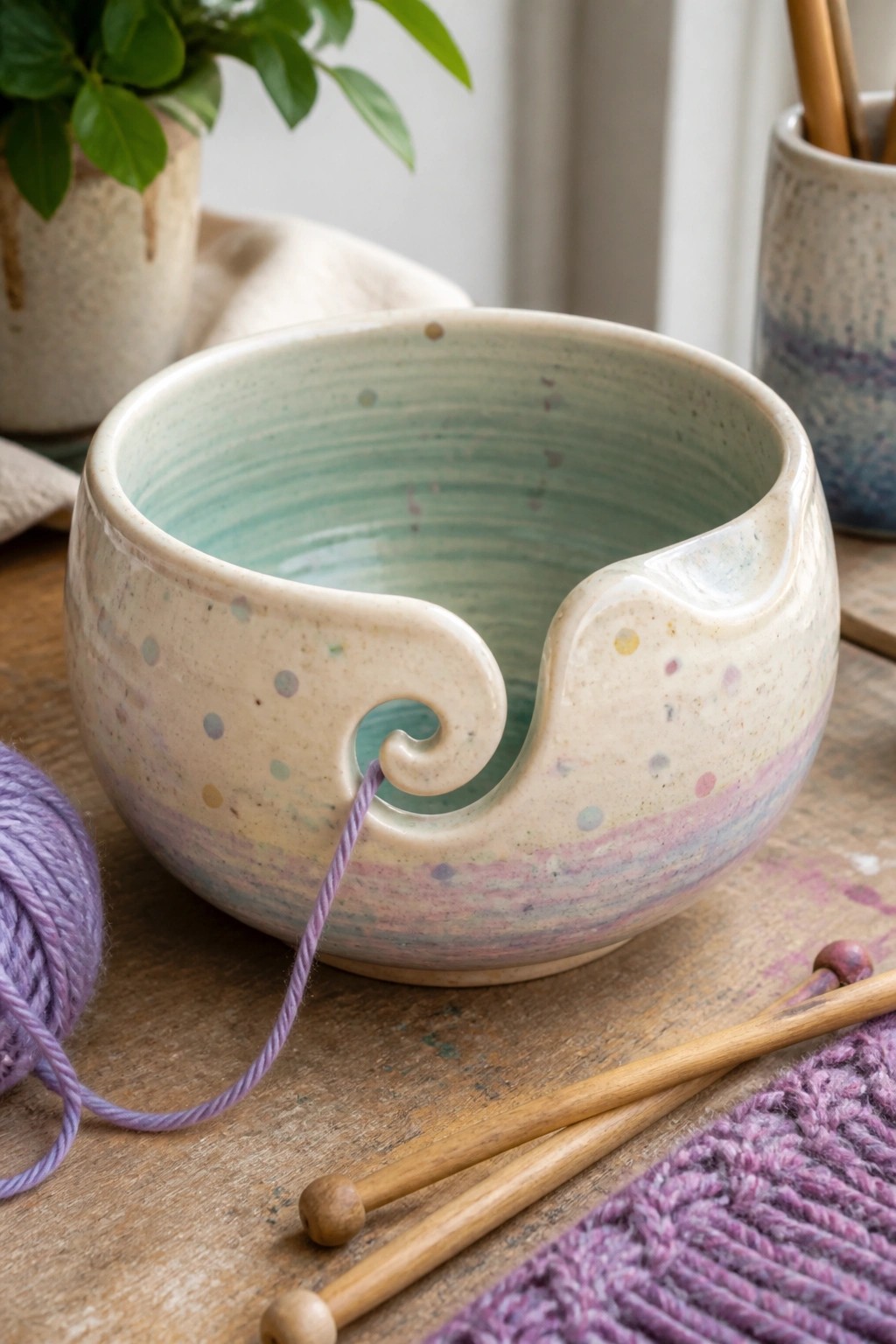
A wheel-thrown yarn bowl uses a deep, rounded form with a spiral notch cut into the rim after throwing. The notch guides the strand of yarn so it feeds out steadily without tangling or rolling away. Speckled glaze with soft horizontal bands of color keeps the surface simple while still showing the handmade texture. This turns a basic bowl into a dedicated tool for knitting or crochet work.
The notch shape does most of the functional work here, so the same cut can be added to different bowl sizes depending on the yarn weight you use most. It fits easily on a side table or in a project bag without taking much space. You could rework the idea into a smaller version for embroidery thread or add a second notch for holding two strands at once. The clean spiral detail photographs well for Pinterest when paired with matching needles and a single skein of yarn.
Split Glaze Mug and Saucer
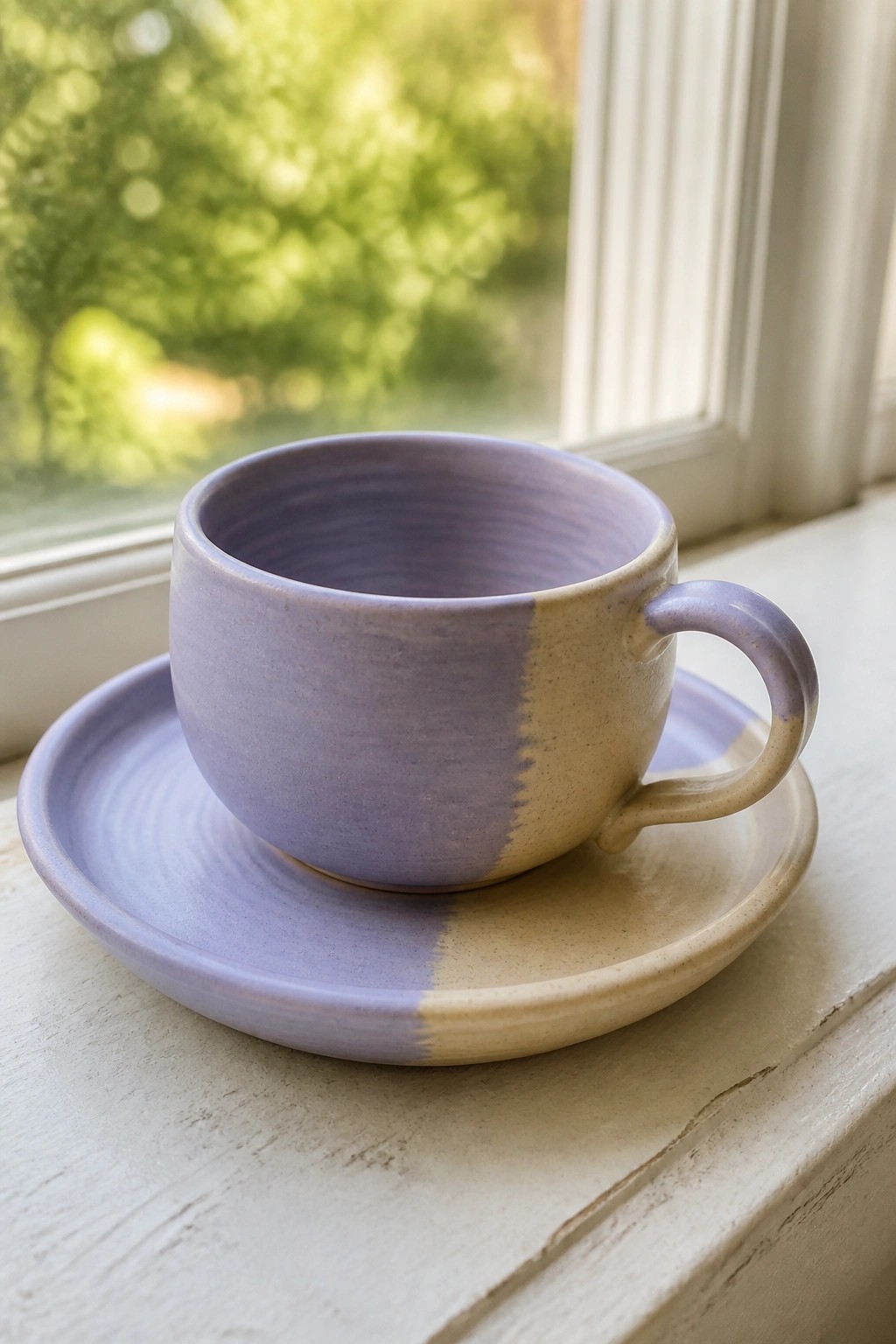
A wheel-thrown mug and saucer set uses a split glaze where one side receives a lavender tone and the other a warm beige. The irregular line between the colors runs vertically across both pieces and creates contrast without added carving or patterns. This keeps the focus on the thrown form while the two glazes highlight the curve of the handle and the rim of the saucer.
What makes this idea useful is how the color split carries through to the saucer so the set reads as one object. You can adapt the same division to small bowls or creamers by matching the same two glazes. In a kitchen this style works well because the neutral beige grounds the brighter lavender and lets the pieces sit with other everyday dishes. The approach also gives a quick way to test how two glazes interact on the same piece before scaling up to larger forms.
Strawberry Painted Wavy Rim Bowl
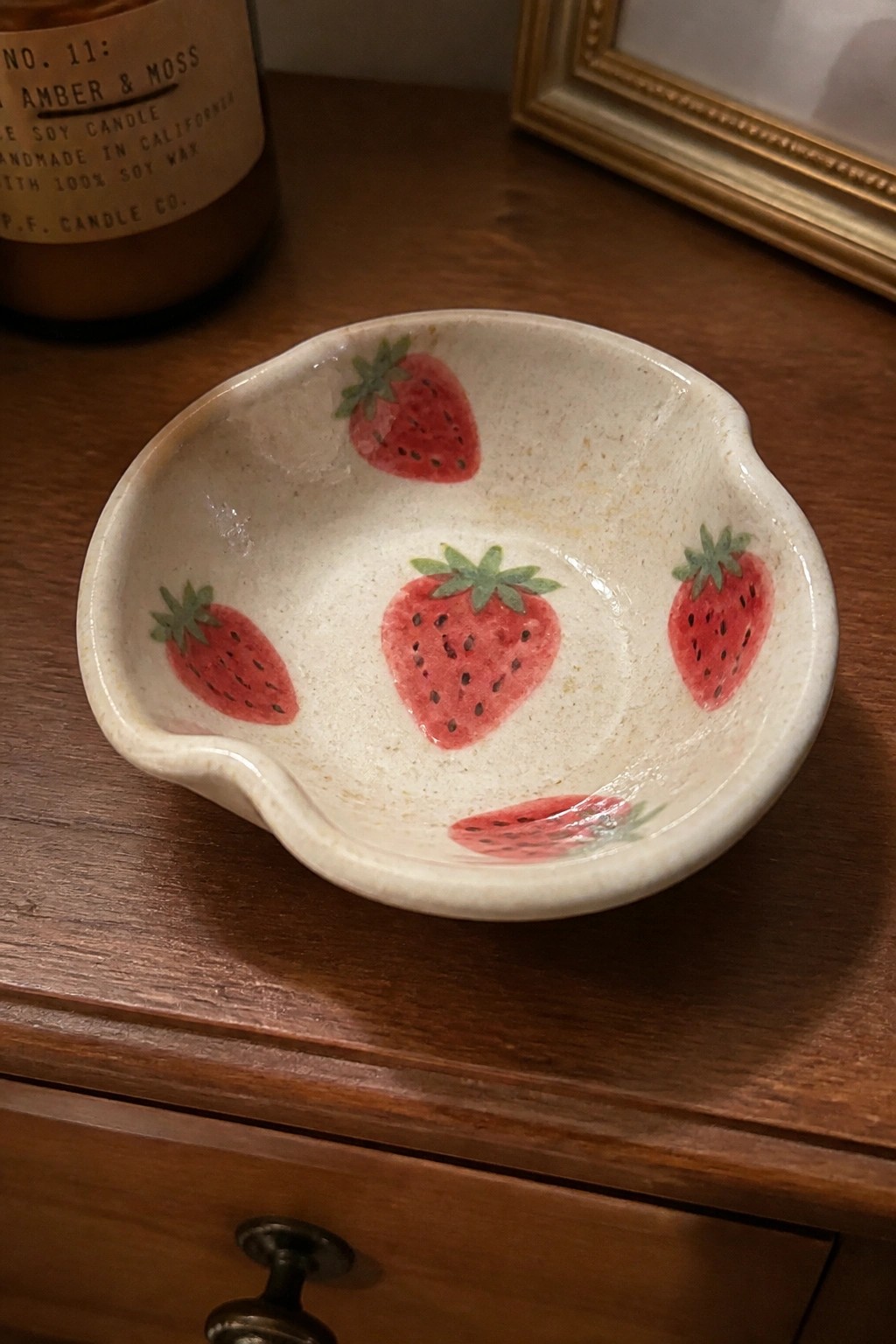
A small wheel-thrown bowl with a pinched, wavy rim gives a simple surface for fruit illustrations. Strawberries painted in red with black seeds and green tops sit directly on the light speckled glaze, creating a clear pattern without crowding the form. The irregular edge adds movement that keeps the painted pieces from looking too flat or centered. This fits the category of a small kitchen or serving dish that stays functional while carrying a repeated motif.
The shape does a lot of the work here because the compact size lets the strawberries read clearly even when spaced apart. You can adapt the same rim pinch and painting layout to plates or small trays, or swap the fruit for another simple shape like cherries or leaves. In a kitchen this kind of piece holds berries, salt, or small utensils without taking much counter space. For Pinterest it stands out because the thrown form stays visible under the paint rather than being covered by heavy decoration.
Narrow Oval Tray with Textured Glaze
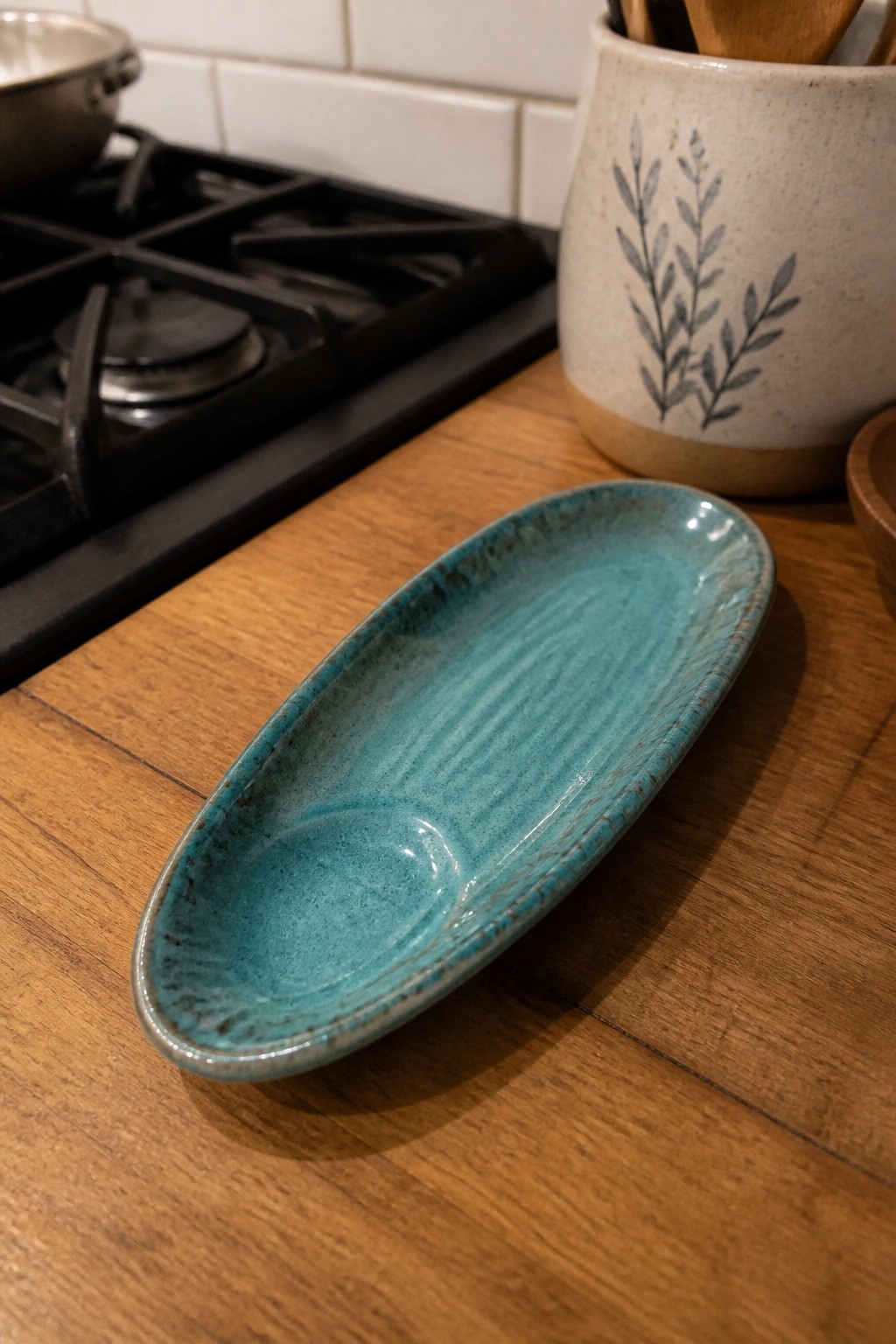
A wheel-thrown narrow oval tray gives you practice centering and opening a long form while keeping the walls even. The turquoise glaze sits over a lightly ridged interior that shows the direction of the final shaping passes. This shape works as a kitchen item for holding utensils, small appetizers, or condiments because the shallow depth and elongated profile keep contents visible and accessible.
The shape does a lot of the work here since the length creates a clear visual line without needing added feet or handles. You could shorten the same form into a spoon rest or stretch it further for a baguette tray. A piece like this photographs cleanly on wood or linen, which helps it stand out when shared as a wheel-thrown project idea.
Speckled Candle Cups with Wavy Rims
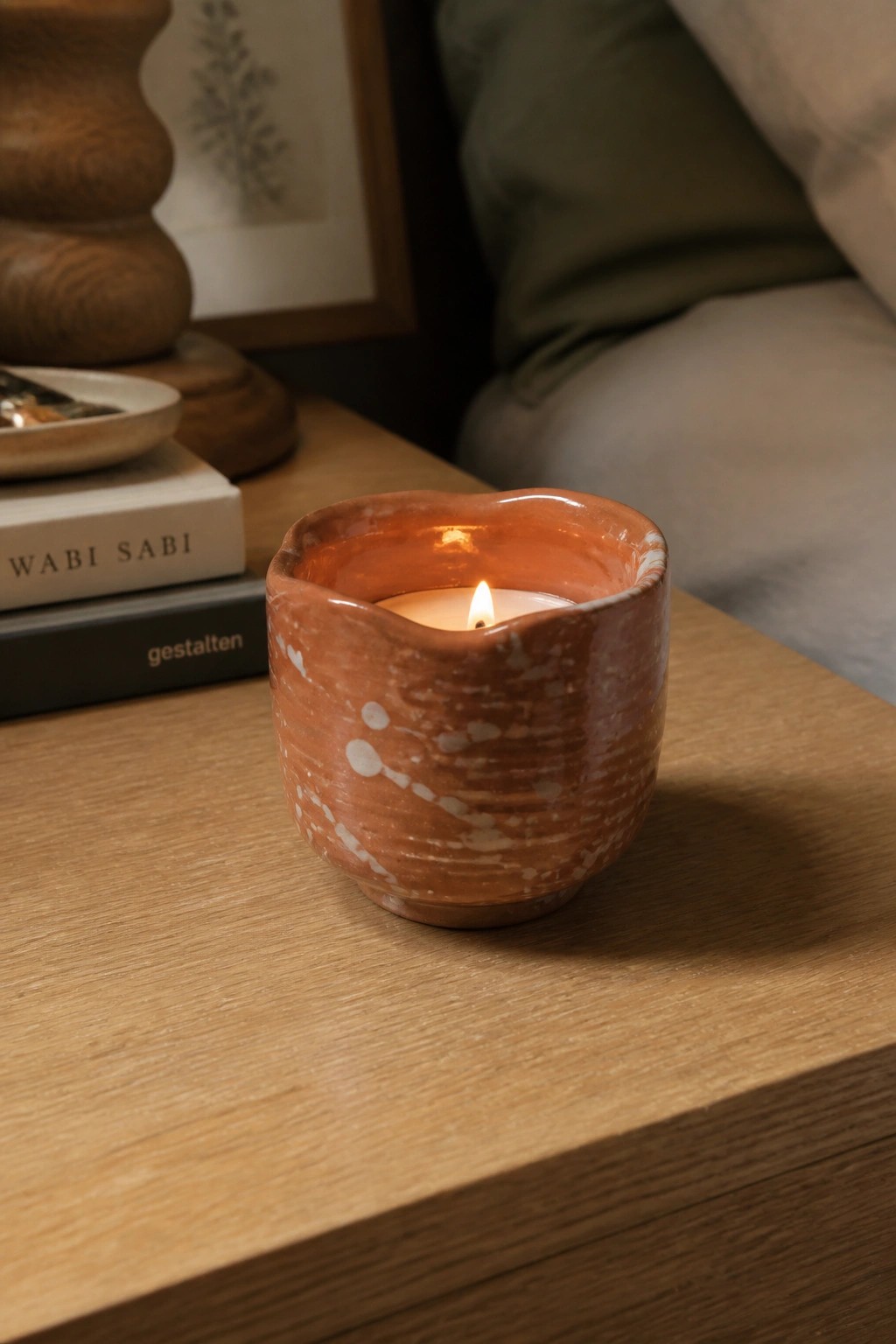
A compact ceramic cup thrown on the wheel or handbuilt with an uneven rim works well as a candle holder. The orange-brown glaze with white speckles creates contrast against the flame while the textured surface catches light in a simple way. This fits the candle piece category and stays small enough to sit on a side table or shelf without taking much space. The irregular edge and visible making marks keep the form from looking too perfect.
The small scale makes these quick to throw in batches and easy to fire in a single kiln load. You could repeat the same glaze and rim shape on slightly wider versions to hold larger candles or turn the idea into shallow ring dishes. What makes this idea useful is how the speckled finish hides minor glaze inconsistencies that often show up on small pieces. For gifts, these work well packed in sets with plain beeswax candles.
Notched Rim Spice Bowls
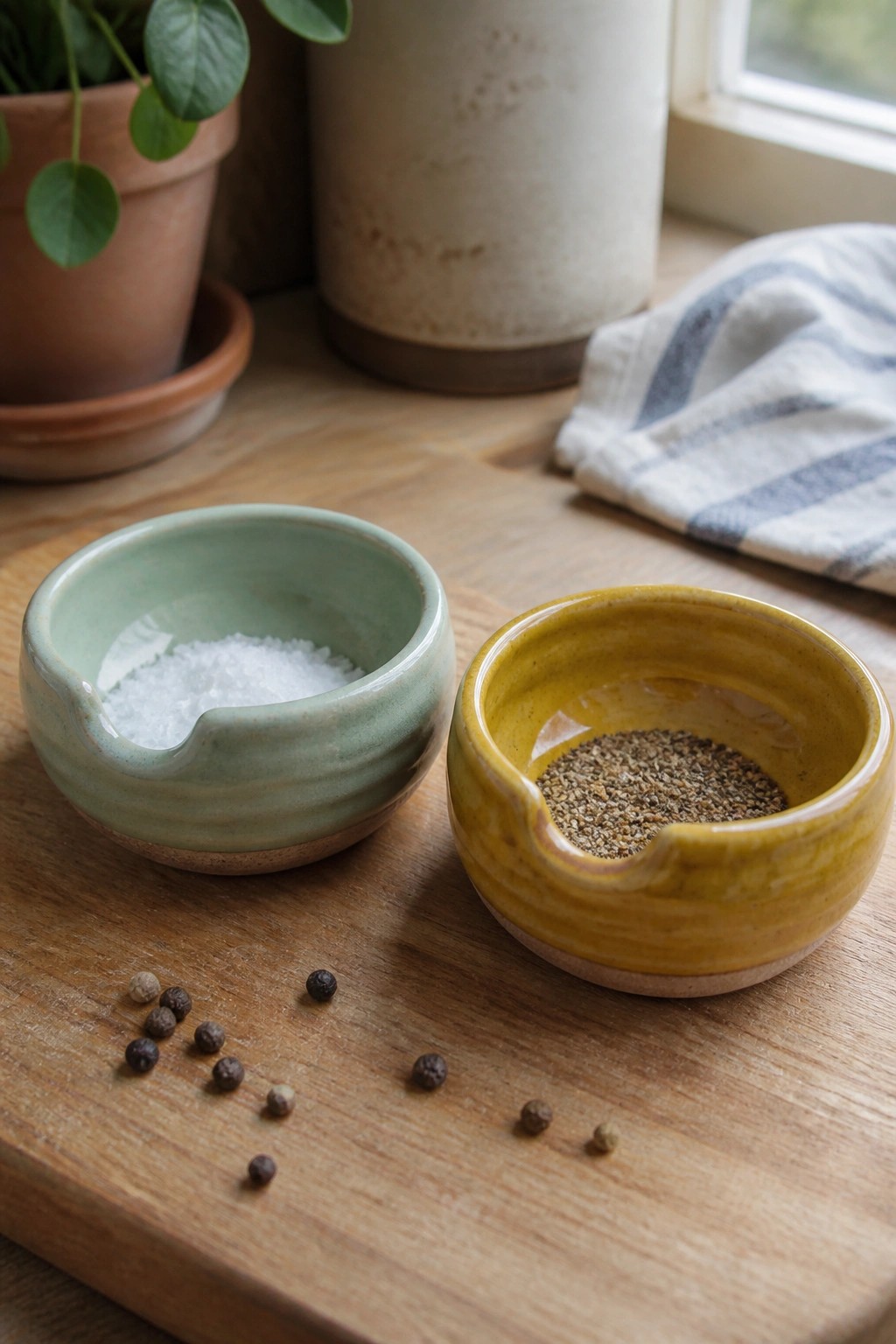
Small wheel-thrown bowls work well as salt and pepper cellars when you add a simple notch to the rim after the clay firms up. The notch lets you scoop or pour without needing a separate lid or spoon, and the two different glaze colors keep each bowl easy to tell apart at the table. The exposed clay at the base grounds the pieces visually while the glossy surfaces stay practical for kitchen use.
What makes this idea useful is how the notch turns a basic thrown form into a dedicated kitchen tool with almost no extra steps. You can make a matching set in one throwing session and vary the glazes to fit different spice colors or tableware. The compact size also lets the same shape serve as a pinch bowl or small prep dish, so the design adapts quickly to other needs without new molds or handles.
Oval Covered Dish with Painted Leaf Border
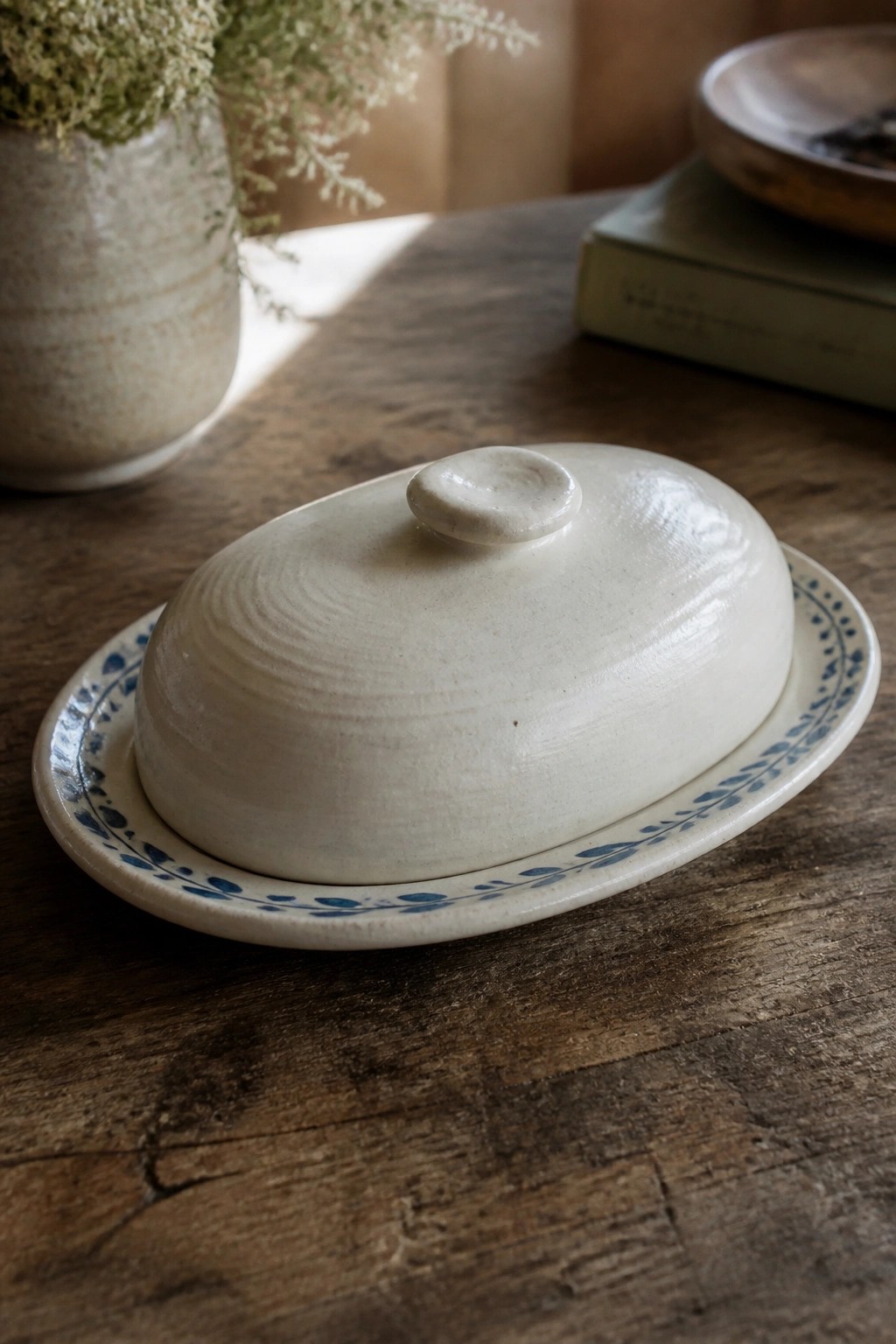
A thrown oval covered dish makes a practical kitchen server for butter or small portions of food. The domed lid rests on a matching base plate that carries a simple blue leaf border around the rim, creating contrast against the plain white surface. The form stays low and wide so the lid removes easily while the painted detail stays confined to the edge where it frames the piece without crowding the shape.
The shape does a lot of the work here because the oval footprint fits on crowded tables or shelves without wasting space. You could rework the same lid and base into a small cheese dome or shorten the proportions for a set of individual covered ramekins. The painted border adapts quickly if you swap the leaves for dots, lines, or a single color band to match other dishes you already own. For everyday use this style stands out on Pinterest because it shows a clear function paired with one repeatable decorative element rather than an all-over pattern.
Stamped Two-Hole Toothbrush Holder
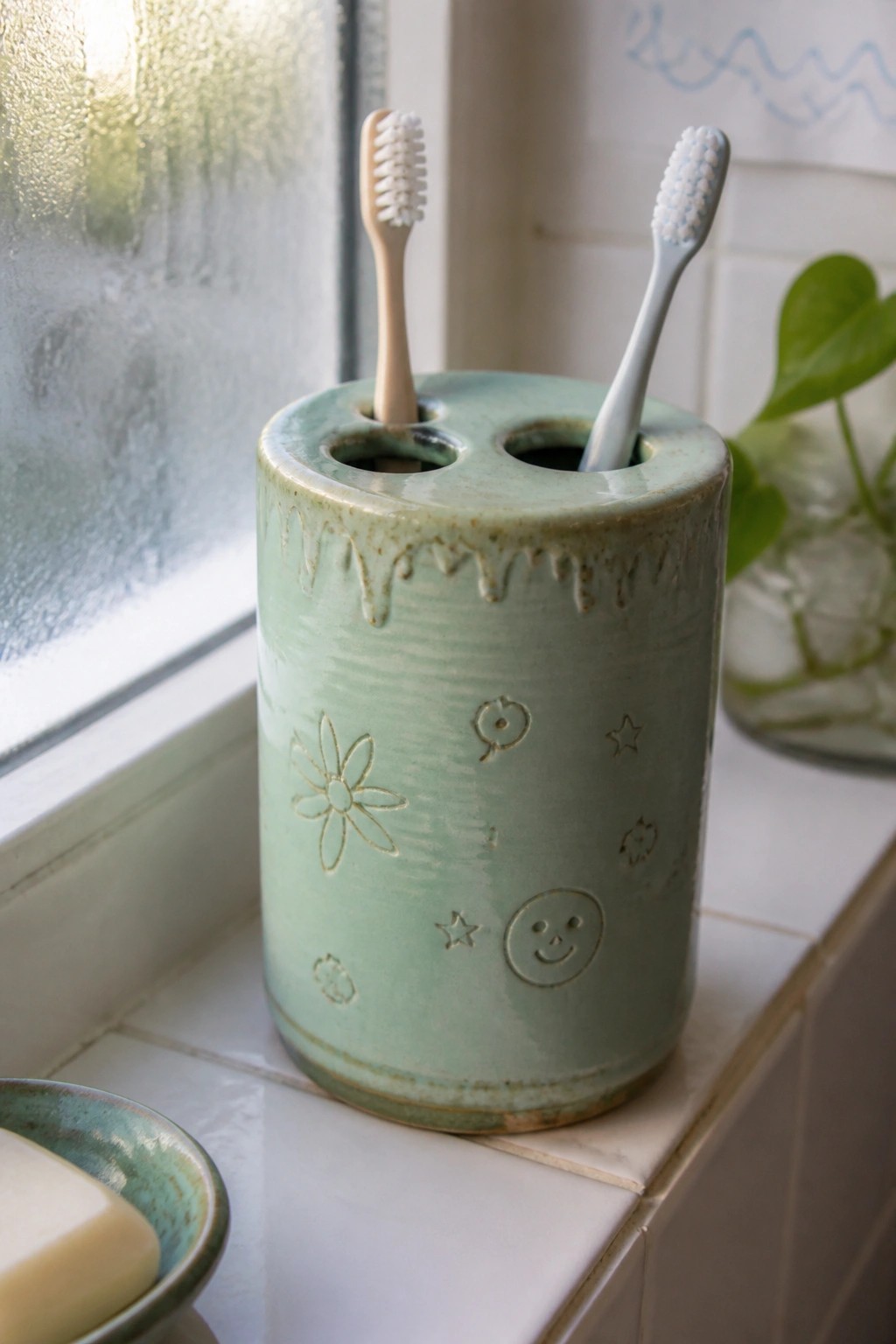
A wheel-thrown cylinder with two openings makes a straightforward toothbrush holder for bathroom use. The light green glaze shows variation in tone and a slight drip texture along the rim, while stamped motifs like a flower, stars, and a face give the surface simple decoration. This keeps the form functional for holding brushes upright without adding extra height or bulk.
What makes this idea useful is that the same basic cylinder shape can be adapted with different stamp sets or left plain for a cleaner look. The scale works on a counter or windowsill and pairs easily with other small bathroom ceramics like soap dishes. For gifts, the holder can be reworked with a single opening or different glaze colors while keeping the thrown form intact. This type of piece shows wheel work clearly in a small object that gets daily use.
Nesting Bowls with Varied Glaze Colors
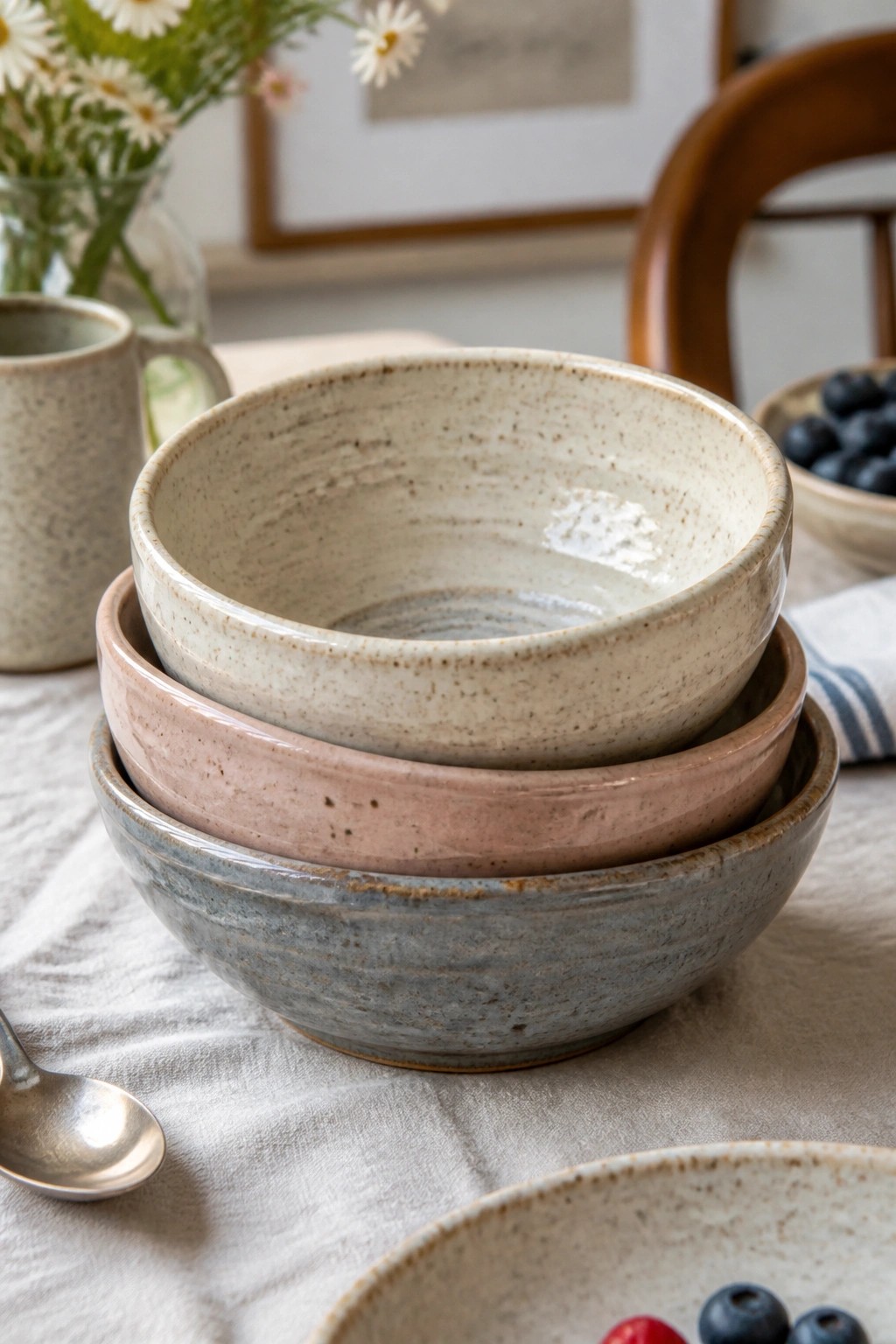
Wheel-thrown nesting bowls like these use the same simple rounded form repeated in graduated sizes so they stack neatly when stored. The visual interest comes from applying three different glazes across the set: a light speckled cream on top, a warmer pinkish tone in the middle, and a blue-gray base. This approach keeps the shapes consistent while letting the glaze variation create a coordinated but not identical look that suits everyday kitchen use.
What makes this idea useful is how easily the same thrown forms can be glazed in any color family you already own dishes in. The nesting shape saves space on open shelves or in cabinets, and the set can be scaled down for smaller prep bowls or widened for serving pieces. You could also repeat the idea with just two glazes or swap one bowl for a matching plate to build a larger collection over time.
Thrown Lidded Jar with Loose Brush Decoration
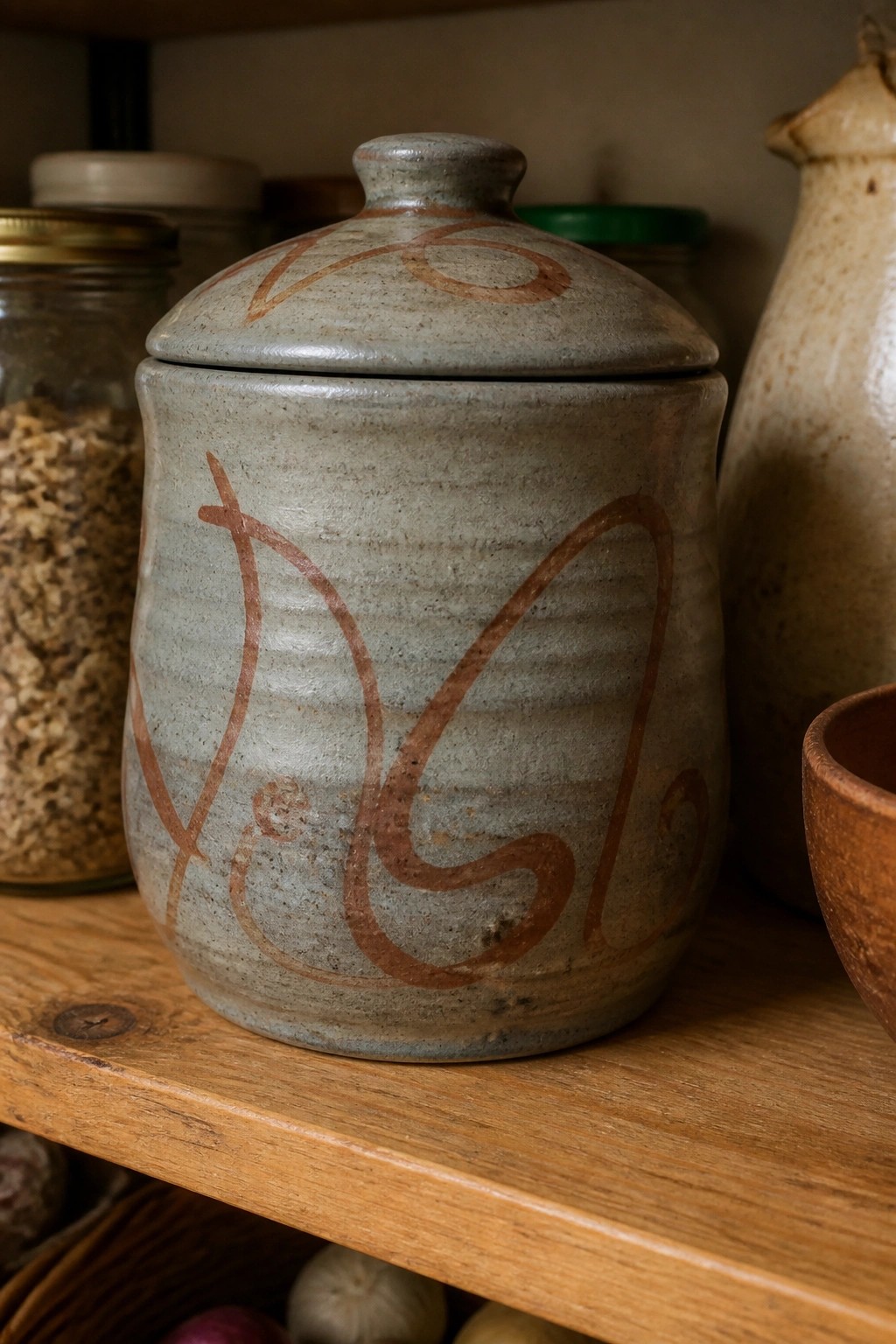
A wheel-thrown lidded jar makes a solid kitchen storage piece when you keep the form simple and add bold, curving brush marks in iron oxide or underglaze. The horizontal throwing ridges give the surface just enough texture for the painted lines to sit against without competing. A matte gray glaze lets the reddish-brown strokes stand out while keeping the jar practical for dry goods.
What makes this idea useful is how easily the painted motif scales up or down depending on the jar size. The same thrown shape works just as well for a smaller bathroom holder or a desk catch-all if you change the glaze color. You could rework the design by practicing the curves on paper first or by using a single repeating stroke instead of multiple overlapping ones.
Ribbed Bottle Vase
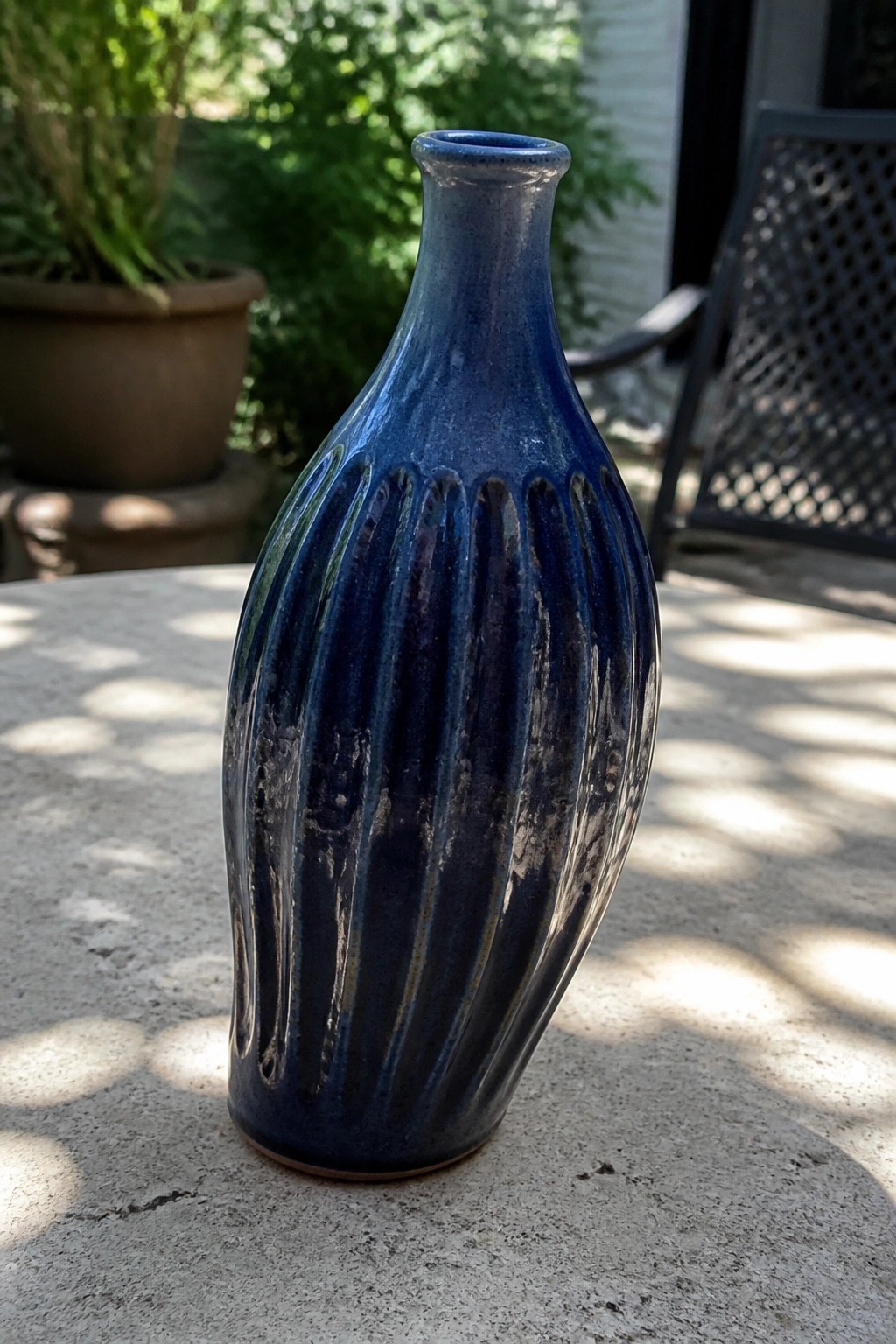
A wheel-thrown bottle vase with a narrow neck and rounded shoulder works well when the body is altered with vertical ribs after throwing. The ribs create a repeating linear texture that catches light and adds movement without extra carving or added clay. A deep blue glossy glaze pools slightly in the grooves, giving the surface extra depth and variation while keeping the overall form simple.
What makes this idea useful is how the ribbing turns a basic bottle shape into something more interesting without changing the function. The same form can be scaled down for bud vases or widened slightly for larger arrangements. The vertical lines also give the piece a stronger presence on a shelf or table compared to a smooth surface. For another version, the ribs could be spaced wider or stopped partway down the body to create a different rhythm.
Wheel-Thrown Pedestal Bowl
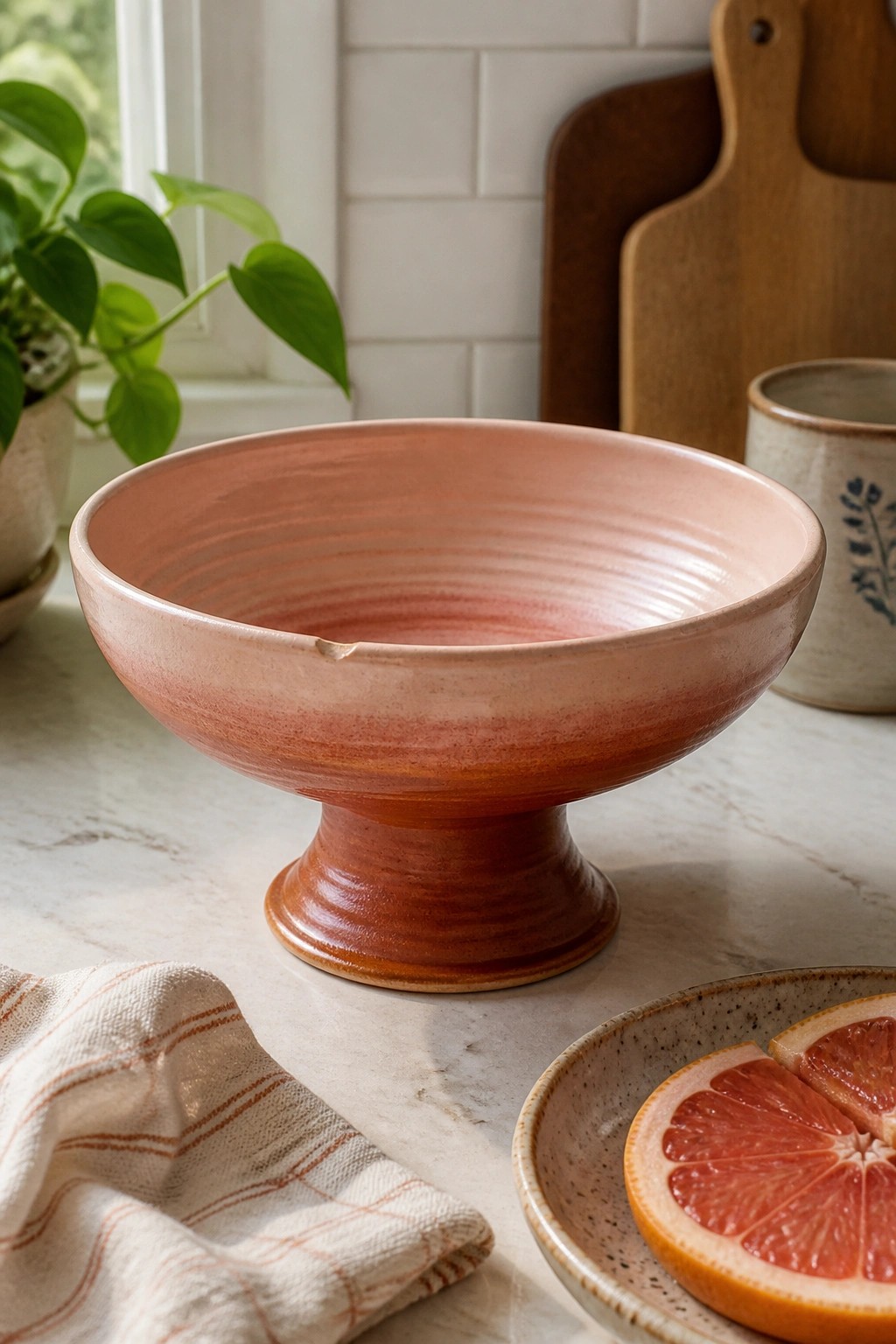
A wheel-thrown pedestal bowl raises the rim above the surface while keeping the form stable on a narrow foot. The wide, open shape works well for holding fruit or snacks, and the visible horizontal throwing lines give the surface subtle texture under the glaze. The gradient moves from a lighter peach tone at the rim down to a deeper rust at the base, which emphasizes the curve without added decoration. This style fits the category of a kitchen serving bowl that doubles as a display piece.
The shape does a lot of the work here by lifting contents off the table so they read better in a group setting. You could adapt the same foot and rim proportions for a smaller version to hold nuts or for a taller foot that turns it into a cake stand. A single solid glaze color would keep production simple while the form stays the main feature. In a kitchen this kind of piece stands out on Pinterest because the raised profile separates it from ordinary mixing bowls.
Spouted Vase with Vertical Dotted Lines
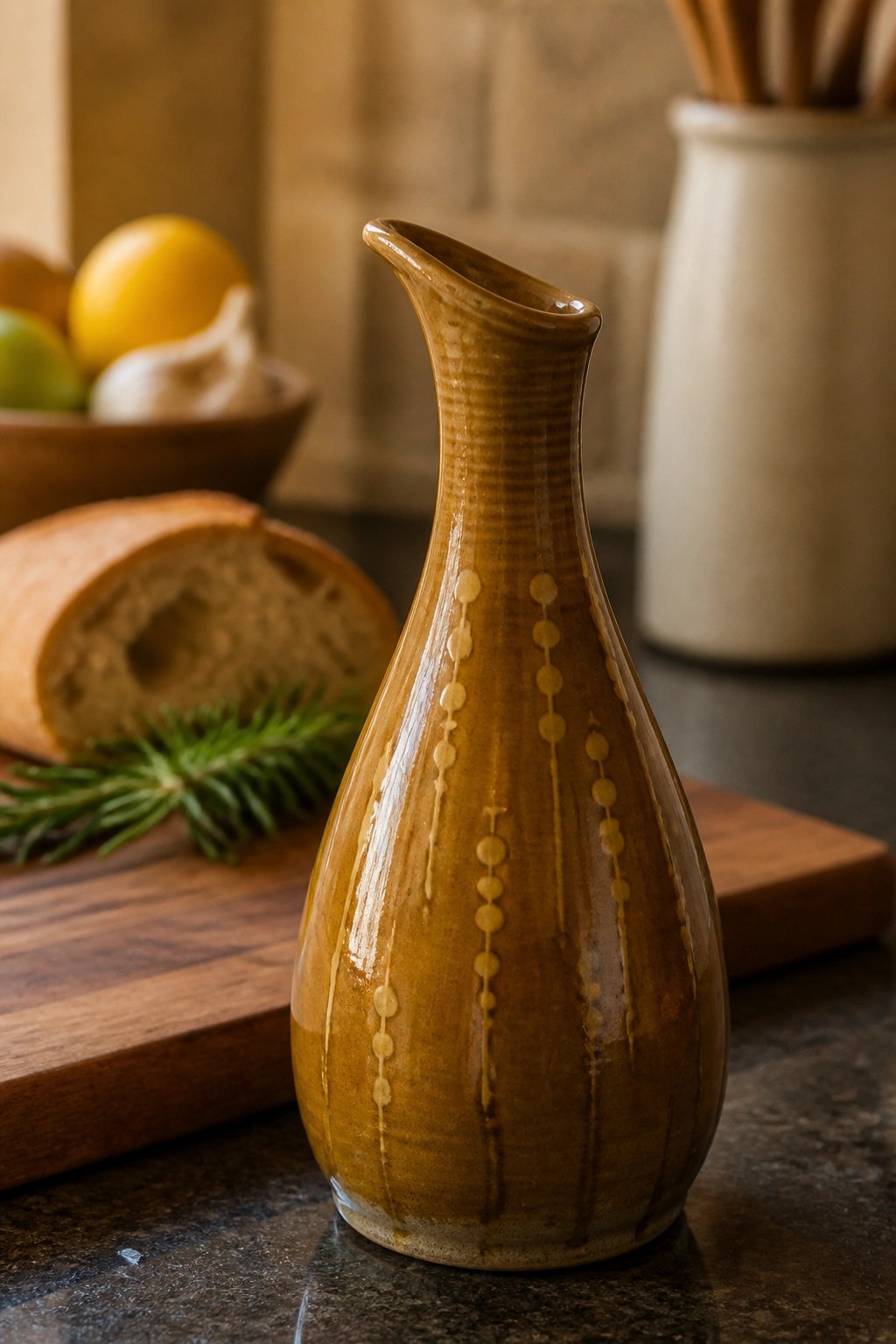
A wheel-thrown vase with a rounded base that narrows into a tall neck and ends in a pinched spout gives a simple form both visual lift and light function. The brown glaze serves as the main color while vertical rows of lighter dots add rhythm without covering the whole surface. This keeps the piece easy to throw on the wheel yet gives it a clear handmade detail that shows up well in a single firing.
What makes this idea useful is how the spout turns a standard vase shape into something that can hold flowers or pour small amounts of liquid. You can adapt the dotted lines by spacing them differently or switching the dot color to work with other base glazes on bottles or narrow carafes. In a kitchen the shape sits nicely on a counter without taking much room and still reads as intentional rather than purely decorative. The pattern itself is straightforward to repeat or simplify on future pieces once you have the slip trailing or dotting motion down.
Hanging Wall Vase for Single Stems
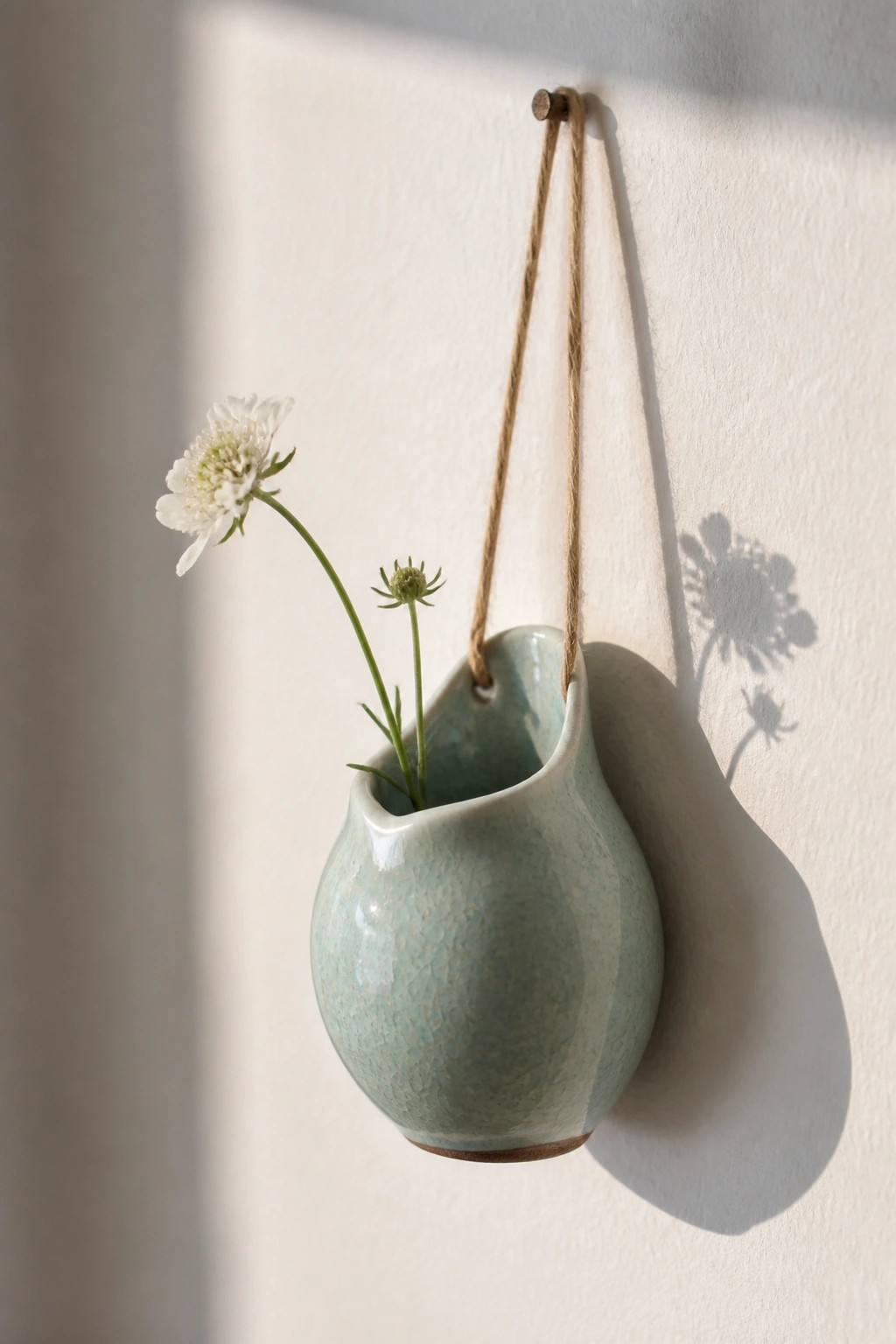
A wheel-thrown hanging vase gives you a compact way to display one or two stems without taking up shelf space. The rounded body tapers to a slightly pinched rim with two small holes drilled before firing so cord can pass through for suspension. A light blue-green crackle glaze covers the surface and highlights the form while keeping the overall shape simple and balanced.
What makes this idea useful is how little wall space it needs while still showing off flowers clearly. You could rework the same thrown form with a matte glaze or omit the holes to create a tabletop version instead. In a bathroom or narrow hallway this shape keeps the piece from feeling bulky. The small scale also makes it easy to batch out several at once for gifts or market sales.
Wheel-Thrown Teapot with Loose Floral Painting
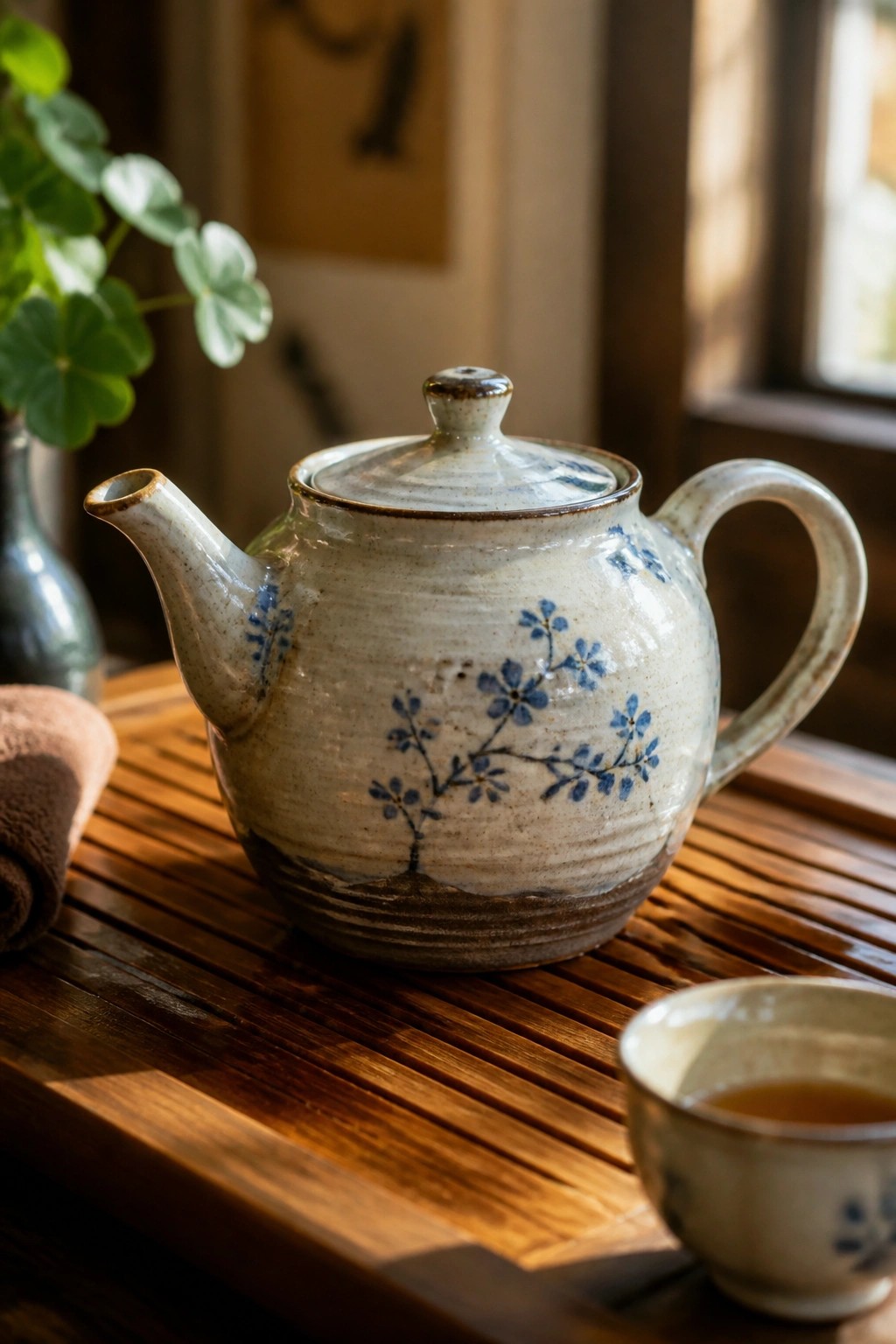
A wheel-thrown teapot in this style uses a rounded body with a short angled spout and a simple pulled handle that sits comfortably opposite it. The light speckled glaze leaves space for blue painted branches that run across the surface in a loose, repeating pattern without covering the entire form. The lid sits low with a small knob, keeping the overall profile compact and easy to pour from. This approach fits functional serving ware while still showing off clean throwing lines.
What makes this idea useful is how the same branch motif can transfer directly to mugs or small pitchers without needing new stamps or decals. The rounded shape works well for tea or coffee service on a tray and holds enough liquid for two or three people. You could reduce the painting to fewer branches if you want quicker results or swap the blue for another color that matches existing dishes. For a gift this size keeps things practical while still looking intentional on a shelf.
Ridged Match Holder Bowl
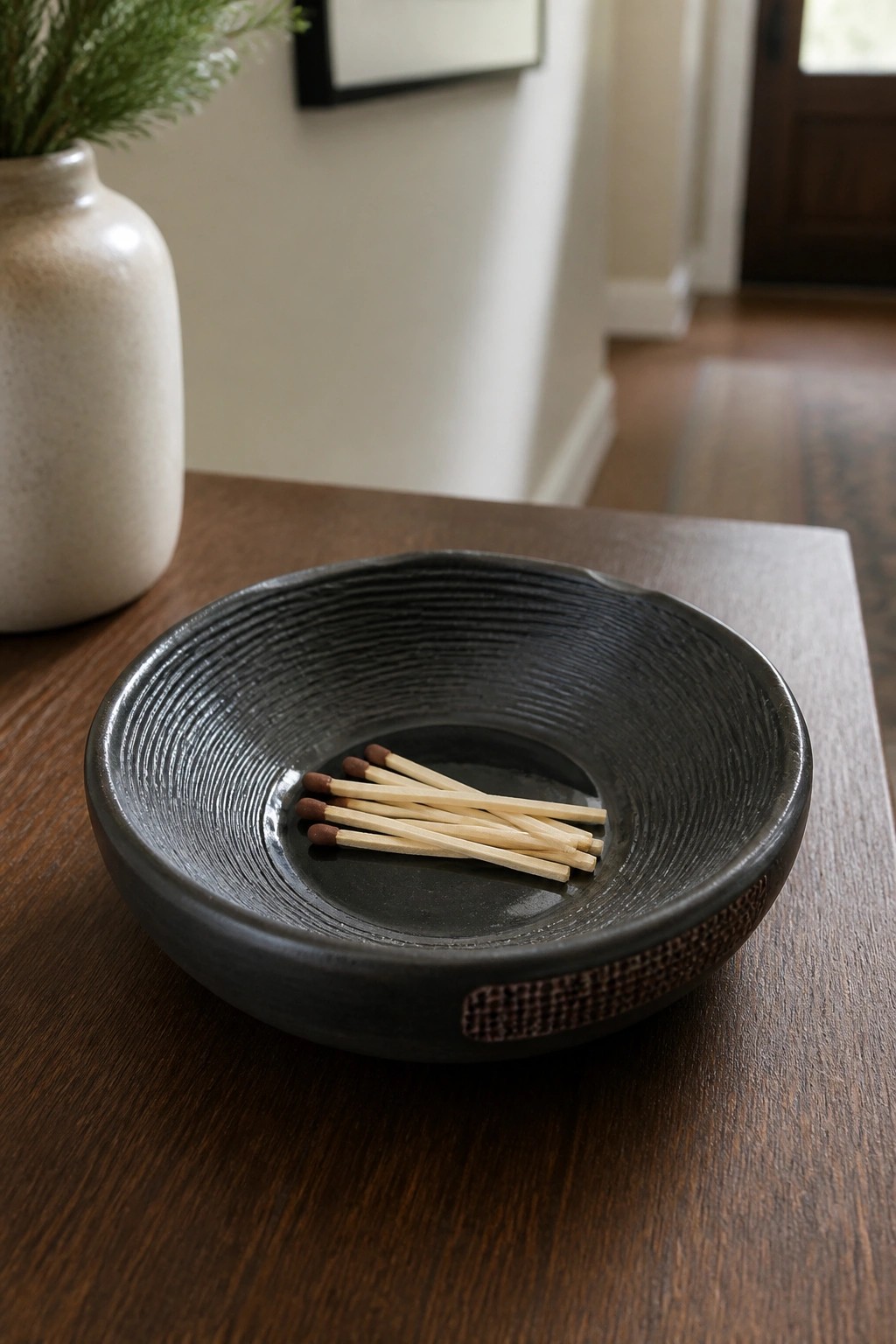
A small ceramic bowl works as a match holder when the interior features tight horizontal ridges that catch and organize the sticks. The dark matte glaze keeps the focus on the texture while the narrow woven band near the rim adds a single contrasting detail. This approach turns a basic thrown bowl into a functional desk or tabletop item that stores matches neatly. The scale stays small enough to sit beside candles or a fireplace without crowding the surface.
What makes this idea useful is the way the ridges double as both grip and visual interest, so the piece stays interesting even when empty. You could scale the same ridged form up into a larger tray for kitchen matches or swap the dark glaze for a lighter one to match different decor. The small size makes it simple to try on a wheel without using much clay. For a gift, add a few matches and a striker strip on the base to finish the set.
Ridge Soap Dish for Daily Use
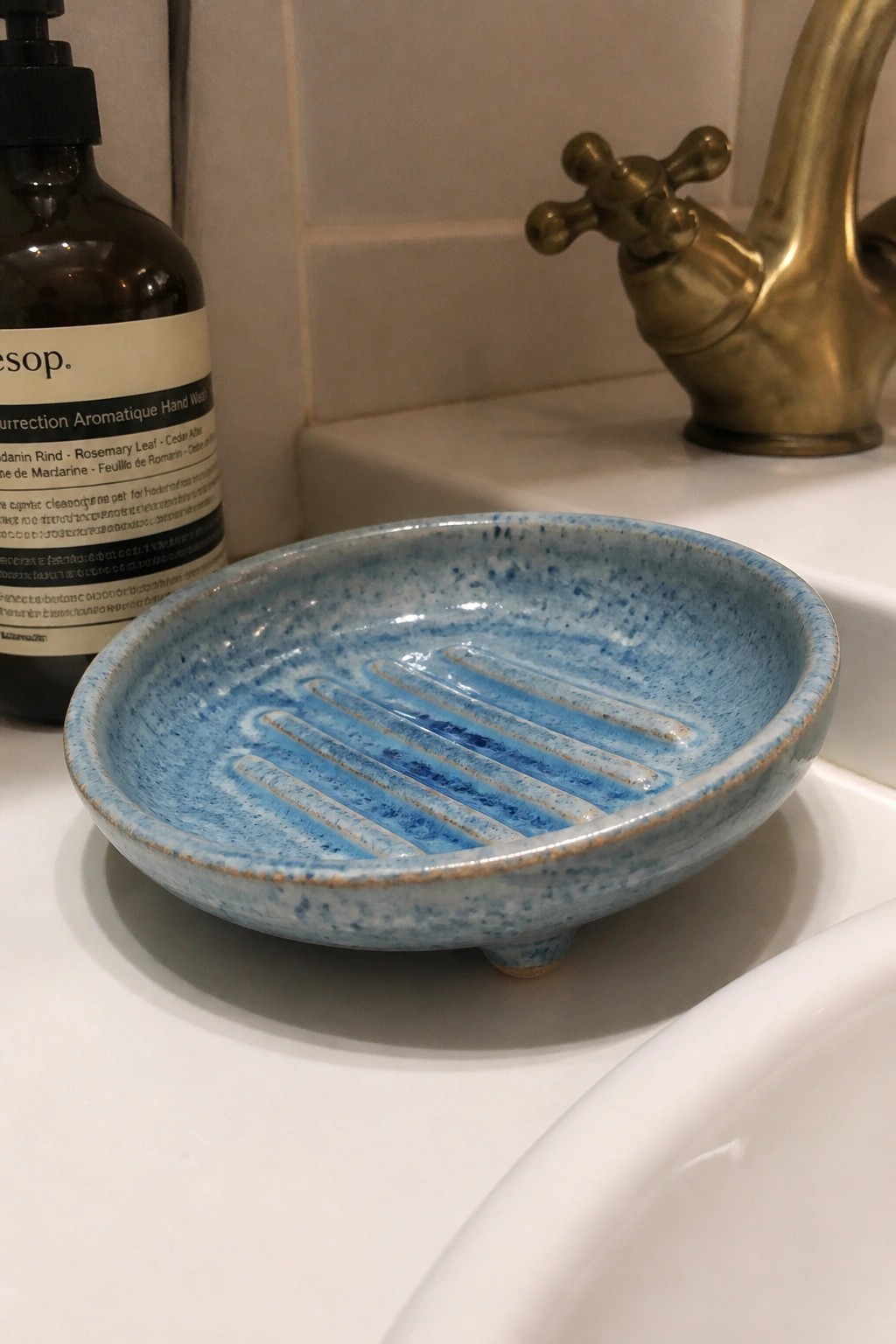
A small wheel-thrown soap dish takes the form of a shallow round bowl with three raised parallel ridges running across the center. These ridges lift the bar of soap so water drains away instead of pooling underneath. The speckled blue glaze covers the entire surface and leaves a slightly textured finish that hides minor throwing marks. This project fits the bathroom item category and stays compact for narrow sink ledges.
What makes this idea useful is the built-in drainage that keeps soap dry without extra inserts or trays. You can adapt the ridge pattern to different diameters or swap the glaze for solid colors while keeping the same low profile. The small scale makes it easy to produce several at once for matching sets. In a bathroom, this kind of piece works better than flat dishes because it actually solves a daily problem.
Scalloped Hanging Platter with Botanical Relief
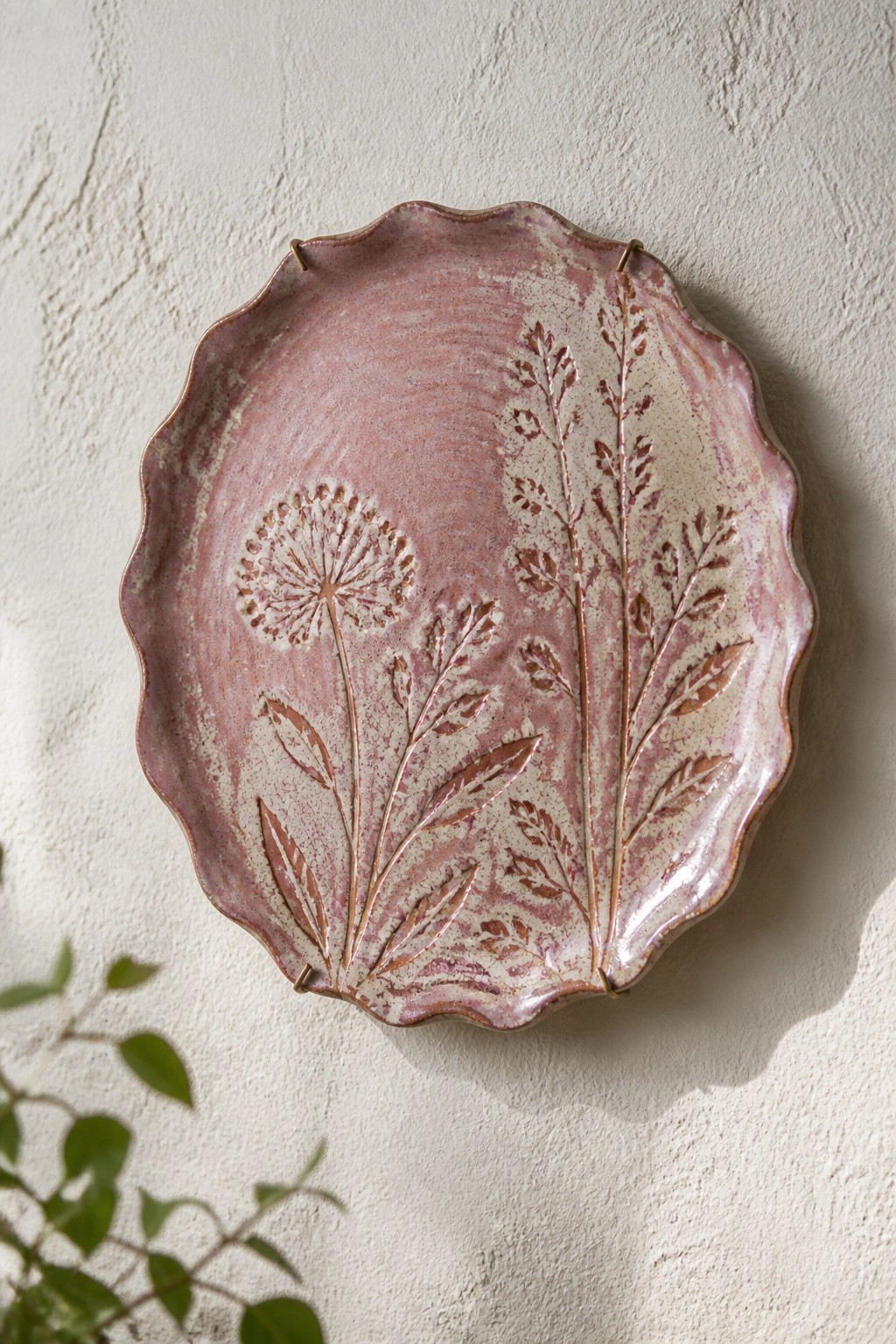
A round ceramic platter with a scalloped rim can be fitted with small wire loops to hang on a wall. The design uses impressed or carved plant forms like dandelion seed heads and leafy stems that sit slightly raised under a mottled pink glaze. This turns a basic tray shape into a decorative wall piece that relies on simple surface texture rather than added color layers.
What makes this idea useful is how the oval form and relief details keep the piece interesting even from a distance. You could adapt the same pressed botanicals onto a rectangular tray or a set of smaller dishes for a matching group. The pink glaze variation also works in other reactive colors if you want it to fit a different room palette. For a gift, something like this stands out because the wall-hanging function adds a practical twist to a standard platter shape.
Frequently Asked Questions
What tools beyond a standard pottery wheel help bring the 24 creative throwing ideas to life? A sturdy set of wooden and metal ribs lets you define sharp angles or flowing curves on your forms while sponges control moisture during complex pulls. Add a wire tool for clean cutoffs and a set of loop tools for carving details after the piece firms up. These basics support everything from off-center bowls to stacked sculptural vessels without requiring a full studio overhaul.
How do you keep tall or asymmetrical shapes from collapsing during the more experimental wheel techniques? Work in stages by throwing a thick base first then adding coils or pulling walls gradually while the clay stays at the right softness. Keep your hands and the clay consistently lubricated with water or slip and pause often to let sections firm slightly. Many of the 24 ideas succeed when you throw in sections and join them on the wheel rather than forcing one continuous pull.
Which clay bodies work best for the artistic effects shown in the article? Porcelain offers crisp edges and fine detail for delicate forms but requires careful handling to avoid slumping. Stoneware provides more forgiveness for larger or textured pieces and holds up well during multiple alterations. Test small batches of each to see how they respond to your chosen throwing speed and pressure before committing to full projects.
How can you add surface interest or color while the piece is still on the wheel? Apply slips or underglazes with brushes or sponges during throwing to create layers that move with the clay. Experiment with inlay techniques by carving shallow lines then filling them with contrasting slip before trimming. These methods integrate decoration directly into the 24 ideas so the color becomes part of the form rather than an afterthought.
What steps help finished pieces survive drying and firing without cracking? Cover your work loosely with plastic for several days to slow drying then move it to open air once it reaches leather hard. Score and slip any added parts thoroughly and avoid thin spots that dry faster than the rest. Fire on a slow schedule in the bisque stage especially for complex shapes to reduce stress on the clay.

Pottery Path is my cozy corner of the internet where I share clay ideas, pottery inspiration, and simple projects you can recreate at home. I love exploring everything from air dry clay to handbuilt pottery to cute minis that brighten your day. My goal is to make clay crafting feel easy, fun, and welcoming for anyone who wants to try it.
You will find beginner friendly tutorials, creative pottery painting ideas, and lots of warm inspiration for slow and happy crafting. If you enjoy hands on creativity, this space will feel like home.