
Have you ever noticed your spruce tree not producing any cones?
Despite its healthy appearance, the absence of these iconic seed-bearing structures may be due to various factors. Understanding cone development in spruce trees involves considering elements like environmental influences, age, and nutrient deficiencies.
The lack of cones on your spruce tree could result from multiple interconnected factors.
Stay tuned for specific insights and solutions that can shed light on this mystery.
Spruce Tree Species and Cone Production
When it comes to spruce tree species and cone production, understanding the factors that influence it can provide valuable insights into the health and vitality of these majestic trees.
Genetic predisposition plays a crucial role in cone production among different spruce tree species. Some species have a genetic predisposition to produce an abundance of cones, while others may not be as prolific.
Additionally, the climate has a significant influence on cone production. For instance, spruce trees in colder climates tend to produce more cones than those in warmer regions. The length of the growing season, temperature fluctuations, and precipitation all affect the tree's ability to produce cones.
Environmental Factors Affecting Cone Development
The environmental factors that influence the development of spruce tree cones play a pivotal role in shaping the reproductive success of these iconic trees. Understanding these factors can help you identify why your spruce tree may not be producing cones.
Here are the key environmental factors affecting cone development:
- Climate conditions: The temperature and precipitation levels greatly impact cone development. Optimal conditions are crucial for the initiation and maturation of cones.
- Genetic factors: The genetic makeup of the tree influences its ability to produce cones. Some genetic variations may lead to reduced cone production.
- Soil composition: The nutrient content and pH levels of the soil directly affect the tree's overall health and its capacity to develop cones.
- Pollination process: Successful pollination, often facilitated by wind or insects, is essential for cone development. Factors that hinder pollination can result in limited cone production.
Recommended Products

Quick, at home results for Soil pH, Nitrogen, Phosphorous and Potash Innovative and inexpensive soil test kit features an easy-to-use capsule system and patented color comparators

Kindly NOTE: This soil tester can not be applied to test pH value of any other liquid. If the soil is too dry the indicator will not move, and water it before testing.
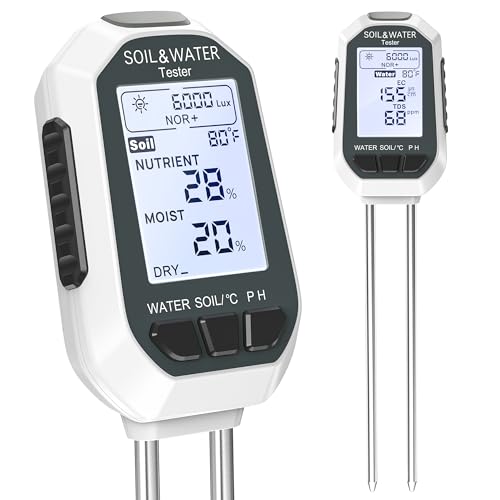
【7-in-1 Features】This is a 7-in-1 multi-function soil tester. Our soil tester quickly measures soil moisture, pH, temperature and light intensity, and its fertility function helps you take better care of your plants. With this device you can measure the soil moisture, pH, temperature and light intensity for your plants and with the EC and TDS functions you will know when it is time to water the soil.
Tree Age and Cone Maturation
As your spruce tree matures, the cone development process undergoes significant changes, influencing the tree's reproductive capacity. The growth rate of spruce trees varies with age, with younger trees typically having a slower growth rate and taking longer to reach reproductive maturity. Climate plays a crucial role in the maturation of cones, as certain spruce species require specific temperature and light conditions to induce cone development. Soil conditions also impact cone maturation, with well-draining, nutrient-rich soils contributing to healthier tree growth and increased cone production. Additionally, tree health is a key factor in cone maturation, as stressed or diseased trees may have reduced reproductive capabilities. Understanding the interplay of these factors can help in managing and optimizing cone production in your spruce trees.
| Factors | Impact on Cone Maturation |
|---|---|
| Growth rate | Affects time to maturity |
| Climate | Influences cone development |
| Soil conditions | Nutrient availability |
Nutrient Deficiencies Impacting Cone Formation
Addressing nutrient deficiencies in your spruce trees is crucial for optimizing cone formation and building on the factors influencing cone maturation. Nutrient deficiencies, such as low soil pH or inadequate fertilizer application, can hinder cone development.
To ensure your spruce trees receive the necessary nutrients for healthy cone formation, consider the following:
- Soil pH: Test the soil to determine its pH level. Spruce trees thrive in slightly acidic soil with a pH level between 4.5 and 6.0. If the pH is too high, consider amending the soil to lower the pH and create a more suitable environment for cone development.
- Fertilizer application: Properly apply a balanced fertilizer specifically formulated for evergreen trees. Ensure the fertilizer contains essential nutrients like nitrogen, phosphorus, and potassium to support healthy cone formation.
Recommended Products

Boosts Evergreen Vitality: Specially designed for acid-loving trees and shrubs, this fertilizer ensures lush foliage and steady growth for plants like arborvitae, azaleas, and pines.

High Phosphorus & Potassium Fertilizer – Designed to deliver elevated phosphorus and potassium for targeted plant support.

FOR USE ON: Use Evergreen-tone organic fertilizer for all needle leaf and broadleaf evergreens. This includes pine, fir spruce, juniper as well as azaleas, rhododendron and camellias
Pests and Diseases Hindering Cone Growth
Examine your spruce trees closely for signs of pest infestations or diseases that may be impeding the growth of their cones. Fungal infestations and insect damage can significantly hinder cone formation in spruce trees. Look for any visible signs of fungal growth on the branches or trunk, as well as any unusual patterns of insect activity such as holes in the bark or chewed foliage.
Additionally, consider the impact of weather patterns and soil conditions on the health of your trees. Unfavorable weather, such as prolonged periods of drought or excessive moisture, can weaken the trees and make them more susceptible to pests and diseases. Similarly, poor soil conditions may lead to nutrient imbalances that compromise the trees' ability to produce cones.
Regular monitoring and timely intervention can help mitigate these issues and promote healthy cone growth.
Recommended Products

3-in-1 FORMULA: Aphid spray for outdoor plants for use on roses, flowers, shrubs and trees to control listed insects, disease and mites

3-IN-1 PLANT CARE: 3-In-1 Insect, Disease & Mite Control is insect control, disease control, and plant mite control all in on; Delivers protection for up to 14 days

INSECT KILLER: Army worm killer. Also kills insects such as Aphids, Spider Mites, Japanese Beetles, Caterpillars, and other listed insects
Conclusion
In nurturing your spruce tree, monitoring its species, environment, age, nutrients, and potential pests or diseases is crucial for healthy cone development.
By paying attention to these factors, you can ensure the well-being of your tree and foster the growth of those beautiful cones.
Remember to provide the care and attention your spruce tree needs to thrive.

My interest in trees started when I first saw the giant sequoias in Yosemite.I was a teenager then, and I remember thinking, “I need to learn more about this.”That moment stuck with me.A few years later, I went on to study forestry at Michigan Tech.
Since graduating, I’ve worked in a mix of hands-on tree care and community education.I’ve spent over ten years helping people understand how to plant, maintain, and protect the trees in their neighborhoods.I don’t see trees as just part of the landscape.They are living things that make a real difference in our daily lives.