Are you thinking about starting a raised bed garden but unsure what wood to use? You’re not alone. Many gardeners face this dilemma, wanting to create a sturdy and safe environment for their plants while keeping costs manageable.
Key Takeaways
- Wood Selection: Choose wood that resists decay for your raised bed garden; popular options include cedar, redwood, and untreated pine based on budget and durability needs.
- Enhanced Gardening Benefits: Raised beds improve soil quality, enhance drainage, and make pest control easier, which contributes to healthier plant growth.
- Ideal Size & Dimensions: Common dimensions for raised beds include a width of 4 feet, length of 4-8 feet, and height of 12-36 inches to promote accessibility and proper drainage.
- Natural vs. Chemical Treatments: Consider the impact of wood treatments; untreated woods like cedar and redwood are safe for edibles, while pressure-treated wood offers longevity with potential chemical risks.
- Cost Considerations: Prices vary by wood type—cedar and redwood are more expensive than untreated pine; factor in long-term costs when budgeting for your garden.
- Location & Soil Depth: Ensure raised beds are placed in sunny spots with level ground, filled with 12-18 inches of quality soil for optimal plant health.
Understanding Raised Bed Gardens
Raised bed gardens elevate your planting area, enhancing drainage and soil quality. These gardens consist of enclosed frames, typically filled with soil, allowing easier access for planting and maintenance.
Benefits of Raised Bed Gardens
- Improved Soil Quality: You can customize the soil mix to suit specific plants, resulting in healthier growth.
- Enhanced Drainage: Elevated beds prevent waterlogging, which is crucial for plant health.
- Pest Control: Accessing plants becomes easier, enabling better pest management.
- Easier Maintenance: Heights reduce the need for bending, making gardening more accessible.
Ideal Dimensions
Building a raised bed involves simple measurements that optimize space and ease of access. Common sizes include:
- Width: 4 feet encourages easy reach from both sides.
- Length: 4 to 8 feet provides ample growing space without overwhelming the structure.
- Height: 12 to 36 inches helps maintain proper drainage and soil depth.
Construction Considerations
You should consider various materials for your raised bed garden. The chosen wood should resist decay and provide stability for years.
- Cedar: A popular choice due to its natural resistance to rot. It often lasts 10-15 years.
- Redwood: Similar to cedar, redwood is durable and eco-friendly, lasting over a decade.
- Pine: Economical and easy to work with, though it typically requires treatment for longevity.
- Composite Wood: Made from recycled materials, this option resists rot and doesn’t require maintenance.
- Location: Choose a spot that receives at least 6-8 hours of sunlight daily.
- Level Ground: Ensure the foundation is flat for stable support.
- Soil Depth: Fill the bed with 12-18 inches of quality soil for healthy root growth.
Starting a raised bed garden provides a hands-on approach to gardening, with practical benefits you can enjoy year after year.
Best Types of Wood for Raised Beds
Choosing the right wood for your raised bed garden affects durability, aesthetics, and safety. Here’s a breakdown of the best options.
Recommended Products

Elevate Your Garden - Opt for a brilliantly engineered raised garden bed to revolutionize your gardening. Its spacious design, measuring 48x24x30 inches, allows for the cultivation of multiple vegetable varieties alongside a plethora of herbs, optimizing your gardening space for ease and diversity.

🪵 Solid American Cedar: Crafted from untreated 100% solid American cedar boards, it is ideal for growing vegetables, herbs, and flowers.

16.5" deep to accommodate large, deep-rooted plants
Cedar
Cedar ranks highly for raised beds. It resists rot and insects naturally, lasting 10-20 years. Its pleasant aroma deters pests, making it ideal for vegetable gardens. Cedar also maintains a stable temperature, encouraging healthy root growth. Consider using untreated cedar boards. They’re safe for planting edibles.
Redwood
Redwood is another excellent choice for raised beds. It possesses similar rot-resistance as cedar but often comes at a higher price. Redwood’s deep color enhances garden aesthetics. It typically lasts 10-15 years. Choose heartwood varieties for better durability. Like cedar, untreated redwood is safe for growing food.
Pine
Pine offers a budget-friendly option for raised beds. While less durable than cedar or redwood, it can last 5-10 years with proper care. Look for untreated pine to avoid chemicals leaching into your soil. Pine works well for temporary gardens or shorter projects. Add a protective sealant for extended lifespan and rot resistance.
Make your choice based on your budget, longevity needs, and personal preferences. Each wood type provides unique benefits for your raised bed garden.
Wood Treatments and Their Effects
Selecting the right wood treatment is essential for enhancing the durability and safety of your raised bed garden. Treatments affect how long your wood lasts, its resistance to pests, and its safety for growing food.
Chemical Treatments
Chemical treatments, like pressure-treated wood, use preservatives to prolong lifespan and resistance to decay. Pressure-treated lumber often contains chemicals such as copper azole or alkaline copper quaternary. These treatments can keep the wood from rotting for 20+ years, making it a popular option. However, these chemicals may leach into the soil. To minimize risks, choose wood labeled as safe for vegetable gardens, or line the interior of the bed with a barrier, like landscaping fabric.
Natural Treatments
Natural treatments involve using wood without chemicals or additives. Untreated wood, like cedar and redwood, possesses natural oils that resist decay and repel pests. These treatments are safer for edible plants and typically last around 10-20 years. You can apply linseed oil or other natural sealants to extend life further, though they may need reapplication every few years. If you opt for natural treatments, understand that while they promote a safer growing environment, they may require more frequent replacement compared to chemically treated wood.
Factors to Consider When Choosing Wood
Selecting the right wood for a raised bed garden involves several important factors. Consider the following aspects to make an informed choice.
Recommended Products

LONG-LASTING: Made from rot resistant, 1" thick, North American Western Red Cedar
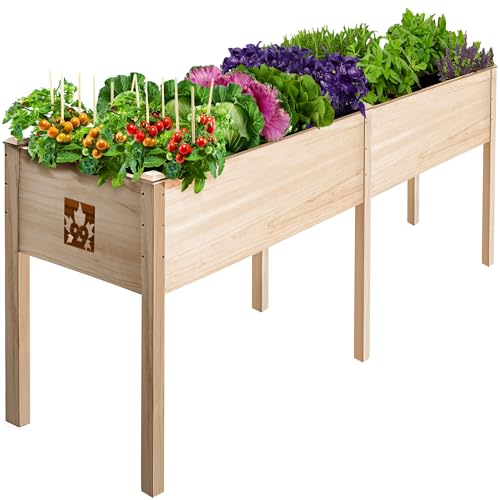
Elevate Your Garden - Opt for a brilliantly engineered raised garden bed to revolutionize your gardening. Its spacious design, measuring 48x24x30 inches, allows for the cultivation of multiple vegetable varieties alongside a plethora of herbs, optimizing your gardening space for ease and diversity.

100% Cedar Wood: Our garden bed is constructed using sustainably sourced cedar wood, known for its durability against the elements.
Durability
Durability is crucial for longevity in raised bed construction. Cedar and redwood, known for their natural rot resistance, can last 10-20 years. Pine is less durable, typically lasting 5-10 years, but it is more affordable. If you prefer sustainable options, look for untreated wood, which is safe for edible plants but may require replacement more often.
Cost
Cost plays a significant role in your decision. Cedar prices often range from $3 to $6 per linear foot, while redwood can reach $5 to $10 per linear foot. Untreated pine is budget-friendly, averaging $1 to $3 per linear foot, making it an attractive choice for cost-conscious gardeners. Assess your budget while factoring in the long-term replacement costs of less durable wood types.
Availability
Availability varies by region and wood type. Cedar and redwood may be readily available at local nurseries or lumberyards, while untreated pine is typically more accessible. Check online vendors if local sources are limited, as many offer a broader selection. It’s essential to ensure you can find the wood type you select to avoid any construction delays.
Conclusion
Choosing the right wood for your raised bed garden can make all the difference in your gardening experience. Whether you go for the durability of cedar and redwood or the budget-friendly option of untreated pine, each choice has its perks.
Remember to consider factors like longevity and safety while keeping your budget in mind. With the right materials and a little planning, you’ll create a thriving garden that brings you joy season after season. So get started on your raised bed project and enjoy the fruits of your labor!
Frequently Asked Questions
What is a raised bed garden?
A raised bed garden is an elevated planting area that improves drainage and soil quality. It allows you to customize the soil, makes pest control easier, and reduces maintenance efforts. Raised beds are typically built with wooden frames, enhancing both aesthetics and functionality in gardening.
What type of wood is best for raised beds?
Cedar and redwood are top choices due to their natural rot resistance and longevity of 10-20 years. Untreated pine is a budget-friendly option, lasting about 5-10 years, but should be used carefully to avoid chemical leaching. Each type has its benefits based on budget and personal preferences.
How long does wood for raised beds last?
Cedar and redwood can last between 10 to 20 years, making them durable options. Untreated pine, while more affordable, typically lasts 5 to 10 years with proper maintenance. Selecting the right wood can significantly impact the longevity of your raised bed garden.
Are pressure-treated woods safe for raised bed gardens?
Pressure-treated woods contain preservatives that can leach chemicals into the soil, potentially harming edible plants. It’s advisable to choose wood labeled as safe for vegetable gardens or to use a barrier to protect the soil from harmful substances.
How do I choose the right dimensions for my raised bed?
Ideal dimensions include widths of 4 feet, lengths ranging from 4 to 8 feet, and heights between 12 to 36 inches. These measurements enable easy access for planting and maintenance while promoting optimal growth for a variety of plants.
What factors should I consider when selecting wood?
Consider durability, cost, and availability. Cedar and redwood are durable but more expensive. Untreated pine is cost-effective but less long-lasting. Check local suppliers or online stores to ensure the wood you choose is accessible in your area.
Can I customize the soil in a raised bed garden?
Yes, one of the main benefits of raised bed gardening is the ability to customize the soil mix to suit your plants’ needs. You can mix compost, topsoil, and other amendments to create an ideal growing environment for your plants.

My interest in trees started when I first saw the giant sequoias in Yosemite.I was a teenager then, and I remember thinking, “I need to learn more about this.”That moment stuck with me.A few years later, I went on to study forestry at Michigan Tech.
Since graduating, I’ve worked in a mix of hands-on tree care and community education.I’ve spent over ten years helping people understand how to plant, maintain, and protect the trees in their neighborhoods.I don’t see trees as just part of the landscape.They are living things that make a real difference in our daily lives.