Are you wondering what to plant in your garden as the days get cooler? Fall is a fantastic time to refresh your garden and enjoy the vibrant colors and flavors of the season. With the right choices, you can create a beautiful space that thrives even as temperatures drop.
Imagine walking through your garden, surrounded by rich hues of autumn foliage and the delicious scents of fresh herbs and vegetables. This article will guide you through the best plants to sow in the fall, ensuring your garden remains productive and stunning. You’ll discover tips for maximizing your harvest and keeping your garden lively, so you can make the most of this beautiful season.
Key Takeaways
- Optimal Plant Selection: Choose cool-season vegetables like spinach, kale, and broccoli, and vibrant flowering plants such as chrysanthemums and asters to thrive in cooler fall temperatures.
- Soil Preparation: Prepare your garden by clearing debris, testing and amending soil, tilling, and creating level beds for optimal planting conditions.
- Effective Planting Time: Plant cool-season vegetables in late summer to early fall to ensure establishment before frost, following proper spacing guidelines for healthy growth.
- Consistent Maintenance: Establish a watering schedule, apply mulch, and inspect for pests regularly to maintain vibrancy and productivity in your fall garden.
- Utilize Companion Planting: Pair compatible plants, like spinach with strawberries and kale with beets, to enhance growth and deter pests naturally.
- Creative Arrangements: Enhance the visual appeal of your garden with mixed flower borders, seasonal container gardens, and edible landscapes for a colorful and inviting space in fall.
Choosing the Right Plants
Selecting the right plants for your fall garden enhances its appeal and productivity. Focus on varieties that thrive in cooler temperatures and provide vibrant colors and flavors.
Recommended Products

25 Heirloom & Non-GMO Seed Varieties - Carefully selected for fall planting success, including leafy greens, root crops, brassicas, and hardy herbs.

FALL AND WINTER VEGETABLE SEEDS: 8 non-GMO heirloom varieties for planting vegetables in cool weather gardens, cold frames, raised beds, and containers
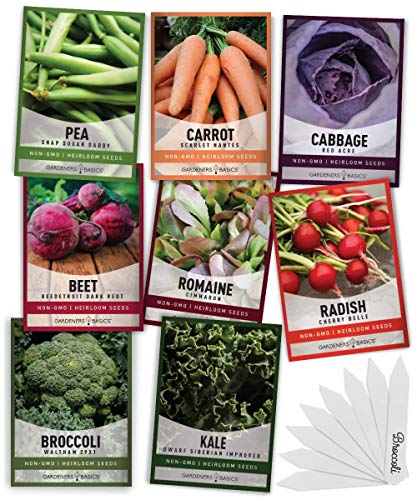
Grow beyond summer: Eight cool-season vegetable varieties for spring and fall gardens, with winter growing in suitable climates or under protection. Match sowing dates to local conditions.
Cool-Season Vegetables
Cool-season vegetables grow best in fall’s cooler weather. They can be sown directly into your garden or started indoors, then transplanted. Consider these options:
- Spinach: Plant seeds directly in the garden. Harvest the leaves when they reach 3-4 inches. Spinach withstands frost and tastes sweeter after exposure to cold.
- Kale: Choose a variety that adapts well to your climate. Transplant seedlings outdoors or direct-sow seeds. Start harvesting the outer leaves once they reach a decent size.
- Broccoli: Start seeds indoors or buy seedlings. Broccoli grows well in fall and offers multiple harvests. Focus on a variety that matures quickly to beat potential frost.
Flowering Plants for Fall
Incorporating flowering plants adds beauty and color to your fall garden. Opt for species that bloom in the cooler months. Look into these flowering options:
- Chrysanthemums (Mums): These come in various colors and bloom from late summer to fall. Plant them in well-drained soil and ensure they receive plenty of sunlight.
- Asters: Asters provide vibrant purple and blue flowers. They attract pollinators and thrive in sunny environments. Space them 12-18 inches apart for optimal growth.
- Pansies: Pansies can survive light frosts and add bright color. Plant them in hanging baskets or flower beds. Deadhead spent blooms to encourage continued flowering.
Choosing the right plants allows you to enjoy your garden throughout the fall season. Focus on a mix of cool-season vegetables and vibrant flowering plants for the best results.
Preparing Your Garden
Preparing your garden for fall involves a few key steps to ensure a successful planting season. Focus on soil health and effective planting techniques to maximize your garden’s potential.
Recommended Products

Quick, at home results for Soil pH, Nitrogen, Phosphorous and Potash Innovative and inexpensive soil test kit features an easy-to-use capsule system and patented color comparators

Kindly NOTE: This soil tester can not be applied to test pH value of any other liquid. If the soil is too dry the indicator will not move, and water it before testing.

Comprehensive Soil Analysis: Liquid soil test kits offer a comprehensive analysis of essential soil parameters, including pH, ammonia, nitrogen, phosphorus, and potassium. Having all these measurements in one kit provides a holistic understanding of the soil's fertility and health.
Soil Preparation Tips
- Clear Debris: Remove any weeds, dead plants, or debris from your garden bed. This helps prevent pests and diseases.
- Test Soil: Test your soil for pH and nutrient levels. You can use a home testing kit or send a sample to a laboratory.
- Amend Soil: Add organic matter such as compost or well-rotted manure. This improves soil structure and provides essential nutrients.
- Till Soil: Till the soil to a depth of at least 12 inches. This aerates the soil and improves drainage.
- Level the Bed: Rake the surface to create a level planting area. This helps with water distribution and coverage.
- Choose the Right Time: Plant cool-season vegetables like spinach, kale, and broccoli in late summer to early fall, giving them time to establish before the frost.
- Follow Spacing Guidelines: Check seed packets for recommended spacing. Adequate space allows for proper growth and airflow.
- Consider Companion Planting: Pairing plants can boost garden health. For example, plant onions with carrots to deter pests.
- Water Thoroughly: Water the soil before planting. Ensure it’s moist but not waterlogged, creating ideal conditions for seed germination.
- Mulch After Planting: Apply a layer of mulch around your plants. This retains moisture and suppresses weeds, supporting healthy growth.
These steps will help you create an inviting fall garden, ready for a colorful and productive season.
Maintenance and Care
Maintaining your garden in the fall ensures healthy growth, vibrant colors, and bountiful harvests. Proper care involves managing water needs and controlling pests effectively.
Recommended Products

Accurate Soil Moisture Detection: The XLUX Soil Moisture Meter can tell you if the soil deep inside your pot or garden is dry, moist or wet; whereas your eyes and fingers can only determine the moisture level of the soil surface. The probe is 5.5 inches (14 cm) longer than regular styles, allowing it to measure the soil moisture at the bottom of larger and deeper flower pots.
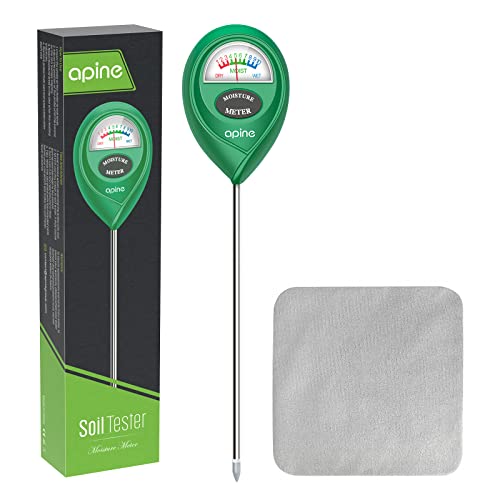
Quick Measurement:Just insert the probe of the plant water meter into the soil about two to four inches,wait a few seconds,you can get the soil moisture immediately.The color division of the dial is simple and clear,and the elderly can easily use it
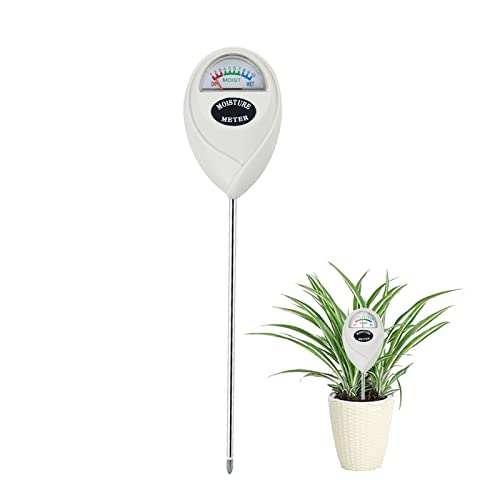
【SAVE YOUR PLANTS】: Over watering can cause problems with your plants or even kill them. This soil moisture meter helps you know the soil is dry, moist or wet.No more over watering!
Watering Schedule
Establish a consistent watering schedule to support plant growth during fall. Water early in the morning or late in the afternoon to minimize evaporation. Check soil moisture regularly; if it feels dry an inch below the surface, it’s time to water.
- Cool-Season Vegetables: These plants typically require about 1 to 1.5 inches of water per week.
- Perennials: Newly planted perennials need more frequent watering until established, roughly every 3 days.
- Mulching: Apply mulch around plants to retain moisture and reduce watering frequency.
Pest Control Strategies
Implement effective pest control strategies to protect your fall garden. Regular checks on plants help catch infestations early.
- Inspect Regularly: Look for signs of pests like aphids, cabbage worms, or spider mites.
- Handpicking: Remove larger pests by hand; this is effective for slugs and caterpillars.
- Natural Solutions: Use neem oil or insecticidal soap as a natural deterrent for soft-bodied insects.
- Companion Planting: Surround plants with herbs like basil or marigolds to repel pests naturally.
By following these maintenance tips, you enhance your garden’s vibrancy and productivity throughout the fall season.
Creative Gardening Ideas
Explore creative ways to enhance your fall garden with unique planting techniques and beautiful arrangements. Engage with companion planting and decorative arrangements to make your garden vibrant and productive.
Companion Planting
Companion planting increases efficiency and health in your garden. Use these pairs to bolster growth and deter pests:
- Spinach and Strawberries: Spinach thrives in cooler weather while strawberries benefit from shade, making them perfect companions.
- Kale and Beets: Both plants grow well together, with kale providing cover that protects beets from extensive sunlight.
- Chrysanthemums and Broccoli: Mums repel harmful pests that typically target broccoli, promoting better growth.
Consider planting in clusters, ensuring each plant has ample space to flourish. Monitor your garden regularly for pest activity, and adjust plant arrangements as necessary to maintain a healthy ecosystem.
Decorative Arrangements
Add visual appeal to your garden with decorative arrangements that capture the essence of fall. Here are some ideas:
- Mixed Flower Borders: Combine chrysanthemums, pansies, and asters for a vibrant pop of color. Use varying heights for visual interest.
- Seasonal Container Gardens: Create containers filled with seasonal plants, such as ornamental kale and colorful fall foliage. Arrange them at entryways or patios to welcome visitors.
- Edible Landscapes: Integrate colorful vegetables like purple kale or orange carrots into ornamental beds. This not only beautifies your space but also provides fresh produce.
Implement these decorative ideas by planning your layout in advance. Sketch designs to visualize arrangements before planting. Make adjustments according to your garden’s specific conditions, ensuring the arrangements thrive throughout the fall season.
Conclusion
Fall’s a wonderful time to breathe new life into your garden. By choosing the right plants and following simple maintenance tips, you can create a stunning and productive space that thrives in the cooler months.
Don’t forget to mix in those vibrant flowering plants to keep your garden lively and inviting. With a little planning and care, you’ll enjoy a beautiful garden filled with colors and flavors all season long. So grab your gardening gloves and get ready to make the most of your fall planting adventure!
Frequently Asked Questions
What are the benefits of planting in the fall?
Planting in the fall allows you to refresh your garden while benefitting from cooler temperatures. Cool-season vegetables like spinach, kale, and broccoli thrive in autumn, and planting them now can lead to bountiful harvests in early spring. Additionally, fall planting enhances your garden’s beauty with flowering plants while supporting local pollinators.
Which plants are best to sow in the fall?
The best plants for fall sowing include cool-season vegetables such as spinach, kale, and broccoli. For added color, consider flowering plants like chrysanthemums, asters, and pansies. These selections will thrive in cooler weather and enhance the vibrancy of your fall garden.
How should I prepare my garden for fall planting?
To prepare your garden for fall planting, clear debris, test and amend the soil, and till for aeration. Level the planting area to ensure proper water distribution. This preparation will create an ideal environment for your new plants.
What maintenance is needed for fall-planted gardens?
Maintaining a fall-planted garden involves establishing a consistent watering schedule, especially for cool-season vegetables. Apply mulch to retain moisture and suppress weeds. Regular inspections for pests and implementing pest control strategies will also help keep your garden healthy.
What is companion planting and how can it help my garden?
Companion planting involves growing different plants together for mutual benefits, including pest deterrence and improved growth. For example, pairing spinach with strawberries or kale with beets can foster a healthy garden ecosystem, enhancing vigor and yield.
Can I plant flowers and vegetables together in the fall?
Yes, planting flowers and vegetables together is beneficial. Flowering plants like chrysanthemums can attract pollinators while you grow vegetables like kale and broccoli. This combination can improve the health and productivity of your garden while creating a visually appealing arrangement.

I’ve always been drawn to trees.As a kid, I spent most of my free time outside, climbing, exploring, and trying to figure out the names of the trees around me.That early curiosity eventually led me to study arboriculture and horticulture at Michigan State.Later, I completed a degree in forestry at the University of Michigan.
I’ve been working in tree care and education ever since.These days, I enjoy helping people learn more about the trees in their own backyards.How they grow, how to care for them, and why they matter.You don’t need to be an expert to appreciate trees.A little curiosity goes a long way.