Ever wondered what’s the best way to keep your young trees standing tall and strong? Picture this: a gust of wind threatens to topple your freshly planted sapling. What can you use to secure it to the stake and prevent disaster? In this article, we’ve got you covered with practical tips and tricks on how to tie trees to stakes effectively.
You’re not alone in facing the challenge of securing trees to stakes. Whether you’re a novice gardener or a seasoned pro, knowing the right tools and techniques can make all the difference. Discover the ideal materials for tying your trees securely, ensuring their growth and stability in any weather conditions.
By the end of this article, you’ll have a clear understanding of the best practices for tying trees to stakes, empowering you to nurture your green companions with confidence. Say goodbye to worrying about your trees swaying in the wind – it’s time to equip yourself with the knowledge you need to keep them safe and thriving.
The Importance of Tying Trees to Stakes
When young trees are not securely anchored to stakes, they are susceptible to damage from strong winds, harsh weather conditions, and curious animals. Tying trees to stakes is crucial because it promotes stability during the formation of the root system, ensuring healthy growth.
Without proper support, trees may struggle to establish a strong foundation in the soil, making them vulnerable to leaning, uprooting, or slumping. By securing them to sturdy stakes, you provide the necessary guidance for the tree trunk to develop straight and upright, enhancing its overall structural integrity.
In addition to protecting the tree itself, properly tied trees offer benefits to the surrounding ecosystem. They can prevent accidents by avoiding falling branches or toppling trees, keeping both property and individuals safe from harm.
Ensuring trees are properly tied to stakes is an investment in their long-term health and appearance. With the right materials and techniques, you can safeguard your trees and contribute to a beautiful and thriving landscape.
Recommended Products

[STRONG TENSILE STRENGTH]-The tree strap is very strong with 2,200 lb (1,000 kg) tensile strength,it can protect your trees from bad weather or in windy area.
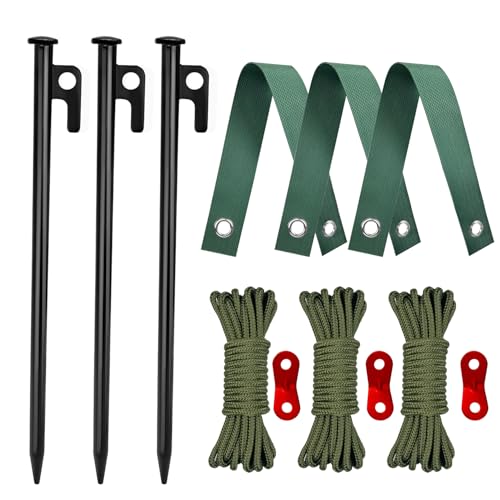
【Value Package】Package comes with 3pcs tree stakes,3pcs tree straps for staking and 3pcs ropes (each 13ft) with 3pcs aluminium tensioners. Complete tree stake kit enable your saplings to grow straight and healthy even in windy conditions

MADE FROM 65% RECYCLED PLASTIC: Reusable so you can reduce waste; supports the move toward a sustainable future
Best Materials for Tying Trees
When tying trees to stakes, it’s essential to use soft and flexible materials to prevent damage to the tree’s bark. Look for materials that are durable and able to withstand outdoor conditions. Here are some of the best materials for tying trees:
-
Tree Ties:
- These specialized ties are designed to be gentle on tree trunks while providing secure support.
-
Rubber Strips:
- Flexible rubber strips are ideal for young trees as they allow for natural movement without causing harm.
-
Cloth Webbing:
- Soft cloth webbing is a great option for protecting delicate bark from abrasion.
- Reusable twist ties offer versatile and adjustable options for securing trees.
By choosing the right materials, you can ensure that your trees are well-supported while allowing for healthy growth.
Recommended Products

SOFT, STRONG & EXTRA WIDE - Biostretch Tree Ties are made from premium green fabric and are specially designed for larger plants and young trees. Their extra wide design offers enhanced strength and stretchability, and they can easily be cut to your desired length.
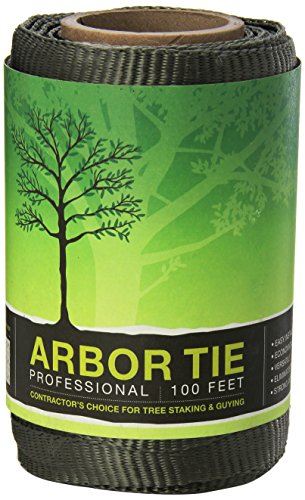
SAFE AND EFFECTIVE TREE SUPPORT - The DeepRoot ArborTie Staking and Guying Material offers an innovative alternative to conventional tree support methods like wire and hose, providing effective support for trees with ease.

Perfect for Bad Weather: If you are searching for a tree stakes kit that can provide strong support to your young trees, you can never go wrong with our tree straps for staking, With a little care and attention, the tree straps will help you to grow beautiful, healthy trees
Proper Techniques for Securing Trees
When securing trees to stakes, wrap the tie around both the tree and the stake to provide stable support. Avoid tying the tree too tightly to prevent constricting its growth. Check and adjust ties periodically to accommodate the tree’s growth.
- Position the tie a few inches above the ground to allow the tree to sway naturally in the wind while still retaining support.
- Use a figure-eight technique when fastening the tie to prevent it from slipping or causing damage to the tree’s bark.
- Monitor the ties regularly and replace any that are worn or damaged to maintain the tree’s stability.
Helpful tip: Inspect the ties during routine gardening tasks to ensure the tree remains properly supported.
| Key Point | Details |
|---|---|
| Tie Position | Few inches above ground |
| Fastening Technique | Figure-eight method |
| Maintenance | Regular monitoring and replacement as needed |
Recommended Products
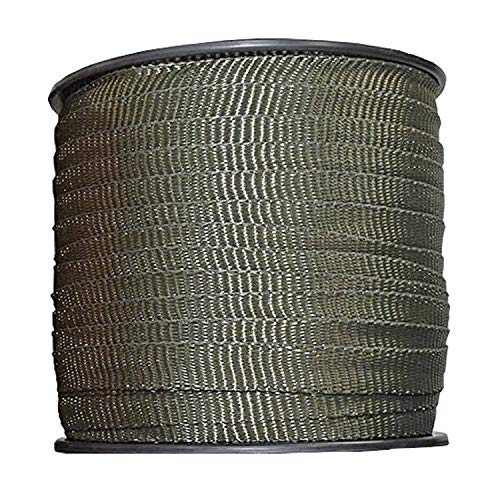
Plant & Tree Support. 5/8" Wide x 250 Ft Long. Ultra strong yet soft woven webbing ideal for plant, limb, branch and tree support. Strong enough to anchor large trees, yet flexible enough to use on young saplings and shrubs. This tree strap is excellent to prevent or repair tree damage caused by heavy snow or winds. Used for numerous horticultural, garden and landscape applications, simply cut to needed length. Natural olive color of the tree support strap blends into the environment.

Replaces traditional wire & hose

Package include:you will recive 58 ft roll 1/2inch wide tree support straps,suitable size and sufficient length to protect trees and plant growth and correct inclined trees.
Advantages of Properly Tied Trees
When trees are securely tied to stakes, there are several advantages that can benefit the growth and health of your plants. Here are some key benefits:
- Prevention of Tilting: Tying your tree properly helps prevent it from tilting or leaning to one side, ensuring that it grows straight and tall.
- Support for Young Trees: Young trees, especially those still developing strong root systems, greatly benefit from being tied to a stake for additional support against wind or accidental damage.
- Enhanced Stability: Properly securing the tree to a stake ensures stability, especially during strong winds or inclement weather, reducing the risk of the tree getting uprooted or damaged.
- Facilitates Growth: By providing support through tying the tree to a stake, you allow the tree to focus on growth and development, rather than expending energy on bracing itself against external forces.
- Reduced Risk of Breakage: Tying trees to stakes helps reduce the risk of branches breaking off in windy conditions, preserving the tree’s overall structure and aesthetics.
Remember, the goal of tying your tree to a stake is to support its growth and ensure its stability, leading to healthy, flourishing trees in your garden.
Conclusion
Ensuring your trees are properly tied to stakes is key to their health and growth. By providing support and stability, you’re setting them up for success in your garden. Remember, using the right materials and techniques can make all the difference. Keep your trees secure and watch them thrive!
Frequently Asked Questions
Why is it important to tie trees to stakes?
It is important to tie trees to stakes to prevent tilting, support young trees, enhance stability in harsh weather, promote growth, and reduce the risk of breakage. This support system facilitates healthy and flourishing trees in your garden.
How do tied trees benefit from stake support?
Tied trees benefit from stake support by maintaining an upright position, protecting against strong winds, aiding in straight growth, reducing damage from movement, and ultimately ensuring the tree’s overall health and longevity.

I’ve always been drawn to trees.As a kid, I spent most of my free time outside, climbing, exploring, and trying to figure out the names of the trees around me.That early curiosity eventually led me to study arboriculture and horticulture at Michigan State.Later, I completed a degree in forestry at the University of Michigan.
I’ve been working in tree care and education ever since.These days, I enjoy helping people learn more about the trees in their own backyards.How they grow, how to care for them, and why they matter.You don’t need to be an expert to appreciate trees.A little curiosity goes a long way.