Wondering what you can plant in your garden right now? If you’re staring at bare soil and feeling a bit lost, you’re not alone. Many gardeners face the same dilemma when the seasons change.
Key Takeaways
- Understanding your growing zone is crucial; use the USDA Plant Hardiness Zone Map to determine which plants thrive in your area.
- Choose plants suited to your zone, including cool-season vegetables for early spring and warm-season ones for post-frost planting.
- Timing is essential for planting; check local frost dates and select the right season for each crop to ensure optimal growth.
- Consider adding vibrant flowers and herbs to your garden, enhancing aesthetics and biodiversity while providing culinary benefits.
- Utilize gardening best practices like soil testing, quality seeds selection, and crop rotation to maximize productivity and health.
- Join local gardening groups to exchange tips and experiences specific to your region’s conditions for a more successful gardening journey.
Understanding Your Growing Zone
Understanding your growing zone is essential for successful gardening. Your growing zone determines which plants thrive in your area based on temperature, climate, and seasonal changes. The USDA Plant Hardiness Zone Map is a valuable tool for this purpose.
Recommended Products

2023 USDA HARDINESS ZONE REFERENCE: Features the full color-coded hardiness zone map with legend, covering all 13 zones across the United States including Alaska and Hawaii.
![USDA PLANT HARDINESS ZONE MAP [OF NORTH AMERICA INCLUDING ALASKA] (HUGE COLOR MAP 48 X 48 INCHES)](https://m.media-amazon.com/images/I/514qjUJQZfL._SL500_.jpg)

Expertly sized to fit into economical and easy to find standard frames.
How to Identify Your Growing Zone
- Find Your Zone: Use the USDA Plant Hardiness Zone Map online. Enter your zip code to discover your zone.
- Check Average Temperatures: Look for the average annual minimum temperature for your zone. This helps identify which plants can survive local winter conditions.
- Consider Microclimates: Note that your specific yard may have distinct areas—like slopes or shaded spots—that can affect plant growth.
Choosing Plants for Your Zone
After identifying your zone, choose plants that match its conditions. Here are some plants suitable for various zones:
| Zone | Example Vegetables | Example Flowers |
|---|---|---|
| 3 | Kale, Spinach | Hellebore |
| 4 | Carrots, Lettuce | Peonies |
| 5 | Tomatoes, Peppers | Daylilies |
| 6 | Zucchini, Beans | Black-eyed Susan |
| 7 | Squash, Corn | Coneflower |
| 8 | Eggplant, Okra | Hydrangea |
| 9 | Sweet Potatoes | Bougainvillea |
Timing Your Planting
Timing is crucial for plant growth. Check local frost dates to plan your planting schedule. Use this information to prevent frost damage to new plants.
- Spring Planting: Generally safe after the last frost date in your zone. Look for cool-season crops to plant first.
- Fall Planting: Focus on hardy crops that can withstand cooler temperatures.
- Read Plant Labels: They provide specific zone recommendations.
- Join Local Gardening Groups: These groups offer valuable advice based on firsthand experience.
- Experiment with Varieties: Try different plants within your zone to see what thrives best.
Using your growing zone as a guide maximizes your gardening success and ensures a vibrant garden all year round.
Seasonal Planting Guide
Understanding what to plant now can optimize your garden’s productivity. Use this seasonal planting guide to make informed decisions for your garden.
Recommended Products

25 Heirloom & Non-GMO Seed Varieties - Carefully selected for fall planting success, including leafy greens, root crops, brassicas, and hardy herbs.
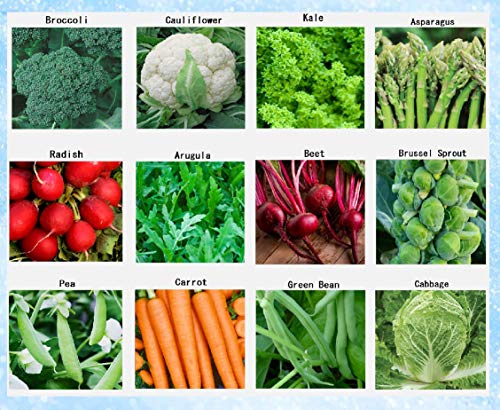
☘ 12 MOST POPULAR WINTER VEGETABLES: Radish, Pea, Broccoli, Beet, Carrot, Cauliflower, Green Bean, Kale, Arugula, Cabbage, Asparagus, Brussel Sprout.
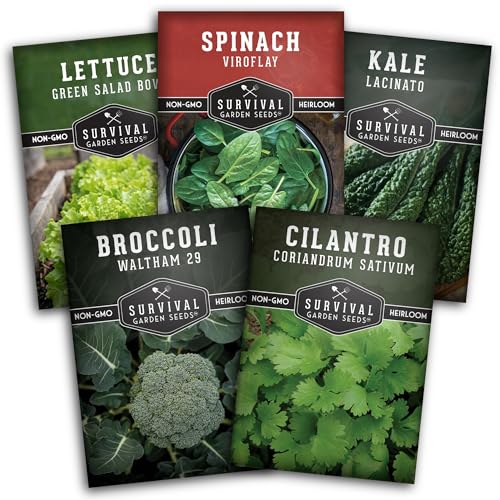
5 COOL SEASON VARIETIES – Includes Broccoli Waltham 29, Kale Lacinato, Lettuce Green Salad Bowl, Spinach Viroflay, and Cilantro for versatile garden harvests
Cool-Season Vegetables
Cool-season vegetables thrive in the cooler temperatures of early spring and fall. Consider planting:
- Lettuce: This leafy green grows best in temperatures between 60°F and 65°F.
- Spinach: Start planting in late winter to enjoy a plentiful harvest by spring.
- Radishes: Fast-growing, these can be sown now for a quick crop.
- Peas: Plant early in the spring for a sweet harvest before the heat arrives.
- Broccoli: Seeds can go in early, providing a robust yield later.
These vegetables generally tolerate light frost. Ensure the soil is well-drained and enriched with compost for optimal growth.
Warm-Season Vegetables
Warm-season vegetables prefer warmer soil and air temperatures. Plant these as the frost risk has passed:
- Tomatoes: Start seeds indoors or buy seedlings after the last frost for the best results.
- Cucumbers: Direct sow seeds in May for a refreshing summer yield.
- Bell Peppers: Warm soil helps these thrive; plant after temperatures remain consistently above 60°F.
- Squash: Both summer and winter squash varieties grow well in warm conditions.
- Corn: Direct sow in late spring when soil temperature reaches at least 60°F.
These vegetables won’t tolerate frost, so timing is critical. Use mulch to retain moisture and regulate soil temperature for enhanced growth.
Flower Options for Spring Planting
Spring presents an excellent opportunity to refresh your garden with vibrant flowers. Choosing the right types can enhance your outdoor space and attract beneficial wildlife.
Recommended Products

100% Pure, Non-GMO Seeds - No fillers, favorites only! Includes 19 easy-to-grow species: Siberian Wallflower, Shasta Daisy, Lance Leaf Coreopsis, Sweet William, Foxglove, Purple Coneflower, Blanket Flower, Blue Flax, Perennial Lupine, Mexican Hat, Gloriosa Daisy, Black Eyed Susan, Candytuft, Gayfeather/Blazing Star, Maltese Cross

Miracle-Gro Indoor Potting Mix for Seed Starting grows stronger roots for seeding success (vs unfed when used as directed)

Freshest Wildflower Seeds: Our hummingbird and butterfly wildflower mix includes 24 beautiful annual, perennial and biennial plants. We offer the freshest seeds to enhance the quality of your garden, we ensure a high germination rate, 99% pure live seed, no filler
Annuals to Consider
- Petunias: Brighten borders and pots with their colorful blooms. They’re easy to grow and thrive in full sun.
- Marigolds: Plant these resilient flowers to deter pests. They bloom continuously from spring until frost, adding a splash of orange and yellow to your garden.
- Zinnias: Enjoy their sturdy stems and vibrant colors. Suitable for full sun, they’re great for cutting gardens.
- Impatiens: Perfect for shaded areas, these flowers provide a burst of color. They do well in moist soil and require partial shade for optimal growth.
- Daylilies: With stunning flowers that bloom in different colors, these hardy plants require minimal care. They adapt well to various soils and conditions.
- Echinacea (Coneflower): These drought-tolerant plants attract pollinators. Their striking purple petals bloom throughout summer and fall.
- Sedum: Known for their resilience, sedums thrive in poor soil and require little water. Their succulent leaves add texture to your garden.
- Black-Eyed Susans: These bright yellow flowers thrive in full sun and bloom from summer to fall. They’re low-maintenance and attract butterflies.
Choose these flowers for your spring planting to create a lively garden. Always consider your local climate and soil type to ensure the best growth for your chosen plants.
Herbs to Plant Now
Planting herbs not only enhances your garden’s beauty but also adds fresh flavors to your kitchen. Depending on your USDA Plant Hardiness Zone and local climate, consider these herbs that thrive in the spring:
Basil
Basil loves warmth and sunshine. Plant it after the last frost when temperatures consistently exceed 60°F. Use well-drained soil and ensure it gets six to eight hours of sunlight daily.
Cilantro
Cilantro is perfect for cooler weather. Plant it in early spring for a quick harvest. It prefers light shade and well-draining soil. Keep the soil moist but not soggy.
Chives
Chives are hardy and can thrive in USDA Zones 3 through 9. Plant them in full sun or light shade. These perennials come back each year, providing a reliable herb for your kitchen.
Dill
Dill germinates quickly and grows well in cooler temperatures. Plant it in late spring for fresh leaves and seeds. It prefers full sun and well-draining soil, and it usually doesn’t require much water.
Mint
Mint grows vigorously and adapts well to various conditions. Plant it in containers to prevent it from spreading uncontrollably. It thrives in partial shade and moist, rich soil.
Thyme
Thyme thrives in well-drained, dry soils and full sun exposure. This perennial herb is drought-tolerant once established, making it a low-maintenance choice for your garden.
Oregano
Oregano is an essential herb for many cuisines. Plant it in fertile, well-drained soil and full sun for optimal growth. Its flavor intensifies with dry growing conditions, so avoid overwatering.
Parsley
Parsley can be planted in early spring. It prefers moist soil and partial shade. Regular watering ensures healthy, robust growth, making it a versatile addition to dishes.
These herbs not only add flavor to your meals but also attract beneficial insects, enhancing your garden’s ecosystem. When selecting herbs, consider your growing zone and local frost dates to ensure the best results.
Tips for Successful Gardening
Understand Your Soil
Assessing soil quality is essential. Conduct a soil test to determine pH levels and nutrient content. Amend your soil with compost to improve its texture and fertility.
Choose Quality Seeds and Plants
Opt for seeds and plants from reputable sources. High-quality seeds germinate better and healthy plants adapt more quickly to their new environment.
Plan Your Garden Layout
Design your garden layout in advance. Group plants by their water and sunlight needs. This increases your garden’s efficiency and health.
Water Wisely
Water plants early in the morning or late in the evening. This prevents evaporation and ensures deeper soil penetration. Monitor soil moisture using a finger test.
Mulch for Moisture Retention
Cover garden beds with organic mulch like straw or wood chips. Mulch helps retain moisture, suppress weeds, and regulate soil temperature.
Rotate Crops Annually
Rotate crop families each year. This practice reduces soil-borne pathogens and nutrient depletion. For example, follow legumes with leafy greens.
Observe Pests Regularly
Inspect plants for signs of pests or diseases. Address issues quickly using organic solutions, like neem oil, to prevent widespread damage.
Record Your Progress
Maintain a gardening journal. Jot down planting dates, growth observations, and weather conditions. This data helps refine your gardening practices.
Join Local Gardening Groups
Engage with local gardening communities. They offer valuable tips specific to your region’s climate and soil conditions. Plus, you can share experiences and resources.
Stay Educated
Read books, attend workshops, or use online resources. Understanding plant care techniques enhances your gardening proficiency and success.
Conclusion
Getting started in your garden can be both exciting and a bit overwhelming. With the right plants for your growing zone and a little planning you can create a thriving space that brings joy and beauty to your home.
Remember to pay attention to local frost dates and choose the right time to plant. Whether you’re going for vibrant flowers or fresh herbs your garden can be a source of pride and satisfaction.
Don’t hesitate to explore new varieties and connect with fellow gardeners. With a little patience and care you’ll soon see your garden flourish. Happy planting!
Frequently Asked Questions
What is a growing zone, and why is it important for gardening?
A growing zone is a designated area that indicates which plants can thrive based on temperature and climate conditions. Understanding your growing zone helps you select the right plants for your garden, ensuring they can survive seasonal changes and grow successfully.
How can I determine my growing zone?
You can find your growing zone by using the USDA Plant Hardiness Zone Map. Simply enter your zip code to check your area’s average temperatures, which will help you identify the best plants for your specific climate.
What are cool-season and warm-season crops?
Cool-season crops, like lettuce and peas, grow best in cooler temperatures and can tolerate frost. Warm-season crops, such as tomatoes and peppers, require warmer soil and should be planted after the last frost. Timing is crucial for successful harvesting.
What types of flowers are best for spring planting?
For spring planting, consider vibrant annuals like petunias and zinnias, or hardy perennials like daylilies and black-eyed Susans. These choices enhance garden aesthetics while attracting beneficial wildlife, contributing to a healthy garden ecosystem.
Which herbs are recommended for spring planting?
Spring is a great time to plant herbs like basil, cilantro, and mint. These herbs not only enhance culinary dishes but also attract beneficial insects, making them a valuable addition to your garden.
How can I improve my soil for gardening?
Improving soil quality involves testing its pH and nutrient levels, then amending it with compost. This provides essential nutrients and enhances soil structure, promoting healthy plant growth.
Why is it important to keep a gardening journal?
Maintaining a gardening journal helps you track your progress, note successful plants, and learn from challenges. This information is valuable for planning future gardens and improving your gardening practices.
How can local gardening groups benefit me?
Joining local gardening groups offers advice tailored to your specific region, helping you understand local conditions and plant varieties. You’ll also gain support from fellow gardeners and may access additional resources like workshops and events.

I’ve always been drawn to trees.As a kid, I spent most of my free time outside, climbing, exploring, and trying to figure out the names of the trees around me.That early curiosity eventually led me to study arboriculture and horticulture at Michigan State.Later, I completed a degree in forestry at the University of Michigan.
I’ve been working in tree care and education ever since.These days, I enjoy helping people learn more about the trees in their own backyards.How they grow, how to care for them, and why they matter.You don’t need to be an expert to appreciate trees.A little curiosity goes a long way.