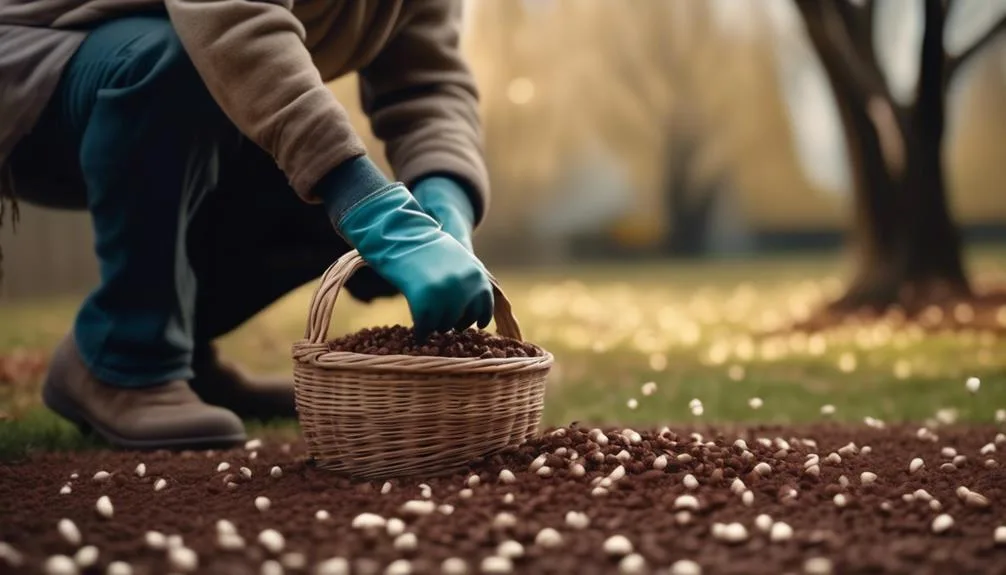
As autumn arrives, dogwood trees bear bright clusters of berries, a sign that it's time to collect their seeds.
Whether you're an experienced gardener or new to the hobby, learning the best methods for harvesting dogwood seeds can be satisfying.
By knowing how to gather and store these seeds, you can ensure that these beautiful trees continue to thrive in your garden or landscape.
Timing for Harvesting Dogwood Seeds
To harvest dogwood seeds successfully, it's essential to time the process carefully to ensure the seeds are at their peak ripeness for collection. Dogwood trees produce seeds that are ready for harvesting in the late summer to early fall.
You can tell if the seeds are mature and ready for collection by checking if they've turned from green to a deep red color. At this stage, the seeds should be plump and firm.
It's important to gather the seeds promptly as dogwood trees have evolved an ecological strategy for seed dispersal. The seeds are often eaten by birds and other wildlife, aiding in their distribution across the landscape.
Identifying Ripe Dogwood Seed Pods
Identifying ripe dogwood seed pods is a crucial step in ensuring successful harvesting for propagation.
To identify if the dogwood seed pods are ripe, you should look for the following characteristics:
- Seed pod appearance: Ripe dogwood seed pods are generally plump and full, indicating mature seeds inside.
- Seed pod coloration: The color of the seed pods changes as they ripen, typically turning from green to a more yellowish or reddish hue.
It's essential to examine the seed pods carefully to ensure they're mature and ready for harvesting. Ripe pods will often feel slightly soft to the touch and may even start to split open naturally, indicating that the seeds are fully developed and ready for propagation.
Techniques for Collecting Dogwood Seeds
When collecting dogwood seeds, carefully select seed pods that exhibit the telltale signs of ripeness and readiness for propagation. Look for pods that have turned from green to a deep shade of red or purple.
As you approach the tree, bring a pair of pruning shears and a small bucket or bag to collect the pods. It's important to gather the pods before they fully open and disperse their seeds. Using the pruning shears, carefully snip the stem of the pod, making sure not to damage the surrounding branches or the tree itself.
Once you have collected the pods, place them in a well-ventilated area to dry completely. Proper seed propagation and germination are essential for successful growth, so make sure to follow these techniques for collecting dogwood seeds to ensure the best results.
Preparing Dogwood Seeds for Storage
Now that you have collected the ripe dogwood pods, the next step is to prepare the seeds for storage to ensure their viability for future propagation.
- Cleaning Process: Gently remove the seeds from the pods and wash them in lukewarm water to remove any remaining pulp or debris.
- Drying: Lay the seeds out on a paper towel in a warm, well-ventilated area for a few days until completely dry.
- Storage Containers: Choose airtight containers such as glass jars or plastic bags to store the seeds.
- Ideal Conditions: Store the seeds in a cool, dark place with low humidity to maintain their viability.
Recommended Products

GRAIN STORAGE CONTAINER: This dishwasher safe grain storage container features a silicone seal that keeps rice, beans, quinoa, oatmeal & other grains fresh longer. It can hold up to 2.5 quarts.

Keeps Food Fresh and Flavorful: our patented GAMMA SEAL TECHNOLOGY, featuring a threaded locking system and double gaskets, create a controlled moisture balance making it the ideal airtight dog food storage container (suitable for cat food, too)

Airtight Container: Coming with 2 packs of cereal storage container. Features 3 sided locking lids with silicone seal ensure that no air or water enters, preventing leaks and keeping food fresh and dry
Storing Dogwood Seeds for Future Use
To ensure the long-term viability of your harvested dogwood seeds, it's essential to store them in airtight containers in a cool, dark environment with low humidity. Proper storage is crucial for maintaining seed viability and ensuring germination success when you're ready to plant them.
Choose airtight containers such as glass jars or sealable plastic bags to protect the seeds from moisture and air exposure. Place a desiccant, such as silica gel packets, inside the containers to absorb any excess moisture.
Store the containers in a cool, dark location, like a refrigerator or a cellar, where the temperature remains consistent. Avoid storing the seeds in places prone to temperature fluctuations or high humidity, as these conditions can reduce seed viability and lower germination success.
Conclusion
Now equipped with the best techniques for harvesting and storing dogwood seeds, you can confidently gather and preserve them for future use. By timing your harvest, identifying ripe seed pods, and employing proper collection methods, you can ensure a successful yield.
Remember to prepare the seeds for storage in a cool, dry place. Happy harvesting, and may your garden or landscaping endeavors flourish with the fruits of your labor.

My interest in trees started when I first saw the giant sequoias in Yosemite.I was a teenager then, and I remember thinking, “I need to learn more about this.”That moment stuck with me.A few years later, I went on to study forestry at Michigan Tech.
Since graduating, I’ve worked in a mix of hands-on tree care and community education.I’ve spent over ten years helping people understand how to plant, maintain, and protect the trees in their neighborhoods.I don’t see trees as just part of the landscape.They are living things that make a real difference in our daily lives.