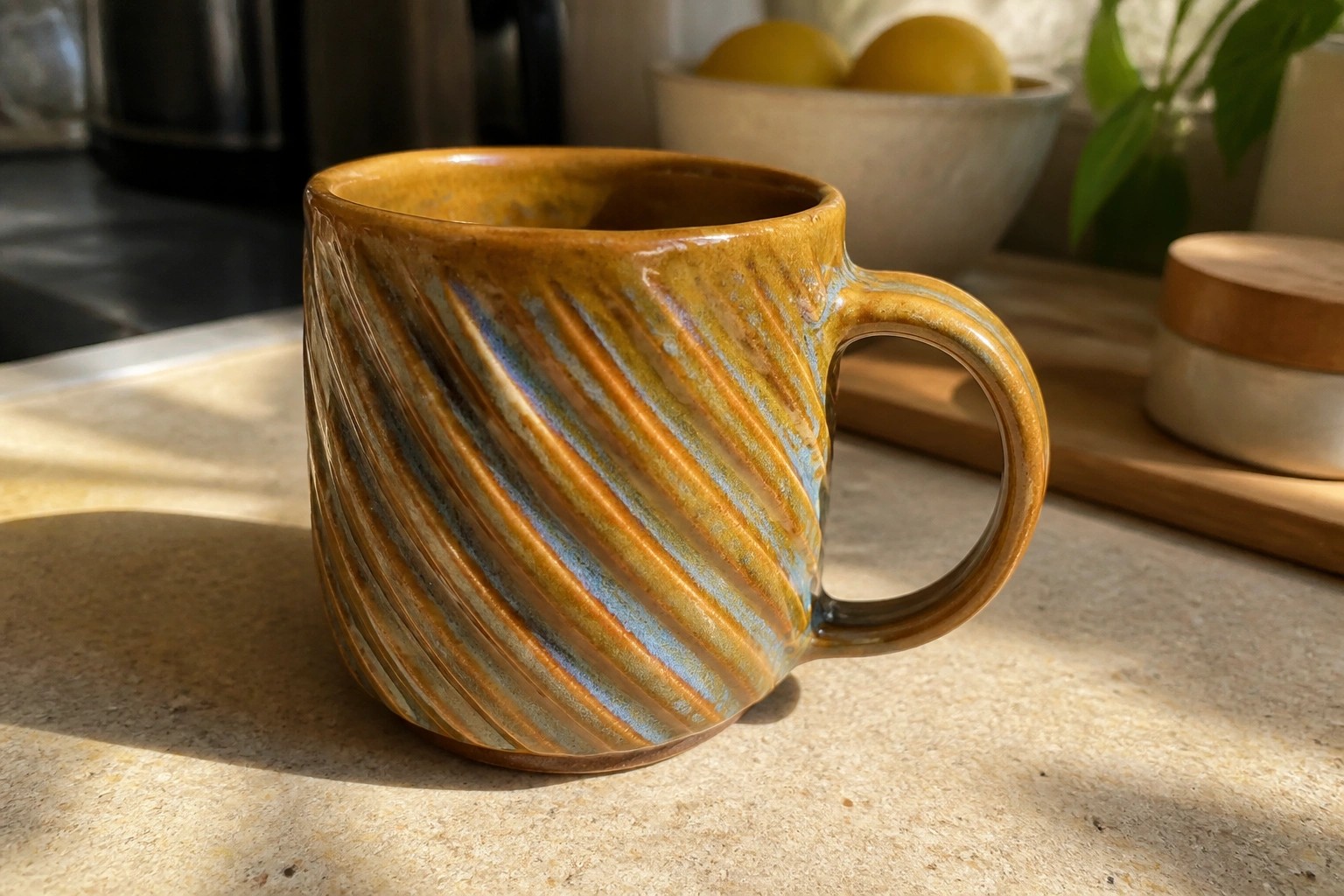
I’ve been trying out different textures on my pottery lately and it does change how the pieces feel in your hands.
Some of these ideas are ones I’ve tested in my own studio over the past few months.
Others came from simple adjustments to tools I already had around.
I wanted to put together a list of what actually worked without making it complicated.
These are the ones that gave my work a bit more character while still feeling like something I could do regularly.
Ridge-Textured Mug with Flowing Glaze
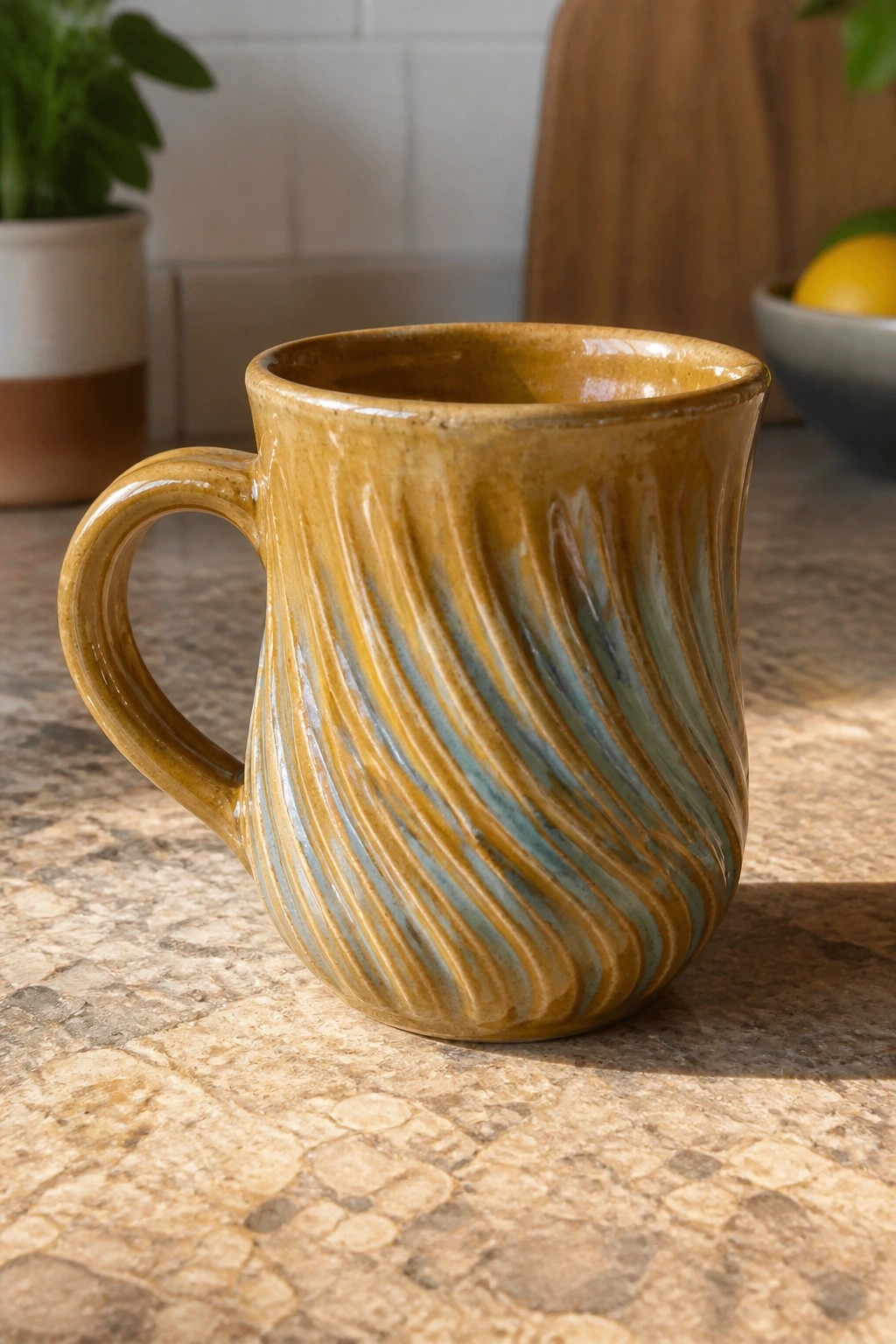
A mug built with diagonal ridges pressed into the clay creates a surface that interacts directly with the glaze. The ridges run from the rim down the sides and catch the glaze so it pools and streaks in warm yellow and blue-green tones. This keeps the decoration simple while letting the form do the visual work. The result is a functional mug that belongs in the textured surface category.
What makes this idea useful is how the ridges control where the glaze settles without needing extra painting. You could press similar lines into a small pitcher or a set of tumblers using the same clay body. The shape works well for everyday kitchen use and would stack easily on open shelves. For a variation, try the ridges on a wider bowl form and let the glaze run longer to see how the pattern changes.
Pressed Leaf Texture on a Ceramic Planter

A rounded ceramic planter gains surface interest from multiple leaf shapes pressed or carved directly into the clay before firing. The raised veins and edges create shifting shadows that emphasize the organic pattern without needing extra color. An earthy green glaze settles into the recesses and leaves the higher areas lighter, making the design readable from a short distance. This method fits the planter category and keeps the focus on handmade texture rather than painted decoration.
What makes this idea useful is that the same leaf impressions can be applied to a taller vase or a low bowl by adjusting spacing and scale. The rounded body distributes the motifs evenly, so the pattern stays balanced even if only a few leaves are used. For plant styling, this shape sits cleanly on a shelf or ledge where the texture contrasts with smooth surfaces nearby. You could simplify it further by using just one or two leaves on a smaller holder or switch to a matte glaze for a different finish.
Fluted Rim Bowl with Layered Glaze
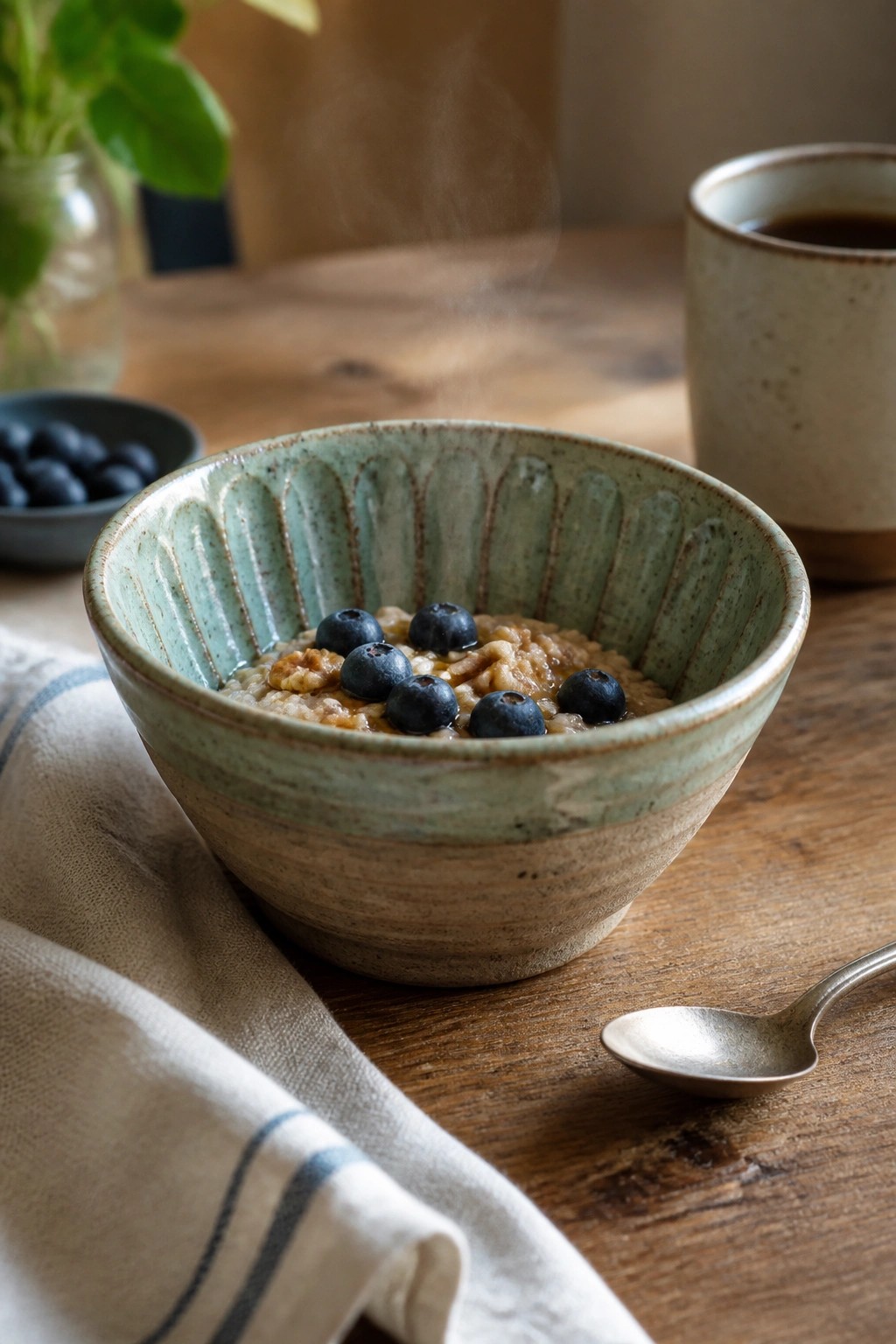
A ceramic bowl with a ridged rim gives a simple way to add texture without covering the whole surface. The vertical grooves run along the upper inside edge and catch light to create repeating shadows that make the form stand out. A two-tone glaze that moves from green to brown adds contrast while the lower half stays smoother for practical use. This style fits easily into a set of everyday kitchen bowls or small serving dishes.
What makes this idea useful is how the ridges can be made with a basic tool or stamp before the clay dries. The same rim treatment scales well to ramekins or a larger mixing bowl if you want a matching set. In a kitchen the earthy glaze tones work with both plain and patterned tableware. You could simplify it further by using one glaze color and letting the ridges provide all the surface interest.
Banded Textures on a Rectangular Wall Tile

A rectangular ceramic tile divides its surface into three horizontal sections, each treated with a different texture and glaze color. The top band carries raised circular and floral shapes under a green glaze, the middle section uses a pitted surface in pink, and the lower band shows carved wavy lines in a cream tone. This layout works as a simple wall decor piece because the clear divisions let multiple surface treatments sit together without competing. The handmade nature shows through the slight irregularities in the carving and glaze application.
A piece like this works especially well as small wall art in a bathroom or entryway where you want pattern without bulk. You could adapt the same banded approach to a set of smaller tiles for a backsplash or shorten the format into a tray. The strong horizontal split makes it easy to change one section’s texture or color while keeping the overall structure intact. On Pinterest this kind of clear division stands out because it demonstrates how texture changes can replace more complex imagery.
Stippled Texture on a Rectangular Tray

A rectangular tray built with a heavily stippled interior surface creates depth through simple repetition rather than added decoration. The pale textured area is framed by a blue rim that gives clear definition while the warm terracotta exterior keeps the form practical and sturdy. This combination works especially well for trays because the raised dots provide grip without making the surface hard to clean.
What makes this idea useful is how the stippled texture can be recreated with basic tools like a sponge or stamp on any slab-built or thrown rectangular form. The blue rim detail is easy to adapt by changing the glaze color to match existing dinnerware or kitchen accents. You could scale the same tray down for a butter dish or jewelry holder or keep the larger size for bread and snacks where the texture helps prevent sliding.
Leaf Vein Ceramic Tray

A leaf-shaped ceramic tray gives a simple way to add surface texture through sculpted details rather than added decoration. The raised veins follow the natural structure of a leaf and create subtle ridges that catch light once the piece is glazed. A soft green glaze keeps the focus on the form while making the tray easy to use as a spoon rest or small serving dish in the kitchen.
What makes this idea useful is the way the leaf shape already provides both function and pattern in one step. You could scale the same vein texture down for a set of ring dishes or stretch it into a longer platter for herbs or snacks. In a kitchen, this kind of piece stays practical because the shallow sides keep small items contained without taking up much counter space. The small scale also makes it simple to test the idea on a single piece before committing to a larger project.
Speckled Ring Dish with Concentric Circles

A small ceramic ring dish with an irregular oval shape gains visual interest from a simple set of hand-painted concentric circles in dark slip or underglaze. The matte speckled glaze lets the clay texture show through, so the painted lines stand out without competing with a busy surface. This approach keeps the form basic while the interior pattern turns the dish into a clear jewelry holder rather than a plain tray.
What makes this idea useful is how little extra work the circles require once you have a basic dish form. The compact size works well on a nightstand or bathroom counter for rings and small items, and the same motif could be scaled up for a soap dish or key tray. For a gift, the graphic lines make the piece easy to style in photos and give it a finished look even on a first attempt at surface decoration.
Incised Texture on a Sitting Cat Figurine
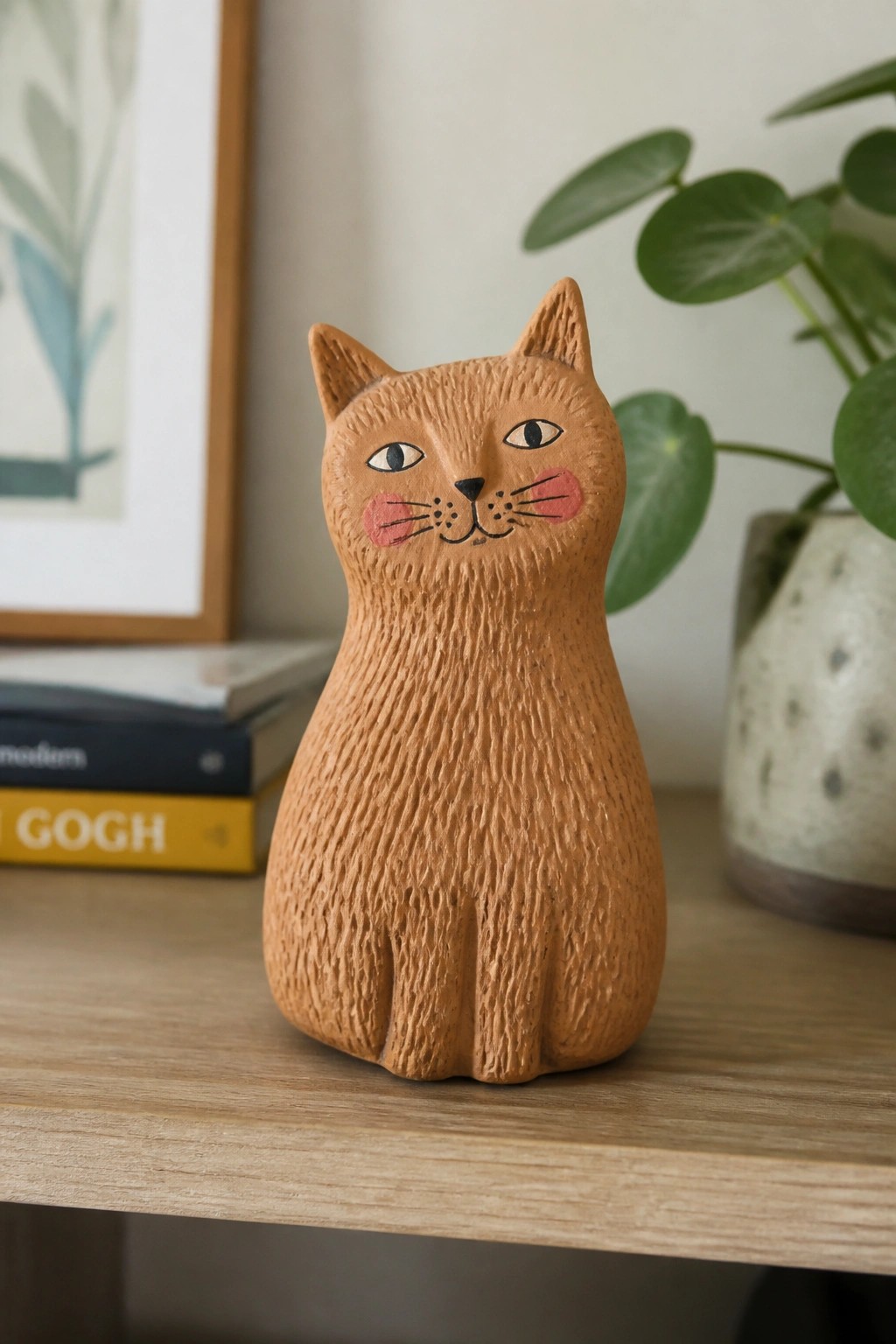
A clay cat figurine gains visual interest when vertical lines are carved or pressed into the surface before firing. The rounded sitting shape keeps the focus on the body texture rather than fine sculpting details. Painted elements like eyes, whiskers, and cheek marks add definition using basic underglaze or acrylic after the piece is bisque fired. This approach works as a straightforward decor object that relies on surface treatment instead of complex form.
What makes this idea useful is the small scale, which makes it simple to place on a shelf, desk, or windowsill. You can adapt the same incised lines and minimal painted face to other animals or even abstract shapes without changing the overall process. For a gift, this kind of piece works especially well because the texture and color can be adjusted quickly with different tools or paint choices. The same method also translates to taller or wider versions if you want to shift it toward a small vase or planter.
Rope-Textured Rim Plates with Marbled Glaze

A small ceramic plate gains structure from a rope-twist detail pressed or coiled along the rim. The marbled glaze comes from blending two tones before application so the colors swirl together during firing. This combination keeps the surface mostly smooth for practical use while the rim adds a clear handmade texture that reads from a distance.
What makes this idea useful is how the rope edge can be repeated on bowls or shallow trays using the same simple tool or stamp. The marbled glaze works on both small and larger forms and pairs easily with plain glazes if you want less color variation. In a kitchen this plate fits well for desserts or snacks because the texture makes it distinct from standard dinnerware without getting in the way of stacking. You could adapt the same rim treatment to a mug or candle holder for a quick matching set.
Stacked Ridge Tea Light Holder

A small ceramic tea light holder formed with repeated horizontal ridges creates a banded surface that catches light and shadow. The glaze pools along the grooves between each ridge, adding contrast and depth without extra carving. This shape works as a simple candle piece that stays compact while showing off the layered texture.
The small scale makes it easy to fit on mantels or side tables where larger pieces would crowd the space. You could repeat the same ridge pattern on a taller vase or a low bowl by keeping the spacing consistent during throwing. A speckled glaze in earthy tones gives the ridges extra definition and works well if you want to try the idea in different color combinations.
Grid Textured Hanging Planter

A round hanging planter formed from clay uses an impressed grid pattern across the entire exterior surface. The turquoise glaze settles into the recessed lines while leaving the raised squares lighter, which makes the texture stand out clearly. Small clay loops at the rim hold the three hanging ropes in place, and the overall shape stays simple so the surface pattern becomes the main feature.
What makes this idea useful is how the grid texture can be pressed into any size pot using the same basic tool or stamp. The same approach works on a shorter tabletop planter or a larger floor pot without changing the glaze. For a different look, swap the turquoise for a matte white or iron-rich glaze that breaks over the raised lines instead.
Leaf-Impressed Yarn Bowl with Feed Notch

A yarn bowl is a simple ceramics project that holds a skein in place while you knit or crochet. This one uses a scalloped rim and a side notch so the working strand feeds out cleanly without catching. The exterior carries repeated leaf impressions that give the surface a clear repeating pattern, and the inside is coated with a deep teal glaze that stands out against the speckled clay. The overall shape stays wide and low so the ball can turn freely as it unwinds.
What makes this idea useful is that the notch solves a common knitting frustration without adding extra parts. You can stamp the same leaf motif on smaller pinch pots or lidded jars if you want a matching set. In a craft room this kind of bowl keeps yarn off the floor and looks intentional next to needles and patterns. The same rim shape and texture could be scaled down for a small ring dish or adapted into a shallow planter for a desk succulent.
Speckled Ceramic Salt Cellar with Spoon Rest Lid

A small lidded ceramic container works well as a salt or spice cellar for the kitchen. The exterior carries a rough, speckled texture that gives it grip and visual weight, while the interior stays smooth and glazed for easy cleaning. The lid includes a stamped detail and a notched edge that functions as a spoon rest, keeping the whole piece compact and practical.
What makes this idea useful is how the texture adds interest without complicating the form. A piece like this works especially well on a countertop or near the stove where salt gets used often. The small scale makes it easy to adapt into a holder for other dry ingredients or even loose tea. You could simplify the texture to a single band around the middle or scale the same lid style up slightly for a sugar bowl.
Ribbed Tall Vase with Horizontal Grooves
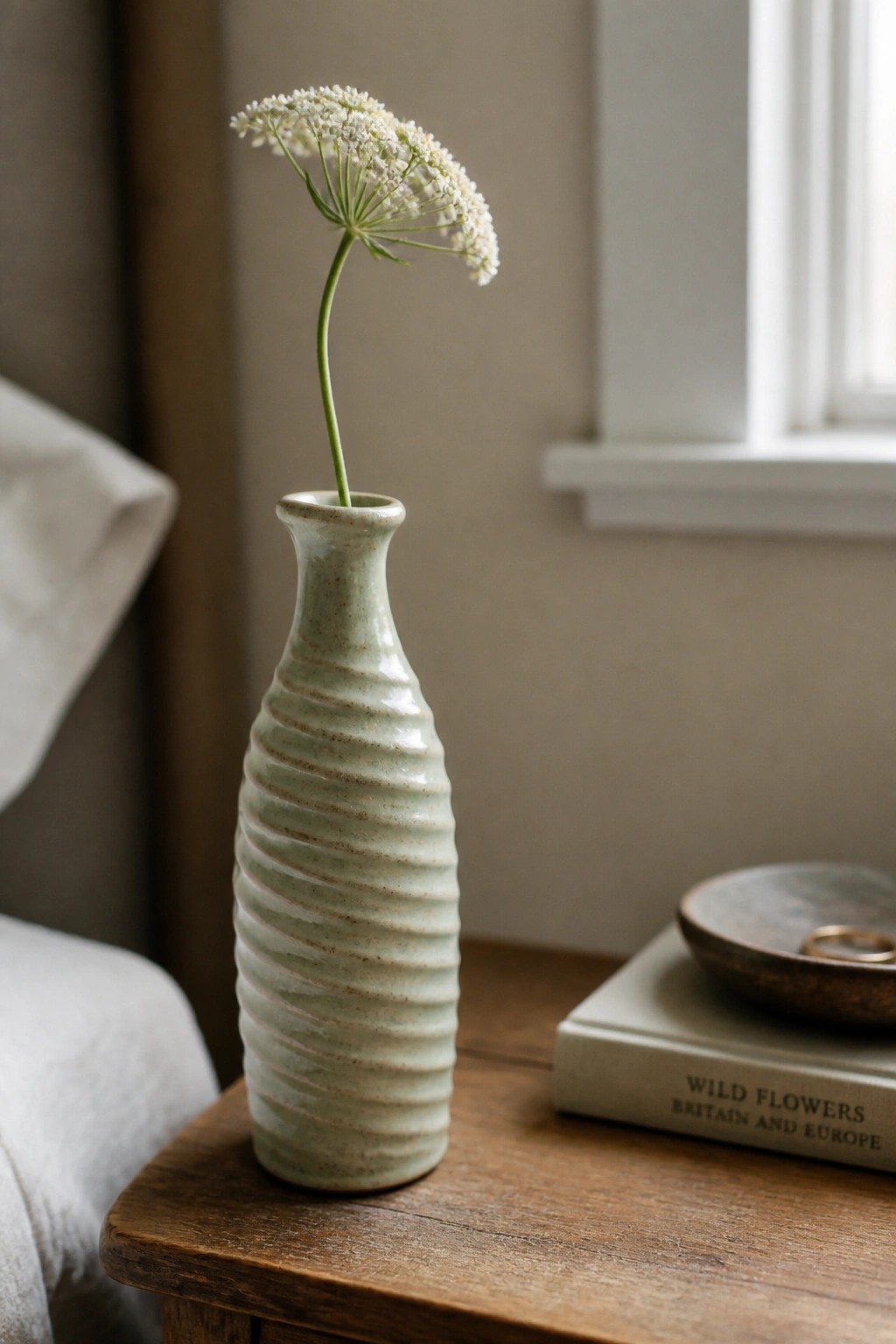
A tall, narrow ceramic vase with evenly spaced horizontal ridges gives a plain cylinder more surface interest through simple texture. The light green glaze with brown speckles settles into the grooves and creates subtle contrast without extra decoration. This approach fits the vase category well because the ridges add depth while keeping the overall shape clean enough for a single stem or small arrangement.
The shape does a lot of the work here because the narrow neck supports one flower without competing for attention. You could repeat the ridge pattern on a shorter jug or a set of small cups to create a matching group. In a bedroom or living room, this kind of piece works on a nightstand or shelf where the texture shows up against plain walls. For a gift, the same idea scales down easily to a bud vase size that still feels intentional.
Ridged Sponge Tray for Kitchen Counters

A small rectangular ceramic tray with low walls and a series of parallel ridges molded into the base works as a dedicated sponge holder. The ridges lift the sponge off the surface so water drains through the grooves instead of pooling underneath. The tray uses a matte, speckled glaze that gives the ridges extra definition without making the piece slippery when wet.
What makes this idea useful is how the ridges solve a common sink-side problem while keeping the overall form simple. The compact size fits beside most faucets without taking up counter space, and the same grooved base can be scaled up for a soap dish or scaled down for a scrub brush rest. You could swap the speckled glaze for a solid color or add a matching larger tray for dish brushes. The drainage detail also photographs clearly for Pinterest, which helps the piece stand out among plain ceramic holders.
Sculpted Scale Texture on Organic Bowls
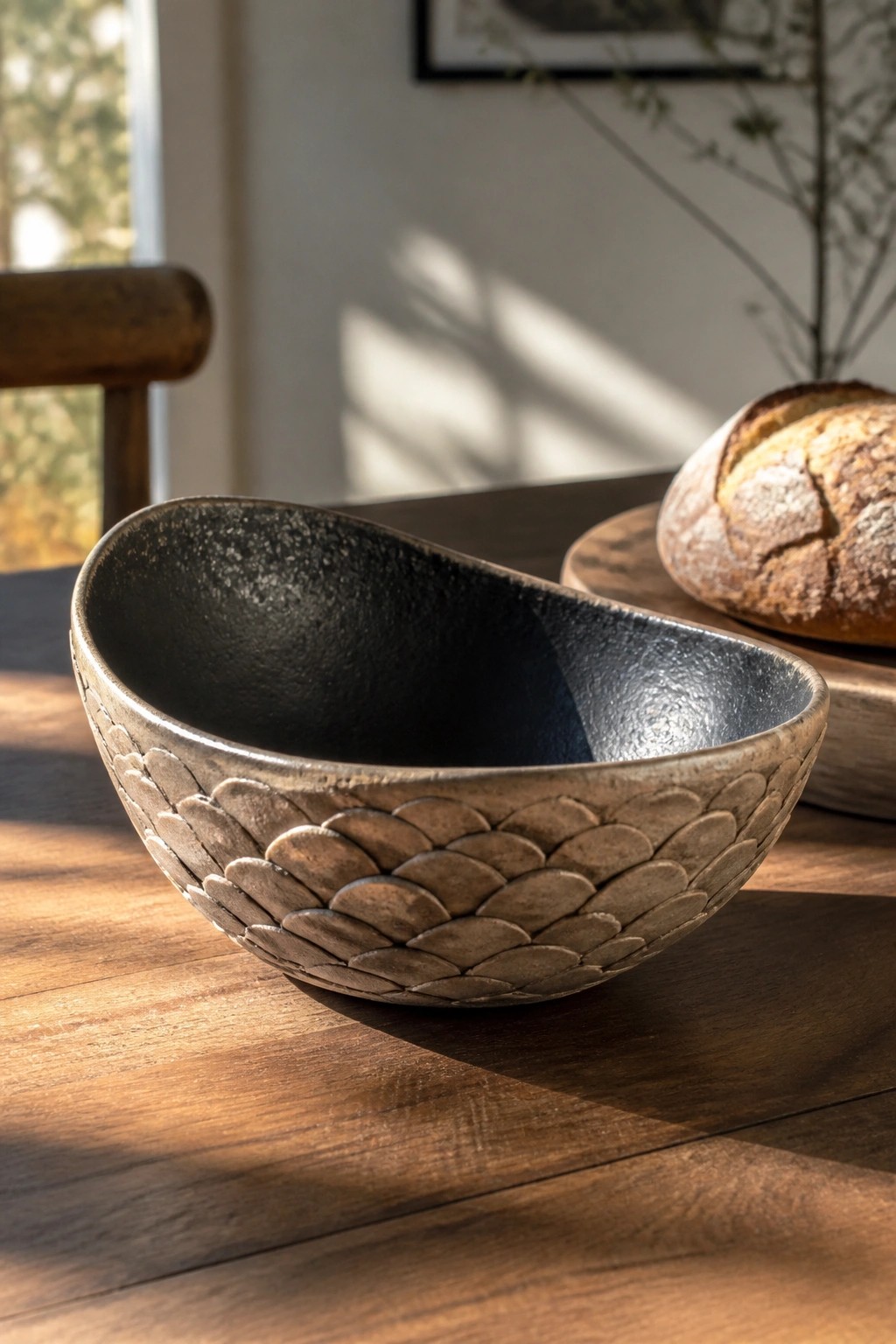
A ceramic bowl with rows of overlapping clay scales added to the exterior creates a raised, armor-like surface that catches light and shadow. The form itself stays simple and slightly irregular, while the scales add the main visual interest through their repeating shape and depth. A dark interior glaze keeps the focus on the textured outside rather than competing with it. This fits the textured pottery category as a kitchen or table bowl that doubles as decor.
What makes this idea useful is how the raised scales give dimension without relying on bright colors or complicated glazing. The bowl shape works well for holding bread, fruit, or small kitchen items on a counter or table. You could scale the same technique down for smaller dishes or apply it to a vase by making the clay pieces slightly larger or smaller. The three-dimensional pattern also shows up clearly in photos, which helps it stand out when shared online.
Stamped Daisy Ceramic Toothbrush Holder
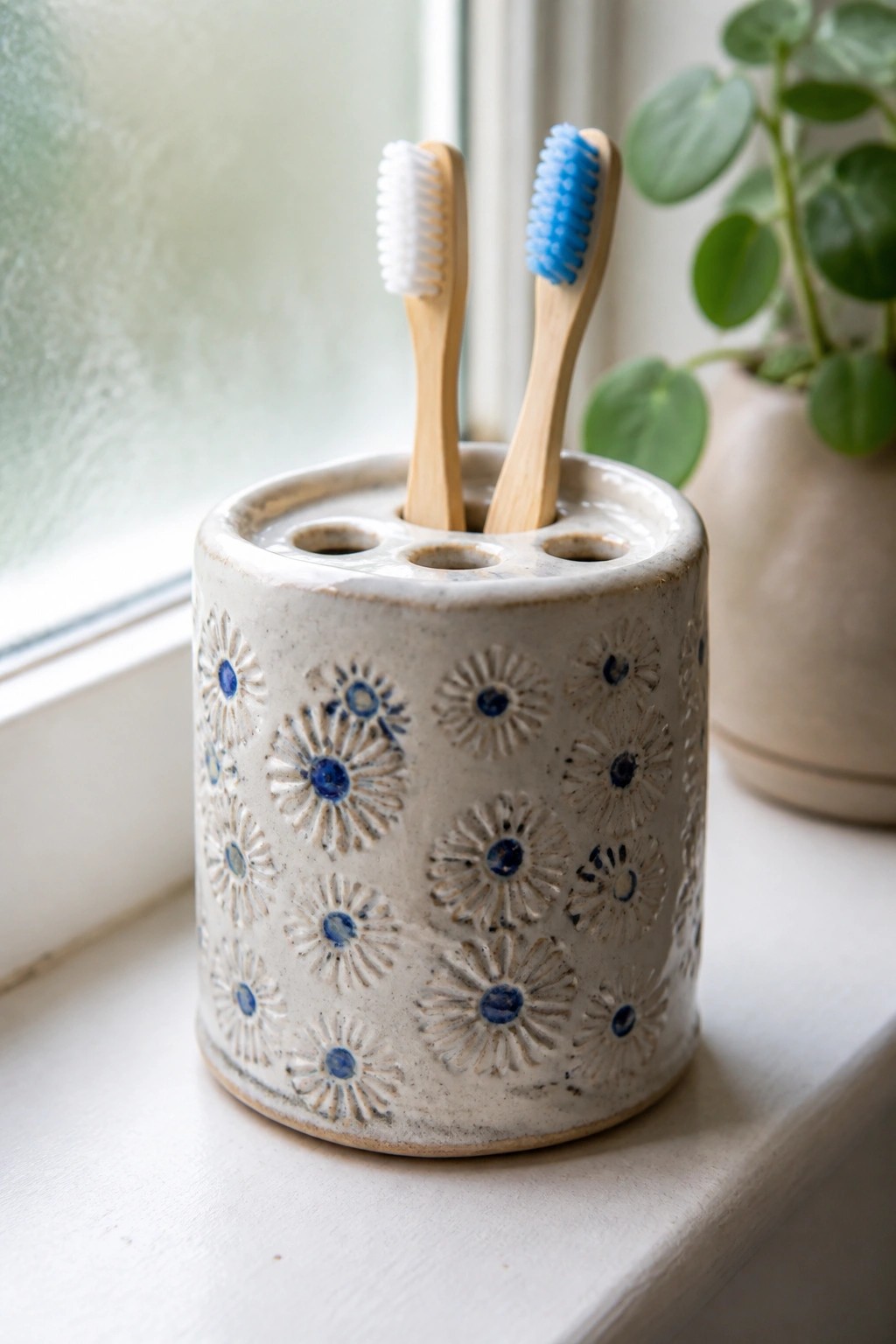
A cylindrical ceramic holder becomes a practical bathroom item when you press repeating daisy stamps into the soft clay before glazing. The white speckled surface with blue centers in each flower gives the pattern enough contrast to stand out while keeping the overall look simple. Multiple holes at the top let the piece hold several toothbrushes, and the textured surface catches light without any additional carving.
What makes this idea useful is how the same stamp pattern can be applied to other small bathroom pieces like a soap dish or a small tray. The compact cylinder shape fits on narrow ledges where bulkier items would not. You could change the daisy stamp for circles or leaves if you want a different motif, or leave some areas plain to make the pattern less dense. For a gift, this kind of holder pairs easily with a set of wooden brushes.
Cloud Shaped Ceramic Ring Dish

A cloud shaped ring dish gives you a compact clay tray for keeping rings, necklaces, and small earrings in one spot. The irregular wavy outline and soft pink glaze with light marbling create a gentle surface that still feels handmade rather than uniform. This style of piece stays small enough to sit on a dresser or shelf while the curved edges help prevent items from sliding off.
The small scale makes the shape easy to form from a slab or simple mold, and the same cloud outline can be stretched longer for a necklace tray or made deeper for a soap holder. A version in white or gray would blend into a bathroom counter, while keeping the pink tones works well for a gift paired with a few pieces of jewelry. The organic edges also photograph cleanly for project shares without needing extra styling.
Ribbed Ceramic Oil Cruet
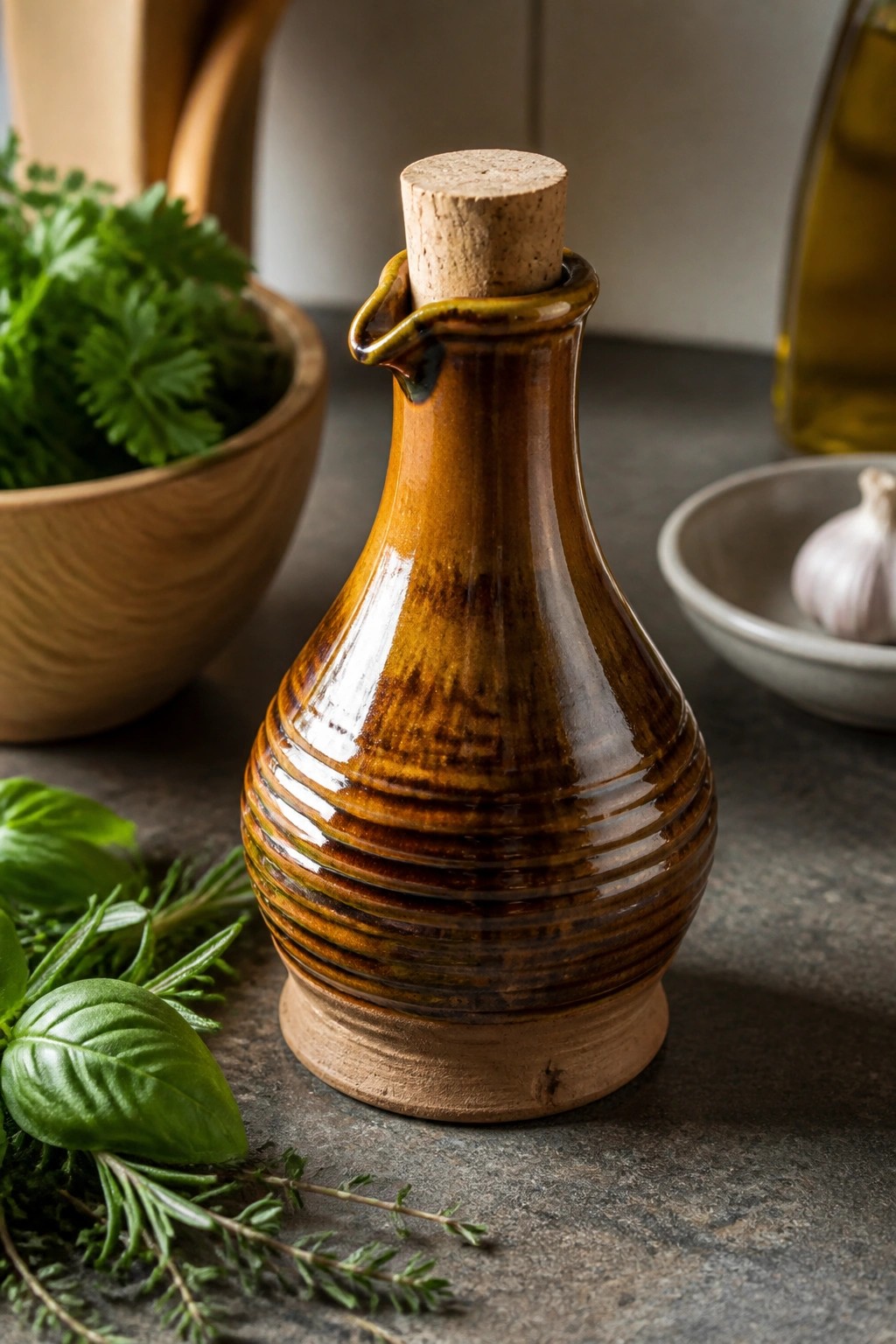
A handmade ceramic bottle with a cork stopper works well as a kitchen dispenser for oil or vinegar. The form tapers from a stable base to a narrow neck, and the surface carries evenly spaced horizontal ridges that create lines of shadow under a glossy brown glaze. Those ridges give the piece a clear texture while keeping the overall shape simple and functional.
What makes this idea useful is how the ridges add depth without requiring extra carving or color work. You could repeat the same ridged pattern on taller pitchers or smaller condiment jars in a matching glaze. In a kitchen setting the bottle stays practical on a counter or shelf and pairs easily with everyday items like herb bowls or spice dishes. The same surface treatment would translate to a soap dispenser or a small vase if you want to try the texture on a different object.
Mixed Texture Tile Display

Small ceramic tiles in irregular shapes are each finished with a distinct surface texture such as vertical ridges, raised dots, or heavy stippling, then glazed in soft, muted tones. The tiles are mounted together on a pegboard to form a larger wall panel. This approach works well as a way to test and showcase multiple textures on a single project without committing to one large piece.
What makes this idea useful is how it turns leftover clay or test batches into usable wall decor. You can scale the same concept down to a handful of tiles for a small hanging or turn one larger slab into sections with different textures. The neutral palette and varied surfaces make it simple to match existing room colors while still adding visual interest.
Dimpled Ceramic Tea Light Dish

A small, low ceramic dish with a heavily dimpled surface works well as a tea light holder. The raised texture catches light from the flame and creates shifting shadows across the clay. This approach keeps the piece simple while the surface pattern supplies most of the visual detail. The shallow form and wide base make it stable for holding a single candle.
What makes this idea useful is how the texture turns a basic round dish into something more interesting without extra decoration. The same dimpling technique could be applied to a larger tray for multiple candles or scaled down for a ring dish. It fits easily on a side table or shelf and pairs with any glaze color since the surface does the work. For a quick variation, try pressing the same tool into a slab before shaping it into a shallow bowl.
Pressed Fern Texture on an Oval Ceramic Tray
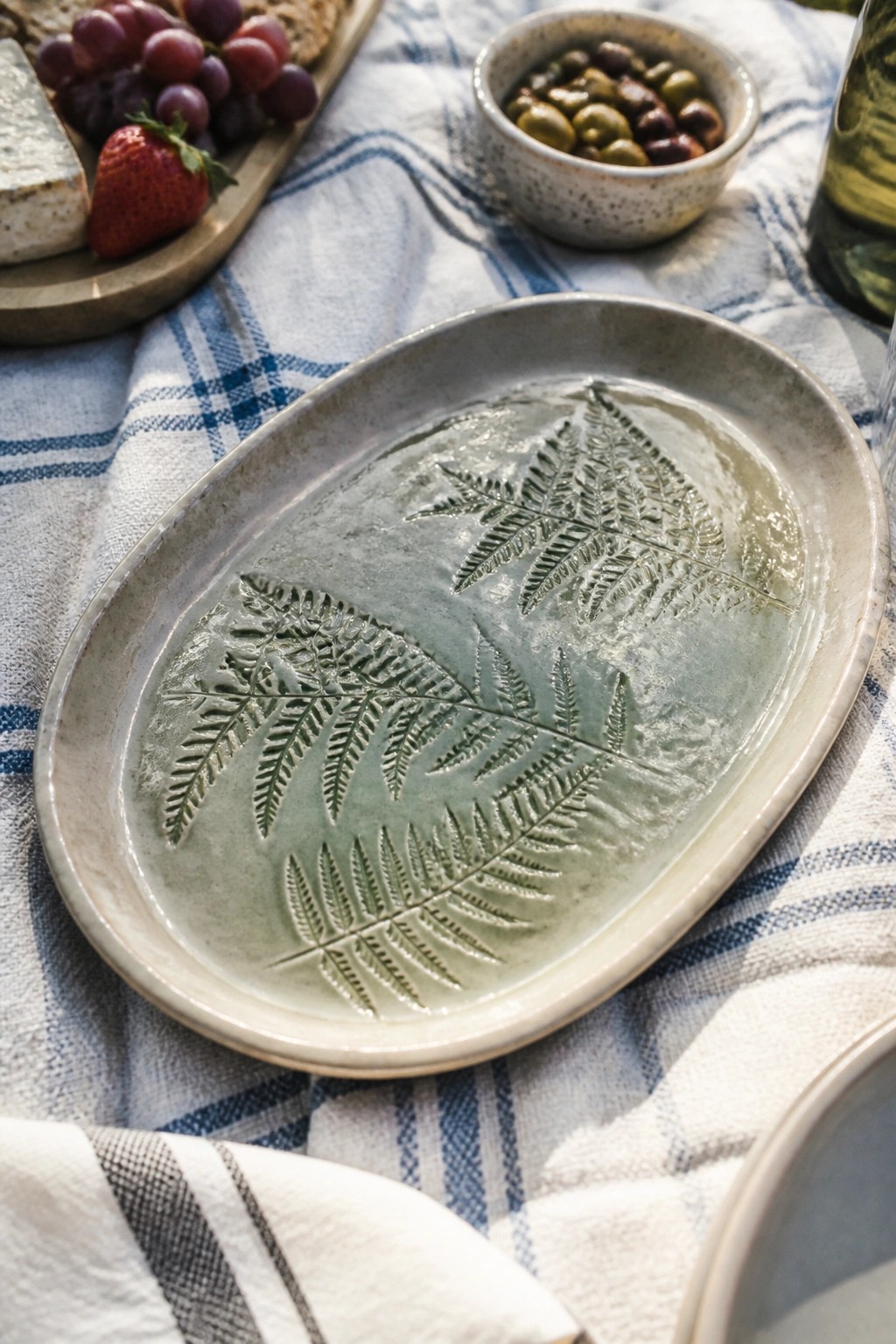
An oval ceramic tray with several fern fronds pressed directly into the clay surface creates raised patterns that catch light under a light green glossy glaze. The leaves overlap at different angles and depths, so the texture stays visible even after glazing. This kind of impressed detail works especially well on platters and trays because the surface stays flat enough for serving while the patterns add interest.
The shape does a lot of the work here since an oval tray fits on a table or picnic blanket without crowding other items. You could scale the same fern impressions down for smaller plates or a set of dessert dishes by using fewer leaves per piece. The idea translates easily to other forms like a shallow bowl or a rectangular serving board if you keep the leaf placements loose rather than symmetrical.
Textured Salt and Pepper Shakers
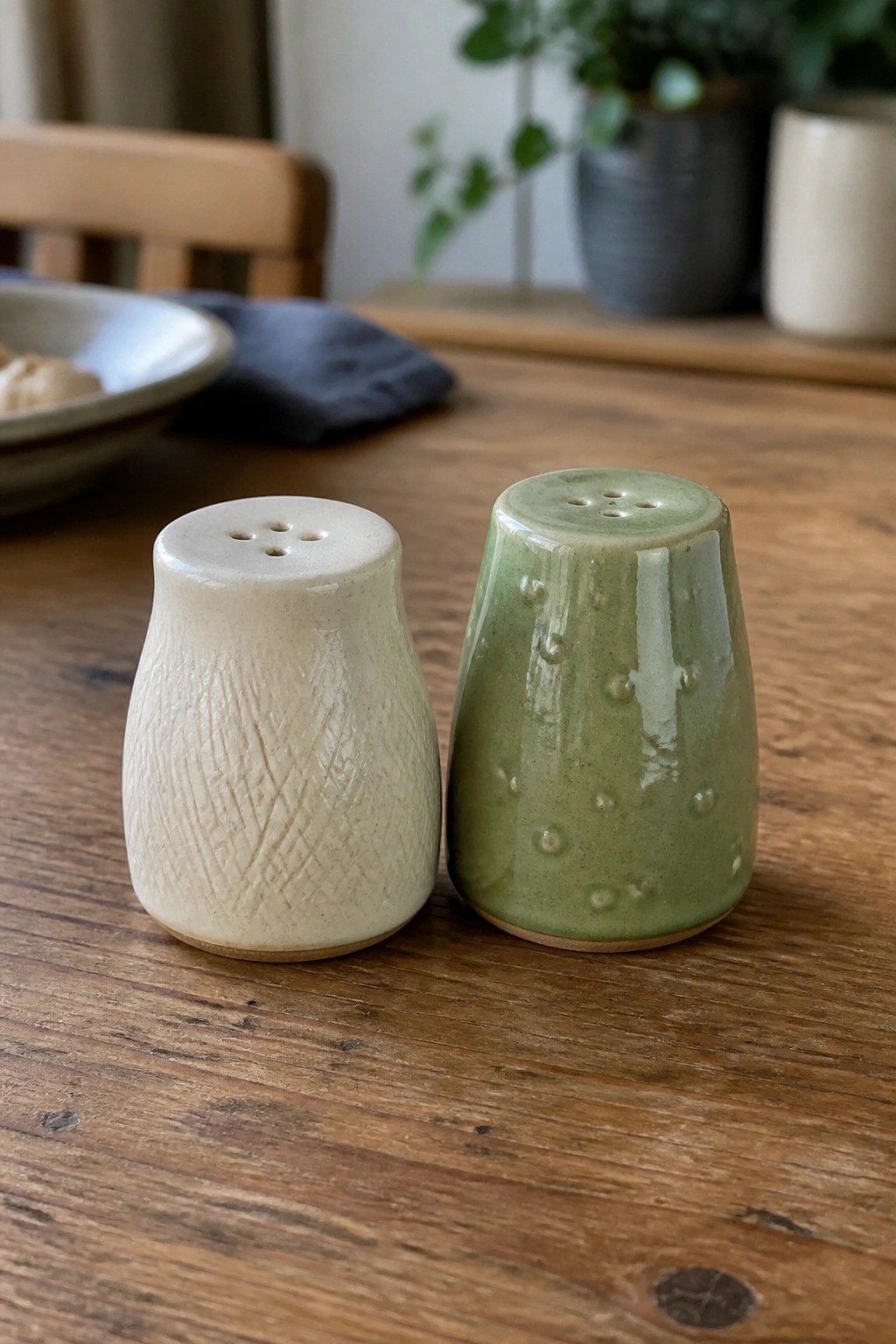
These are small ceramic shakers meant for salt and pepper on the table. One uses a carved crosshatch pattern cut into the clay before firing while the other relies on raised dots under a glossy green glaze. Both keep a simple tapered form with flat tops drilled for dispensing holes. The idea fits the kitchen item category because the contrasting surface treatments make the pair easy to tell apart without extra color or labels.
What makes this idea useful is how the two textures solve the common problem of mixing up salt and pepper at a glance. You could adapt the carved crosshatch to a matching sugar bowl or try the raised dots on a small creamer. In a kitchen, this kind of pair works especially well on open shelving or a wooden table where the light hits the surfaces differently. The small scale makes it straightforward to test the same carving and dot methods on other everyday pieces like oil bottles.
Stamped Textures on Small Ceramic Shakers

Two cylindrical shakers show how carved and stamped patterns can add grip and visual contrast to basic kitchen forms. One shaker carries a diamond grid cut into the surface, while the other uses repeated circular stamps that create recessed dots. The off-white matte finish on the first piece and the glossy green glaze on the second let the textures catch light and shadow differently. Both pieces stay compact so the patterns remain easy to read without extra decoration.
The small scale lets you test several stamp patterns in one firing and still end up with a matching set. These shakers work well on a dining table or kitchen counter where the textures help them stand out from plain dishes. The same stamping approach transfers easily to small spoon rests or pinch bowls using leftover clay. The clear difference between the two finishes also photographs cleanly for sharing ideas online.
Frequently Asked Questions
What tools can I use to create textures if I do not have specialized pottery equipment?
Household items work well for adding texture to pottery. Try pressing leaves, fabric scraps, or wire mesh into soft clay for natural patterns. Sponges and old toothbrushes can produce stippled effects while stamps made from carved erasers offer repeatable designs. Always test the pressure on a small clay sample first to avoid distorting the form.
How do I keep my textures visible after applying glaze?
Apply underglaze or slip to the textured areas before the bisque firing so the depth shows through. Use thin layers of clear glaze on top rather than thick opaque ones that can fill in details. Wax resist on raised areas helps preserve contrast and allows you to highlight specific parts of the design.
Which clay bodies hold texture best for functional pottery?
Stoneware and porcelain clays maintain sharp textures through drying and firing because they are firm yet workable. Earthenware can work too but may require faster drying to prevent smoothing. Wedging the clay thoroughly removes air pockets that could weaken deep impressions during the kiln process.
Are there ways to make textured pieces safe for food use?
Smooth the interior surfaces completely with a rib tool before firing so no sharp ridges remain. Choose food safe glazes and fire to the recommended cone temperature for your clay. Avoid very deep crevices that trap food particles and always run a test firing with your chosen glaze and texture combination.
How can I combine textures without making the piece look cluttered?
Start with a base texture such as stamping across the whole surface then add selective carving or slip trailing in key areas. Limit yourself to two or three techniques per piece and leave some smooth negative space for balance. Sketch your design on paper first and practice the sequence on test tiles to see how the layers interact after firing.

Pottery Path is my cozy corner of the internet where I share clay ideas, pottery inspiration, and simple projects you can recreate at home. I love exploring everything from air dry clay to handbuilt pottery to cute minis that brighten your day. My goal is to make clay crafting feel easy, fun, and welcoming for anyone who wants to try it.
You will find beginner friendly tutorials, creative pottery painting ideas, and lots of warm inspiration for slow and happy crafting. If you enjoy hands on creativity, this space will feel like home.