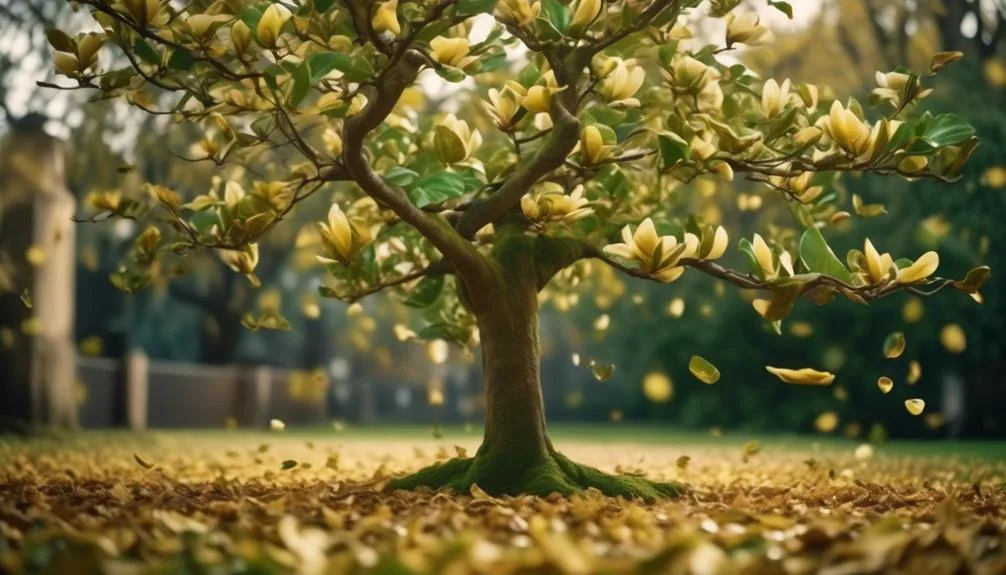
Do magnolia trees shedding their leaves surprise you? It's normal for them to drop up to two-thirds of their leaves during the growing season. If you're a magnolia tree owner, you've probably noticed this and wondered if it's normal or a problem.
Understanding the reasons behind leaf drop in magnolia trees is important for keeping them healthy and looking good. So, what causes this leaf drop, and how can you tell if it's normal for your magnolia tree?
Signs of Normal Leaf Drop
You may notice that the magnolia tree regularly sheds its leaves in the fall, a natural process to prepare for the winter months. As the days grow shorter and temperatures begin to drop, the magnolia tree undergoes seasonal changes, triggering the transition of its leaf colors.
The vibrant green leaves transform into a spectacular array of golden yellows, fiery oranges, and rich reds, creating a breathtaking sight in your garden. This transformation is a sign of the tree preparing for the dormant winter period.
As the chlorophyll production decreases, the other pigments present in the leaves become more visible, leading to the stunning display of colors. So, when you witness this shift in leaf colors and the subsequent leaf drop, rest assured that it's a normal part of the magnolia tree's seasonal cycle.
Factors Affecting Leaf Drop
When considering the factors affecting leaf drop in magnolia trees, it's important to understand the impact of environmental conditions and tree health on this natural process.
Environmental factors such as temperature, humidity, and sunlight play a crucial role in leaf drop. Seasonal changes, particularly the transition from summer to fall, trigger the release of older leaves to make way for new growth. Sudden fluctuations in temperature or prolonged periods of drought can also influence leaf drop.
Additionally, the overall health of the tree, including its nutrient levels and susceptibility to diseases, can affect the timing and extent of leaf shedding.
Identifying Abnormal Leaf Drop
Abnormal leaf drop in magnolia trees may indicate underlying issues with the tree's health or environmental stressors.
When identifying abnormal leaf drop, it's essential to consider the possibility of magnolia tree diseases. Keep an eye out for symptoms such as spots, discoloration, or unusual patterns on the leaves, which may be indicative of a disease affecting the tree.
Additionally, monitor the soil moisture around the tree. If the soil is consistently too dry or excessively waterlogged, it can lead to stress and subsequent leaf drop.
Take note of any sudden changes in the tree's environment, such as construction work or chemical exposure, as these can also impact the tree's health.
Recommended Products

2 Panel set - Each Panel measures 28" Wide x 95" Long. Set measures 56" Wide x 95" Long

NO RINSE NEEDED – Gently cleans leaves and enhances natural shine. For tough buildup or residue, spray and let sit for 5 minutes before rinsing.

A unique and specially concentrated treatment that helps your Magnolia trees: One treatment treats 1 mature tree or 2-3 smaller, newly planted or potted trees
Managing Magnolia Tree Leaf Drop
To manage magnolia tree leaf drop effectively, it is crucial to implement proper watering and soil management practices. Maintaining tree health is essential for minimizing leaf drop. Adequate soil moisture is vital for the overall health of magnolia trees. Below is a table summarizing key practices for managing magnolia tree leaf drop:
| Practice | Description |
|---|---|
| Watering | Ensure consistent moisture, especially during dry periods. |
| Mulching | Apply a 2- to 4-inch layer of mulch to retain soil moisture and regulate temperature. |
| Soil Testing | Regularly test soil to monitor pH levels and nutrient content. |
| Fertilization | Use a balanced fertilizer to promote tree health. |
| Pruning | Remove dead or diseased branches to encourage new growth. |
Implementing these practices will help maintain tree health and soil moisture, reducing magnolia tree leaf drop.
Recommended Products

Accurate Soil Moisture Detection: The XLUX Soil Moisture Meter can tell you if the soil deep inside your pot or garden is dry, moist or wet; whereas your eyes and fingers can only determine the moisture level of the soil surface. The probe is 5.5 inches (14 cm) longer than regular styles, allowing it to measure the soil moisture at the bottom of larger and deeper flower pots.
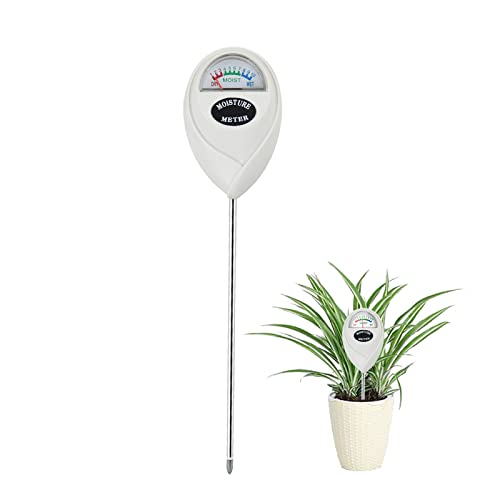
【SAVE YOUR PLANTS】: Over watering can cause problems with your plants or even kill them. This soil moisture meter helps you know the soil is dry, moist or wet.No more over watering!

【4 in 1 function】This is a 4-in-1 multifunctional soil tester.Our soil tester fastly to measure soil moisture, pH, temperature and sunlight to help you take better care of flowers and plants.You can know when you need to water your soil by measuring moisture and pH & Temperature value of the soil and sunlight level of plants with it.
Expert Tips for Leaf Drop
Implementing expert tips can significantly reduce magnolia tree leaf drop and maintain the overall health of your trees.
- Proper Watering: Ensure your magnolia tree receives adequate water, especially during dry spells, to prevent leaf discoloration and drop.
- Mulching: Apply a layer of organic mulch around the base of the tree to retain soil moisture and regulate temperature, reducing stress on the tree.
- Pruning: Regularly prune dead or diseased branches to promote air circulation and prevent the spread of diseases that can lead to leaf drop.
- Fertilization: Use a balanced fertilizer formulated for acid-loving plants to provide essential nutrients for healthy foliage growth.
Recommended Products

LASTING COLOR: Miracle-Gro Tree & Shrub Plant Food Spikes are fertilizer spikes for trees and shrubs; they promote vibrant color and foliage for trees and shrubs in your yard

🌺 VIBRANT BLOOMS & ROBUST GROWTH: Enriched with essential nutrients like magnesium, iron, and manganese, GARDENWISE 8-4-8 is ideal for preventing chlorosis in acid-loving plants. It's perfect for azaleas, camellias (camelia), rhododendrons, hydrangeas, and all acid-loving plants including magnolia trees, evergreens, and blueberries.

Miracle-Gro Shake 'N Feed Flowering Trees & Shrubs Plant Food is specially formulated to help flowering trees and shrubs maintain deep, lush green foliage and colorful blooms throughout the season
Conclusion
In caring for your magnolia tree, remember that leaf drop is a natural part of its growth cycle.
Keep a watchful eye for any unusual signs and promptly address any concerns.
With proper attention, your magnolia tree will thrive and enhance your landscape for years to come.

My interest in trees started when I first saw the giant sequoias in Yosemite.
I was a teenager then, and I remember thinking, “I need to learn more about this.”
That moment stuck with me.
A few years later, I went on to study forestry at Michigan Tech.
Since graduating, I’ve worked in a mix of hands-on tree care and community education.
I’ve spent over ten years helping people understand how to plant, maintain, and protect the trees in their neighborhoods.
I don’t see trees as just part of the landscape.
They are living things that make a real difference in our daily lives.