Have you ever harvested a bountiful crop from your garden only to watch those fresh veggies spoil before you can enjoy them? You’re not alone. Many gardeners face the challenge of preserving their hard work and ensuring their produce lasts longer than just a few days.
Key Takeaways
- Understand Storage Factors: Temperature, humidity, ventilation, and ethylene production are crucial for maximizing the freshness and longevity of your vegetables.
- Refrigeration Techniques: Utilize perforated bags for leafy greens and wrap other veggies like cucumbers in damp paper towels to maintain moisture during refrigeration.
- Freezing Methods: Blanch and freeze vegetables for long-term preservation, ensuring air removal from bags and proper labeling for easy identification.
- Canning for Longevity: Use high-quality produce and sterilized jars for canning, maintaining seals to prevent spoilage and store in a cool, dark place.
- Tailored Practices: Adapt storage methods based on vegetable types; leafy greens need moisture, while root vegetables thrive in dark, cool environments.
- Avoid Common Mistakes: Use appropriate containers, maintain ideal temperatures, and pay attention to humidity levels to prevent spoilage and extend the life of your harvest.
Understanding Vegetable Storage
Storing vegetables properly ensures your garden’s bounty lasts longer, providing great taste and nutrition. It’s essential to grasp key factors that influence storage methods and lifespan.
Recommended Products

HUMIDITY CONTROLLED FRESHNESS: These reusable produce bags feature HydroLiner inserts for adjustable moisture control. Use damp to add needed moisture to produce like lettuce, broccoli, or carrots to keep them crisp, or use dry to absorb excess moisture from mushrooms and berries. U-Vent flaps provide air circulation while releasing ethylene gas, helping fresh produce stay fresh longer.
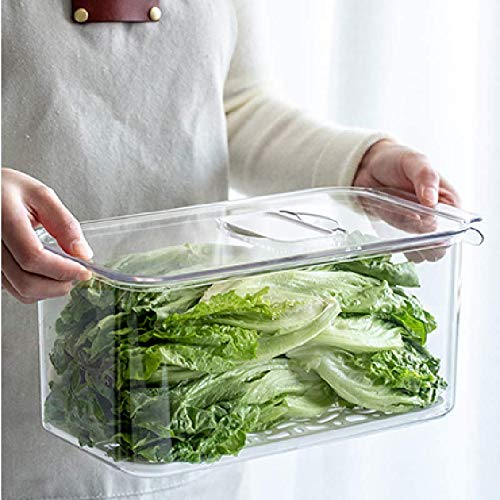
Note: NOT dishwasher safe! NOT for microwave oven! Working celsius temperature -30℃~60℃,suitable for refrigerator and freezer.

Importance of Proper Storage
Proper storage maximizes the freshness and nutrient retention of your vegetables. When you store them correctly, you minimize spoilage and waste. For example, root vegetables like carrots and onions benefit from cool, dark environments, while leafy greens prefer moisture and cold temperatures. Utilizing proper storage techniques can make a significant difference in extending the life of vegetables, allowing you to enjoy them long after harvest.
Factors Affecting Storage Life
Several factors determine how long your vegetables remain fresh. These include:
- Temperature: Most vegetables last longer when stored at lower temperatures. Refrigeration creates a suitable environment for many types, slowing down spoilage.
- Humidity: Vegetables require different humidity levels for optimal preservation. Leafy greens thrive in higher humidity, while root vegetables prefer drier conditions.
- Ventilation: Adequate air circulation prevents moisture buildup, reducing the risk of mold. Utilize perforated bags or baskets for proper ventilation.
- Ethylene Production: Some veggies produce ethylene gas, which accelerates ripening. Store ethylene-producing vegetables, like tomatoes and avocados, separately from sensitive produce, such as lettuce and cucumbers.
Being aware of these factors enhances your ability to store vegetables effectively, ensuring you keep your garden yield fresh and delicious.
Methods for Storing Vegetables
Proper storage techniques help maintain freshness and extend the life of garden vegetables. You can choose various methods based on the type of vegetable and your preferences.
Recommended Products

Extends Produce Shelf-Life: Prolong the freshness of fruits and vegetables, reducing wasted food.

Help Keep Produce Fresh Longer: Fridge-friendly storage helps keep produce fresh longer with an inner basket keeps produce elevated and promotes optimal air circulation to keep things fresh
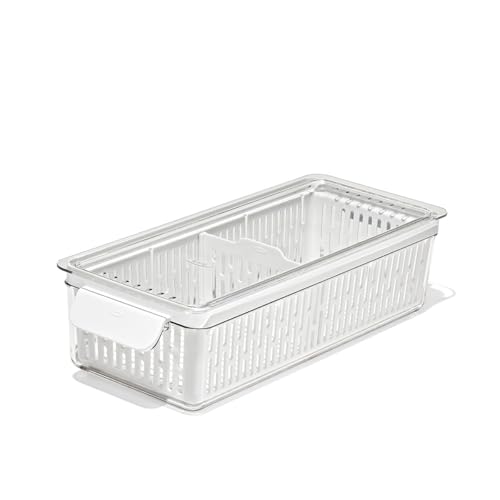
Help Keep Produce Fresh Longer: Fridge-friendly storage helps keep produce fresh longer with an inner basket keeps produce elevated and promotes optimal air circulation to keep things fresh
Refrigeration Techniques
Refrigeration keeps many vegetables fresh for longer. Store leafy greens in perforated bags to maintain moisture while allowing for airflow. Wrap vegetables like cucumbers, celery, and peppers in a damp paper towel before placing them in a plastic bag for added moisture control. Keep root vegetables such as carrots and radishes in a separate crisper drawer to avoid ethylene exposure from fruits, which causes spoilage.
Freezing Options
Freezing preserves vegetables for months. Blanch vegetables like broccoli, green beans, and carrots in boiling water for a few minutes, then plunge them into ice water to stop the cooking process. Drain and pat them dry before packing into freezer bags to remove excess air. Label the bags with dates, allowing for easy identification later. Frozen vegetables often retain both flavor and nutritional value.
Canning Process
Canning provides a way to store vegetables long-term. Use fresh, high-quality produce for the best results. Wash and chop vegetables, then pack them into sterilized jars. Fill jars with boiling water or a suitable brine, leaving some space at the top. Process the jars in a water bath or pressure canner according to the type of vegetable you’re preserving. Once sealed and cooled, store jars in a cool, dark place for up to a year. Always check seals before consuming, as improper sealing can lead to spoilage.
Best Practices for Each Vegetable Type
Proper storage techniques vary by vegetable type. Here’s how to store common categories of vegetables effectively.
Recommended Products
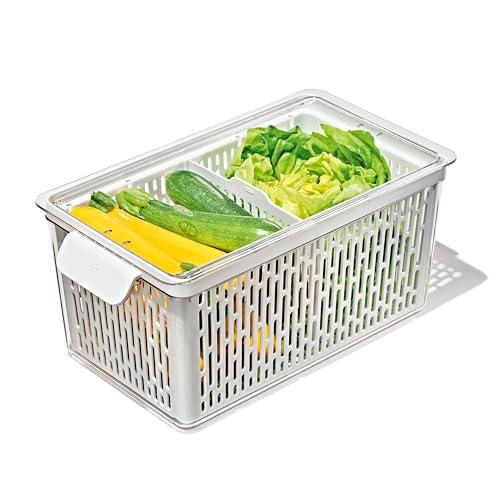
Help Keep Produce Fresh Longer: Fridge-friendly storage helps keep produce fresh longer with an inner basket keeps produce elevated and promotes optimal air circulation to keep things fresh

𝐊𝐞𝐞𝐩𝐬 𝐕𝐞𝐠𝐞𝐭𝐚𝐛𝐥𝐞𝐬 𝐅𝐫𝐞𝐬𝐡 𝐋𝐨𝐧𝐠𝐞𝐫: The Home-X salad keeper for refrigerator is designed to preserve the freshness of lettuce, broccoli, cauliflower, and more. It creates an ideal cold, moist storage environment to help your vegetables stay crisp and fresh for longer periods.

KEEP VEGETABLES CRISP AND FRESH LONGER WITH NO PLASTIC: Vejibag is the healthy, eco-friendly solution for storing and preserving vegetables in the refrigerator. Plastics suffocate produce and promote rot. The organic cotton Vejibag creates a humid environment that lets vegetables breathe. Vegetables remain crisp and vibrant for twice as long than if stored in plastic.
Leafy Greens
Store leafy greens, like lettuce and spinach, in the refrigerator. Place them in perforated plastic bags to allow airflow. For extra moisture, include a damp paper towel in the bag. Avoid washing them before storage, as excess moisture promotes spoilage. Consume within five to seven days for optimal freshness.
Root Vegetables
Root vegetables, such as carrots and potatoes, benefit from cool, dark environments. Store them in a breathable container like a burlap sack or wooden crate to prevent excess moisture buildup. Keep them out of direct sunlight. Carrots stored this way can last for several weeks, while potatoes thrive for months in a cool, dry place.
Cruciferous Vegetables
Cruciferous vegetables, including broccoli and cauliflower, require refrigeration. Wrap them in damp paper towels, then place them in perforated bags. This maintains moisture while allowing airflow. Store broccoli and cauliflower in the vegetable crisper drawer, where they can stay fresh for about three to five days.
By following these best practices, you can significantly extend the lifespan of your harvested vegetables, ensuring they remain fresh and delicious.
Common Mistakes to Avoid
Storing vegetables properly is crucial for maintaining their freshness. Avoid these common pitfalls for the best results.
Inefficient Storage Containers
Using the wrong containers can lead to spoilage. Opt for breathable bags or perforated containers for leafy greens. Plastic bins may trap moisture, promoting mold growth. For root vegetables, use cardboard boxes or mesh bags to allow air circulation. Glass jars are great for items like herbs or small vegetables. Choose containers that suit the specific needs of your produce.
Ignoring Temperature Needs
Every vegetable has specific temperature preferences. Leafy greens thrive in colder environments, ideally below 40°F. Store them in the fridge, ensuring their humidity levels remain high. Root vegetables do well in cool, dark places, around 32°F to 40°F. Keep these veggies out of direct sunlight. Cruciferous vegetables prefer a cool fridge environment as well, but may need special attention to humidity. Always check a vegetable’s ideal storage temperature to prolong its life.
Conclusion
Storing your garden’s bounty doesn’t have to be overwhelming. By understanding the unique needs of each vegetable and using the right techniques you can keep your harvest fresh for longer.
Whether you choose refrigeration freezing or canning there’s a method that fits your lifestyle and preferences. Remember to avoid common mistakes like improper containers and temperature mishaps to ensure your veggies stay delicious.
With a little care and attention you’ll enjoy the fruits of your labor long after the growing season ends. Happy gardening and happy storing!
Frequently Asked Questions
How can I make my harvested vegetables last longer?
To extend the freshness of your vegetables, understand and implement proper storage techniques. Key factors include controlling temperature, humidity, and ventilation. For instance, store root vegetables in cool, dark areas, while leafy greens thrive in moisture and cold. Using the right methods like refrigeration, freezing, and canning can significantly minimize spoilage.
What is the best way to refrigerate leafy greens?
Leafy greens should be stored in perforated plastic bags with a damp paper towel inside. This technique maintains moisture and prevents wilting. Avoid washing them before storage to reduce spoilage and keep them fresh for longer.
How should I store root vegetables?
Root vegetables like carrots and potatoes need to be kept in cool, dark environments. Store them in breathable containers, such as cardboard boxes or mesh bags, to allow air circulation and prevent moisture buildup, which can lead to rot.
Is blanching necessary before freezing vegetables?
Yes, blanching is important before freezing many vegetables, including broccoli and carrots. This process stops enzyme actions that can cause loss of flavor, color, and texture. It helps preserve the quality of the vegetables during freezing.
What common mistakes should I avoid when storing vegetables?
Avoid using airtight containers for leafy greens, as this can trap moisture and promote mold. Also, respect each vegetable’s temperature preferences. Leafy greens should be kept below 40°F, root vegetables in the 32°F to 40°F range, and cruciferous veggies in a cool fridge environment with careful attention to humidity.

I’ve always been drawn to trees.As a kid, I spent most of my free time outside, climbing, exploring, and trying to figure out the names of the trees around me.That early curiosity eventually led me to study arboriculture and horticulture at Michigan State.Later, I completed a degree in forestry at the University of Michigan.
I’ve been working in tree care and education ever since.These days, I enjoy helping people learn more about the trees in their own backyards.How they grow, how to care for them, and why they matter.You don’t need to be an expert to appreciate trees.A little curiosity goes a long way.