Ever had a tree in your yard take an unexpected nap? You’re not alone. Picture this: a sudden storm, a mighty gust of wind, and your beloved tree ends up horizontal. But fret not, because in this article, you’ll learn how to stake a fallen tree back to its upright glory.
Imagine saving your favorite tree from a disastrous fate with just a few simple steps. By mastering the art of tree staking, you can ensure your tree’s speedy recovery and continued growth. Ready to become the hero your fallen tree needs? Let’s dive in and bring that beauty back to standing tall in your garden.
Assessing the Damage
When Assessing the Damage after a tree has fallen over, it’s essential to determine the extent of the problem. Here’s how you can evaluate the situation effectively:
- Start by checking for any broken branches or significant damage to the trunk.
- Inspect the root system to see if it’s still intact and if there are any signs of damage.
- Look for any cracks or splits in the tree that could indicate structural weaknesses.
- Assess the angle of the tree and how deeply it’s rooted in the ground.
Remember, accurately identifying the damage is crucial before proceeding with the tree staking process.
Gathering the Necessary Tools
When staking a tree that has fallen over, it’s essential to have the right tools at hand. Here’s what you’ll need:
- Sturdy Posts: 2-3 for smaller trees, 3-4 for larger trees.
- Tree Ties: Flexible material to attach the tree to the stakes without damaging it.
- Rubber Mallet: For hammering in the stakes without splintering them.
- Measuring Tape: To ensure proper distance between the tree and stakes.
- Scissors: To cut the tree ties to the right length.
- Work Gloves: Protect your hands while handling tools and materials.
- Shovel: For digging around the tree if needed.
Prepare these tools before you start the tree staking process to make it smoother and more efficient.
Gather all the items listed above to ensure a successful tree staking operation.
Recommended Products
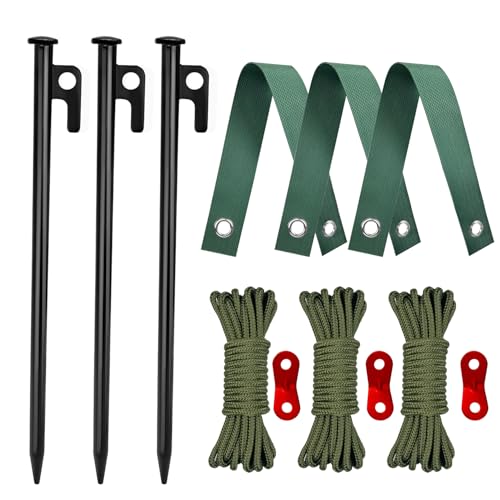
【Value Package】Package comes with 3pcs tree stakes,3pcs tree straps for staking and 3pcs ropes (each 13ft) with 3pcs aluminium tensioners. Complete tree stake kit enable your saplings to grow straight and healthy even in windy conditions

【Complete Tree Straps for Staking Kit】Package comes with 8pcs tree straps and 52ft rope , with this kit you can ensure 3 to 4 trees to grow upright or protect them from harsh weathers like hurircane, helping your trees grow strong and healthy

Perfect Tree Staking Kit: Our tree stake straight kits set includes 3 PCS tree strap ties for staking, 3 PCS steel tree stakes, and a 31.2 feet length rope for anchoring. Detailed instructions are included in the product packaging. This is a complete kit that you don't need to buy any other related accessories.
Choosing the Right Staking Method
When it comes to Choosing the Right Staking Method for a fallen tree, consider these factors:
- Tree Size: For smaller trees, a single stake should suffice. Larger trees may require multiple stakes for proper support.
- Soil Type: Soft or sandy soil may need longer stakes for stability, while rocky soil might require a different anchoring technique.
- Tree Type: Some trees naturally have stronger root systems and may not need extensive staking.
- Environmental Conditions: Windy areas may necessitate a more robust staking method to prevent future uprooting.
Two common staking methods you can consider are:
- Single Stake Method: Involves anchoring the tree to a single stake for support.
- Guying Method: Uses multiple stakes and ties to provide stability from different angles.
When deciding on the best method, ensure the stakes are approximately two-thirds into the ground and angled away from the tree. Using flexible and durable ties to secure the tree without causing damage is crucial.
Remember, the goal of staking is to provide temporary support while allowing the tree to develop a strong root system. Assess regularly and adjust the staking as needed for the tree’s well-being.
Recommended Products

Protect Young Trees from Bad Weather: Tree stake kits are typically used when planting young trees, particularly those with small or shallow root systems, in order to provide support and promote healthy growth. Young trees are more susceptible to wind damage than mature trees, FCENDS tree stake kit can help to support the tree and prevent it from leaning or tipping over in high winds.

Perfect for Bad Weather: This simple yet effective tree staking kit can dramatically improve a tree's chances of survival in severe weather conditions. So don’t wait for a storm—get our metal tree stakes kit today and be ready for whatever Mother Nature brings

⭐All-Purpose Tree Stakes Kit– A must-have tree anchor kit for avid garden and outdoor enthusiasts this tree stakes bundle comes with 6 pcs 11.8 Inch Tree Stakes, 6 pcs For Staking and 6 pcs 13.12 Feet Tree Rope for garden, camping accessories, and travel.
Preparing the Tree for Staking
When preparing a fallen tree for staking, the first step is to assess the damage and ensure that the tree is capable of being salvaged. Here are some key steps to follow:
- Clear the Surrounding Area: Remove any debris, branches, or obstacles around the fallen tree to create a safe working environment.
- Trim Damaged Branches: Cut off any broken or damaged branches to prevent further stress on the tree.
- Inspect the Roots: Check the root system for any signs of damage or uprooting that may affect the tree’s stability.
Before proceeding with the staking process, it’s essential to choose the right staking method based on the tree’s size and the extent of the damage. This decision will ensure that the tree receives the necessary support while it regains its strength.
Executing the Staking Process
When it comes to staking a fallen tree, the execution process plays a crucial role in ensuring its proper recovery and stability. Here’s how you can effectively stake a tree that has fallen over:
- Select Staking Materials: Gather stakes and soft ties that are appropriate for the tree’s size and level of damage.
- Drive Stakes: Position the stakes outside the root ball area at a distance equal to one-third of the tree’s height.
- Secure the Tree: Use soft ties to attach the tree to the stakes firmly but not too tightly to allow for some movement.
- Adjust As Needed: Monitor the tree regularly and adjust the ties if they become too loose or tight.
Remember, the staking duration varies based on the tree’s condition and the severity of the damage. Proper execution of the staking process can significantly contribute to the tree’s successful recovery and growth.
Monitoring the Tree’s Progress
After staking a fallen tree, it’s crucial to monitor its progress regularly to ensure successful recovery and growth. Here are some key points to consider:
- Observation: Regularly check the tree for any signs of movement or instability.
- Adjustments: If you notice any loosening of ties or shifting of the tree, make necessary adjustments promptly.
- Weather: Be mindful of severe weather conditions like strong winds that may affect the staked tree.
- Growth: Monitor the tree’s growth and development, ensuring that it’s on the right path to recovery.
- Duration: The duration of monitoring varies based on the tree’s condition and the effectiveness of the staking process.
Keeping a close eye on the tree’s progress is vital in ensuring its successful recovery and stability over time.
Recommended Products
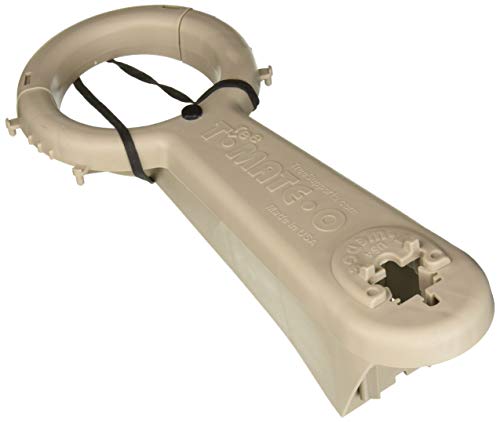

Everything You Need is Included - Steel tree stake kits includes 3 steel stakes (11.8 inch), 3 straps (15.75 inch), and 3 ropes (13.12 FT) for anchoring. The diameter 4mm ropes come with aluminium tensioners for quick set up. Strong metal stakes without the worry of breaking in half or bending like plastic stakes, enough to hold the tree firmly. The straps are wide enough to spread the load so there's little chance that it will damage the bark or constrict the tree in any way

Perfect for Bad Weather: If you are searching for a tree stakes kit that can provide strong support to your young trees, you can never go wrong with our tree straps for staking, With a little care and attention, the tree straps will help you to grow beautiful, healthy trees
Conclusion
Ensuring the successful recovery and growth of a fallen tree after staking it requires consistent monitoring and timely adjustments. By staying vigilant for any signs of movement or instability, you can proactively address any issues that may arise. Remember to take into account external factors like severe weather conditions that could impact the tree’s stability. Monitoring the tree’s progress and adjusting your observation schedule accordingly is essential for its long-term health and stability. By following these key steps, you can help the tree regain its strength and thrive in its environment.
Frequently Asked Questions
Q: Why is monitoring a staked tree important?
A: Monitoring a staked tree is important to ensure its successful recovery and growth. Regular observation can help detect any movement or instability, allowing prompt adjustments if needed.
Q: What should I consider during monitoring?
A: During monitoring, be cautious of severe weather conditions like strong winds that can affect the tree’s stability. Keep an eye on the tree’s growth and development to track progress accurately.
Q: How long should I monitor a staked tree?
A: The duration of monitoring should be adjusted based on the tree’s condition and the effectiveness of the staking process. Close and consistent monitoring is essential for the tree’s long-term stability and recovery.

I’ve always been drawn to trees.As a kid, I spent most of my free time outside, climbing, exploring, and trying to figure out the names of the trees around me.That early curiosity eventually led me to study arboriculture and horticulture at Michigan State.Later, I completed a degree in forestry at the University of Michigan.
I’ve been working in tree care and education ever since.These days, I enjoy helping people learn more about the trees in their own backyards.How they grow, how to care for them, and why they matter.You don’t need to be an expert to appreciate trees.A little curiosity goes a long way.