Is your garden struggling to thrive despite your best efforts? You’re not alone. Many gardeners face the challenge of tired, depleted soil that just won’t support healthy plants. It can be frustrating when you put in the work, but your garden doesn’t reflect that.
Key Takeaways
- Understand Soil Health: Healthy soil is vital for plant growth, providing essential nutrients and fostering beneficial microorganisms.
- Identify Depleted Soil Signs: Look for indicators like poor plant growth, compacted soil, low organic matter, and weed proliferation to recognize soil issues.
- Incorporate Organic Matter: Adding compost, well-rotted manure, and mulch enhances soil structure, fertility, and moisture retention.
- Utilize Cover Crops: Plant cover crops to protect soil, enhance nitrogen levels, and improve soil structure while suppressing weeds.
- Conduct Soil Testing: Regular testing helps assess nutrient levels, pH balance, and organic matter content, guiding effective revitalization strategies.
- Implement Soil Amendments: Use the right amendments and organic fertilizers to bolster nutrient content and maintain soil health throughout the growing seasons.
Understanding Soil Health
Soil health plays a crucial role in your garden’s success. Healthy soil supports plant growth, enhances nutrient availability, and promotes beneficial microbial activity.
Importance of Healthy Soil
Healthy soil fosters strong plant development. Nutrient-rich soil provides essential elements like nitrogen, phosphorus, and potassium. Balanced pH levels encourage optimal nutrient absorption. Healthy soil also retains moisture, reducing the need for frequent watering. A diverse soil ecosystem promotes beneficial organisms, such as earthworms and microbes, which contribute to soil structure and fertility.
Signs of Depleted Soil
Recognizing signs of depleted soil helps you take action. Look for these indicators:
- Poor Plant Growth: Stunted growth or wilting plants may signal nutrient deficiency.
- Compacted Soil: Hard, densely packed soil restricts root expansion and water infiltration.
- Low Organic Matter: A lack of decomposed plant material diminishes nutrient content in the soil.
- Weed Growth: An abundance of weeds may indicate unbalanced soil conditions.
- Soil Erosion: Excessive runoff or erosion suggests weak soil structure.
By identifying these signs early, you can implement effective strategies to revitalize your garden soil.
Key Techniques to Revitalize Garden Soil
Revitalizing garden soil involves actionable methods to enhance its health and productivity. Here are key techniques to consider.
Recommended Products

UPGRADED SIDE CLASPS FOR DURABILITY: The Landzie Compost & Peat Moss Spreader is designed with upgraded side clasps, preventing wear. This peat moss spreader ensures even distribution across your lawn, perfect for handling compost, topsoil, sand and more. With an adjustable handle and a solid steel mulch spreader build, this top compost spreader for lawn guarantees efficient performance. Ideal for anyone seeking lawn spreaders that last, Landzie delivers the ultimate lawn & garden spreaders
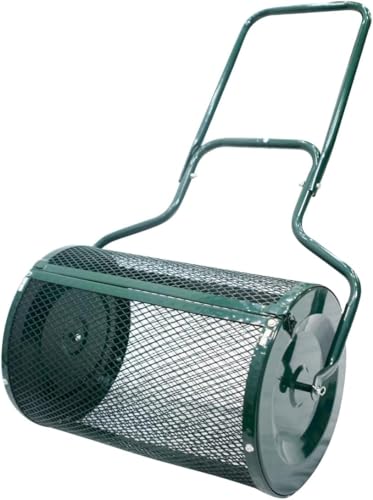
Sturdy and durable, with a rust-resistant powder-coated finish.

Large Capacity & Easy Filling: The manure spreader features an extra-large 2.7 Cu.ft/0.077m³capacity and a wide filling door, allowing you to effortlessly load peat moss, compost, sand, or top soil in generous quantities. Therefore, it will improve your garden's nourishment efficiency and helping your plants thrive.
Adding Organic Matter
Adding organic matter significantly improves soil structure and fertility. Choose materials like compost, well-rotted manure, leaf mold, or peat moss. Incorporate these into the top 6-12 inches of soil to boost nutrient levels and enhance moisture retention.
- Compost: Use nutrient-rich compost made from kitchen scraps and garden waste. Spread a 1-3 inch layer over the soil and mix it in well.
- Manure: Well-rotted manure adds essential nutrients. Apply it in fall to allow breakdown over winter before planting.
- Mulch: Organic mulch reduces weed growth and retains moisture. Apply a 2-4 inch layer around plants.
Utilizing Cover Crops
Utilizing cover crops is an effective technique for improving soil health. These crops, such as clover, vetch, and rye, protect the soil from erosion and enhance nutrient availability.
- Nitrogen Fixation: Legume cover crops fix atmospheric nitrogen, enriching the soil. Plant before fall frost and till in during spring.
- Soil Structure: Deep-rooted cover crops break up compacted soil layers. Choose varieties like daikon radish for maximum penetration.
- Weed Suppression: Cover crops help suppress weed growth. Their growth shades the soil, preventing weed seed germination.
Implementing these techniques enhances the soil’s vitality and promotes healthier plants, leading to a productive and thriving garden.
Soil Testing and Analysis
Testing and analyzing soil is essential for understanding its current state. This insight enables effective strategies to revitalize it for healthy plant growth.
Recommended Products

Quick, at home results for Soil pH, Nitrogen, Phosphorous and Potash Innovative and inexpensive soil test kit features an easy-to-use capsule system and patented color comparators

KNOW BEFORE YOU GROW | Grow the healthiest, sustainable lawn and garden with the most accurate and easy to use professional soil test kit on the market

Comprehensive Soil Analysis: Liquid soil test kits offer a comprehensive analysis of essential soil parameters, including pH, ammonia, nitrogen, phosphorus, and potassium. Having all these measurements in one kit provides a holistic understanding of the soil's fertility and health.
Conducting a Soil Test
- Choose a Testing Method: Select between home testing kits or professional lab services. Home kits offer convenience, while labs provide more detailed analysis.
- Collect Soil Samples: Take samples from different areas of your garden for a comprehensive view. Aim for a depth of 6 to 8 inches. Mix multiple samples to create a composite sample for testing.
- Follow Instructions: If using a kit, adhere to the manufacturer’s directions for precise results. For lab tests, place soil in a clean container and send it in with required paperwork.
- Label Samples: Clearly mark containers to avoid confusion, especially if testing multiple areas.
- Nutrient Levels: Examine nitrogen, phosphorus, and potassium levels. These macronutrients are vital for plant health. Low levels indicate the need for amendments.
- pH Levels: Understand the soil pH. Most plants thrive in slightly acidic to neutral pH (6.0-7.0). If pH is too low, consider adding lime; if too high, sulfur can help.
- Organic Matter Content: Review organic matter percentage. A level of 5-10% is ideal. Low organic matter suggests the need for compost or mulch to enhance soil quality.
- Recommendations: Look for specific advice on amendments from the test report. Follow those recommendations to aid in soil revitalization.
Testing and analyzing soil leads to informed decisions that promote a healthy garden.
Amendments and Fertilizers
Enhancing soil health requires the right amendments and fertilizers. These elements boost nutrient content and improve soil structure.
Recommended Products

NUTRIENT-RICH GROWTH: Premium cow manure compost packed with nitrogen, calcium, and iron. This organic compost fertilizer enriches soil, boosts microbial life, and supports bigger vegetables, greener lawns, and thriving flowers.

SUPERCHARGE YOUR GARDEN: Elevate your plants' growth with premium organic Brut Worm Castings. Our certified organic formula guarantees optimal nutrition for your indoor and outdoor plants.

Provide moisture-holding capacity to sandy soils. Black Kow cow manure holds water and nutrients in the soil around the roots. The roots can use the water and nutrients when needed instead of letting the nutrients leach through the soil
Types of Soil Amendments
- Compost: Enriches soil with nutrients while improving drainage and aeration. Use well-composted material, mixing it into your garden beds.
- Manure: Well-rotted manure adds essential nutrients, especially nitrogen. Apply in the fall to allow time for it to integrate into the soil before planting.
- Peat Moss: Increases moisture retention and aeration in sandy soils. Mix it with other amendments for balanced soil.
- Perlite and Vermiculite: Both improve soil drainage and aeration. Incorporate them into the soil for container gardens or raised beds.
- Gypsum: Useful for clay soils, gypsum breaks up compacted soil, improving drainage and root penetration.
- Understand N-P-K Ratios: Fertilizers list nitrogen (N), phosphorus (P), and potassium (K) ratios. Choose a fertilizer based on your soil’s nutrient needs. Soil tests provide specific recommendations.
- Organic Options: Consider bone meal for phosphorus, blood meal for nitrogen, and kelp meal for trace minerals. These options enhance soil life while feeding plants.
- Granular vs. Liquid: Granular fertilizers release nutrients slowly, ideal for long-term nutrient supply. Liquid fertilizers provide quick nutrients, suitable for rapid growth.
- Timing Matters: Apply fertilizers during planting or as a top-dressing during the growing season. Follow product instructions for timing and frequency.
- Avoid Over-Fertilizing: Excess nutrients can harm plants and pollute water sources. Stick to recommended amounts to promote healthy growth.
Implementing these amendments and fertilizers will significantly improve your soil quality. This approach fosters robust plant growth and a flourishing garden.
Maintaining Revitalized Soil
Maintaining revitalized soil requires consistent care and attention. You can ensure long-term health and productivity in your garden by implementing regular practices and seasonal strategies.
Regular Soil Care Practices
- Mulch Regularly: Apply organic mulch around plants to retain moisture, suppress weeds, and gradually enrich the soil as it decomposes. Consider using straw, wood chips, or grass clippings.
- Crop Rotation: Rotate your crops each season to prevent nutrient depletion and reduce pest buildup. For instance, follow heavy feeders like tomatoes with legumes that restore nitrogen.
- Monitor Moisture Levels: Check soil moisture frequently. Water deeply but less often to encourage deep root growth. Use a moisture meter for accuracy.
- Practice No-Till Gardening: Minimize soil disturbance to maintain structure and preserve beneficial microorganisms. Use hand tools instead of tillers.
- Incorporate Organic Fertilizers: Use compost or organic fertilizers to replenish nutrients. Apply during the growing season to support plant health.
- Spring Tasks: Test your soil in early spring. This helps identify nutrient needs before planting begins. Add amendments based on test results.
- Summer Care: During hot months, ensure proper watering to prevent soil from drying out. Create shaded areas with row covers to maintain moisture levels.
- Fall Preparation: As the growing season ends, add compost or well-rotted manure to improve soil structure. Plant cover crops like rye or clover to protect the soil over winter.
- Winter Care: In colder months, avoid heavy walking on wet soil to prevent compaction. Protect soil with a layer of mulch or cover crops.
- Regular Observation: Continually observe your plants and soil condition. Look for signs of nutrient deficiencies or pests, and address them promptly to maintain soil vitality.
Conclusion
Revitalizing your garden soil is a rewarding journey that pays off in vibrant plants and bountiful harvests. By recognizing the signs of tired soil and taking action with organic matter, cover crops, and proper testing, you’re setting the stage for success.
Remember to keep an eye on your soil’s health through regular care and seasonal practices. Each step you take not only nurtures the soil but also fosters a thriving garden ecosystem. Enjoy the process and watch your garden flourish as you invest in its foundation. Happy gardening!
Frequently Asked Questions
What causes plants to struggle in the garden?
Poor plant growth can often be attributed to tired and depleted soil. Factors include low nutrient levels, compacted soil, imbalanced pH, and a lack of organic matter. Recognizing these signs early helps to implement strategies to revitalize the soil for better plant health.
How can I tell if my soil is depleted?
Signs of depleted soil include poor plant growth, compacted soil, low organic matter, excessive weed growth, and soil erosion. If you notice any of these issues, it may be time to assess and improve your soil’s health.
What are effective ways to improve soil health?
To enhance soil health, consider adding organic matter like compost, well-rotted manure, or mulch. These additions improve nutrient availability, soil structure, and moisture retention, fostering better plant growth and reducing the need for frequent watering.
Why is soil testing important?
Soil testing helps determine the nutrient levels and pH of your soil, allowing you to make informed decisions about amendments. By understanding your soil’s current state, you can effectively revitalize it for healthier plants.
What amendments should I use for my garden soil?
Common soil amendments include compost, well-rotted manure, peat moss, and gypsum. Each serves specific functions, such as improving drainage and nutrient content. Using the right amendments can significantly enhance your soil’s health and productivity.
How do I interpret N-P-K ratios in fertilizers?
N-P-K ratios indicate the levels of nitrogen (N), phosphorus (P), and potassium (K) in a fertilizer. Understanding these ratios helps you select fertilizers that meet the specific nutritional needs of your plants, promoting healthy growth.
What are some regular maintenance practices for soil health?
Regular practices to maintain soil health include applying organic mulch, rotating crops, and monitoring soil moisture. Additionally, consider no-till gardening to preserve soil structure and beneficial microorganisms, enhancing long-term soil vitality.
How often should I test my garden soil?
It’s recommended to test your garden soil at least once a year, ideally in the spring. Regular testing helps you track changes in nutrient levels and pH, allowing for timely adjustments to ensure optimal plant growth.

I’ve always been drawn to trees.As a kid, I spent most of my free time outside, climbing, exploring, and trying to figure out the names of the trees around me.That early curiosity eventually led me to study arboriculture and horticulture at Michigan State.Later, I completed a degree in forestry at the University of Michigan.
I’ve been working in tree care and education ever since.These days, I enjoy helping people learn more about the trees in their own backyards.How they grow, how to care for them, and why they matter.You don’t need to be an expert to appreciate trees.A little curiosity goes a long way.