Planting an oak tree sapling requires careful preparation and execution to ensure healthy growth. Following an expert-tested method will help you establish a strong foundation for your oak tree, allowing it to thrive for decades.
Collecting Tools for Oak Tree Planting
Before planting an oak tree sapling, it’s essential to gather the right tools to ensure a successful start for your new tree. The proper equipment not only facilitates the planting process but also contributes to the long-term health and growth of the sapling. This section outlines the necessary tools you’ll need for planting an oak tree effectively.
Before starting the planting process, collect all necessary supplies. Having everything on hand will streamline your efforts and prevent interruptions. Key supplies include:
-
Oak tree sapling
-
Shovel
-
Watering can or hose
-
Mulch
-
Soil amendments (compost or fertilizer)
-
Stakes and ties (for support if needed)
Ensure that your oak sapling is healthy and free of pests. Inspect the roots for any signs of damage.
Recommended Products

Provides stunning fall foliage with vibrant red and orange leaves
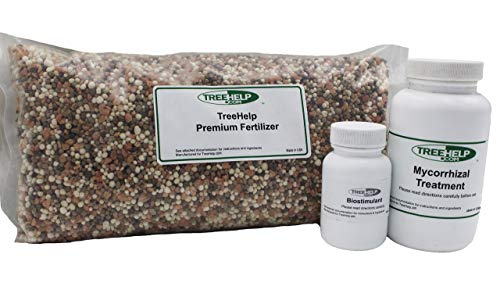
Not Available for Sell in WA, USA
Optimal Location for Oak Sapling Growth
Selecting the right location for planting an oak tree sapling is crucial for its long-term health and growth. The ideal site should provide ample sunlight, well-drained soil, and sufficient space for the tree to develop its extensive root system. Understanding these factors will help ensure your oak sapling thrives in its new environment.
Choosing the right location is crucial for the successful growth of your oak tree. Oaks prefer full sun and well-drained soil.
-
Select a site with at least six hours of sunlight daily.
-
Check soil quality and amend it if necessary.
-
Clear the area of debris, weeds, and grass to minimize competition for nutrients.
Soil pH and Nutrient Assessment
Before planting an oak tree sapling, it’s essential to evaluate the soil’s pH and nutrient levels. This assessment ensures the sapling receives the proper conditions for optimal growth. Understanding these factors will help you create a nurturing environment that supports the healthy establishment of your oak tree.
Testing your soil will provide insight into its pH and nutrient levels.
-
pH level: Oaks thrive in slightly acidic to neutral soil (pH 6.0 to 7.0).
-
Nutrient levels: Look for nitrogen, phosphorus, and potassium.
If the soil is lacking, consider adding compost or a balanced fertilizer.
| Soil Quality | pH Range | Nutrient Level |
|---|---|---|
| Ideal | 6.0 – 7.0 | Balanced |
| Poor | Below 6.0 | Low |
| Poor | Above 7.0 | Low |
Planting Your Oak Tree Sapling Properly
Planting an oak tree sapling requires careful attention to detail to ensure its healthy growth and development. This section outlines the expert-tested methods for properly planting your sapling, covering everything from site selection to soil preparation. By following these guidelines, you can set your oak tree on a path to thrive for generations.
The actual planting of your oak tree sapling is a critical step.
-
Dig a hole that is twice as wide and as deep as the root ball.
-
Remove the sapling from its container, taking care not to damage the roots.
-
Place the sapling in the center of the hole, ensuring that the root collar is level with the soil surface.
-
Backfill the hole with native soil, gently packing it around the roots to eliminate air pockets.
-
Water thoroughly to settle the soil around the roots.
Recommended Products

This is a full box of red oak shavings

【100% Natural Hardwood – Clean & Safe Smoking】Made from 100% natural hardwood with no chemicals, fillers, or artificial additives. These smoking wood chips deliver clean, pure smoke, ensuring safe and authentic BBQ flavor every time.

CLASSIC TEXAS-STYLE SMOKE: Post oak gives a medium, clean smoke that lets beef shine. It is the traditional wood for Texas brisket and works just as well on beef ribs, sausage, and pork shoulder when you want balanced, steady flavor.
Mulching Techniques for Oak Saplings
Proper mulching is essential for the healthy establishment of oak saplings, as it helps retain moisture, suppress weeds, and regulate soil temperature. This section will explore effective mulching techniques that not only protect young trees but also promote their growth in the crucial early stages. Understanding these methods will ensure your oak sapling thrives in its new environment.
Applying mulch around the base of the sapling is essential for moisture retention and weed suppression.
-
Use organic materials like wood chips or straw.
-
Apply a layer about 2-4 inches thick, keeping it away from the trunk.
Supporting Young Oak Saplings Effectively
Supporting young oak saplings is crucial for their healthy growth and development. Proper support techniques not only help them withstand environmental challenges but also promote strong root systems. This section will explore effective methods to ensure your oak saplings thrive as they establish themselves in their new environment.
Young oak trees may require support to withstand wind and other environmental factors.
-
Use stakes if the sapling is tall or has a weak trunk.
-
Secure the sapling with soft ties to avoid damaging the bark.
Check the stakes regularly and remove them after one growing season to allow the tree to develop strength.
Recommended Products

【Premium Material】- Made of high-quality metal and plastic, these garden wire ties are durable, sturdy, and bendable. Green will become the best-hidden color in the garden, helping the twist ties complete their work without appearing obtrusive in the plants.

SOFT SUPPORT FOR PLANTS: Soft plant ties gently secure stems and branches, preventing breakage while training fruit, tying trees, or supporting climbing roses. Ideal for delicate or woody plants.

【Premium Material】- The outside of brown plant tie is made of premium rubber TPR material, and the inner core is equipped with high-quality metal, which helps the twist plant ties with flexible specialty, durable, sturdier, can easy to be bent. Perfect for outdoor use.
New Oak Sapling Watering Guidelines
Proper watering is crucial for the successful establishment of an oak tree sapling. Understanding the specific needs of your sapling during its early growth stages can make a significant difference in its health and longevity. The following guidelines provide expert-tested recommendations to ensure your new oak receives the right amount of moisture for optimal development.
Establishing a consistent watering schedule is vital for the first year.
-
Water deeply once a week during dry spells.
-
Monitor soil moisture to avoid overwatering.
| Watering Frequency | Soil Condition | Action |
|---|---|---|
| Weekly | Dry | Water deeply |
| Weekly | Moist | Check moisture |
| Bi-weekly | Saturated | Reduce watering |
Sapling Growth Monitoring Techniques
Monitoring the growth of your oak tree sapling is essential for ensuring its long-term health and vitality. By employing specific techniques, you can track its progress and address any potential issues early on. This section outlines effective methods for observing and nurturing your sapling as it establishes itself in its new environment.
After planting, regular monitoring will help you identify any issues early.
-
Look for signs of pests or diseases.
-
Check for proper growth and adjust care as needed.
Healthy oak trees can grow rapidly, requiring adjustments in care as they mature.
Planting an oak tree sapling involves careful planning and execution. Following these steps will help ensure your sapling grows into a robust tree that enhances your landscape for years to come.

My interest in trees started when I first saw the giant sequoias in Yosemite.I was a teenager then, and I remember thinking, “I need to learn more about this.”That moment stuck with me.A few years later, I went on to study forestry at Michigan Tech.
Since graduating, I’ve worked in a mix of hands-on tree care and community education.I’ve spent over ten years helping people understand how to plant, maintain, and protect the trees in their neighborhoods.I don’t see trees as just part of the landscape.They are living things that make a real difference in our daily lives.