Planting an oak tree successfully requires proper site selection, soil preparation, and planting techniques. Following these steps ensures healthy growth and longevity for your oak tree.
Essential Tools and Materials for Oak Planting
Successfully planting an oak tree requires the right tools and materials to ensure healthy growth and establishment. This section outlines the essential items you’ll need, from digging equipment to soil amendments, helping you prepare effectively for this rewarding endeavor. Equip yourself with the necessary resources to set your oak tree on the path to thriving.
Before you start planting, gather the necessary supplies. Having the right tools and materials will streamline the process and improve your chances of success. Here’s what you need:
-
Oak sapling: Choose a healthy, native species.
-
Shovel: For digging the hole.
-
Compost: To enrich the soil.
-
Mulch: To retain moisture.
-
Watering can: For initial watering.
-
Garden gloves: To protect your hands.
| Supply | Purpose |
|---|---|
| Oak sapling | The main plant |
| Shovel | Digging the planting hole |
| Compost | Soil enrichment |
| Mulch | Moisture retention |
| Watering can | Initial watering |
| Garden gloves | Hand protection |
Site Preparation for Oak Tree Planting
Preparing the site for planting an oak tree is crucial for its long-term health and growth. This process involves assessing soil quality, ensuring adequate sunlight, and clearing any competing vegetation. By taking the time to properly prepare the planting area, you set the foundation for a strong and thriving oak tree.
Selecting the right location is crucial for your oak tree’s growth. Oak trees thrive in well-drained soil with ample sunlight. Follow these steps to prepare the site:
-
Choose a sunny location: Ensure the area receives at least six hours of sunlight daily.
-
Check soil drainage: Conduct a drainage test by digging a small hole and filling it with water. If it drains within a few hours, the soil is suitable.
-
Clear the area: Remove any weeds, rocks, or debris from the planting site.
Avoid planting near structures or other trees that may compete for resources.
Oak Tree Planting Methodology
Planting an oak tree requires careful consideration of several key factors to ensure its successful growth and longevity. Understanding the right techniques and timing can make all the difference in establishing a strong foundation for this majestic tree. This section will guide you through the essential steps of oak tree planting methodology.
Proper planting technique is essential for the oak tree’s establishment. Follow these steps to plant your oak sapling effectively:
-
Dig the hole: Make a hole that is twice as wide and as deep as the root ball of the sapling.
-
Mix compost: Combine the excavated soil with compost to improve nutrient content.
-
Position the sapling: Place the sapling in the center of the hole, ensuring the top of the root ball is level with the surrounding soil.
-
Backfill the hole: Fill in the hole with the soil-compost mix, gently tamping down to eliminate air pockets.
-
Water thoroughly: Use a watering can to saturate the soil around the sapling.
Ongoing Care Tips for Thriving Oak Trees
Once you’ve successfully planted your oak tree, ongoing care is essential for its growth and health. This section provides practical tips to ensure your oak thrives in its environment, from watering and mulching to pest management and pruning. By following these guidelines, you can nurture your tree into a strong and majestic presence in your landscape.
After planting, ongoing care is vital for the oak tree’s health. Establish a routine to ensure your tree thrives. Consider these care tips:
-
Water regularly: Ensure the soil remains moist, especially during dry spells.
-
Apply mulch: Spread a layer of mulch around the base to retain moisture and suppress weeds.
-
Monitor for pests: Check for signs of pests or disease and take action if necessary.
Overwatering can lead to root rot, so monitor soil moisture levels.
Recommended Products
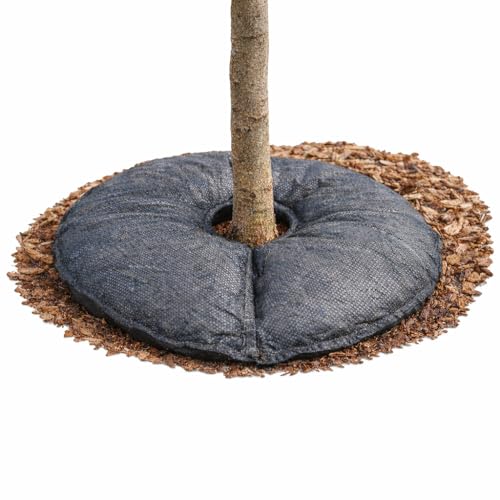
For Plants and Trees that with root balls about 12” in dia., (11-15”, e.g. 3-10 Gallon Container Sizes have top diameters between 11-15”) - Uses 99% LESS WATER than traditional tree bag over the course of multiple seasons for better establishment of the newly planted trees and shrubs! When the plant root ball is larger than 15”, the 36”, 48”, or multiple units of these larger sized SteadySpring Tree Mats are recommended to cover an area double of the root ball size or at least 20” larger than the root ball.

Massive 19-Gallon Capacity – Oak-Sports tree watering bag/ring provides a steady, slow-release water supply for up to 4–7 hours, ensuring deep saturation for mature trees, shrubs, and large garden beds.

Quick & Easy Filling: No adjustments required and kid friendly operation for hassle-free watering
Popular Oak Tree Varieties for Landscaping
When selecting an oak tree for your landscaping project, understanding the various popular varieties can significantly enhance your outdoor space. Each type offers unique characteristics, from growth patterns to aesthetic appeal, making it essential to choose the right one for your specific needs. Explore these options to find the perfect oak tree that complements your landscape design.
Familiarizing yourself with different oak tree varieties can help you choose the best one for your landscape. Here are a few popular options:
-
White Oak: Known for its longevity and strong wood, ideal for larger spaces.
-
Red Oak: Fast-growing and adaptable, suitable for various soil types.
-
Live Oak: Evergreen variety that provides year-round shade.
| Oak Variety | Characteristics | Ideal Location |
|---|---|---|
| White Oak | Long-lived, strong wood | Large yards |
| Red Oak | Fast-growing, adaptable | Urban settings |
| Live Oak | Evergreen, year-round shade | Coastal areas |
Recommended Products

Attention: California and Arizona residents cannot order this item due to state restrictions.


Iconic Evergreen Shade Tree Ð Southern Live Oak offers year-round greenery and a sprawling canopy, perfect for enhancing outdoor spaces with timeless charm.
Plan for Long-Term Maintenance
Planting an oak tree is just the beginning of a rewarding journey that requires ongoing care and attention. Understanding the long-term maintenance needs of your oak will ensure its healthy growth and longevity. This section outlines essential practices to keep your oak thriving for generations to come.
Long-term maintenance is crucial for the health of your oak tree. Establish a schedule to ensure your tree remains healthy and robust. Key maintenance tasks include:
-
Pruning: Remove dead or damaged branches to promote healthy growth.
-
Fertilizing: Apply a balanced fertilizer in early spring to support growth.
-
Inspecting: Regularly check for signs of disease or nutrient deficiencies.
Avoid heavy pruning during the growing season to prevent stress on the tree.

My interest in trees started when I first saw the giant sequoias in Yosemite.I was a teenager then, and I remember thinking, “I need to learn more about this.”That moment stuck with me.A few years later, I went on to study forestry at Michigan Tech.
Since graduating, I’ve worked in a mix of hands-on tree care and community education.I’ve spent over ten years helping people understand how to plant, maintain, and protect the trees in their neighborhoods.I don’t see trees as just part of the landscape.They are living things that make a real difference in our daily lives.