Have you ever thought about growing your own vegetables but didn’t know where to start? Imagine stepping into your backyard and picking fresh tomatoes or crisp lettuce for dinner. It’s not just a dream; you can make it a reality with a little planning and effort.
Key Takeaways
- Choose the Right Location: Select a spot that receives at least 6 to 8 hours of sunlight and is easily accessible for watering and maintenance.
- Plan Your Garden Layout: Design your garden with proper spacing to maximize air circulation and sunlight exposure, considering companion planting to enhance growth.
- Prepare Your Soil: Conduct soil tests to understand nutrient levels, and amend with organic matter and balanced fertilizers for healthy vegetables.
- Select Appropriate Vegetables: Choose vegetables based on your climate and seasonal cycles, while considering popular options that suit your taste.
- Implement Consistent Maintenance: Regularly weed, inspect for pests, and water appropriately to ensure your vegetable garden remains healthy and productive.
- Harvest at the Right Time: Monitor maturity and harvest vegetables when they reach their peak for optimal freshness and flavor, and store them correctly to extend shelf life.
Choosing the Right Location
Choosing the right location for your vegetable garden ensures successful growth and convenient access. Consider factors like sunlight and water availability when selecting a spot.
Sunlight Requirements
Vegetable plants typically need at least 6 to 8 hours of direct sunlight each day. Observe your yard throughout the day to identify areas that receive ample sunlight. Look for spots that are free from large trees or structures that cast shadows. For example, if you have a south-facing plot, it’s an excellent choice for most vegetables.
Accessibility and Water Source
Ensure your vegetable garden is easily accessible for planting, weeding, and harvesting. A location near a water source simplifies the watering process. Consider placing your garden close to a hose or tap, allowing quick and easy access when you need to water your plants. For instance, raised beds can also be positioned near pathways to enhance accessibility while ensuring you can reach all areas of the garden.
Planning Your Garden Layout
Creating an effective layout for your vegetable garden enhances growth and maximizes your space. Thoughtful planning yields a flourishing garden that’s accessible and organized.
Garden Size and Design
Determine the size of your garden based on available space and your planting goals. For small spaces, consider container gardening or raised beds. For larger areas, lay out traditional rows or a grid design to optimize sunlight and airflow. Aim for dimensions that allow room for paths—typically 2 to 3 feet wide—ensuring easy movement for planting and care.
Use a simple sketch to visualize your garden. Mark where each vegetable will grow, factoring in their mature sizes. For example, space tomatoes 18 to 24 inches apart and lettuces about 12 inches apart. Keep taller plants on the north side of the garden to avoid shading shorter plants.
Companion Planting
Utilize companion planting to improve growth and deter pests. This method involves growing compatible plant types together. For instance, tomatoes grow well alongside basil, which enhances flavor and repels harmful insects. Pairing carrots with onions can reduce root fly damage.
Research combinations that thrive together. Avoid planting crops from the same family in close proximity, as this can attract pests that infect those plants. Instead, rotate crops annually to maintain soil health and prevent disease buildup. When planning your layout, incorporate these relationships to create a more resilient garden.
Following these guidelines empowers you to design a productive and harmonious vegetable garden in your backyard.
Preparing the Soil
Preparing your soil sets the foundation for a thriving vegetable garden. Proper soil preparation improves plant health, yields better vegetables, and enhances soil structure.
Recommended Products

Quick, at home results for Soil pH, Nitrogen, Phosphorous and Potash Innovative and inexpensive soil test kit features an easy-to-use capsule system and patented color comparators

Comprehensive Soil Analysis: Liquid soil test kits offer a comprehensive analysis of essential soil parameters, including pH, ammonia, nitrogen, phosphorus, and potassium. Having all these measurements in one kit provides a holistic understanding of the soil's fertility and health.

KNOW BEFORE YOU GROW | Grow the healthiest, sustainable lawn and garden with the most accurate and easy to use professional soil test kit on the market
Soil Testing
Soil testing helps you understand your soil’s pH and nutrient levels. Start by collecting samples from different areas of your garden. Mix these samples in a clean container, then follow the test kit instructions. Most kits provide results in a few days, indicating how much lime or sulfur your soil needs to achieve the optimal pH, typically between 6.0 and 7.0 for most vegetables. If needed, consider sending samples to a local extension office for professional analysis. This measure offers precise recommendations based on your garden’s unique conditions.
Amendments and Fertilizers
Amending your soil enhances its structure and nutrient content. Based on your soil test results, add organic matter like compost, aged manure, or peat moss. Incorporating 2 to 4 inches of organic matter into the top 12 inches of soil greatly improves drainage and fertility.
Choose a balanced fertilizer, like a 10-10-10 formulation, to ensure your plants receive essential nutrients: nitrogen for leafy growth, phosphorus for root development, and potassium for overall health. Apply according to the product label’s recommendations, usually a couple of weeks before planting. For an extra boost, consider using slow-release fertilizers throughout the growing season.
By testing your soil and adding the right amendments, you create a robust environment for your vegetables to flourish.
Selecting the Right Vegetables
Choosing the right vegetables for your backyard garden is crucial for a successful harvest. Consider what you enjoy eating and what grows well in your climate.
Recommended Products
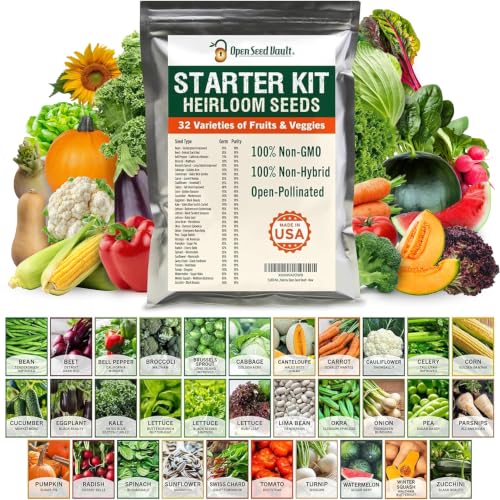
COMPLETE VEGETABLE GARDEN VARIETY PACK – Grow a thriving home garden with 32 popular vegetable seeds including Bean, Beet, Bell Pepper, Broccoli, Brussels Sprout, Cabbage, Cantaloupe, Carrot, Cauliflower, Celery, Corn, Cucumber, Eggplant, Kale, Lettuce (3 types), Lima Bean, Okra, Onion, Pea, Parsnip, Pumpkin, Radish, Spinach, Sunflower, Swiss Chard, Tomato, Turnip, Watermelon, Zucchini. A diverse mix perfect for fresh meals, backyard gardens, and sustainable growing.

Vegetable seeds variety pack: Grow 35 varieties of leafy greens, root vegetables, tomatoes, peppers, beans, peas, squash, melons, and more. Includes 16,000+ vegetable seeds for planting outdoors in raised beds, garden rows, or containers.

Includes 30 Different Varieties! 30 Packs of Seeds!
Seasonal Considerations
Select vegetables based on the seasons. For spring gardening, consider planting:
- Broccoli
- Carrots
- Lettuce
These options thrive in cooler temperatures. For summer gardening, plant:
- Tomatoes
- Peppers
- Cucumbers
These vegetables love warmth and sunlight. In fall, focus on:
- Kale
- Turnips
- Pumpkins
Planning your garden around these seasonal cycles ensures a productive growing experience. Check your local frost dates to avoid planting too early or too late.
Popular Vegetable Choices
Certain vegetables are favorites among backyard gardeners. Here are some top choices:
- Tomatoes: Versatile and easy to grow.
- Lettuce: Quick to germinate and harvest.
- Zucchini: High yield, perfect for various dishes.
Consider growing herbs like basil and cilantro alongside your vegetables. They enhance flavors and may repel pests. Choosing a mix of fast-growing and slower-maturing vegetables offers both immediate rewards and longer-term production.
Planting Your Seeds or Seedlings
Planting seeds or seedlings marks an exciting stage in your vegetable gardening journey. This section outlines key techniques and best practices to ensure your plants thrive.
Planting Techniques
- Direct Sowing: For seeds that grow well when sown directly in the soil, create furrows or holes in rows. Space seeds according to package instructions. Cover the seeds lightly with soil and gently press down to eliminate air pockets.
- Transplanting Seedlings: When planting seedlings, dig holes twice the size of each plant’s root ball. Space seedlings based on their mature size. Position seedlings in the holes and fill with soil, tap gently to remove air gaps.
- Spacing Considerations: Maintain proper spacing between plants for airflow and sunlight. For example, tomatoes typically require 18 to 24 inches between each plant, while carrots need 2 to 3 inches.
- Timing: Plant seeds and seedlings according to local growing seasons. Use a gardening calendar to identify optimal planting dates and avoid frost.
- Initial Watering: After planting, water thoroughly to help settle the soil around the seeds or seedlings. Ensure soil is moist but not waterlogged.
- Regular Watering: Establish a consistent watering schedule, aiming for about 1 inch of water per week. Use a rain gauge to measure rainfall and adjust your watering accordingly.
- Deep Watering: Water deeply to encourage root growth. Use a soaker hose or drip irrigation to deliver moisture directly to the soil, minimizing evaporation.
- Signs of Stress: Watch for signs of underwatering or overwatering. Wilted leaves indicate a need for more water, while yellowing leaves can suggest excessive moisture. Adjust your watering practices based on these observations.
Implementing these planting techniques and watering practices lays the groundwork for a successful vegetable garden in your backyard.
Maintenance and Care
Regular maintenance keeps your vegetable garden healthy and productive. Consistent tasks like weeding and pest management play a vital role in your garden’s success.
Recommended Products

【Premium Weed Barrier Fabric】 Weed barrier landscape fabric is a type of geotextile fabric that is commonly used in landscaping and construction. With excellent weed control properties, providing a clean and tidy landscape. Very strong and durable, Pro landscape weed barrier will provide you with premium weed protection for a very long time.

Heavy-duty PP Material: Size: 5 ft x 250 ft. Thickness: 5 oz. Our woven fabric design ensures weatherproof feature. Meet different weather needs.

Signing Checklist: You will receive 1 roll of 4 x 50 feet of biodegradable paper weed barrier landscape fabric, which can be naturally degraded during use, effectively control the growth of weeds, improving the soil environment, and promoting better growth of crops
Weed Control
Weeds compete with vegetables for nutrients and water. Regularly check your garden for weeds and remove them promptly. Several effective methods exist for weed control:
- Hand Pulling: Remove small weeds by hand during your gardening routine. Pull weeds when the soil is moist for easier removal.
- Mulching: Apply a layer of organic mulch, like straw or wood chips, around plants. Mulch reduces weed growth by blocking sunlight.
- Landscape Fabric: Use landscape fabric beneath mulch to prevent weed emergence while allowing water and nutrients to penetrate.
Keep an eye on areas prone to weed growth, especially after rain or watering events. Dedicated weekly checks help maintain control.
Pest Management
Pest management helps safeguard your vegetables from damage. Use a combination of preventive measures and active management strategies:
- Regular Inspections: Routinely look for signs of pests, such as chewed leaves or sticky residue. Early detection can prevent larger infestations.
- Attract Beneficial Insects: Plant flowers that attract ladybugs and lacewings, which prey on common pests. Dandelions and marigolds serve well in this role.
- Natural Remedies: Use insecticidal soap or neem oil to manage pests without harsh chemicals. Apply during cooler times of day to protect beneficial insects.
- Crop Rotation: Change the location of your vegetables each season to disrupt pest life cycles and reduce infestations.
Monitoring pests weekly and employing these techniques keeps your garden thriving. Effective maintenance ensures your efforts lead to a plentiful harvest.
Harvesting Your Vegetables
Harvesting your vegetables at the right time ensures peak freshness and flavor. Monitor your plants closely as they mature to determine the best harvesting schedule.
Timing and Techniques
Harvesting time varies by vegetable type. Generally, wait until vegetables are fully mature but not overripe. Here are some common guidelines:
- Leafy Greens: Harvest when leaves are young and tender, usually before they flower.
- Root Vegetables: Check by gently digging around them. Most are ready when they reach their mature size.
- Fruiting Vegetables: Pick when they have vibrant color and firm texture. For example, tomatoes should be fully colored and slightly soft to the touch.
Use sharp garden shears or scissors for cutting, as this reduces damage to plants. Harvesting in the morning helps preserve freshness, as plants have higher water content at this time.
Storing the Harvest
Store your fresh produce properly to maintain quality. Different vegetables require different storage methods. Here’s a quick guide:
- Leafy Greens: Store in perforated bags in the refrigerator. Use within a week for the best flavor.
- Root Vegetables: Keep in a cool, dark place, such as a cellar, or in the fridge for longer storage.
- Fruiting Vegetables: Store at room temperature for a few days, then refrigerate if not consumed right away.
Consider blanching and freezing vegetables like beans and peas if you want to prolong their shelf life. This process maintains their color, flavor, and nutritional value. With careful handling and storage, you’ll enjoy the fruits of your labor for weeks to come.
Conclusion
Starting your own vegetable garden can be one of the most fulfilling experiences you’ll ever have. You’ll not only enjoy the fresh produce but also connect with nature and learn valuable gardening skills along the way.
Remember to keep an eye on your garden’s needs as you nurture it. Regular maintenance and timely harvesting will ensure your hard work pays off.
So grab your gardening gloves and get ready to enjoy the fruits of your labor. Happy gardening!
Frequently Asked Questions
How can I start my own vegetable garden?
To start your vegetable garden, choose a sunny spot that receives 6 to 8 hours of sunlight daily. Plan your garden layout, considering space and design, then prepare the soil by testing its pH and nutrient levels. Finally, select the right vegetables based on your preferences and local climate, and you’ll be ready to plant!
What vegetables can I grow in my garden?
You can grow a variety of vegetables based on the season. For spring, consider cool-weather crops like broccoli and carrots. In summer, plant warm-weather vegetables like tomatoes and cucumbers. Fall is great for kale and pumpkins. Don’t forget to add herbs like basil for extra flavor!
How do I prepare my soil for planting?
Preparing your soil involves testing its pH and nutrient levels to understand what amendments are needed. Collect soil samples and use a test kit. Based on the results, add organic matter like compost and balanced fertilizers to create a healthy environment for your plants.
What is companion planting and why is it important?
Companion planting involves growing different plants together to enhance growth and deter pests. Certain plants can improve each other’s growth, while others repel harmful insects. By planting compatible species together and practicing crop rotation, you boost your garden’s productivity and health.
How often should I water my vegetable garden?
Water your vegetable garden deeply but less frequently to encourage strong root growth. Initial watering is crucial after planting, followed by regular checks for soil moisture. Adjust your watering schedule based on weather conditions to prevent plant stress and ensure healthy growth.
What are the best practices for maintaining a vegetable garden?
Regular maintenance is key! Keep your garden tidy by weeding often, using mulch to prevent growth, and inspecting plants for pests. Attract beneficial insects and consider using natural pest remedies. Consistent care will help ensure a bountiful harvest.
When is the best time to harvest vegetables?
Harvesting at the right time is essential for flavor and freshness. Leafy greens should be picked when young and tender, root vegetables when mature, and fruiting vegetables like tomatoes should be firm and vibrant. Harvest in the morning for the best quality!
How can I store harvested vegetables?
To maintain the quality of your harvested vegetables, store them properly. Leafy greens should be kept in a cool, humid environment. Root vegetables can be stored in a cool, dark place. For longer storage, consider blanching and freezing your produce to prolong shelf life.

I’ve always been drawn to trees.As a kid, I spent most of my free time outside, climbing, exploring, and trying to figure out the names of the trees around me.That early curiosity eventually led me to study arboriculture and horticulture at Michigan State.Later, I completed a degree in forestry at the University of Michigan.
I’ve been working in tree care and education ever since.These days, I enjoy helping people learn more about the trees in their own backyards.How they grow, how to care for them, and why they matter.You don’t need to be an expert to appreciate trees.A little curiosity goes a long way.