Have you ever stepped into your garden only to find your hard-earned vegetables nibbled away by pesky squirrels? You’re not alone. Many gardeners face the same frustrating battle, watching their fresh produce disappear right before their eyes.
Key Takeaways
- Understanding squirrel behavior helps identify why they invade gardens, particularly during food shortages.
- Physical barriers like fencing, cages, and row covers are effective methods to protect garden vegetables.
- Utilizing repellents, whether commercial or homemade, can deter squirrels from approaching your plants.
- Companion planting with strong-scented or spicy plants can create an environment less attractive to squirrels.
- Providing alternative food sources away from the garden can distract squirrels from your vegetables.
- Regular monitoring and adjustments to your prevention strategies are essential for ongoing squirrel management.
Understanding Squirrel Behavior
Understanding squirrel behavior is key to protecting your garden vegetables. Squirrels are instinctive foragers, always on the lookout for food sources that provide energy and nutrients.
Why Squirrels Target Garden Vegetables
Squirrels target garden vegetables primarily due to hunger and the availability of easy meals. They’re attracted to the taste and texture of fresh, ripe produce. Vegetables like tomatoes, peppers, and corn stand out to squirrels as nutrient-rich snacks. During certain seasons, their natural food sources, such as nuts and seeds, might be scarce, making your garden an appealing option. Additionally, the vibrant colors of vegetables may signal freshness, further drawing them in.
Common Squirrel Species in Gardens
Several squirrel species commonly invade gardens, with the eastern gray squirrel and the fox squirrel being the most prevalent.
- Eastern Gray Squirrel: This species is adaptable and often found in both urban and rural settings. They can climb trees with ease and tend to raid bird feeders, as well.
- Fox Squirrel: Recognizable by its large size and bushy tail, the fox squirrel prefers open woodlands and farmlands. It’s also known to forage on the ground, leading to unexpected encounters in gardens.
By knowing which squirrels are frequenting your yard, you can take targeted action to deter them.
Effective Prevention Strategies
Using effective strategies keeps squirrels from raiding your garden. Here are some proven methods.
Recommended Products
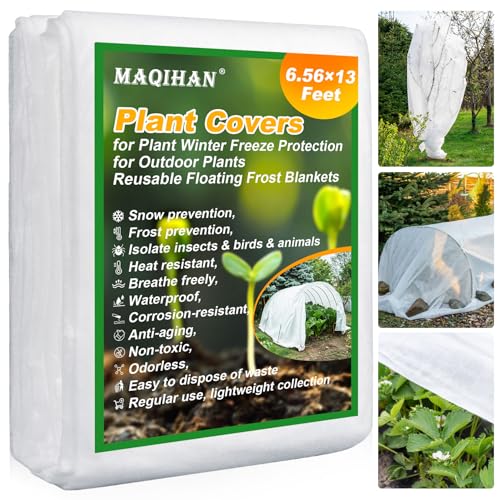
Product Features: Our plant covers are ideal for protecting all plant. Made from premium 1 oz/sq non-woven fabric, their durability and breathability ensuring both insulation against frost and facilitation of sunlight penetration for healthy plant growth

【Effective Plant Protection】Garden Covers for Raised Beds,Pop Up Garden Rows Plant Cove,Create a secure growing environment for your plants with these raised garden bed covers. The fine mesh effectively keeps out insects, birds, rabbits, squirrels, and other animals while allowing sunlight, air circulation, and moisture to reach your plants for healthy growth
Physical Barriers
Installing physical barriers discourages squirrels effectively. Consider these options:
- Fencing: Use tall, sturdy fences at least 3-4 feet high. Bury the bottom 1-2 feet underground to prevent digging.
- Cages: Enclose vulnerable plants with wire mesh or chicken wire. Ensure the mesh has small openings to keep squirrels out.
- Row Covers: Use lightweight fabric or netting over seedlings and young plants. It protects them while allowing light and moisture through.
Repellents and Deterrents
Applying repellents helps deter squirrels from your garden. Here are some suggestions:
- Commercial Repellents: Look for animal repellents that contain ingredients like capsaicin or predator urine. Apply them according to package instructions.
- Homemade Solutions: Mix water with hot pepper flakes and a few drops of dish soap. Spray this mixture around your plants for added protection.
- Motion-Activated Sprinklers: Install these devices to startle squirrels with unexpected bursts of water. They often flee from the sudden noise and movement.
Companion Planting Techniques
Using companion planting creates a less enticing environment for squirrels. Try these combinations:
- Strong Smelling Herbs: Plant herbs like mint, rosemary, or basil near your vegetables. The strong scents may deter squirrels due to their sensitivity.
- Spicy Plants: Incorporate plants like peppers or garlic. Squirrels often avoid areas with strong flavors.
- Sacrificial Plants: Grow plants that squirrels prefer, such as sunflowers or corn, away from your main crops. This strategy can redirect squirrel activity to less valuable areas.
Implementing these prevention strategies enhances your chances of protecting your garden from squirrels effectively.
Creating a Squirrel-Friendly Environment
Creating an environment that doesn’t attract squirrels helps protect your garden. Implementing simple strategies can reduce the chances of squirrel interference.
Recommended Products

STOPS DAMAGE FAST – Contains powerful ingredients that prevent squirrels from chewing & gnawing on wires, plants, outdoor furniture, and more

Keep Squirrels & Chipmunks from Digging, Chewing, & Nesting: Protect gardens, bird feeders, attics, garages, and vehicles from destructive small animals. This squirrel repellent spray creates a sensory barrier through smell, taste, and touch that squirrels and chipmunks instinctively avoid. Do not apply to plants, as burning may occur. Apply to surrounding areas only.

【Upgrade Bird Spikes】- 9 bird spikes, each bird spike has 4 rows of long spikes and 2 rows of short spikes, and can be easily broken into 4 small parts according to your needs, making it easy to install in narrow places.
Alternative Food Sources
Providing alternative food sources can draw squirrels away from your garden. Place bird feeders filled with seeds or nuts far from vegetable areas. These feeders distract squirrels while offering them a reliable food supply. Consider planting a small area with native plants, fruits, or nuts. Squirrels prefer these natural options, decreasing their interest in your vegetables.
Habitat Modifications
Modifying your garden habitat can make it less appealing to squirrels. Keep your garden tidy by removing debris and fallen fruits. Squirrels are attracted to clutter, which makes it a perfect hiding spot. Trim tree branches that extend close to the garden. This reduces access points for squirrels to jump into your vegetable patch. Finally, use fencing with small openings at the base. This method keeps out more opportunistic pests while allowing harmless critters to enter the garden.
Monitoring and Adjustments
Monitoring your garden is crucial for keeping squirrels at bay. Regular checks help identify which methods are working and which aren’t. You can then make the necessary adjustments to fortify your defenses.
Recommended Products

PROVEN RESULTS – Tested and proven to stop squirrels and chipmunks from digging without using harmful chemicals and dangerous poisons.
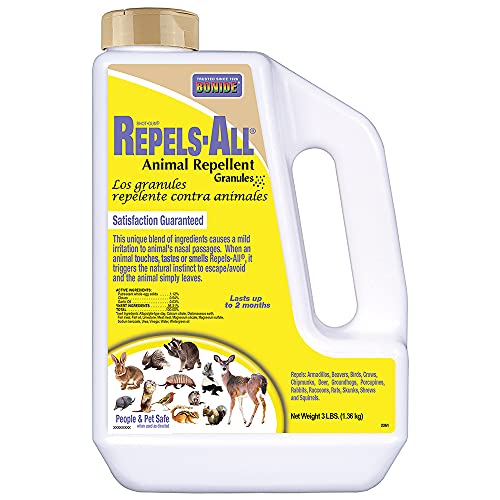
STRONG REPELLER - This unique blend of ingredients causes mild irritation to animal's nasal passages. When an animal touches, tastes, or smells Repels-All Animal Repellent, it triggers the natural instinct to escape/avoid and the pest leaves.

Assessing the Effectiveness of Your Methods
Evaluate each deterrent periodically. Keep track of the number of squirrel visits, any missing vegetables, and plant damage. For example, if you’re using a physical barrier, inspect it for gaps or signs of wear. If you’ve applied repellents, consider their longevity and effectiveness after rain. You can maintain a simple log or use your smartphone to track changes. This data helps you make informed decisions about what’s working in your garden.
When to Modify Your Approach
Be proactive in changing tactics whenever you notice an increase in squirrel activity. If one method isn’t effective, consider alternatives. For example, if a repellent isn’t deterring squirrels, try a different brand or homemade solution. Also, modify physical barriers based on squirrel behavior; add height or strengthen weak points as needed. Seasonal changes in squirrel behavior require flexibility. Regularly reassess your strategies, especially at the start of planting seasons and during natural food shortages, to ensure sustained protection.
Conclusion
Keeping squirrels away from your garden can feel like a constant battle but you have plenty of effective strategies at your fingertips. By understanding their behavior and preferences you can create an environment that’s less appealing to these furry foragers.
Implementing physical barriers and using repellents can go a long way in protecting your hard-earned vegetables. Remember to monitor your garden regularly and adjust your tactics as needed. With a little patience and creativity you can enjoy a thriving garden free from squirrel interference. Happy gardening!
Frequently Asked Questions
Why are squirrels eating my vegetables?
Squirrels are instinctive foragers that are attracted to the taste and texture of fresh vegetables. They often invade gardens when their natural food sources are scarce, making your garden an appealing target.
What types of squirrels commonly invade gardens?
The two most common squirrel species that invade gardens are the eastern gray squirrel, known for its adaptability, and the fox squirrel, which prefers open areas and is recognized for its larger size.
How can I prevent squirrels from accessing my garden?
To deter squirrels, use physical barriers like tall fences, wire mesh cages, and lightweight row covers. Adding repellents, such as capsaicin sprays, and employing motion-activated sprinklers can also be effective.
Are there natural methods to keep squirrels away?
Yes! Companion planting with strong-smelling herbs or spicy plants can make the garden less appealing. Additionally, providing alternative food sources, like bird feeders placed away from vegetables, can distract squirrels.
How can I modify my garden to avoid attracting squirrels?
Keep your garden tidy by removing debris and fallen fruits. Trim tree branches that extend close to the garden and use fencing with small openings at the base to reduce squirrel access.
How often should I check my squirrel deterrent strategies?
Regular checks are crucial. Monitor the effectiveness of your methods, such as tracking squirrel visits and any plant damage, to make informed adjustments as needed, especially during planting seasons and food shortages.
What should I do if squirrels keep coming back?
If squirrels persist, try changing your deterrent methods or using different repellents. Flexibility is key; reassess your strategies frequently to adapt to seasonal changes in squirrel behavior.

My interest in trees started when I first saw the giant sequoias in Yosemite.I was a teenager then, and I remember thinking, “I need to learn more about this.”That moment stuck with me.A few years later, I went on to study forestry at Michigan Tech.
Since graduating, I’ve worked in a mix of hands-on tree care and community education.I’ve spent over ten years helping people understand how to plant, maintain, and protect the trees in their neighborhoods.I don’t see trees as just part of the landscape.They are living things that make a real difference in our daily lives.