Have you ever stepped outside to find your carefully tended garden bed turned into a cat playground? You’re not alone. Many gardeners face the challenge of keeping curious cats from digging up their plants and ruining their hard work.
Key Takeaways
- Understand Feline Behavior: Recognizing why cats enter gardens—curiosity, hunting instincts, comfort, and territorial behavior—can help you devise effective deterrents.
- Implement Physical Barriers: Use netting, chicken wire, or garden fencing to create obstacles that prevent cats from accessing your raised garden beds.
- Utilize Natural Deterrents: Scatter citrus peels, coffee grounds, or plant cat-repellent herbs to naturally discourage cats from entering your garden.
- Explore Cat Repellent Products: Consider using granular repellents, liquid sprays, or ultrasonic devices to keep cats away from your plants while remaining safe for the environment.
- Maintain Your Garden Regularly: Conduct daily inspections, prune plants, and secure the soil with mulch or decorative rocks to reduce the appeal of your garden to curious felines.
- Attract Beneficial Wildlife: Install birdhouses and insect hotels while planting native vegetation to create a thriving ecosystem that deters cats and supports your garden’s health.
Understanding the Problem
Cats often see raised garden beds as their playground. Understanding why they invade your garden can help you find effective solutions.
Recommended Products

Go Away! Rabbit, Dog & Cat Repellent Granules by Bonide effectively and naturally repel animals and deter them from forbidden areas in your yard, lawn and garden.
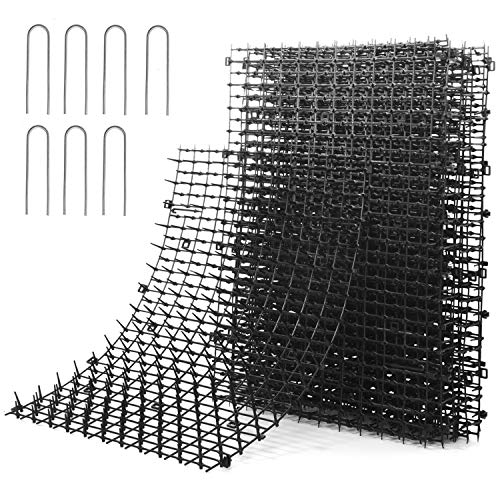
★SET OF 10 CAT SCAT MAT ---Humane plastic cat spike mat, compare with other expensive pet shock mats that are the perfect way to avoid critter & wildlife from digging & scratching. Perfect size 16" x 12" can cover a large area in your garden.

𝐇𝐮𝐦𝐚𝐧𝐞 𝐒𝐨𝐥𝐮𝐭𝐢𝐨𝐧 - Humane plastic cat spike mat, Safe and animal-friendly pet repellent device, that is the perfect and humane way to deter pets and small wildlife from digging and scratching.
Common Reasons Cats Enter Gardens
- Curiosity: Cats are naturally curious creatures. They explore their surroundings, and raised beds with plants draw their attention.
- Hunting Instinct: Your garden might house small insects, rodents, or birds. Cats may enter the space for the thrill of the hunt.
- Comfort: Soft soil and warm sunlight make garden beds appealing spots for cats to lounge and nap.
- Territorial Behavior: Cats might consider your garden part of their territory and mark it as such, multiplying the chances of their presence.
- Plant Damage: Cats can dig or scratch in garden beds, uprooting seedlings or damaging delicate plants.
- Soil Disruption: Their paw movements can disturb the soil, leading to uneven planting conditions.
- Disease Transmission: Cats carry diseases or parasites that could affect your plants or the broader ecosystem.
- Waste Issues: Feces in your garden not only produce unpleasant odors but can also introduce harmful bacteria or toxins to your soil.
Taking these considerations into account equips you with the knowledge to protect your garden effectively.
Effective Strategies
To keep cats out of raised garden beds, you can implement several effective strategies that deter them while protecting your plants.
Recommended Products

REPELS COMMON YARD PESTS: Safer Brand Critter Ridder repels raccoons, skunks, dogs, cats, squirrels, groundhogs, and chipmunks

PREVENT RATS AND MICE OUTDOORS: Tomcat Repellents Rodent Repellent Granules prevents rodent entry, nesting, and foraging outdoors, working as a mouse and rat deterrent

PROVEN RESULTS: Tested and proven to repel Dogs and Cats without harmful chemicals or dangerous poisons
Physical Barriers
Creating physical barriers is a straightforward way to keep cats out. Consider:
- Netting: Use lightweight netting or mesh to cover your garden beds. This keeps cats from digging while still allowing sunlight and moisture to reach the soil.
- Chicken Wire: Lay down chicken wire just below the surface of your soil. You can also create a fence around your garden using chicken wire, ensuring it extends a few inches above the soil.
- Garden Fencing: Install decorative fencing that’s at least 2-3 feet high. Cats prefer jumping onto low spots, so a taller fence helps discourage them.
Natural Deterrents
Utilizing natural deterrents can help discourage cats from visiting your garden. Try these options:
- Citrus Peels: Scatter orange or lemon peels around your garden. Cats typically dislike the smell of citrus.
- Coffee Grounds: Sprinkle used coffee grounds in the garden. The scent can repel cats while benefiting plants as a fertilizer.
- Herbs: Plant cat-repellent herbs like lavender, rosemary, or rue. The strong scents can deter cats from approaching.
Cat Repellent Products
There are various cat repellent products available that can be effective in keeping felines at bay. Consider these:
- Granular Repellents: These pellets can be sprinkled around your garden. They contain natural ingredients that repel cats.
- Liquid Sprays: Apply these sprays directly on the soil or leaves of plants. Choose non-toxic options to ensure safety for other animals and the environment.
- Ultrasonic Devices: These emit high-frequency sounds that are unpleasant to cats but inaudible to humans. Place them strategically in your garden for maximum effectiveness.
Implementing these strategies helps create a cat-free environment in your raised garden beds while maintaining the health of your plants.
Maintaining Your Garden
Keeping your garden healthy involves regular upkeep. Regular maintenance can prevent issues caused by curious cats. Here are some strategies to implement.
Recommended Products

FORMULATED TO HELP KEEP PETS AWAY FROM TREATED AREAS: Repellent scent acts as a signal telling cats to stay away from the treated areas
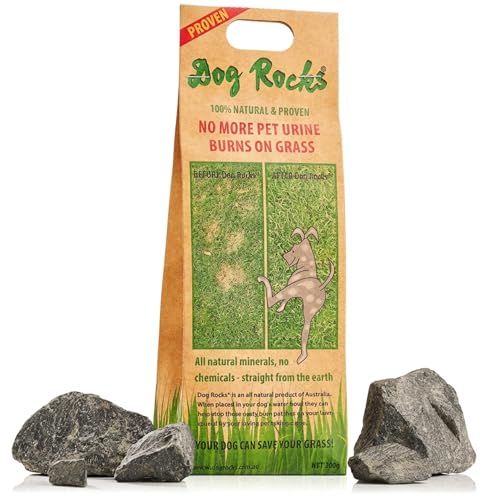
Natural Dog Rock Solution from Australia: Dog Rocks are made from naturally sourced igneous rocks that help reduce urine burn marks on grass without altering your dog's urinary balance.

Organic cat repellent naturally trains cats to keep out of your garden
Regular Maintenance Tips
- Inspect the Garden Regularly
Inspect your garden daily for any signs of feline activity. Look for footprints or disturbed soil. - Water and Prune Plants
Water plants consistently and prune dead or unhealthy leaves. Healthy plants are less appealing to cats. - Secure the Soil
Use mulch or decorative rocks to cover the soil, deterring cats from digging. Mulch also retains moisture and provides nutrients. - Remove Attractants
Clear away debris and fallen fruit. These items can attract cats looking for a snack. - Adjust Plant Placement
Group plants close together. This reduces open soil space where cats may choose to lounge.
Attracting Beneficial Wildlife
Attract helpful wildlife to your garden to deter cats. Certain animals can play a vital role in your garden’s ecosystem.
- Birdhouses and Feeders
Install birdhouses and feeders to encourage birds. Their presence often scares cats away. - Insect Hotels
Create insect hotels to attract pollinators like bees and ladybugs. These insects can help your plants thrive while deterring cats. - Native Plants
Plant local flowers and shrubs. These attract butterflies and other beneficial wildlife. - Water Sources
Set up small birdbaths or shallow dishes of water. Accessible water encourages wildlife and can deter cats. - Natural Predators
If possible, allow owls or hawks to nest nearby. These natural predators can keep the cat population in check.
Conclusion
Keeping cats out of your raised garden bed doesn’t have to be a constant struggle. By using a mix of physical barriers and natural deterrents you can create an environment that’s less inviting for those curious felines. Regular maintenance and a bit of creativity can go a long way in protecting your plants.
Remember to stay observant and adjust your strategies as needed. With a little patience and the right approach you’ll be able to enjoy your garden without the unwanted company of cats. Happy gardening!
Frequently Asked Questions
Why do cats invade my garden beds?
Cats are naturally curious creatures. They may be drawn to garden beds due to hunting instincts, the comfort of soft soil, warm sunlight, and the perceived territory. Understanding these reasons can help you find effective ways to deter them.
What problems can cats cause in my garden?
Cats can damage plants, disrupt soil, transmit diseases, and create waste issues in your garden. Preventing their access is essential for maintaining the health and beauty of your plants.
How can I keep cats out of my garden beds?
You can create physical barriers using netting or chicken wire and use natural deterrents like citrus peels or coffee grounds. Cat repellent products, such as granular repellents or ultrasonic devices, can also help keep them away.
Are there any natural cat repellents?
Yes, natural repellents include citrus peels, coffee grounds, and certain herbs like rosemary and lavender. These odors can make your garden less inviting for cats.
What regular maintenance should I do to protect my garden?
Inspect your garden daily for signs of cats, consistently water and prune plants, secure soil with mulch, and remove debris or fallen fruit. This helps maintain a healthy environment and deters feline activity.
Can other wildlife help keep cats away?
Yes, encouraging natural predators like owls or hawks can help maintain a balanced ecosystem in your garden, potentially deterring cats while also benefiting your plants.
What cat repellents are available on the market?
There are various cat repellent options, including granular repellents, liquid sprays, and ultrasonic devices. These can effectively help maintain a cat-free environment without harming your plants.

My interest in trees started when I first saw the giant sequoias in Yosemite.I was a teenager then, and I remember thinking, “I need to learn more about this.”That moment stuck with me.A few years later, I went on to study forestry at Michigan Tech.
Since graduating, I’ve worked in a mix of hands-on tree care and community education.I’ve spent over ten years helping people understand how to plant, maintain, and protect the trees in their neighborhoods.I don’t see trees as just part of the landscape.They are living things that make a real difference in our daily lives.