To induce an apple tree to bloom, you can manipulate its environment and care routine. Adjusting factors like temperature, light exposure, and pruning techniques can stimulate flowering effectively.
Essential Tools for Apple Tree Blooming
To successfully induce blooming in apple trees, having the right tools is crucial. This section outlines the essential equipment and materials needed for effective care and management, ensuring that your apple trees are primed for a vibrant and fruitful flowering season. With the right preparation, you can enhance your chances of a bountiful harvest.
Before starting the process, collect the necessary supplies. Having the right tools and materials will streamline your efforts and ensure a successful outcome. Here’s a checklist of what you need:
| Supply Item | Purpose |
|---|---|
| Pruning Shears | For trimming branches |
| Fertilizer | To provide nutrients |
| Watering Can | To hydrate the tree |
| Mulch | To retain soil moisture |
| Thermometer | To monitor temperature |
Apple Tree Growth Cycle Insights
Understanding the growth cycle of apple trees is essential for successfully inducing blooms. This section delves into the various stages of development, from dormancy to flowering, providing insights that will help you time your interventions effectively. By grasping these phases, you’ll be better equipped to encourage a vibrant and fruitful apple tree.
Apple trees go through distinct growth stages that affect their blooming cycles. Understanding these stages helps you time your interventions correctly. The typical stages include:
-
Dormancy: The tree rests and prepares for the next growing season.
-
Bud Break: The tree begins to show signs of life as buds swell.
-
Flowering: The tree produces blossoms, which can lead to fruit.
Recognizing these stages allows you to apply techniques when the tree is most receptive.
Ideal Conditions for Apple Tree Blooming
To successfully induce your apple tree to bloom, understanding the ideal conditions is crucial. Factors such as temperature, sunlight, and soil quality play significant roles in promoting healthy flowering. This section will guide you through the specific environmental conditions necessary for your apple tree to thrive and produce beautiful blossoms.
Creating the right environment is crucial for encouraging apple trees to bloom. Temperature and light play significant roles in the blooming process. Here are some steps to optimize conditions:
-
Monitor Temperature: Apple trees thrive in temperatures between 60°F and 75°F. Use a thermometer to check the conditions.
-
Increase Sunlight Exposure: Ensure the tree receives at least 6-8 hours of sunlight daily. Trim surrounding plants if necessary.
-
Control Watering: Water the tree deeply but infrequently to encourage root growth. Avoid waterlogging.
Ensure these conditions are met to promote healthy blooming.
Pruning Techniques for Enhanced Blooming
Pruning is a crucial technique for encouraging apple trees to produce abundant blooms. By understanding the right methods and timing, you can effectively shape your tree and stimulate new growth. This section will explore specific pruning techniques that enhance flowering and ultimately lead to a healthier, more fruitful apple tree.
Pruning is a vital step in inducing blooms. Proper pruning encourages new growth and allows light to penetrate the tree’s interior. Follow these guidelines:
-
Remove Dead or Diseased Wood: Cut away any unhealthy branches to redirect energy to healthy growth.
-
Thin Out Crowded Branches: Space out branches to improve air circulation and light penetration.
-
Cut at the Right Time: Perform pruning in late winter or early spring before the buds break.
Effective pruning can significantly enhance the likelihood of blooming.
Recommended Products

IDEAL BRANCH TRIMMER: 28" Steel blade garden bypass lopper that glides through up to 1.5" thick branches for easy cuts; Works well for trimming tree branches to maintain your yard and garden, and to encourage overall plant health and appearance

LONG-LASTING SHARPNESS: Japanese SK5 bypass blade with titanium coating is tested through 5,000 cuts to maintain a sharp edge and deliver clean, consistent cuts on live stems and branches
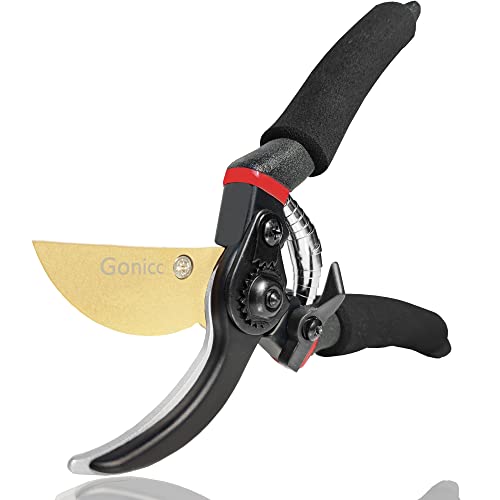
Drop-forged construction delivers exceptional durability and sturdiness for long-term heavy garden use.
Fertilizer Selection for Apple Tree Blooms
Choosing the right fertilizer is crucial for encouraging apple tree blooms. The right nutrients can significantly impact flower production and overall tree health. This section will guide you through selecting the most effective fertilizers to promote vibrant blossoms on your apple trees.
Applying the right fertilizer can boost your apple tree’s health and bloom production. Here’s how to fertilize effectively:
-
Choose a Balanced Fertilizer: Select a fertilizer with equal parts nitrogen, phosphorus, and potassium.
-
Apply in Early Spring: Fertilize when the buds begin to swell to provide nutrients during the growth phase.
-
Follow Application Guidelines: Adhere to the recommended amounts on the fertilizer packaging to avoid over-fertilization.
Proper fertilization supports robust growth and blooming.
Pest and Disease Monitoring Techniques
Monitoring pests and diseases is crucial for ensuring healthy apple trees that bloom successfully. By implementing effective techniques, you can identify potential threats early and take appropriate action. This section will outline practical methods to keep your apple trees thriving and enhance their blooming potential.
Pests and diseases can hinder blooming and overall tree health. Regular monitoring is essential to catch issues early. Here are common threats:
-
Aphids: Small insects that suck sap and can stunt growth.
-
Powdery Mildew: A fungal disease that affects leaves and flowers.
-
Coddling Moths: Larvae that can damage blossoms and fruit.
Implement integrated pest management strategies to keep your tree healthy.
Blooming Strategies for Apple Trees
To encourage your apple trees to produce a vibrant display of blossoms, understanding effective blooming strategies is essential. This section delves into practical techniques and tips that can help you create the ideal conditions for flowering, ensuring a bountiful harvest in the seasons to come. Discover how to nurture your trees for optimal bloom and fruit development.
Inducing an apple tree to bloom requires a combination of environmental adjustments, pruning, fertilization, and pest management. Each step plays a critical role in the overall health and flowering potential of the tree.
Be patient as you implement these strategies. It may take time for your apple tree to respond and produce blossoms.

My interest in trees started when I first saw the giant sequoias in Yosemite.I was a teenager then, and I remember thinking, “I need to learn more about this.”That moment stuck with me.A few years later, I went on to study forestry at Michigan Tech.
Since graduating, I’ve worked in a mix of hands-on tree care and community education.I’ve spent over ten years helping people understand how to plant, maintain, and protect the trees in their neighborhoods.I don’t see trees as just part of the landscape.They are living things that make a real difference in our daily lives.