Have you ever struggled with a weak water flow from your garden hose while trying to keep your plants hydrated? You’re not alone. Many gardeners face this frustrating issue, especially during the hot summer months when every drop counts.
Key Takeaways
- Understanding factors like hose diameter, length, and water pressure is crucial for improving water flow in your garden hose.
- Use a hose with a larger diameter (preferably 5/8 inch) and minimize length to enhance flow and reduce pressure drops.
- Regular maintenance, including checking for kinks, cleaning fittings, and flushing the hose, is essential for uninterrupted water delivery.
- Optimize your hose reel and use quality connectors to prevent leaks and maintain consistent pressure.
- If persistent low water flow issues remain, consult a professional to diagnose and address underlying problems.
Understanding Water Flow in Garden Hoses
Water flow plays a significant role in gardening. Efficient water delivery ensures vital hydration for your plants. Understanding how to enhance this flow can lead to healthier gardens.
The Importance of Water Flow
Water flow directly impacts plant health. Inadequate flow means less water, which can stress plants. A strong flow supports consistent watering, reduces dry spots, and aids nutrient absorption. Improved water flow also fosters effective irrigation, saving you time and effort.
Factors Affecting Water Flow
Various factors influence water flow through your garden hose. Here are key elements to consider:
- Hose Diameter: Larger hoses allow more water to flow through. Opt for a hose with a wider diameter for better flow.
- Hose Length: Longer hoses can cause pressure drops. Minimize hose length to optimize pressure, which results in improved flow.
- Kinks and Bends: Kinks obstruct water flow. Ensure your hose remains straight and free from tangles to maintain steady flow.
- Fittings and Connectors: Incompatible or damaged fittings hinder flow. Use quality connectors that fit securely to allow optimal water movement.
- Water Pressure: Check your home’s water pressure. Low pressure decreases flow rate. A pressure gauge can help assess this, and adjustments may be necessary for improvement.
- Clogs and Debris: Accumulated debris can obstruct your hose. Regularly clean your hose and nozzle to prevent blockages, ensuring uninterrupted water flow.
By understanding these factors, you can effectively manage and enhance water flow in your garden hose system.
Tips to Increase Water Flow
To improve water flow in your garden hose, consider these essential tips. Making simple adjustments can enhance performance and optimize your watering routine.
Recommended Products

High Flow 5/8" Inner Diameter for Powerful Flow: Flaronro 25 ft × 5/8" garden hose is built with a High Flow 5/8 inch inner diameter hose (16mm) and fittings (14mm), delivering 25% more water flow for faster, more efficient watering.

High Flow 5/8" Inner Diameter for Powerful Flow: Flaronro 50 ft × 5/8" garden hose is built with a High Flow 5/8 inch inner diameter hose (16mm) and fittings (14mm), delivering 25% more water flow for faster, more efficient watering.

High Flow 5/8" Inner Diameter for Powerful Flow: Flaronro 25 ft × 5/8" garden hose is built with a High Flow 5/8 inch inner diameter hose (16mm) and fittings (14mm), delivering 25% more water flow for faster, more efficient watering.
Choosing the Right Hose
Select a hose with a larger diameter. A 5/8-inch diameter hose provides better flow than a 1/2-inch hose. Use a shorter hose when possible. Excessive length reduces pressure and flow. Opt for hoses with fewer fittings and connectors. Each additional connection can create points of restriction. Choose lightweight, flexible materials to avoid kinks that obstruct water flow.
Maintaining Your Hose
Inspect your hose regularly for kinks and damage. Kinks hinder flow, so unwind the hose fully before use. Flush the hose periodically. Running water through it helps remove any clogs or debris. Clean any fittings or connectors with vinegar or a mild detergent, ensuring they’re free from build-up. Store your hose properly. Avoid leaving it in direct sunlight, as UV rays can degrade material over time.
DIY Solutions for Better Water Flow
Improving water flow in your garden hose can enhance your watering efficiency. Here are some effective DIY solutions.
Recommended Products
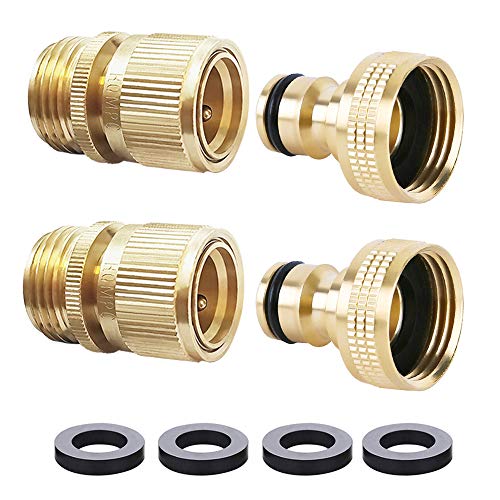
★【Standard 3/4 Inch GHT Garden Hose Quick Connect】-This garden hose quick connect sets including 2 brass female connectors + 2 brass male connectors+4 free washers.Use this hose quick connect fittings You can enjoy it work perfectly with any standard garden hose,faucets,hose bibs and watering devices.

【Solid Brass Hose Quick Connect】This hose quick connectors are with solid brass construction, heavy duty and rust proof, lasts season-after-season
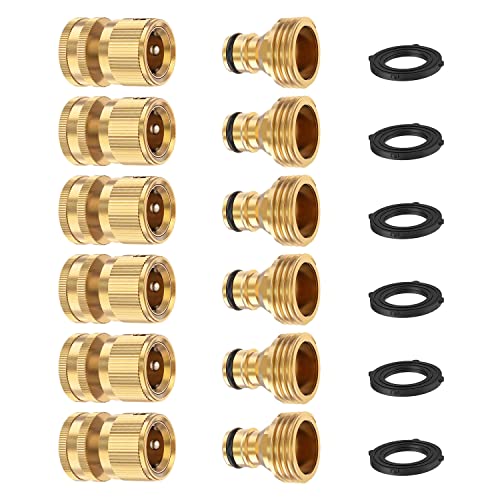
【 Premium Brass Construction】Made of high quality brass material. Durability & leak-free.
Hose Reel Optimization
Optimizing your hose reel increases water flow and reduces tangles. Start by unwinding the hose completely and checking for kinks or bends. Store the hose loosely to avoid pressure buildup. If your reel has a crank, ensure it’s easy to operate. Position the reel so that the hose feeds out smoothly, minimizing sharp angles. Test the water flow after adjustments. A well-maintained reel can add significant length to the effective hose and improve overall performance.
Using Hose Connectors Efficiently
Using hose connectors correctly can prevent leaks and increase pressure. Check for leaks in connectors and replace any damaged ones immediately. Choose quick-connect fittings to streamline the attachment process. Make sure all connectors fit tightly to eliminate unnecessary gaps. If using multiple hoses, opt for connectors designed for low pressure to maintain flow. Tightening connections by hand provides a secure hold without the need for tools. Regularly inspect connections to ensure water flows freely without obstructions.
When to Seek Professional Help
Sometimes, despite your best efforts, water flow issues persist. In these cases, consider reaching out to a professional. They can diagnose issues that might not be immediately apparent.
- Consistent Low Pressure: If your water pressure remains low even after following the suggested tips, it might indicate a more significant issue.
- Visible Damage: If you notice cracks or leaks in the hose that can’t be easily repaired, a professional can recommend suitable replacements.
- Clogs Beyond Cleaning: If flushing the hose doesn’t remove stubborn clogs, professionals can use specialized equipment to clear them.
- Unexpected Water Quality Changes: If the water looks discolored or has a foul odor, a professional can assess potential contamination and recommend solutions.
- Complex Irrigation Systems: If you’re using a more complex system, such as drip irrigation or sprinklers, a specialist can optimize your setup for improved flow.
Professional help can not only resolve existing issues but also offer advice on maintaining your system for better water flow in the long run.
Conclusion
Improving water flow in your garden hose can make a world of difference for your plants. By following the tips shared in this article you can ensure your garden gets the hydration it needs to thrive.
Remember to choose the right hose size check for kinks and clogs and maintain your equipment regularly. With a little effort you’ll see healthier plants and more efficient watering in no time.
If you ever hit a roadblock don’t hesitate to reach out for professional help. Your garden deserves the best care possible so keep those water flow issues at bay and enjoy a vibrant garden all season long.
Frequently Asked Questions
What causes weak water flow in garden hoses?
Weak water flow can result from several factors, including hose diameter, length, kinks, clogs, fittings, and low water pressure. Regular maintenance and choosing the right hose can help address these issues.
How can I improve water flow in my garden hose?
To enhance water flow, choose a hose with a larger diameter (like 5/8 inches), reduce hose length, limit connectors, and ensure hoses are free from kinks and clogs. Regular maintenance is also essential.
What diameter hose is best for optimal water flow?
A 5/8-inch diameter hose is generally recommended for better water flow. It allows for greater water volume and pressure compared to smaller diameters, which can improve watering efficiency.
How often should I maintain my garden hose?
Regular maintenance should be done at least once a season. However, if you notice issues like weak flow or visible damage, you should inspect and maintain your hose immediately.
What DIY solutions can help with hose water flow?
DIY solutions include unwinding hoses completely, checking for kinks, optimizing hose reel positioning, and inspecting connectors for leaks. Regularly flushing the hose can also remove clogs that hinder flow.
When should I seek professional help for water flow issues?
Seek professional assistance if you experience consistent low pressure, visible hose damage, stubborn clogs, unexpected changes in water quality, or if you have a complex irrigation system that requires optimization.

My interest in trees started when I first saw the giant sequoias in Yosemite.I was a teenager then, and I remember thinking, “I need to learn more about this.”That moment stuck with me.A few years later, I went on to study forestry at Michigan Tech.
Since graduating, I’ve worked in a mix of hands-on tree care and community education.I’ve spent over ten years helping people understand how to plant, maintain, and protect the trees in their neighborhoods.I don’t see trees as just part of the landscape.They are living things that make a real difference in our daily lives.