Growing pine trees from seed is a straightforward process that can yield rewarding results. By following specific steps, you can successfully cultivate these trees from tiny seeds into healthy saplings.
Essential Supplies for Pine Seed Germination
To successfully grow pine trees from seed, having the right supplies is crucial. This section outlines the essential materials and tools needed to create an optimal environment for germination, ensuring that your pine seeds have the best chance to thrive. Understanding these requirements will set the foundation for your planting journey.
To successfully grow pine trees from seed, gather the necessary supplies. Having the right tools and materials will streamline the process and increase your chances of success. Here’s a list of essential items you will need:
| Item | Description |
|---|---|
| Pine seeds | Choose a variety suited to your climate |
| Seed trays | For germination and initial growth |
| Potting mix | Well-draining mix for seedlings |
| Watering can | To keep soil moist |
| Labels | To identify different seed varieties |
| Plastic wrap | To maintain humidity during germination |
Recommended Products

Adjustable Vents: The seed trays have adjustable vents that allow you to regulate the temperature and humidity of your seedling environment for total control over the growing process.

【Biodegradable Material】The seed trays are crafted from environmentally friendly materials, ensuring sustainability from seed to harvest

Mr. Pen seed starter tray kits come in a pack of 10, each featuring a 12-cell tray to help you grow healthy seedlings for your garden or home planting projects.
Pine Seed Preparation for Optimal Growth
Preparing pine seeds properly is crucial for successful germination and growth. This section outlines the essential steps to enhance seed viability, including stratification and cleaning techniques that mimic natural conditions. By following these guidelines, you can significantly increase your chances of cultivating healthy pine trees from seed.
Before planting, it is crucial to prepare both the seeds and the planting environment. This preparation ensures optimal conditions for germination and growth.
-
Select Seeds
Choose high-quality pine seeds from a reputable source. Different species may have varying requirements. -
Stratify Seeds
Some pine seeds require a cold stratification period. Place seeds in a damp paper towel, seal them in a plastic bag, and refrigerate for 30 to 60 days. -
Prepare Seed Trays
Fill seed trays with potting mix. Ensure the mix is moist but not soggy. This will provide a suitable environment for the seeds. -
Label Trays
Use labels to mark the seed variety and date of planting. This helps track growth and care.
Pine Seed Germination Process Steps
Successfully growing pine trees from seed begins with understanding the germination process, which is crucial for ensuring healthy seedlings. This section outlines the essential steps to prepare and nurture pine seeds, providing you with the knowledge needed to cultivate robust trees. By following these guidelines, you can set the foundation for thriving pine trees in your landscape.
With preparation complete, it’s time to execute the germination process. Follow these steps to ensure your seeds have the best chance of sprouting.
-
Plant Seeds
Plant seeds about 1/4 inch deep in the potting mix. Space them according to the specific variety’s requirements. -
Water Thoroughly
Water the trays gently using a watering can. Ensure the soil is evenly moist but not waterlogged. -
Cover with Plastic Wrap
Place plastic wrap over the trays to create a greenhouse effect. This helps maintain humidity, which is crucial for germination. -
Provide Light and Warmth
Place the trays in a warm, bright location. A temperature range of 65-75°F is ideal for germination. -
Monitor Moisture
Check the soil regularly to ensure it remains moist. Remove the plastic wrap once seedlings emerge, usually within 2-4 weeks.
Recommended Products

12-LED GROW LIGHT PER TRAY — Each of the five seed starting trays features a full-spectrum grow light with 12 LED beads, providing supplemental light for indoor seedlings.

The Perfect Home to Start Your Garden! No Glues or Binders! Grows Strong & Healthy Roots Breathable Reusable Tray & Lid (refills available online) Pairs with Back to the Roots Seeds & Seed Starting Mix
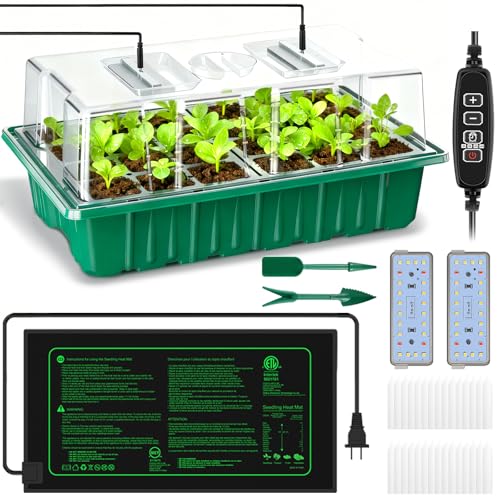
🌱【Most Suitable Temperature】The Durable Seedling Hydroponic Heat Mat provides consistent, uniform heating at temperatures around 70°F to 85°F (24℃ to 30℃), which are the perfect temperatures for seed starting and cutting propagation.High-quality plastic is reusable, recyclable. The seed starter trays are divided into equal 1.96" squares in 1.85" depth for your small or large seeds for flowers, vegetables, fruits, succulents and other plants. It is designed with the proper size holes to allow drainage, while the bottom seedling trays retains overflow water to prevent leaking.
Transplanting Pine Seedlings for Optimal Growth
Transplanting pine seedlings is a crucial step in ensuring their healthy development and long-term success. Proper techniques and timing can significantly influence their growth, helping them establish strong roots and thrive in their new environment. This section outlines the essential practices for transplanting pine seedlings effectively.
Once your seedlings have developed a few sets of true leaves, it’s time to transplant them into larger pots. This step allows for continued growth and development.
-
Choose Larger Pots
Select pots that are at least 4-6 inches in diameter. Ensure they have drainage holes. -
Prepare New Potting Mix
Use a well-draining potting mix for the new pots. This will support healthy root development. -
Carefully Remove Seedlings
Gently remove seedlings from the seed trays. Avoid damaging the roots. -
Plant Seedlings
Place seedlings in the new pots, ensuring they are planted at the same depth as in the seed tray. Fill in with potting mix and water thoroughly. -
Provide Adequate Light
Keep the transplanted seedlings in a well-lit area, but avoid direct sunlight to prevent scorching.
Recommended Products

Miracle-Gro Indoor Potting Mix for Seed Starting grows stronger roots for seeding success (vs unfed when used as directed)

INDOOR GROWING: Growing indoors is easy under the right conditions; Miracle-Gro Houseplant Potting Mix is an indoor plant potting soil that combines key elements container plants need to thrive
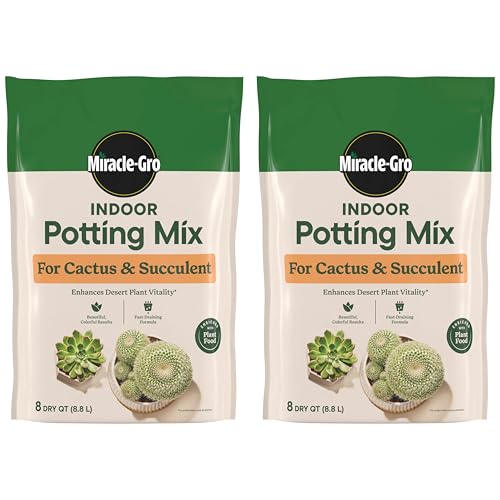
Miracle-Gro Indoor Potting Mix for Cactus and Succulent is enriched with Miracle-Gro Plant Food and enhances desert plant vitality (vs unfed plants when used as directed)
Pine Seed Growth Challenges and Remedies
Growing pine trees from seed can be a rewarding endeavor, but it comes with its own set of challenges. Understanding the common obstacles, such as germination issues and pest threats, is crucial for successful cultivation. This section explores these challenges and offers practical remedies to help ensure your pine seedlings thrive.
Growing pine trees from seed can come with challenges. Understanding common issues helps in addressing them effectively.
| Issue | Symptoms | Solution |
|---|---|---|
| Poor germination | Seeds do not sprout | Check seed quality and stratification |
| Seedling damping off | Wilting seedlings | Improve air circulation and reduce watering |
| Pest infestations | Visible insects on seedlings | Use insecticidal soap or neem oil |
Be vigilant about the health of your seedlings to ensure they thrive.
Seedling Care for Optimal Pine Growth
Caring for pine seedlings is crucial to ensure their healthy development and long-term success. Proper attention during the early stages can significantly influence their growth, resilience, and ability to thrive in various environments. This section outlines essential practices for nurturing your pine seedlings, helping you cultivate strong and vibrant trees.
Growing pine trees from seed requires patience and attention to detail. Monitor your seedlings closely and adjust care as needed.
Avoid overwatering to prevent root rot.
Ensure your seedlings receive sufficient light to promote healthy growth.

My interest in trees started when I first saw the giant sequoias in Yosemite.I was a teenager then, and I remember thinking, “I need to learn more about this.”That moment stuck with me.A few years later, I went on to study forestry at Michigan Tech.
Since graduating, I’ve worked in a mix of hands-on tree care and community education.I’ve spent over ten years helping people understand how to plant, maintain, and protect the trees in their neighborhoods.I don’t see trees as just part of the landscape.They are living things that make a real difference in our daily lives.